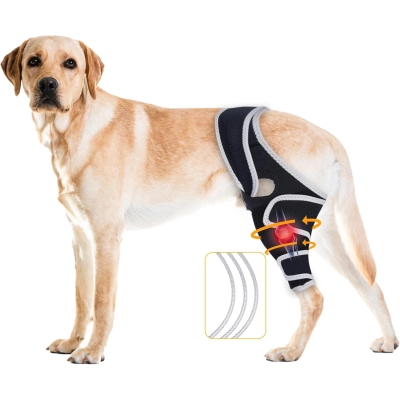
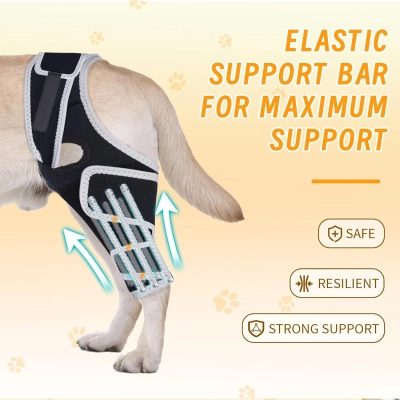
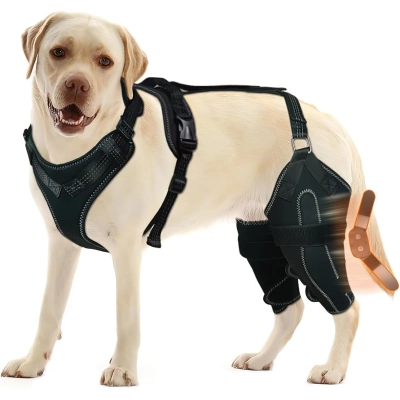
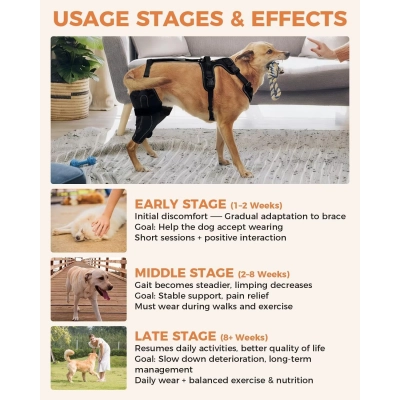
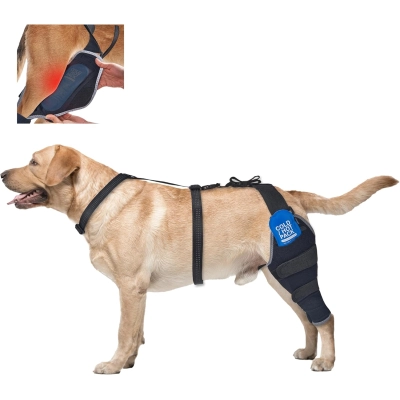
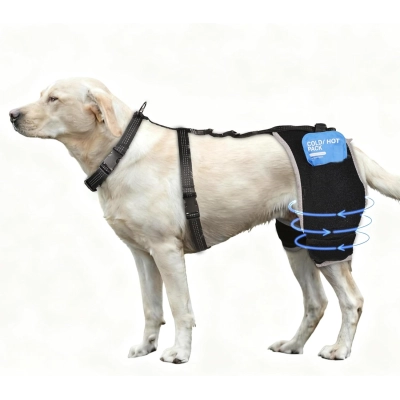
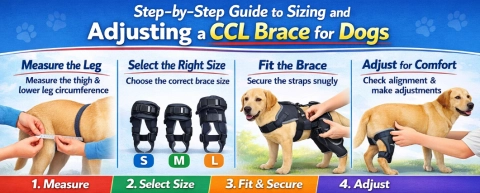
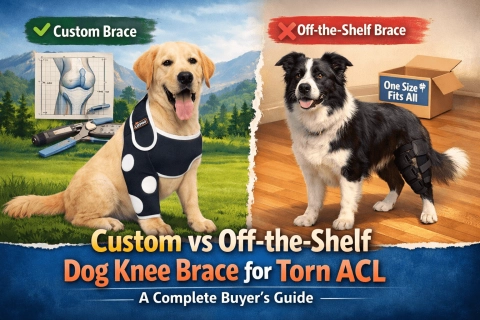
Custom vs Off-the-Shelf Dog Knee Brace for Torn ACL A Complete Buyer’s GuideYou just found out your dog needs a dog knee brace for torn acl. That news can feel overwhelming. You want to make the right choice, but the options seem confusing. Should you go with a custom solution or try an off-the-shelf brace? According to the American College of Veterinary Surgeons (ACVS), a proper veterinary diagnosis is essential before considering any treatment plan for canine knee injuries. Your dog's comfort and recovery matter most right now. Always talk with your vet and consider a full recovery plan that includes rehab and support at home. Key Takeaways Talk to your vet before picking a knee brace for your dog. Your vet can help you choose the best one for your dog's needs. Custom dog knee braces fit your dog better and give more support for bad injuries. They help your dog walk normally and feel less pain. Off-the-shelf braces cost less and are easy to find. They are good for small injuries but may not support as much as custom braces. Check your dog's comfort and skin when using a brace. Look often to stop problems like rubbing or sores. Use a knee brace with rehab exercises. This helps your dog heal and get strong and active again. Understanding Dog Knee Braces and Torn ACLs What Is the Cranial Cruciate Ligament (CCL)? You might hear your vet talk about the cranial cruciate ligament, or CCL. This ligament sits inside your dog’s knee and keeps the bones in place. It stops the shin bone from sliding forward when your dog walks or runs. When the CCL gets hurt, your dog can feel a lot of dog knee pain. You may notice your dog limping or not wanting to play. People often call this injury a torn acl, but CCL is the correct term for dogs. Causes and Signs of a Torn ACL in Dogs Many things can lead to a CCL injury. Some dogs get hurt during play or after a sudden twist. Others have weak ligaments because of their breed or age. Obesity puts extra stress on the knees and can cause dog knee pain. Some breeds, like Labrador Retrievers and Rottweilers, have a higher risk. Older dogs often have weaker cartilage, which makes them more likely to get hurt. You can spot a CCL injury if you see these signs: Limping or holding up a back leg Swelling around the knee Trouble standing up or climbing stairs Less interest in playing or jumping Licking the sore knee Here’s a quick look at which dogs are most at risk: Dog Breed Prevalence of CCL Injuries Large Breeds Labrador Retrievers, Rottweilers, Boxers, Bulldogs, and more Small Breeds Chihuahua, Shih Tzu, Miniature Schnauzer Risk Factors Size, genetics, obesity, joint inflammation Why Bracing Matters for CCL Injuries Dog knee pain can make life tough for your pet. A knee brace helps by giving support and keeping the bones in line. This support reduces swelling and makes walking less painful. Braces also help your dog feel more balanced and confident. They limit harmful movements, so your dog can walk and do rehab exercises safely. Braces keep the knee stable, which helps prevent more damage and lets scar tissue form for healing. Many owners notice their dogs move better and have less dog knee pain when using a brace. A study published in the Journal of the American Veterinary Medical Association found that over 80% of dogs using functional braces showed improved weight-bearing within one month. Studies show that most dogs with a brace have less limping and can put more weight on the sore leg. Tip: Always check your dog’s skin under the brace for any redness or sores. A good fit is key to comfort and healing. How a Dog Knee Brace Works Stabilizing the Joint and Reducing Tibial Thrust A dog knee brace does more than just wrap around your dog’s leg. It helps your dog walk with less pain by keeping the knee joint steady. When your dog has a torn ligament, the tibia (shin bone) can slide forward. This movement is called tibial thrust, and it causes pain and swelling. Here’s how a knee brace helps: It holds the knee in place and stops the tibia from moving too far forward. It reduces painful micro-movements in the joint. It helps your dog put weight on the leg with more confidence. It cuts down on swelling and lets your dog heal. Polycentric hinges in some braces keep the joint lined up as your dog walks. These hinges spread the pressure evenly, which protects the soft tissues and helps with rehab. Tip: A stable knee means your dog can start gentle exercises sooner, which is great for building muscle and speeding up recovery. Conservative Management vs. Surgery You might wonder if a brace can replace surgery. The answer depends on your dog’s size, age, and activity level. Some dogs do well with a brace and rehab, while others need surgery for the best results. Here’s a quick look at how the two options compare, based on veterinary research: Management Type Outcome Description Lameness Reduction (%) Recommended For Surgical Management Consistently high success rate for return to function; considered the gold standard for active, larger dogs. Less likely to show short- and long-term lameness compared to conservative care. 25–32% at 3 and 12 months Medium to large dogs, highly active dogs Conservative Management Success varies significantly; requires strict owner compliance and a perfect brace fit. Some dogs may live comfortably, but others may progress to chronic lameness. N/A Small, low-activity dogs,or poor surgical candidates When to Consider a Knee Brace You should think about a knee brace if your dog: Has a partial cruciate tear Deals with mild-to-moderate patellar luxation Needs extra support after surgery Is a senior or has health issues that make surgery risky Needs a conservative plan with weight control and physiotherapy A knee brace can be a smart choice for many dogs. Always talk with your vet to see if it fits your dog’s needs. Custom Dog Knee Braces What Makes a Brace Custom? A custom dog knee brace is made just for your dog. You start by working with your vet to get a diagnosis. Then you fill out an order form and use a casting kit to make a mold of your dog’s leg. This mold helps the company design a brace that matches every curve and bump. After you send the cast, the company contacts you to confirm the size and price. They build the brace and ship it to you for fitting. You can always reach out for help during the casting process. The kit comes with clear instructions, so you know what to do. 3D Scanning and Advanced Materials 3D scanning takes custom-fit braces to the next level. This technology captures exact measurements of your dog’s limb. The result is a dog knee brace that fits like a glove. Companies use flexible and impact-resistant materials, such as TPU, to make the brace comfortable and strong. After printing, experts adjust the brace for a perfect fit. These advanced materials help your dog move naturally and stay active. Some custom dog knee braces even use features from medical implants, like special coatings, to improve how the brace works with your dog’s body. Pros and Cons of Custom Braces Feature Custom Dog Knee Brace Standard Dog Knee Brace Suitability Great for mixed breeds, unique needs, severe injuries, and long-term use Good for most dogs with mild, temporary issues Durability Built to last for years with medical-grade materials May wear out sooner due to general-use materials Effectiveness Best for CCL injuries, long-term use due to precise control Might not help enough for complex cases Activity Level Good for very active dogs as it stays secure Not always best for active dogs due to slippage risk Custom-fit braces control movement and stop bad joint stress. A hinged knee brace works well for big injuries. You may find that custom braces cost more and take longer to make, but they offer the best fit and support. For significant injuries, many veterinarians consider a well-made custom brace to be among the best dog knee braces for non-surgical management. Best Cases for Custom Braces Real-World Insight: "Our 90-pound Lab had a partial tear. We tried an off-the-shelf brace first, but it slipped constantly. Switching to a custom 3D-scanned brace made a huge difference. He wore it comfortably for months during rehab, and his limping improved dramatically." - Sarah, dog owner. You should consider custom dog knee braces if your dog has: Cruciate ligament injuries that need extra support Arthritis or joint pain that limits movement Limb deformities or special body shapes Medical risks that make surgery unsafe Needs for post-surgical recovery or fracture support Custom-fit braces also help dogs with hip or elbow dysplasia, neurological problems, or those who need extra balance. If your dog is very active or has a unique build, a custom dog knee brace can make a big difference. Off-the-Shelf Dog Knee Braces How Off-the-Shelf Braces Are Fitted You can buy standard knee brace options online or at pet stores. These braces come in sizes like small, medium, or large. You measure your dog’s leg and pick the closest size. You wrap the brace around your dog’s knee and fasten it with Velcro straps. This process is quick, but it can be tricky to get a perfect fit. Dogs come in all shapes and sizes, so a standard knee brace might not match your dog’s leg exactly. Sometimes, you might notice rubbing or slipping if the fit isn’t right. Poor fit can lead to chafing or even muscle loss over time. Materials and Durability Most off-the-shelf dog knee braces use materials like neoprene, Velcro, and plastic hinges. Some high-quality braces use lightweight plastics or even carbon fiber for extra strength. These materials help keep the brace light and easy for your dog to wear. However, standard knee brace materials may wear out faster, especially if your dog is active. You might see the Velcro lose grip or the fabric stretch after a few months. If you want a brace that lasts longer, look for one with reinforced stitching and sturdy hinges. Pros and Cons of Off-the-Shelf Braces Here’s a quick look at the main pros and cons, with more detail: Pros Cons Cheaper: Lower initial investment. Fit issues: High chance of rubbing, slippage, or pressure points. Immediate availability: Can be bought and used right away. Durability concerns: May not withstand long-term daily use. Adequate for mild sprains and small breeds: Can provide enough support for minor injuries. Effectiveness not equal to surgery: Manages but doesn't cure complete tears. Can reduce pain and improve mobility: Offers basic support and comfort. Inconsistent stabilization: May not control tibial thrust well in active dogs. Tip: Off-the-shelf dog knee braces can help dogs that can’t have surgery. They give support and may improve comfort, but they don’t always work for every dog. Vets often recommend them for short-term use or very small dogs with mild injuries. When Off-the-Shelf Is Suitable Real-World Insight: "For our older Dachshund's mild strain, the vet suggested an off-the-shelf brace for short walks. We found one that fit reasonably well. It gave him enough support without the custom brace expense, perfect for his low activity level." - Mark, dog owner. You might choose a standard knee brace if your dog has a mild or moderate injury. These braces work well for small breeds or dogs under 50 pounds. They also help during recovery or for extra support during walks. If your dog is older or needs a little help staying active, an off-the-shelf brace can make a difference. Just remember, unique leg shapes or severe injuries may need a custom solution. Always check with your vet to see what’s best for your dog. Dog Knee Brace for Torn ACL: Custom vs Off-the-Shelf Comparison Fit, Comfort, and Biomechanics When you look for a dog knee brace for torn acl, fit is the first thing you notice. Custom braces use a mold or 3D scan of your dog’s leg. This means the brace hugs every curve and bump, so it feels like a second skin. Your dog gets a brace that moves with them and doesn’t pinch or slip. Off-the-shelf braces come in standard sizes. You pick the closest match, but it might not fit perfeSctly. Sometimes, these braces rub or slide down, which can make your dog uncomfortable. A good fit does more than just feel nice. It helps your dog walk better and keeps the knee in the right spot. Custom braces control how your dog moves. They line up with the joint and stop the tibia from sliding forward. Off-the-shelf braces give basic support, but they can’t match the control of a custom fit. Here’s a quick look at the differences: Feature Custom-Fit Brace Off-the-Shelf Brace Fit Type Tailored to dog's anatomy Adjustable Support Level Very High Basic to Moderate Mobility Control Customizable Minimal You want your dog to feel good in their brace. Custom dog knee braces offer a personalized fit, targeted support, and better comfort. They help your dog move naturally and reduce pain. Off-the-shelf braces can help, but they may not work for every dog. Support and Effectiveness Support matters when you pick a dog knee brace for torn acl. Custom braces give strong support because they match your dog’s leg exactly. They keep the knee steady and stop it from moving the wrong way. This helps your dog walk with less pain and more confidence. Off-the-shelf braces offer gentle support. They work for mild injuries or short-term use, but they might not stop the knee from slipping if your dog is very active. Veterinarians often suggest custom braces for tough cases. These braces help dogs recover faster and avoid more injuries. Off-the-shelf braces are easier to buy, but they may not fit well enough to give real support. If the brace slips or rubs, your dog might not want to wear it. A good fit means fewer problems and better results. Clinical observations show custom dog knee braces can improve how much weight your dog puts on the sore leg. They also lower the risk of skin sores and make it easier for you to stick with the treatment plan. Off-the-shelf braces sometimes cause skin problems or break if your dog moves a lot. The best dog knee braces provide effective stabilization without causing other issues. Cost and Accessibility You might wonder about the price when you shop for a dog knee brace for torn acl. Custom braces cost more because they are made just for your dog. You can expect to pay between $1,000 and $1,800 for a custom brace. This price includes the mold or scan, special materials, and expert fitting. Off-the-shelf braces are cheaper. You can find them for less than $100, but some high-end models cost more. Custom braces take time to make. You need to wait for the mold, design, and shipping. Off-the-shelf braces are ready to buy and use right away. If you need a quick fix, an off-the-shelf brace is easy to get. If you want the best fit and support, a custom brace is worth the wait. Here’s a simple table to compare: Type of Brace Average Cost Range Accessibility Custom Dog Knee Brace $1,000 - $1,800 Tailored to specific needs Off-the-Shelf Brace Under $100 to over $1,000 More accessible and affordable Custom braces give you precise fit and control. Off-the-shelf braces use materials like neoprene and offer light compression. Professional Involvement and Owner Role Getting a dog knee brace for torn acl means you play a big part in your dog’s care. For custom braces, you work with your vet or a brace expert. They take a mold or scan of your dog’s leg and help you fit the brace. You stay involved from start to finish. This teamwork gives your dog the best chance to heal. Off-the-shelf braces are easy to buy online or in stores. You measure your dog’s leg and pick a size. You put the brace on at home. You don’t need a vet for the fitting, but it’s smart to ask for advice before you buy. Off-the-shelf braces are simple, but they may not fit as well or last as long. Custom braces are made for your dog’s unique shape. They help your dog move naturally and limit bad motion. You get better support and fewer problems. Investing in a custom brace can help your dog recover and stay active. Here’s a quick table to show the difference: Feature Custom Braces Off-the-Shelf Braces Professional Involvement Vet or orthotist needed for fitting and design Minimal, owner does most of the work Owner's Role Active in the process Mainly selection and putting on the brace Fit Tailored to your dog Standard sizes, may not fit perfectly Support Level High, for tough cases Mild to moderate support Comparison Table: Key Differences Let’s put it all together. Here’s a side-by-side look at the main points: Metric Custom Braces Off-the-Shelf Braces Fit Precision-made for your dog General sizes (S, M, L, XL) Comfort Moves naturally, less rubbing May slip or cause skin issues Biomechanics Controls joint movement, reduces pain Basic support, less control Support High, for severe injuries Mild to moderate Effectiveness Improves weight-bearing and gait May not help all dogs Cost $1,000 - $1,800 Under $100 to over $1,000 Accessibility Takes time, needs a vet Buy and use right away Owner Involvement High, with vet guidance Low to moderate Complications Fewer if fitted well More common (skin sores, slippage) Tip: Always talk with your vet before you choose a dog knee brace for torn acl. The right brace can help your dog heal and get back to playtime. The American Animal Hospital Association (AAHA) guidelines emphasize that a multi-modal approach-combining proper diagnosis, appropriate support like bracing, rehabilitation, and weight management-yields the best outcomes. Choosing the Right Dog Knee Brace Factors to Consider (Severity, Size, Activity, Budget) Picking the right knee brace for your dog can feel tricky. You want your dog to feel comfortable and get the support they need. Here are some things you should think about: How bad is the injury? Soft braces work for mild problems. More serious injuries need stronger support. What size is your dog? Big dogs need sturdy braces. Small dogs need a snug fit. How active is your dog? If your dog loves to run and play, look for a brace that stays in place during movement. What is your budget? Some braces cost less than others. Non-surgical options can save money. You should also check for comfort, durability, and how easy it is to use. Measure your dog’s leg carefully. Choose breathable materials to keep your dog cool and happy. Criteria Description Design for Knee Support Stabilizes the knee and limits rotation without cutting off circulation. Correct Size and Adjustability Measure thigh, knee, and leg length; look for adjustable straps. Comfort and Breathability Pick soft linings and breathable fabrics to prevent chafing. Ease of Use Choose a brace with simple straps for easy on and off. The Role of Veterinary Diagnosis You should always talk to your vet before you buy a knee brace. Your vet will check your dog’s leg and may do tests to see how bad the injury is. Only a vet can tell you if a brace is the right choice. They can spot problems you might miss. Your vet will help you pick the best brace and show you how to use it. A study in Veterinary Surgery notes that accurate diagnosis via physical exam and sometimes imaging is crucial, as CCL tear symptoms can mimic other issues. Tip: A proper diagnosis means your dog gets the right treatment from the start. Importance of Rehabilitation and Multi-Modal Care A knee brace helps, but it’s only part of the plan. Rehab makes a big difference. Gentle exercises help your dog build muscle and move better. Dogs who start rehab early get stronger faster. They also regain their range of motion sooner. A good recovery plan might include physical therapy, weight control, and joint supplements. Whether you choose a custom or off-the-shelf dog leg knee brace, integrating it into a structured rehab program is key to true improvement. Evidence Type Findings Functional Stifle Orthoses Can reduce abnormal motion and improve weight-bearing in dogs under low-load conditions. Rehabilitation Program Shows better limb use and happier owners when combined with bracing. Note: A team approach with your vet, rehab, and the right brace gives your dog the best chance to get back on their paws. Can a Dog Knee Brace Replace Surgery? TPLO/TTA Surgery Overview Your vet might talk about TPLO or TTA surgery. These surgeries change how your dog’s knee works. They give strong and lasting results for torn ACLs. Most vets suggest these surgeries for big or active dogs. The goal is to fix the knee so your dog can walk and play again. Here is a simple table to compare surgery and bracing: Surgical Options Benefits Limitations TPLO and TTA Permanent fix, quick results, high success Expensive, risk of problems, long healing time Dog Knee Braces Helps the joint, safer movement Not a forever fix, needs good use and rehab When Bracing Is Appropriate You might wonder if a brace can replace surgery. Braces help many dogs feel better and move easier. They are good for dogs who cannot have surgery because of age, health, or money. Braces also help dogs with small tears or those who need extra support after surgery. According to veterinary orthopedic specialists,Studies show that dog knee braces can give short-term help and comfort. But they do not work as well as surgery for torn ACLs. Surgery is usually best for CCL injuries, especially if there are meniscal tears. This helps lower problems later on. Braces can lower pain and help dogs walk for a while. They do not fix the main problem and can cause arthritis if used alone. Surgery is usually better for most dogs, especially with big tears. Risks and Limitations Dog knee braces are not surgery, so they are safer. You do not need to worry about anesthesia or surgery risks. Braces are good for older dogs or those with other health problems. But you still need to watch for small problems. Aspect Dog Knee Braces Surgery Invasiveness Not surgery, few risks if used right Surgery, can cause infection and other problems Complications Fewer problems, mostly about fit Problems like infection, bleeding, anesthesia Suitability for older dogs Safer for older dogs with health issues More risky for older dogs because of anesthesia Some dogs get skin sores, lose hair, or have trouble with the brace fitting. A clinical review found that About 91% of dogs had small problems like skin redness or the brace slipping. These can often be fixed by making changes. Knee braces do not have the same risks as surgery, like infection or bleeding. Tip: Always check your dog’s skin and make sure the brace fits well. Ask your vet what is best for your dog’s health and happiness. Tips for Success with Dog Knee Braces Getting the Best Fit You want your dog’s brace to feel comfortable and work well. Start by measuring your dog’s leg with a flexible tape. Make sure your dog stands naturally while you measure. This helps you get the right size. If you feel unsure, ask your vet for help with fitting. When you put the brace on, follow these steps: Tighten the bottom strap first. Move to the middle strap next. Finish with the top strap. Check the fit by sliding one or two fingers between the brace and your dog’s skin. The brace should feel snug but not tight. Expect to make a few adjustments as your dog gets used to wearing it. Tip: Plan for follow-up visits with your vet to make sure the brace still fits, especially if your dog is very active. Monitoring and Adjusting Your dog may need time to get used to the brace. On the first day, let your dog wear it for 30 minutes. Add 30 minutes each day for the first two weeks. Watch your dog’s walk and see if they put more weight on the sore leg. Look for signs of rubbing, redness, or pressure sores every day. Pay attention to your dog’s confidence while moving. If you see any skin problems, take the brace off and call your vet. Adjust the straps if the brace slips or feels loose. Tip Description Watch the skin Check daily for rubbing or pressure sores. Fit and follow-up Plan for rechecks to ensure the brace fits properly. Combine with rehab Use physiotherapy and weight management for better results. Supporting Recovery at Home You play a big part in your dog’s healing. Use the brace as part of a full recovery plan. Gentle exercises and short walks help your dog build muscle. Keep your dog at a healthy weight to lower stress on the knee. Joint supplements can also support healing. Note: Always follow your vet’s advice for rehab and care. Your support at home makes a huge difference in your dog’s recovery. Consistency is key-the most well-designed dog leg knee braces only work if worn as prescribed and combined with other care elements. Choosing between a custom and off-the-shelf dog knee brace comes down to your dog’s needs and your vet’s guidance. Custom braces fit better and work well for complex injuries. Off-the-shelf braces offer quick support for mild cases. You get the best results when you combine bracing with rehab and regular check-ins with your vet. Remember, your care and attention help your dog heal and stay active. 🐾 FAQ How long should my dog wear a knee brace each day? Start with 30 minutes and add 30 minutes daily. Most dogs wear the brace during waking hours. Take it off at night. Always check your dog’s skin for redness or sores. Can a knee brace help my dog avoid surgery? A brace can help some dogs, especially with partial tears or if surgery isn’t safe. It won’t “fix” a complete tear but can improve comfort and mobility. This decision must be made in close consultation with your veterinarian. Tip: Ask your vet if bracing is right for your dog’s injury. How do I clean my dog’s knee brace? Use mild soap and warm water. Let the brace air dry. Don’t use harsh cleaners or put it in the washing machine. Clean the brace weekly or if it gets dirty. Will my dog walk normally with a knee brace? Most dogs adjust within a few days. You may see a funny walk at first. Give your dog time and use treats for encouragement. If limping gets worse, call your vet. What if the brace slips or causes rubbing? Check the fit and adjust the straps. If you see redness or sores, remove the brace and contact your vet. A good fit should feel snug but not tight.