
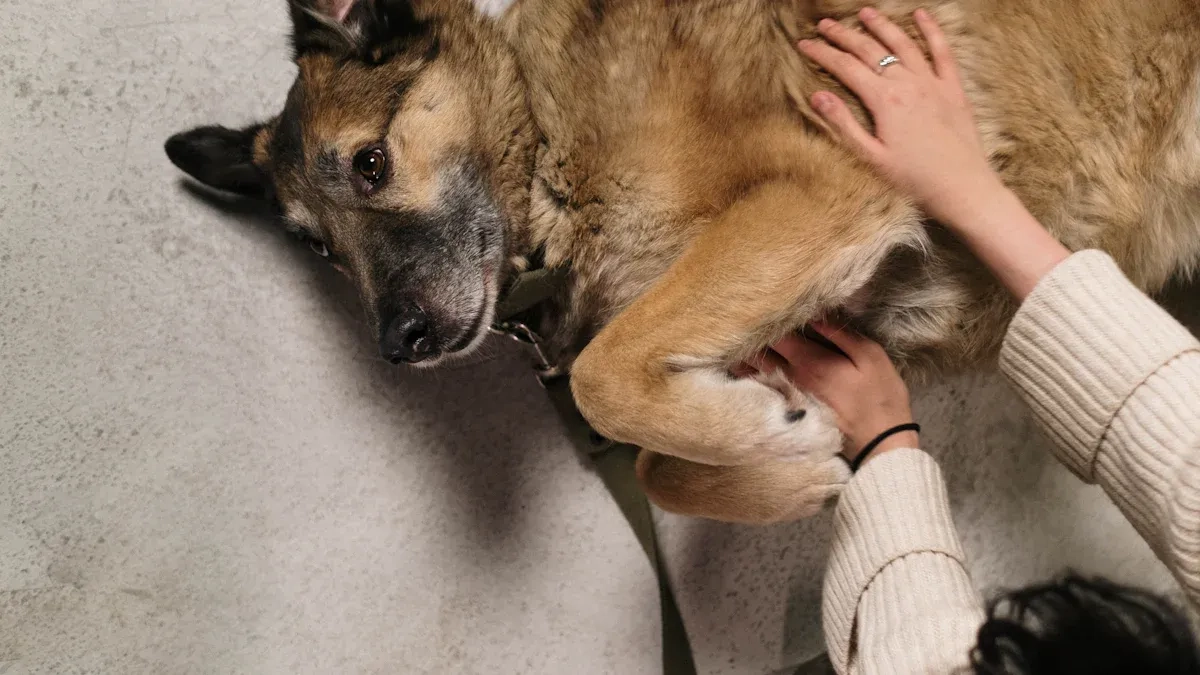
You may ask if a stifle brace can help your dog. Luxating patella is a knee problem. It affects about 1.3% of all dogs. Around 7% of puppies get it each year. Bracing helps most with mild or moderate cases. It also helps if your dog cannot have surgery. To choose the best brace for luxating patella, look at these things:
|
Criteria |
Description |
|---|---|
|
Size and Fit |
Make sure the brace fits well and feels good. It should support your dog's leg. It should not stop your dog from moving. |
|
Type of Brace |
Pick a brace made for luxating patella. Try a hinged or double knee brace. |
|
Quality and Durability |
Get a strong, good brace that lasts a long time. |
|
Consultation |
Ask your vet to help pick the right brace for your dog. |
Your vet knows what is best for your dog. Always listen to your vet for safe care.
Key Takeaways
-
Braces work well for dogs with mild or moderate luxating patella. They are best for Grades I and II. Braces can help lower pain. They also help your dog move better.
-
Ask your vet to help pick the right brace. Things like size, fit, and type of brace are very important. These things help your dog feel good and get support.
-
Surgery is needed for bad cases like Grades III and IV. This is when the kneecap comes out a lot. Surgery helps the joint work better for a long time.
-
Check your dog's skin under the brace often for any irritation. Taking care of the skin and watching it is very important. This keeps your dog happy and healthy.
-
Braces help with symptoms but do not fix luxating patella. Always listen to your vet for the best way to treat your dog.
Can Braces Help Dogs with Luxating Patella?
Short answer: Sometimes—especially for mild to moderate cases and when used as part of a full plan (weight control, activity restriction, analgesia, and rehab) under a veterinarian’s guidance. They don’t replace surgery when instability is significant or worsening.
What the evidence and experts say
-
When conservative care is reasonable: For Grade I and some low-Grade II patellar luxations with minimal lameness, vets commonly opt for non-surgical management (rest, meds, rehab). A brace can be added to improve alignment control and comfort.
-
When surgery is usually recommended: With moderate–severe disease (typically Grades II–IV with clear lameness or progression), surgery is more often advised to correct the underlying anatomy.
-
Real-world orthosis outcomes: In a survey of canine orthosis users (various limb devices), owners reported improved ambulation in 84.9%, positive pet quality of life in 78.6%, device tolerance in 92.3%, and plan compliance in 83.6%; skin irritation was the most common complication but was frequently resolved after adjustments. These data support braces as a useful adjunct when chosen and fitted well.
Take-home: For Grade I–II dogs with mild signs, a well-fitted stifle brace may reduce “skipping,” support patellar tracking, and improve comfort during controlled activity—but escalating or high-grade cases generally need surgical correction to address bone/soft-tissue alignment.
How to Evaluate Your Dog and Choose a Treatment Path
Step 1 — Get a proper grade (I–IV).
Your vet will do gait observation and an orthopedic exam to classify severity and check for deformities that may change the plan.
Step 2 — Match the plan to the grade and symptoms.
Grade I (± mild Grade II, minimal lameness): Consider conservative care (weight control, controlled exercise, analgesia, targeted rehab) with a stifle brace to limit internal rotation/valgus that encourages luxation. Schedule rechecks.
Clear Grade II with lameness, Grade III–IV, or progression: Discuss surgery (e.g., tibial tuberosity transposition, trochleoplasty ± soft-tissue balancing; corrective osteotomy if deformities). Bracing may still help short-term for comfort or post-op protection, but it won’t correct the anatomy.
Step 3 — If bracing is appropriate, optimize success.
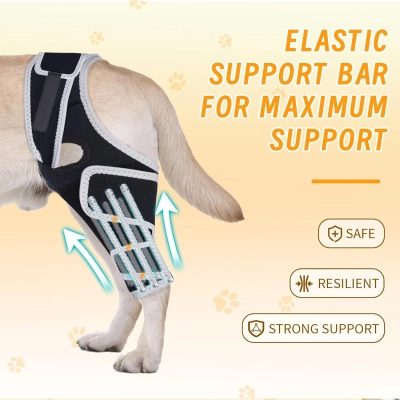
Fit & features: Snug (two-finger rule), non-slip anchoring above/below the knee, breathable liner, smooth bound edges. Start with 15–30 minute sessions; increase gradually while checking skin at the popliteal area and medial/lateral condyles.
Pair with rehab: Quad/hip abductor strengthening, controlled sits/stands, straight-line leash walks; maintain a lean body weight.
Monitor and adjust: Most complications are minor (often skin-related) and improve with pad/strap adjustments and scheduled rechecks.
When Bracing Is Appropriate
Braces work best for dogs with mild or moderate luxating patella. If your dog has Grade I or Grade II luxation, braces can help keep the kneecap in place and support the joint. You may notice your dog limps only sometimes or seems sore after play. In these cases, braces can reduce pain and help your dog walk with more confidence.
Here’s a quick look at how braces compare to surgery for luxating patella:
|
Treatment Option |
Effectiveness |
Recurrence Rates |
Best For |
|---|---|---|---|
|
Bracing |
Helps reduce symptoms in mild cases but does not stop progression |
Higher risk of relapse once removed |
Mild cases, older dogs, or when surgery isn't possible |
|
Surgery |
Ideal for moderate to severe luxation, provides better long-term joint function |
Much lower risk of recurrence with proper rehab |
Active dogs or when conservative care fails |
You should consider braces if:
-
Your dog has mild symptoms and still enjoys walks.
-
Your vet says the luxation is Grade I or II.
-
Your dog is older or has health problems that make surgery risky.
-
You want to help your dog stay comfortable while waiting for surgery or during rehab.
Braces can also help if your dog needs extra support during exercise or if you want to slow down the problem. You will need to check the fit often and watch for any skin problems. Using braces means you must stay involved in your dog’s care. You will need to follow your vet’s advice, keep your dog at a healthy weight, and do gentle exercises.
Tip: Braces are not a cure. They help manage symptoms and give your dog better quality of life, but they do not fix the knee forever.
When Surgery Is Needed
Sometimes, braces are not enough. Surgery is the best option if your dog’s knee keeps slipping out of place or if your dog cannot walk well. Dogs with Grade III or IV luxating patella usually need surgery to fix the problem and prevent more damage.
Here are signs that your dog may need surgery instead of braces:
|
Indicator |
Description |
|---|---|
|
Sudden or severe limping |
Your dog cannot put weight on the leg. |
|
Persistent or worsening lameness |
Limping does not get better or gets worse. |
|
Visible swelling or redness |
The knee looks swollen, feels hot, or looks red. |
|
Audible clicking or popping |
You hear clicking or popping from the knee. |
|
Reluctance to move or play |
Your dog does not want to run, jump, or climb stairs. |
|
Grade III Medial Patellar Luxation |
Frequent limping, abnormal gait, and discomfort. |
|
Grade IV Medial Patellar Luxation |
Constant lameness and significant pain. |
Vets decide if surgery is needed by looking at your dog’s age, how often the kneecap slips, and how much pain your dog feels. If your dog is young and limps a lot, surgery can protect the knee from more damage. Surgery gives the best chance for a strong, healthy joint, especially for active dogs.
Note: Braces can delay surgery, but they do not stop joint changes like arthritis. If your dog’s symptoms get worse, talk to your vet right away.
You want the best dog brace for luxating patella, but you also want to know when to choose surgery. Always work with your vet to make the safest choice for your dog. Braces are part of a bigger plan that includes weight control, pain relief, and gentle exercise. Surgery is the next step when braces cannot keep your dog comfortable or active.
Dog Patella Luxation Grades Explained
What Is Luxating Patella?
Luxating patella means your dog’s kneecap moves out of its normal spot. This can make your dog limp or skip when walking. You might see your dog hold up a back leg for a few steps, then walk fine again. The kneecap should sit in a groove at the end of the thigh bone, but sometimes it slips out. This causes pain and makes the knee feel wobbly.
Why does this happen? Here are some common reasons:
-
Some dogs are born with it (congenital).
-
It can develop as your puppy grows.
-
An injury can cause the kneecap to slip.
-
Small and toy breeds, like Chihuahuas and Maltese, have a higher risk.
-
The groove in the thigh bone may be too shallow.
-
The bones in the leg may not line up right.
-
Weak or unbalanced muscles can pull the kneecap out of place.
Tip: If you notice your dog skipping, limping, or acting sore, talk to your vet. Early help can make a big difference.
Severity Grades I–IV
Vets use grades to describe how serious the luxating patella is. The grade helps you and your vet decide the best treatment. Here’s a quick look at the grading system and what it means for your dog:
|
Grade |
What It Means |
Best Management Option |
|---|---|---|
|
I |
Kneecap slips out sometimes, goes back easily |
Bracing and conservative care |
|
II |
Kneecap slips out more often, may need help to go back |
Bracing and conservative care |
|
III |
Kneecap out most of the time, hard to move back |
Surgery usually needed |
|
IV |
Kneecap always out, leg may twist, dog struggles to walk |
Surgery usually needed |
If your dog has Grade I or II, a brace can help support the knee and keep your dog comfortable. For Grades III and IV, surgery is usually the best way to fix the problem and protect your dog’s joint.
Note: Your vet will check your dog’s knee and help you choose the right plan. Every dog is different, so always ask for advice before starting treatment.
Best Brace for Luxating Patella: Types and Features
Soft, Semi-Rigid, and Custom Braces
When you start looking for the best brace for luxating patella, you’ll see three main types: soft, semi-rigid, and custom braces. Each one works a little differently, so it helps to know what makes them unique.
|
Type of Brace |
Design Features |
Functionality |
|---|---|---|
|
Soft Braces |
Soft, stretchy materials like neoprene; Velcro straps; sometimes light stays. |
Great for mild cases. They give gentle compression and comfort for daily use. |
|
Semi-Rigid Braces |
Medical-grade plastic or composite; often have hinges for movement control. |
Offer more support for moderate injuries. They help stabilize the knee joint. |
|
Custom Braces |
Made just for your dog’s leg; durable shell with padding. |
Best for severe cases or long-term use. They provide the most stability. |
Soft braces feel light and flexible. They work well if your dog has a mild luxating patella or needs support during short walks. Semi-rigid braces step up the support. They use strong materials and sometimes hinges, so your dog gets better motion control. Custom braces fit your dog perfectly. They’re the top choice if you want the best brace for luxating patella for a unique leg shape or a serious injury.
You’ll find that a high-quality dog knee brace usually costs between $150 and $500. Custom options sit at the higher end because they’re made just for your dog.
Key Features for Dogs
Choosing the best brace for luxating patella means looking for features that keep your dog happy and safe. Here’s what matters most:
-
Stability: The brace should keep the knee steady and help prevent the kneecap from slipping.
-
Comfort: Soft liners and smooth edges stop rubbing and let your dog move without pain.
-
Fit: A good fit is key. Measure your dog’s leg carefully. An ill-fitting brace can cause more harm than good.
-
Mobility: The brace should let your dog walk, sit, and stand with ease.
-
Size: Pick the right size for your dog’s breed and weight.
-
Durability: Look for strong materials that hold up to daily use and play.
Tip: Always talk to your vet before picking a brace. They can help you find the best brace for luxating patella for your dog’s needs.
A proper dog knee brace comparison will show that custom braces offer the best fit and comfort, but off-the-shelf options work well for many dogs. Remember, the right brace can make a big difference in your dog’s comfort and recovery.
Stifle Braces vs. Hock Supports for Dogs
Main Differences
You might wonder if all leg braces for dogs do the same thing. They don’t. Stifle braces and hock supports help different joints and solve different problems. Here’s how they compare:
-
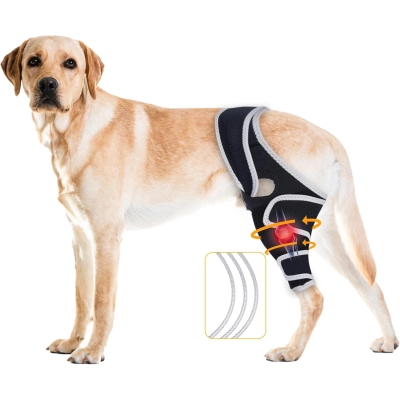
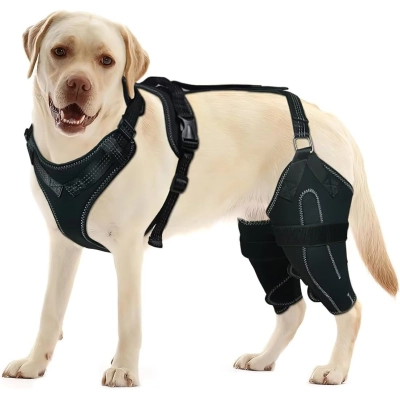
Stifle braces support your dog’s knee joint. They help with injuries or conditions like luxating patella by keeping the knee steady.
-
Hock supports, also called hock splints, stabilize the ankle area. They work best for issues like hyperextension or weakness in the lower back leg.
Let’s look at a quick table to see how these joints and their supports differ:
|
Feature |
Stifle Joint (Knee) |
Hock Joint (Ankle) |
|---|---|---|
|
Complexity |
More complex with multiple planes of motion |
Less complex, mainly for shock absorption |
|
Joint Structure |
Fewer bones and ligaments |
Many bones, ligaments, and tendons |
|
Function |
Moves in many directions |
Absorbs shock and helps push off the ground |
|
Key Components |
4 ligaments, 1 tendon, strong muscle groups |
Works as a shock absorber and push-off point |
Stifle braces give your dog support for complex knee movements. Hock supports focus on the ankle, helping with balance and strength when your dog walks or runs.
When to Use Each
You should use stifle braces if your dog has a knee problem, like luxating patella or a ligament injury. These braces help keep the kneecap in place and let your dog move with less pain. Hock supports are better for ankle issues, such as instability or after an injury to the lower leg.
Sometimes, your dog may need both braces. This happens if your dog has a complex rear leg problem, like arthritis, limb deformities, or trauma. Using both braces gives full support from the thigh down to the paw. Make sure each brace fits well and does not rub or pinch. You can ask your vet for help if you’re not sure how to use them together.
Tip: Always check your dog’s skin under the braces every day. Look for redness or sores. Good fit and regular checks keep your dog safe and comfortable.
Braces can make a big difference in your dog’s daily life. They help your dog walk, play, and heal with more confidence.
Braces vs. Surgery for Dog Patella Luxation Recovery
Pros and Cons of Bracing
When you think about ways to treat mpl, braces are often the first choice. Braces do not need surgery, so your dog does not have to go through an operation. They work best for mild or moderate dog patella luxation. Braces help your dog heal and can stop more injuries. You can change them for different problems, and they usually cost less than surgery. Your dog might need some time to get used to wearing a brace. You should check the fit often to make sure it is right. Braces do not always work for very bad cases, and sometimes surgery is still needed.
|
Pros of Braces |
Cons of Braces |
|---|---|
|
No surgery needed |
Need good fit and regular checks |
|
Can be changed for different injuries |
May not work for severe cases |
|
Help with healing and stopping new injuries |
Some dogs need time to get used to them |
|
Usually cost less than surgery |
Braces can help your dog feel less pain, walk better, and move more easily. You may see your dog enjoy walks and play more. The best dog brace should fit well and help your dog heal.
Pros and Cons of Surgery
Surgery is another way to treat dog patella luxation, especially if your dog has serious problems. Surgery can fix the kneecap and make the joint work better. You may notice your dog feels less pain and moves better for a long time. Surgery also helps keep the cartilage safe and lowers stress on ligaments. There are risks, like infection or problems with the implant. If the surgery is not done well, there can be more issues. Recovery after mpl surgery takes longer, usually two to four months with less activity.
|
Risks of Surgery |
Benefits of Surgery |
|---|---|
|
Problems like infection or implant issues |
Less pain and better knee movement |
|
Higher chance of reluxation if not done well |
Stops cartilage damage and lowers ligament stress |
|
Not enough skill for hard cases |
Better healing than non-surgical choices |
|
Poor care after surgery |
Better movement and life for a long time |
Surgery fixes the problem and often gives a lasting answer. Helping your dog recover after surgery is important for the best results.
Deciding What’s Best for Your Dog
You want the best brace for your dog, but sometimes surgery is the right choice. Think about how bad the dog patella luxation is, your dog’s age, health, and how much you can spend. Braces help your dog heal in days or weeks, but surgery takes months to recover. The best way to treat mpl depends on your dog and what your vet says.
-
Ask your vet about the grade of dog patella luxation.
-
Watch how your dog acts while healing.
-
Look for limping or pain that does not go away.
-
Think about how active your dog is.
-
Make a plan for healing, no matter what you choose.
Braces are good for mild cases and healing. Surgery is better for serious dog patella luxation and helps your dog recover for a long time. Always talk to your vet before you decide. Your dog’s comfort and ability to move are most important.
Choosing and Using the Right Brace for Dogs
Measuring and Fitting
Getting the right fit matters when you use braces for your dog’s luxating patella. You want to make sure the brace supports the knee without causing discomfort. Here’s a simple checklist to help you measure and fit braces correctly:
-
Measure your dog’s thigh circumference about one inch above the knee joint.
-
Wrap the tape around the center of the knee cap for the knee circumference.
-
Measure just below the knee for the lower leg circumference.
-
Check the leg length from the top of the thigh down to the hock joint.
-
Note your dog’s weight and breed before choosing a dog patella luxation brace.
After you measure, pick the right size. Always follow the sizing chart from the brace company. Try the brace on and use the two-finger rule—if you can slide two fingers under the straps, the fit is good.
Tip: Avoid common fitting mistakes. Always check for skin irritation, watch for brace slippage, and adjust straps if needed. If you’re unsure, ask your vet for help.
Acclimating Your Dog
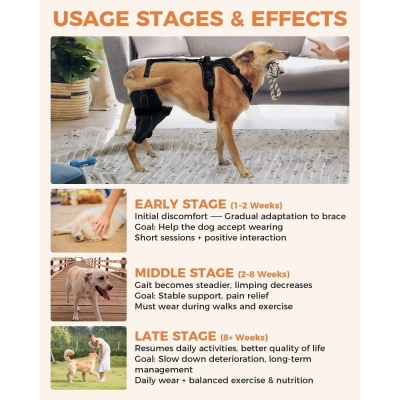
Your dog might need time to get used to braces. Start slow and keep sessions short at first. Let your dog wear the brace for 15–30 minutes, then check for any redness or rubbing. Gradually increase the time as your dog gets comfortable.
-
Give treats and praise to help your dog feel positive about braces.
-
Watch how your dog walks and moves. If your dog seems stiff or unhappy, take a break and try again later.
-
Keep walks short and avoid rough play while your dog adjusts.
Care, Monitoring, and Vet Follow-Up
Taking care of braces helps your dog stay safe and comfortable. Clean the brace liners with mild soap and let them air dry. Brush off any hair or debris from Velcro straps.
Check your dog’s skin every day for redness or sores. If you see severe limping, refusal to use the leg, swelling, discharge, or signs of infection like fever or lethargy, call your vet right away. Increased pain or changes in behavior also mean you should get help.
|
Care Tips for Braces |
Red Flags to Watch For |
|---|---|
|
Clean liners regularly |
Severe limping |
|
Check skin daily |
Refusal to use leg |
|
Adjust straps as needed |
Swelling or discharge |
|
Monitor for slippage |
Signs of infection |
|
Schedule vet checkups |
Increased pain or odd behavior |
🐾 Remember: Braces work best when you stay involved. Keep up with vet visits and watch for any problems. Your dog’s comfort and health come first.
You want your dog to feel good and stay active. Bracing helps with mild problems and gives comfort to older dogs or dogs who cannot have surgery. Surgery is best for young, active dogs with bad medial patellar luxation. Always talk to your vet and go to checkups often.
-
Pick a brace that fits right and helps your dog.
-
Look for pain or any new problems.
-
Keep your dog at a healthy weight, give exercise, and feed good food for comfort that lasts.
"Bracing can really help older dogs who cannot have surgery. It also helps with partial tears if you use physical therapy too." – Dr. Jessica Harper, DVM
FAQ
How long should my dog wear a stifle brace each day?
Start with 15–30 minutes. Watch your dog for any signs of discomfort. Slowly increase the time as your dog gets used to the brace. Always follow your vet’s advice.
Can a brace cure luxating patella in dogs?
A brace cannot cure luxating patella. It helps manage symptoms and supports the knee. Your dog may still need surgery if the problem gets worse.
Will my dog need a custom brace?
Not every dog needs a custom dog brace. Many dogs do well with off-the-shelf options. If your dog has a unique leg shape or severe luxation, your vet may suggest a custom brace.
How do I clean my dog’s knee brace?
Remove the brace and hand-wash the liners with mild soap. Rinse well and let them air dry. Check for dirt or hair and brush off any debris before putting it back on your dog.
0 Comments