
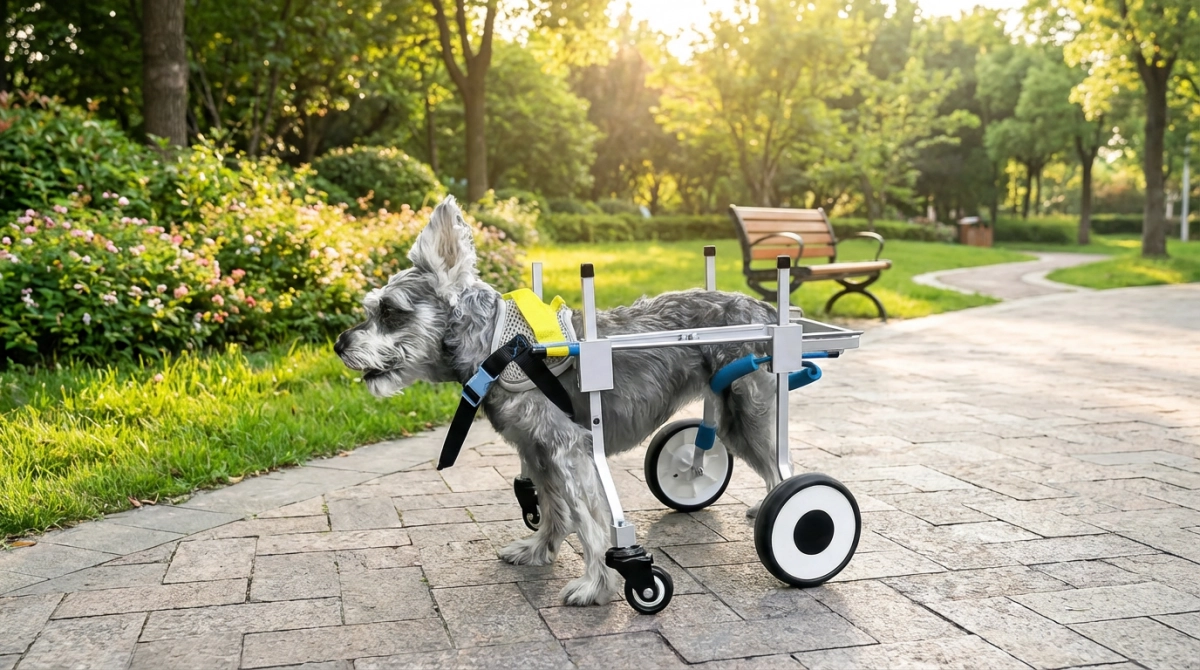
If your dog has weak or missing front legs, a dog wheelchair for front legs can help your dog move on its own. Your pet can walk and play again with these smart designs. The wheelchair holds your dog’s weight and helps it move in a healthy way. New wheelchairs let dogs exercise and keep their muscles strong. They also help dogs do rehab, which makes life better for them. You may see your dog feel less worried and get closer to you as it moves more easily.
Key Takeaways
-
Pick a wheelchair that you can adjust to fit your dog. This stops your dog from feeling pain and helps them move well.
-
Choose strong materials like aluminum or hard plastic for the wheelchair. A strong wheelchair keeps your dog safe and steady when they move.
-
Make sure the wheelchair has soft harnesses and you can change the height. This stops your dog from getting sore spots and keeps them happy when they walk.
-
Check how your dog is doing and feeling often. Change the fit if you need to so your dog stays safe and likes using the wheelchair.
-
Use the wheelchair for gentle rehab and exercise to help your dog get stronger and braver. Moving often makes your dog healthier and happier.
Dog Wheelchair for Front Legs: Key Features
Picking the right dog wheelchair for front legs helps your pet a lot. You want your dog to feel safe and comfy every time it moves. Let’s check out the most important features for front support wheelchairs for forelimb mobility issues.
Adjustable Frame and Harness
The wheelchair should fit your dog’s body well. Front support wheelchairs have frames and harnesses you can adjust. You can change the size as your dog grows or if its needs change. This stops pressure points and keeps your dog’s posture normal. A good harness lets your dog move its legs easily. The girth strap stays away from the elbows, so your dog feels no pain. If the harness does not fit right, your dog might hurt or feel sore. Custom-built wheelchairs fit best and help your dog walk with confidence.
Here are the top adjustable features:
|
Feature |
Description |
|---|---|
|
Height Adjustment |
Lets you set the right height from back to ground for your dog. |
|
Length Adjustment |
Changes the length between hips and shoulders for a better fit. |
|
Width Adjustment |
Adjusts the width across your dog’s body at the widest point. |
|
Girth Adjustment |
Fits the circumference around your dog’s body for comfort. |
|
Laser-etched Reference Markings |
Makes quick adjustments easy without measuring. |
Tip: Always check the fit after the first few uses. You should fit two fingers under the straps. Make sure there is no rubbing at the chest or elbows.
Materials and Durability
You want a wheelchair that lasts a long time. Front support wheelchairs use strong, light materials like aluminum or tough plastic. These materials work well for daily use and outdoor play. Custom-built wheelchairs have padded harnesses and thick wheels for more stability. Strong frames keep your dog safe and stop tipping, even if your dog moves fast. A sturdy wheelchair helps your dog avoid falls and injuries.
Comfort and Support Options
Comfort is just as important as fit. New dog wheelchair for front legs designs have padded harnesses and height settings you can change. These features stop pain and pressure sores, especially for dogs with forelimb mobility issues. Thick wheels make the ride smoother and add stability. Adjustable support helps your dog’s spine and makes walks feel better.
|
Feature |
Benefit |
|---|---|
|
Adjustable and padded harness |
Gives a comfortable, chafe-free ride |
|
Dense wheels |
Adds stability and comfort |
|
Adjustable height settings |
Customizes the fit for your dog’s needs |
Custom-built wheelchairs hold your dog’s weight and lower stress on healthy legs. This lets your dog exercise weak muscles without getting hurt. Your pet can join rehab and keep muscles strong. The right support gives better pain relief and helps your dog move naturally.
-
Custom-built wheelchairs fit well and boost comfort and movement.
-
The design holds your dog’s weight and lowers stress on healthy legs.
-
Wheelchairs stop muscle loss by letting your dog exercise safely.
-
Your dog can join therapy and rehab more easily.
Ease of Use and Maintenance
You want a dog wheelchair for front legs that is easy to use. Front support wheelchairs with simple buckles and quick straps save time. Light frames make it easy to lift and clean the wheelchair. Custom-built wheelchairs have harnesses you can wash and smooth wheels, so you keep things fresh. When your dog moves more, muscles get stronger. Your pet can explore, play, and stay social, which lowers stress and worry.
-
Better physical health: Your dog moves more and keeps muscles strong.
-
More mental stimulation: Your dog explores and stays curious.
-
Less stress and anxiety: Moving gives your dog more control.
-
More social time: Your dog can meet friends and have fun.
-
Boost mental and emotional health: Moving helps your dog feel happier.
-
Stop weight gain: Regular movement keeps your dog healthy.
-
Build a bond: Walks and playtime bring you closer to your pet.
If you pick a dog wheelchair for front legs with these features, you help your dog stay comfy, safe, and supported. Front support wheelchairs help your dog move better, feel less pain, and enjoy life every day.
Measuring and Fitting for Disabled Dog Wheelchairs
Getting the right fit for your dog’s wheelchair makes a huge difference. You want your pet to feel comfortable and safe every time it moves. Let’s walk through the steps you need to follow.
Essential Measurements
Start by gathering a tape measure, a notebook, and a helper if your dog wiggles a lot. You need to measure several parts of your dog’s body to make sure the wheelchair fits well. Here’s what you should measure:
-
Chest Girth: Wrap the tape measure around the widest part of your dog’s chest, just behind the front legs. This helps shape the main frame and harness.
-
Rib Cage Length: Measure from the front of the chest to the end of the rib cage. This keeps the frame the right length.
-
Width Between Chest Nubs: Find the bony points on each side of the chest and measure the space between them.
-
Height from Shoulder to Ground: Stand your dog in a natural position. Measure from the top of the shoulder blades straight down to the floor.
-
Body Weight: Weigh your dog so you can pick the right size and strength for the wheelchair.
Tip: Always measure your dog while it stands naturally, with all paws flat and its back straight. Use a metal tape measure or yardstick for the most accurate results.
Here’s a quick table to help you keep track:
|
Measurement |
How to Measure |
|---|---|
|
Chest Girth |
Around widest part behind front legs |
|
Rib Cage Length |
From chest front to rib cage end |
|
Width Between Chest Nubs |
Across bony points on each side of chest |
|
Height (Shoulder to Ground) |
Top of shoulder blades to floor |
|
Body Weight |
Use a pet scale |
Sizing and Fit Tips
Once you have your measurements, you can choose the right size for disabled dog wheelchairs. Most brands offer sizing charts. Match your numbers to the chart for the best fit. If your dog is between sizes, pick the larger one and adjust the straps.
When you first put the wheelchair on your dog, check these things:
-
The harness should fit snug but not tight. You should be able to slip two fingers under each strap.
-
The frame should sit level, with your dog’s elbows slightly bent and its neck in a natural position.
-
The wheels should touch the ground evenly, so your dog doesn’t tip forward or sideways.
Note: After the first few sessions, check the fit again. Dogs can lose or gain weight, and straps may loosen over time. Adjust as needed to keep your pet comfortable.
Preventing Rubbing and Pressure Sores
You want your dog to stay happy and healthy while using its wheelchair. Rubbing and pressure sores can happen if the fit isn’t right or if your dog spends too much time in one position. Here are some ways to prevent these problems:
-
Use padded harnesses and leg rings to protect your dog’s skin.
-
Pick a wheelchair with breathable materials to keep your dog cool and dry.
-
Make sure the saddle supports your dog’s pelvis with dense foam and a protective cover.
-
Choose high-quality bearings and non-slip tires for a smoother ride.
-
Give your dog soft, thick bedding when resting. Memory foam or orthopedic beds work well.
-
Keep your dog’s skin clean and dry, especially around bony areas.
-
Change your dog’s position every two to three hours if it rests a lot.
-
For incontinent pets, change diapers often to avoid skin irritation.
Alert: Always check your dog’s skin after each session. Look for redness, swelling, or sores. If you see any problems, adjust the fit or talk to your vet.
A well-fitted wheelchair helps your dog move with confidence and comfort. You’ll see your pet enjoy walks, playtime, and rehab without pain or worry.
Safety and Supervision for Increased Mobility
Stability and Balance
You want your dog to feel steady and safe every time it uses a wheelchair. Custom-built designs, like those from Eddie's Wheels, match your pet’s body shape and disability. Adjustable height, length, and width features help you set up the perfect fit. This tailored support keeps your dog balanced, even if its front legs feel weak. Optional training wheels can help your pet adjust and move with confidence. When you increase mobility for your dog, you also boost its independence and encourage play.
|
Feature |
Benefit |
|---|---|
|
Custom design |
Comfort and support for unique needs |
|
Adjustable frame |
Better balance and mobility |
|
Training wheels (optional) |
Easier adjustment for your pet |
Wheelchairs designed for both indoor and outdoor use give your dog more chances to exercise and explore. This type of mobility support for pets helps them stay active and happy.
Harness Design and Paw Protection
A best dog harness does more than hold your dog in place. Padded chest and back plates absorb force and protect your dog’s skin from chafing. Reflective webbing adds safety, especially when you walk outside. You should also think about paw protection. Stirrups lift your dog’s legs and stop dragging. Rugged dog boots shield paws from injury. These support features keep your pet comfortable and safe during every walk.
Tip: Always check your dog’s paws and skin after each session. Look for redness or irritation. Adjust the harness or add padding if needed.
Safe Use Practices
You play a big role in keeping your dog safe. Here are some best practices:
-
Watch your dog closely, especially when it first uses the wheelchair.
-
Help your pet learn how much space it needs to move around.
-
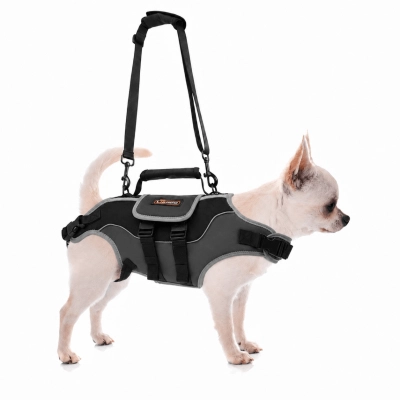
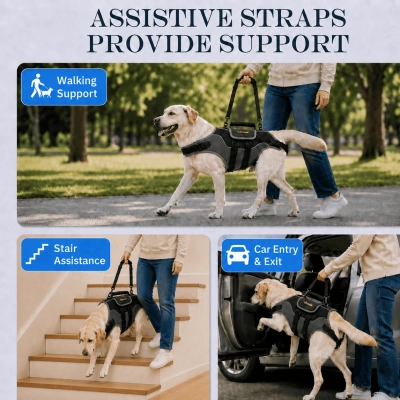
Avoid stairs and steep slopes. Use dog lifting harnesses if you need to go up or down.
-
Check the wheelchair and harness fit often. Make sure they give enough support.
-
Let your dog build up endurance slowly. Don’t rush longer walks.
-
Be patient. Some dogs need more time to get used to their new mobility support.
-
Keep the wheelchair in good shape. Regular tune-ups help prevent accidents.
Alert: If you notice open wounds, uncontrolled pain, or breathing problems, stop using the wheelchair and ask for a veterinary recommendation. Always follow signs your dog might need a front support wheelchair and talk to your vet about any concerns.
You help your dog stay safe and comfortable by supervising, checking for skin issues, and avoiding risky areas. With the right support, your pet can enjoy more freedom and better quality of life.
Acclimation and Training to Improve Mobility
First Two Weeks Plan
Getting your pet used to a wheelchair takes patience and a step-by-step approach. You want your dog to feel safe and excited about improved mobility. Start slow and build up each day. Here’s a simple plan for the first week:
-
Day 2: Building Confidence – Help your dog take its first steps in the wheelchair. Use treats and gentle encouragement.
-
Day 3: Extending Time & Distance – Let your dog walk a little longer. Watch for signs of comfort and strength.
-
Day 4: Overcoming Hesitation – Invite other pets for short visits. Social time can lower anxiety.
-
Day 5: Adding Fun & Play – Set up a safe play area. Encourage your dog to play in the wheelchair.
-
Day 6: Outdoor Adventures Begin – Try short walks outside in a quiet spot. Stay close and offer praise.
-
Day 7: Celebrating Progress – Notice how much your dog has changed. Celebrate small wins together.
Start with short sessions in a familiar place. Gradually increase the time as your dog gets comfortable. Treats and praise help your pet accept the wheelchair as part of daily life. You’ll see improved mobility and more confidence each day.
Integrating with Rehab and Exercise
You can improve mobility by adding gentle rehab and exercise to your routine. A wheelchair lets your dog stand upright and move around, which helps recovery. Many vets suggest short cart walks several times a day. These walks lift your pet’s spirits and help build strength.
A best dog wheelchair can play an integral role in a dog’s rehabilitation. A cart allows the dog to stand upright instead of lying down, and it can also improve recovery times. Adding a five to ten-minute cart walk into a dog’s treatment plan several times a day will help the dog physically and lift its spirits. Many vets and rehabilitation centers will encourage the use of a wheelchair for pets in recovery from surgery or injury.
Try these activities to support your dog’s progress:
-
Fetch with lightweight toys and short throws.
-
Wheelchair walks on flat ground.
-
Swimming for low-impact exercise.
-
Mental games like puzzles or nose-work.
Mixing these exercises with wheelchair time gives your pet better support and improved mobility.
Monitoring Progress and Comfort
Keep an eye on your dog’s comfort and progress. Watch for signs that show how well your pet is adjusting to the wheelchair and support system. Here’s what to look for:
-
Tiring easily or wanting to lay down in the wheelchair.
-
Stumbling or tripping over the front feet.
-
Changes in your dog’s medical condition.
-
Refusing to move or needing extra support.
-
Worsening mobility, which may mean your pet needs more support.
Check your dog’s skin and paws after each session. Adjust the fit if you see redness or swelling. If your pet seems uncomfortable or struggles with improved mobility, talk to your vet. Regular monitoring helps you give the best support and keeps your dog happy and active.
Enhancing Quality of Life with Front Leg Wheelchairs
Expected Outcomes and Benefits
Picking a front leg dog wheelchair helps your dog live better. Your pet can be more active every day. You will see your dog move on its own and feel braver. This tool lets your dog walk and play without limits. You also get to spend more time together outside. Your dog feels safe, and you feel happy watching it enjoy freedom.
Here’s how these wheelchairs help:
-
Your dog stands and walks with less pain.
-
You see fewer slips and falls.
-
Your pet joins family walks and playtime.
-
You notice improved appetite and sleep.
-
Your dog shows more independence and happiness.
Tip: Celebrate small wins. Every step your dog takes means life is getting better.
|
Feature |
Description |
|---|---|
|
Custom-built |
Made for each dog's needs, helping it move and feel supported. |
|
Engineering |
Designed by experts with help from vets, so it works well. |
|
Endorsements |
Trusted by top rehab vets, showing it is safe and helpful. |
|
Quality of Life |
Helps dogs heal and keeps their lives happy and active. |
When to Use and When to Pause
You want your dog to stay safe and comfy. Use the wheelchair when your pet needs help walking, standing, or playing. If your dog looks tired, sore, or has skin problems, stop and let it rest. Always watch for changes in your dog’s health. If you see open wounds or breathing trouble, stop using the wheelchair and call your vet. Giving breaks stops sores and keeps your dog strong.
-
Use during walks, play, and rehab sessions.
-
Pause if your dog seems uncomfortable or tired.
-
Check skin and paws after each use.
-
Ask your vet for advice if you notice changes.
Top Models and Recommendations for 2025
Want the best wheelchair for your dog in 2025? There are many good choices. These wheelchairs give strong support and are easy to adjust. Most have custom frames and soft harnesses. They fit your dog’s body shape. Top rehab vets say these models work well and keep dogs safe.
Look for these features:
-
Adjustable height, width, and length
-
Padded harnesses for comfort
-
Durable wheels for outdoor adventures
-
Lightweight frames for easy handling
-
Support for physical independence and active life
Picking a trusted model helps your dog move better and feel happier. You and your pet can enjoy more time together and have fun.
Choosing the right wheelchair for your dog can change your pet’s life. You help your pet move with less pain and more confidence. Watch how your dog feels and check for comfort often. Ask your vet for advice if you notice any problems. Measure carefully, let your pet adjust slowly, and keep an eye on progress. You give your dog the chance to enjoy walks and play again.
FAQ
How do I know if my dog needs a wheelchair for front legs?
You might notice your dog struggles to walk, stand, or play. If your dog has weak, painful, or missing front legs, a wheelchair can help. Ask your vet if your dog could benefit from extra support.
Can my dog use a wheelchair outside?
Yes! Your dog can enjoy walks, playtime, and outdoor adventures with a wheelchair. Most wheelchairs work well on grass, pavement, or smooth trails. Always watch your dog and avoid steep hills or stairs.
Will my dog feel comfortable in a wheelchair?
Most dogs adjust quickly to a wheelchair. Padded harnesses and adjustable frames help your dog stay comfy. You should check your dog’s skin and paws after each session. If your dog seems sore, make changes or ask your vet.
How do I clean my dog’s wheelchair?
You can wipe the frame with a damp cloth. Remove and wash harnesses or padding as needed. Check wheels for dirt or debris. Keeping the wheelchair clean helps your dog stay healthy and happy.
What if my dog doesn’t like the wheelchair at first?
Some dogs need time to get used to a wheelchair. Start with short sessions and use treats or praise. Let your dog explore and move at its own pace. If your dog feels nervous, stay close and encourage gentle movement.
Tip: Celebrate every small step your dog takes in its wheelchair. Patience and encouragement help your dog feel brave and confident.
|
Question |
Quick Answer |
|---|---|
|
Can my dog play in a wheelchair? |
Yes, with supervision. |
|
Is a wheelchair safe for puppies? |
Ask your vet first. |
|
Will my dog need training? |
Most dogs do. |

0 Comments