
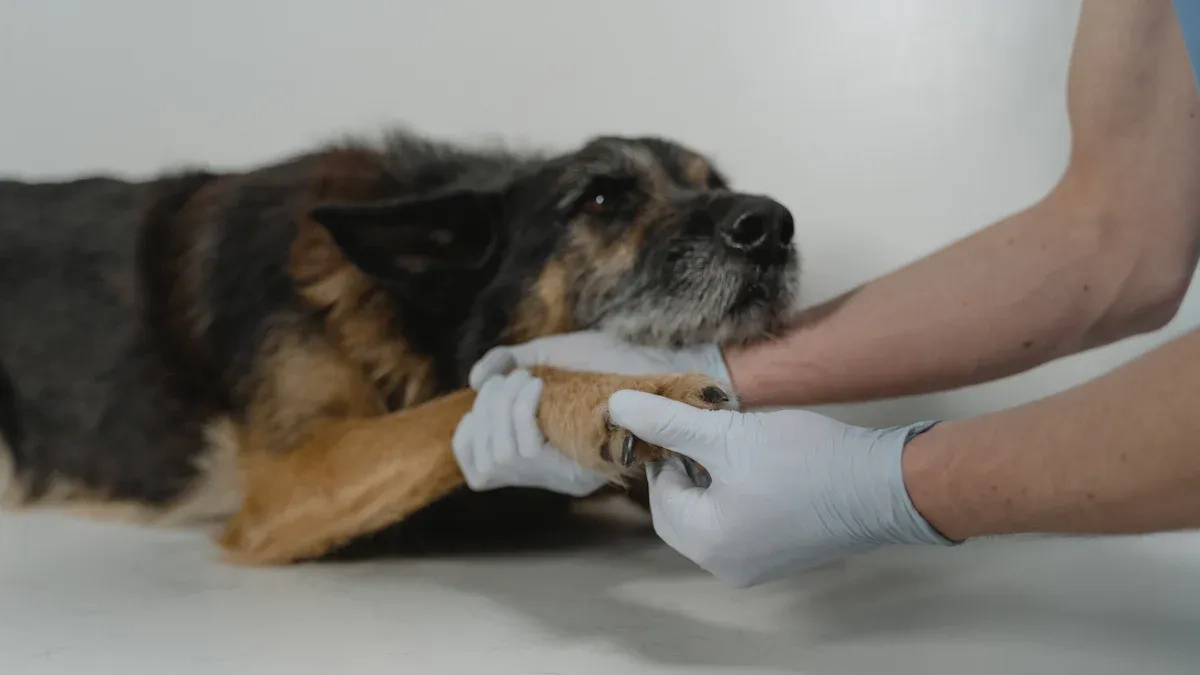
Knuckling in dogs means your dog walks or stands on the top of their paw instead of the pads. This sign often points to a problem with how your dog’s brain and nerves sense limb position. You may notice some early warning signs:
-
Weakness in the hind limbs
-
Unsteady walking or abnormal foot placement
-
Dragging toes or paw on the ground
-
Delayed correction when you flip the paw over
-
Behavioral changes such as irritability
“Pain in dogs can be subtle — it’s our job as owners to read the signs their body is giving us, not just wait for them to cry out.”
Knuckling is a symptom, not a diagnosis. You help your dog by watching their gait and paw placement often. If you spot changes, reach out to your veterinarian for advice.
Key Takeaways
-
Knuckling in dogs means they walk on the top of their paw instead of the pads. Watch for signs like dragging toes or unsteady walking.
-
Early detection of knuckling is crucial. It can prevent injuries and help your dog maintain comfort and mobility.
-
If you notice knuckling, consult your veterinarian. They can diagnose the underlying issue and recommend appropriate treatment.
-
Regularly check your dog's paws for injuries or signs of knuckling. Daily checks can help catch problems early.
-
Support your dog with mobility aids and safe environments. Use ramps and mats to prevent slips and falls.
What Is Knuckling in Dogs
Clinical Meaning of Knuckling
Knuckling in dogs means your dog places the top of their paw on the ground instead of the pads. You might see this happen on one leg or several. Sometimes, it only happens when your dog gets tired. Veterinarians use the term "knuckling" to describe a problem where your dog cannot sense or control the position of their paw. This often points to an issue with the nerves or the brain. Causes can range from minor soreness to serious nerve damage or neurological disorders.
-
Dogs may knuckle on one leg or all four.
-
Causes include sore paws, nerve damage, or neurological disorders.
-
You should consult a veterinarian if you notice knuckling in dogs.
How Knuckling Appears in Dogs
You may notice your dog walking on the top of their paw, dragging their toes, or stumbling. Sometimes, you hear scuffing sounds or see worn nails. The paw might flip under, and your dog may not correct it right away. These signs can appear suddenly or slowly. Neurological disorders often cause dog knuckling. Damage or pressure on the nerves in the legs or spine can make your dog lose coordination and strength. Conditions like intervertebral disc disease or degenerative myelopathy can affect nerve signals, leading to knuckling.
Tip: Watch your dog’s gait and paw placement during walks or playtime. Early changes can be easy to miss.
Why Early Detection Matters
Spotting knuckling in dogs early helps you protect your dog’s health. Knuckling is not just clumsiness. It can signal a problem with how the nerves send messages from the brain to the paw. If you notice dog knuckling, your quick action can prevent injuries like scrapes, wounds, or falls. Early recognition gives your veterinarian more options to help your dog. You support your dog’s comfort and mobility by acting quickly.
Dog Knuckling Symptoms and Early Warning Signs
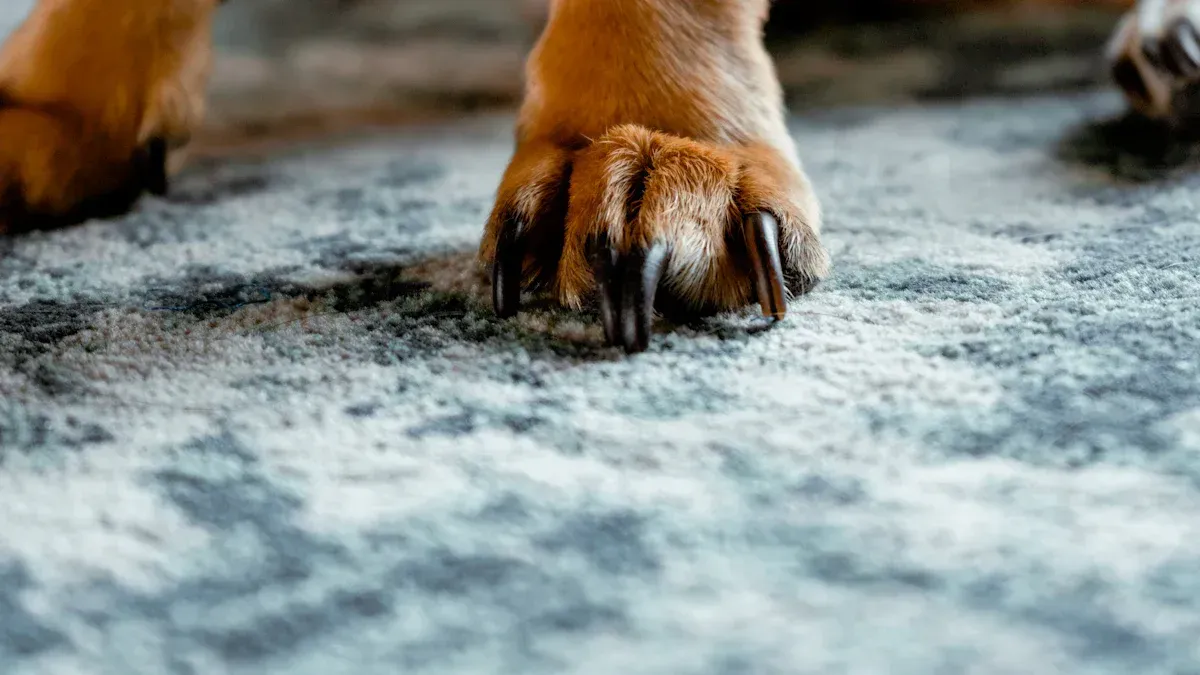
Physical Signs of Paw Knuckling
You might see different signs when your dog walks or stands. These signs can start slowly or show up fast. Watch for these clues:
-
Your dog stands or walks on the top of their paw, not the pads.
-
The paw flips under, and your dog does not fix it quickly.
-
You hear scraping sounds when your dog drags their toes.
-
Nails look scratched or worn down from dragging.
-
Your dog trips or seems clumsy, especially on rough ground.
-
You see light marks on the floor from wrong paw placement.
-
Muscles may shrink if your dog stops using one leg.
Here is a table that lists common signs and what they mean:
|
Observable Signs |
Description |
|---|---|
|
Knuckling |
The dog stands or walks on the top of their paw and cannot flip it back. |
|
Dragging toes |
Toenails scrape the ground and you can hear it when walking. |
|
Wobbliness |
The dog looks off balance or sways while walking. |
|
Delayed paw replacement |
It takes longer to fix the paw position when flipped. |
|
Crossing legs |
The legs may cross over each other when moving. |
|
Muscle loss |
Not using one leg can make muscles shrink. |
Tip: Check your dog’s paws every day for scrapes or bleeding. Finding problems early helps stop pain and infection.
Behavioral and Mobility Changes
Knuckling can change how your dog moves and acts. You might see your dog act different or have trouble with normal things. Look for these signs:
-
Your dog seems tired or does not want to play.
-
Getting up from lying down is hard.
-
Legs feel weak, especially after playing.
-
Walking looks wobbly, weaving, or swaying.
-
Your dog does not want to walk as fast as usual.
-
Your dog loses balance, misjudges steps, or stumbles when turning.
Knuckling often means there is a problem with nerve signals. These problems make walking and playing tough for your dog. Over time, knuckling can cause limping and less movement. Diseases like degenerative myelopathy and intervertebral disc disease can cause knuckling and lower your dog’s activity.
Note: If your dog suddenly cannot walk or stand well, call your vet for help.
Knuckling in Puppies
Knuckling in puppies does not look the same as in adult dogs. Puppies may show knuckling between 6 and 14 weeks old. This can happen because they grow fast or have food problems. Carpal Flexural Deformity (CFD) is a common reason for knuckling in puppies. You may see the front legs bend or the puppy stand on the top of the paw.
Here is a table that compares knuckling in puppies and adult dogs:
|
Feature |
Puppies |
Adult Dogs |
|---|---|---|
|
Age of Onset |
6 to 14 weeks |
8 to 14 years |
|
Common Causes |
Carpal Flexural Deformity (CFD) |
Osteoarthritis, Degenerative Myelopathy |
|
Nutritional Factors |
Linked to food problems (too much or too little) |
Less about food, more about getting older |
You may notice these signs in puppies:
-
Front legs bend or curve.
-
Puppy stands or walks on the top of the paw.
-
Puppy grows fast or unevenly.
-
Puppy cannot keep up with littermates.
In adult dogs, knuckling usually happens because of age, joint problems, or nerve diseases. Both puppies and adults should see a vet if you notice knuckling.
🐾 Acting early helps keep your dog comfortable and moving. Always call your vet if you see signs of knuckling.
Causes of Knuckling in Dogs
Knuckling in dogs happens for many reasons. The causes can start in the nerves, spine, brain, or from other health problems. Knowing the cause helps your vet choose the best treatment for your dog.
Neurological Causes
Problems with the nervous system often cause knuckling. These problems change how the brain and spinal cord send signals to the paws. Some common neurological causes are:
-
Degenerative myelopathy: This disease hurts older dogs. It slowly damages the spinal cord.
-
Intervertebral disc disease (IVDD): Discs in the spine can bulge or burst. This puts pressure on nerves. IVDD can cause knuckling, weak legs, or limping.
-
Fibrocartilaginous embolic myelopathy (FCE): A sudden blockage in the spinal cord can cause knuckling and weakness.
-
Wobbler syndrome: This problem affects the neck. It can squeeze the spinal cord and cause poor paw placement.
If your dog has these problems, you may see knuckling, stumbling, or dragging paws.
Orthopedic and Musculoskeletal Factors
Sometimes, bone, joint, or muscle problems cause knuckling. Injuries, arthritis, or joint pain can change how your dog walks. If your dog does not want to use a sore leg, you might see knuckling or limping. Swelling, stiffness, or muscle loss can also cause knuckling.
Other Health-Related Causes
Other health problems can also cause knuckling in dogs. Nerve damage from injuries, infections, or some diseases can make your dog weak or unsteady. These problems may also show up in blood tests or other signs of sickness. Always watch for new symptoms like pain, fever, or sudden weakness.
Paw Knuckling in Older Dogs
Older dogs may knuckle because their nerves and muscles get weaker with age. Problems like degenerative myelopathy or arthritis are more common in older dogs. You might see your senior dog drag their paws, stumble, or have trouble standing up. Finding knuckling early and seeing a vet helps keep your dog comfortable and moving.
Note: True knuckling means your dog needs to see a vet. Acting fast can stop injuries and help your dog stay active.
Diagnosis and When to Seek Help for Knuckling
At-Home Checks for Knuckling
You can identify knuckling in dogs by watching how your dog walks and stands. Look for these signs at home:
-
The paw folds under or drags, leaving scuff marks on hard floors.
-
Your dog walks on the top of the paw instead of the pads.
-
You notice lameness or limping, especially after activity.
-
Try a simple check: gently turn your dog’s paw so the top faces down. See if your dog flips it back quickly. A slow or absent correction may show an underlying neurological issue.
Tip: Always check for sore or injured paws before testing. If you see wounds or your dog shows pain, stop and contact your veterinarian.
Veterinary Diagnostic Process
When you visit your veterinarian for knuckling in dogs, the team will look for the underlying condition causing the problem. The diagnosis of knuckling starts with questions about your dog’s health issues, changes in walking, and any pain or lameness. The vet will examine your dog’s gait, paw placement, and muscle strength.
Here is a table showing common diagnostic tests:
|
Diagnostic Test |
Description |
|---|---|
|
Neurological Examination |
The vet turns the paw over to check for proprioception. A delay may show a neurological problem. |
|
X-rays |
These images help rule out fractures or arthritis but may miss soft tissue problems. |
|
MRI Scans |
These scans show the spinal cord and discs. They help find conditions like IVDD. |
|
CT Scans |
These scans help plan surgery and tell different serious conditions apart. |
Your veterinarian uses these tests to find the cause and decide on the best treatment for your dog.
Red Flags Requiring Urgent Care
Some symptoms mean you should seek veterinary care right away. Watch for these urgent signs:
-
Sudden onset of knuckling
-
Loss of ability to stand or walk
-
Signs of pain or paralysis
If you notice any of these, contact your veterinarian as soon as possible. Quick action can help your dog and prevent further health issues.
🐾 Early diagnosis and treatment protect your dog’s comfort and mobility. Always work with your veterinarian to help your dog.
Management and Support for Dog Knuckling
If you see knuckling in dogs, you want to help them feel safe. Start by learning what causes the problem. Protect your dog’s paw and help them move better. You can try some things at home, but always talk to your veterinarian for advice.
Treating the Underlying Cause
Your veterinarian will help find out why your dog is knuckling. The treatment depends on what is wrong. Some dogs need to rest. Others might need physical therapy or rehab. Here is a table that shows common treatments and how they help:
|
Treatment Method |
Description |
|---|---|
|
Cage rest |
Keeps your dog still so they can heal. |
|
Anti-inflammatory medications |
Lowers pain and swelling. |
|
Laser therapy |
Uses light to help the body heal. |
|
Acupuncture |
May help with pain and movement. |
|
Hyperbaric oxygen therapy |
Gives more oxygen to help healing. |
|
Toe grips |
Helps dogs get better grip when walking. |
|
Avoid slippery surfaces |
Stops your dog from slipping and falling. |
|
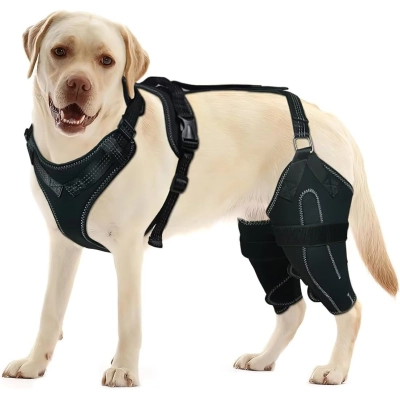
Foot brace |
Supports the paw and helps fix knuckling. |
|
Physical therapy |
Makes muscles stronger and helps movement. |
|
Warm environment |
Keeps your dog cozy and comfortable. |
|
Avoiding walks or play |
Stops your dog from getting hurt while healing. |
|
Surgery |
Sometimes needed if the problem is very bad. |
|
Mobility aids |
Helps your dog move around more easily. |
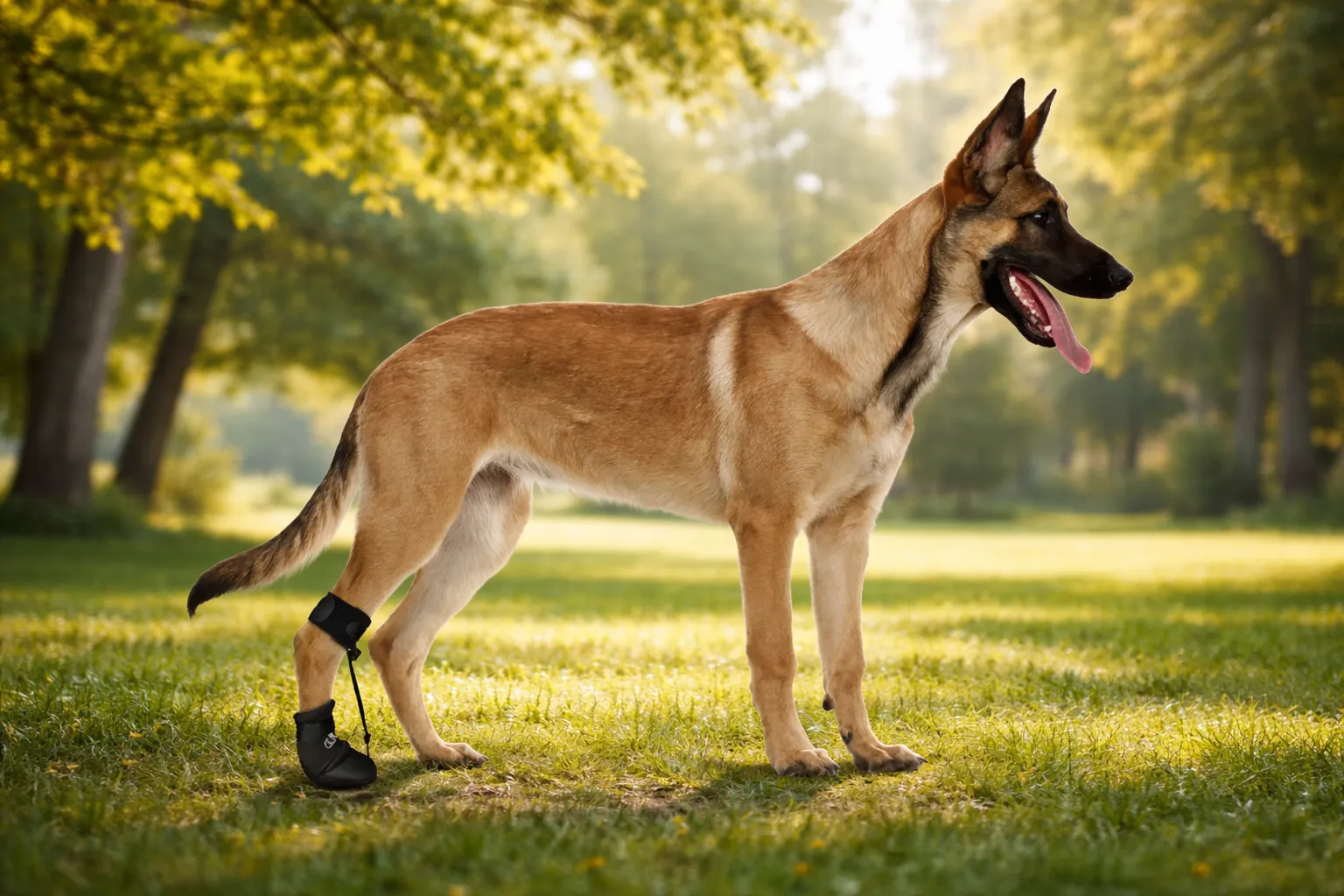
A No-Knuckling Training Sock can help during rehab. This tool helps your dog learn to walk the right way. Always ask your veterinarian before trying new treatments.
Tip: Start early and get help from your vet. This helps your dog heal faster and stay safe.
Paw Protection and Skin Care
It is important to keep your dog’s paw safe. Knuckling can cause cuts, sores, or infections. You can use special products to protect the paw. Here is a table of paw protection options:
|
Product Name |
Description |
|---|---|
|
No-Knuckling Front Paw Training Sock |
Helps stop knuckling in the front paw |
|
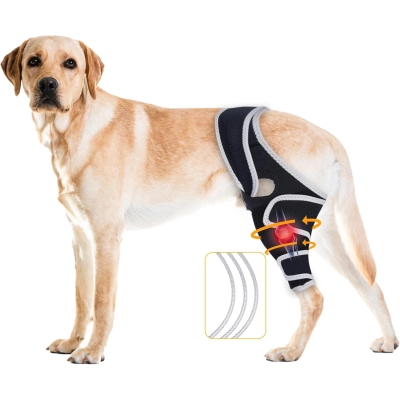
Hindlimb Dorsi–Flex Assist |
Stops knuckling and dragging back paws |
|
Forelimb Dorsi-Flex Assist |
Stops knuckling and dragging front paws |
|
Toe-Up with Boot |
Supports weak back paws |
|
No-Knuckling Hind Paw Sock |
Lowers scuffing of back paws |
|
Orthovet Splints |
Custom or regular splints for front and back legs |
|
Maximus Dog Skates |
Wheelchair add-on to stop dragging and knuckling |
Anti-knuckling devices can stop scrapes from dragging paws. These products help keep your dog’s paw safe and comfy.
Follow these steps to care for your dog’s paws: Check your dog’s paws every day for cuts or dry spots. Clean their paws after walks to get rid of dirt. Trim nails often so walking feels good. Use paw creams or booties in bad weather.
🐾 Healthy paws mean less pain and fewer infections.
Mobility Support and Rehabilitation
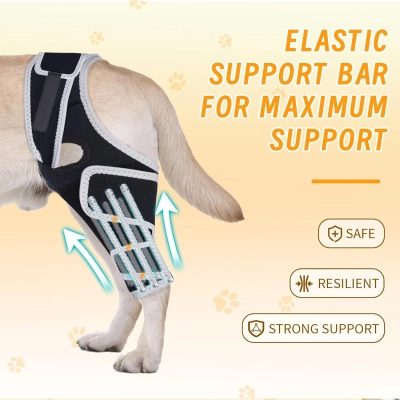
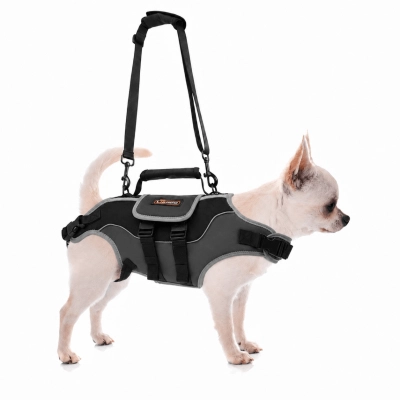
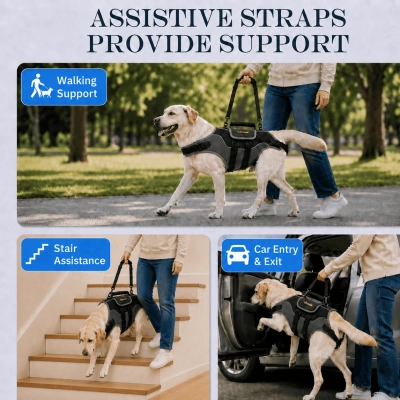
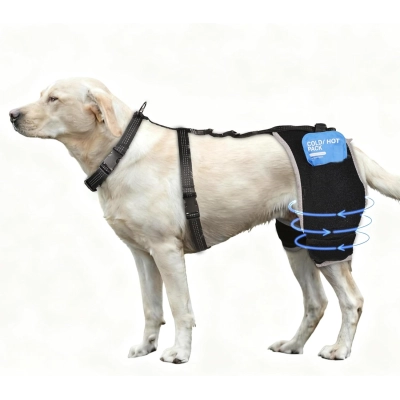
Helping your dog move is very important. Use harnesses, ramps, or mats to stop slips and falls. Put rugs on slick floors so your dog does not fall. Block stairs and use ramps to make moving easier.
Physical therapy and rehab help your dog get stronger. A rehab therapist can show you good exercises. Physiotherapy keeps joints moving and muscles strong. Hydrotherapy lets your dog exercise in water, which is gentle on joints.
-
Physiotherapy keeps joints and muscles healthy.
-
Hydrotherapy builds muscle and helps movement.
-
Mobility aids like harnesses or wheelchairs help your dog every day.
Note: Rehab helps your dog move better and enjoy life.
Preventive Tips for Paw Knuckling
You can help stop knuckling before it starts. These tips protect your dog, especially if they are at risk:
-
Keep your dog at a good weight to protect joints.
-
Take your dog to the vet for checkups.
-
Stop rough play and limit stairs.
-
Add ramps or low steps at home to help your dog.
-
Use mats or traction aids to make walking safer.
Prevention, paw care, and support work best together. These tips help your dog stay active and happy.
🦴 Remember: Keep working with your vet or rehab therapist. Change your plan as your dog’s needs change.
You may not see changes right away, but keep helping your dog. Some problems, like degenerative myelopathy, get worse over time. Dogs may lose movement, but you can still help them enjoy life with care and support.
Stay patient and positive. Your care helps your dog feel safe and loved.
Finding knuckling in dogs early helps keep your dog safe and comfortable. You are important because you notice changes and act fast. When you spot knuckling soon, your dog gets better help:
-
You can take your dog to the vet quickly.
-
Fast treatment stops problems from getting worse.
-
Knuckling can mean your dog has a serious health problem.
Your veterinarian is very important. They will find out why your dog is knuckling, make a plan to help, and stop injuries. Watching your dog and helping at home matters a lot. You can use things like harnesses, safe spaces, and easy exercises to help your dog move and feel good. With your help and your vet’s advice, your dog can have a happier life.
FAQ
What does knuckling look like in dogs?
You see your dog walking or standing on the top of their paw instead of the pads. The toes may curl under. Sometimes, you hear scraping sounds or notice worn nails.
Can knuckling in dogs go away on its own?
Knuckling rarely improves without help. You should contact your veterinarian to find the cause. Early action helps prevent injuries and supports your dog’s comfort.
Is knuckling always painful for my dog?
Knuckling does not always cause pain. Some dogs feel discomfort, while others show no pain. Watch for signs like limping, reluctance to move, or changes in behavior.
Should I try home remedies before seeing a vet?
You should not replace veterinary care with home remedies. Protect your dog’s paw and keep them safe, but always seek professional advice for knuckling.
How can I help my dog at home while waiting for the vet?
You can keep your dog on soft surfaces, use rugs for traction, and check paws daily for wounds. Limit rough play and stairs. Stay calm and supportive until your vet visit.
0 Comments