
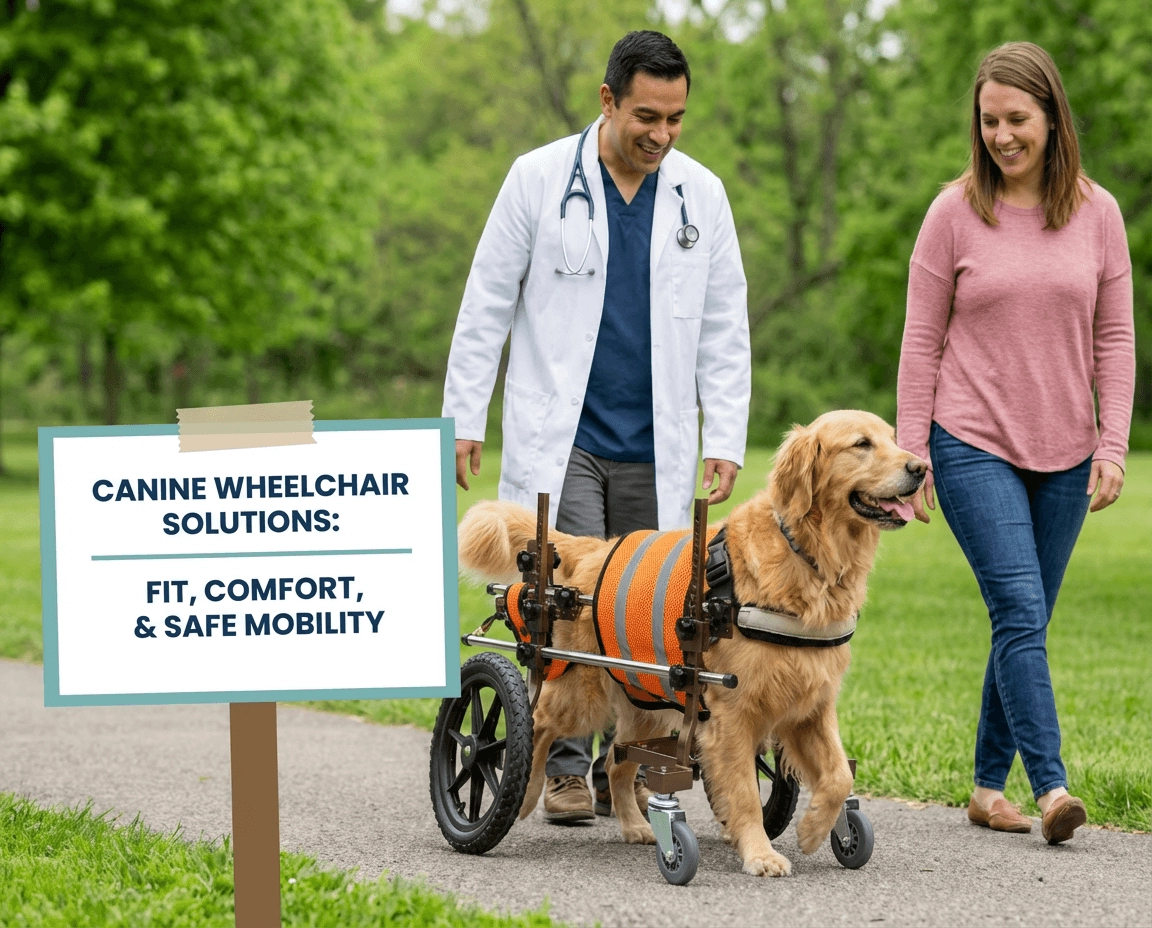
You want your dog to be happy and healthy. Walking can get hard for some dogs. Many owners feel stressed when their dogs cannot walk well. You may ask if a canine wheelchair will help. Studies say 62% of dogs live better with a mobility cart. If you want to buy one, think about fit and comfort. Look at these important things:
|
Criteria |
Description |
|---|---|
|
Weight |
A light wheelchair helps your dog move better. |
|
Wheels |
Good wheels stop slips and make bumps softer. |
|
Adjustment |
You can change the frame to fit your dog. |
|
Composition |
Strong but light materials keep the wheelchair safe. |
|
Vet Approved |
Pick wheelchairs your vet says are safe. |
You and your vet can make goals for your dog. This keeps your dog safe and comfy.
Key Takeaways
-
Canine wheelchairs help dogs with disabilities move better. They let dogs stay active and happy. You need to measure your dog carefully to pick the right wheelchair. Think about what your dog needs most. Take your dog to the vet often to check the fit. This helps keep your dog safe and comfortable. Use positive reinforcement when training your dog. This helps your dog get used to the wheelchair and feel less stressed. Keep your dog clean and care for their skin. This stops irritation and infections for dogs using wheelchairs.
How Mobility Devices for Dogs Support Movement
You want your dog to stay active and happy. Disabilities can make this hard. Mobility devices for dogs help your pet move better. These devices give dogs more freedom. They help dogs stand up and walk. Dogs can play again with these devices. Using a canine wheelchair helps your dog keep a natural posture. This support lets your dog walk and run. Your dog can go to the bathroom more easily.
Here’s how mobility devices for dogs help:
-
They let dogs explore their world again.
-
They help dogs stand in a healthy way.
-
They help dogs exercise and keep muscles strong.
-
They support weak or paralyzed legs.
-
They let dogs enjoy walks and playtime.
Many owners see their dogs become happier with mobility support. You may notice your dog wagging its tail more. Your dog may show interest in toys. Your dog may want to join family fun. These changes can make you feel better, too. Watching your dog become independent brings pride and joy.
Tip: Begin with short walks and go slow. This helps your dog get used to the wheelchair. It also stops your dog from getting tired.
Here’s a quick look at how mobility devices for dogs help pets and families:
|
Evidence Type |
Description |
|---|---|
|
Physical Activity |
Dogs walk farther and play more with mobility devices. |
|
Social Engagement |
Dogs get more attention and interact more with people and other pets. |
|
Emotional Support |
Both dogs and owners feel happier and less stressed when using mobility devices for dogs. |
Common Conditions Requiring Wheelchairs
Some dogs need wheelchairs because of health problems. You may see your dog struggle to walk or stand. Here are common reasons dogs need mobility devices for dogs:
-
Degenerative Myelopathy (DM) – This disease affects the spine. It makes walking hard for older dogs.
-
Intervertebral Disc Disease (IVDD) – This condition can cause pain or paralysis.
-
Canine Hip Dysplasia – Dogs with this problem have painful hips. They have trouble moving.
-
Cruciate and Knee Injuries – These injuries make walking or running hard.
-
Arthritis – This joint disease causes pain and stiffness.
Dogs with these disabilities lose muscle and confidence. Wheelchairs give them support to stay active. You may see your dog get stronger and more social with regular use. Veterinary studies show dogs like Ace and Lucy used wheelchairs. They started running, playing, and building muscle again.
If your dog has trouble moving, talk to your vet about mobility support. The right device can help your dog enjoy life. Your dog can stay part of your family’s adventures.
Types of Wheelchairs for Dogs
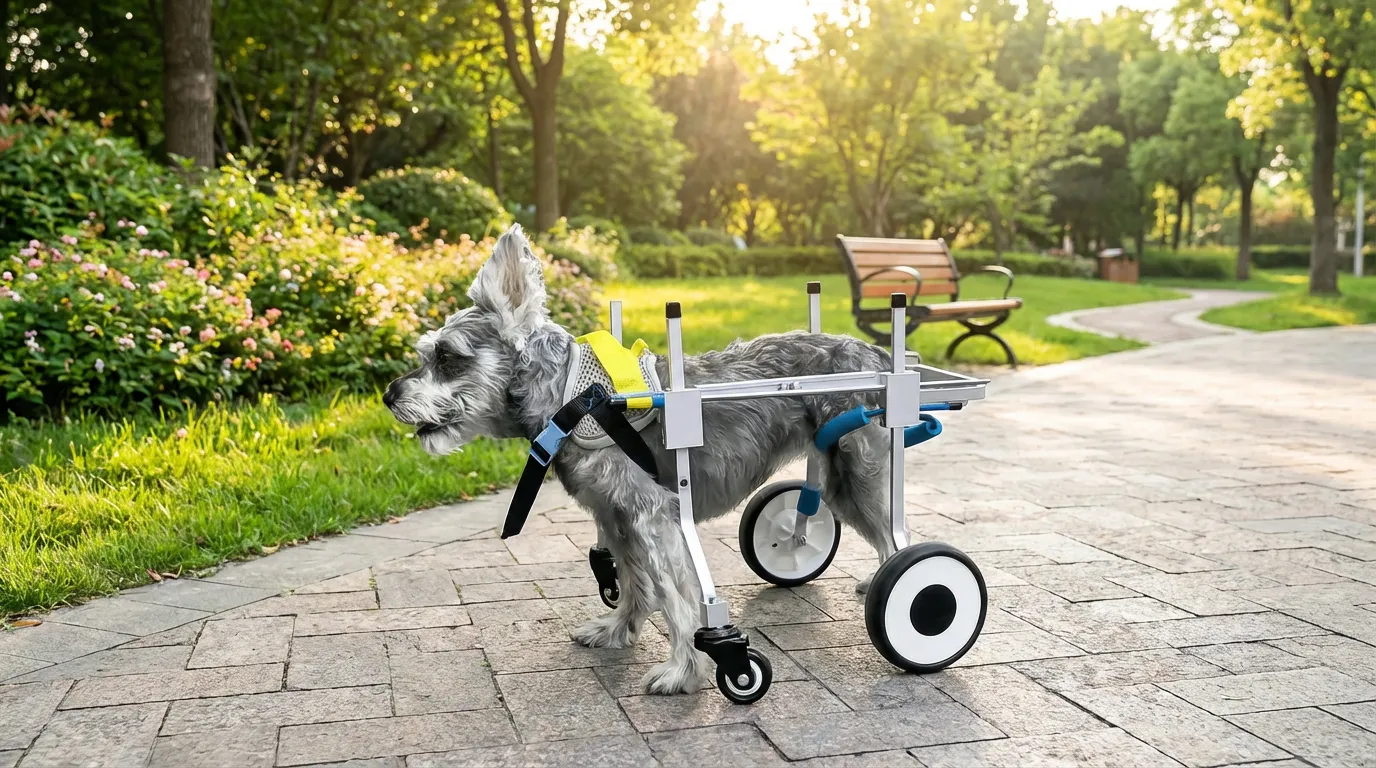
Rear-Support Canine Wheelchair
You might notice your dog struggles with back legs. Rear-support wheelchairs help dogs who have weak or paralyzed hind legs but strong front legs. These wheelchairs lift your dog’s back end and let the front legs do the work. Your dog can stand, walk, and even run again. Rear-support designs keep your dog balanced and stable. Many owners see their dogs play and move with more confidence.
|
Wheelchair Type |
Design Features |
Functionality |
|---|---|---|
|
Rear-Support Wheelchair |
Supports from underneath, keeps balance |
Great for dogs with hind leg weakness, helps them move |
Front-Support and Quad Options
Some dogs have trouble with their front legs or all four legs. Front-support and quad wheelchairs give extra help. Quad wheelchairs have four wheels and a strong frame. These work well for dogs who cannot use any legs or have weakness everywhere. Full-support wheelchairs can change as your dog’s needs change. You can adjust them for more or less support.
-
Quad wheelchairs: Four wheels, rigid frame, help dogs with little or no use of any legs.
-
Full-support wheelchairs: Offer front, rear, or full support, adapt as your dog’s condition changes.
|
Type of Wheelchair |
Indications for Use |
|---|---|
|
For dogs with rear leg issues but good front leg strength. |
|
|
For dogs with difficulties in front legs or all four limbs. |
Choosing the Right Type for Your Dog
Picking the best canine wheelchair takes a little planning. Here’s what you should do:
-
Check your dog’s needs. Talk to your vet about what your dog can and cannot do.
-
Measure your dog carefully. Good fit means more comfort and safety.
-
Look for wheelchairs that adjust as your dog changes.
-
Choose strong but light materials. Your dog will move easier.
-
Think about your dog’s daily life. Does your dog love walks or just short trips outside?
-
Make sure the wheelchair has soft padding and safe straps.
Tip: Always ask your vet for advice before you buy. The right choice helps your dog stay active and happy.
Fitting and Measuring for Comfort
Getting the right fit for your dog’s wheelchair makes all the difference. You want your dog to feel comfortable, safe, and ready to move. A proper fit helps your dog enjoy more freedom and less stress. Let’s break down what you need to know.
Key Measurements for Proper Fit
You can’t guess when it comes to sizing. You need to measure your dog carefully to make sure the wheelchair fits just right. Here’s how you can get the proper fit:
-
Measure from the floor to your dog’s back. This tells you the best wheelchair size.
-
Wrap a tape measure around the widest part of your dog’s chest, right behind the front legs.
-
Make sure your dog stands up straight with all paws flat on the ground.
-
Use a metal tape measure or yardstick for straight lines. Cloth tape measures can stretch and give you the wrong numbers.
-
Support your dog in a normal standing position. Keep the top line of the back straight and level.
-
Measure from the top of the front legs to the shoulder blades.
-
For most wheelchairs, you only need two main measurements, plus your dog’s breed and weight.
If you want a custom-fit canine wheelchair, you may need these extra steps:
-
Rear leg height: Measure from the crease where the thigh meets the body down to the toe pads while your dog lies on its side.
-
Length (for small dogs): Measure from the back of the front leg to the end of the body.
-
Height: Measure from the top of the back at the shoulder blades straight down to the floor.
-
Body length: Measure from the midpoint of the shoulders to the midpoint of the hips.
-
Width: Measure across the widest part of the body.
-
Girth: Measure around the chest at the widest point.
Tip: Always double-check your numbers. Even a small mistake can make the wheelchair uncomfortable for your dog.
Choosing the wrong size can cause problems. If the harness is too tight, it can stop your dog’s shoulders from moving. If it’s too loose, the wheelchair might shift or rub. You want to avoid designs that don’t adjust or ignore your dog’s unique shape. Dogs can gain or lose weight, so keep that in mind when you measure.
According to research from Nottingham Trent University, an ill-fitting harness can cause stress, muscle strain, and even nerve problems. Your dog might walk differently or feel pain if the fit isn’t right.
Adjustable Frames and Padding
Every dog is different. That’s why adjustable frames matter so much. You can change the length, width, and height of many wheelchairs. This helps you get the best fit as your dog grows or changes shape.
|
Feature |
Description |
|---|---|
|
Adjustable Frame |
Lets you change the size for a perfect fit as your dog’s needs change. |
|
Deluxe Padding |
Soft neoprene harnesses keep your dog comfortable and prevent rubbing. |
You want your dog to feel good every time they use their wheelchair. Look for wheelchairs with soft, wide padding. This protects your dog’s skin and keeps pressure off sensitive spots. Adjustable straps help you get a snug but gentle fit. If your dog feels cozy, they’ll want to move more and enjoy life.
Here’s what to check for comfort:
-
Wide, padded harnesses that don’t dig into the skin.
-
Straps that adjust easily for a secure fit.
-
Enough room for your dog to breathe and move.
-
Materials that are strong but lightweight.
If you notice your dog seems uncomfortable, check the padding and adjust the frame. Small changes can make a big difference in comfort and mobility.
Professional Fitting and Follow-Up
You don’t have to do this alone. A professional fitting gives your dog the best start. Your vet or a rehab expert can help you measure, adjust, and test the wheelchair. They know how to spot problems and make sure the fit is perfect.
|
Best Practices for Fitting and Follow-Up Care |
Description |
|---|---|
|
Proper Fitting |
Make sure the device is comfortable and supportive. Use a soft tape measure while your dog stands. |
|
Regular Check-Ups |
Plan visits at two weeks, four to six weeks, and eight to twelve weeks after starting to monitor progress. |
|
Collaboration with Veterinary Professionals |
Work with your vet or rehab expert for adjustments and to solve any issues quickly. |
You should check the fit often, especially if your dog is growing or healing. Dogs can change shape after surgery or with exercise. Regular check-ups help you catch problems early. If you see redness, rubbing, or your dog walks differently, ask your vet for advice.
Remember: The right fit means more than just comfort. It keeps your dog safe and helps them get the most out of their mobility device.
A well-fitted canine wheelchair gives your dog the support they need to move, play, and enjoy life. Take your time with measuring, adjusting, and checking in with your vet. Your dog will thank you with every happy step.
Safe Mobility and Use
Stability and Secure Harnesses
You want your dog to feel safe and steady every time they use a friend mobility dog wheelchair. Stability starts with a good fit. If the wheelchair fits well, your dog can move with confidence. You should always check that the harness sits snug but not too tight. A loose harness can slip and cause rubbing. A harness that is too tight can make your dog uncomfortable or even hurt their skin.
Here’s a quick look at important features for stability and safety:
|
Feature/Standard |
Description |
|---|---|
|
Rear leg rings |
Support your dog’s pelvis so they can stand, walk, and run. |
|
Three-point harness |
Straps go over the shoulders, across the chest, and behind the front legs for a secure fit. |
|
Push button adjustability |
Lets you change the height for comfort and balance. |
|
Optional stirrups |
Lift your dog’s feet off the ground if they drag, keeping paws safe. |
|
Belly belt |
Supports the middle of your dog’s body, helpful for back problems. |
You should look for wheelchairs with adjustable parts. This lets you change the fit as your dog grows or heals. Soft padding helps prevent chafing and spreads pressure evenly. Strong fabrics and good stitching keep the harness working well for a long time.
Tip: Always check the harness and straps before each walk. Make sure nothing is twisted or worn out.
Terrain and Home Setup
Your home and yard can help your dog move safely. You can make small changes that make a big difference. Start by clearing clutter from walkways. Move toys and bowls to easy-to-reach spots. If your dog uses a wheelchair, they need more space to turn and move.
Try these ideas to create a safe space:
-
Raise food and water bowls so your dog does not have to bend down.
-
Keep toys in one spot for easy access.
-
Widen garden paths and smooth out bumps or holes.
-
Use non-slip mats on floors to stop sliding.
-
Block off stairs or steep drops. Wheelchairs do not work well on stairs.
When you go outside, check the ground. Grass, dirt, and pavement are usually safe. Avoid steep hills, rocky trails, or thick mud. If your dog slips or gets stuck, they might get scared or hurt. Orthopedic boots or shoes can help protect paws and give better grip on slippery surfaces.
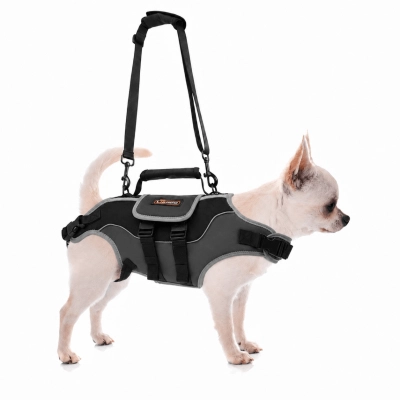
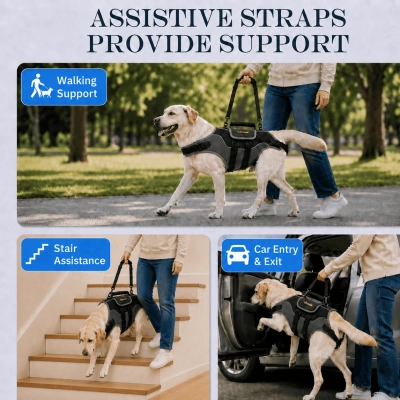
You can also use ramps for steps or doorways. This helps your dog get in and out without lifting. If your dog has trouble with all four legs, a support harness or sling can help you guide them.
Note: Dogs love to explore. Safe spaces let them play and stay active, which keeps their minds sharp and their bodies strong.
Recognizing Safety Limits
Every dog is different. Some dogs get used to wheelchairs fast. Others need more time. You should always watch your dog when they use their wheelchair, especially at first. Look for signs that your dog feels tired or stressed. Heavy panting, slowing down, or dragging the frame means it is time for a break.
Here are some simple rules to keep your dog safe:
-
Supervise your dog during wheelchair time.
-
Start with short sessions and slowly add more time.
-
Avoid stairs and steep slopes.
-
Check the fit of the wheelchair often.
-
Give your dog treats and praise for trying.
-
Keep the wheelchair clean and in good shape.
-
Be patient and let your dog set the pace.
Dogs need time to learn how to move with their new wheels. Some may bump into things or get stuck at first. Help your dog by guiding them and clearing the way. If you notice any redness, sores, or changes in how your dog walks, stop and check the fit. Call your vet if you see anything that worries you.
Remember: Safe mobility means more than just moving. It means your dog feels happy, secure, and ready to enjoy life with you.
Acclimation and Training
Gradual Introduction to Wheelchairs
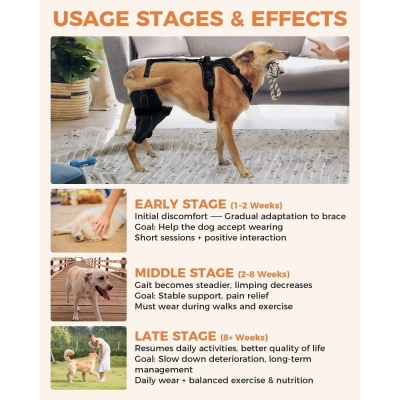
You want your dog to feel safe and curious about their new wheels. Start slow. Place the wheelchair in a spot where your dog can see and sniff it every day. Let them explore at their own pace. You can put a favorite blanket or toy near the wheelchair to make it less scary. When your dog seems relaxed, try putting on the harness for a few minutes. Give lots of praise and a tasty treat. Move to short practice sessions in a wide, open space. This helps prevent bumps and builds confidence.
Here’s a simple plan to help dogs adjust:
-
Let your dog wear the harness alone first.
-
Show your dog the wheelchair and let them sniff it.
-
Attach your dog to the wheelchair for a few minutes.
-
Encourage gentle movement with treats and happy words.
-
Slowly increase the time your dog spends in the wheelchair.
Patience is your best tool. Every dog learns at their own speed.
Positive Reinforcement and Monitoring
Dogs love rewards. Use treats, toys, or extra playtime to make training fun. When your dog takes a step or stands in the wheelchair, celebrate! Studies show that positive reinforcement helps dogs feel less stressed and learn faster. Only 8% of dogs trained with rewards show stress, compared to 65% with punishment.
|
Training Method |
Percentage of Dogs with Stress-Related Behaviors |
|---|---|
|
Positive Reinforcement |
8% |
|
Negative Reinforcement |
65% |
Watch your dog closely. Notice if they seem happy or worried. If your dog looks relaxed and wags their tail, you’re on the right track.
-
Dogs trained with rewards have fewer problem behaviors.
-
They show better mental health and enjoy learning.
Signs of Discomfort or Stress
You want your dog to feel good in their wheelchair. Look for these signs that mean your dog needs a break:
-
Heavy panting or drooling
-
Whining or barking
-
Trying to escape the harness
-
Licking or biting at straps
-
Moving less or freezing in place
If you see any of these, stop and check the fit. Give your dog a rest and lots of love. Training should always feel safe and positive for both of you.
Hygiene and Skin Care
Daily Skin Checks
You want your dog to stay comfortable and healthy in their wheelchair. Skin care matters a lot for dogs who use mobility devices. Check your dog's skin every day, especially under harnesses and straps. Look for redness, swelling, or any sore spots. Dogs can get pressure sores if they lie in one position too long or if their skin stays wet from accidents. Clean up any messes right away to stop irritation.
Try these tips to protect your dog's skin:
-
Use a barrier cream like Vaseline on sensitive spots. Clean the area with warm saline and dry it before you apply the cream.
-
Keep your dog dry. Incontinence pads can help prevent urine scald.
-
Change the side your dog lies on every few hours to keep blood moving.
-
Give gentle massages to boost blood flow and keep skin healthy.
-
Use thick, padded bedding or an orthopedic bed for extra comfort.
-
Warm whirlpool baths or sponge baths can help keep skin clean and prevent bacteria.
Tip: If you see any sores or your dog seems uncomfortable, talk to your vet right away.
Cleaning Mobility Devices for Dogs
A clean wheelchair keeps your dog safe and happy. Dirt and germs can build up fast, so set a cleaning routine. Start by pre-soaking the wheelchair parts in a pet-safe disinfectant mixed with water. Use a small brush to scrub all the little corners and hard-to-reach spots. Rinse everything well with clean water. Let the parts air-dry completely before you use them again. For quick clean-ups, pet-safe disinfectant wipes work great.
|
Cleaning Step |
What to Do |
|---|---|
|
Routine Cleaning |
Clean the wheelchair on a schedule |
|
Pre-Soak |
Use pet-safe disinfectant and water |
|
Scrub |
Focus on crevices with a small brush |
|
Rinse |
Wash off all soap and disinfectant |
|
Air-Dry |
Let everything dry to stop mold and bacteria |
|
Quick Disinfect |
Use wipes for fast cleaning |
Managing Toileting Needs
Toileting can be tricky for dogs in wheelchairs, but you can make it easier. Pick a potty spot with a flat, stable surface so your dog can move without trouble. Use a well-fitted harness and a leash to support your dog during potty breaks. Stick to a regular schedule so your dog knows when it's time to go. Clean your dog's wheelchair and their fur after each outing to prevent infections and keep them comfortable.
-
Find a flat, easy-to-reach potty spot.
-
Use the right harness and leash for support.
-
Keep a routine for potty breaks.
-
Clean your dog and their wheelchair after each trip outside.
Note: Good hygiene helps your dog stay healthy and enjoy life with you.
Pairing Wheelchairs With Rehab and Pain Management
Veterinary Oversight and Goals
You want your dog to feel good and move easily. Your veterinarian helps you make a plan for your dog's recovery. You may hope your dog walks farther or plays more. Maybe you just want your dog to get up for meals. Your vet checks how much pain your dog feels. They make sure the wheelchair fits your dog well. Your vet also watches for changes in your dog's health. Working together gives your dog a better chance to move and feel comfortable.
Here’s why rehab and pain management work well together:
|
Aspect |
Description |
|---|---|
|
Integration Importance |
Rehabilitation is key for care and helps recovery a lot. |
|
Multi-modal Approach |
Using different methods helps dogs heal faster and feel less pain. |
|
Quality of Life Improvement |
It makes life better for pets, especially older dogs. |
Rehabilitation Exercises
Rehabilitation helps your dog get stronger and more flexible. You can do easy exercises at home. Try gentle stretches or slow walks. Standing on soft mats helps with balance. These activities build muscle and help your dog stand better. Your vet or rehab expert can show you how to do each exercise safely. Some dogs like walking in water. Water takes weight off their joints. You can use toys or treats to make exercise fun. Adding these exercises to wheelchair use helps your dog move better and feel more confident.
-
Physical rehabilitation uses special exercises to improve strength, flexibility, and balance.
-
Wheelchair measurement and fitting make sure your dog gets the right support for safe movement.
Realistic Outcomes for Mobility
You want your dog to enjoy life again. Wheelchairs help many dogs move, play, and explore. Some dogs walk longer distances. Others may just stand up to eat or go outside. Every dog is different. You might see small changes first, like a wagging tail or more interest in toys. Over time, your dog may have more energy and less pain. Celebrate every step forward. You help your dog live a happier, more active life with the right support.
Owner Checklist Before Purchase
Before you buy a wheelchair for your dog, you want to make sure you cover all the basics. This checklist helps you get ready for a smooth start. You want your dog to feel safe, comfortable, and excited about new mobility.
Veterinary Diagnosis and Goals
Start with a visit to your veterinarian. Your vet will check your dog’s health and talk with you about what your dog needs. You want to know if your dog needs rear or full support. Your vet can help you set goals. Maybe you want your dog to walk farther, play more, or just stand up for meals. Write down these goals. They will help you measure progress and keep your dog happy.
Tip: Always ask your vet which wheelchair type fits your dog’s condition best.
Home Preparation and Support
Get your home ready before your dog tries the wheelchair. Clear wide paths in your house. Move rugs or furniture that could block your dog’s wheels. Put food and water bowls in easy-to-reach spots. Lay down non-slip mats to help your dog move with confidence. You can use ramps for steps or doorways. Make sure your family knows how to help your dog. Everyone can cheer your dog on and give lots of praise.
Here’s a quick checklist for home setup:
-
Clear walkways and remove clutter.
-
Place bowls and beds where your dog can reach them.
-
Use ramps and non-slip mats.
-
Teach family members how to help.
Recheck and Adjustment Schedule
You want your dog to stay comfortable as they get used to their new wheels. Plan regular check-ups with your vet or rehab expert. They will check the fit and make changes if your dog grows or heals. Watch for any redness or rubbing on your dog’s skin. If you see problems, call your vet right away. Keep a notebook to track changes in your dog’s mobility and comfort.
Here are the key steps to follow before you buy:
-
Decide if your dog needs rear or full support.
-
Look at size, weight, wheels, and adjustment options.
-
Talk with your vet to confirm the best choice.
With the right plan, you help your dog enjoy more freedom and better mobility every day.
Choosing a dog wheelchair can change your dog's life. You want the right fit, comfort, and safe use. Here’s what helps:
-
Measure your dog carefully.
-
Pick wheelchairs with good support.
-
Work with your vet for the best results.
Stay patient and celebrate small wins. With the right tools, you help dogs move, play, and enjoy life again.
FAQ
How long does it take for a dog to get used to a wheelchair?
Most dogs start feeling comfortable in their wheelchair after a few days to a couple of weeks. You can help by using short, positive sessions and lots of treats. Every dog learns at their own pace.
Can my dog go to the bathroom while using a wheelchair?
Yes! Most wheelchairs let your dog pee and poop without trouble. You may need to guide your dog to a flat spot. Always check for messes and clean up right away to keep your dog comfortable.
Will my dog need the wheelchair all the time?
Not always. Some dogs use their wheelchair only for walks or playtime. Others need it more often. Your vet can help you decide what works best for your dog’s needs and comfort.
What if my dog gets tired or stressed in the wheelchair?
Watch for signs like heavy panting, whining, or stopping. If you see these, give your dog a break. Try again later with shorter sessions and lots of praise.
How do I keep the wheelchair clean?
You can wipe down the frame and straps with pet-safe wipes after each use. For a deeper clean, soak parts in mild soap and water, then let them air dry. Clean gear helps your dog stay healthy.

0 Comments