
You may ask if dog back braces really help dogs feel better. These braces give support to dogs with spinal problems like IVDD, degenerative myelopathy, or lumbosacral instability. Many pet owners use a brace when their dog has pain or trouble moving. Dachshunds, Beagles, and Cocker Spaniels often need more help because of slipped discs. A brace does not take the place of surgery. Always talk to your vet to find the best fit, comfort, and safety for your dog.
Key Takeaways
-
Dog back braces help dogs with spine problems. They make it easier for dogs to move. Dogs feel less pain and have more confidence.
-
You should always ask your veterinarian for advice. This helps you pick the right brace for your dog. The brace must fit your dog’s needs.
-
Watch your dog when it wears a brace. Look for any signs that your dog feels bad. Change the brace if needed. The brace should fit well but not be too tight.
-
Braces can help lower pain. They also help your dog move better. This makes daily life easier for your dog.
-
Clean the brace often. Take care of it so your dog’s skin does not get sore. This helps keep your dog comfortable.
Do Dog Back Braces Help?
Spinal Support and Stability
You want your dog to move with less pain and more confidence. Dog braces give your pet extra support and stability when their back feels weak or wobbly. These braces wrap around your dog’s body and apply gentle pressure. This helps keep the spine in a safe position. You may wonder how dog braces work. They limit twisting and bending that can hurt your dog’s back even more.
Here’s what happens when you use a brace for your dog:
-
The brace gives circumferential pressure, which helps stabilize the spine.
-
It allows controlled movement, so your dog can walk without making things worse.
-
The brace keeps your dog’s back in a healthy range of motion. This helps muscles stay strong and steady.
-
Dog braces support the spine and muscles, giving your dog the stability they need.
-
They do not cure problems like IVDD, but they help prevent further injury.
What experts say:
-
A leading neurology consensus from the American College of Veterinary Internal Medicine (ACVIM) concludes that many recommendations for managing acute thoracolumbar IVDD are based on low-to-moderate evidence, so braces should be considered guidance-level tools inside a broader care plan.
-
Cornell University notes that IVDD severity ranges from mild pain to paralysis, so choosing treatment (medical vs. surgical) depends on how serious the signs are.
Pain Relief and Comfort
Dog braces do more than just hold your dog’s back steady. They also help with pain relief and comfort. When your dog wears a brace, it takes pressure off sore spots. This can make your dog feel calmer and happier. Many pet parents see their dogs rest easier and move with less stiffness.
Let’s look at how dog braces work for comfort:
-
The brace protects your dog’s back during walks or play.
-
It helps spread out weight, so no one spot gets too much pressure.
-
Your dog feels less pain and more comfort, especially during recovery.
Real-world owner outcomes:
In a 56-owner survey of veterinary orthoses users, 78.6% reported a positive impact on their dog’s quality of life, 84.9% reported improved walking, 92.3% said their dog tolerated the device, and 83.6% followed the plan as prescribed. Complications were common (64%, mostly skin issues) but most were resolved with adjustments and care.
Limitations and Risks
Dog braces help many dogs, but they are not perfect for every situation. You need to know the risks before you choose a brace for your dog. Some dogs may not like wearing a brace. Others may get skin problems if the brace rubs too much.
Here’s a quick look at possible issues:
|
Complication Type |
Description |
|---|---|
|
Skin Complications |
Abrasions, loss of hair, and sores |
|
Mechanical Device Problems |
Issues related to the functionality of the brace |
|
Patient Non-Acceptance |
Dogs may refuse to wear the device |
Some dogs never get used to the brace. About 7% of dogs stop using it because of fit or skin problems. Around 19% only wear it sometimes. Nearly half of dogs may get some skin irritation, and about a third need extra care for these issues.
Note: Always check your dog’s skin under the brace. If you see redness or sores, take a break and call your vet.
Dog braces work best when you use them as part of a full care plan. They give joint support, but you still need to follow your vet’s advice. Canine support means more than just a brace. It includes rest, medicine, and gentle exercise. With the right plan, your dog can enjoy better days ahead.
Why Dogs Need Braces
Common Conditions (IVDD, DM, Injury)
You might wonder why dogs need braces. Many dogs face back problems that make walking or playing tough. One of the most common reasons is ivdd. This condition happens when the discs in your dog’s spine break down or slip out of place. Dogs with ivdd often feel pain and lose strength in their legs. You see this a lot in breeds like Dachshunds and Corgis.
Dog braces also help with other issues. Some dogs get hurt from jumping or rough play. Injuries like sprains, strains, or even fractures can make your dog’s back unstable. If your dog has surgery for ivdd or another spinal problem, a brace helps keep the spine steady while healing.
Degenerative myelopathy is another reason why dogs need braces. This disease slowly weakens the back legs. Dog braces give extra support so your dog can keep moving. Lumbosacral instability is common in big, active dogs like German Shepherds. These dogs often need help to stay comfortable and safe.
Here’s a quick list of why dogs need braces:
-
ivdd (disc problems)
-
Back pain or injury
-
Support after surgery
-
Degenerative conditions like myelopathy
-
Preventing future problems in at-risk dogs
Tip: If your dog limps, drags a leg, or seems stiff, talk to your vet about dog braces.
When Veterinarians Recommend Braces
You may ask when your vet will suggest dog braces. Vets look for signs that your dog needs extra support. If your dog has ivdd, a brace can limit movement and help with pain. Stabilizing injuries is important for healing. Your vet may recommend dog braces for breeds that often get spinal problems, such as Dachshunds or Corgis.
Vets also check your dog’s activity level and age. Older dogs or those with past injuries may need braces to prevent new problems. If your dog just had surgery for ivdd, a brace helps protect the spine during recovery. Sometimes, vets use dog braces for big dogs with lumbosacral instability. German Shepherds and retrievers often need this kind of help.
Here’s a table showing when vets recommend dog braces:
|
Reason for Bracing |
Example Situation |
|---|---|
|
ivdd |
Disc herniation, pain |
|
Injury |
Sprain, strain, fracture |
|
Post-surgery |
Healing after spinal operation |
|
Degenerative myelopathy |
Weakness in back legs |
|
Preventative support |
At-risk breeds, older dogs |
Dog back braces give your dog a better chance to heal and stay active. If you notice changes in your dog’s movement or comfort, ask your vet if dog braces are right for your pet.
Types of Dog Braces
You might wonder which type of dog brace works best for your pet. There are several types of dog braces, and each one helps in a different way. Let’s break down the main types of dog braces you’ll find.
Soft Back Braces
Soft back braces feel light and flexible. You can use these braces for mild ivdd or when your dog needs gentle support. They wrap around your dog’s body and help keep the spine steady. Many dogs like these braces because they are comfortable and easy to wear. If your dog has a small injury or early signs of ivdd, a soft back brace can make walks safer.
Semi-Rigid and Modular Braces
Semi-rigid and modular braces give more support than soft ones. These types of dog braces use firm panels or stays to limit movement. If your dog has moderate ivdd or needs extra help after an injury, you might choose this type. You can adjust some modular braces to fit your dog’s shape. These braces work well for dogs who need more control but still want to move around.
Custom Back Braces
Custom back braces fit your dog perfectly. A vet or specialist measures your dog and makes a brace just for them. This type of dog brace helps dogs with unusual body shapes or long-term ivdd. Custom braces give the best support and comfort. If your dog has a hard time with regular braces, a custom one might be the answer.
IVDD-Specific Braces
IVDD back braces are made for dogs with ivdd. These braces support the spine and help prevent more disc problems. You can use ivdd back braces for both mild and serious cases. Some ivdd back braces also help dogs after surgery. If your vet says your dog has ivdd, ask which type of dog brace will work best.
Note: Not all braces fit every dog. Always check with your vet to see which type of dog brace matches your dog’s needs.
Here’s a quick table to help you see which types of dog braces fit different problems:
|
Brace Type |
Suitable Conditions |
|---|---|
|
Soft Back Brace |
Mild ivdd, minor injury, early support |
|
Semi-Rigid Brace |
Moderate ivdd, post-injury, more control |
|
Unique body shape, long-term ivdd, special needs |
|
|
IVDD Back Brace |
ivdd, disc disease, post-surgery support |
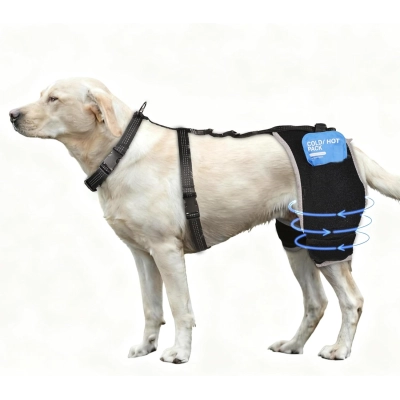
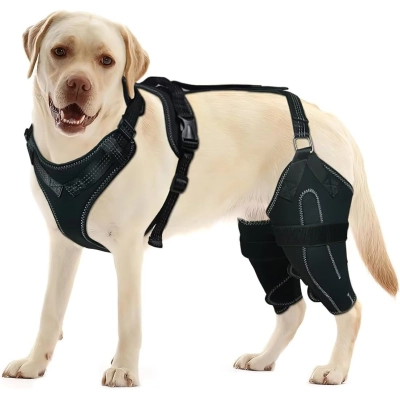
Dog back braces help with back pain, paralysis, and trouble walking. You may also see a dog rear leg brace or dog leg braces used for extra support. If your dog has ivdd, you might need both a back brace and a dog rear leg brace. Some dogs use a dog rear leg brace for weak back legs. Other dogs need a dog rear leg brace after surgery. You can ask your vet which type of dog brace or dog rear leg brace is right for your pet.
You have many choices. Each type of dog brace helps in a special way. The right brace can make your dog feel better and move with more confidence.
Choosing Back Braces
Sizing and Fit
Finding the right brace for your dog starts with measuring for proper fit. You want your dog to feel comfortable and safe. If you skip this step, your dog might not get the support they need. Here’s a simple checklist for choosing the right fit:
-
Start by assessing your dog’s needs. Think about their daily life and health.
-
Identify if your dog has ivdd, an injury, or another condition.
-
Measure your dog’s back length, chest, and waist. Age and activity level matter too.
-
Check for any skin issues or joint pain before you pick a brace.
-
Decide if your dog needs light, moderate, or strong support.
Choosing the right fit means your dog can move, rest, and heal better. If you wonder how to measure and fit a dog brace, ask your vet for help. They know how to measure and fit a dog brace so your dog gets the best care.
Material and Features
Dog braces come in different materials. Some use soft fabric, while others use strong plastic. The material affects comfort and durability. Take a look at this table:
|
Material Type |
Comfort Characteristics |
Durability Characteristics |
|---|---|---|
|
Fabric Braces |
Soft, light, good for daily use |
May wear out faster with heavy use |
|
Plastic Braces |
Strong, stable, good for injuries |
Lasts longer, works well outdoors |
You want a brace that fits your dog’s body and does not slip. Many braces have soft liners and multi-point straps. These features help your dog stay comfortable, even during long walks. Breathable materials keep your dog cool and prevent irritation. When you focus on material and features, you help your dog heal from ivdd or injury.
Cost and Value
Dog back braces come in many sizes and prices. The cost depends on size, material, and extra features. Here’s a quick look at prices:
|
Size |
Price |
|---|---|
|
Regular |
$89.95 |
|
Small |
$64.99 |
|
Medium |
$67.99 |
|
Large |
$70.99 |
|
X Large |
$73.99 |

When you choose the right back brace, think about value. A good brace supports your dog through ivdd, injury, or recovery. You want something that lasts and keeps your dog happy.
Veterinary Guidance
Your vet insights matter most when finding the right brace. They know your dog’s health history and can help with choosing the right fit. Vets check measurements, suggest breathable materials, and make sure the brace supports your dog’s spine. They also confirm the brace lets your dog urinate and move freely. If you have questions about ivdd back braces or a dog rear leg brace, your vet can guide you.
Your veterinarian is your best partner for your dog’s health and comfort.
Choosing dog braces is not just about price or looks. It’s about assessing your dog’s needs, measuring for proper fit, and listening to vet insights. With the right steps, you give your dog the best chance to heal and enjoy life.
Back Brace Benefits
Pain Relief
You want your dog to feel comfortable again. Dog braces help relieve pain by supporting the spine and muscles. When your dog wears a brace, it takes pressure off sore spots and helps them move without hurting as much. Many dogs with ivdd struggle with back pain every day. Dog braces do not cure ivdd, but they offer comfort and protection. Your dog can walk, rest, and even play with less pain. This support is important for post-surgery recovery, too. You may notice your dog seems happier and more relaxed once they start using a brace.
Tip: If your dog seems stiff or cries out when moving, a brace could help ease their pain.
Mobility and Rehab Support
Dog braces do more than just reduce pain. They help your dog move better and stay active. If your dog has ivdd, you know how hard it can be for them to get up or walk. A brace gives your dog the stability they need for improved mobility. This means your dog can join you for short walks or gentle play. Staying active helps prevent muscle loss, which is common when dogs rest too much. Dog braces also support your dog during rehabilitation and recovery. For post-surgery recovery, a brace keeps your dog’s back steady while they heal. Your dog can improve mobility and build strength with the right support.
Here’s how dog braces help with mobility and rehab:
-
Support the spine during walks
-
Encourage safe movement after ivdd surgery
-
Help your dog regain confidence
Injury Prevention
You want to keep your dog safe from new injuries. Dog braces protect your dog’s back by limiting risky movements. If your dog has ivdd, a brace helps prevent further damage to the discs. Back braces stabilize the spine and control twisting or bending that could cause harm. For post-surgery recovery, a brace keeps your dog’s back in the right position. This helps your dog avoid setbacks during rehabilitation. Dog braces also teach your dog healthy movement patterns, lowering the risk of future injuries.
|
Benefit |
How Dog Braces Help |
|---|---|
|
Prevent new injuries |
Limit unsafe movement |
|
Support after ivdd |
Stabilize spine during recovery |
|
Encourage good posture |
Guide safe movement in rehab |
Dog back braces give your dog the best chance at a safe, happy life. You help your dog heal, move, and play with confidence.
Safe Use and Care
Fitting and Acclimation
Getting your dog used to a back brace takes time and patience. Start slow. Let your dog sniff and see the brace before you try to put it on. Here’s a simple way to help your dog adjust:
-
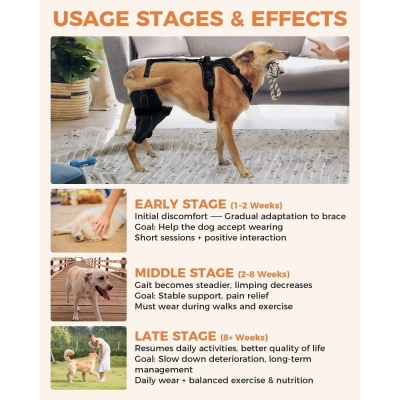
Introduce the brace gradually. Let your dog wear it for short periods at first.
-
Stay calm and offer treats or praise when your dog wears the brace.
-
Make sure the brace fits comfortably every time.
-
Increase the time your dog wears the brace a little each day.
Dogs with ivdd may need extra encouragement. Always check for a snug but gentle fit.
Activity and Rehab Guidelines
You want your dog to stay active but safe. When your dog wears a back brace, follow these tips:
-
Let your dog join family activities, but keep things calm.
-
Try gentle massage or light stretching to help with pain.
-
Practice short walks to keep muscles strong.
-
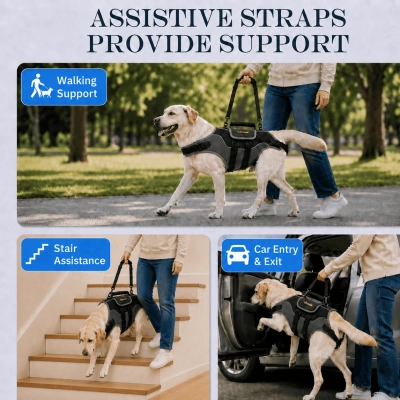
Use the brace and a harness together for extra support.
A back brace helps your dog move without hurting their spine. It also keeps your dog comfortable during recovery from ivdd.
Monitoring and Safety
Watch your dog closely for any signs of discomfort. Look for these changes:
-
Stiffness or shivering
-
Trouble walking or standing
-
Crying when picked up
-
Avoiding touch or moving away from you
-
Changes in how your dog acts around people or pets
If you see any of these signs, stop using the brace and call your vet. Your dog’s safety comes first.
Cleaning and Maintenance
Keep the back brace clean to protect your dog’s skin. Here’s how:
-
Take the brace apart and soak it in warm, soapy water for five minutes.
-
Gently scrub away dirt with a cloth or toothbrush.
-
Rinse well to remove all soap.
-
Press out water and let the brace air dry.
Check the brace every week for worn straps or loose Velcro. Clean off hair and dirt with a damp cloth or tweezers. Never put the brace in the washing machine.
Tip: A clean, well-fitted brace helps your dog heal and stay happy.
Dog back braces give your dog real support and comfort. You help your dog stay active, prevent pain, and protect their spine with the right brace. Here’s a quick look at why these braces matter:
|
Benefit |
What It Means for Your Dog |
|---|---|
|
Stabilization |
Keeps the spine steady |
|
Comfort |
Makes daily life easier |
|
Mobility |
Lets your dog move and play |
|
Prevention |
Lowers risk of new injuries |
Always pick a brace that fits well and matches your dog’s needs. Talk with your vet to make sure you choose the best option. Your dog’s safety and happiness come first!
FAQ
How long should my dog wear a back brace each day?
Start with 15–30 minutes. Add more time each day if your dog feels comfortable. Most dogs wear a brace for a few hours during activity. Always follow your vet’s advice for the best results.
Can my dog sleep in a back brace?
You should not let your dog sleep in the brace unless your vet says it’s safe. Remove the brace at night to prevent skin problems and let your dog rest comfortably.
How do I know if the brace fits right?
Check for a snug fit. You should slide two fingers under the brace. Watch for redness or rubbing. If you see marks or your dog seems uncomfortable, adjust the fit or ask your vet for help.
Will a back brace cure my dog’s IVDD?
A back brace does not cure IVDD. It helps manage pain and supports healing. You still need rest, medicine, and rehab. Always talk to your vet about the best treatment plan.

0 Comments