
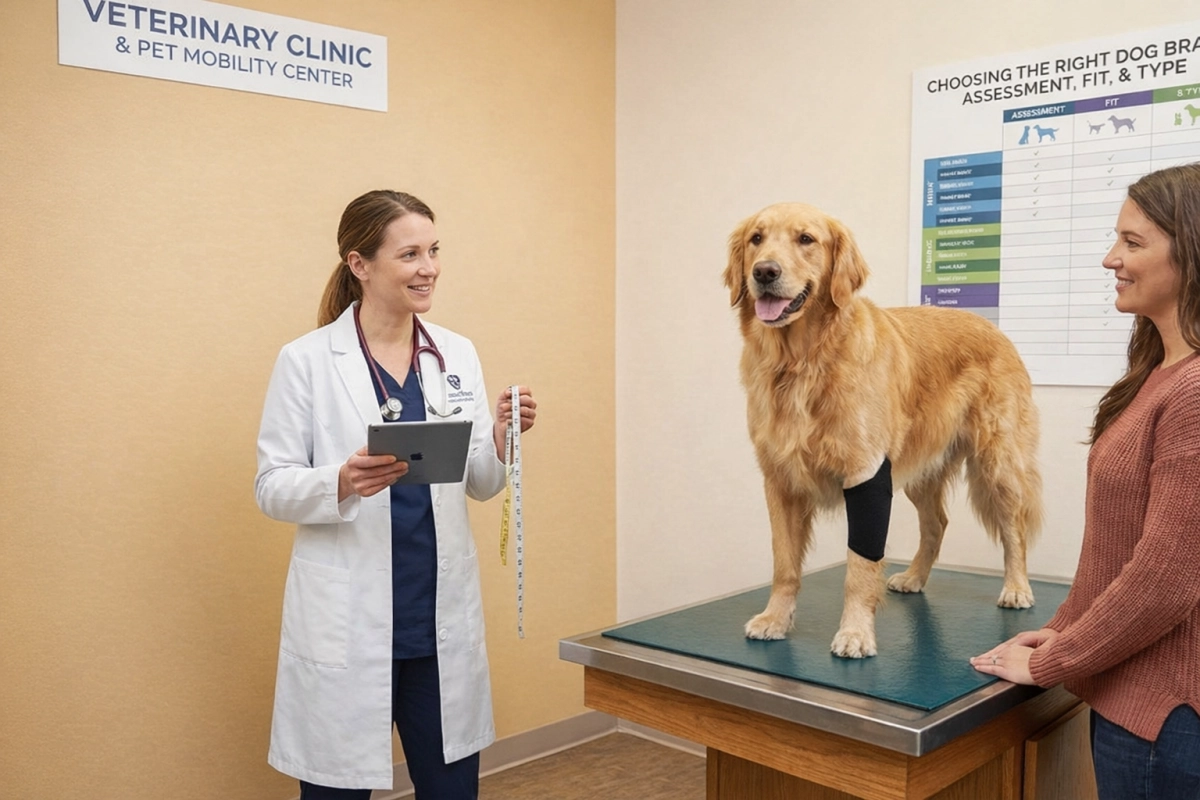
If you worry about your dog’s comfort or movement, you are not alone. By age 8, almost 80% of dogs get joint pain or have trouble moving. Nearly 15 million dogs in the U.S. have osteoarthritis. Many pet owners see big changes in their dog’s movement and happiness after using a dog brace. You want to help your dog feel better and heal, whether they have a leg injury or trouble walking. The best way to start is to talk with your veterinarian.
Key Takeaways
-
Look for signs like limping or swelling in your dog. These signs can show if your dog is hurt. This helps you know if your dog needs a brace. - Ask your veterinarian for advice about the right brace. Your veterinarian knows what is best for your dog's problem. - Measure your dog's leg carefully to make sure the brace fits. A good fit gives your dog more support and comfort. - Pick a custom brace or an off-the-shelf brace. The choice depends on your dog's needs and how bad the injury is. - Check your dog's comfort and progress often. Change the brace if needed to help your dog heal.
What Is a Dog Brace?
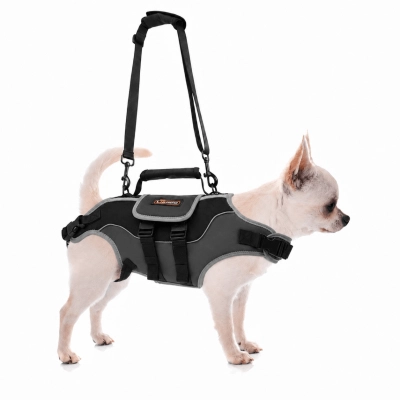
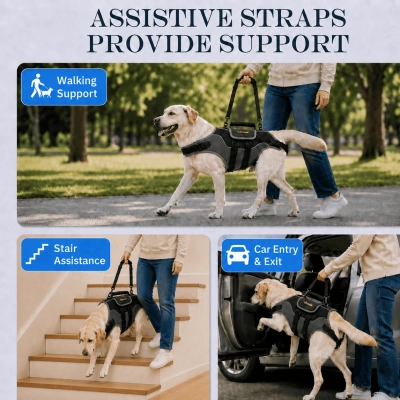
A dog brace is a device that helps dogs move easier. It can help your dog feel less pain. If your dog limps or has trouble walking, a brace may help. Dog braces come in many shapes and sizes. Some braces fit the knee. Others support the back. Some help the front legs or hind legs. You can find rigid, semi-rigid, or flexible braces. Each type works best for certain problems.
How Dog Braces Work
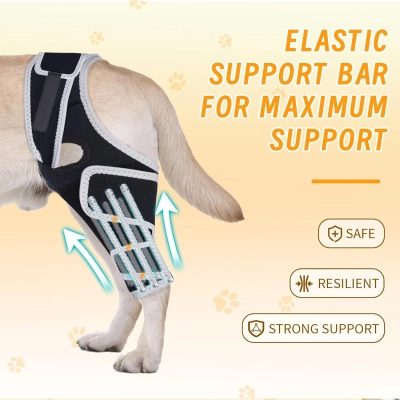
Dog braces give extra support to weak joints. When you put a brace on, it keeps the joint steady. This stops the joint from moving too much. The brace can help your dog feel less pain. It helps your dog put weight on the sore leg. You may see your dog walk better. Braces can help your dog move more easily. Sometimes, braces are used instead of surgery. This is good for dogs that cannot have surgery.
-
Dog braces keep the joint steady and help with pain.
-
They let the dog put weight on the sore leg to heal.
-
Braces help dogs move better and can be used instead of surgery.
Vets often suggest dog leg braces for ligament tears or joint problems. You should talk to your vet before picking a brace.
Benefits for Dogs
You want your dog to feel good and happy. Dog leg braces do more than stop pain. Braces help dogs move, walk, and run. They can delay surgery. Some braces give support before or after surgery. Others help control how the joint moves.
Here are the main things a dog brace does:
|
Function/Condition |
Description |
|---|---|
|
Improve mobility and comfort |
Braces help dogs move and feel better. |
|
Suitable for non-surgical cases |
Braces work for dogs that cannot have surgery. |
|
Temporary support |
Braces give help before or after surgery. |
|
Control joint motion externally |
Braces help the joint move in a safe way. |
|
Appropriate for partial CCL tears |
Braces work best for partial CCL tears or early joint problems. |
Studies show braces help dogs use their legs and balance. A study in 2020 found dogs with hinged braces moved better after 12 weeks. Another study showed double braces helped dogs feel less pain and balance their weight. These results show back braces help dogs and improve their lives.
If your dog has trouble walking or joint pain, a dog brace may help.
When and Why Dogs Need Braces
Common Injuries and Conditions
You may see your dog limp or move slower. These signs can mean your dog needs a leg brace. Many dogs get hurt and have trouble moving. Some common injuries are cruciate ligament tears, luxating patella, and hock or Achilles tendon problems. Dogs with elbow or shoulder injuries also need extra help. Older dogs often have arthritis or weak legs. A dog brace can help your dog walk, run, and play again.
Here are the main reasons dogs need braces:
-
Cruciate ligament injuries (ACL/CCL tears) cause pain and make knees weak.
-
Luxating patella makes it hard for dogs to walk.
-
Hock and Achilles tendon injuries make moving tough.
-
Elbow and shoulder injuries need joint support to heal.
-
Arthritis and weak legs from age make it hard to move.
If your dog has any of these problems, a brace can help them heal. You want your dog to feel safe and comfortable while they get better.
Veterinary Recommendations
Your veterinarian helps decide if your dog needs a brace. They look for injuries like wrist or ankle arthritis, sprains, or strains. Sometimes, dogs need help after losing a leg or to stop new injuries. The vet checks if the brace fits well and gives good support without hurting your dog.
Here is a table with reasons vets suggest braces for dogs:
|
Reason for Dog Braces |
Description |
|---|---|
|
Difficulty Eating or Chewing |
Some dogs have trouble eating because their teeth do not line up. |
|
Excessive Drooling |
Too much drooling can mean teeth are not lined up right. |
|
Visible Malocclusion |
Crowded or overlapping teeth may need a brace. |
|
Malocclusion (Improper Bite) |
Braces help teeth and jaw work better together. |
|
Lingually Displaced Canines |
Misaligned canines press on the roof of the mouth. |
|
Crowded or Rotated Teeth |
Some breeds have crowded teeth that need support. |
Tip: Always ask your veterinarian what is best for your dog’s injury. The right brace can help your dog heal and feel better.
Types of Dog Leg Braces and Their Uses
When you look for a dog brace, you’ll find several options. Each type helps your dog’s leg in a different way. Some braces support the knee, while others help the back, hip, or front leg. You want to pick the right brace for your dog’s injury or condition.
Dog Knee Brace
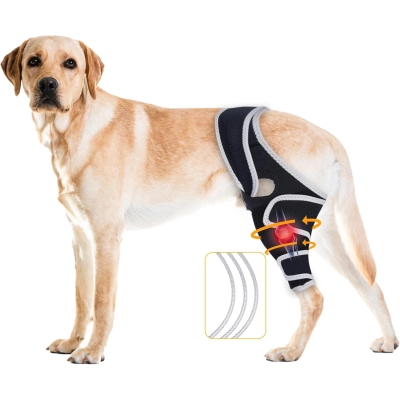
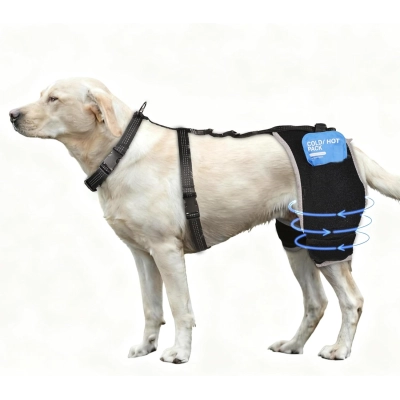
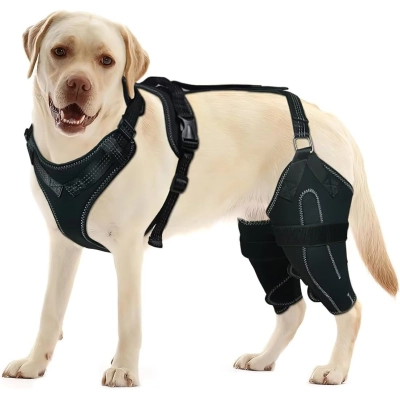
A dog knee brace is one of the most common dog leg braces. You might need this brace if your dog has a torn CCL or ACL, ligament sprains, meniscus tears, or osteoarthritis. The best dog knee braces keep your dog’s leg in a normal walking position and help with healing. If you have a small breed, a knee brace for small dogs can give gentle support without being too bulky. Many owners see their dogs walk better and feel less pain after using a knee brace. These braces work well for post-surgical recovery and can help avoid surgery in some cases.
Tip: The best dog brace types for ligament tears and osteoarthritis offer strong support and stability.
Dog Back Brace
A dog back brace supports your dog’s spine and muscles. If your dog has back pain, paralysis, or intervertebral disc disease (IVDD), this brace can help. It relieves pressure and gives comfort during healing. Studies show that dogs with spinal injuries move better and feel less pain when they wear a back brace. You may notice your dog stands straighter and walks with more confidence.
Other Leg Braces (Front, Hind, Hip)
You can find different types of dog braces for the front leg, hind leg, and hip. Front leg braces help with carpal and elbow problems, giving stability for arthritis or sprains. Hind leg braces target hock and knee injuries, especially ACL or CCL problems. Hip braces help dogs with hip dysplasia, muscle weakness, or back leg fatigue. The best dog brace types for muscle strains and osteoarthritis keep your dog’s leg steady and promote healing.
Here’s a quick look at how rigidity affects support:
|
Type of Brace |
Support Level |
Movement Restriction |
Ideal Use Case |
|---|---|---|---|
|
Rigid Braces |
High |
Most |
Severe injuries, post-surgery |
|
Semi-Rigid Braces |
Moderate |
Some |
Moderate injuries |
|
Flexible Braces |
Mild |
Least |
Mild conditions, short-term support |
You want to choose the right dog leg braces based on your dog’s needs. Rigid braces work best for serious injuries. Semi-rigid braces help with moderate problems. Flexible braces are good for mild strains or daily comfort.
Choosing a Dog Leg Brace: Step-by-Step
You want your dog to feel better and move with ease. Choosing a dog leg brace can seem tricky, but you can break it down into simple steps. Let’s walk through the process together.
Identify the Injury or Condition
Start by watching your dog closely. Look for signs like limping, swelling, or favoring one leg. These clues help you spot possible injuries or joint problems. Sometimes, your dog may slow down or avoid jumping. If you notice these changes, your dog might need support.
Here’s a quick checklist to help you identify what’s wrong:
-
Watch for limping, swelling, or changes in movement.
-
Notice if your dog avoids putting weight on a leg.
-
Check for pain when touching the leg or joint.
-
Look for stiffness after rest or play.
-
Write down any changes in your dog’s activity or mood.
Once you spot these signs, you’re ready for the next step.
Consult Your Veterinarian
Your veterinarian is your best partner in this journey. Bring your notes and observations to your appointment. The vet will examine your dog, run tests if needed, and explain the injury or condition. You’ll get advice on the best dog brace for your pet’s needs.
A professional assessment helps you avoid mistakes and ensures you choose the right brace. The vet may recommend a dog knee brace for ligament injuries, a dog back brace for spinal support, or a knee brace for small dogs if your pet is tiny. Always ask questions and share your concerns.
Measure for Proper Fit
Getting the right fit is key to comfort and recovery. You need accurate measurements before selecting the ideal dog knee brace or any other support.
Follow these steps for a perfect fit:
-
Have your dog stand in a normal, weight-bearing position.
-
Use a flexible cloth measuring tape.
-
Ask a friend to help if your dog wiggles or feels nervous.
-
Measure both legs to check for differences.
-
Measure thigh circumference about one inch below where the leg meets the body.
-
Measure knee circumference at the center of the joint.
-
Measure the length from knee to hock.
-
Measure lower leg circumference halfway between the hock and paw.
-
Write down your dog’s weight and breed.
Tip: Take each measurement twice to make sure they’re correct. Keep the tape snug but not tight.
Common mistakes include measuring too loosely, using a stiff tape, or not double-checking. Accurate measurements help you avoid discomfort and ensure the brace works as it should.
Custom vs. Off-the-Shelf Options
Now you need to decide between a custom-fitted brace and an off-the-shelf option. Each has its pros and cons.
-
Custom dog braces fit your dog’s leg perfectly. They offer superior support and comfort, especially for unique limb shapes or severe injuries.
-
Off-the-shelf braces are easier to find and often cost less. They work well for mild injuries or standard leg shapes.
-
Custom braces are best for dogs with sensitivities or special needs.
Think about your dog’s condition, budget, and how quickly you need the brace. If your dog has a complex injury or unusual leg shape, a custom-fitted brace may be the best choice.
Evaluating Brands and Quality
Not all dog leg braces are created equal. You want a brace that lasts, feels comfortable, and helps your dog recover. Here’s what to look for when comparing brands:
|
Factor |
Description |
|---|---|
|
Effectiveness |
How well the brace supports the knee and alleviates pain. |
|
Comfort |
Fit, material, and design to ensure ease of use. |
|
Durability |
Quality of materials and longevity. |
|
Customer Reviews |
Real feedback from pet owners. |
|
Veterinarian Recommendations |
Expert opinions on efficacy and design. |
Price can vary a lot. Custom dog knee braces usually cost more than off-the-shelf options. Here’s a chart showing price ranges for popular brands:
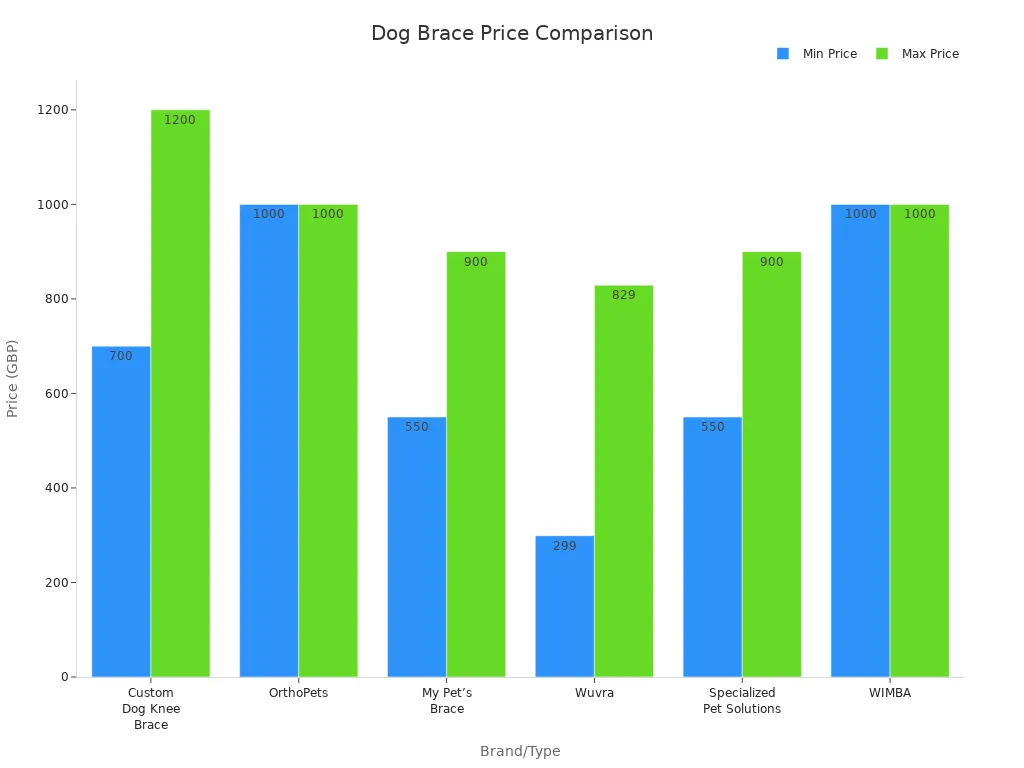
Note: Higher price doesn’t always mean better quality. Read reviews and ask your veterinarian for recommendations.
Practical Tips for Comfort and Adjustment
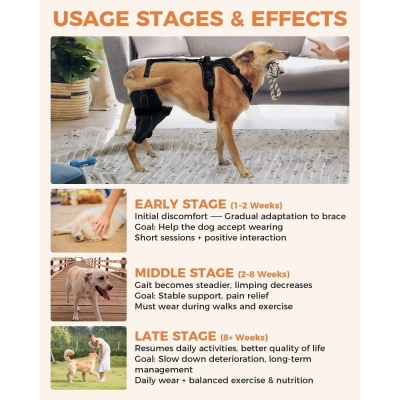
Helping your dog adjust to a new brace takes patience. Start slow and watch for signs of discomfort.
-
Begin with short periods of wearing the brace, about 10-15 minutes.
-
Gradually increase the time each day.
-
Walk your dog slowly on a short leash to help him get used to the brace.
-
Assist your dog by gently guiding the braced leg during walks.
-
Praise your dog and offer treats to create a positive experience.
-
Inspect your dog’s skin and gait regularly. Look for redness, swelling, or chafing.
-
Adjust the brace if you see any problems.
Tip: Keep the fur clean and dry under the straps. Trim any excess hair that might bunch up.
Follow-up care matters. Check the skin under the brace twice a day. Clean the brace as directed by the manufacturer. If you notice hair loss, sores, or discomfort, stop using the brace and call your provider.
Monitoring Progress and Recovery
You want to see your dog move better and feel less pain. Signs that the dog brace is working include:
-
Improved stability and support for the injured leg.
-
Less pain and easier movement.
-
More play and activity.
Dog leg braces work best when combined with other treatments like physical therapy. You may see faster recovery and a happier dog.
If you’re choosing a dog leg brace for your pet, remember these steps. Watch for injuries, talk to your veterinarian, measure carefully, pick the right type, and monitor your dog’s comfort. Whether you need to select the ideal dog knee brace or choose the right back brace, you can help your dog heal and enjoy life again.
Choosing the right dog brace means you give your dog the best chance for comfort and recovery. You want a brace that matches your dog’s injury, size, and activity level. When you work with your veterinarian, you get expert advice and a proper fit. Quality and fit matter most for your dog’s well-being.
-
Stabilization helps prevent pain and keeps joints steady.
-
Pain reduction lets your dog move with ease.
-
Improved mobility brings back daily joy.
Research shows dogs using braces often walk better and play more. Here’s what studies found:
|
Study Type |
Findings |
|---|---|
|
Clinical Trial |
Double braces reduced pain and helped dogs balance weight. |
|
Meta-Analysis |
Bracing with therapy improved quality of life, especially in small to medium dogs. |
You can help your dog feel happier and more active. The right dog brace makes a real difference.
FAQ
How do you know if your dog needs a brace?
Watch for limping, stiffness, or trouble walking. If your dog avoids play or shows pain, a dog brace may help. Ask your veterinarian for advice.
Can a dog brace replace surgery?
Sometimes a dog brace supports healing without surgery, especially for mild injuries. Your vet will tell you if bracing is right for your dog’s condition.
How long should your dog wear a brace each day?
Start with short sessions, about 10–15 minutes. Slowly increase the time as your dog gets used to the brace. Always follow your vet’s instructions.
Will a dog brace help with arthritis?
Yes, a dog brace can reduce pain and improve movement for dogs with arthritis. Braces support weak joints and help your dog walk more comfortably.
How do you clean a dog brace?
Use a damp cloth to wipe the brace. Let it air dry before putting it back on your dog. Check the manufacturer’s instructions for best results.

0 Comments