
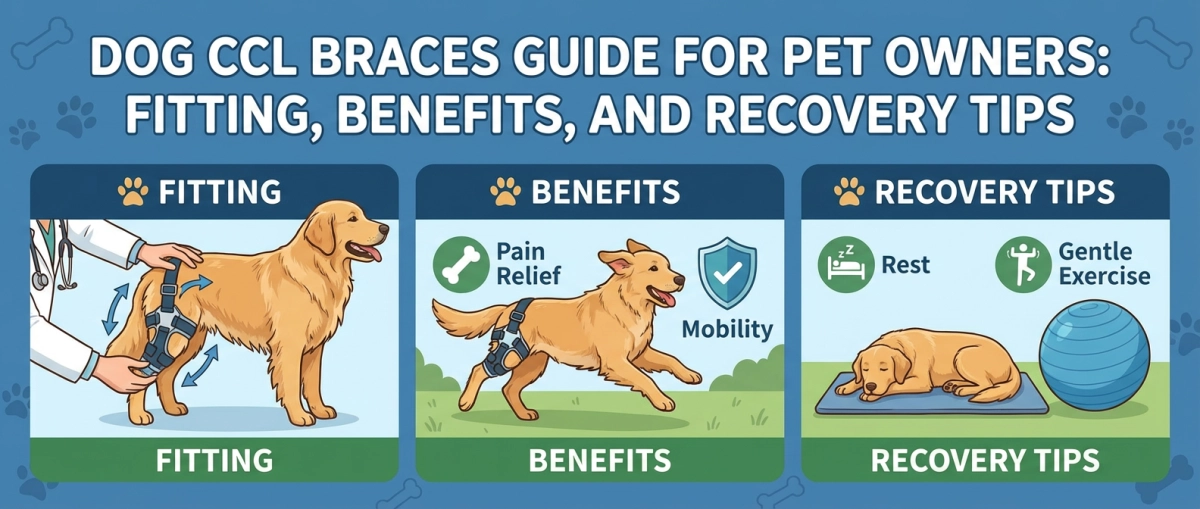
You might ask if dog ccl braces can help your dog heal from a knee injury. Many dogs get CCL injuries. This includes German Shepherds, Labrador Retrievers, Newfoundland, Bichon Frise, Rottweiler, and St. Bernard. These injuries can make it hard for your dog to move and feel good. If you know how these injuries hurt your dog, you can make better choices. Always talk to your veterinarian to find the best way to help your dog.
Key Takeaways
-
Learn about CCL injuries in dogs. Watch for limping and swelling. These signs mean you should call your vet soon.
-
Think about using a knee brace for dog support. Braces can lower pain and help your dog move better. They are good for older dogs or dogs with small injuries.
-
Use the right fitting steps. Measure your dog carefully. Let your dog get used to the brace slowly. This helps your dog feel good and makes the brace work well.
-
Watch your dog’s healing closely. Look for skin problems. Notice if your dog moves differently. This helps you see how your dog is doing. Ask your vet if you need help.
-
Use the brace with easy exercises. This keeps your dog’s muscles strong. It also helps your dog heal safely.
Dog CCL Braces for Knee Injuries
What Is a CCL Injury
You may hear your veterinarian talk about the cranial cruciate ligament, or CCL, when your dog has a leg injury. The CCL helps keep your dog's knee stable. When this ligament tears, your dog can feel pain and may limp or avoid putting weight on the leg. A torn ccl can happen from sudden twists, but most injuries come from slow changes in the ligament over time. Some breeds, like Rottweilers and Labradors, have a higher risk because of their genetics and body shape.
Here are the main causes of CCL injuries in dogs:
|
Cause |
Description |
|---|---|
|
Trauma |
The knee joint twists, often during running or jumping. |
|
Degeneration |
The ligament weakens over time, especially in certain breeds. |
|
Luxating patella |
Small breeds may have kneecaps that move out of place, leading to CCL problems. |
If your dog has a dog leg injury, you might notice swelling, stiffness after exercise, or trouble rising. Some dogs hold a leg up, limp, or avoid stairs. You may also see muscle loss in the affected leg.
When to Consider a Dog Knee Brace
You should think about a dog knee brace if your dog shows signs of a CCL injury, such as limping, difficulty jumping, or swelling around the knee. A knee brace can help support the joint and make walking easier. Dog ccl braces do not fix the ligament, but they can reduce pain and help your dog move better.
Veterinarians use several criteria to decide if a brace or surgery is best:
|
Criteria for Bracing |
Criteria for Surgery |
|---|---|
|
Geriatric dogs |
Active, young dogs with full ligament tears |
|
Dogs with other health issues |
Dogs with partial injuries |
|
Owners unable to pursue surgery |
Small dogs under 33 pounds often do well with a brace. Older dogs or those with health problems may benefit from bracing instead of surgery. If your dog is young, active, or has a complete tear, surgery may be the better choice.
Studies show that custom dog knee braces can improve weight-bearing and help dogs walk more comfortably. For example, dogs using hinged braces had better limb function and joint stability. Double braces can also protect the healthy leg and reduce pain.
If your dog has a dog leg injury, talk to your veterinarian about the best plan. A dog knee brace may help your dog stay active and recover safely.
Types of Dog Knee Braces
Dog knee braces come in different styles. Each style gives a certain amount of support and comfort. You should learn how each brace works before you pick one.
Compression Sleeves
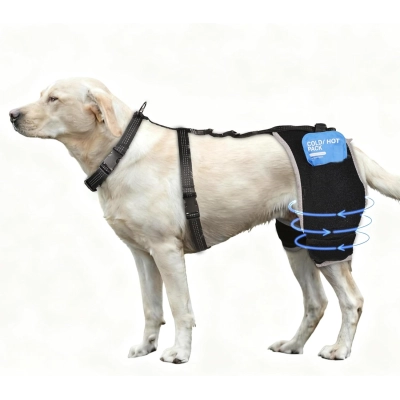
Compression sleeves give light support to your dog’s knee. These are good for small injuries or mild arthritis. The sleeves keep the joint warm and help lower swelling. They also give gentle pressure, which helps your dog feel how the leg moves.
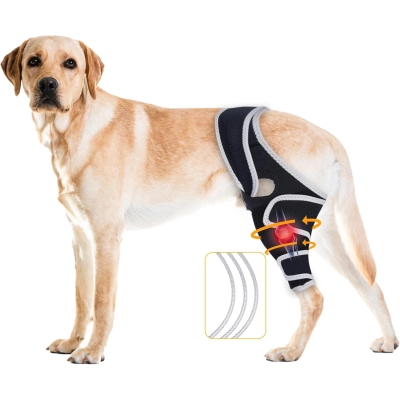
A good-fitting canine knee brace gives strong support to the joint. It lowers pressure and stops movements that could make an injury worse or cause a new one.
You can use compression sleeves for short walks or when your dog is resting. They are best for small dogs or dogs with early joint problems.
Benefits of Compression Sleeves:
-
Light support for daily use
-
Keeps the joint warm and lowers swelling
-
Helps your dog move better
Hinged Stifle Orthoses
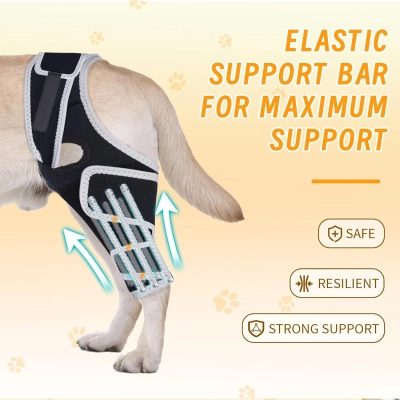
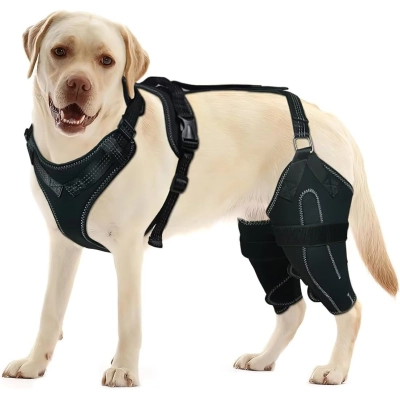
Hinged stifle orthoses give more support than compression sleeves. These braces have hinges that control how the knee moves. They stop harmful motions. You might use this brace if your dog has a medium CCL injury or cannot get surgery.
Studies show that hinged stifle orthoses help dogs walk better and limp less. Many owners see their dogs have less pain and can do more. These braces keep the joint steady, lower swelling, and help healing.
Key Features:
-
Hinges that can be adjusted for movement
-
Support for dogs with CCL problems
-
Helps dogs stand and walk better
Custom-Molded Braces
Custom-molded braces fit your dog’s leg shape very well. You may pick these for long-term use or after surgery. Custom knee braces help your dog use the leg normally and build muscle again. They stop muscle loss by letting your dog move during recovery.
These braces use waterproof materials and soft padding for comfort. They are good for older dogs, active dogs, or dogs that need extra support. Custom-molded braces keep the leg steady and help stop new injuries.
Advantages of Custom-Molded Braces:
-
Snug fit stops rubbing
-
Can be used in many places
-
Great for long-term healing and support
|
Type of Brace |
Description |
|---|---|
|
Compression Sleeves |
Light support, warmth, swelling help, better movement |
|
Hinged Stifle Orthoses |
Hinges, joint support, pain relief |
|
Custom-Molded Braces |
Perfect fit, long use, muscle help, stops injury |
You should talk to your veterinarian to find the best brace for your dog.
Fitting a Dog CCL Brace
Fitting a dog CCL brace the right way helps your dog get the best support and comfort. You need to measure your dog’s leg carefully, follow the correct steps for putting on the brace, and watch for any signs of discomfort. This section will guide you through each part of the process.
Measurement Essentials
You must take accurate measurements before you choose a brace. This ensures the brace fits well and supports your dog’s knee. Use a soft measuring tape and keep your dog calm during the process.
|
Measurement Point |
Description |
|---|---|
|
Measurement A |
From the groin to the top of the knee. |
|
Measurement B |
From the top of the knee to the bottom of the hock. |
-
Wrap the tape around the thigh, halfway between the bend of the knee and the groin, to get the thigh measurement.
Write down each number. Double-check your measurements to avoid mistakes. Good measurements help the brace stay in place and prevent rubbing.
Step-by-Step Fitting Guide
You can follow these steps to fit a knee brace for your dog:
-
Start with a vet check. Get a diagnosis and advice from your veterinarian. This step makes sure you pick the right treatment.
-
Choose the right brace. Use your measurements or a casting kit for custom braces.
-
First fitting. Align the brace hinge with your dog’s knee joint. The hinge should sit at the center of the knee.
-
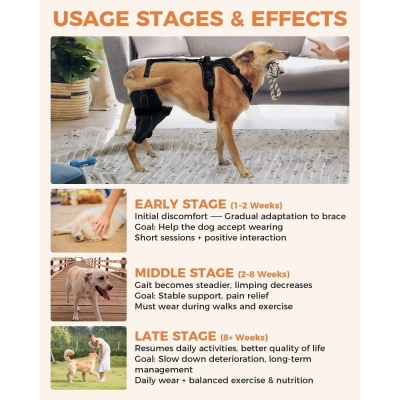
Break-in schedule. Let your dog wear the brace for short periods at first. Start with 15–30 minutes, two or three times a day.
-
Use it for activity. Put the brace on during walks or playtime. Take it off when your dog sleeps or rests.
-
Combine with rehab and weight management. Help your dog with gentle exercises and keep their weight healthy.
-
Daily care and skin checks. Look under the brace for redness or sores. Clean the brace as the instructions say.
Tip: Let your dog sniff and explore the brace before you put it on. This helps your dog feel less nervous.
Comfort and Safety Tips
You want your dog to feel good while wearing the brace. Here are some tips to keep your dog safe and comfortable:
-
Make sure the brace fits snugly but does not pinch. Even pressure helps prevent sore spots.
-
Start with short sessions. Increase the time as your dog gets used to the brace.
-
Check your dog’s skin every day. Look for redness, swelling, or slipping. If you see any problems, talk to your veterinarian.
-
Create a peaceful environment. Calm surroundings help your dog relax during fitting.
-
Use treats and praise. Positive words and rewards make the process easier for your dog.
|
Tip |
Description |
|---|---|
|
Short walks |
Take your dog on easy walks with the brace on. |
|
Acclimation time |
Be patient. Each dog needs a different amount of time. |
|
Positive reinforcement |
Give treats and praise for calm behavior. |
You should always follow your veterinarian’s advice when using ccl brace for dogs. Careful fitting and daily checks help your dog heal and stay active with less pain.
Benefits of Dog CCL Braces
Stability and Mobility
You want your dog to walk and play without pain. Dog ccl braces help your dog move with more confidence. These braces support the knee and limit harmful motion. When your dog wears a knee brace, the joint feels steadier. Your dog can put weight on the leg and walk with less limping.
Clinical studies show real improvements in stability and mobility. Many owners notice their dogs walk better after using a brace. The table below highlights findings from recent research:
|
Study Reference |
Findings |
Type of Evidence |
|---|---|---|
|
Rosen et al. (2022) |
Braces provided functional benefits for most dogs. |
Objective measurements and owner feedback |
|
Carr (2016) |
Dogs showed better weight distribution after 90 days of use. |
Retrospective gait analysis |
|
Lee et al. (2021) |
Owners reported improved mobility and less lameness. |
Owner feedback survey |
You may see your dog stand up more easily or walk farther on leash. Braces encourage your dog to use both legs, which helps muscles grow stronger. If your dog has a torn ccl, a brace can help prevent further injury by keeping the knee stable.
Tip: Use the brace during walks and gentle play. This helps your dog build strength and confidence.
Pain Relief
Pain can stop your dog from enjoying daily life. Dog ccl braces reduce pain by limiting sudden movements that hurt the knee. When the joint stays in place, your dog feels less discomfort. You may notice your dog rests better and shows more interest in activities.
Many owners report that their dogs seem happier and more relaxed after wearing a brace. The support helps lower swelling and eases pressure on the joint. Your dog may stop licking or chewing at the sore leg. You can help your dog feel better by using the brace as part of a complete care plan.
-
Signs your dog feels less pain:
-
More willing to walk or climb stairs
-
Less limping after exercise
-
Improved mood and appetite
-
Note: Always check with your veterinarian if your dog shows new pain or swelling.
Support During Recovery
Recovery from a ccl injury takes time. Dog ccl braces give your dog extra support during this period. The brace helps your dog move safely while the knee heals. You can use the brace after surgery or as part of conservative care.
Braces encourage your dog to bear weight on the injured leg. This helps prevent muscle loss and keeps both legs strong. You can combine brace use with gentle exercises and weight management. Your dog will benefit from a steady routine and regular checkups.
-
Ways braces support recovery:
-
Protect the knee during walks and rehab
-
Help your dog regain balance and coordination
-
Allow gradual return to normal activity
-
Remember: Follow your veterinarian’s advice for the best recovery plan.
Dog ccl braces offer stability, pain relief, and support for your dog. You can help your dog stay active and comfortable during healing.
Recovery Tips for Dogs with CCL Braces
Activity Restrictions
You want your dog to heal well after a torn ccl. Limit your dog's activity during the first weeks of recovery. Avoid running, jumping, and rough play. Use short leash walks on flat ground. Keep your dog indoors or in a small yard. You can set up non-slip mats to help your dog move safely. Weight management is important. Feed your dog healthy meals and watch for weight gain. Extra weight can slow healing and put more stress on the knee.
Tip: Try gentle exercises like sit-to-stand or slow walking. These help build muscle without hurting the joint.
Monitoring Progress
Check your dog's leg every day. Look for swelling, redness, or sores under the brace. Watch how your dog walks. You should see less limping and more weight on the injured leg over time. Keep a journal of your dog's activity and comfort. Write down changes in mood, appetite, and movement. Research shows that when you follow the fitting instructions and work with your veterinarian, dog ccl braces can improve your dog's mobility and comfort for the long term.
|
What to Monitor |
Signs of Progress |
|---|---|
|
Skin under the brace |
No redness or sores |
|
Walking and standing |
Less limping |
|
Activity level |
More interest in walks |
When to Consult Your Vet
Contact your veterinarian if you notice new pain, swelling, or sores. If your dog stops using the leg or seems uncomfortable, ask for advice. Your vet may suggest changes to the brace or recommend surgery for severe cases. Most dogs with a torn ccl need regular checkups. Schedule follow-up visits every 4–6 weeks. Your vet will check the fit of the brace and the health of both knees. You can ask about physiotherapy or other treatments to help your dog recover.
Note: Your veterinarian is your best resource for recovery questions. Always follow their advice for the safest healing.
You can help your dog heal by following these tips and working closely with your vet. Dog ccl braces support recovery and let your dog enjoy daily life again.
You can help your dog recover from a CCL injury by choosing the right brace and following a careful fitting process. Remember these steps:
-
Watch a fitting tutorial before you begin.
-
Put the brace on as shown, checking for comfort and proper fit.
-
Start with short sessions and check your dog’s skin each time.
You should also use pain relief products, joint supplements, and ramps to support your dog at home. Always work with your veterinarian to adjust care and track progress. With patience and the right tools, you give your dog the best chance for a happy, active life. 🐾
FAQ
How long should my dog wear a CCL brace each day?
Start with 15–30 minutes, two or three times daily. Gradually increase to 1–2 hours during walks or activity. Remove the brace for rest and sleep.
Can my dog swim or bathe with the brace on?
You should remove the brace before swimming or bathing. Water can damage some brace materials and cause skin irritation. Dry your dog’s leg completely before refitting the brace.
What signs show the brace fits correctly?
Check for snug fit without pinching. The brace should not slip or rotate. Look for no redness, swelling, or sores under the brace. Your dog should walk comfortably.
Do I need to clean the brace?
Yes. Clean the brace regularly with mild soap and water. Dry it completely before use. Keeping the brace clean helps prevent skin problems and keeps your dog comfortable.

0 Comments