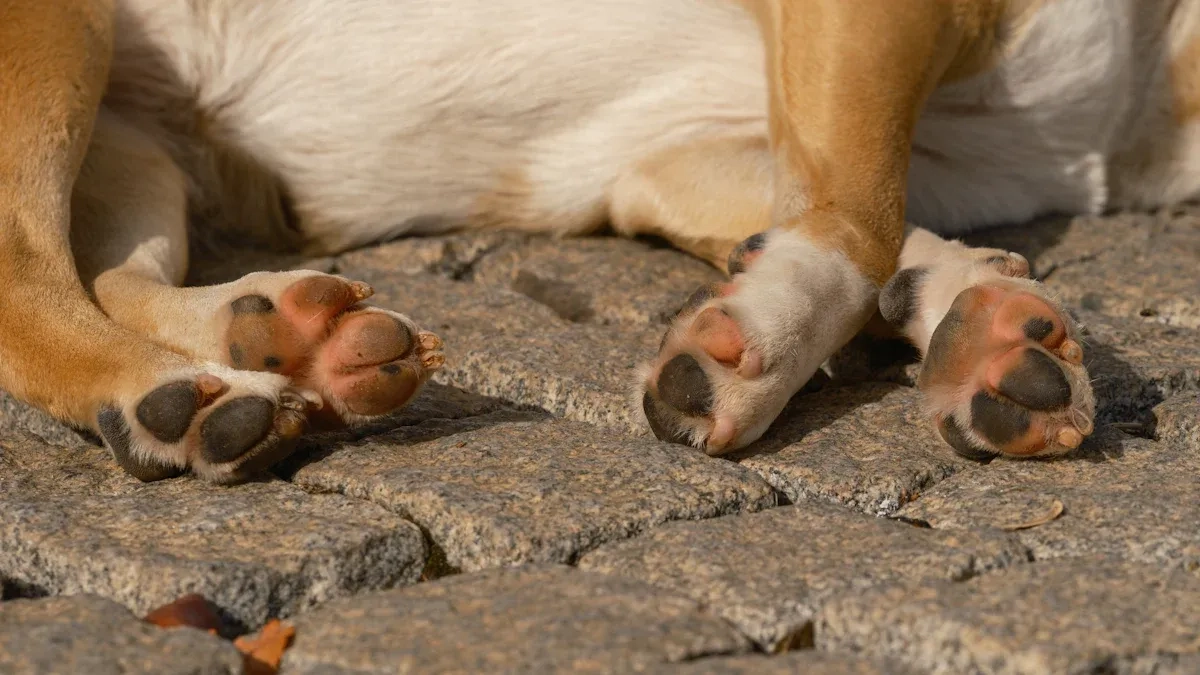
You may notice your dog limping, favoring one leg, or struggling to rise. These signs often mean trouble with the dog hock. If you spot swelling or a sudden change in movement, take action. Limit activity and let your dog rest. Call your veterinarian and describe the symptoms. Follow the advice they give. Watch your dog closely and check in with the vet to track progress.
Key Takeaways
-
Look for signs of hock problems in your dog, like limping, swelling, or not wanting to move. Finding problems early helps treatment work better.
-
Call your vet if your dog's symptoms get worse or do not get better with rest. Acting fast can stop long-term harm to your dog's hock.
-
Think about using bracing and physical therapy to help hock injuries. These treatments can lower pain and help your dog move better.
-
Help your dog stay healthy by keeping its weight normal and giving joint supplements. Good habits can stop hock problems from happening later.
-
Write down your dog's symptoms and any changes you see. Sharing this with your vet can help them find the problem and treat it better.
Recognizing Dog Hock Problems
Key Signs and Symptoms
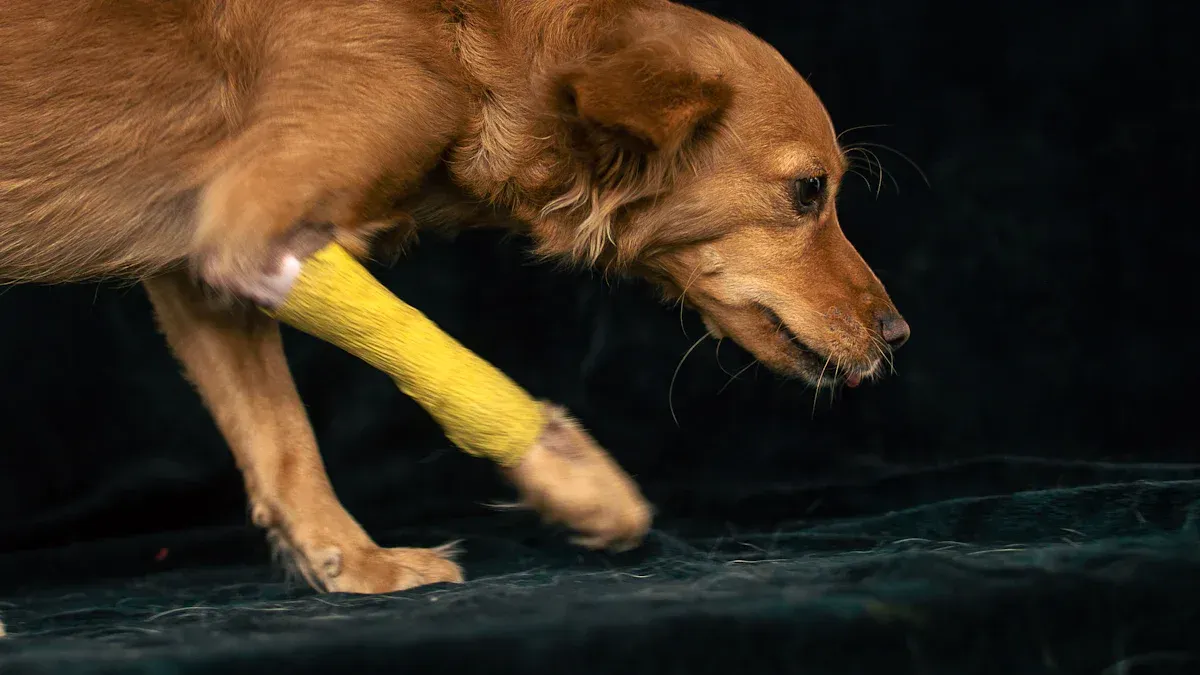
You can spot hock problems in your dog by watching for changes in movement and behavior. Dogs often show clear signs when their hock joint hurts or does not work right. Look for these common symptoms:
-
Limping or sudden lameness
-
Swelling near the lower hind leg
-
Stiffness after rest or exercise
-
Reluctance to bear weight on one leg
-
Increased licking of the hock area
-
Difficulty rising, jumping, or climbing stairs
-
Pain, which may show as whining or licking the joint
-
Decreased mobility or less interest in walks
Dogs may also avoid stairs or seem slow to get up after lying down. You might notice visible swelling or thickening of the hock joint. Some dogs show pain when you touch or move the joint. If you see any of these signs, pay close attention and limit your dog's activity.
Tip: Take note of when symptoms started and how they change. This helps your veterinarian understand the problem and choose the best treatment.
When to Seek Veterinary Help
You should contact your veterinarian if your dog shows any of the symptoms above, especially if they get worse or do not improve with rest. Some signs mean you need urgent care. Use this table to help decide when to call your vet right away:
|
Diagnostic Criteria |
Description |
|---|---|
|
Joint Effusion |
Feeling for fluid buildup in joints like the hock, which may mean arthritis or ligament injuries. |
|
Tibial Thrust Test |
A test to check for ligament tears by watching tibia movement during hock flexion. |
|
Gait Assessment |
Looking at your dog's movement to find lameness or stiffness that needs urgent care. |
You can also watch for these signs that need quick action:
-
Sudden, severe swelling or thickening of the hock joint
-
Lameness or limping after exercise
-
Stiffness or reluctance to move
-
Pain when you move the hock joint
-
Difficulty rising, jumping, or using stairs
Veterinarians use physical exams to check gait and joint range of motion. They may order x-rays to look at bone structure and joint alignment. Sometimes, advanced imaging like CT scans or MRIs helps find soft tissue problems.
If you notice any of these warning signs, call your veterinarian. Early diagnosis and treatment can help your dog recover and prevent long-term damage to the dog hock.
Dog Hock Anatomy and Function
Structure of the Hock Joint
You can think of the hock as your dog's ankle. This joint sits between the lower leg and the paw. The hock joint is made up of several bones, including the tibia, tarsal bones, and metatarsals. These bones connect to form a strong but flexible structure. In some dogs, the fibula also plays a small role, but it may be just a remnant in others. The hock joint allows your dog to move with agility and balance. Each bone fits together like puzzle pieces, creating a stable base for walking, running, and jumping.
The hock joint works like a hinge, letting your dog flex and extend the hind leg. This movement is important for daily activities and play.
You will find that the hock joint includes not only bones but also ligaments and tendons. These soft tissues hold the bones in place and help control motion. The Achilles tendon is one of the most important parts. It keeps the hock extended when your dog stands or pushes off the ground.
Role in Movement and Stability
The hock joint gives your dog both stability and mobility. When your dog walks or runs, the joint absorbs shock and helps distribute weight. The hock joint acts like a spring, storing energy and releasing it with each step. This action protects the bones and soft tissues from injury.
You rely on the hock joint for support during quick turns or jumps. The joint's complex design lets your dog move smoothly over different surfaces. Flexion and extension at the hock joint allow your dog to crouch, leap, and land safely. Strong ligaments and tendons keep the joint steady, even during fast movements.
If you understand how the hock joint works, you can spot problems early and help your dog stay active.
The hock joint is essential for your dog's overall limb health. It supports the body, helps with balance, and allows for a wide range of motion. By learning about the hock joint, you can better care for your dog's legs and prevent injuries.
Common Dog Hock Issues
Achilles Tendon Injuries
Your dog might start limping or hold its paw in a strange way. Achilles tendon injuries can make the hock drop down. This makes it hard for your dog to stand or walk. Some breeds, like Labradors and Dobermans, get this injury more often. Watch these breeds closely for problems. If the tendon tears, your dog may curl its toes or drag its paw. You might see swelling and pain at the back of the hock joint.
Hock Sprains and Instability
A hock sprain can happen after a fall or twist. Most hock injuries come from trauma, like slipping or jumping down. You may see swelling or your dog limping. Your dog might not want to put weight on the sore leg. Here are some common hock injuries:
-
Sprained hock or strained hock muscle
-
Hock dislocation
-
Hock ligament injury
-
Achilles tendon injury
-
Bone fractures
-
Osteoarthritis
-
Osteochondritis dissecans (OCD)
If your dog seems unstable, keep it calm and call your vet.
Osteochondrosis (OCD)
Osteochondrosis can hurt the hock joint in young dogs. This problem causes pain, swelling, and less movement. Tarsal joint OC happens about 0.43 times for every 10,000 dog-years.
|
Condition |
Incidence Rate (cases per 10,000 dog-years) |
95% Confidence Interval |
|---|---|---|
|
Tarsal joint OC |
0.43 |
0.34-0.54 |
Many dogs with hock trouble have OCD, mostly in the inside part of the bone.
Osteoarthritis and Degeneration
Osteoarthritis in the hock joint means cartilage wears away. Bones rub together and cause pain and swelling. Over time, your dog may limp or not want to walk. Your dog might stop playing as much. Osteoarthritis makes it hard for your dog to move and hurts its life. You may see stiffness after your dog rests or exercises.
Fractures and Trauma
Fractures and trauma usually happen from accidents or play. Jumping or twisting can cause these injuries. Dogs can tear ligaments or break bones like the fibula or tibia. A car accident or stepping in a hole can also hurt your dog. Dogs that are overweight or have weak muscles get hurt more easily.
Tip: If you notice problems early and get help fast, you can protect your dog's hock joint and help it move again.
Diagnosing Dog Hock Conditions
At-Home Observations
You play a key role in spotting early signs of a hock problem. Watch your dog closely when it is relaxed and when it moves around the house or yard. Notice how your dog sits or stands. Look for any reluctance to bend the back leg or odd limb positions. Pay attention to changes in your dog's walk or run. Try to see if your dog avoids putting weight on one leg or moves with a limp.
When you check your dog's hock, look for swelling, pain, or changes in shape. Gently extend the joint to see if your dog reacts. Feel around the back of the hock for any fluid buildup or warmth. Watch for instability or wobbling when your dog stands. These signs can help you spot a possible injury early.
Keep a simple log of what you see. Write down when the signs started and how they change. This information helps your veterinarian make a better diagnosis.
Veterinary Exams and Imaging
You should contact your veterinarian if you notice any signs of hock injury that do not improve with rest. Your vet will start with a full clinical exam. They will check your dog's gait, feel the hock, and test for pain or swelling. If your vet suspects a serious problem, they may suggest imaging tests to see inside the joint.
Common imaging tools include:
-
Radiography (X-rays)
-
Ultrasonography
-
Magnetic Resonance Imaging (MRI)
-
Computed Tomography (CT)
Your vet may use sedation or anesthesia to get clear images. These tests show the bones, soft tissues, and any hidden injury. Early and accurate diagnosis helps your dog get the right treatment and recover faster.
Always share your at-home notes with your vet. This teamwork gives your dog the best chance for a healthy hock.
Dog Hock Treatment Options
Conservative Care and Rest
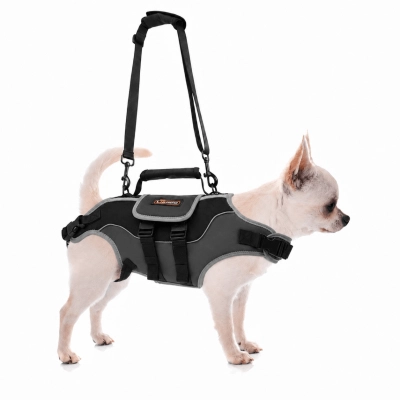
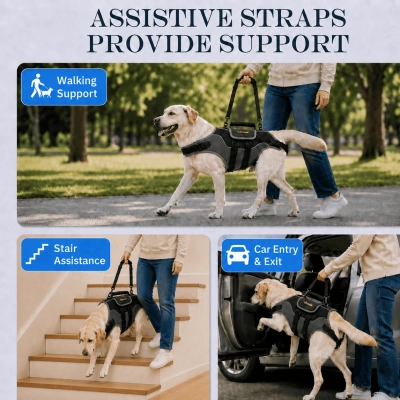
You can help your dog get better from a mild hock injury by using simple care. Rest is the most important thing. Keep your dog calm and stop it from running or jumping. Short walks on a leash are best while your dog heals. Soft bedding helps cushion your dog's leg and lowers pressure on the hock. Hock holders or wraps can give gentle support.
You should change your dog's exercise plan. Pick flat, safe places for walks. Stay away from stairs and rough ground. Medicine can help with swelling and pain. Your vet may give anti-inflammatory drugs or pain pills. Some people use chiropractic care or acupuncture to help their dogs feel better. These treatments can help with pain and make the joint work better.
-
Rest and keep activity low
-
Use soft bedding for comfort
-
Give gentle support with hock holders
-
Walk on flat, safe ground
-
Give medicine as your vet says
-
Try other therapies for extra help
If your dog has a mild sprain or strain, these steps often help the joint heal by itself. Always talk to your vet before you try new treatments.
Dog Hock Bracing Guide
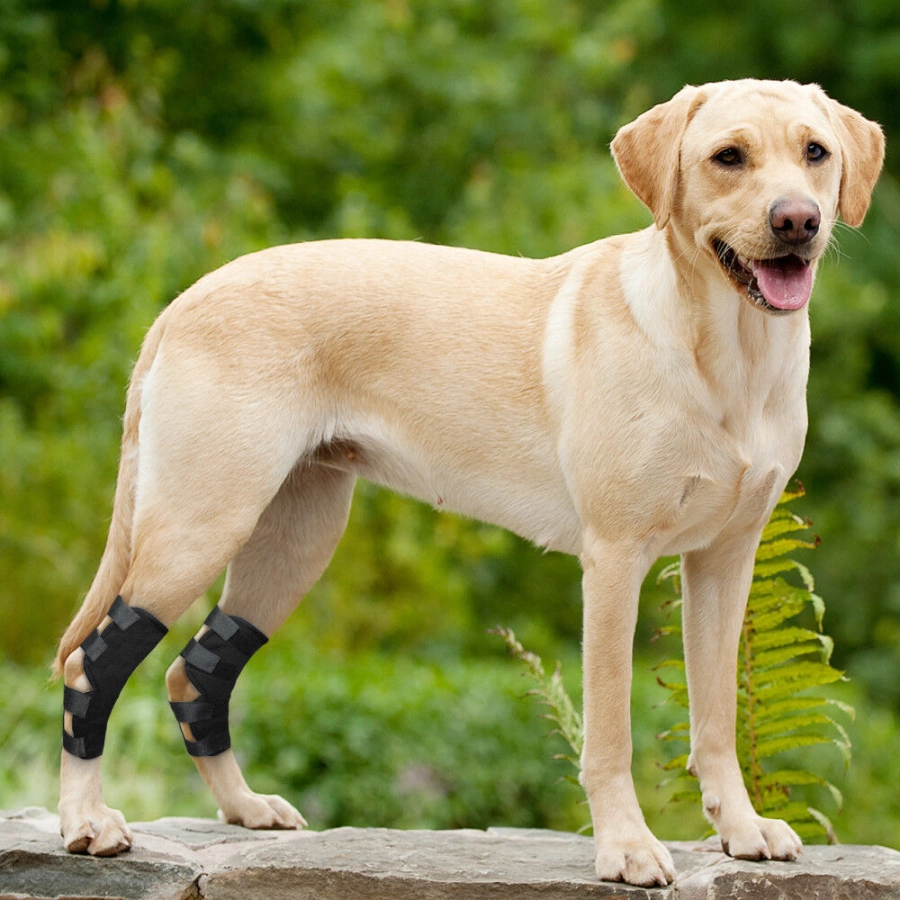
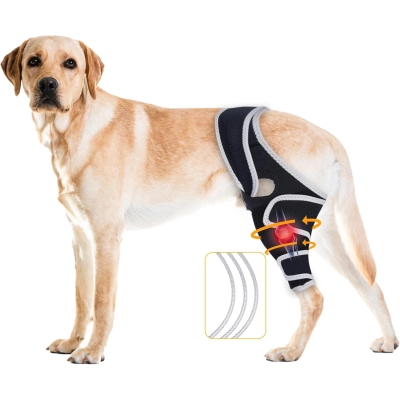
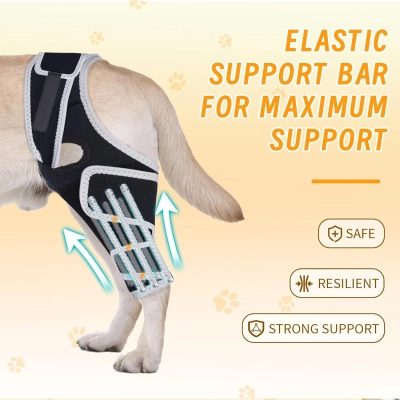
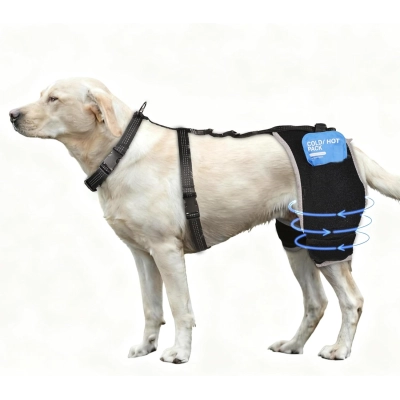
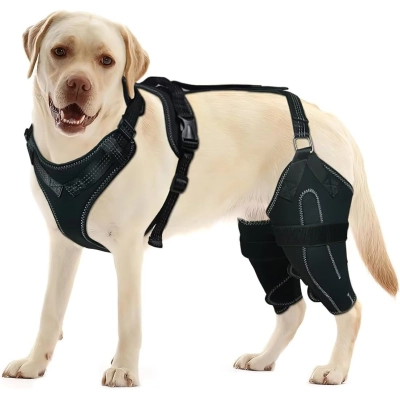
Bracing can help your dog's hock heal after injury or arthritis. A brace keeps the joint steady, lowers pain, and helps your dog move. You should always get advice from your vet before using a brace. Your vet will help you pick the right one.
When you choose a best hock brace for dogs , look for these things:
-
Good fit: Measure above and below the hock joint and check the height of the brace.
-
Breathable materials: Neoprene and polyester blends stop skin problems and feel good.
-
Adjustable straps: Many straps let you change how tight the brace is and help with swelling.
A brace does not fix big injuries. It helps the joint and lets your dog put more weight on the sore leg. Many owners see less limping and more movement when their dog wears a brace. Hinged braces can help some dogs walk better.
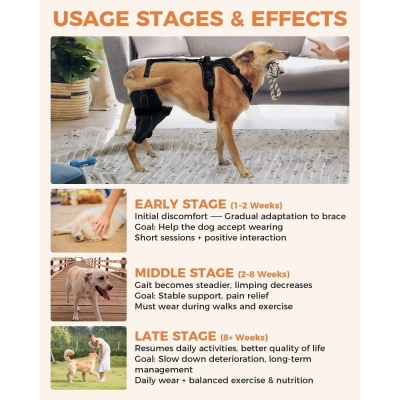
Owner Checklist for Bracing
|
Step |
What to Do |
|---|---|
|
Fit |
Measure your dog's leg for a snug, comfortable fit. |
|
Break-in |
Start with 15–30 minutes per session. Increase time each day. |
|
Activity Restriction |
Use the brace only during controlled walks. Avoid running or jumping. |
|
Red Flags |
Watch for redness, swelling, sores, or sudden changes in movement. |
Note: Bracing helps support the joint. It does not fix torn tendons or big problems. If your dog has a bad tendon tear or a loose joint, surgery is needed for full healing.
Physical Therapy and Rehab
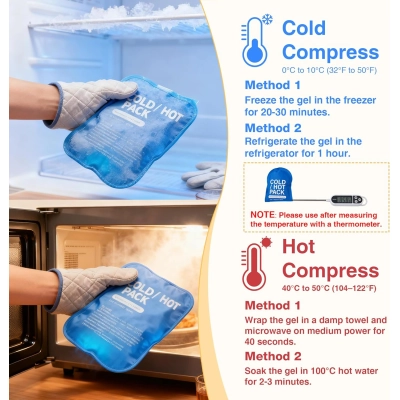
Physical therapy and rehab can help your dog heal faster after a hock injury. These treatments help with pain, lower swelling, and keep muscles strong. Your vet may use cold packs to help with swelling. Electrical stimulation can stop muscle loss. Gentle exercises and stretches keep the joint moving and make muscles stronger.
A hock brace can give extra help during rehab. This support lets your dog use the sore leg and walk normally. Physical therapy helps your dog feel better and move more.
-
Use cold packs for swelling
-
Try gentle exercises for movement
-
Stop muscle loss with special therapies
-
Support the joint with a brace during walks
Ask your vet or a dog rehab expert for a plan that fits your dog.
Medications and Support
Your vet may give medicine to help with pain and swelling in the hock joint. These drugs help your dog feel better and move easier. Common medicines are:
-
Carprofen (Rimadyl, Novox): Lowers swelling and pain
-
Meloxicam (Metacam): Gives long-lasting help with swelling
-
Deracoxib (Deramaxx): Helps with pain
-
Firocoxib (Previcox): Controls pain and swelling
-
Grapiprant (Galliprant): Blocks pain with fewer side effects
-
Gabapentin: Helps with nerve pain
-
Tramadol: Eases moderate to strong pain
-
Adequan: Slows arthritis and helps cartilage heal
-
Pentosan Polysulphate (Cartrophen): Injectable anti-inflammatory
-
Bedinvetmab: Lowers pain by blocking nerve growth factor
Your vet will pick the best medicine for your dog's needs and health. Always follow the dose and watch for side effects.
Tip: Medicine works best with rest, bracing, and therapy. Using all these together helps your dog heal well.
If your dog has arthritis or joint pain, long-term help may include regular vet visits, keeping a healthy weight, and ongoing therapy. Early and steady treatment protects the hock and keeps your dog moving.
When Dog Hock Surgery Is Needed
Surgical Indications
You may wonder when your dog needs surgery for a hock problem. Veterinarians look for certain signs that show surgery is the best choice. These signs include:
-
Limping that does not improve with rest or bracing
-
Decreased range of motion in the hock
-
Pain when you or your vet move the joint
-
Swelling or fluid around the hock
-
Lameness in one or both back legs
If your dog has a torn ligament or severe instability, surgery can stop the joint from moving in the wrong way. Dogs with osteoarthritis that does not get better with medicine may also need surgery. Your vet will check your dog's symptoms and decide if surgery is right.
Types of Surgery
Different surgeries help fix hock problems. The type of surgery depends on what is wrong with the joint. Common surgeries include:
-
Ligament repair or replacement for torn ligaments
-
Tendon repair for Achilles injuries
-
Joint fusion (arthrodesis) for severe instability or arthritis
-
Removal of loose bone or cartilage for osteochondrosis
Your vet will explain which surgery fits your dog's needs. Some surgeries help the joint move better. Others make the joint stiff to stop pain. The goal is to help your dog walk and play again without pain.
Recovery and Aftercare
Recovery after hock surgery takes time. Most dogs need 8 to 12 weeks to heal. The timeline can change based on your dog's age, health, and the type of joint surgery. During this time, you will help your dog recover by following these steps:
-
Apply cold packs to the hock for 10 minutes, two or three times a day.
-
Keep your dog on a leash for all walks. Start with short walks and slowly increase distance.
-
Use physical rehab to help your dog regain strength.
-
Clean any discharge with a moist cloth. Do not use creams or ointments.
-
Gently massage the area to reduce swelling.
-
Stop your dog from licking the incision.
-
Visit your vet for follow-up checks and x-rays.
Note: Careful aftercare helps your dog heal and lowers the risk of problems. Always follow your vet's advice for the best results.
Your dog can return to normal activities once the joint heals and your vet gives the okay. Most dogs walk comfortably and enjoy play again after recovery.
Preventing Future Dog Hock Problems
Safe Activity and Weight Management
You can help your dog's hock stay healthy by keeping it active in a safe way and watching its weight. If your dog stays at a good weight, there is less pressure on the hock. This lowers the chance of arthritis. Too much weight puts extra force on the joint. This can cause problems over time. Fat cells can also make joint pain worse.
Here are some ways to keep your dog's joints in good shape:
-
Keep your dog at a healthy weight. Feed it good food and let it exercise often.
-
Give joint supplements like Glucosamine and Omega-3. These help the joints work better.
-
Do not let your dog play too hard. Slowly make exercise harder and watch playtime to stop injuries.
-
Use a dog knee brace if your vet says it is needed.
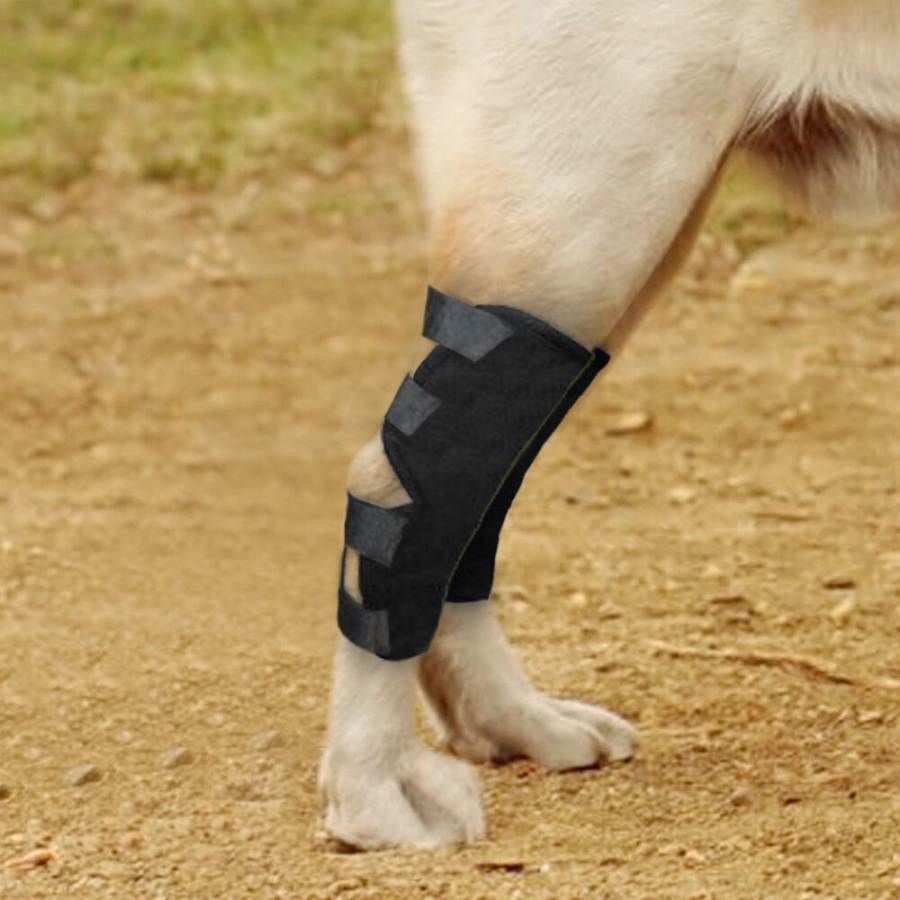
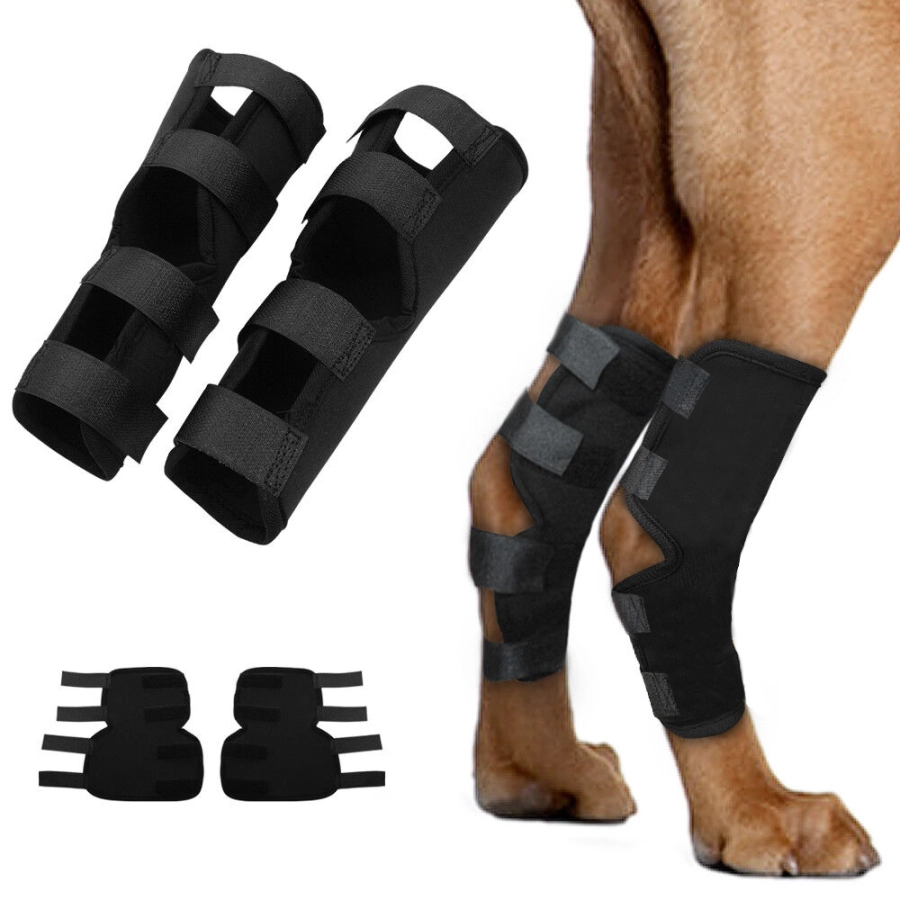
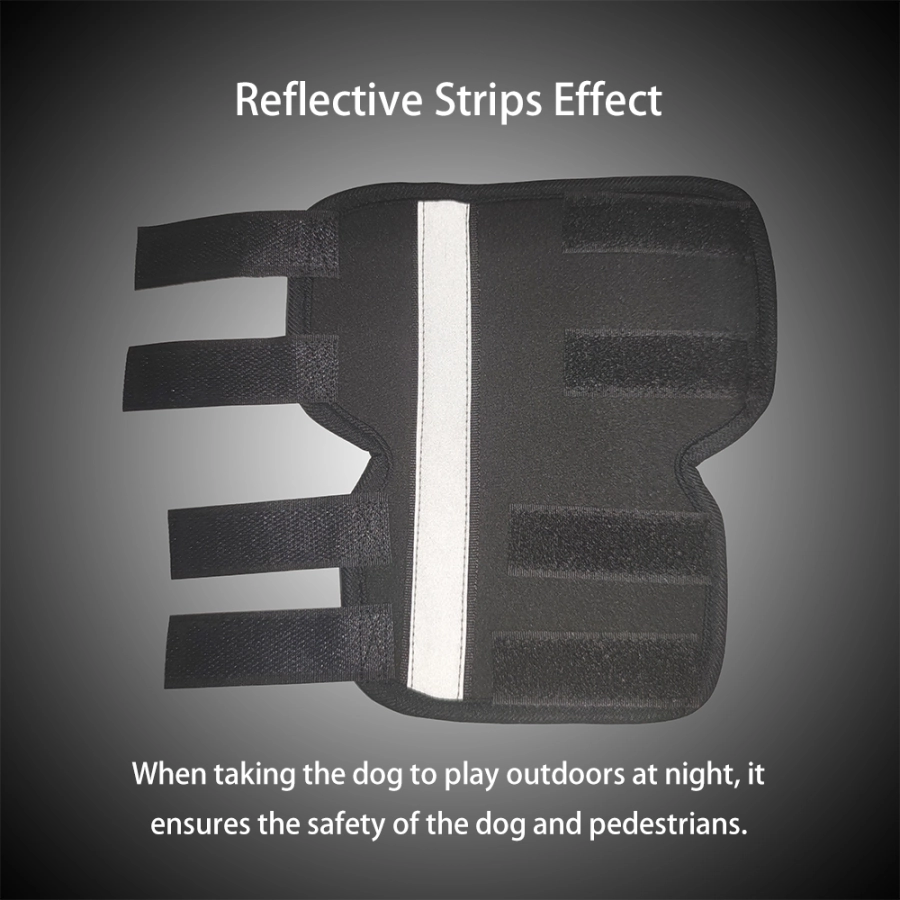
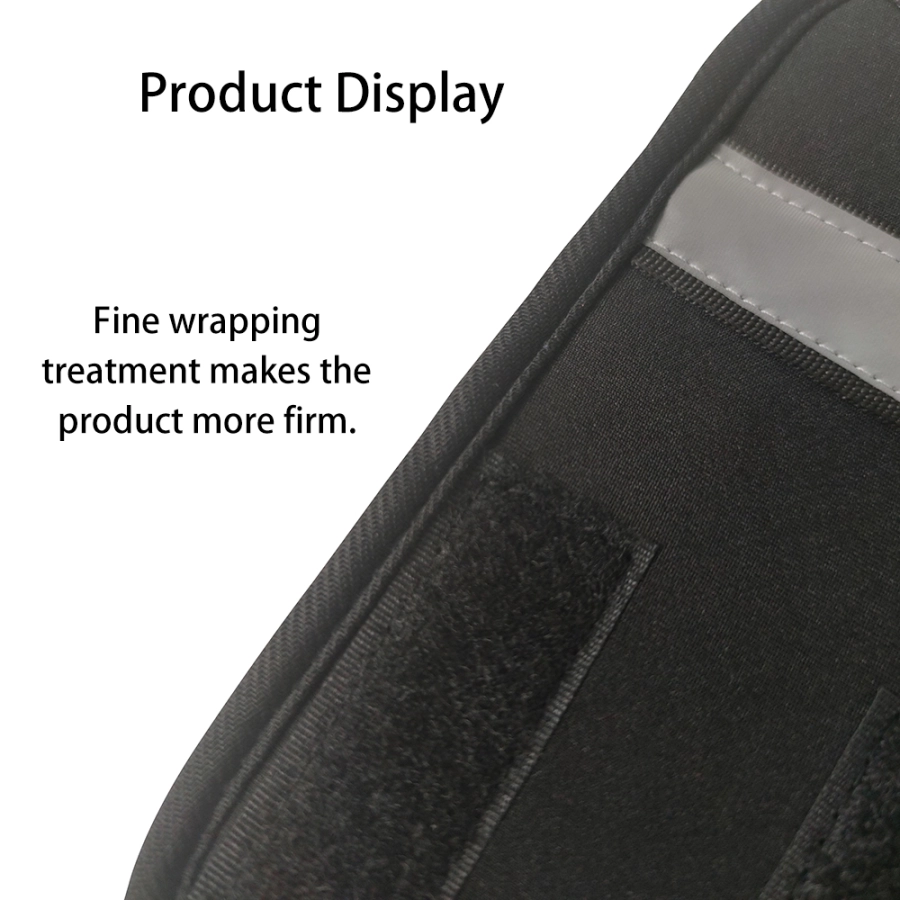
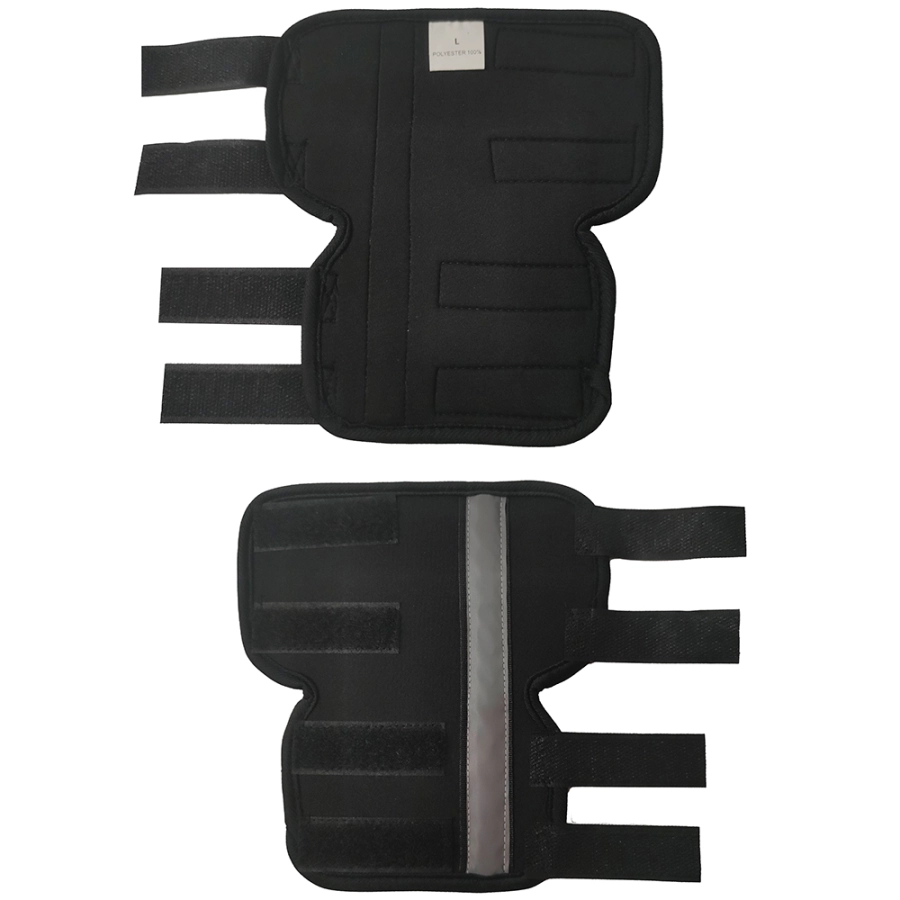
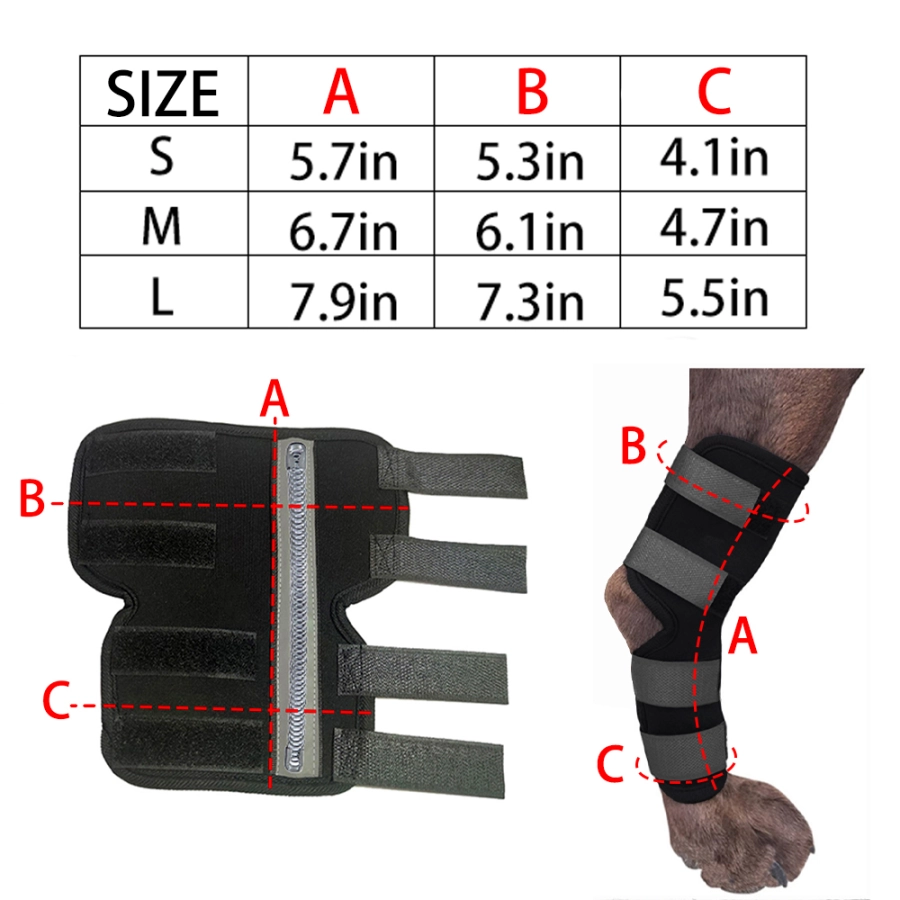
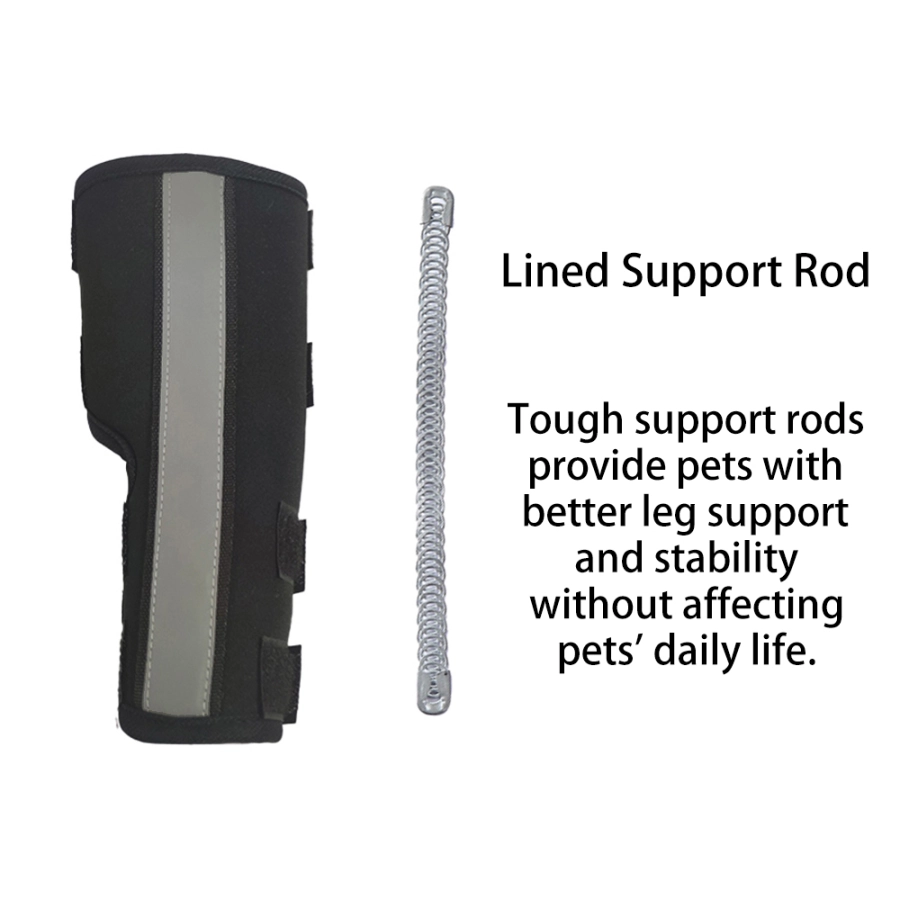
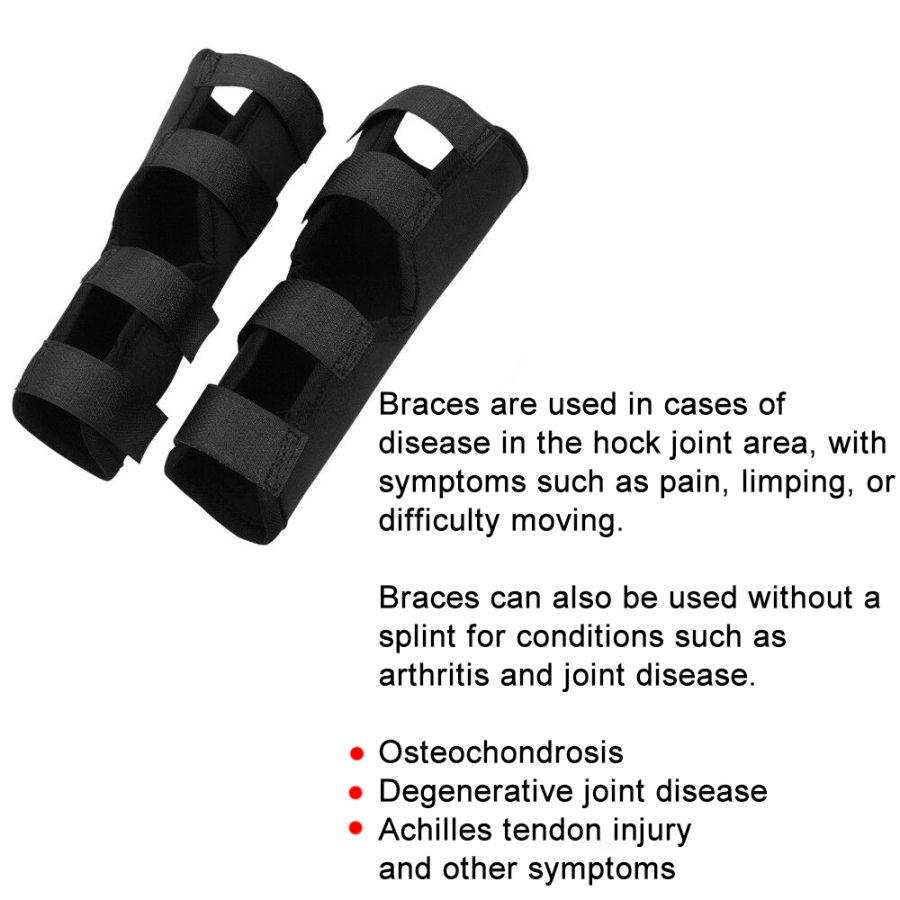
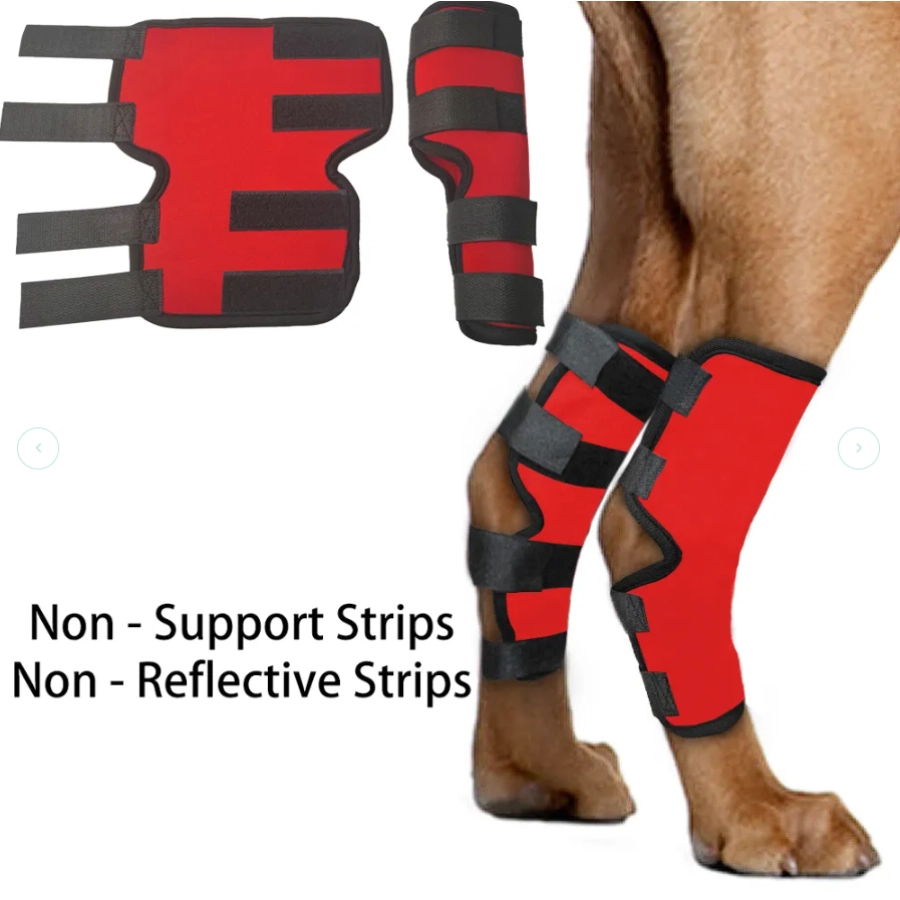
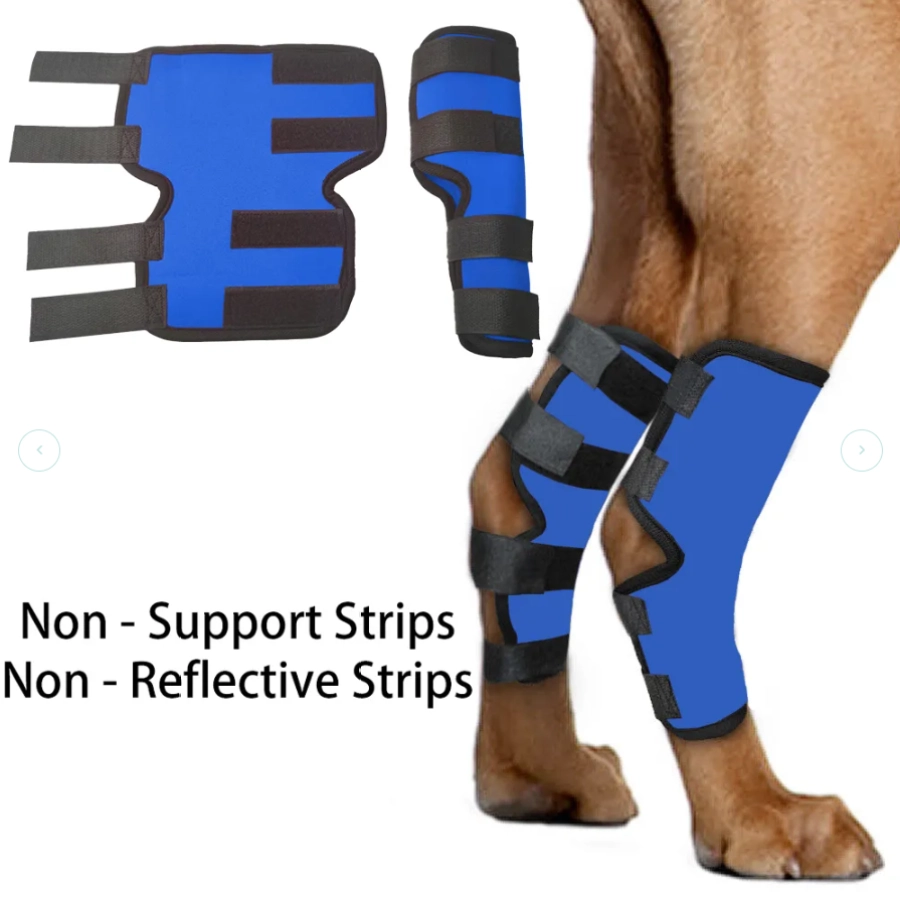
5. Take your dog to the vet for checkups. Finding problems early can stop big joint issues.
6. Make your dog's home safe and comfy. Use non-slip floors and soft beds to protect the hock.
Tip: Make a table to track your dog's weight, exercise, and when you give supplements. This helps you notice changes fast.
|
Prevention Step |
Benefit for Hock Joint Health |
|---|---|
|
Healthy Weight |
Less strain on joints |
|
Joint Supplements |
Improved joint function |
|
Controlled Activity |
Fewer injuries |
|
Supportive Bracing |
Extra stability |
|
Regular Vet Visits |
Early problem detection |
|
Comfortable Environment |
Reduced risk of slips and falls |
Long-Term Monitoring
Watching your dog over time helps you find hock problems early. You can use smart collars to see how much your dog moves and rests. If your dog moves differently, it could mean pain or stiffness. Checking your dog at home helps you spot signs sooner.
Try these ways to watch your dog's hock:
-
Do a hock compression test to see if the calf muscle or ligaments hurt.
-
Feel the front of the hock to find early bone problems.
-
Check the metatarsal and tarsal areas for pain or stiffness.
Write down any changes you see in how your dog moves or acts. Tell your vet about these changes at checkups. Acting early keeps your dog's joints strong and healthy.
Note: Watching your dog and caring for it all the time gives it the best chance for a strong hock and a happy life.
You play a key role in spotting dog hock problems early. Quick action and accurate diagnosis help your dog recover from arthritis or osteoarthritis. Work closely with your veterinarian to create a plan that fits your dog's needs.
-
Regular updates with your clinical team help you notice changes fast.
-
Building trust with your vet makes long-term care easier.
-
A plan that matches your dog's lifestyle works best.
Bracing and rest support healing, but some injuries need surgery. Keep watching your dog and stay proactive for healthy joints.
FAQ
What is the dog hock and why is it important?
The hock is your dog's ankle joint. It supports movement, absorbs shock, and helps your dog walk, run, and jump. Healthy hocks keep your dog active and comfortable.
How can you tell if your dog has a hock injury?
Watch for limping, swelling, or changes in how your dog stands or walks. Your dog may lick the area or avoid putting weight on the leg. Early signs help you get treatment fast.
Tip: Write down symptoms and share them with your veterinarian.
When should you use a hock brace for your dog?
You should use a dog hock brace if your veterinarian recommends it for mild sprains, arthritis, or after surgery. Braces support healing and help your dog move with less pain.
|
Reason for Bracing |
Benefit |
|---|---|
|
Mild sprain |
Extra stability |
|
Arthritis |
Pain relief |
|
Post-surgery |
Protection |
Can hock problems heal without surgery?
Some mild injuries heal with rest, bracing, and medication. Severe tendon tears or unstable joints need surgery for full recovery. Your veterinarian will guide you to the best option.
0 Comments