
Dog knuckling happens when your dog walks on the top of its paw instead of the pad. This sign can point to serious health problems in dogs, such as nerve or limb issues. You need to spot knuckling early and see your veterinarian quickly. Acting fast can help your dog live a safer, happier life.
If you notice changes in your dog's walk, trust your instincts and reach out to your vet for help.
Key Takeaways
-
Look for signs of dog knuckling, like dragging paws or weakness. Finding these signs early helps your dog get better treatment.
-
Make your home safe with non-slip mats and short nails. This can stop injuries from knuckling.
-
Keep your dog healthy with good food and vet checkups. This helps find problems before they get worse.
-
Use things like braces or booties to help your dog walk and keep their paws safe.
-
If your dog moves differently all of a sudden, act fast. Getting help from the vet right away can stop big problems.
Recognizing Dog Knuckling
Signs and Symptoms
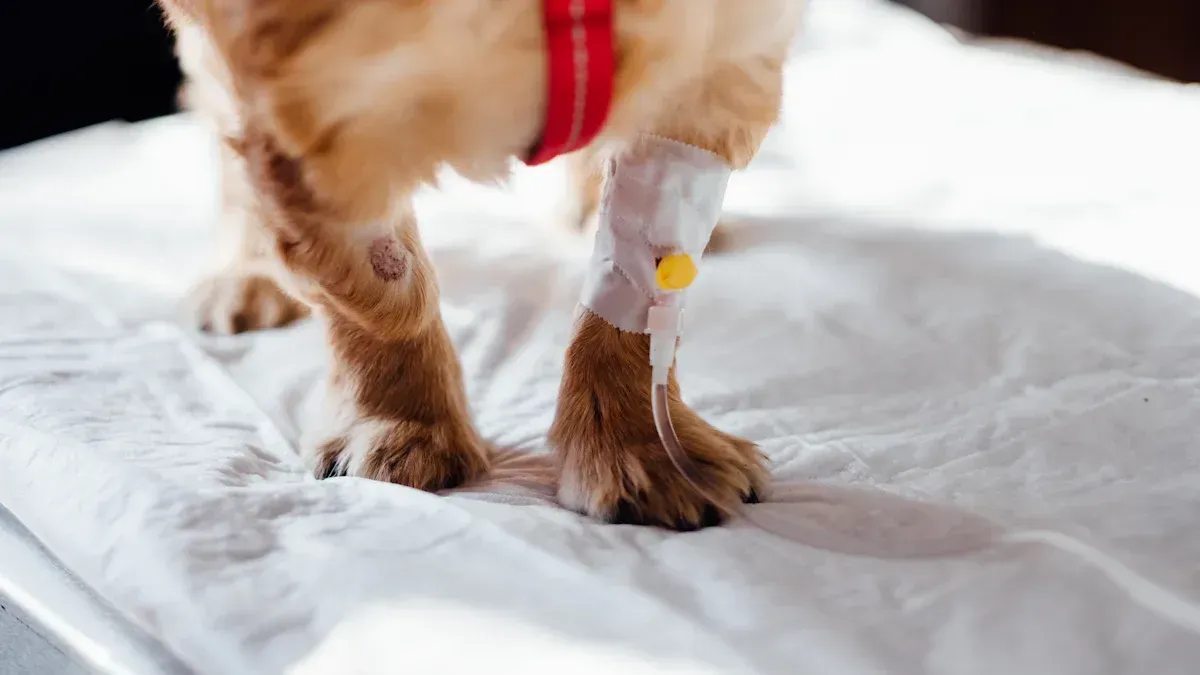
You can spot paw knuckling in your dog by watching for certain changes in how they move and act. Some of the most common symptoms include:
-
Paw curling under instead of resting flat on the ground
-
Dragging paws on the ground as they walk
-
Weakness or incoordination in the legs
-
Frequent stumbling or difficulty standing
-
Less active or reluctant to go on walks
These signs of paw knuckling may appear suddenly or develop over time. If you notice any of these symptoms, you should pay close attention. Early recognition of knuckling in dogs can help you get your pet the care they need.
Affected Paws and Gait
Knuckling in dogs can affect either the front or back paws. Sometimes, only one limb shows the problem, but it can also happen in more than one paw. When your dog knuckles, their paw tucks under, and they may walk on the top of the foot instead of the pad. This change can make your dog’s gait look awkward or uneven. You might see your dog dragging their feet, which can lead to worn nails or even sores. If you ever think, "my dog drags his back paws," this could be a sign of knuckling.
Impact on Daily Life
Paw knuckling can make daily life harder for both you and your dog. Your pet may struggle to stand up, walk, or play. They might avoid walks or seem less interested in activities they once enjoyed. Dogs with knuckling often stumble or trip, which can lead to injuries. You may notice your dog feeling frustrated or anxious because they cannot move as easily. Watching for these changes helps you support your dog and seek help when needed.
Causes of Knuckling in Dogs
Knuckling in dogs can happen for many reasons. It is important to know the causes so your dog gets the right help. Most of the time, knuckling means there is a problem with proprioception. This is your dog's sense of where its paws are. If this sense does not work, your dog might walk on the top of its paw or drag its toes. Here are the main causes of knuckling in dogs.
Neurological Causes
Problems with the nervous system are the most common causes of knuckling. These problems can change how your dog moves. You might see your dog lose balance or trip. Some main neurological causes are:
-
Disorders of the central nervous system, like spinal cord problems, often cause knuckling.
-
Herniated discs can press on nerves and make it hard for your dog to move its paws.
-
Degenerative myelopathy usually happens in older dogs. It causes slow loss of spinal cord function. Early signs are knuckling and worn nails.
-
Trauma or injury to the spine can hurt nerves and cause knuckling.
-
Infections or swelling, like meningitis or myelitis, can also hurt nerves and lead to knuckling.
You might notice changes in your dog's walk or reflexes. These signs often mean there is a neurological problem. If you see these changes, you should ask your veterinarian to check for knuckling in dogs right away.
Tip: Watch for signs like tripping, dragging paws, or sudden weakness. Acting early can help your dog get better faster.
Orthopedic and Limb Issues
Not all knuckling comes from nerve problems. Sometimes, orthopedic or limb injuries can cause knuckling in dogs. These problems can also affect proprioception and make walking hard. Some common orthopedic causes are:
-
Nerve damage from injury or surgery can cause knuckling.
-
Intervertebral disc disease (IVDD) can hurt both nerves and joints.
-
Arthritis or joint problems may change how your dog stands or walks.
-
Weakness after orthopedic surgery can cause knuckling for a short time.
-
Muscle problems can also be a cause.
You might see your dog limp or not use one leg. Sometimes, both orthopedic and neurological problems happen together. Knowing the causes helps your veterinarian pick the best treatment.
Metabolic and Other Conditions
Some metabolic or body diseases can also cause knuckling in dogs. These problems are not as common but are still important. For example, arterial thrombosis (a blood clot in an artery) can cause sudden knuckling. This does not happen often, but it is serious. Hyperadrenocorticism (Cushing’s disease) can make blood more likely to clot. This may lead to knuckling because blood flow is poor. In rare cases, dogs with these diseases need special care to get better.
Remember that knuckling can have many causes. Sometimes, more than one problem can affect your dog at the same time. Knowing the causes of knuckling and how they change proprioception will help you and your veterinarian make the best choices for your dog’s health.
Note: Always talk to your veterinarian if you see any changes in your dog’s walk or paw position. Finding and treating the problem early can really help.
Prevention and Early Action
Safe Home Environment
You can help your dog avoid paw knuckling by making your home safer. Place non-slip mats or grip lanes along your dog’s usual paths, such as from their bed to the door or food bowls. Trim your dog’s nails every two to three weeks and keep the fur between their pads short. This helps prevent slipping and reduces the risk of injury. Raise food and water bowls to your dog’s elbow height to make eating and drinking easier. Try to include mental games like scent work or food puzzles that do not require much movement. These steps support prevention and keep your dog comfortable at home.
Nutrition and Weight
Proper nutrition and weight management play a big role in reducing the risk of knuckling in dogs. If your dog carries extra weight, their joints and nerves feel more stress. Obesity affects many dogs with joint problems and can make paw knuckling worse. Feed your dog a balanced diet and watch their body condition. Omega-3 fatty acids from fish oil can help lower inflammation and protect joint health. Keeping your dog at a healthy weight supports their mobility and helps prevent knuckling.
Regular Vet Visits
Routine checkups with your veterinarian are important for early detection and intervention. Your vet can spot early signs of dog knuckling before they become serious. Regular visits also help you track your dog’s weight, nail length, and overall health. If your vet notices changes, they can suggest treatments or therapies right away.
Early Detection Tips
Watch your dog closely for signs of paw knuckling. Look for weakness on slippery floors, paws folding under, or changes in how your dog walks. Check if both legs look the same or if one seems weaker. Notice if symptoms started suddenly or slowly. Pay attention to any pain, stumbling, or collapse. Early detection and intervention can make a big difference in your dog’s recovery and quality of life.
Treatment Options for Knuckling
Veterinary Diagnosis
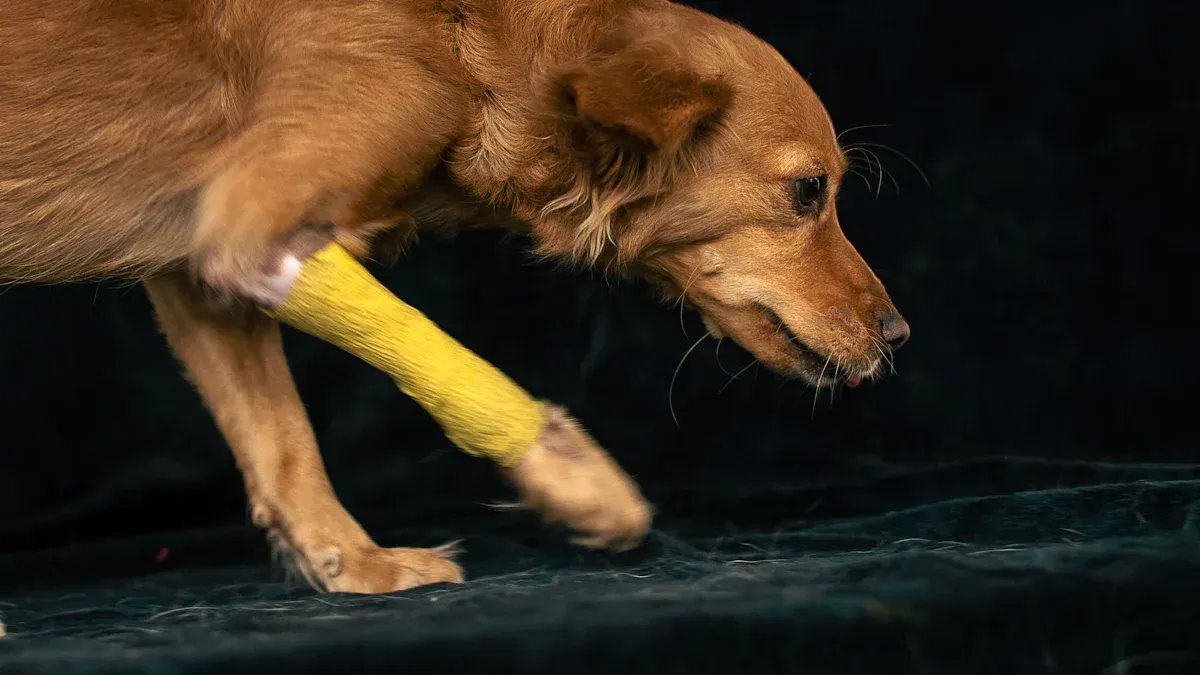
You need your veterinarian to check your dog before any treatment. The vet will watch your dog walk and stand still. They look for paw knuckling, dragging, or worn nails. The vet might do a neurological exam to test reflexes and paw placement. Imaging tests like X-rays, CT scans, or MRIs can show nerve or spinal cord problems. Blood tests help rule out metabolic diseases. Sometimes, your vet may send you to a veterinary neurologist for more tests. Finding the problem early helps your dog get better treatment and a happier life.
Medical and Surgical Care
Your veterinarian will pick the best treatment for knuckling based on the cause. Medical care often starts with pain medicine and anti-inflammatory drugs. These help dogs with arthritis or after surgery. Some dogs need surgery if they have spinal cord pressure or bad injuries. Surgery can take pressure off nerves or fix joints. Your vet will talk about the risks and benefits of each choice.
Here is a table that shows common treatment options for knuckling in dogs:
|
Treatment Option |
Description |
|---|---|
|
Pain control and anti-inflammatories |
Medications to relieve pain and inflammation, especially for conditions like arthritis or post-surgery. |
|
Physical therapy |
Personalized rehabilitation programs to improve strength, coordination, and gait. |
|
Assistive devices |
Devices like slings, harnesses, and carts to support mobility and stability for dogs with weakness. |
|
Braces and orthotics |
Custom-fitted braces to support dogs with partial strength or recovering from injuries. |
|
Harnesses and slings |
Help lift and support dogs with significant weakness. |
|
Carts and wheelchairs |
Provide independence for dogs with paralysis or severe weakness. |
|
Protective measures |
Booties and regular paw inspections to prevent injuries from dragging. |
Your veterinarian will help you choose the right treatment for your dog. Early medical or surgical care can stop more injury and help your dog feel better.
Physical Therapy and Rehab
Physical therapy is important for dogs with paw knuckling. You can work with a canine rehab therapist to make a plan. Therapy can include balance exercises, walking on different surfaces, and gentle stretching. These activities help your dog get stronger and move better. Underwater treadmill therapy helps weak dogs and is easy on joints. Massage and range-of-motion exercises keep muscles loose. Physical therapy stops muscle loss and keeps your dog active. Regular therapy sessions help your dog recover and live a better life.
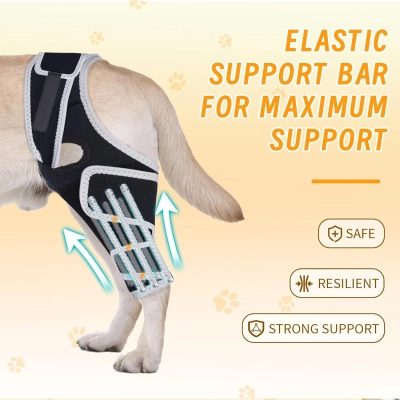
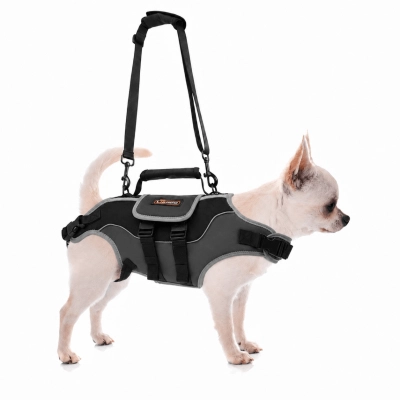
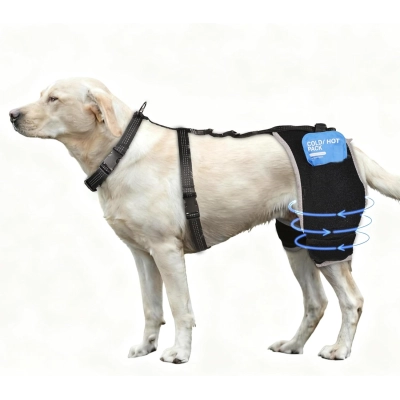
Assistive Devices and Bracing
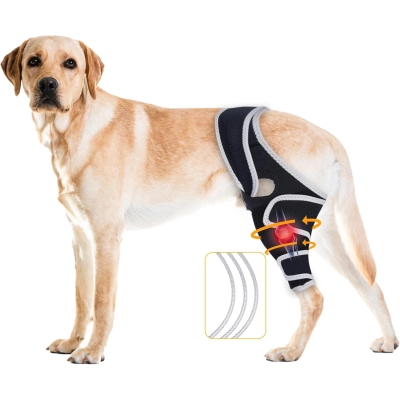
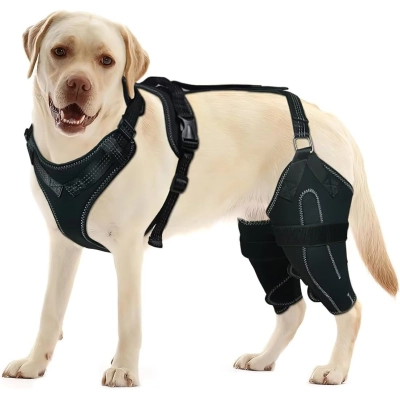
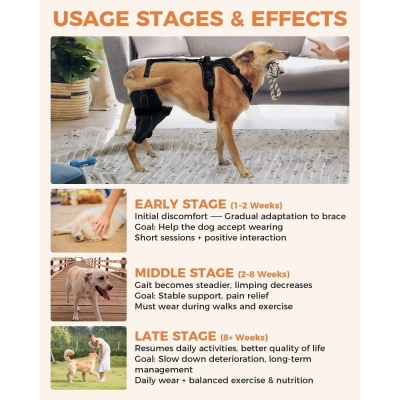
Assistive devices and bracing give extra support to dogs with knuckling in dogs. These tools help your dog walk safely and stop injuries from dragging paws. Your veterinarian will check your dog and suggest the best device. Some devices are good for rehab, while others help dogs with long-term problems.
Here are some common devices for paw knuckling:
-
No-Knuckling Training Sock: Helps front toes knuckle less. It is light and lets toes touch the ground.
-
Forelimb Dorsi-Flex Assist: Lowers knuckling and stretches the wrist. It comes in light or heavy-duty styles.
-
Hindlimb Dorsi-Flex Assist: Lowers knuckling and bends the ankle. It has a boot part and needs a prescription.
-
Canine Mobility Anti-Knuckling Device: Helps hind legs move. It uses a figure “8” strap and leaves paws open.
-
Biko Progressive Resistance Bands: Helps move hind legs. Bands can be made tighter and attach to a harness.
Always ask your veterinarian before picking a device. They might suggest a test version to see if it fits and works. Devices like booties, braces, and harnesses protect paws and help your dog move. These tools can make life safer and more comfortable for your dog.
When to Seek Urgent Help
Some signs mean you need to get your dog to the vet fast. If you see sudden paw knuckling with no warning, act quickly. This could mean a spinal cord problem. If your dog cannot stand or walk, even for a short time, get help right away. Pain, crying, or paralysis are serious signs. Dogs who lose control of their bladder or bowels need emergency care. Waiting too long can cause permanent paralysis and make life harder for your dog.
Alert: If your dog suddenly gets weak, has bad pain, or cannot use its legs, call your veterinarian or an emergency clinic right away.
Acting fast and picking the right treatment options for knuckling can help a lot. You can help your dog get better and enjoy life by working with your veterinary team.
Home Care for Dog Knuckling
Paw Protection
You can protect your dog's paws by using several simple strategies. Dogs with knuckling in dogs often drag their feet, which can cause scrapes or sores. Try these tips to keep your dog's paws safe:
-
Use dog knuckling protection boots or protective dog shoes. These help prevent injuries from dragging and give extra grip on slippery floors.
-
Trim your dog's nails and the fur between their pads. This reduces the risk of slipping and keeps paws clean.
-
Check your dog's paws every day for cuts, swelling, or worn nails. Early care prevents bigger problems.
-
Add ramps or steps to help your dog avoid jumping or climbing. This reduces stress on their joints.
-
Feed a balanced diet with nutrients like omega-3 fatty acids. Good nutrition supports nerve health and helps with recovery.
Regular visits to your veterinarian help you monitor your dog's progress and adjust care as needed.
Mobility and Safety
You can make your home safer and easier for dogs with knuckling in dogs. Simple changes help your dog move with confidence:
-
Place non-slip rugs or yoga mats on hard floors to prevent falls.
-
Block off stairs with baby gates to stop accidents.
-
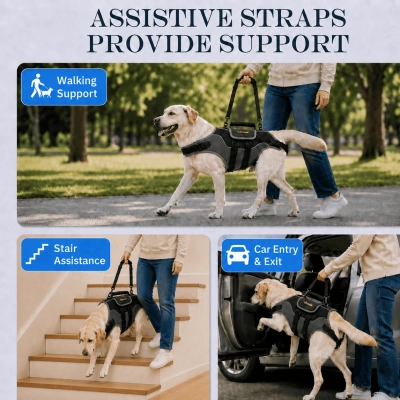
Use ramps for sofas, beds, or cars so your dog does not need to jump.
-
Try support slings or rear harnesses during walks. These aids help your dog stay steady and reduce the risk of injury.
-
Gentle exercise, like swimming or home-based physical therapy, builds strength without stressing joints.
These steps help your dog stay active and safe at home.
Emotional Support for Families
Caring for a dog with knuckling can feel overwhelming. You may worry about your dog's comfort or feel sad about changes in their abilities. Remember, your dog still needs your love and attention. Many families find comfort in the bond they share with their pets.
"The dog offers comfort in a different way to how I do, more unconditional. Åsa can hold the dog when she is feeling miserable. The dog doesn’t ask why or what’s happened."
"When he comes and sits up beside you on a night, it’s different, you know, it’s just, like, he needs me as much as I need him, sort of thing."
Your support helps your dog feel secure. Taking care of each other makes the journey with dog knuckling easier for both of you.
Costs and Expectations
Device and Treatment Costs
If your dog has knuckling, you might worry about money. The price depends on where you live and what your dog needs. Here is a table that shows what treatments and devices cost in different places:
|
Region |
Average Cost Range (Per Knee) |
Key Factors Affecting Cost |
|---|---|---|
|
United States |
$3,500 – $10,000 |
Big cities cost more; country clinics may be cheaper |
|
Canada |
$3,500 – $8,000 |
Cities are more expensive; far away places have fewer vets |
|
United Kingdom |
£3,000 – £6,500 ($3,800–$8,200) |
London and big towns charge more; pet insurance can help |
|
Australia |
AUD 4,000 – AUD 9,000 ($2,600–$5,900) |
City prices are higher; small towns may be cheaper but have fewer vets |
You might need to buy things like dog braces, dog booties, or other tools. These can cost as little as $20 or as much as $900. The price depends on what you pick and how it fits your dog. If you need help paying, some groups can give support:
|
Organization |
Description |
|---|---|
|
The Mosby Foundation |
Helps families pay for important medical care for dogs |
|
American Humane |
Gives money for lifesaving medical care |
|
Bialy’s Wellness Foundation |
Helps families with special needs dogs, especially if they have less money |
|
Friends And Vets Helping Pets |
Gives money for treatable problems, based on how much money you make |
|
Red Rover |
Gives money for emergencies and for people leaving unsafe homes with pets |
|
Veterinary Care Foundation |
Lets vets ask for money for clients who need help |
Tip: Ask your vet if you can pay over time or if there are local groups that can help with costs.
Prognosis and Follow-Up
How well your dog does depends on why they have knuckling. Some dogs get better with braces, medicine, and therapy. Other dogs, like those with degenerative myelopathy, may not get better but can still have a good life with care.
-
You might need to use foot braces or other tools.
-
Medicine for swelling and therapy help many dogs.
-
Some dogs need surgery or special food.
-
After an injury, your dog might need rest or wound care.
You should take your dog to the vet for checkups. The vet will see how your dog is doing and change the plan if needed. Getting help early and going back for visits helps your dog stay safe and feel good.
Remember: Every dog is unique. The way you care for your dog can really help them have a better life.
You are very important in helping your dog with dog knuckling. If you notice problems early and visit the vet often, it helps a lot. With good care, many dogs can stay happy and move around. Watching your dog closely lets you see changes and stop new problems.
|
Benefit Type |
How It Helps Your Dog |
|---|---|
|
Activity Monitoring |
Checks how your dog moves and feels |
|
Owner Feedback |
Lets you know what your dog needs |
|
Clinical Insights |
Helps pick the best treatment |
Knuckling does not always hurt, but acting fast can stop bigger problems. Pay attention, get help when you need it, and remember your care makes your dog feel better and safe.
FAQ
What does dog knuckling look like?
You see your dog walking on the top of its paw or dragging its toes. The nails may wear down. Your dog may stumble or seem unsure when moving.
Can knuckling heal on its own?
You should not wait for knuckling to go away. Most cases need a veterinarian’s help. Early treatment gives your dog the best chance to recover.
Which breeds get knuckling most often?
Large breeds like German Shepherds, Boxers, and Dobermans show knuckling more often. Older dogs also have a higher risk. Any breed can develop this problem.
How do you protect your dog’s paws at home?
-
Use booties or protective shoes.
-
Place non-slip mats on floors.
-
Trim nails and paw hair.
-
Check paws daily for sores.
When should you call your veterinarian?
Call your veterinarian if you see sudden knuckling, weakness, pain, or loss of bladder control. Fast action helps prevent serious problems.
0 Comments