
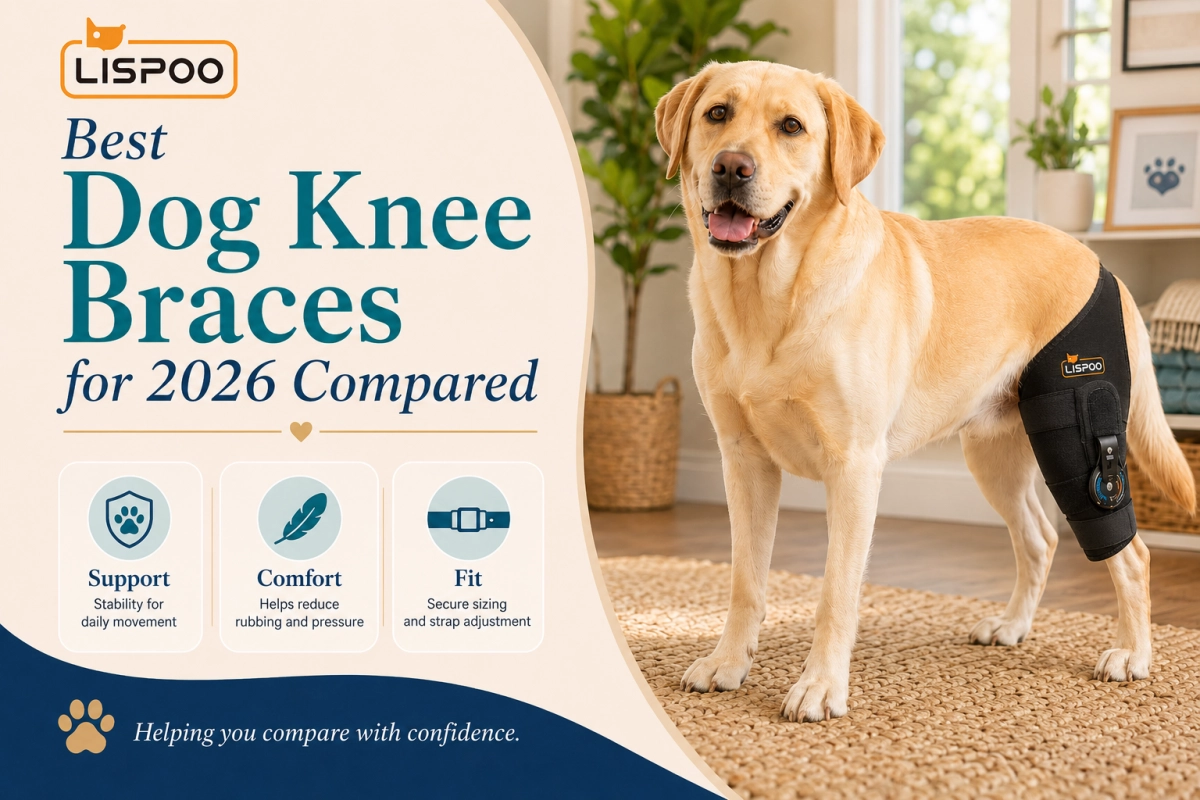
You want the best dog knee brace for your dog’s comfort and healing. In 2026, Hero Braces are special because they have custom sizes and strong support from research. These are great for dogs with torn acl or bad joint problems. Cruciate Care Dog Knee Brace is often approved by vets for acl and after surgery care. The lightest brace is good for active dogs and helps them move every day. Fit, injury help, healing time, and price are different for each brace, so look for the one that matches your dog’s activity and needs. Always talk to your vet before you pick one.
Key Takeaways
-
Custom dog knee braces fit well and give strong support for bad injuries. They help dogs heal faster and move better.
-
Generic braces cost less and work for small injuries. They give simple support and are easy to buy.
-
You should talk to your vet before picking a brace. Your vet can help you choose the best one for your dog.
-
Adjustable braces can fit tightly and change as swelling or muscle size changes while your dog gets better.
-
Think about how active your dog is when you pick a brace. Dogs that move a lot need more support to stop new injuries.
Dog Knee Brace Comparison Table
Key Features Overview
You want to see how each dog knee brace stacks up before you buy. Here’s a quick table that shows the main features side by side. This helps you spot which brace matches your dog’s needs fast.
|
Product Name |
Recommended Use |
Sizing Options |
Price Range |
Vet Approved |
|---|---|---|---|---|
|
ACL, CCL, arthritis, post-surgery |
Custom-fit |
$1,000–$1,800 |
Yes |
|
|
Cruciate Care Dog Knee Brace |
ACL, post-surgery |
S–XL |
From $49.95 |
Yes |
|
Double Knee Brace for Dogs |
Both knees, pain relief |
S–XL |
From $99.90 |
Yes |
|
Kruuse Rehab Knee Protector |
Arthritis, mild injuries |
S–XL |
Budget-friendly |
Yes |
|
Lightweight Mobility Brace |
Daily activity, mild support |
S–XL |
$50–$120 |
Yes |
Tip: Custom braces fit better and last longer, but generic options work well for basic support and cost less.
Price and Value
You probably wonder if the price matches the value. Here’s what you get for your money:
-
The Cruciate Care Dog leg Knee Brace gives basic support at a lower price. It’s a good choice if you want something simple.
-
The Double Knee Brace supports both knees. This is great for dogs with pain in both legs and justifies the higher cost.
-
Kruuse Rehab Knee Protector stands out for affordability. It still provides solid support for mild injuries.
-
Custom dog knee brace options, like Hero Braces, cost more—usually between $1,000 and $1,800. These braces offer a tailored fit and strong support for serious injuries.
-
Mid-range braces fall between $50 and $120. They balance price and comfort for everyday use.
You can find a dog knee brace for almost any budget. If your dog needs extra support or has a complex injury, a custom brace may be worth the investment. For mild issues or short-term use, generic braces save money and still help your dog move better.
Top Dog Knee Braces Reviewed
Custom Dog Knee Brace
You want the best fit for your dog’s knee injury. Custom dog knee braces stand out because they match your dog’s unique shape. These braces use molds or 3D scans to create a snug fit. This means your dog gets targeted support right where it’s needed. Many owners notice their dogs walk better and put more weight on the injured leg after wearing a custom brace.
Here’s what studies show about custom braces:
|
Study |
Findings |
Implications |
|---|---|---|
|
Rosen et al. (2022) |
Dogs showed better weight-bearing with custom stifle orthoses |
Helps dogs recover without surgery |
|
Carr (2016) |
Dogs had improved pressure distribution after 90 days |
Braces help restore balance and reduce limping |
|
Muršec et al. (2025) |
Dogs improved gait symmetry and weight distribution after 32 days |
Braces can boost comfort and function |
Most owners say their dogs move easier and limp less after getting a custom brace. You may need to watch for skin sores or brace intolerance, but these problems are rare with good fitting and vet support. Custom braces cost more and take longer to make, but they offer the best comfort and support for tough injuries like CCL tears or after surgery.
Note: Custom braces give a precise fit and higher comfort. They work best for dogs with serious injuries or unique leg shapes.
Generic Stifle Brace
If you want something fast and affordable, a generic stifle brace could work for your dog. These braces come in standard sizes and fit most breeds. They help with common problems like luxating patella, arthritis, and torn CCL or ACL. Many owners use them for older dogs or those with mild injuries.
-
Luxating patella: Helps keep the kneecap in place.
-
Arthritis: Reduces joint pain and stiffness.
-
Torn CCL/ACL: Offers basic support for ligament injuries.
Some vets prefer custom braces for better results, but generic braces still help many dogs move better and feel less pain. You should check the fit often. A loose or tight brace can cause problems. Some vets say generic braces may not work as well as surgery for big injuries, but they can improve your dog’s quality of life if surgery is not an option.
Tip: Generic braces are easy to buy and cost less. They work best for mild injuries or short-term support.
Adjustable Support Brace
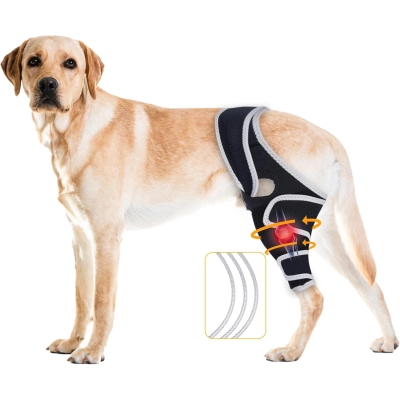
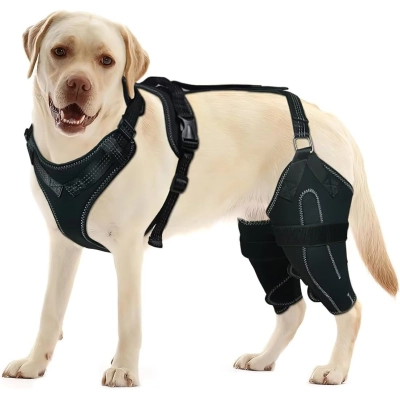
Adjustable support braces give you flexibility. You can tighten or loosen the straps to fit your dog’s leg just right. This helps keep the brace snug and comfortable, which is key for healing. Dogs with changing swelling or muscle size benefit most from this type.
-
Fit and adjustability matter most for healing.
-
A snug brace helps your dog bear weight and walk better.
-
Adjustable braces can grow with your dog or adapt to changes during recovery.
You will find these braces made from materials like neoprene, elastic, or metal. Each material has its own pros and cons:
|
Material |
Advantages |
Disadvantages |
|---|---|---|
|
Neoprene |
Good support, keeps joints warm, durable |
Can get hot, may cause skin issues |
|
Elastic |
Flexible, comfy, breathable |
Less support, may stretch out |
|
Metal |
Strongest support, very durable |
Heavy, can limit movement |
You should pick a brace that matches your dog’s activity and comfort needs. Adjustable braces work well for dogs who need a custom-like fit but at a lower price.
Lightweight Mobility Brace
If your dog loves to move or is getting older, a lightweight mobility brace can help. These braces use soft, light materials so your dog can walk, run, or play with less pain. They offer mild support and do not weigh your dog down.
Studies show that many dogs with these braces have little to no limp when paired with rehab. Lightweight braces limit odd knee movement during normal walks, but they may not hold up under heavy loads or rough play. For big, active dogs with serious injuries, surgery may still be the best choice. But for daily walks or gentle play, a lightweight brace keeps your dog happy and moving.
Note: Lightweight braces are best for mild injuries, older dogs, or pups who need a little extra help staying active.
If you want a dog knee brace that fits your dog’s lifestyle, think about how much support your dog needs, how active they are, and how long they will wear the brace. Always talk to your vet to make the best choice for your furry friend.
Dog Knee Brace Fit and Suitability
Size and Adjustability
Getting the right size is the first step to making sure your dog feels comfortable and gets the needed fit and support. You want to measure your dog carefully before you order. Here’s a quick table to help you with the main measurements:
|
Step |
Measurement Type |
Instructions |
|---|---|---|
|
1 |
Chest |
Wrap the tape around the widest part of the chest, just behind the front legs. |
|
2 |
Height |
Measure from the base of the rear paw to the high point of the hip. |
|
3 |
Thigh |
Measure halfway between the bend of the knee and the groin. |
You should also measure above and below the knee, and check the leg length. Double-check your numbers so you don’t end up with a brace that’s too tight or too loose. Adjustable straps help you get a snug fit and let you make changes as your dog heals or grows.
Tip: Adjustable braces help prevent skin irritation and let you tweak the fit as your dog’s leg changes shape during recovery.
Injury Types Supported
Not all braces work for every injury. Some braces are better for certain problems. Here’s a table to show which brace works best for each injury:
|
Brace Name |
Best For |
|---|---|
|
Tailwindpet's Hinged Dog Knee Brace |
ACL/CCL injuries and post-surgery recovery |
|
Ortocanis Hinged Dog Knee Brace |
Conservative management of knee injuries |
|
Walkin’ Pets Adjustable Dog Knee Brace |
Arthritis and mild knee issues |
|
Labra Double Dog Knee Brace |
Dogs with bilateral knee injuries |
|
NeoAlly Dog Knee Brace |
Knee swelling and clicking joints |
Small breeds often have luxating patella, while big dogs get more CCL tears. Knowing your dog’s breed and injury helps you pick the right brace.
Activity Level Compatibility
Your dog’s activity level matters when you choose a brace. Working dogs need high-mobility designs that let them move but still protect the knee. Companion pets do well with custom or prefabricated braces that focus on comfort. Check out this table:
|
Type of Dog |
Brace Features |
Activity Level Support |
|---|---|---|
|
Active Dogs |
High-mobility designs, outdoor use |
Supports light activity while preventing further injury |
|
Companion Pets |
Custom or prefabricated options |
Enhances comfort and mobility, tailored to specific needs |
If your dog loves to run, pick a brace that won’t slow them down but still keeps the joint safe.
Long-Term Use and Comfort
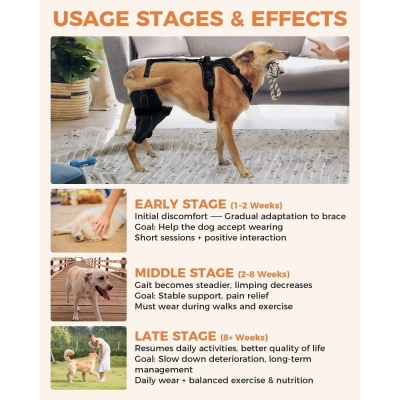
Long-term comfort depends on a good fit and regular checks. Start with short sessions so your dog can get used to the brace. Watch for any signs of skin irritation or pressure sores, especially in the first few weeks. About half of dogs may get some skin irritation, so keep an eye out and talk to your vet if you see redness or swelling. Regularly adjust the straps and clean the brace to keep your dog happy.
Note: A dog knee brace works best when you combine it with rehab and weight management. This helps your dog stay mobile and comfortable for the long haul.
Buying Guide: Choosing a Dog Knee Brace
Assessing Your Dog’s Needs
Start by thinking about your dog’s breed, size, and injury. Big dogs and active breeds need more support. Small dogs can use lighter braces. Your dog’s age and injury type matter too. A complete tear means your dog needs strong stability. If it’s just a partial tear, a moderate brace might be okay.
Here’s a quick table to help you match injury type with brace needs:
|
Injury Type |
Stability Level |
Brace Recommendation |
|---|---|---|
|
Partial Tear |
Moderate |
May benefit from bracing |
|
Complete Tear |
Low |
Strongly recommended |
|
Chronic Injury |
Variable |
Evaluate for support |
|
Post-Surgery |
Varies |
Often helpful for recovery |
|
Active Lifestyle |
High |
Consider custom brace |
Think about what your dog does every day. Do they run and jump a lot? Or do they like slow walks? This helps you choose the right brace.
Vet Consultation
Always talk to your vet before you pick a knee brace. Vets know how to check your dog’s injury. They can tell you which brace is best. Your vet helps you get the right fit and shows you how to use it. Regular visits let your vet see how your dog is healing. They can change the plan if needed. If your dog is older or sick, your vet can help you decide if a brace is better than surgery.
Tip: A vet fitting and check-ups keep your dog safe and comfy.
Matching Features to Lifestyle
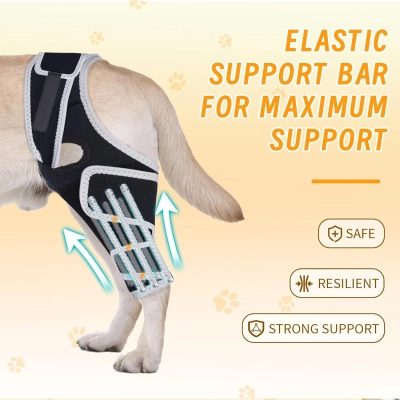
Your dog’s lifestyle is important when you pick a brace. Active dogs need strong and tough braces. If your dog loves to play, look for hinged braces. These let your dog move but still protect the joint. For comfort, pick braces with padding, straps you can adjust, and materials that breathe.
|
Feature |
Description |
|---|---|
|
Activity Level |
Strong support for active dogs, like hinged braces |
|
Comfort |
Padding, adjustable straps, breathable materials |
|
Durability |
Solid construction for long-lasting support |
Pick a brace that matches your dog’s energy and what they do each day.
Budget and Value
You want a brace that helps your dog and fits your budget. Custom braces cost more but fit the best and give strong support. They take longer to get. Generic braces are cheaper and easy to buy. They may not fit as well for special needs.
-
Custom braces: Best fit, top support, higher price.
-
Generic braces: Affordable, quick to buy, basic support.
Think about what your dog needs and how much you can spend. Sometimes paying more means your dog heals faster and feels better. If your dog has a small injury, a generic brace might be enough.
You want your dog to move with ease and stay comfortable. For 2026, Hero Braces Custom Knee Brace leads for tough injuries and perfect fit. Cruciate Care Dog Knee Brace works well for ACL and post-surgery support. Lightweight Mobility Brace helps active dogs stay on the go.
A veterinarian’s guidance means more than picking a brace. Your vet checks your dog, confirms the injury, and helps you choose the right support.
Here’s how you can make a confident choice:
-
Talk with your vet about your goals and your dog’s diagnosis.
-
Watch for skin irritation and schedule follow-ups.
-
Combine bracing with weight management and gentle exercise.
Pick a high-quality, vet-approved brace. Your dog’s comfort and joint health matter most. 🐾
FAQ
How do I know if my dog needs a knee brace?
You should watch for limping, trouble standing, or skipping steps. If your dog shows pain or avoids walks, a knee brace might help. Ask your vet for advice before you buy one.
Can my dog wear a knee brace all day?
Most dogs can wear a brace during waking hours. You should remove it at night or for bathing. Always check for skin irritation and let your dog rest without the brace sometimes.
How do I measure my dog for a knee brace?
Tip: Use a soft tape measure.
Measure your dog’s thigh, knee, and leg length. Check the manufacturer’s sizing chart. Double-check your numbers to make sure you get the right fit.
Will a knee brace cure my dog’s injury?
A knee brace helps support healing and reduces pain. It does not cure ligament tears or arthritis. You should combine bracing with vet care, rehab, and weight management for best results.

0 Comments