
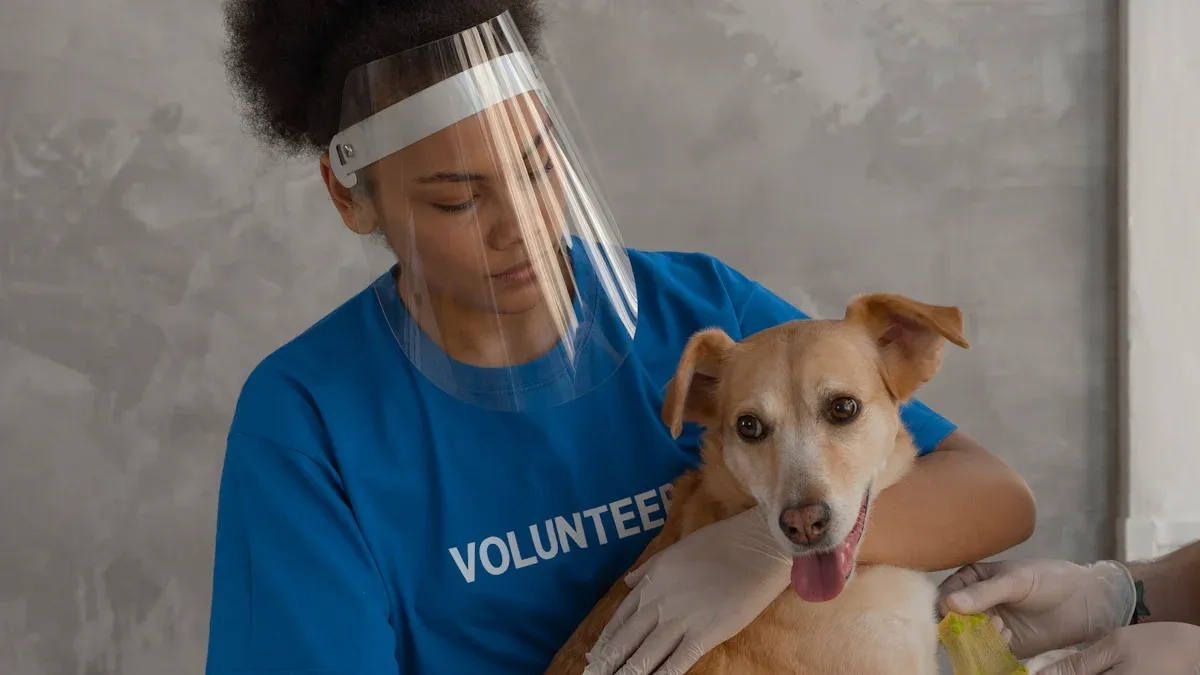
Are you trying to decide if a CCL brace for dogs or surgery is best for your dog’s knee injury? Picking between these choices can be hard. You need to think about your dog’s age and health. How much your dog moves matters, too. Money is also important. Here is a quick chart to help you start thinking about what might work for you:
|
Consideration |
CCL Brace for Dogs |
Surgery |
|---|---|---|
|
Severity of Injury |
Good for mild or moderate injuries |
Needed for severe ligament tears |
|
Dog’s Age & Health |
Best for older or sick dogs |
Best for young, healthy dogs |
|
Budget |
Costs $200 - $700 for each brace |
Costs $3,000 - $7,000 or more per knee |
|
Recovery Time |
Takes days or weeks to get used to |
Needs 2-4 months with less activity |
|
Outcome |
Helps with pain, stability, movement |
Fixes the problem for a long time |
You want your dog to feel good and heal well. Always ask your veterinarian before you decide.
Key Takeaways
-
Think about your dog's age, health, and how active they are when you pick between a CCL brace or surgery.
-
A dog CCL brace works well for small injuries, especially in older dogs or dogs that do not move much. Surgery is better for big tears.
-
You should talk to your veterinarian for a diagnosis and a treatment plan that fits your dog.
-
Watch your dog's weight and how much they move to help them get better and stop new injuries.
-
Rehab and care, like physical therapy and good food, are very important for your dog's healing.
What Is a CCL Tear in Dogs?
CCL Anatomy and Function
You might wonder what the cranial cruciate ligament does for your dog. This ligament sits inside the knee and acts like a strong rope. It keeps the shin bone from sliding forward and helps control how the knee moves. When your dog walks, runs, or turns, the CCL keeps the knee stable. If this ligament tears, the knee loses support. Your dog may struggle to move and feel pain. The CCL also stops the knee from bending too far or twisting too much.
Causes and Risk Factors
Many things can lead to a ccl injury. Some dogs get hurt from sudden twists or quick turns. Most of the time, though, the ligament slowly gets weaker. Genetics play a big part. Some breeds have a higher chance of ccl tears. Here are a few breeds you should watch out for:
-
Labrador Retrievers
-
Rottweilers
-
Australian Shepherds
-
Australian Cattle Dogs
Other risk factors include excess weight, poor fitness, and early neutering. Take a look at this table to see more causes and risks:
|
Cause/Risk Factor |
Description |
|---|---|
|
Degenerative Factors |
The ligament weakens over time. |
|
Genetics |
Some breeds are more likely to get ccl injury. |
|
Obesity |
Extra weight puts stress on the knee. |
|
Poor Fitness Level |
Weak muscles make joint injuries more likely. |
|
Early Neutering |
Neutering young dogs may raise the risk. |
|
Excessive Tibial Plateau Slope (TPS) |
A steep slope in the knee can cause tears. |
|
Immune-Mediated Disease |
Some diseases affect joint health. |
|
Bacterial Presence in Joint |
Infection can damage the ligament. |
Common Symptoms of CCL Tears
You may notice your dog limping or holding up a leg. Pain is common, especially when you touch the knee. Your dog might sit with one leg stretched out to the side. Muscle loss in the thigh can happen if the injury lasts a while. You could see your dog struggle to climb stairs or jump. Sometimes, your dog will walk slowly or avoid putting weight on the injured leg. These signs mean your dog needs help for a ccl injury.
Diagnosing CCL Injuries
Veterinary Exam and Tests
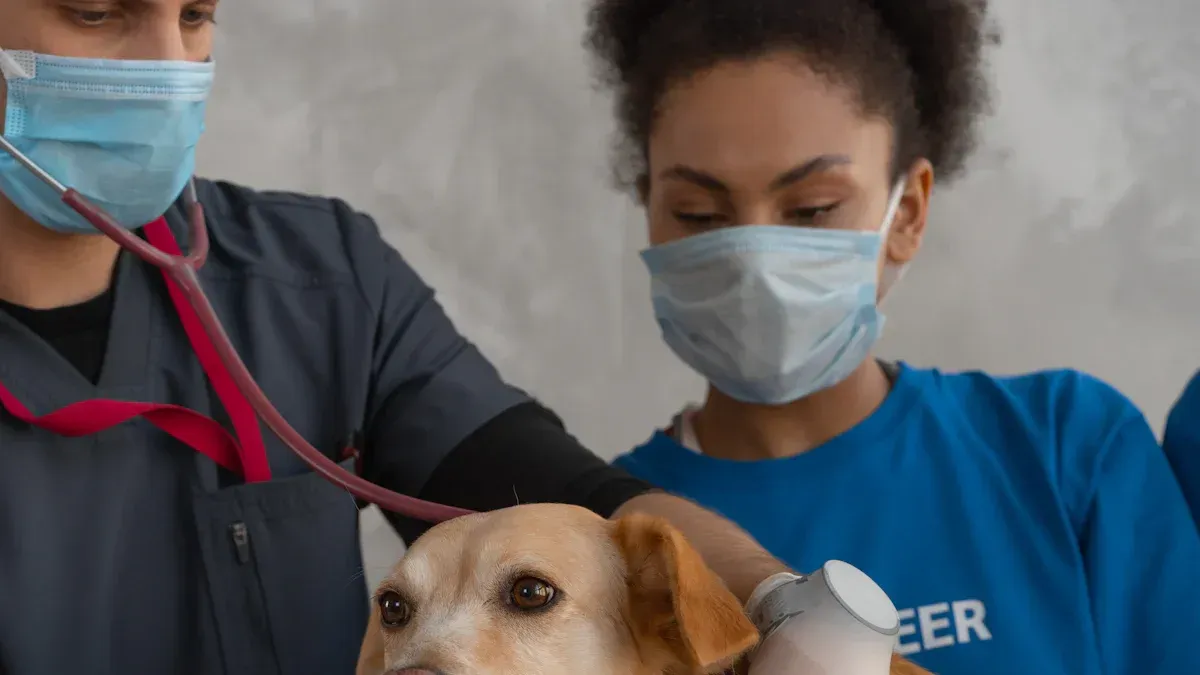
If your dog limps or acts hurt, you want answers soon. The veterinarian will touch your dog’s knee to check for swelling and pain. They will move the leg to see if it feels loose. This helps them find out if there is a CCL tear.
Your vet may use special tests to learn more about the joint. Here are some common tests they might use:
|
Diagnostic Test |
Accuracy/Utility |
|---|---|
|
Ultrasonography |
Good for seeing joint changes, but not the best for CCL tears. |
|
Dynamic intra-articular saline injection |
Helps confirm a CCL rupture when other tests do not show enough. |
|
Arthroscopy |
This test looks inside the joint but needs surgery. |
|
Magnetic Resonance Imaging (MRI) |
Shows lots of detail, but costs a lot. |
|
Computed Tomographic Arthrography (CTA) |
Quick, accurate, and works as well as MRI for finding ligament problems. |
|
Dual-detector helical CTA |
Works like MRI for finding problems. |
|
Single-detector CTA |
Good for seeing ligament structures in the knee. |
Your vet will pick the test that fits your dog’s needs. Sometimes, an x-ray is enough. Other times, better pictures help your vet see the problem.
Tip: If your vet wants more than one test, they are making sure about the diagnosis before starting treatment.
Importance of Professional Diagnosis
You may want to guess what is wrong or try things at home. But getting a professional diagnosis is very important. Your vet uses special tools to find the real problem. They might check joint fluid, look for arthritis, or use biomarkers to see how bad the injury is.
|
Evidence Type |
Description |
|---|---|
|
Multimodal Biomarkers |
Help your vet learn about the injury and any hidden problems. |
|
Synovial Fluid Analysis |
Shows if other diseases are present and if the problem is new or old. |
|
Radiography |
Shows joint shape and alignment, which helps your vet decide if surgery is needed. |
A correct diagnosis means your dog gets the right care. You will not waste time or money on treatments that do not work. Your vet’s advice helps you pick between a brace, surgery, or other choices. Trust your vet’s experience. They want your dog to heal and feel good.
Treatment Options for CCL Tears
CCL Brace for Dogs: How It Works
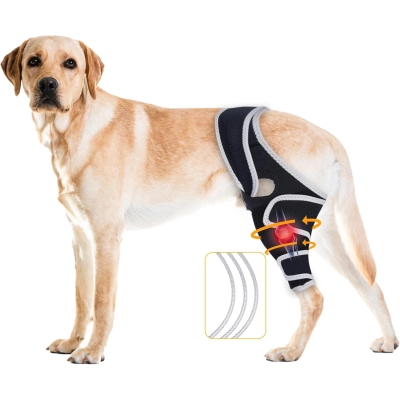
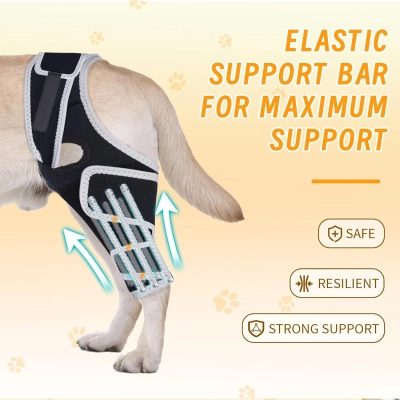
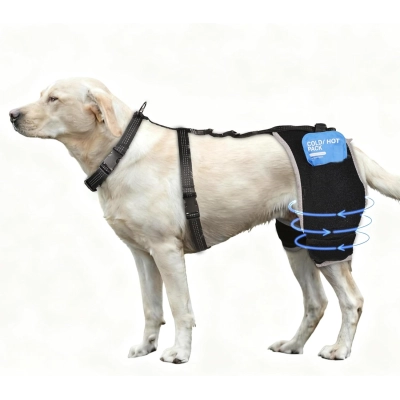
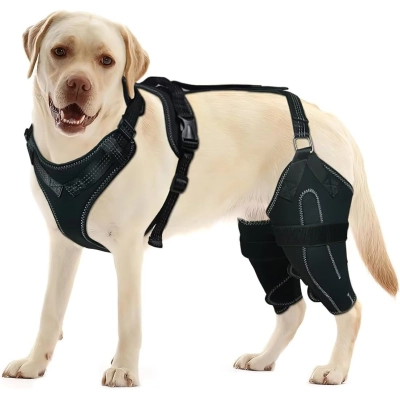
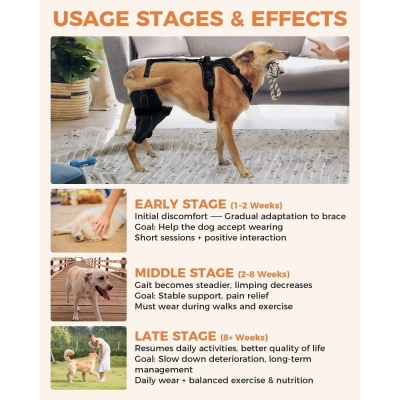
If your dog has a torn ccl, you might wonder how a best ccl brace for dogs can help. The brace gives external support to the joint. It limits unwanted movement and keeps the joint stable. This helps prevent more injury and lets your dog stay active while healing. The brace controls the forward slide of the tibia on the femur, which mimics the job of the ccl. By supporting and stabilizing the joint, the brace encourages scar tissue to form. This helps the joint heal and reduces pain. Many owners use a ccl brace for dogs as part of conservative treatment, especially for older dogs or those who cannot have surgery.
-
A ccl brace for dogs supports the joint and helps with movement.
-
The brace allows your dog to walk and play with less pain.
-
It helps the joint heal by keeping it in the right position.
Dog Knee Brace Types and Fit
Choosing the best dog knee brace matters for proper treatment. You will find custom braces and off-the-shelf options. Custom braces fit your dog perfectly and give the most support. Off-the-shelf braces are easier to get and cost less, but may not offer the same comfort. The fit of the brace is very important. A poor fit can cause more injury or make your dog uncomfortable. Always ask your vet about the best dog knee brace for your dog’s joint injury.
|
Type |
Description |
Considerations |
|---|---|---|
|
Custom-made orthotics |
Tailored fit and superior support. |
Higher price and longer wait. |
|
Off-the-shelf options |
More accessible and affordable. |
May not provide same comfort. |
-
Braces should be backed by veterinarians or orthopedic specialists.
-
A high-quality brace gives enough support to prevent reinjury.
Surgery for CCL Injuries
Sometimes, a ccl brace for dogs is not enough for proper treatment. Surgery is often recommended for medium or large dogs, or when the torn ccl is severe. Your vet will help you choose the best option for your dog’s joint injury. Common surgeries include Tibial Plateau Leveling Osteotomy (TPLO), Tibial Tuberosity Advancement (TTA), and Lateral Suture. TPLO works well for large, active dogs. TTA is less invasive and may suit some dogs better. Lateral Suture is best for small to medium-sized dogs. Your vet may also suggest arthroscopy or the Tightrope Technique for certain joint injuries.
Always talk to your veterinarian before choosing a ccl brace for dogs or surgery. Your vet knows your dog’s needs and will guide you to the proper treatment.
Pros and Cons of CCL Braces vs. Surgery
Effectiveness and Support
You want your dog to move better and hurt less. A ccl brace helps many dogs with moderate injuries. One study showed 65% of dogs with braces walked better in eight weeks. Braces support the knee from the outside. They help your dog walk with more confidence. Older dogs or sick dogs may not need surgery. Dr. Lisa Freeman, a veterinary orthopedic specialist, says:
"Braces can be a great part of treatment for knee pain in dogs. They work best with physical therapy and weight control. Not every dog needs surgery."
Surgery gives stronger support for a long time. Vets often suggest surgery for young, active dogs or dogs with bad ccl tears. Studies show custom stifle braces help dogs stand better. But surgery usually keeps the joint stable for years.
Recovery Time and Rehabilitation
You want your dog to heal fast. Recovery after ccl surgery can take 16 weeks or longer. Some dogs need up to a year to get back to normal. Using a brace means less recovery time, but it is not always clear. Older studies say dogs with braces may need 3 to 8 weeks of cage rest. Results are different for each dog.
Rehabilitation helps dogs after surgery or with braces. Here is a table with common rehab methods:
|
Rehabilitation Method |
Description |
|---|---|
|
Laser and Shockwave Therapy |
Used early to help healing and ligament remodeling. |
|
Underwater Treadmill Exercise (UWTM) |
Maintains muscle and improves knee movement, strength, and endurance. |
|
Swimming |
Good for fitness and core strength, but start slowly. |
|
Weight Management |
Key for recovery; keeping your dog at a healthy weight helps healing. |
|
Controlled Exercises |
Needed for both surgery and brace use, focusing on slow progress. |
Cost and Accessibility
Money is important when you pick a ccl brace or surgery. Surgery costs $800 to $7,500 for each knee. A brace costs less and is easier to get. You can buy custom braces or ready-made ones. Some dogs do not like wearing a brace. Long use can cause skin problems. In many places, you can pick different surgeries like TPLO, TTA, or lateral suture. Good braces help many dogs heal and avoid more injuries.
-
Stifle braces are popular and help many dogs with ccl tears.
-
Custom braces for dogs can lower pain and are less invasive.
Risks and Complications
Every treatment has risks. Surgery can cause infection, swelling, or problems with implants. Some dogs heal slowly or have nerve damage. Long-term risks include arthritis, meniscal injuries, and pain. Serious problems like bone infection or implant failure can happen, but vets watch for these.
Here are some common surgery problems:
-
Infection, bleeding, or loose implants
-
Slow healing or nerve issues
-
Arthritis, ongoing limping, or thick ligaments
-
Serious cases: bone infection or implant failure
Braces have risks too. Most dogs do well, but some get skin sores, hair loss, or device problems. About 91% of dogs had small issues like skin irritation or brace slipping. These usually get better with changes. The fit of the brace is very important. You need to check your dog’s skin and make sure the brace stays on. Success depends on good fit and regular vet visits.
Impact on Quality of Life
You want your dog to be happy and comfortable. Both choices can help your dog feel better. Pain management, like acupuncture or special therapies, helps your dog move and play. Regular rehab and therapy help a lot. Studies show rehab and dog therapy improve life and lower pain and anxiety.
|
Treatment Option |
Quality of Life Improvement |
Pain Reduction Effect |
Anxiety Reduction Effect |
|---|---|---|---|
|
Conventional Rehabilitation |
Significant |
Large |
Large |
|
Dog Therapy |
Significant |
Medium |
Large |
-
Rehab and therapy help your dog feel better and stay active.
-
Pain management keeps your dog comfortable and stops future problems.
Choosing between a ccl brace and surgery depends on your dog’s age, health, activity, and your budget. Talk to your vet to find the best way to help your dog heal and be happy.
How to Choose the Best Support Option
Factors to Consider (Age, Size, Activity, Health, Budget)
You want the best for your dog, but choosing between a ccl brace and surgery can feel overwhelming. Start by looking at the main factors. Each dog is unique, so think about your dog's age, size, and how active they are. Health and budget matter, too. Here’s a quick table to help you compare:
|
Factor |
Dog Knee Brace |
Surgery |
|---|---|---|
|
Cost |
~$2,000 |
~$3,000+ |
|
Recovery Time |
Longer healing |
Faster recovery |
|
Risk Factors |
No anesthesia risk |
Anesthesia risks |
|
Effectiveness |
Temporary support |
Higher success rates |
If your dog is older or has health problems, a brace might be safer. Young, active dogs often do better with surgery. Always think about how much time you can spend on canine rehab and what fits your budget.
Questions to Ask Your Vet
Before you decide, talk with your vet. Bring a list of questions to make sure you understand every step. Here are some good questions to ask:
-
What is a ccl (cranial cruciate ligament)?
-
How is an injury to this ligament diagnosed?
-
How did this rupture happen?
-
What can we do to help our dog feel better?
-
How much does surgery cost?
-
Can we use a brace like in humans?
-
What if surgery is not an option?
Your vet can explain how canine rehab works for each treatment. Ask about the rehab plan, how long it takes, and what you need to do at home. Good canine rehab can make a big difference in your dog’s recovery.
Real-Life Scenarios
Let’s look at a real story. Pasha, an 11-year-old Golden Retriever, had a full ccl tear. Her family worried about surgery and the cost. They chose a brace and focused on canine rehab. With time, patience, and a strong canine rehab plan, Pasha walked again without pain. She even avoided arthritis and stayed active a year later. This shows that with the right support and rehab, your dog can get back to enjoying life.
Preventing CCL Injuries and Supporting Recovery
Weight Management and Conditioning
Keeping your dog at a healthy weight is one of the best ways to protect their knees. Extra pounds put more stress on the ccl and can slow down recovery. You can help your dog by feeding balanced meals and avoiding too many treats. Regular exercise keeps muscles strong and supports the joints. Try these simple tips:
-
Keep your dog’s weight in a healthy range.
-
Feed a diet rich in nutrients for joint health.
-
Do strength exercises like gentle hill walks or sit-to-stand drills.
-
Warm up before walks to get the body ready.
-
Avoid sudden, intense activity. Stick to a steady routine.
If you’re not sure where to start, ask your vet for a weight-loss plan and a rehab schedule. Consistency helps your dog heal and stay active.
Home Adjustments and Supportive Care
Making a few changes at home can make a big difference during rehab. You want your dog to feel safe and comfortable as they recover from a ccl injury. Here’s a quick table with helpful ideas:
|
Modification Type |
Description |
|---|---|
|
Physical Therapy |
Improves mobility and strength in the injured leg. |
|
Acupuncture |
Eases pain and helps healing. |
|
Weight Management |
Reduces strain on the ccl and speeds up recovery. |
|
Controlled Leash Walks |
Limits activity and protects the knee during early rehab. |
|
Non-Slip Mats |
Prevents slips that could hurt your dog again. |
|
Crate Rest |
Restricts movement so the knee can heal. |
|
Dietary Supplements |
Omega-3s and anti-inflammatory foods support joint health. |
You should also limit running, jumping, and rough play. Use a leash for bathroom breaks and avoid dog parks until your vet says it’s safe. Rehab at home, like gentle stretching or massage, can help your dog regain strength.
Monitoring for Bilateral CCL Tears
After a ccl injury, you need to watch both knees. Studies show up to half of dogs with one tear may hurt the other leg within a few years. Keep an eye out for limping or changes in how your dog moves. Ongoing rehab is key. Try these strategies:
-
Schedule regular rehab sessions to build strength and flexibility.
-
Use specific rehab exercises to stabilize the knee.
-
Work with your vet to create a rehab plan that fits your dog’s needs.
Staying alert and sticking to your rehab plan helps your dog recover and lowers the risk of another injury. Your support makes all the difference!
Choosing between a CCL brace and surgery for your dog can feel tough. Each option has its own benefits and limits.
-
A dog knee brace gives temporary support and comfort but does not fix the main problem.
-
Surgery often works better for long-term stability, especially if your dog has a meniscal tear.
-
The right choice depends on your dog’s age, size, activity, and health.
-
Always let your veterinarian check your dog and guide you.
You have good options to help your dog feel better. This blog is for education only and does not replace advice from your vet.
FAQ
How do I know if my dog needs a brace or surgery?
Your vet will help you decide. They look at your dog’s age, size, health, and how bad the injury is. Surgery works best for young, active dogs. Braces help older dogs or those who cannot have surgery.
Can my dog wear a CCL brace all day?
Most dogs should wear the brace during walks or activity. You need to check for skin problems. Take the brace off at night or when your dog rests. Ask your vet for a schedule.
Tip: Watch for rubbing or slipping. Call your vet if you see any issues.
How long does recovery take after CCL surgery?
Recovery usually takes 2 to 4 months. Some dogs need more time. You will help your dog with rehab, short walks, and rest. Your vet will give you a plan for each step.
Will my dog hurt the other knee?
Yes, many dogs injure the other knee later. You can lower the risk by keeping your dog at a healthy weight and using safe exercises. Regular vet visits help you catch problems early.

0 Comments