
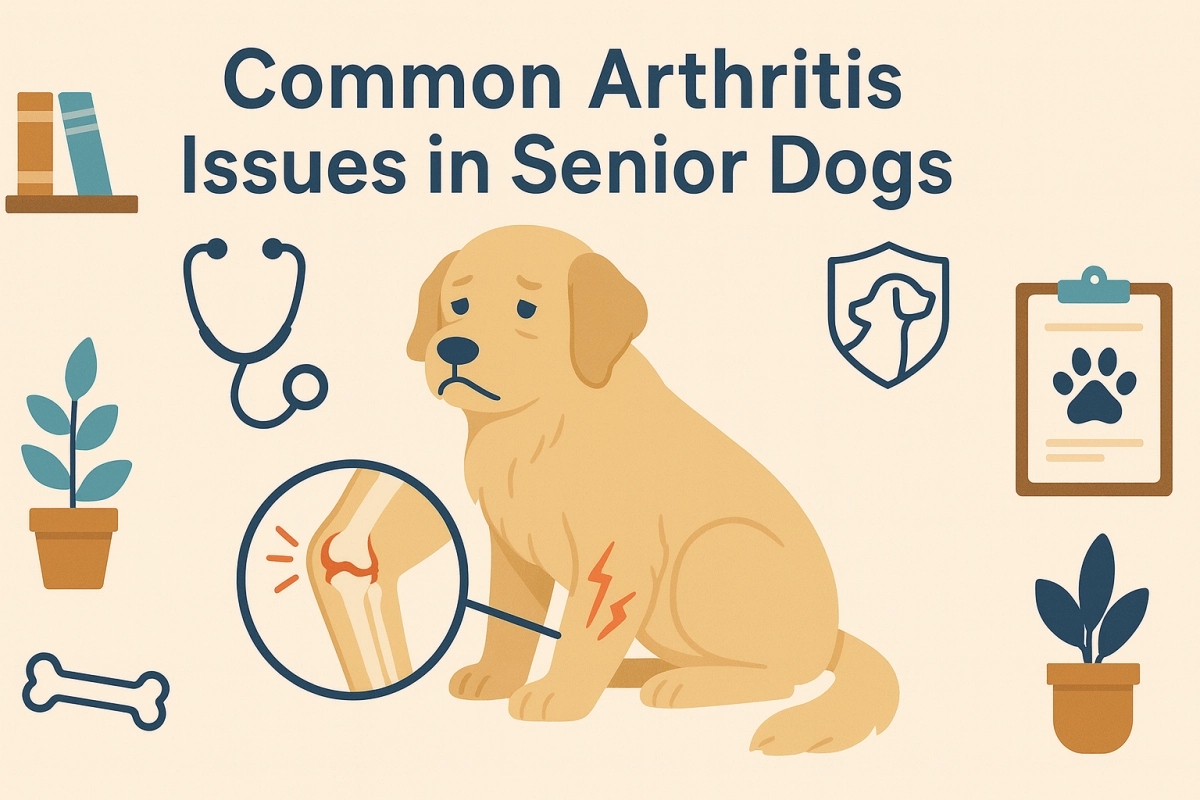
As dogs grow older, their bodies go through many changes, just like humans. One of the most common health problems senior dogs face is arthritis. Arthritis can quietly affect your dog’s comfort, mood, and mobility, often long before you realize what’s happening. Understanding this condition can help you support your aging companion and keep their golden years as comfortable as possible.
What Is Arthritis in Dogs?
Arthritis is the inflammation and degeneration of joints. In senior dogs, it usually develops slowly over time as the protective cartilage between the bones wears down. Without enough cartilage, bones rub against each other, causing pain, stiffness, and reduced range of motion.
The most common form in dogs is osteoarthritis (also called degenerative joint disease). It can affect any joint, but it’s most often seen in:
-
Hips
-
Knees
-
Elbows
-
Back
- Hock
-
Neck
- Wrist
Common Causes of Arthritis in Senior Dogs
Several factors contribute to arthritis in older dogs:
-
Natural Aging
Years of running, jumping, and playing gradually stress the joints. Over time, normal wear and tear can lead to cartilage breakdown. -
Previous Injuries
Dogs that have had fractures, ligament tears (like a torn ACL), or joint dislocations are more likely to develop arthritis in those areas later in life. -
Genetics and Breed
Large and giant breeds—such as German Shepherds, Golden Retrievers, Labradors, and Rottweilers—are more prone to joint problems. Some breeds also have inherited joint issues like hip or elbow dysplasia. -
Excess Weight
Being overweight or obese puts extra pressure on the joints, accelerating cartilage damage and worsening inflammation. -
Joint Abnormalities
Conditions like hip dysplasia, elbow dysplasia, or patellar luxation (a loose kneecap) can cause abnormal joint function and lead to early-onset arthritis.
Signs and Symptoms of Arthritis in Senior Dogs
Arthritis in dogs is often subtle at first. Many owners mistake the early signs for “just getting old.” Look out for:
-
Stiffness, especially after sleeping or resting
-
Difficulty getting up from lying down
-
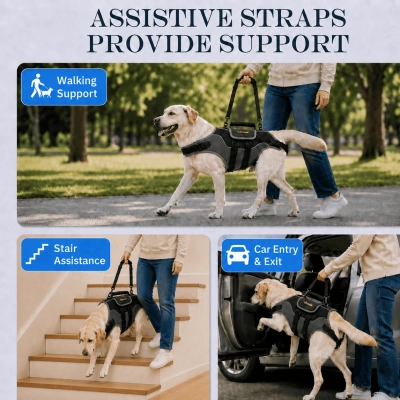
Reluctance to jump, climb stairs, or get in the car
-
Slower on walks or tiring more easily
-
Limping or favoring one leg
-
Trouble lying down or shifting positions frequently
-
Irritability or changes in behavior when touched near painful joints
-
Muscle loss around affected limbs due to disuse
-
Licking, chewing, or biting at joints
Not every dog will show all of these signs, and some dogs try very hard to hide their pain. Any change in mobility or attitude in a senior dog should be taken seriously.
Commonly Affected Joints and Related Issues
-
Hip Arthritis
1) Often associated with hip dysplasia
2) Dogs may have trouble standing up, jumping, or climbing
3) "Bunny hopping" gait is sometimes seen -
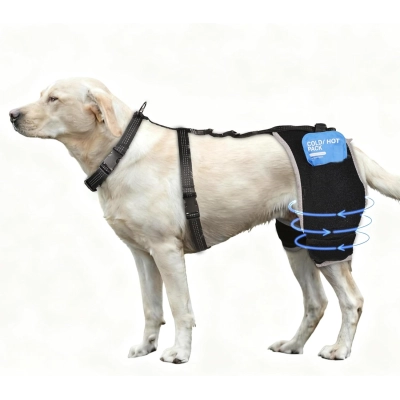
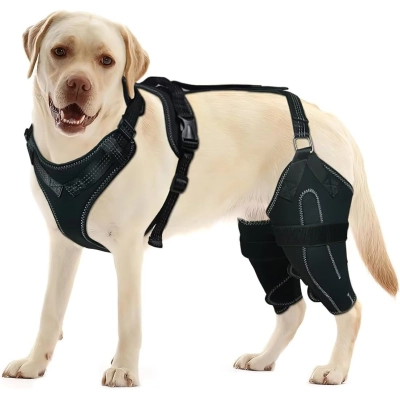
Knee Arthritis
1) Common after ligament injuries (like cranial cruciate ligament tears)
2) May cause intermittent lameness or stiffness, especially after activity -
Elbow Arthritis
1) Typical in large breeds
2) Front-leg lameness, reluctance to bear weight on one forelimb, or uneven gait -
Spinal Arthritis (Spondylosis)
1) Stiff back, reluctance to turn or twist
2) Difficulty jumping, reluctance to be picked up, or sensitivity when touched along the spine
Home Adjustments to Help Arthritic Dogs
Small changes at home can make a big difference:
-
Soft, supportive bedding: Orthopedic beds help cushion painful joints
-
Ramps or stairs: To replace jumping onto beds, couches, or into cars
-
Non-slip rugs or mats: To prevent slipping on tile or hardwood floors
-
Raised food and water bowls: Reduce the need to bend down
-
Warm, draft-free resting areas: Cold and damp conditions can worsen stiffness
Creating an arthritis-friendly home environment helps your dog move more safely and confidently.
Living Well With an Arthritic Senior Dog
Arthritis doesn’t mean your dog’s happy days are over. It does mean they need:
-
Your patience
-
Your attention to small changes
-
Your willingness to adapt routines and environment
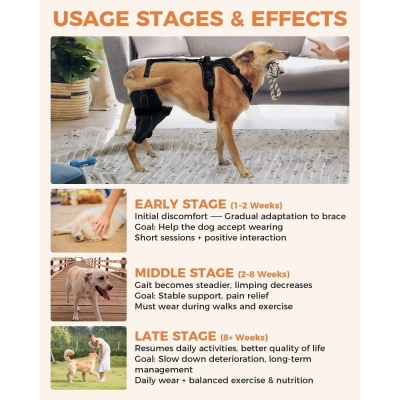
With thoughtful care, many senior dogs with arthritis still enjoy their walks, their meals, and, most importantly, their time with you.

0 Comments