
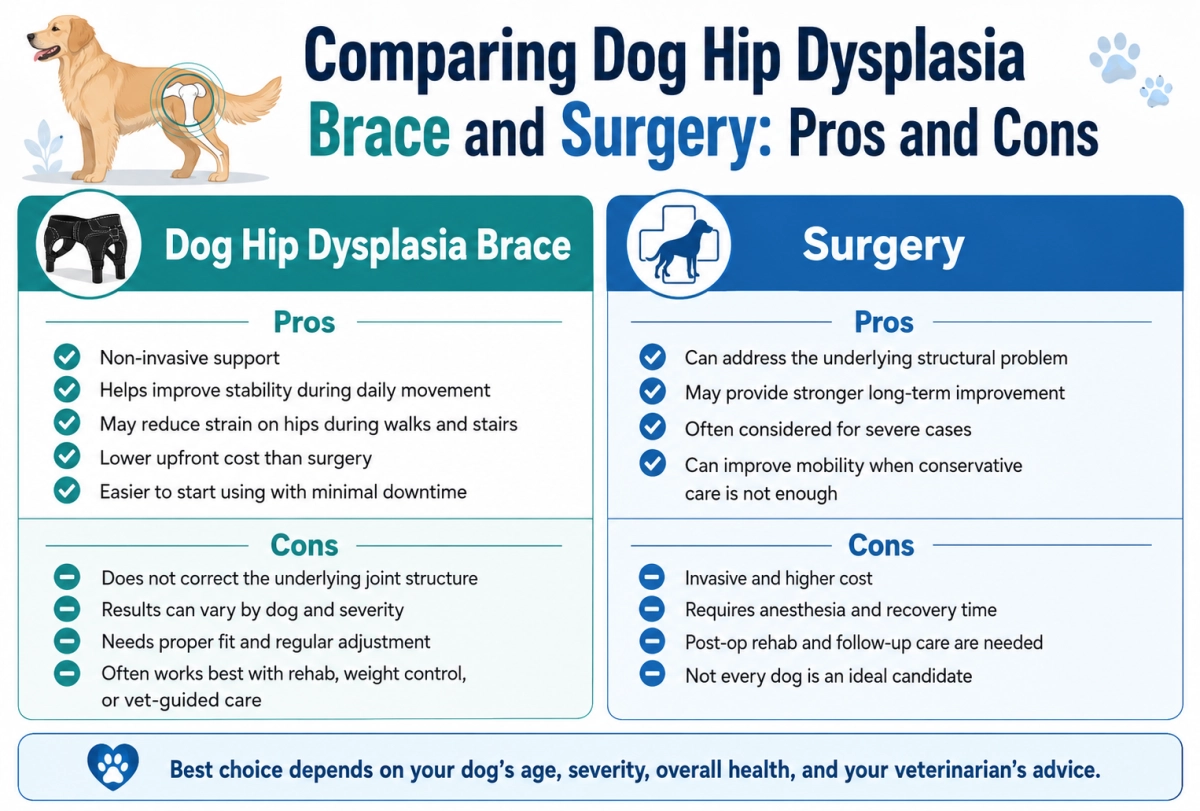
You might wonder if there’s a clear winner between Dog Leg Braces for Hip Dysplasia and surgery. The truth is, no single choice fits every dog. Genetics, weight, diet, and exercise all play a big role in your dog’s joint health. Bracing often helps mild to moderate cases or when surgery isn’t a good fit. Surgery works best for severe problems. Think about your dog’s age, how active they are, and what care you can give. You’re not alone in this—let’s find the path that makes your dog happiest.
Key Takeaways
-
Bracing does not need surgery. It helps dogs with mild or moderate hip dysplasia. Bracing gives support and lowers pain.
-
Surgery is needed for bad hip dysplasia. It can help dogs move better and feel less pain.
-
Finding hip dysplasia early is important. Treating it soon can help your dog's joints stay healthy.
-
Think about your dog's age and how active they are. Also, look at their health before picking bracing or surgery.
-
Seeing the vet often and having a care plan helps your dog with hip dysplasia.
What Is Hip Dysplasia?
Understanding Hip Dysplasia in Dogs
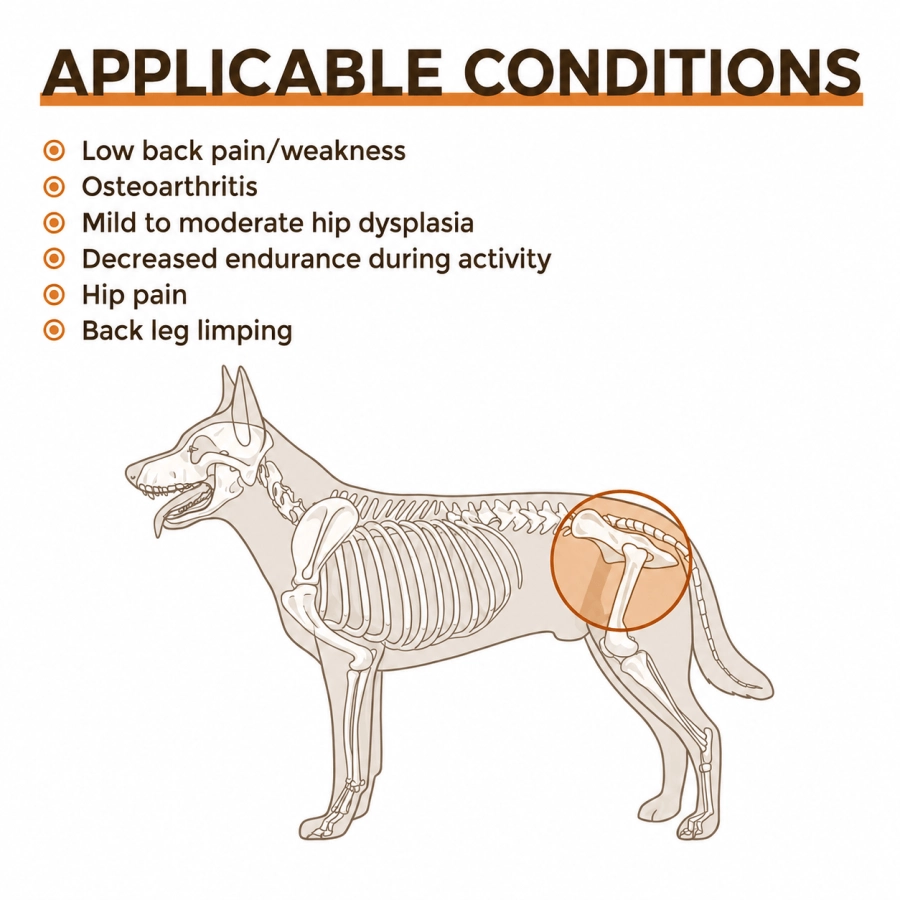
Your vet might say your dog has hip dysplasia. But what does that mean? Hip dysplasia happens when the hip joint does not grow right. The joint becomes loose. This makes it hurt and hard for your dog to move. Dogs with hip dysplasia have trouble walking because their hip is not steady.
Let’s check out some medical facts:
|
Evidence Type |
Description |
|---|---|
|
Definition |
Canine hip dysplasia means the hip joint grows wrong. The joint is loose and the femoral head can slip out early in life. |
|
Impact |
Hip dysplasia causes the joint to break down. The joint gets loose, changes shape, and can get osteoarthritis. |
Hip dysplasia starts when your dog is young. The loose joint gets worse over time. This can cause arthritis and more pain.
Common Signs and Symptoms
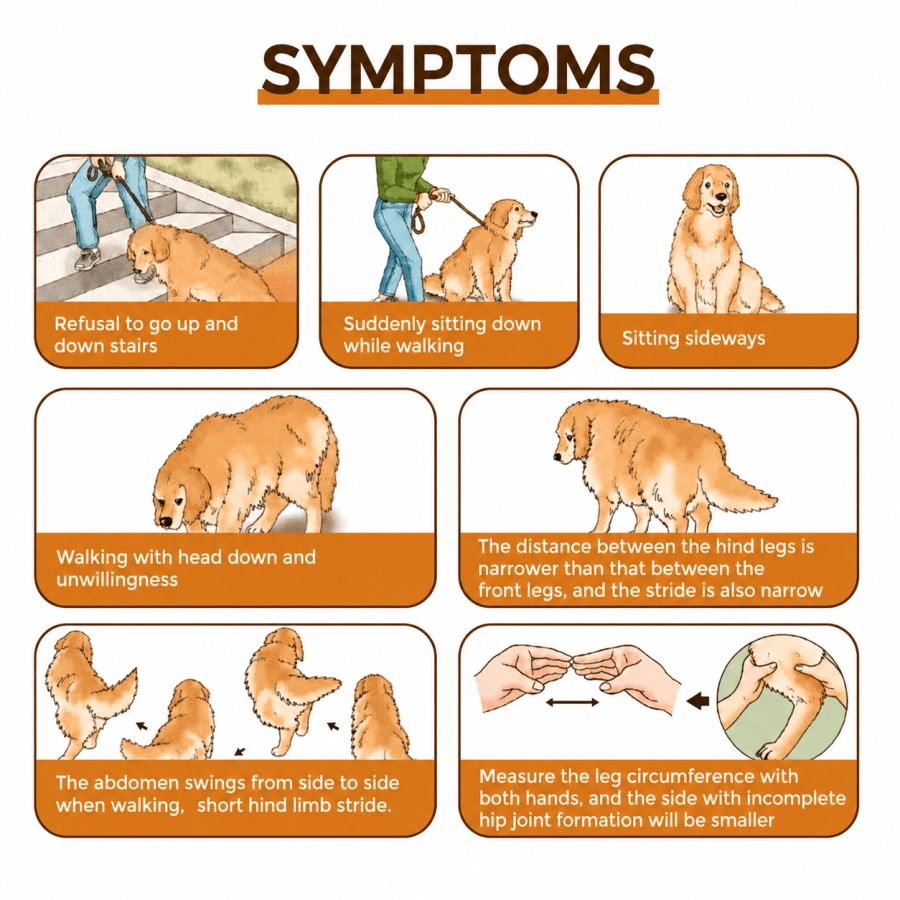
Do you wonder what signs to look for? Dogs with hip dysplasia show some clear signs at home. Here are the most common symptoms:
-
Hard time getting up or lying down
-
Trouble going up stairs or jumping
-
Bunny-hop run
-
Tiredness or less play
-
Stiff back legs when walking
-
Less muscle in the back legs or thighs
-
Grinding sounds from the hip when moving
-
Pain or soreness in the back legs
-
Not moving the hip as much
If your dog plays less or skips favorite things, hip dysplasia might be why. These signs mean your dog has trouble moving.
Why Diagnosis Matters
You may ask, “Why is a diagnosis so important?” Finding hip dysplasia early helps your dog live better. Early care keeps your dog active and feeling good. Some surgeries work best for young dogs, so timing is important.
Vets use X-rays and tests like PennHIP to check for hip dysplasia. These tests show how loose the hip joint is. They help your vet pick the best treatment. Good X-rays show how much of the femoral head is in the hip socket.
Tip: If you see any signs above, call your vet. Acting early can help your dog move better and feel happier.
Dog Leg Braces for Hip Dysplasia
How Braces Work
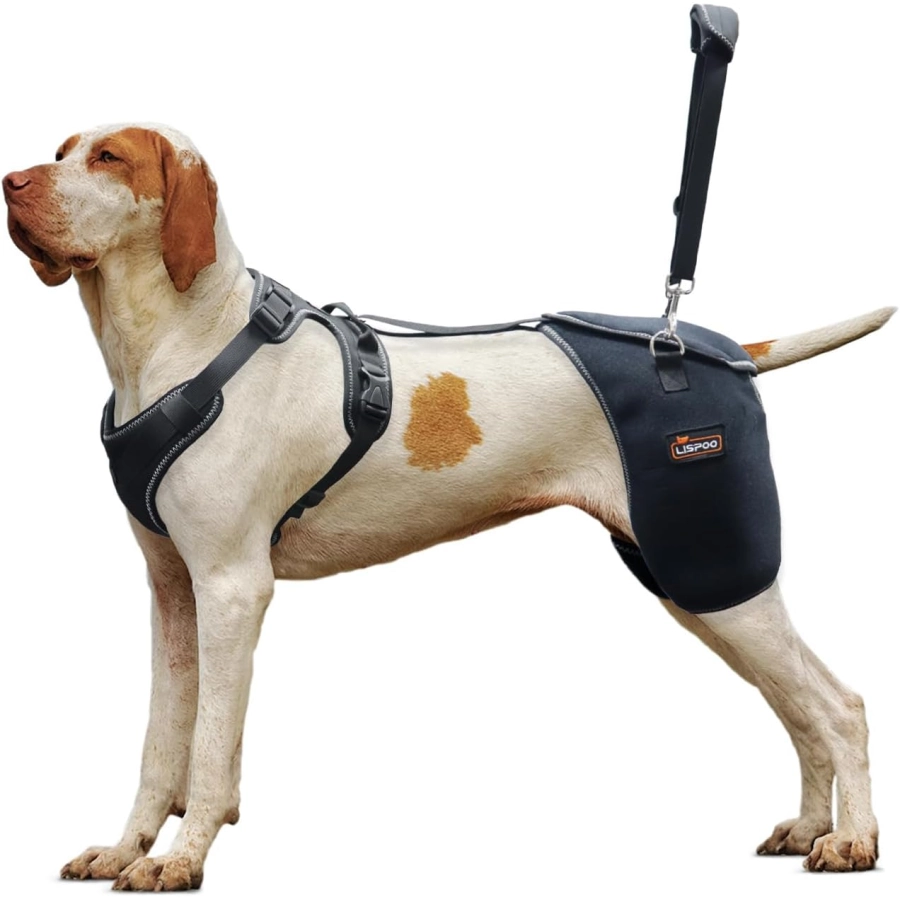
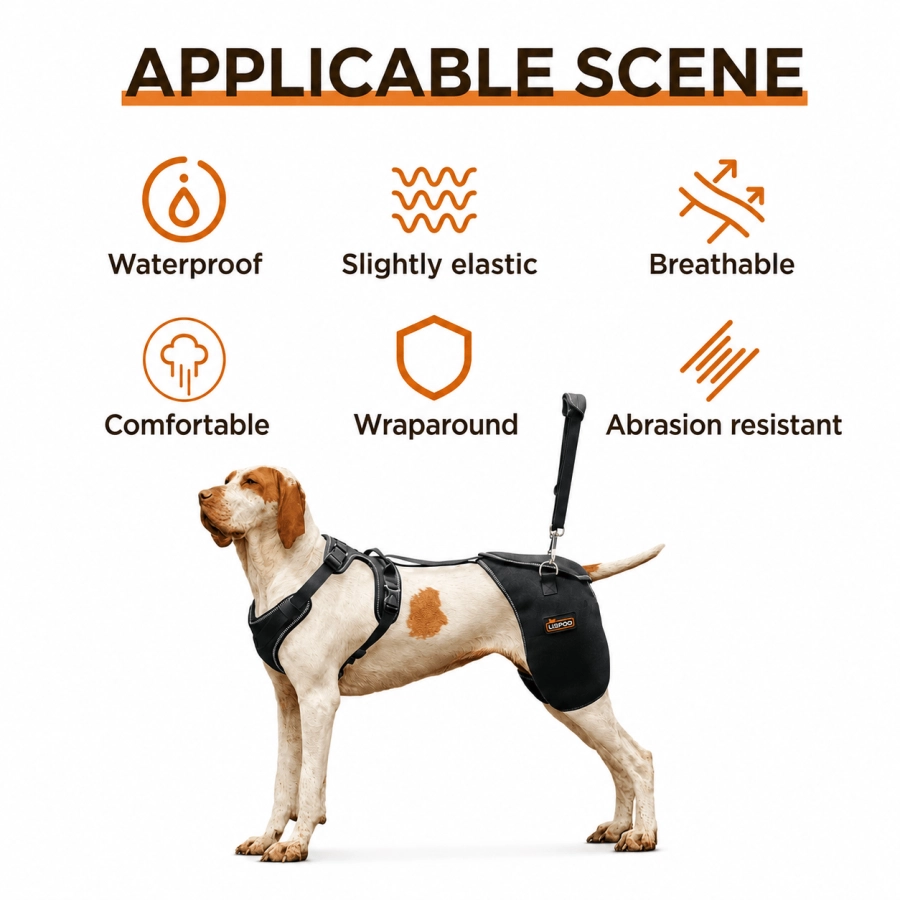
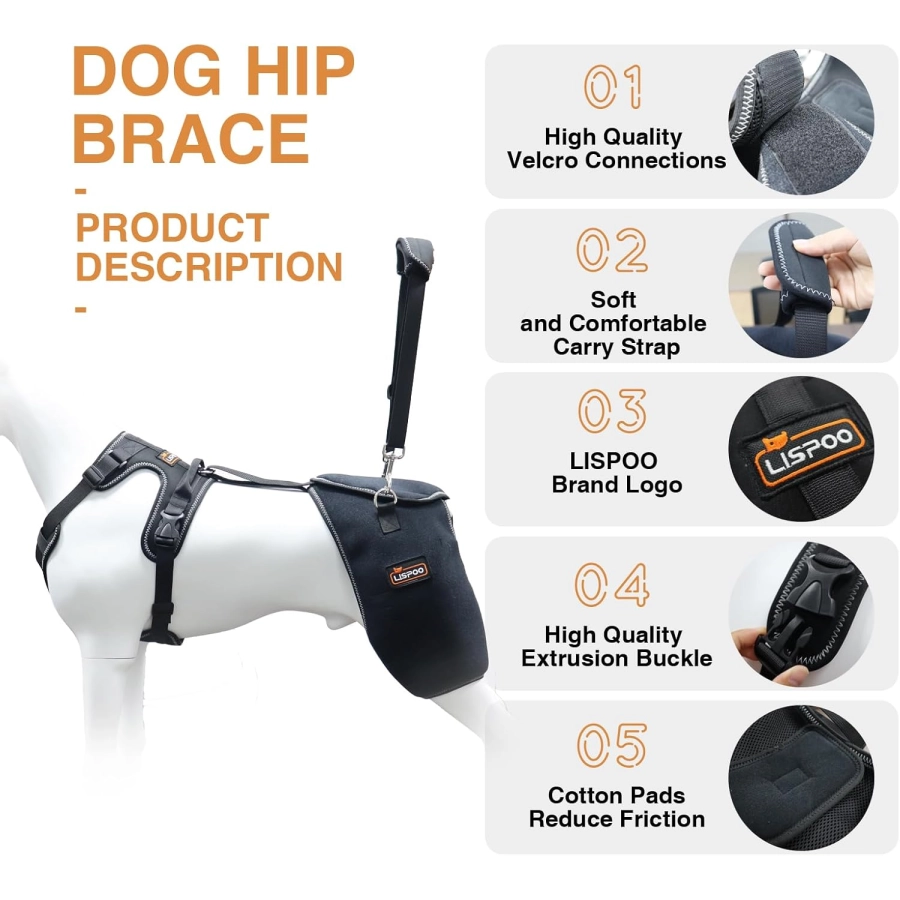
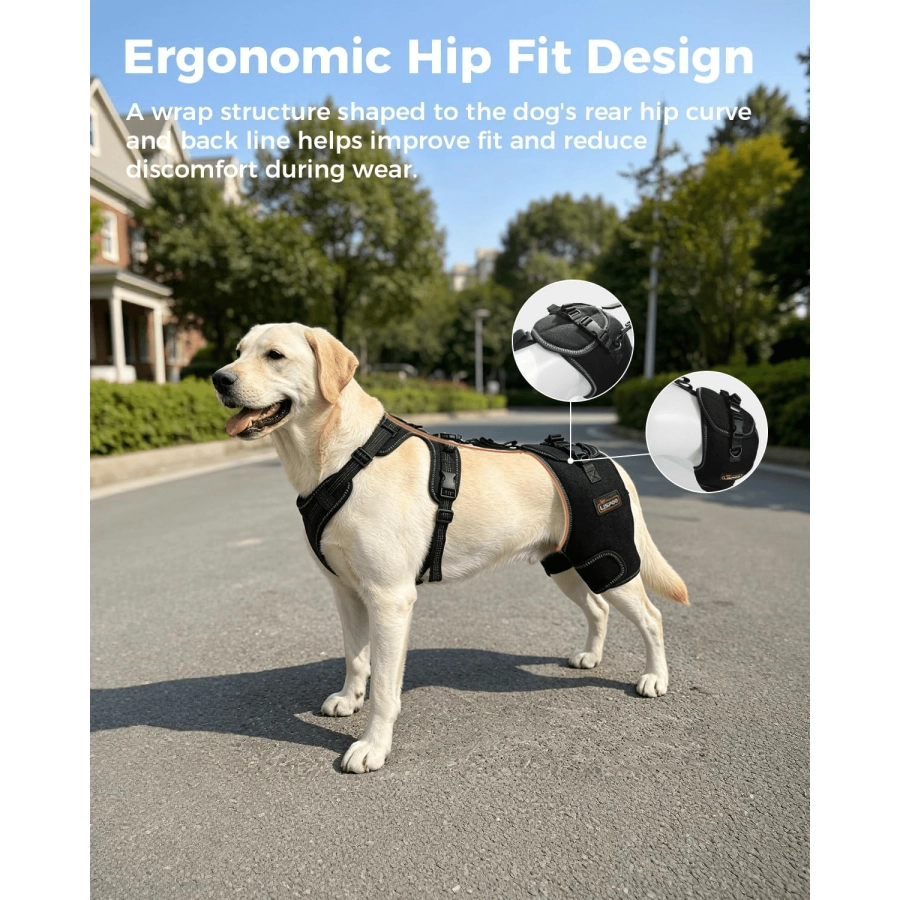
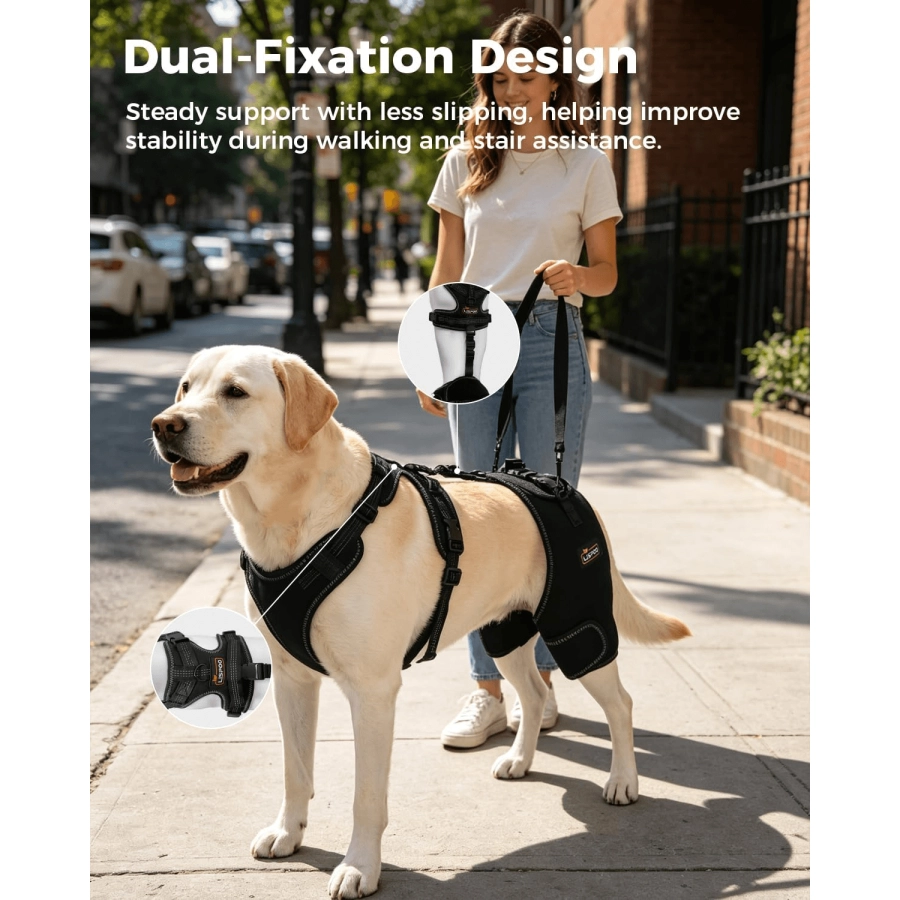
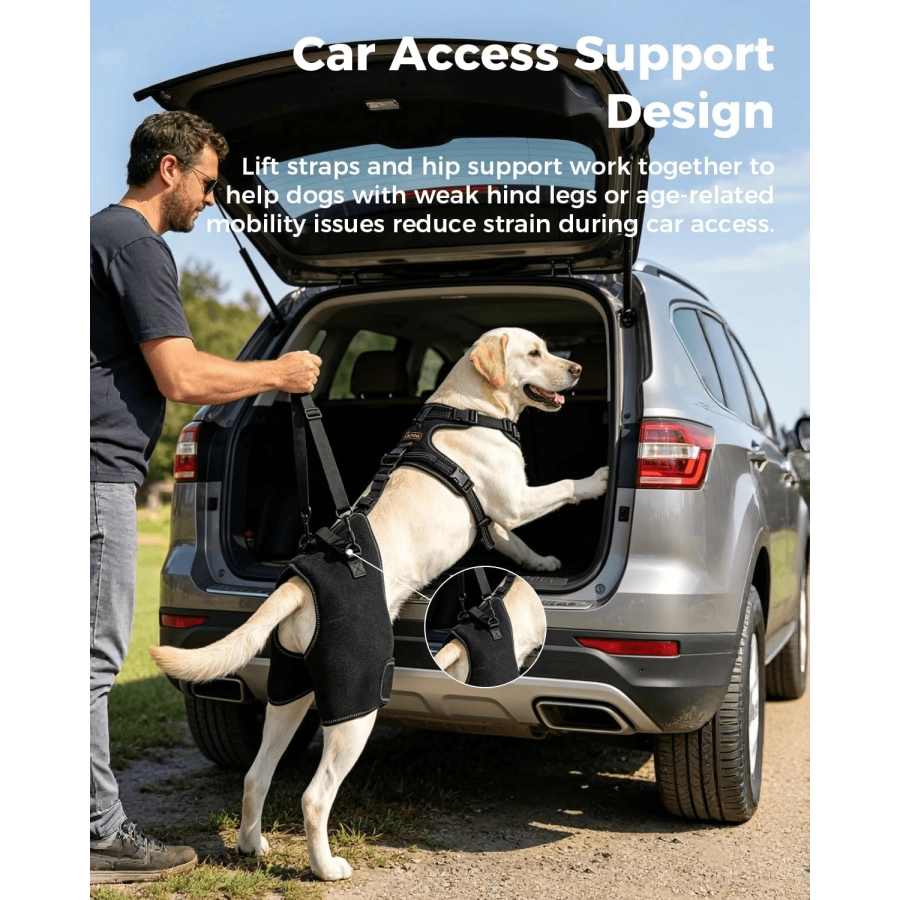
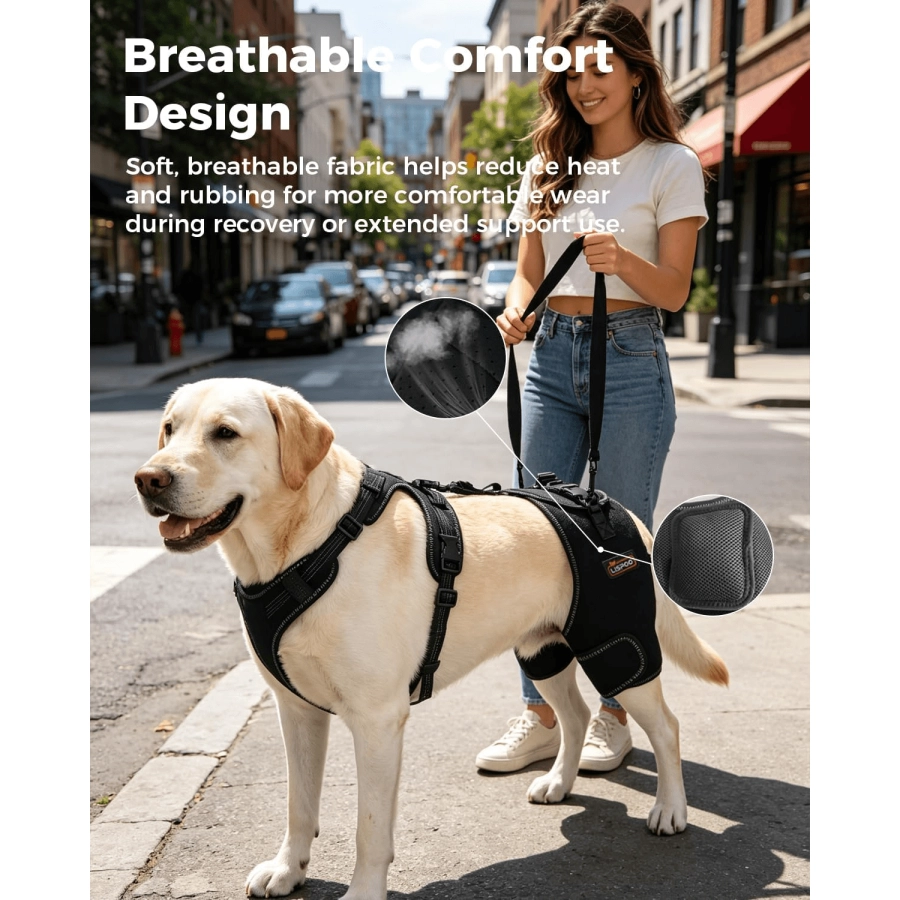
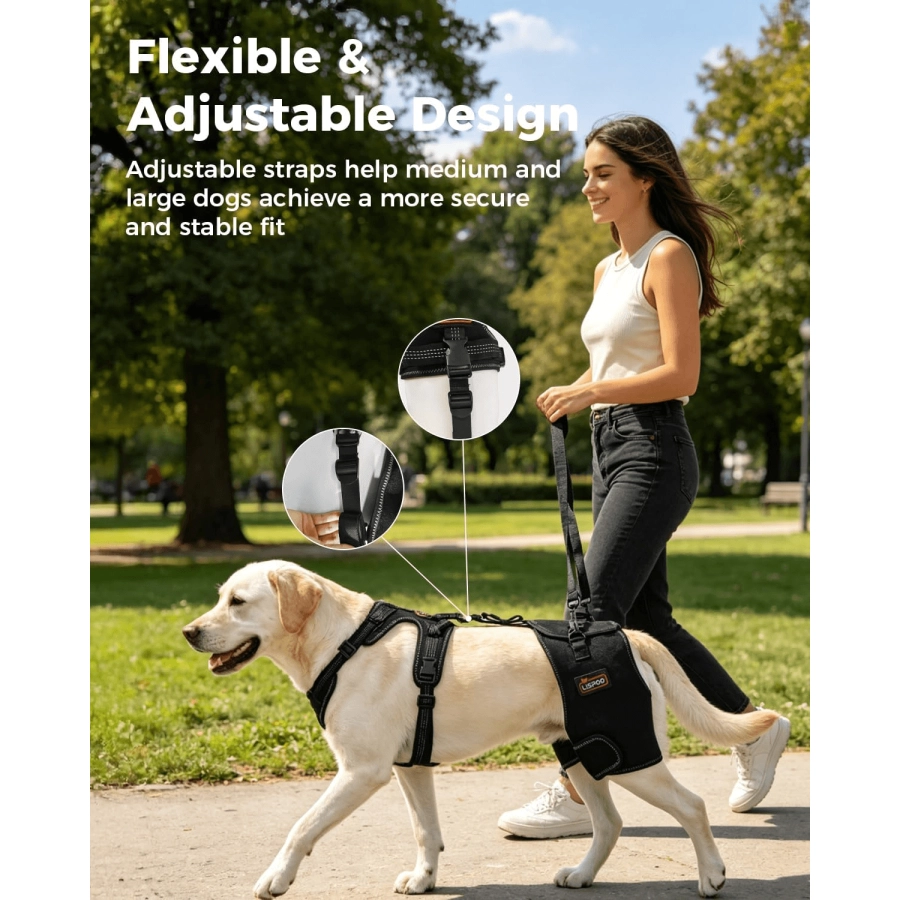
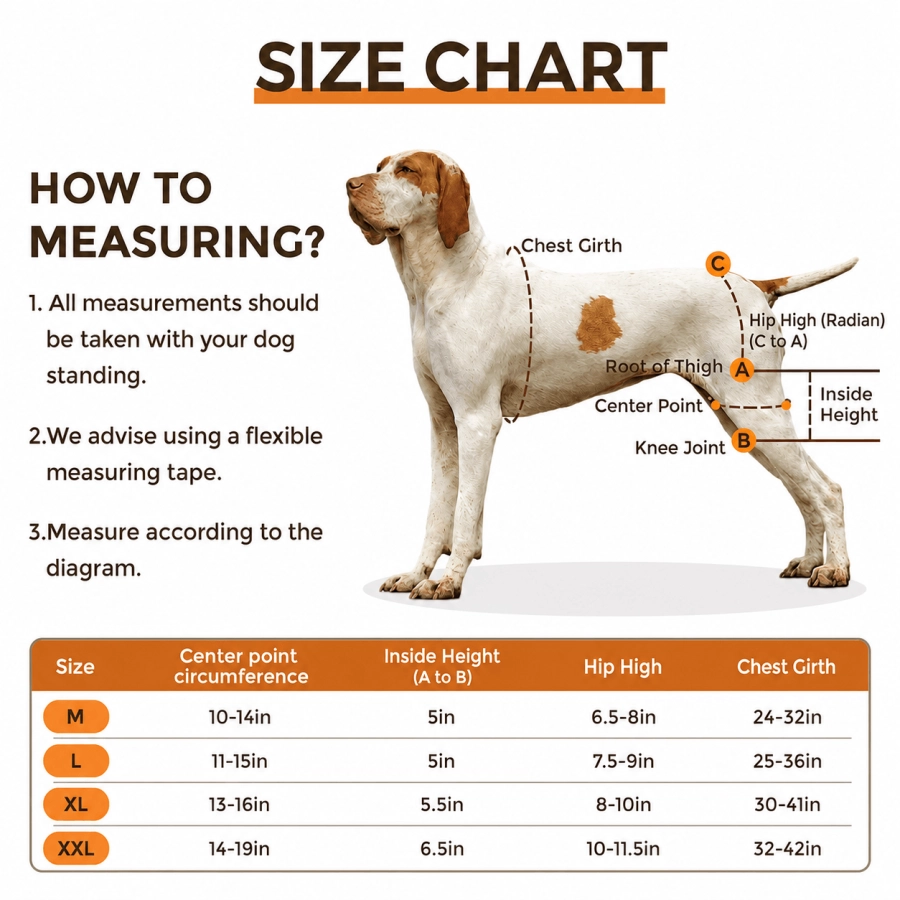
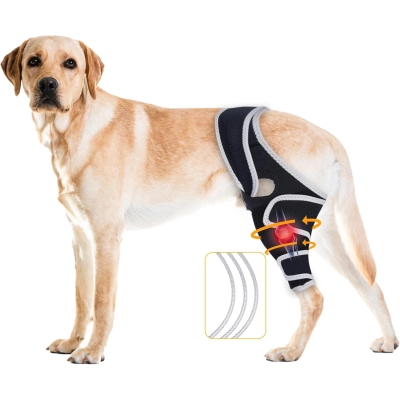
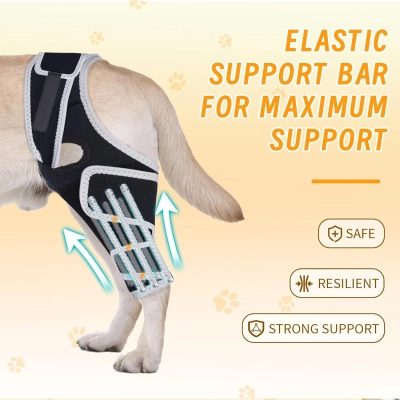
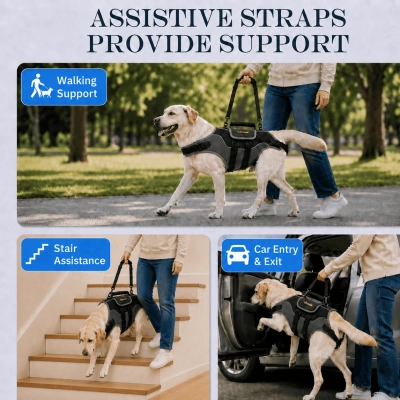
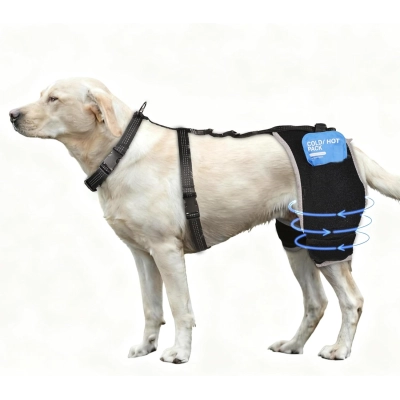
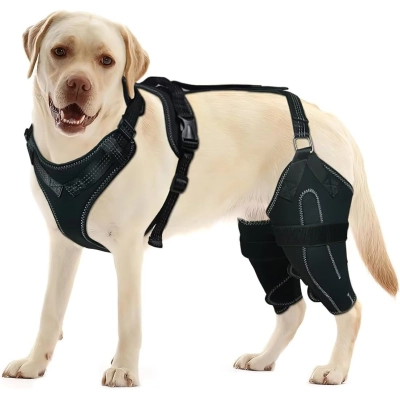
Dog braces for hip dysplasia give your dog’s hips extra support from the outside. You strap the brace around your dog’s hips and back legs. This helps keep the joint steady and stops it from moving too much. The brace also shifts weight away from sore spots, which can make walking easier. Some dogs feel more confident and move better with this kind of help.
Here’s a quick look at how dog leg braces for hip dysplasia work:
|
Function |
Description |
|---|---|
|
Joint Stabilization |
Limits too much movement in the hip joint. Dogs often walk better and feel less pain. |
|
Biomechanical Offloading |
Takes pressure off painful areas, so your dog can move with less stress on the joint. |
|
Proprioception & Neuromuscular Re-education |
Helps your dog know where their legs are, making movement safer. |
Pros of Bracing
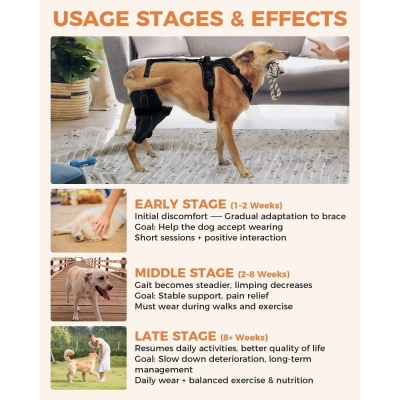
Dog leg braces for hip dysplasia offer a non-surgical treatment that many owners like. You don’t need to worry about anesthesia or surgery. Bracing works well for mild or moderate hip dysplasia, for dogs who can’t have surgery, or as support after surgery. Many dogs show better mobility and less pain when using these nonsurgical interventions. You can also try bracing first to see if your dog improves before thinking about surgery.
Note: Bracing gives you a way to help your dog stay active and comfortable without big risks.
Cons and Limitations
Dog leg braces for hip dysplasia do not cure hip dysplasia. They help manage pain and movement but do not fix the joint. You need to check your dog’s skin every day for rubbing or sores. Some dogs need time to get used to wearing a brace. High-quality braces can cost a lot, and you may need to adjust them as your dog grows or changes shape.
|
Limitation |
Description |
|---|---|
|
Not a cure |
Braces manage symptoms but do not reverse hip dysplasia or arthritis. |
|
Adaptation & skin care |
Dogs need time to adjust, and you must check for chafing or sores daily. |
|
Cost & maintenance |
Good braces can be pricey and may need re-fitting as your dog changes. |
Bracing for Infants and Dogs: A Comparison
You might wonder if bracing for infants is like using dog leg braces for hip dysplasia. Doctors use the Pavlik harness for babies with hip problems. It holds the hips in the right spot so the joint can grow better. For dogs, bracing does not fix the joint but helps with support and comfort. Both are nonsurgical treatments, but the goals are a bit different. In babies, bracing can sometimes cure the problem. In dogs, it helps manage symptoms and keeps your dog moving.
Surgery for Hip Dysplasia
Surgical Options by Age and Severity
You may wonder what surgeries dogs need for hip dysplasia. The surgeon checks your dog’s age, size, and how bad the joint is. Some surgeries help young dogs more. Other surgeries work better for older dogs or those with bad arthritis. Here is a table that shows the main choices:
|
Surgical Procedure |
Recommended Age/Condition |
Description |
|---|---|---|
|
Femoral Head Ostectomy (FHO) |
Any age |
The femoral head is removed. This makes a false joint. It helps pain but does not make the hip normal. |
|
Double or Triple Pelvic Osteotomy (DPO/TPO) |
Usually under 10 months old |
The surgeon cuts and turns the pelvic bones. This helps the ball and socket fit better. |
|
Total Hip Replacement (THR) |
Best for full function |
The whole hip joint is replaced with implants. This can make the hip work like normal and stop pain. |
The surgeon will pick the best surgery for your dog. The choice depends on your dog’s pain and how much the hip has changed.
Pros of Surgery
Surgery can give your dog a new start. If bracing does not work or your dog has bad hip dysplasia, surgery can fix it for good. Many dogs run, play, and feel no pain after surgery. Surgeons say most dogs do well, especially with total hip replacement. Dogs under 50 pounds often do well with FHO. Total hip replacement helps most dogs move better and feel less pain. Your dog should feel better and move easier after surgery.
Cons and Risks
Surgery is a big deal. You need to think about cost, risks, and healing time. Here are some risks:
-
Infection
-
Nerve damage
-
Bone breaks
-
Bleeding
-
Implant breaking or coming loose
-
Leg getting shorter
-
Muscle loss
-
Not using the leg well
-
Pelvic canal getting smaller
Surgeons try hard to stop these problems, but all surgeries have risks. Healing takes time. FHO surgery takes about 6 weeks to heal. Total hip replacement takes about 12 weeks. You must help your dog rest and get better. Surgery for hip dysplasia can cost from $1,200 to $14,000. The price depends on the surgery and where you live. Talk to your surgeon about what will happen and how to help your dog heal.
Choosing the Best Option for Your Dog
Key Decision Factors
You want the best for your dog, but picking the right path can feel overwhelming. Every dog is unique, so you need to look at several things before you decide on a treatment. Here are the main factors you should think about:
-
Age: Young puppies may do better with certain surgeries, while older dogs often need different care.
-
Severity of hip dysplasia: Mild cases might only need braces and lifestyle changes. Severe cases could need surgery.
-
Presence of arthritis: If your dog already has arthritis, this changes what works best.
-
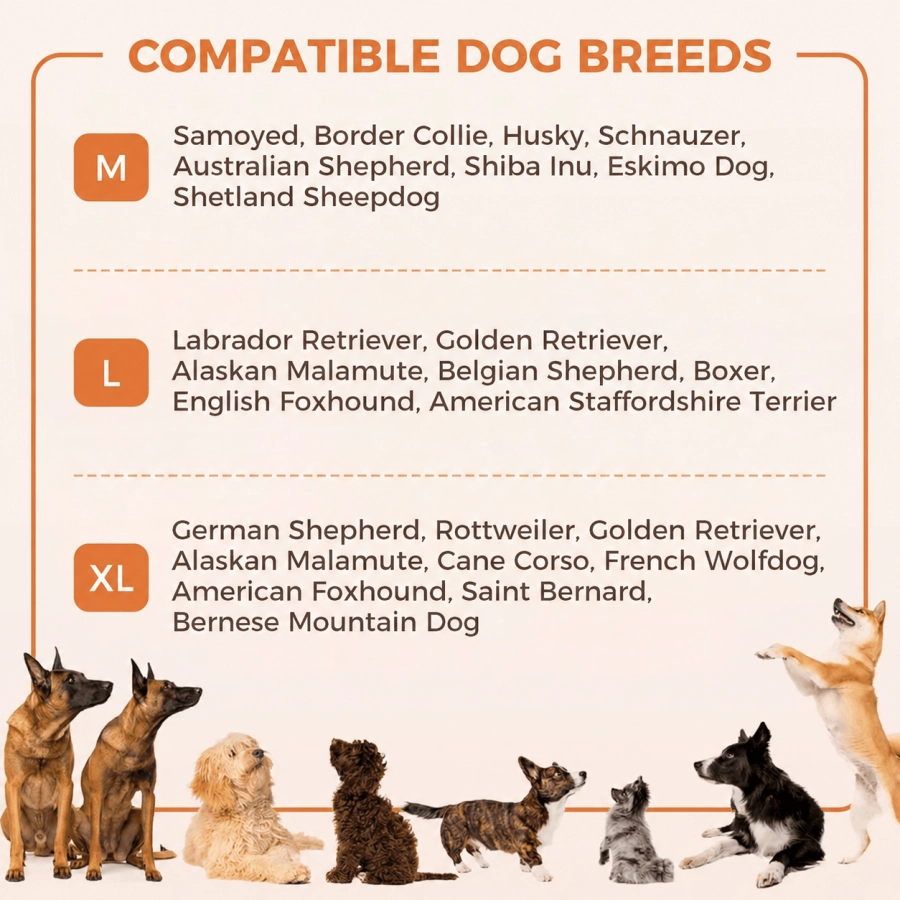
Breed and size: Large breeds and small breeds sometimes need different plans.
-
Activity level: Active dogs may need stronger support or more advanced treatment.
-
Cost: Surgery can be expensive. Bracing and other options may cost less but require ongoing care.
-
Your ability to provide care: Some treatments need daily attention. Others need short-term but intense care.
Dogs slow down as they age. Weight control becomes even more important because extra pounds put stress on sore joints. Exercise helps keep hips moving and builds muscle, but you want to avoid activities that make things worse. For younger dogs, non-surgical treatments can help them stay happy and active. As hip dysplasia gets worse, you may need to consider surgery.
Tip: There is no one-size-fits-all answer. Your dog’s needs are special, and your plan should match those needs.
Checklist for Owners
You can use a checklist to stay organized and make sure you cover all the bases. Here’s a handy table to guide you through the process:
|
Checklist Item |
Description |
|---|---|
|
Confirm diagnosis |
Use veterinary imaging (X-rays, PennHIP, or OFA screening) |
|
Maintain body weight |
Ensure a lean body weight and balanced nutrition |
|
Combine therapies |
Try rehab, osteopathy, and exercise therapy |
|
Discuss supplements |
Talk with your vet about joint supplements |
|
Schedule follow-ups |
Adjust the plan as your dog’s needs change |
|
Weight management |
Keep your dog at a healthy weight to reduce strain on hips |
|
Controlled exercise |
Use low-impact activities like short walks and swimming |
|
Pain relief medications |
Use NSAIDs or other pain relievers as prescribed by your vet |
|
Joint supplements |
Include glucosamine, chondroitin, and omega-3 fatty acids |
|
Monitor weight |
Check body weight regularly to avoid obesity |
|
Avoid strenuous exercise |
Exercise regularly but keep it moderate |
|
Supportive sleeping surface |
Provide a high-quality bed for comfort |
|
Trim nails |
Keep nails short to prevent painful toe-splaying |
|
Use ramps |
Avoid stairs or jumping to reduce strain |
|
Area rugs |
Decrease slipping risks in the home |
You can print this list or keep it on your phone. It helps you remember what to ask your vet and what to do at home.
Personalizing the Treatment Plan
No two dogs are exactly alike. You want a plan that fits your dog’s breed, age, and how bad the hip dysplasia is. Your vet will look at your dog’s comfort level and personality. Some dogs handle braces well. Others need surgery to get back to their favorite activities.
You and your vet will work together to build a plan that matches your dog’s needs. Here’s how you can make the plan personal:
-
Think about your dog’s age, weight, and how severe the condition is.
-
Look at how active your dog is and what activities they love.
-
Decide if you can manage daily care or if you need a solution with less hands-on work.
-
Know the stage of hip dysplasia. This helps you choose between surgery and conservative management.
Your vet plays a big role in this process. They will check your dog with a hands-on exam, look at X-rays, and talk with you about all the treatment options. You might start with supplements and pain relief. You might try weight loss and rehab. If your dog’s pain gets worse, you can talk about surgery.
Remember: You know your dog best. Trust your instincts and ask questions. Your vet is there to help you make the best choice for your furry friend.
Next Steps and Vet Discussion
You’ve learned a lot about managing hip dysplasia in dogs. Both bracing and surgery can help, but the best choice depends on your dog’s age, activity, and how severe the problem is. Early action and regular check-ins with your vet can make a big difference. You want your dog to feel better, move easier, and enjoy life.
Preparing for Your Vet Visit
Getting ready for your vet visit helps you and your dog feel less stressed. Here are some steps you can take:
-
Write down any symptoms you notice, like limping, stiffness, or changes in play.
-
Keep a list of unusual behaviors, such as trouble getting up or less interest in walks.
-
Call your vet ahead of time to share your notes and ask if your dog needs to be seen soon.
-
Bring your list to the appointment. Your vet will check your dog’s hips, watch them walk, and may take x-rays.
-
Expect your vet to do a physical exam and possibly check bloodwork.
This prep helps your vet choose the best plan for managing hip dysplasia and can prevent further damage.
Questions to Ask
You want to feel confident about your dog’s care. Here are some questions you might ask your vet:
-
What treatment do you recommend for my dog’s age and activity level?
-
Will my dog need surgery, or can we try bracing first?
-
How can physical therapy help my dog recover?
-
What signs should I watch for at home?
-
How often should we come back for check-ups?
-
Are there things I can do at home to preserve your mobility?
Asking questions helps you understand your options and make the best choices.
Supporting Your Dog’s Recovery
Helping your dog heal takes teamwork. Here are some tips for a smooth recovery:
-
Start physical therapy early to build strength and reduce pain.
-
Use gentle, low-impact exercises like leash walks or swimming.
-
Keep your dog at a healthy weight to protect their joints.
-
Try strengthening exercises for the back legs.
-
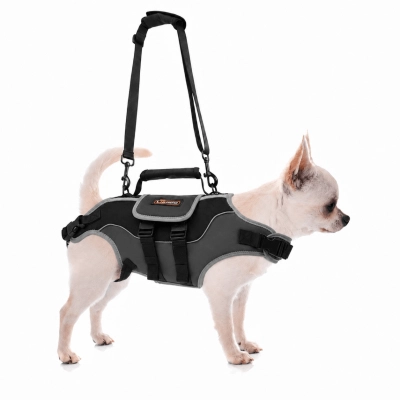
Use a harness or sling for support during walks.
-
Avoid jumping or running until your vet says it’s safe.
-
Give pain medicine as prescribed and use cold packs if needed.
You can also follow this table for aftercare:
|
Follow-Up Care Steps |
Description |
|---|---|
|
Weight Management |
Keep your dog at a healthy weight for long-term joint health. |
|
Activity Restrictions |
Use leash walks for 4-6 weeks after surgery or injury. |
|
Cryotherapy and NSAIDs |
Manage pain and swelling with cold packs and medicine. |
|
Passive Range of Motion |
Move your dog’s legs gently to keep joints flexible. |
|
Controlled Low-Impact Exercise |
Try sit-to-stand exercises and aquatic walking. |
|
Client Education |
Learn about home care and changes to your dog’s routine. |
With the right support, you can help your dog recover, stay active, and enjoy life for years to come.
You want your dog to feel happy and comfortable. Both braces and surgery can help, but the best choice depends on your dog's needs. Talk with your vet and ask questions. Look at your dog's age, health, and activity. Quality of life matters most. Check out this table:
|
Impact |
Description |
|---|---|
|
Mobility |
Hip dysplasia affects 20% of large dogs by age five, causing pain and less movement. |
|
Aging |
80% of dogs over eight years show arthritis, making life harder. |
|
Behavior |
60% of affected dogs play less, showing lower well-being. |
Stay positive. You can help your dog live a better life.
FAQ
Can my dog wear a hip brace all day?
You can let your dog wear a hip brace during active hours. Remove it at night or when your dog rests. Always check for skin irritation. Your vet can help you decide how long your dog should wear the brace.
How do I know if my dog needs surgery?
Your vet will look at your dog’s age, pain level, and hip X-rays. If your dog cannot walk well or bracing does not help, surgery might be the next step.
Will my dog’s hip dysplasia get worse without treatment?
If you skip treatment, your dog may feel more pain and lose mobility. Early care helps your dog stay active and comfortable.
What can I do at home to help my dog with hip dysplasia?
-
Keep your dog at a healthy weight.
-
Use ramps instead of stairs.
-
Try gentle walks or swimming.
-
Give joint supplements if your vet recommends them.
|
Home Care Tip |
Benefit |
|---|---|
|
Weight control |
Less stress on hips |
|
Soft bedding |
More comfort |

0 Comments