
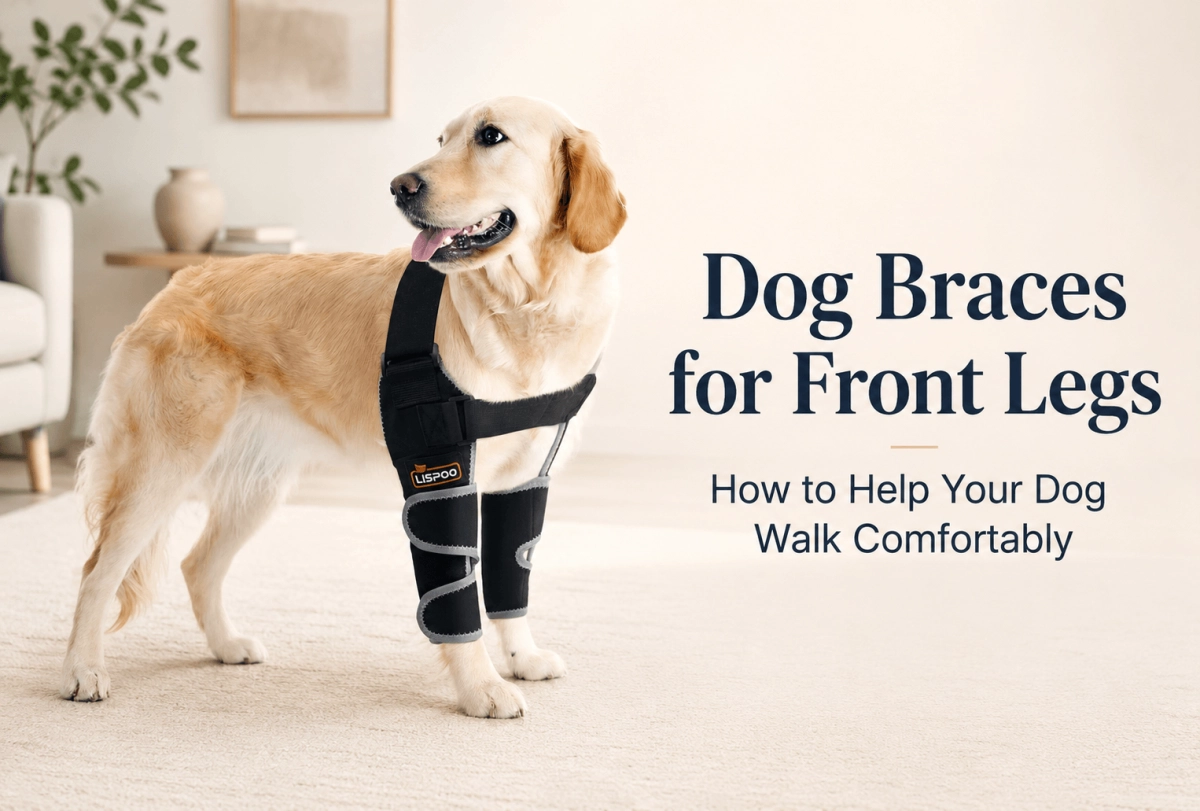
You want your dog to walk without pain and move with ease. Dog braces for front legs give essential support to weak or injured limbs. Many owners see their dogs regain comfort and confidence after using a brace. Studies show that dog leg braces, including elbow braces for dogs and dog front elbow brace, can help reduce pain and improve mobility. When you choose the right dog braces, you help your dog stay active and enjoy life.
Key Takeaways
-
Dog braces provide essential support for weak or injured front legs, helping your dog walk comfortably and regain confidence.
-
Consult your veterinarian to assess your dog's needs and choose the right type of brace for their specific condition.
-
A proper fit is crucial for effectiveness; measure your dog's leg accurately and adjust the brace to prevent discomfort.
-
Regularly monitor your dog for signs of discomfort or irritation while wearing the brace to ensure their well-being.
-
Keep the brace clean and well-maintained to extend its life and support your dog's recovery effectively.
What Are Dog Braces for Front Legs?
Dog braces for front legs are special orthotic devices that help your dog walk, stand, and move with more comfort. These braces give extra support to weak or injured front legs. You may see your dog move with more confidence and less pain when using the right brace. Dog braces can help with many problems, such as arthritis, joint injuries, or after surgery. They do not cure injuries, but they make daily life easier for your dog.
How Dog Braces Work
Dog braces work by holding your dog’s leg in a safe position. They limit harmful motion and keep the leg steady. This helps your dog avoid further injury and lets the muscles heal. You can see how these orthotic devices help by looking at their main functions:
|
Function |
Description |
|---|---|
|
Limit harmful motion |
Braces restrict harmful forward and rotational movement of the limb. |
|
Redistribute forces |
They help the leg bear weight more normally. |
|
Reduce pain and swelling |
Braces minimize painful movement and swelling, helping muscles recover. |
|
Boost confidence |
They give your dog the confidence to move, climb, and play. |
Dog braces also use strong materials and ergonomic designs. These features keep the brace comfortable for your dog to wear all day. The table below shows how these orthotic devices support your dog:
|
Feature |
Description |
|---|---|
|
Strong Joint Support |
Provides stability to the elbow joint for injury recovery. |
|
Promotes Faster Recovery |
Helps your dog regain mobility more quickly. |
|
Prevents Further Injury |
Reduces the risk of new or worse injuries. |
|
Ergonomic Design |
Stabilizes the leg and prevents licking or scratching. |
|
Breathable & Comfortable |
Made from lightweight materials for comfort. |
Benefits of Using Dog Leg Braces
You will notice many benefits of dog leg braces for your pet. These braces can help your dog recover from injuries or surgery. They may also help manage pain and improve mobility for dogs with joint problems. Some dogs who cannot have surgery may use a brace to prevent their condition from getting worse. Dog braces can make your dog’s life better by letting them walk, play, and enjoy daily activities with less pain. You give your dog the chance to stay active and happy with the right support.
Tip: Always talk to your veterinarian before choosing any dog orthotic devices for your pet.
When Does Your Dog Need a Front Leg Brace?
Common Injuries and Conditions in Dogs
Your dog depends on its front legs for almost every movement. Sometimes, these legs face extra stress from daily activities, leading to problems that affect your dog's health and comfort. You may notice issues after your dog jumps, slips, or lands awkwardly. Hyperextension injuries happen when a joint stretches beyond its normal range. Sprains and strains can result from rough play or sudden movements. Arthritis often affects the carpal joint, causing pain and stiffness, especially in older dogs. Some large breeds may develop growth deformities that make walking difficult.
Front leg braces help support the carpal joint, wrist, and paw. Some braces stabilize the entire lower leg, while others focus on the carpal joint and allow the paw to move freely. These devices can make a big difference during recovery from an injury or when managing long-term conditions.
Signs Your Dog May Benefit from Dog Braces
You want to spot the signs a dog may need a leg brace early. Watch your dog closely for changes in movement or behavior. Here are some common signs:
-
Limping or an altered gait
-
Noticeable pain or discomfort when moving or walking
-
Pain to the touch in certain areas
-
Loss of coordination or agility
-
Dragging a foot
-
Slow to get up from lying down
Other signs include wrist or ankle arthritis, injury, sprain, or strain. You may also see deviation or deformity of the joint, or your dog may need protection against further injury. Some dogs need extra support after a leg amputation or show wrist problems like varus, valgus, or hyperextension.
If you notice any of these signs, talk to your vet. A brace can help your dog regain confidence and enjoy daily activities. Early support can improve your dog's comfort and overall health.
Types of Dog Braces for Front Legs
You can choose from several types of dog braces to help your dog walk comfortably. Each orthotic device supports a specific joint or area of the front leg. Understanding these options helps you select the right orthotic for your dog's needs.
Carpal (Wrist) Dog Braces
Carpal dog braces focus on the wrist joint and lower front leg. These orthotic devices help dogs with carpal hyperextension, ligament injuries, arthritis, and post-surgical support. You may notice your dog regaining confidence and moving with less pain when using a custom-fitted brace for the wrist. Carpal braces come in jointed and non-jointed styles, allowing for natural paw placement and controlled movement.
|
Key Feature |
Description |
|---|---|
|
Custom-Fit Design |
Molded to your dog's exact measurements for superior comfort and support. |
|
Durable, Lightweight Construction |
Medical-grade materials provide stability without restricting natural movement. |
|
Targeted Hyperextension Control |
Prevents backward collapse while allowing controlled flexion for better mobility. |
|
Non-Surgical Pain Relief |
Reduces discomfort from ligament strain, arthritis, or post-trauma instability. |
|
Easy Application & Adjustable |
User-friendly straps for quick on/off, with options for jointed or non-jointed styles. |
|
Waterproof & Long-Lasting |
Built for daily use, including play and hydrotherapy. |
|
Proven Support |
Helps dogs regain confidence and improve quality of life. |
Carpal braces work best for:
-
Carpal hyperextension injuries
-
Carpal ligament injuries
-
Carpal fractures
-
Arthritis
-
Tendon injuries
-
Post-surgical support
-
Carpal instability
Elbow Dog Braces
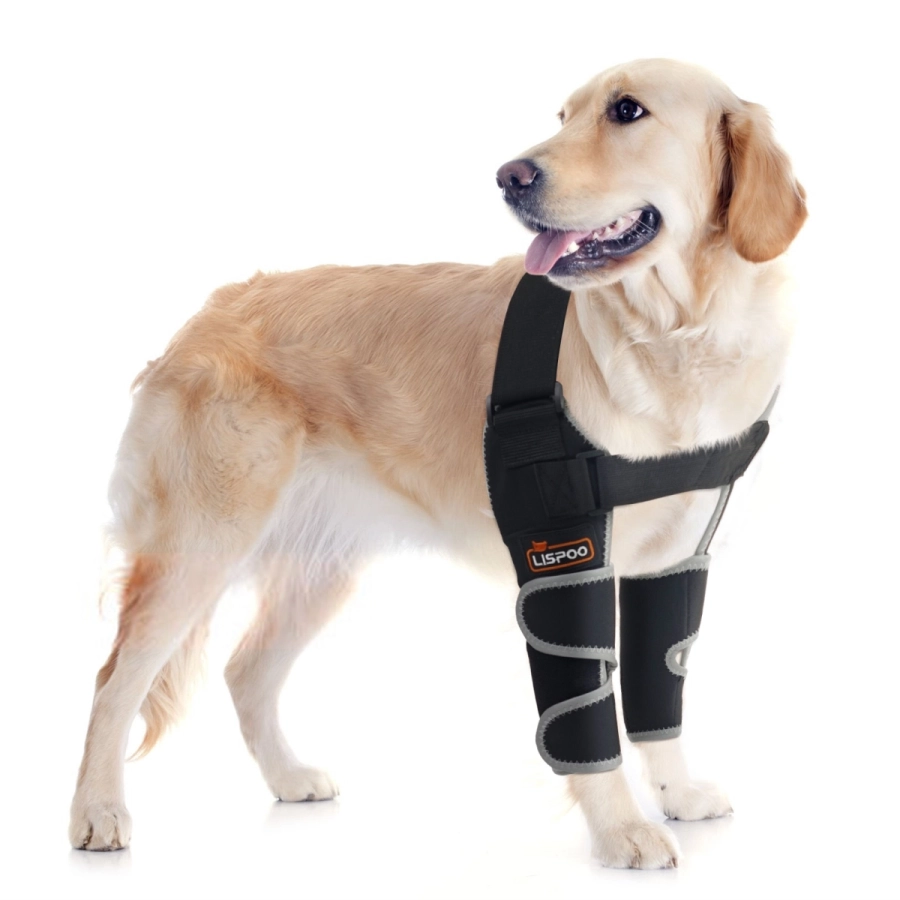
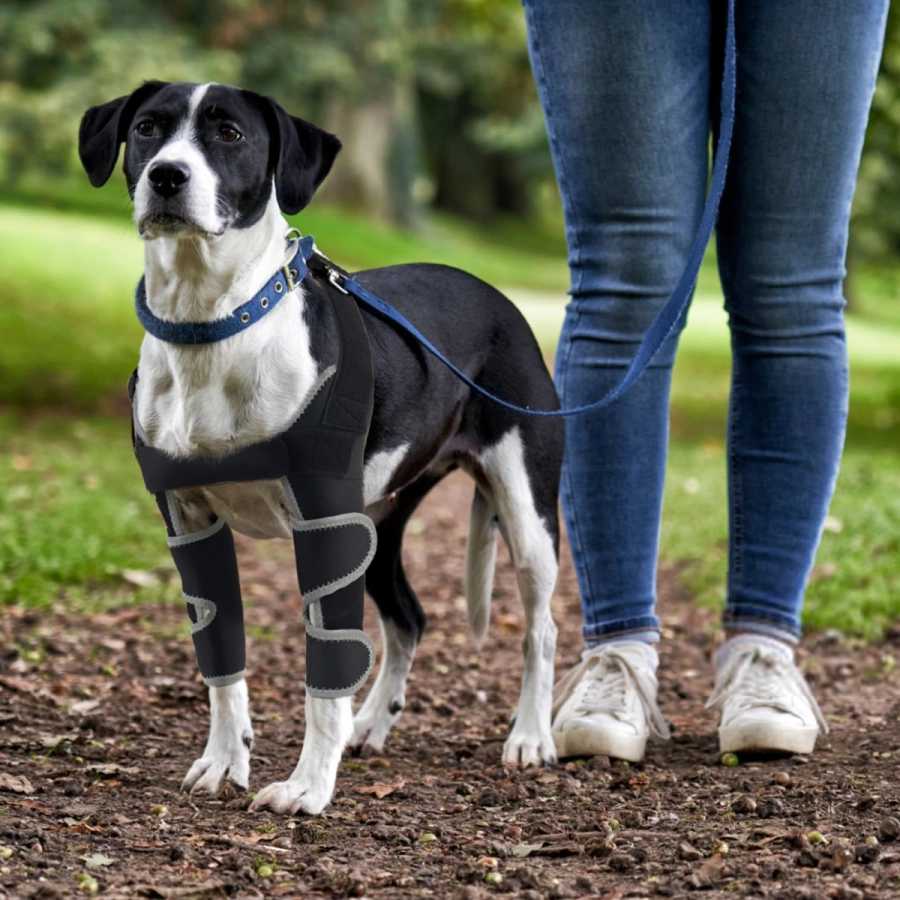
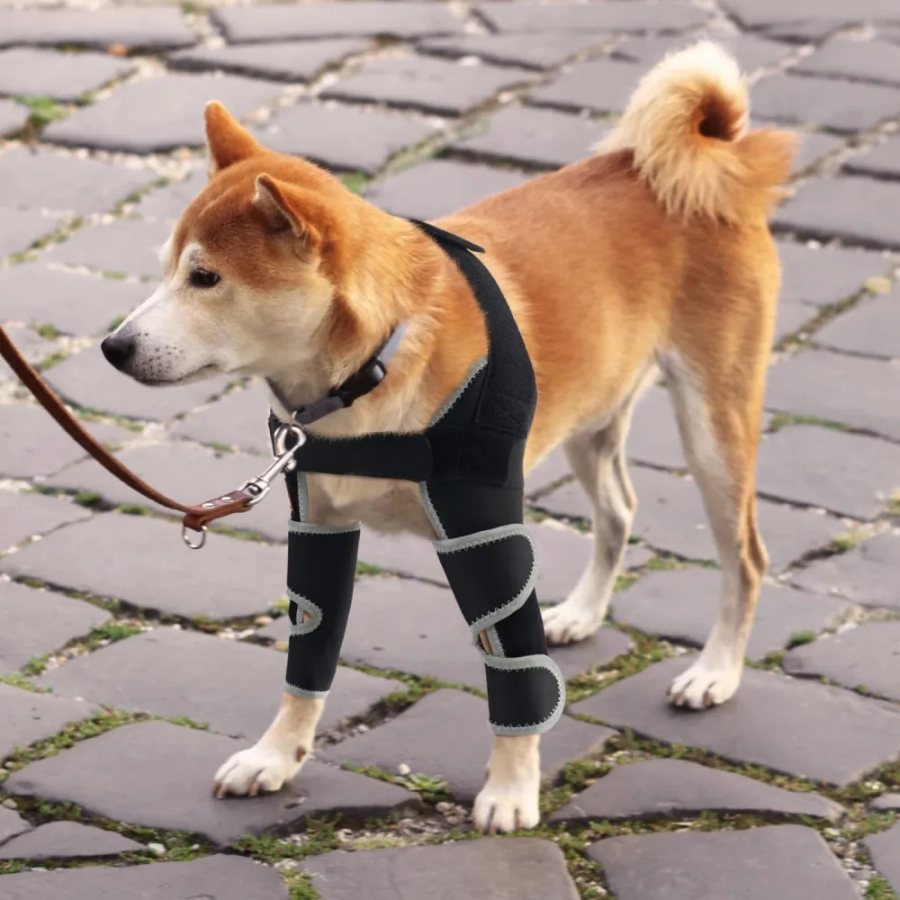
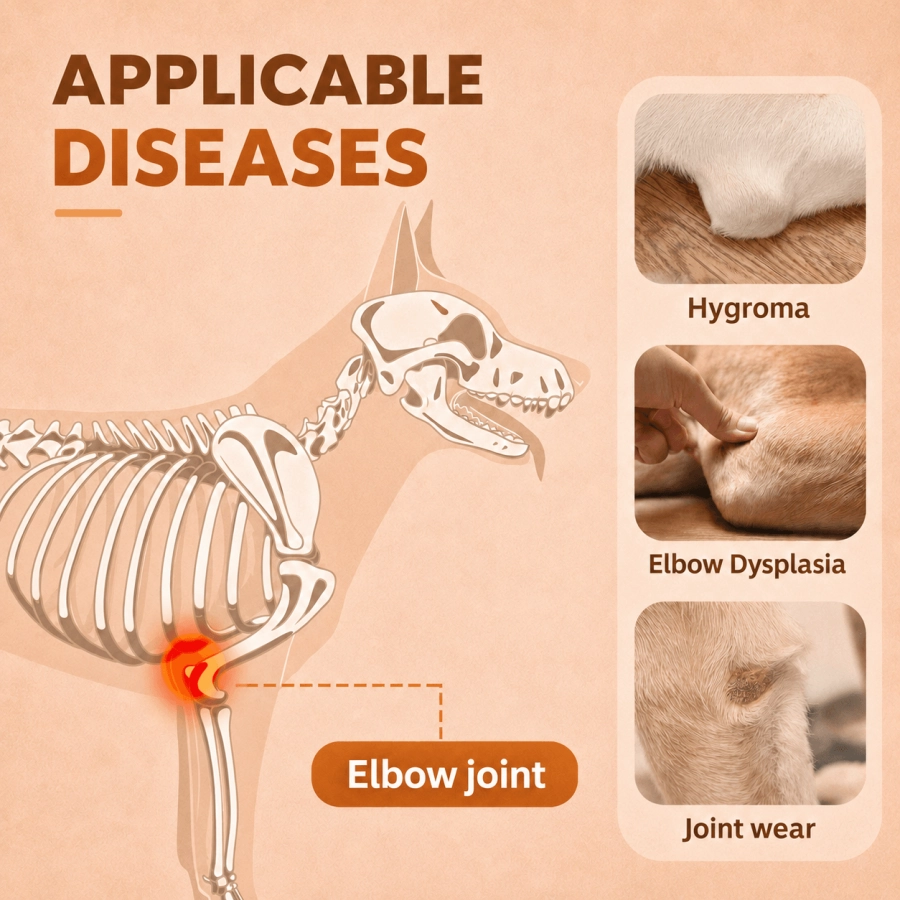
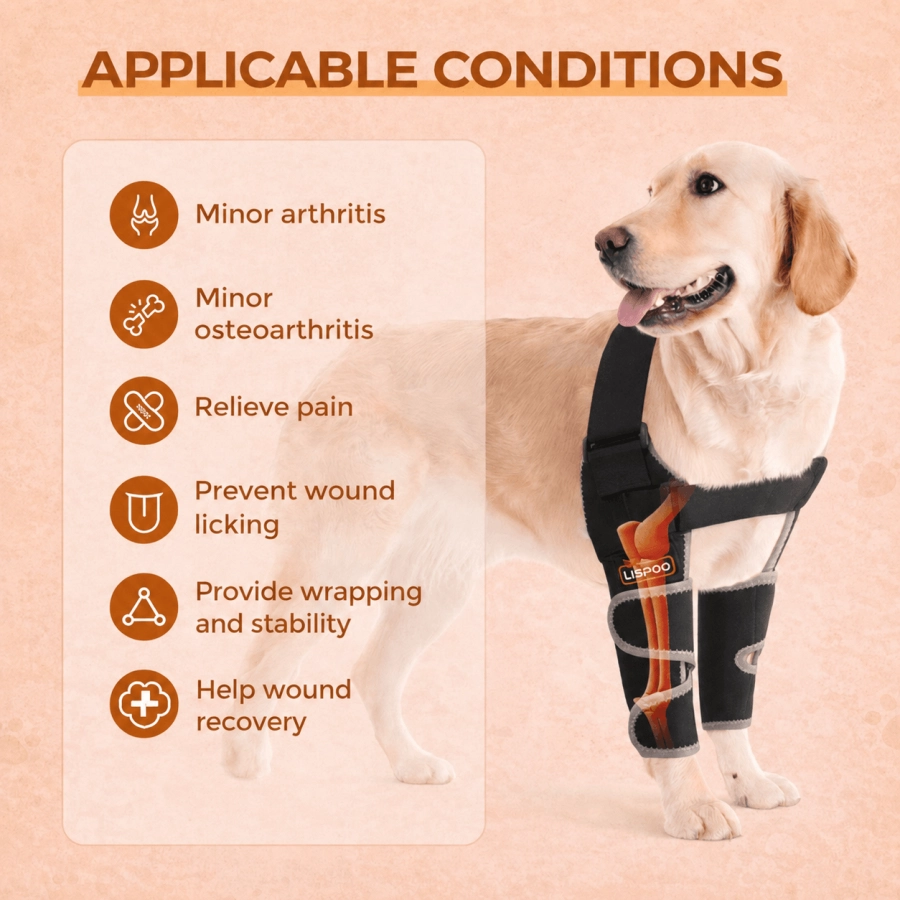
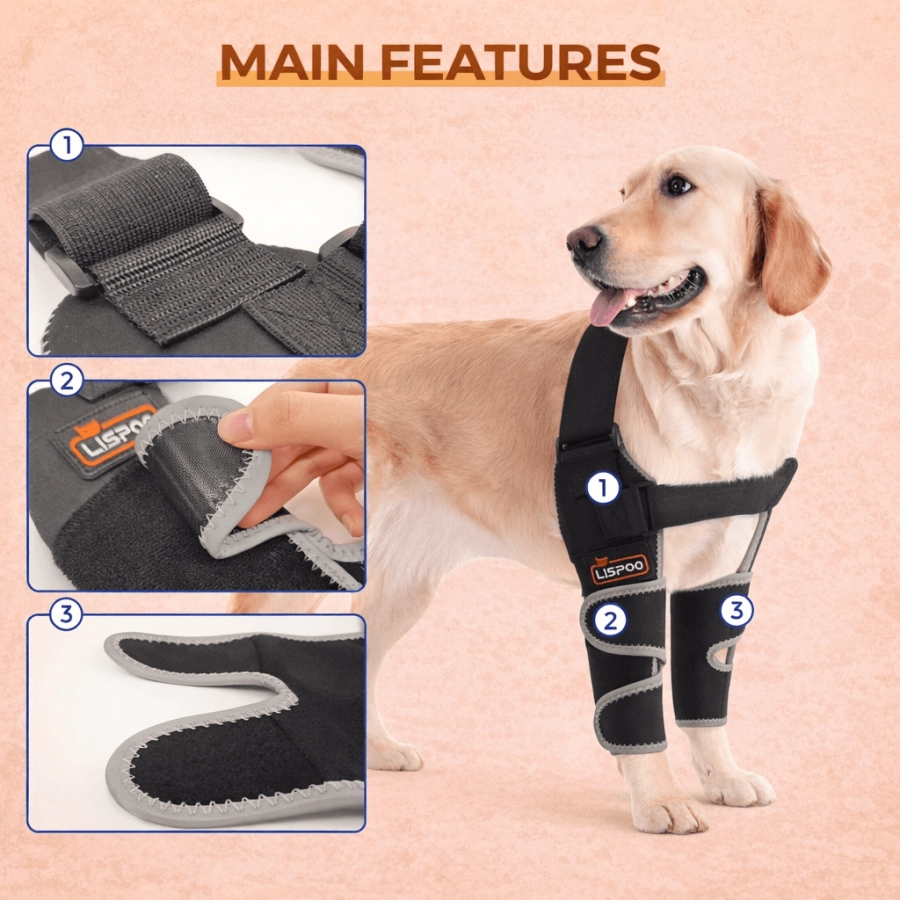
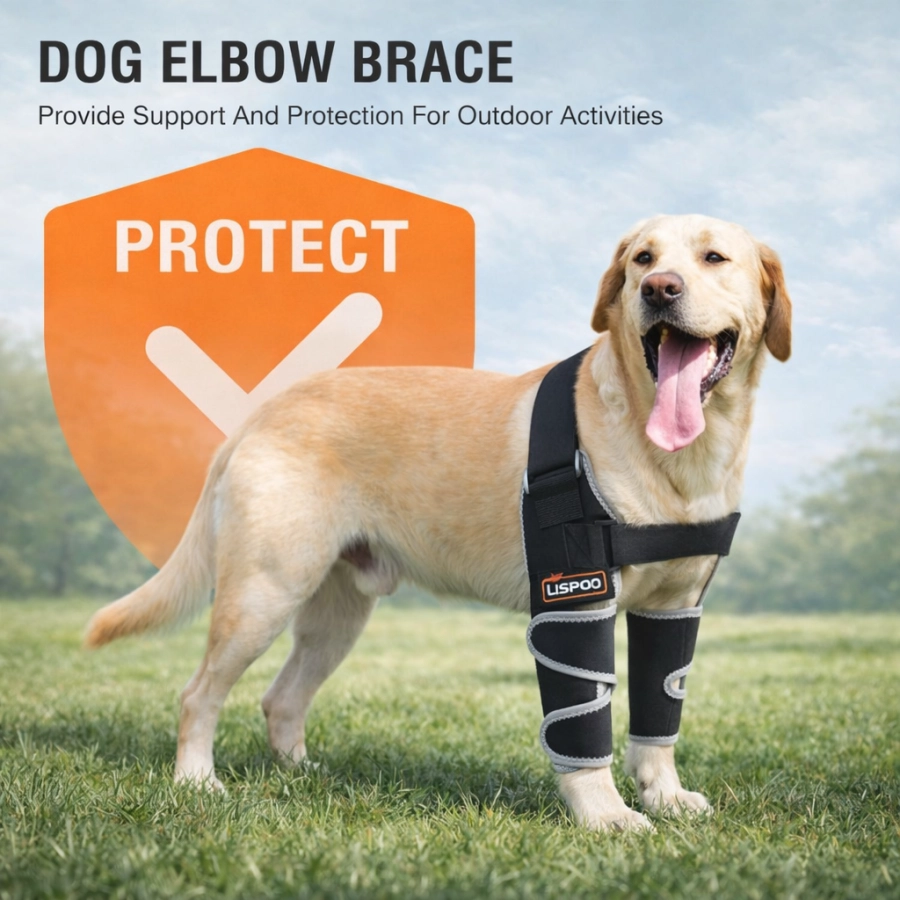
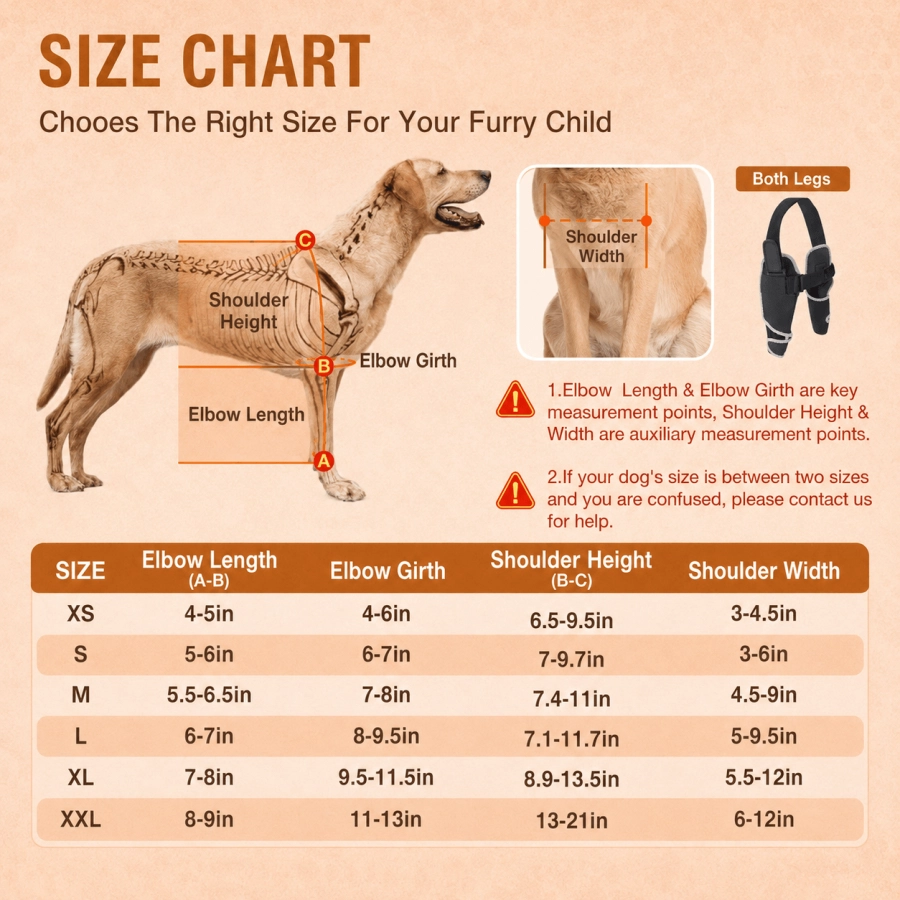
Elbow dog braces support the elbow joint and upper front leg. You may need this type of orthotic device if your dog has elbow dysplasia, arthritis, or upper-limb trauma. Elbow braces offer rigid support or limited motion, depending on the injury. These orthotic devices cover more of the upper leg and often require a break-in period.
|
Feature |
Elbow Support Brace |
Carpal Support Brace |
|---|---|---|
|
Target joint |
Elbow joint and upper front-leg support |
Carpal joint and lower front-leg support |
|
Best for |
Elbow dysplasia, arthritis, trauma |
Carpal hyperextension, wrist sprains |
|
Movement control |
Controls elbow motion and upper-limb load |
Controls wrist extension and collapse |
|
Fit complexity |
Higher, covers more of the upper leg |
Lower, fits the lower front leg |
|
Daily wear feel |
Bulkier, needs break-in period |
Slimmer, easier for routine wear |
Full Leg Support Dog Braces
Full leg support dog braces stabilize the entire front leg. You may choose this type if your dog has severe mobility issues or chronic joint problems. These orthotic devices limit unwanted movement and help prevent further injury. Full leg braces offer extra stability, reduce strain on healing tissues, and improve your dog's confidence.
Benefits include:
-
Support for chronic joint issues like arthritis
-
Improved mobility and reduced discomfort
-
Stabilization of the joint and prevention of further injury
-
Extra stability for healing tissues
-
Enhanced comfort and confidence during daily activities
Tip: Always consult your veterinarian before selecting any dog orthotic devices. The right brace can make a big difference in your dog's quality of life.
Custom vs. Off-the-Shelf Dog Braces
When you look for a dog brace, you will find two main choices: custom and off-the-shelf. Each type has its own strengths and weaknesses. Your decision depends on your dog's needs, your budget, and how quickly you want to help your pet.
A custom brace is made just for your dog. The process starts with a mold or measurements of your dog's leg. This ensures the brace fits perfectly and supports the exact area that needs help. Custom braces work well for dogs with unique leg shapes, severe injuries, or active lifestyles. They last a long time and give strong support. You may need to wait longer for a custom brace because it takes time to make. The cost is higher, but you get a product built for your dog's special needs.
Off-the-shelf braces are ready to use right away. You can buy them in standard sizes and put them on your dog the same day. These braces cost less and work well for mild sprains or short-term support. Some dogs may not get a perfect fit with an off-the-shelf brace. You might notice the brace slips or does not give enough support for serious injuries. These braces may not last as long as custom options.
Here is a simple table to help you compare both types:
|
Type of Brace |
Pros |
Cons |
|---|---|---|
|
Off-the-Shelf |
Cheaper, immediate availability, good for mild sprains |
Fit issues, less durable, may not stabilize well |
|
Custom |
Great for unique needs, built to last, best for severe injuries |
Higher cost, longer wait time |
Tip: Ask your veterinarian which type of dog brace is best for your pet. The right choice can help your dog walk with more comfort and confidence.
Choosing a Dog Leg Brace for Your Dog
Assessing Your Dog’s Needs
You want your dog to walk comfortably and regain confidence. Choosing a dog leg brace starts with understanding your dog’s specific condition. You should observe your dog’s movement and behavior. Look for signs like limping, stiffness, or reluctance to walk. These signs often point to areas that need support.
Consult your veterinarian for a thorough assessment. Your vet may perform physical exams, X-rays, or MRI scans. This helps pinpoint the exact injury or weakness. The diagnosis guides you in selecting the right orthotic device. Your vet will recommend the best type of orthotic based on the severity and location of the injury.
Consider these important factors when choosing a dog leg brace:
-
Understand the specific injury or condition your dog faces.
-
Ensure the brace fits perfectly and supports the problem area.
-
Choose a brace that is easily adjustable and quick to put on or take off.
-
Select durable, high-quality materials for long-lasting support.
-
Make sure the brace provides a snug and comfortable fit.
Veterinarians play a key role in this process. The table below shows how their expertise helps you make the best choice:
|
Factor |
Description |
|---|---|
|
Diagnosis |
The specific injury or condition will dictate the best type of support. |
|
Severity |
A minor sprain might only require a wrap, while a fracture will likely need a brace or splint. |
|
Location |
Front leg and back leg injuries require different types of support. |
|
Veterinarian’s Recommendation |
Your vet is your best resource for determining the most appropriate course of action. |
Tip: A comprehensive evaluation ensures you select the orthotic device that matches your dog’s needs.
Fit and Sizing Tips for Dog Braces
A proper fit is essential for any orthotic device. You want your dog to feel comfortable and supported. Accurate measurement prevents discomfort and improves mobility. Follow these best practices to ensure the right fit:
|
Step |
Description |
|---|---|
|
1 |
Measure different parts of the dog's leg accurately to ensure comfort and effectiveness. |
|
2 |
Avoid common mistakes such as incorrect placement of the brace that can lead to discomfort. |
|
3 |
Compare measurements of the injured leg with the healthy leg to avoid undersizing the brace. |
|
4 |
Double-check all measurements and follow the manufacturer's sizing guide closely. |
|
5 |
Seek support if between sizes to ensure the best fit. |
|
6 |
Understand that accurate measurement reduces pain, prevents further injuries, and improves mobility. |
You should always follow the manufacturer’s instructions for measuring your dog’s leg. If you feel unsure, ask your vet or the supplier for guidance. A snug fit supports healing and increases your dog’s confidence in movement.
A brace only works if it fits properly. It supports the joint, limits excessive movement, and reduces strain.
Materials and Comfort in Dog Leg Braces
The quality of materials in orthotic devices affects both durability and comfort. You want your dog to wear the brace for extended periods without irritation. High-quality braces use materials that withstand daily wear and tear.
Common materials include:
-
Neoprene and flexible fabrics for moderately-supportive braces. These suit larger dogs or those with mild injuries.
-
Hard plastic lined with foam padding for splints. This combination immobilizes the joint and keeps your dog comfortable.
Durable materials ensure the brace provides consistent support. Comfortable and breathable materials prevent skin irritation and maintain hygiene. You should consider a dog brace that balances support and comfort. Orthotic devices made from quality materials help your dog stay active and happy.
Choose a brace that is easy to clean and maintain. This keeps your dog’s skin healthy and the orthotic device in good condition.
Trusted Brands and Where to Buy Dog Braces
You want the best support for your dog. Choosing a trusted brand helps you feel confident about your purchase. Many pet owners look for brands that focus on comfort, durability, and safety. You can find several companies that design braces for different needs. Some brands offer braces for the knee, hip, or hock, while others focus on the front leg.
Here are some trusted brands you can consider:
-
Ortho Dog creates braces for many types of injuries. You can find options like the Adjustable Knee Brace and Hip Brace. These products help dogs with joint pain or mobility problems.
-
Viva Essence provides the Adjustable Neoprene Dog Hock Brace. This brace supports dogs with hock injuries and gives gentle compression.
You can buy dog braces from several places. Many pet owners start by visiting their veterinarian. Your vet can recommend the right type of brace and may even help you order one. You can also shop at specialty pet stores. These stores often carry a range of sizes and styles. Online retailers make it easy to compare products and read reviews. You can find detailed sizing guides and customer feedback on many websites.
When you shop for a dog brace, look for these important features:
-
Clear sizing instructions
-
Adjustable straps for a secure fit
-
Breathable materials for comfort
-
Easy-to-clean designs
Tip: Always check the return policy before you buy. This helps you exchange the brace if it does not fit your dog.
You want your dog to walk, run, and play with confidence. Trusted brands and careful shopping help you find the right support for your pet.
Using and Caring for Dog Braces
Proper Fitting and Adjustment of Dog Braces
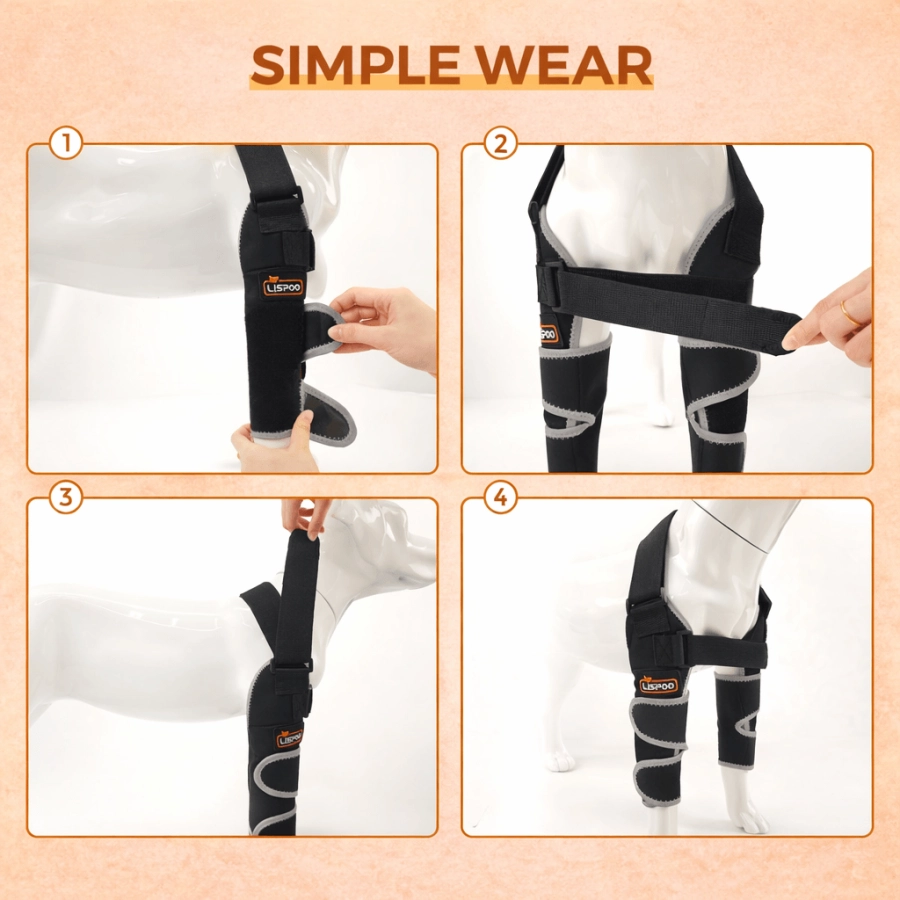
You want your dog to feel comfortable and safe when wearing a brace. Proper fitting is the first step to making sure the brace gives the right support. Follow these steps to fit and adjust the brace:
-
Place the brace so the main support section sits directly over the area that needs help.
-
Fasten the lower anchor first to create a stable base.
-
Adjust the middle part until it feels secure but does not bunch the skin.
-
Fasten the upper strap last to keep the brace in place without pinching.
-
Walk your dog a few steps and check for twisting, sliding, or pressure marks.
If you see redness, rubbing, or pressure marks, adjust the brace. Watch for slipping or twisting after your dog walks. A good fit helps your dog move with confidence.
Wearing Schedule and Monitoring Your Dog
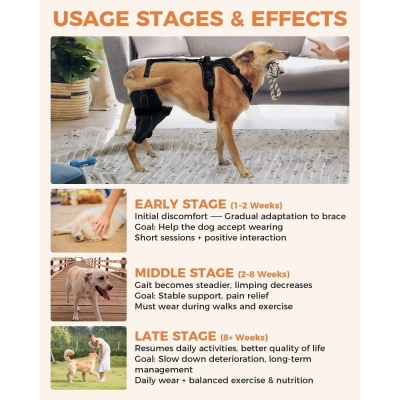
You should follow a regular schedule when your dog starts using a brace. Most dogs wear a splint during the day and take it off at night. This lets the leg breathe and keeps the skin healthy. During rest, you can use a lightweight wrap for gentle support.
Check your dog’s skin under the brace every day, especially in the first week. Look for signs of rubbing, redness, or discomfort. If your dog licks the area or moves awkwardly, adjust the fit. Always make sure the brace feels comfortable and does not cause problems.
Tip: Monitor your dog’s stride and behavior. Early changes help you prevent bigger issues.
Cleaning and Maintenance of Dog Leg Braces
Keeping the brace clean helps your dog stay healthy and extends the life of the support. After each use, wipe down the inside and outside with a damp cloth to remove dirt, fur, and sweat. Check the straps and Velcro to make sure they are clean and secure.
For a deeper clean, remove any inserts or straps if possible. Hand wash the brace in lukewarm water with mild, pet-safe soap. Use a soft brush or cloth to scrub gently. Rinse well and let the brace air dry completely before using it again.
A clean brace keeps your dog comfortable and ready for daily activities.
Watching for Signs of Discomfort in Your Dog
You want your dog to feel comfortable and safe while wearing a front leg brace. Careful observation helps you catch early signs of discomfort and prevent bigger problems. Dogs may not always show pain in obvious ways, so you need to watch for subtle changes in their behavior and movement.
Start by checking your dog’s stride. If you notice a shorter stride or an altered swing of the front leg, your dog may feel uncomfortable. Sometimes, a dog will limp or move differently when the brace does not fit well. Pay attention if your dog seems less willing to walk, stand, or turn as usual.
Look closely at the skin and fur under the brace. Signs of redness, swelling, or heat where the brace touches the limb can mean irritation. You might also see sores or hair loss in these areas. If your dog licks, chews, or paws at the brace, this often signals discomfort or pain.
Here are some important things to watch for:
-
Shorter stride or changes in how your dog moves the front leg
-
Redness, swelling, or heat under the brace
-
Licking, chewing, or pawing at the brace area
-
Reluctance to walk, stand, or turn normally
-
Limping or worsened movement
-
Fur matting or hair loss beneath the brace
-
The brace slipping out of place
If you notice any of these signs, remove the brace and check your dog’s leg. Give your dog a break and let the skin rest. Contact your veterinarian if the discomfort continues or if you see swelling or sores. Regular checks help you keep your dog comfortable and happy during recovery.
Dog braces for front legs help you support your dog’s joint after injury or surgery. You see improvements in mobility and quality of life when you choose dog leg braces that fit well and follow your vet’s advice. Braces limit harmful joint motion, decrease pain, and aid recovery. Many owners report their dogs walk better and recover faster. Careful selection and proper use prevent skin issues and support joint health. Daily checks and follow-up care ensure your dog’s recovery stays on track.
-
Benefits of dog leg braces include:
-
Improved joint stability after surgery
-
Better recovery from injury
-
Maintained muscle mass during recovery
-
Enhanced mobility and quality of life
-
|
Phase |
Brace Goal |
What to Check |
|---|---|---|
|
Days 1–3 |
Short supervised sessions only |
Skin response, joint slipping, stride |
|
Days 4–7 |
Longer active-period wear |
Comfort after walking, joint stability |
|
Week 2+ |
Controlled activity windows |
Daily comfort, joint fit, skin health |
Always consult your vet to select the right dog braces for front legs and monitor recovery. Proper care helps your dog regain joint function and enjoy daily activities after surgery.
FAQ
How do I know if my dog needs a front leg brace?
You notice limping, stiffness, or trouble walking. Your dog may avoid stairs or lick its leg often. If you see these signs, ask your veterinarian for advice.
Can my dog wear a brace all day?
You should let your dog wear the brace during active hours. Remove it at night or during rest. Check the skin often for redness or irritation.
How do I clean a dog leg brace?
Use a damp cloth to wipe the brace after each use. For deeper cleaning, hand wash with mild soap and let it air dry. Avoid harsh chemicals.
Will a brace cure my dog’s injury?
A brace supports healing and improves comfort. It does not cure injuries. Always follow your veterinarian’s instructions for the best results.
What should I do if my dog seems uncomfortable in the brace?
Check the fit and look for signs of rubbing or redness. Adjust the straps if needed. If discomfort continues, remove the brace and contact your veterinarian.

0 Comments