
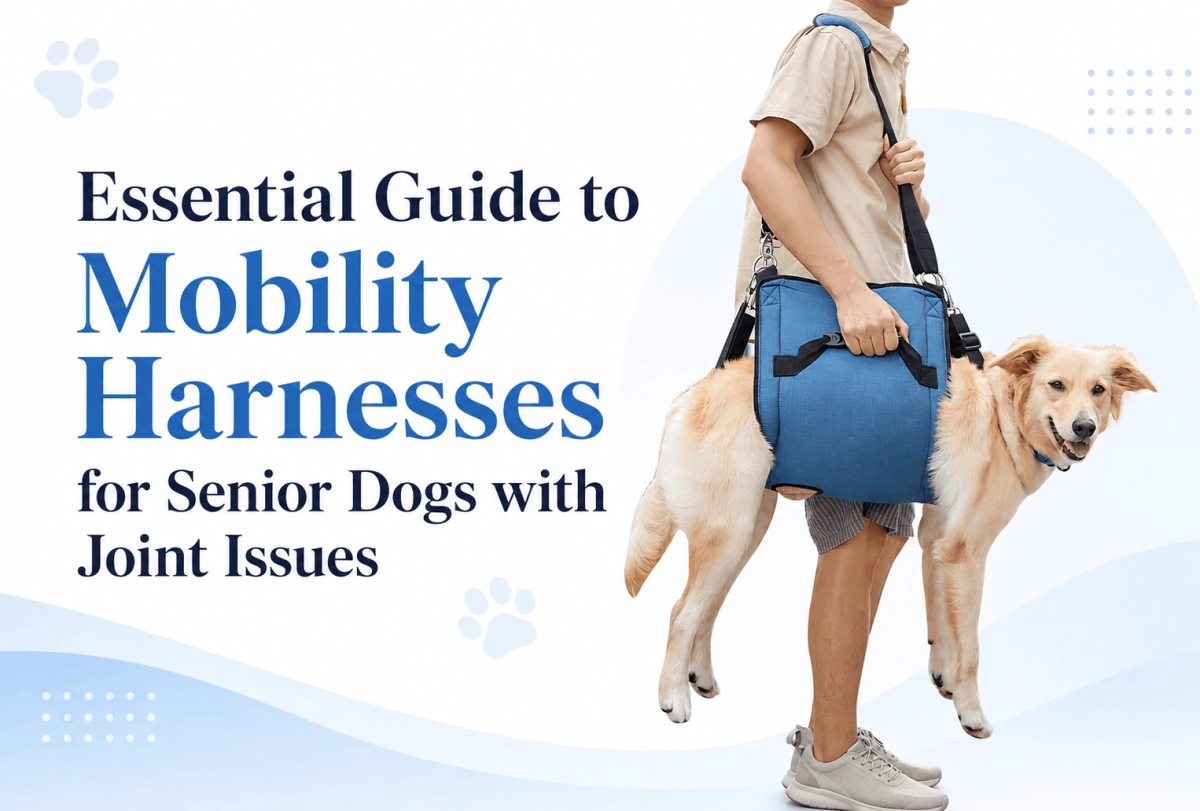
Watching your dog slow down can feel tough. You notice them struggle with stairs or hesitate to jump on the couch. Mobility harnesses offer real support, making daily life safer and easier for your senior companion. Did you know:
-
80% of dogs over eight years old show signs of joint pain.
-
Common challenges include helping your dog up after naps, getting in the car, and moving around the house.
Traditional collars put pressure on the neck and can make things worse. A dog support harness or a Dog Full Body Lifting Harness spreads weight evenly, so you can lift and guide your dog without causing pain. With the right mobility harness, you help your dog stay active and improve their quality of life. You’re not just supporting your dog—you’re making each day brighter for both of you.
Key Takeaways
-
Mobility harnesses help older dogs with joint problems. They let dogs move safely and feel comfortable.
-
Pick the right harness for your dog’s needs. Some harnesses give full body support for serious problems. Others give rear-end support for mild weakness.
-
A harness that fits well stops pain and injury. Always measure your dog and adjust the straps to fit snugly.
-
Clean and check the harness often. This keeps it safe and useful for your dog every day.
-
Ask your veterinarian for advice. They can help you choose the best harness for your dog’s movement problems.
Why Senior Dogs Need A Lifting Harness
Common Joint Issues
You might see your dog move slower or have trouble with daily things. Many older dogs have problems moving around. Arthritis is a big reason, and it makes moving hurt and feel stiff. About one out of every five dogs has joint pain. Even younger dogs can have these problems. As dogs get older, they may get hip dysplasia, spinal issues, or lose muscle. These problems make simple things, like standing up or going upstairs, very hard.
Here’s a quick look at symptoms you might see:
|
Symptom |
Description |
|---|---|
|
Slow rising after resting |
Hard time getting up after lying down |
|
Stiffness in the morning |
Stiff moves when your dog wakes up |
|
Limping or favoring one leg |
Walks differently because of pain |
|
Difficulty climbing stairs |
Trouble going up or down steps |
|
Muscle loss in hind legs |
Back legs get weak from not moving much |
Mobility problems are not just about walks. They also affect how happy and confident your dog feels each day.
Risks of Collars for Seniors
Regular collars can make things worse for older dogs. Pulling on a collar puts pressure on the neck. This can hurt the neck, especially if your dog already has trouble moving. Collars can make your dog feel pain and even hurt their windpipe if used wrong. Older dogs with joint pain feel more stress from collars, which can make moving even harder.
-
Collars can cause neck injuries.
-
They can make joint pain worse for older dogs.
-
Pressure from collars is uncomfortable.
-
Using collars wrong can hurt the windpipe.
Vets say collars are risky for dogs who have trouble moving. You should not use anything that could make your dog’s problems worse.
How Harnesses Help
A lifting harness can really help older dogs move better. Harnesses move the pressure away from the neck to the chest and shoulders. This helps keep your dog safe and comfortable. You can help your dog stand, walk, or go up stairs without hurting them. Vets like harnesses because they spread out the pressure and protect sore joints. Soft harnesses can also help your dog feel calm and safe.
Tip: Handles on a lifting harness let you help your dog move, so you can guide them through tough times with confidence.
Mobility harnesses give you a safe way to help your dog. You help your dog feel more independent and enjoy life, even with movement problems.
Dog Full Body Lifting Harness and Other Types
Choosing the right harness can make a huge difference for your senior dog. You have several options, and each one helps in a unique way. Let’s break down the main types so you can find what fits your dog’s needs best.
Full Body Support Harness
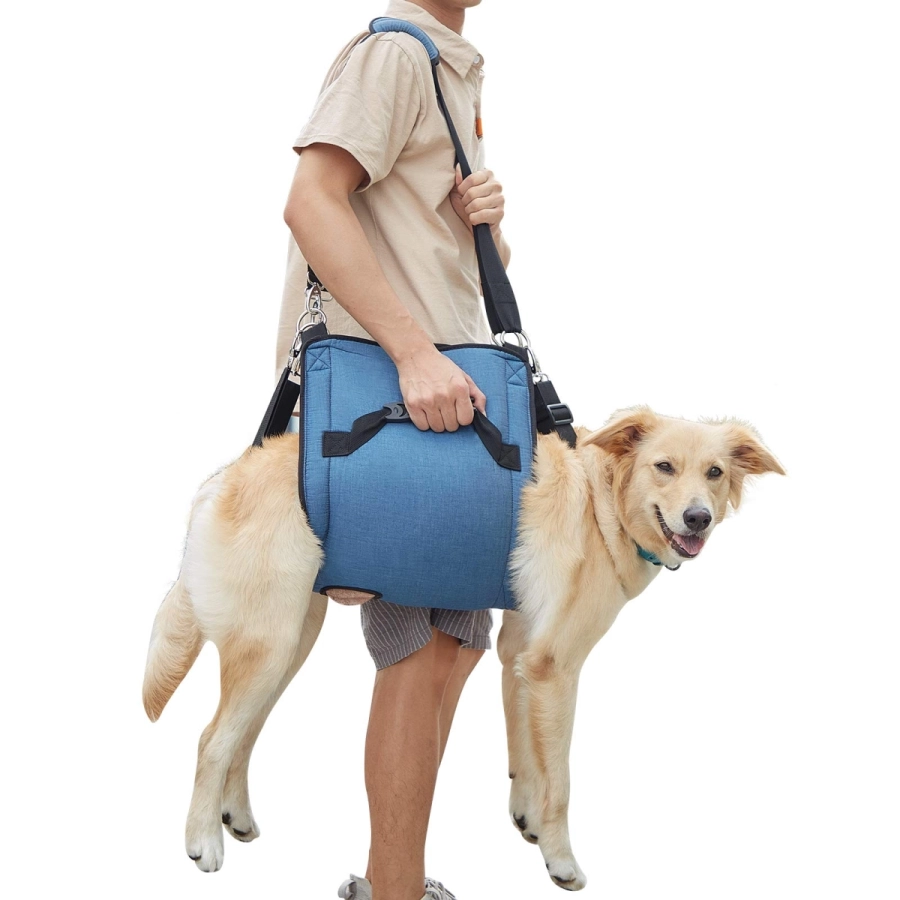
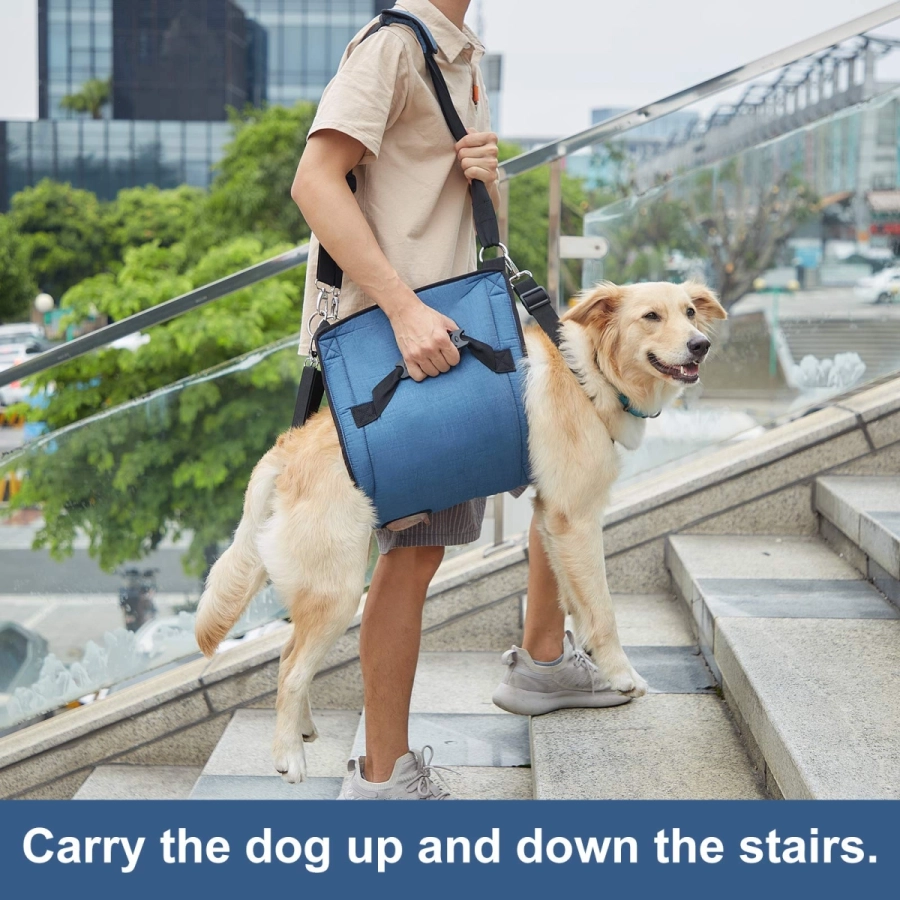
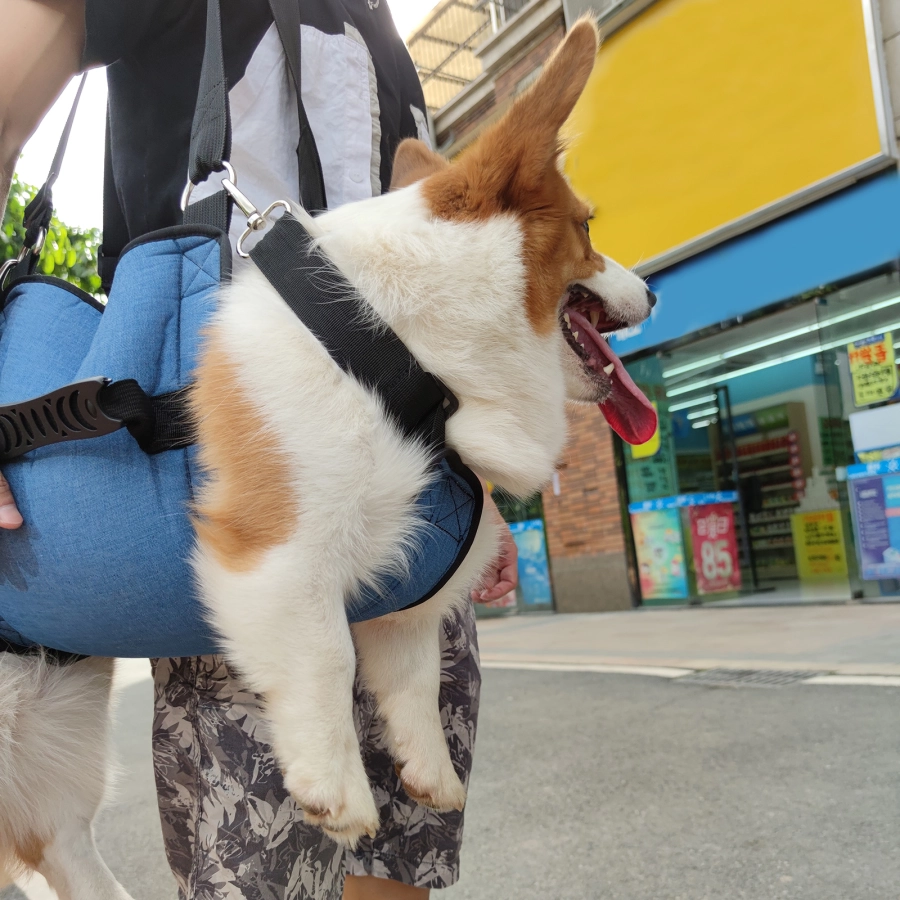
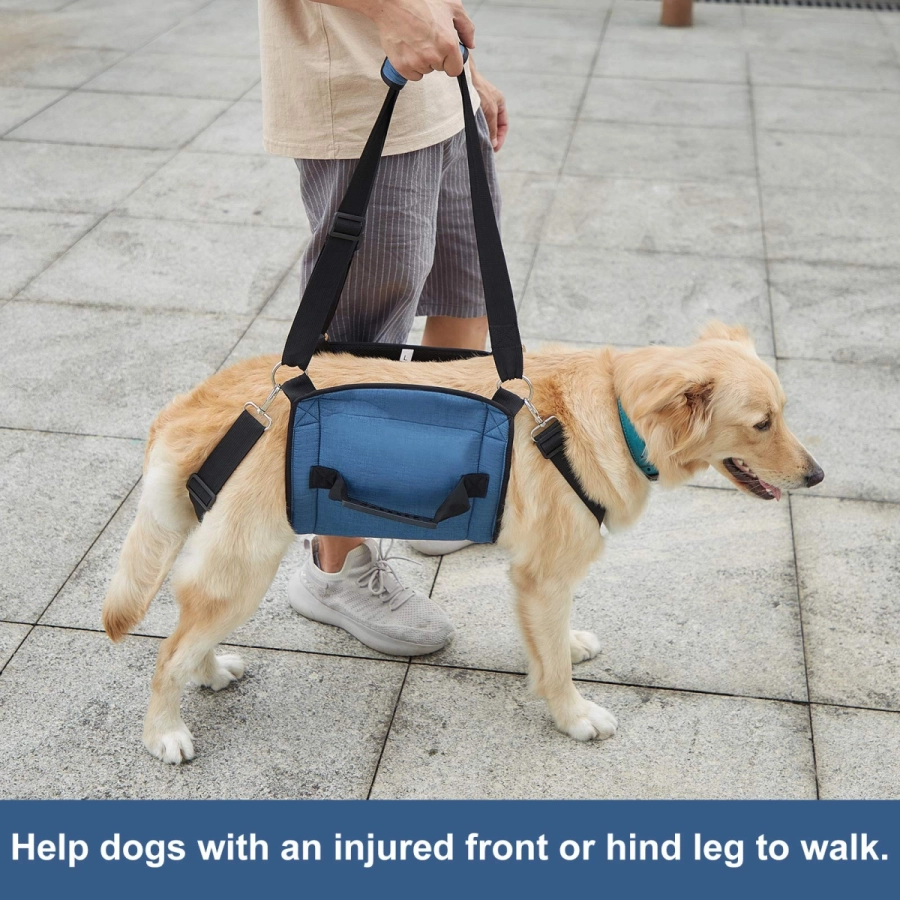
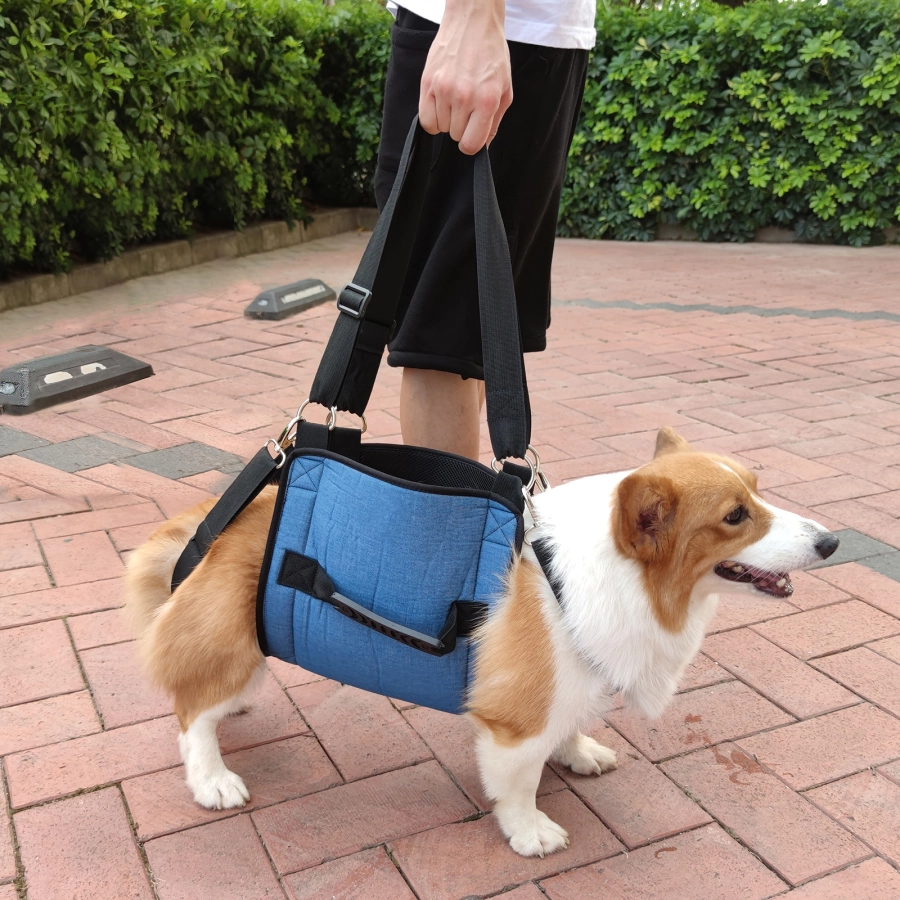
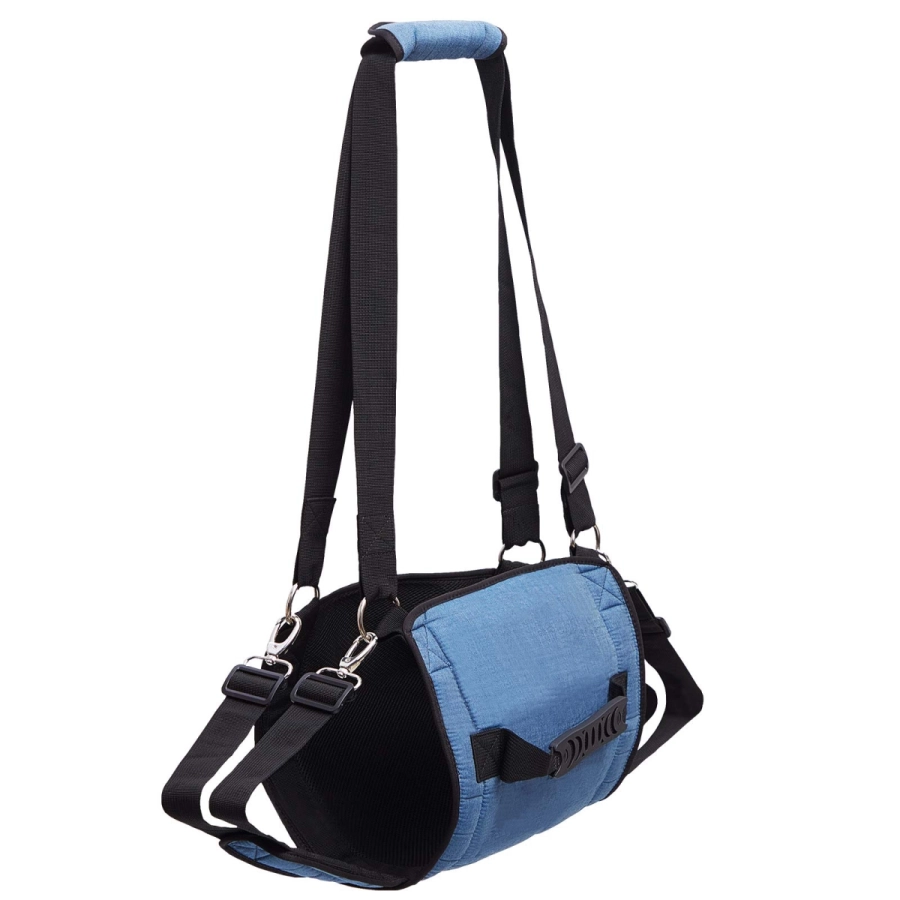
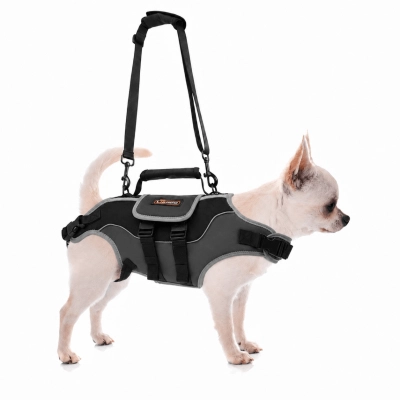
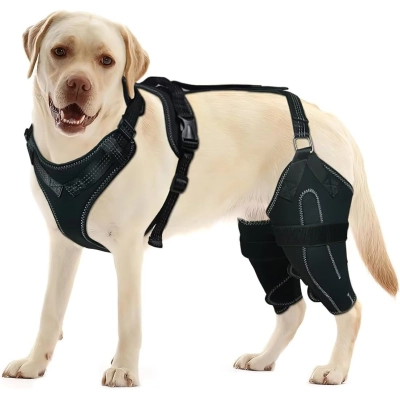
If your dog struggles with standing or walking, you might want to try a dog full body lifting harness. This harness gives full body support and helps your dog move safely. You can use it for dogs with arthritis, muscle loss, or after surgery. The design spreads weight across the chest, hips, and abdomen. You get handles that let you lift your dog without hurting their joints.
Here’s a quick look at the features:
|
Feature |
Description |
|---|---|
|
Ergonomic Design |
Keeps your dog comfortable during walks and recovery. |
|
Patented Hip Lift |
Lifts from under the sternum and pelvis, avoiding strain on sensitive areas. |
|
Weight Distribution |
Makes lifting easier for you and safer for your dog. |
|
Joint Protection |
Prevents pressure on joints and ligaments. |
|
Lifting Mechanism |
Handles and leash help you guide your dog without pain. |
|
Full Body Support |
Supports your dog’s whole body for daily activities. |
|
Joint Pressure Relief |
Lets your dog move without painful pressure on joints. |
You can use a dog full body lifting harness for dogs with progressive conditions. It’s perfect for daily living and helps your dog stay active. You’ll notice your dog feels more confident and less stressed when you use full body support.
Note: Support harnesses work well for dogs with arthritis, balance issues, or after surgery. Full body harnesses are ideal for dogs who need help every day.
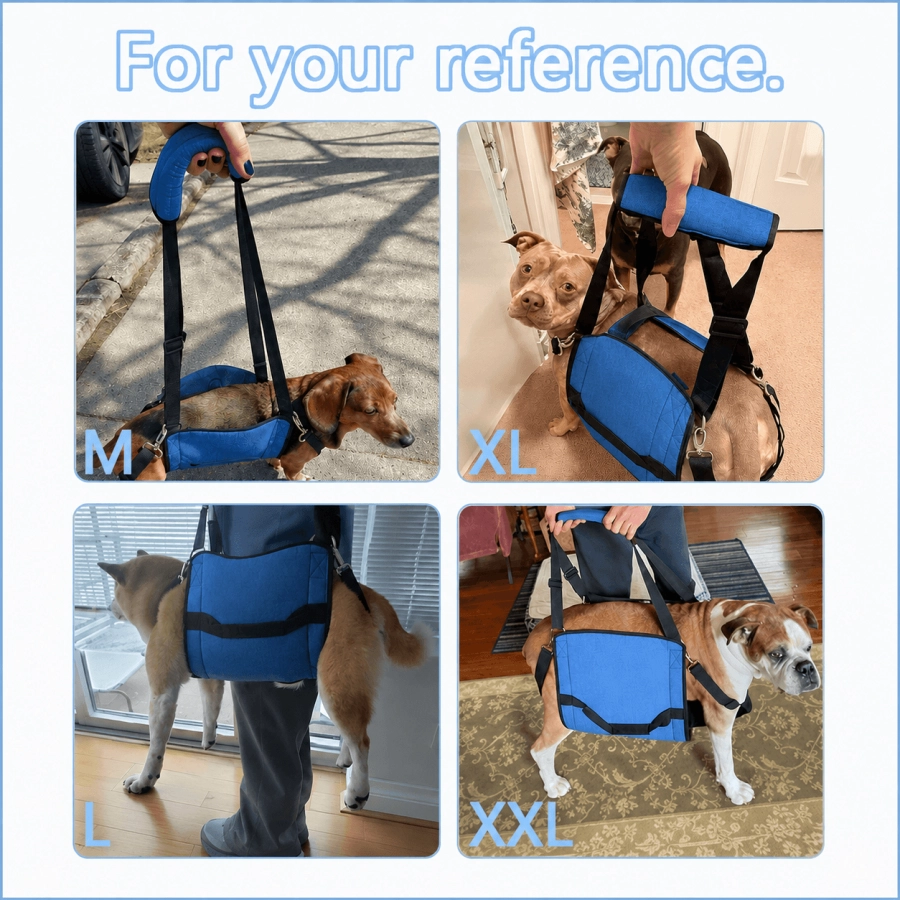
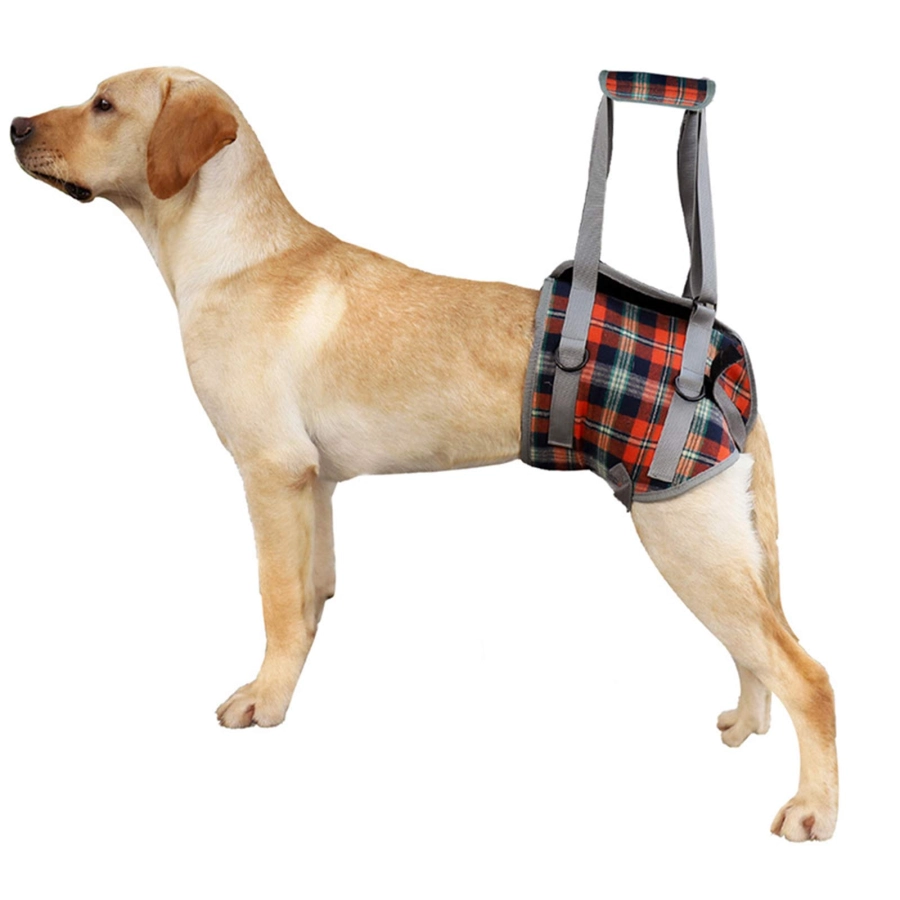
Rear-End Support Harness
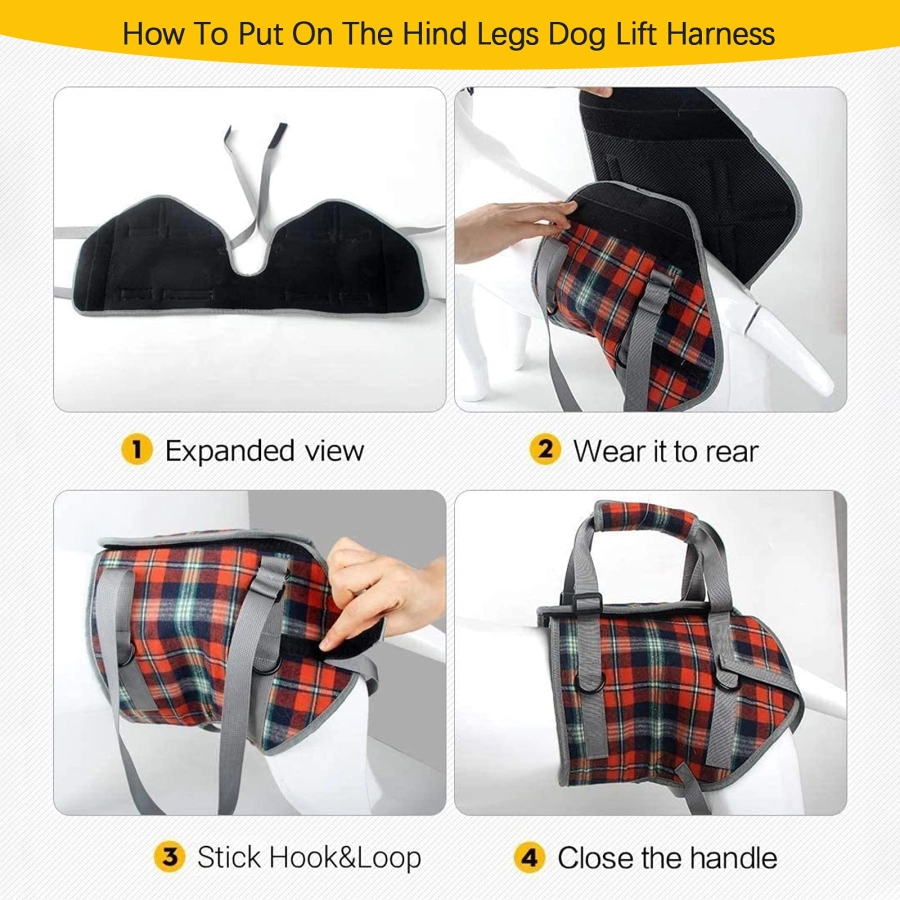
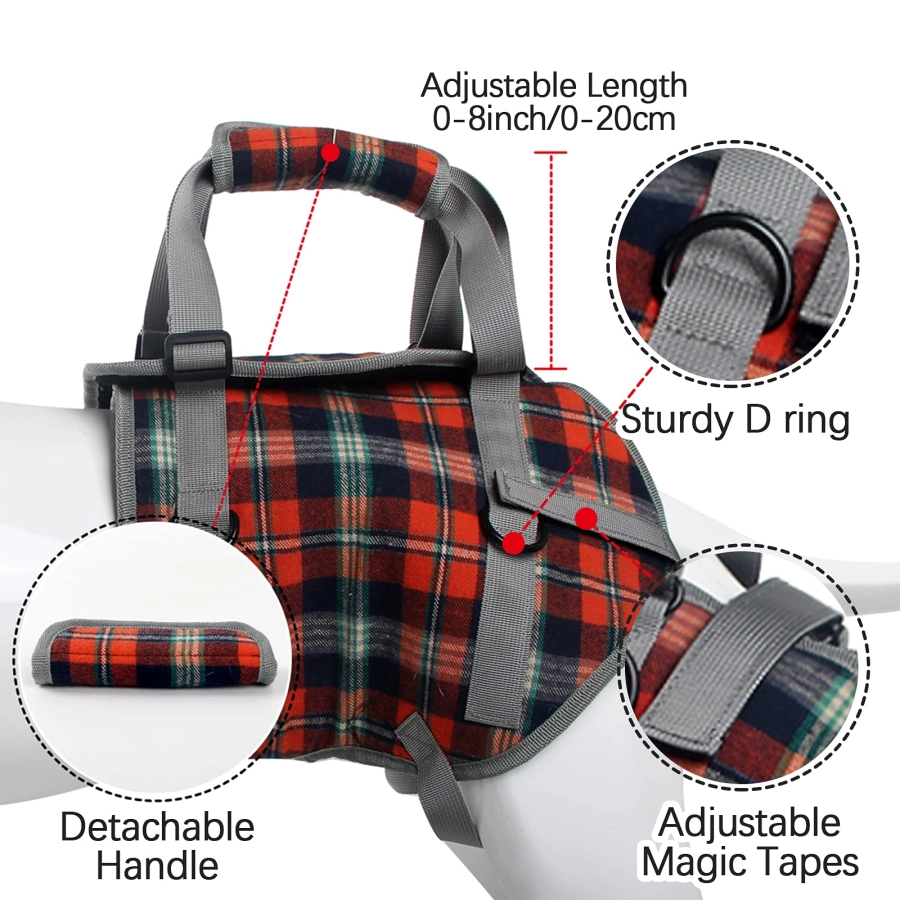
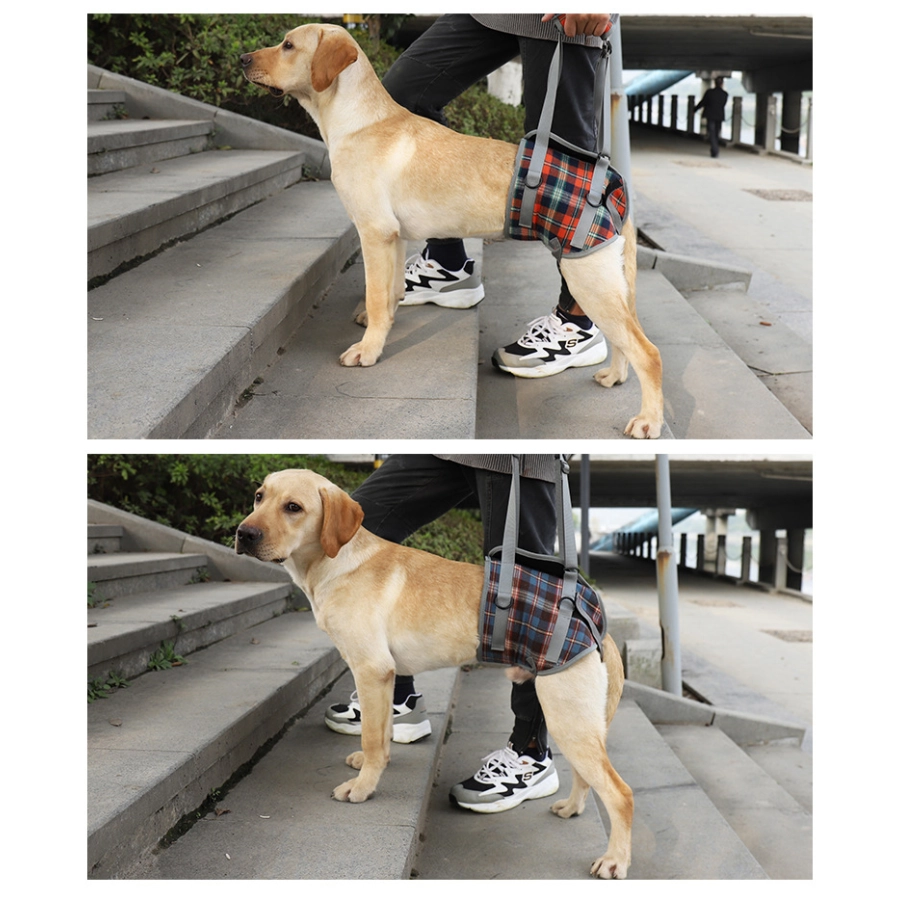
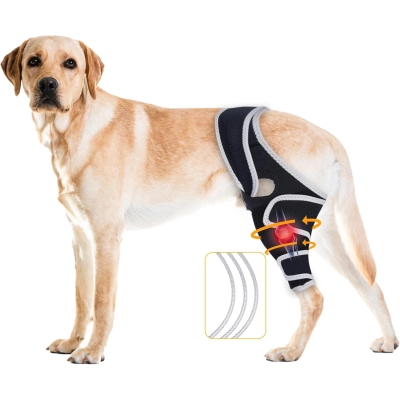
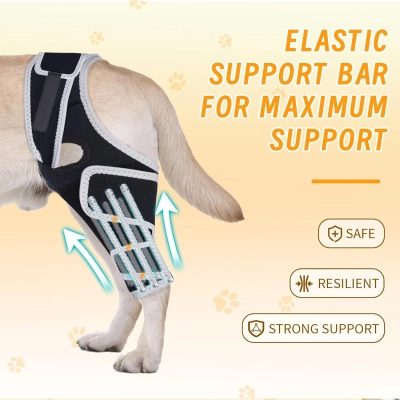
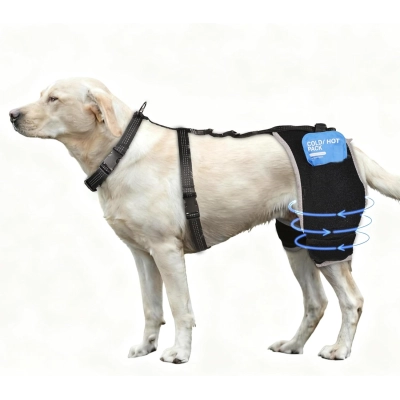
Some dogs only need help with their back legs. If your dog has hip dysplasia or is recovering from surgery, a rear-end support harness is a smart choice. This harness lifts the hindquarters and lets the front legs move naturally. You can help your dog with bathroom breaks, stairs, or short walks.
Here are situations where a rear-end support harness works best:
-
Recovery from surgery
-
Temporary mobility loss
-
Support for dogs with degenerative conditions
You’ll find this harness easy to use and lightweight. It’s great for dogs who need extra help but still have strength in their front legs. You can use it for rehabilitation or physical therapy, too.
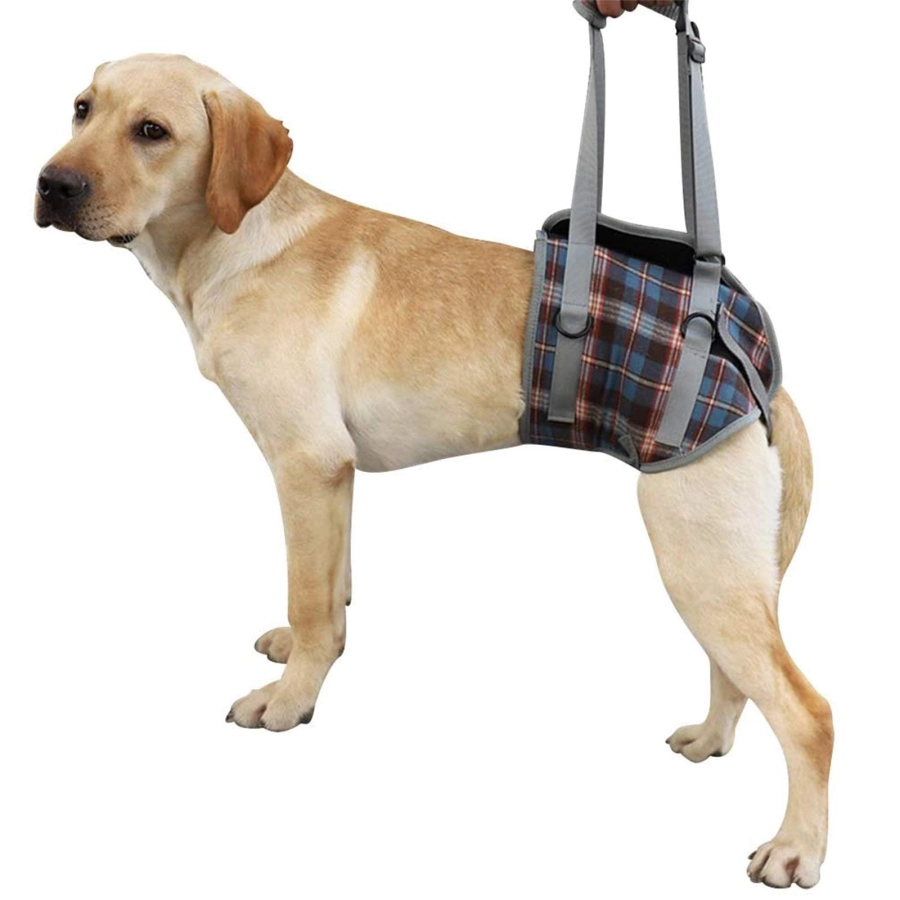
Vest-Style Harness
If your dog’s mobility changes from day to day, you might want a vest-style harness. This harness is versatile and comfortable. You can use it for front leg weakness or as a daily walking harness. The vest-style harness gives flexible support and is easy to put on and take off.
Let’s compare the advantages and disadvantages:
|
Advantages |
Disadvantages |
|---|---|
|
Provides safety and support |
May not fit all dogs comfortably |
|
Enhances comfort for senior dogs |
Can be difficult to put on for some |
|
Offers full body support |
May restrict mobility if not fitted well |
You can use a vest-style harness for regular walks or short-term help. The breathable fabric keeps your dog cool, and the dual-handle system lets you lift from the front or back.
Tip: Always check the fit before you use any harness. A snug harness gives your dog support without causing discomfort.
Choosing the Right Harness for Your Dog
You want to match the harness to your dog’s condition. If your dog has severe mobility issues, a dog full body lifting harness gives total support. For mild weakness or recovery, a rear-end support harness works well. If your dog needs flexible help, try a vest-style harness.
Here’s a quick guide:
-
Classic harness: Good for even tension but not for dogs that pull.
-
Back-clip harness: Easy to use, best for well-trained dogs.
-
Front-clip harness: Supports front limb weakness.
-
Total body harness: Best for severe mobility issues, allows complete lifting.
You can help your dog feel safe and comfortable every day. The right harness lets you support your dog’s needs and keeps them moving with confidence.
Remember: A dog full body lifting harness is your best friend when your dog needs full body support. You can make daily life easier for your senior dog and give them the help they deserve.
Table: Types of Mobility Harnesses for Senior Dogs
|
Type of Harness |
Description |
Key Benefits |
|---|---|---|
|
Full Body Support |
Comprehensive harness for overall body weakness. |
Helps elderly dogs stand, supports during walks, prevents falls, easy to wear, lightweight. |
|
Hind Leg Support |
Targeted support for hind legs, ideal for post-surgery recovery. |
Assists with bathroom breaks, safer navigation of stairs, comfortable vest style. |
|
Everyday Vest |
Versatile harness for front leg weakness, doubles as a daily walking harness. |
Provides support for front legs, can be used for regular walks, lightweight and comfortable. |
You can see how each harness type fits different needs. A dog full body lifting harness stands out for full body support and daily help. You can choose the best harness based on your dog’s mobility and comfort.
Senior Pet Dog Harness: Key Features
Comfort and Padding
When you pick a senior pet dog harness, comfort and safety should come first. Your dog spends a lot of time wearing their harness, so soft padding matters. Many harness design options use neoprene or fleece-backed nylon. These materials feel gentle against your dog’s skin and help prevent chafing. Padding around the chest and belly supports your dog’s joints and makes walks more enjoyable. A good harness design spreads weight evenly, so your dog feels less strain and more support.
Tip: Look for harnesses with extra padding if your dog has sensitive skin or arthritis.
Adjustability and Fit
A proper fit keeps your dog safe and happy. You want a senior pet dog harness that adjusts easily. Adjustable straps let you change the fit as your dog’s body changes. Here’s why fit matters:
-
A well-fitted harness supports natural movement and posture.
-
It prevents pressure on your dog’s chest and organs.
-
The right design and fit help avoid chronic pain or strain.
-
Good harness design lets your dog breathe and move freely.
Always use the two-finger rule. You should fit two fingers between the harness and your dog’s body. This simple check keeps the harness snug but not too tight. Check the fit often, especially if your dog’s weight changes.
Material Choices
The material in a senior pet dog harness affects both durability and comfort. Here’s a quick guide:
|
Material Type |
Impact on Durability |
Impact on Comfort |
|---|---|---|
|
Neoprene |
Durable, resists wear |
Soft, prevents chafing |
|
Mesh Lining |
Breathable, lightweight |
Flexible, moves with your dog |
|
Fleece-Backed Nylon |
Strong, comfortable |
Spreads weight, reduces strain |
|
Spandex-Infused Textiles |
Stretchy, snug fit |
Reduces joint strain |
|
Moisture-Wicking Fabrics |
Keeps skin dry, less irritation |
Great for dogs with incontinence |
Choose a harness design that matches your dog’s needs and daily activities.
Ease of Use
You want a senior pet dog harness that’s easy to put on and take off. Simple buckles and clear markings help you get your dog ready fast. Many harness design options use quick-release clips or step-in styles. These features make daily routines smoother for both you and your dog. When you focus on ease of use, you spend less time struggling and more time enjoying walks together.
Remember: The right harness design combines comfort, fit, material, and ease of use for the best experience.
Choosing a Lifting Harness
Helping your senior dog move with confidence starts with the right harness. You want your dog to feel safe and comfortable every day. Let’s walk through how you can pick the best option for your furry friend.
Assessing Your Dog’s Needs
Every dog is unique. Start by watching how your dog moves around the house. Does your dog struggle to stand up? Maybe your dog hesitates at stairs or slips on smooth floors. Some dogs need help with their back legs, while others need support all over. Think about your dog’s daily routine and where they need the most help.
Here are a few things to consider:
-
Does your dog have trouble rising after naps?
-
Is walking outside harder than before?
-
Do you notice weakness in the front or back legs?
-
Has your dog lost muscle or balance?
You want to match the harness to your dog’s needs. If your dog has severe weakness, a full body harness gives the most support. For mild problems, a rear-end harness might be enough. If your dog’s needs change, a vest-style harness offers flexibility. Remember, the goal is to give your dog the right kind of mobility assistance for their lifestyle.
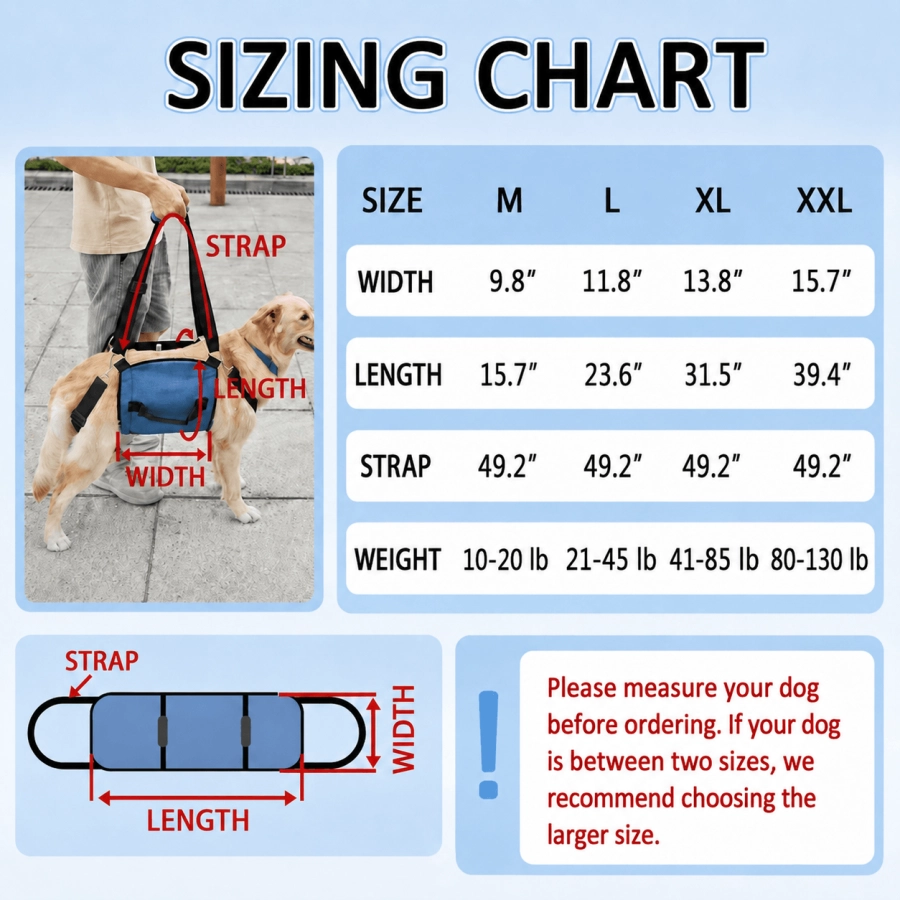
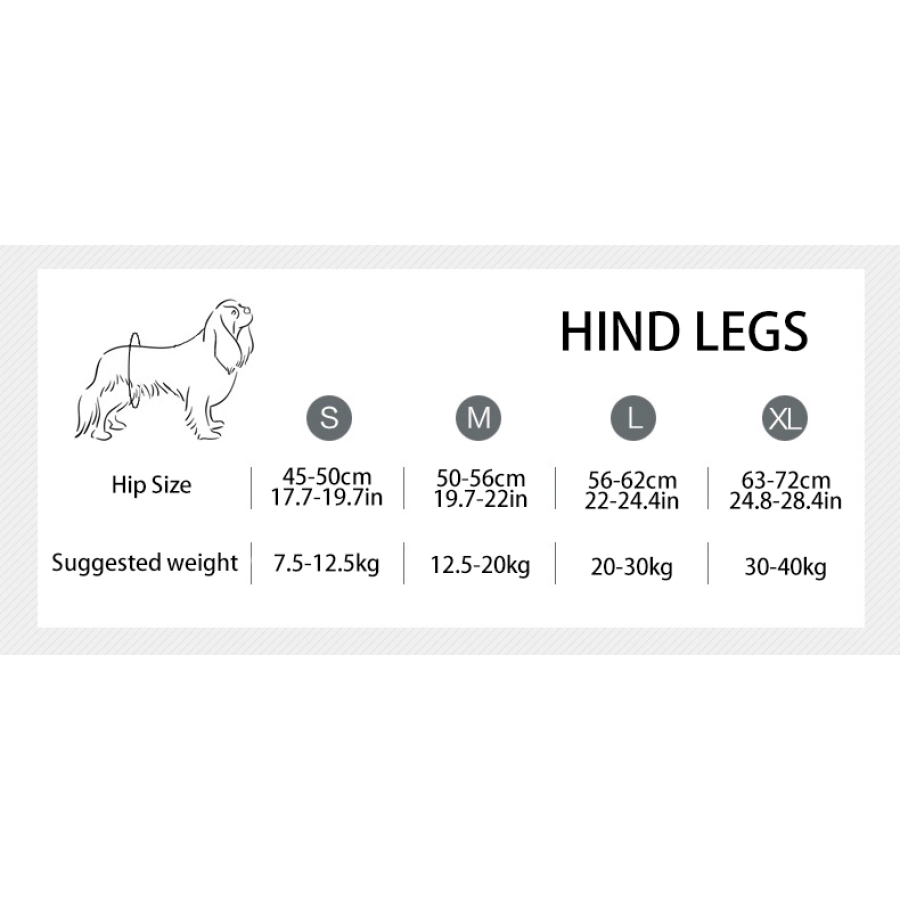
Measuring for Fit
A harness only works well if it fits your dog just right. You don’t want it too tight or too loose. A properly fitted harness keeps your dog safe and comfortable. Here’s how you can measure your dog for the best fit:
-
Girth Measurement: Use a soft tape measure. Wrap it around the widest part of your dog’s chest, right behind the front legs. Write down this number.
-
Length Assessment: Measure from the base of the collar to the base of the tail. This helps you pick a harness that covers the right areas.
-
Weight Tracking: Weigh your dog. Harness sizes often depend on weight. Senior dogs can lose or gain weight quickly, so check this number often.
Tip: Always use the two-finger rule. You should be able to slide two fingers under any strap. This means the harness is snug but not too tight.
Breed and body shape matter, too. Some breeds need special adjustments for the best fit:
-
Dogs with barrel chests, like Boxers or Bulldogs, may need a larger front harness.
-
Small breeds often do better with a smaller rear harness.
-
Large breeds need longer straps and wider chest panels.
Check the harness for adjustable straps. This lets you change the fit as your dog’s body changes. Try the harness on your dog and watch them walk around. Look for rubbing, slipping, or pinching. If you see any of these, adjust the straps or try a different size.
Here’s a quick table to help you remember what to measure:
|
What to Measure |
How to Measure |
Why It Matters |
|---|---|---|
|
Chest Girth |
Around the widest part of the chest |
Ensures harness stays secure |
|
Body Length |
Collar base to tail base |
Matches harness coverage |
|
Weight |
Use a scale |
Picks the right size |
You want your dog to feel good in their harness. A good fit means your dog can move, breathe, and rest without trouble.
Consulting Your Vet
Your veterinarian knows your dog’s health history. Before you buy a new harness, talk with your vet. They can help you choose the best style for your dog’s joint issues. Vets often see what works for different breeds and body types. They can spot problems you might miss.
Here’s how your vet can help:
-
Give advice based on your dog’s unique mobility needs.
-
Suggest harnesses that protect sore joints or weak muscles.
-
Warn you about harnesses that might not work for certain conditions, like hip dysplasia or spinal problems.
Note: Always check with your vet before trying a new harness, especially if your dog has a medical condition.
Your vet wants your dog to stay active and happy. They can show you how to use the harness safely. If you have questions about fit or comfort, your vet is the best person to ask.
Choosing the right harness takes a little time, but it makes a big difference. You give your dog the support they need to enjoy every day.
Fitting and Using for Full Body Support
Step-by-Step Fitting
Getting the right fit for your dog's full body support harness makes all the difference. Start by measuring your dog's neck at the base and then measure the chest just behind the front legs. Write down your dog's weight. Use these numbers to check the sizing guide for your harness. Once you pick the right size, adjust the straps so you can slide two fingers between the harness and your dog's body. This keeps the harness snug but not too tight.
A proper fit helps prevent rubbing and discomfort. Many people make the mistake of tightening the harness too much or letting it shift during walks. Pick a design that allows your dog to move naturally and has several adjustment points. Always check sensitive spots like the armpits for redness or irritation.
Check the straps often and adjust them as needed. This keeps your dog comfortable and safe during lifting.
Helping Your Dog Adjust
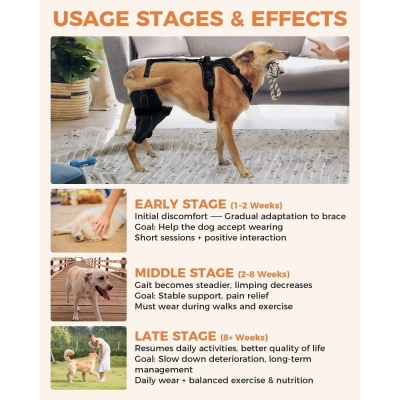
Introducing a new harness takes patience. Let your dog sniff and explore the harness before putting it on. Give treats and praise to make the experience positive. Start with short wear times and slowly increase them as your dog gets used to the feeling. Make sure the harness fits well every time you use it. Watch for any signs of pressure sores, especially where the harness touches the skin.
-
Make sure the fit is snug but not tight.
-
Let your dog get used to the harness in a calm setting.
-
Check your dog's skin for any signs of rubbing or irritation.
If your dog seems nervous, take a break and try again later. Most dogs adjust quickly when you use gentle encouragement.
Safe Lifting Techniques
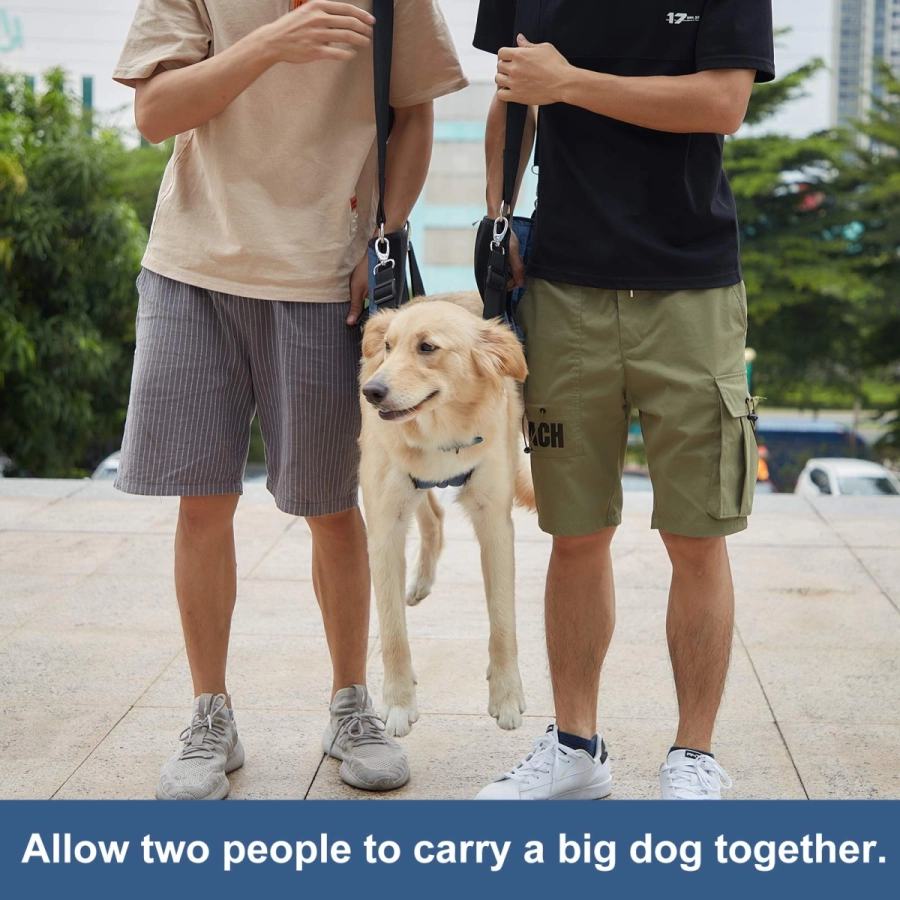
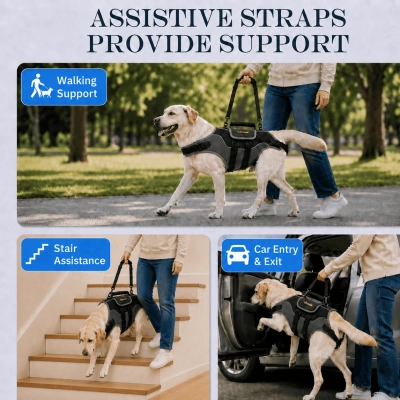
When you help your dog with lifting, use safe body mechanics. Bend your knees and keep your back straight. Lift smoothly and avoid sudden jerks. Keep your dog's body level and support both the front and back. For large dogs, ask someone to help with lifting. Indoors, use the harness to help your dog stand on slippery floors or get up from a nap. Outdoors, use the handles to guide your dog up stairs or into the car.
|
Do's |
Don'ts |
|---|---|
|
Bend your knees |
Never yank upward |
|
Keep your back straight |
Don't lift with just your arms |
|
Lift smoothly |
Avoid twisting your body |
|
Support front and back |
Don't let the harness slip |
Tip: Always inspect the harness before each use. Look for worn stitching or broken clips. Clean the harness regularly and never leave it on your dog when unsupervised.
Using the right lifting harness and following these steps helps your senior dog feel safe and supported every day.
Maintenance and Safety Tips
Cleaning and Inspection
Keeping your dog's harness clean helps your dog feel good and stay healthy. You should clean and check the harness often. Here’s a simple table to help you remember:
|
Maintenance Task |
Recommended Frequency |
Purpose |
Tips |
|---|---|---|---|
|
Full Wash |
Every 1–2 weeks |
Gets rid of dirt, germs, and smells |
Use gentle soap; let it air dry |
|
Spot Cleaning |
After each use |
Stops dirt from building up in busy spots |
Clean armpits and chest padding |
|
Component Inspection |
Weekly |
Finds problems early |
Check buckles and stitches by pulling gently |
|
Fit Assessment |
Monthly |
Makes sure the harness fits well |
Adjust straps if needed; watch for weight changes |
|
Deep Inspection |
Every 3–6 months |
Checks the whole harness for damage |
Get a new harness if you see weak spots |
Look for dirt, loose threads, or broken parts when you check the harness. Clean dirty spots after walks, especially if your dog played outside. Always let the harness dry all the way before you use it again.
When to Replace
A harness that is old or broken can be unsafe for your dog. Watch for these signs:
-
Straps that are coming apart or have loose stitches
-
Buckles that are broken or rusty
-
Colors that look faded or places that are chewed
-
Any part that feels weak or could break
If you see any of these things, get a new harness right away. Using a harness that is not in good shape can hurt your dog or make them uncomfortable. Checking the harness often helps you find problems before they get worse.
Indoor Use Considerations
You might use the harness inside to help your dog stand or walk on slippery floors. Always keep an eye on your dog when they wear a harness indoors. Dogs can get stuck on furniture or other things. If you leave your dog alone with the harness on, they could have an accident. Some dogs have gotten trapped and could not get free without help.
Tip: Take off the harness if you are not there to watch your dog. This easy step keeps your dog safe and stops accidents from happening.
Taking care of the harness every day helps your dog stay happy and safe. You give your dog good support and make sure they are protected all the time.
Signs Your Dog Needs a Harness
Sudden Mobility Changes
You might see your dog move differently all of a sudden. Maybe your dog has trouble standing up after resting. Sometimes, your dog loses balance or wobbles when walking. These changes can happen quickly and mean your dog needs help. Dogs with osteoarthritis often have joint pain and stiff legs. After surgery, your dog may need help getting up or walking. Some health problems can make your dog weak or unsteady. If your dog stops before stairs or seems scared to get in the car, a harness might help.
Here are some warning signs to look for:
-
Hard time standing up after lying down
-
Sudden loss of balance or tripping
-
Needing help on stairs
-
Trouble getting in and out of the car
-
Slipping a lot on smooth floors
-
Walking differently or favoring one leg
If you notice these signs, your dog could use a harness for support and recovery.
Gradual Decline
Sometimes, your dog’s movement gets worse slowly. Your dog might take longer to get comfortable. You may see your dog get tired after easy exercise. Maybe your dog has trouble getting up or changes how they stand. Over time, your dog may walk slower or get tired faster. Sometimes, your dog loses balance or does not want to jump on furniture. Dogs who get weaker slowly often need help, especially with stairs or bathroom breaks.
|
Gradual Signs |
What You Might See |
|---|---|
|
Hunched back |
Swaying hips or changed posture |
|
Favoring one side |
Limping or shifting weight |
|
Increased irritability |
Making noise when moving |
|
Struggling to rise |
Taking longer to get comfortable |
Supportive harnesses like the GingerLead® Support and Rehabilitation Harness help your dog move during recovery. The harness also keeps you safe when you lift your dog.
Veterinary Advice
You should always talk to your vet if your dog has trouble moving. Dogs try to hide pain, so small changes are important. Problems like osteoarthritis and hip dysplasia can make it hard for your dog to move. Your vet can help you pick the best harness for recovery and after surgery. Getting advice from your vet helps your dog stay safe and get the right support.
Don’t wait for things to get worse. Your vet can help you with recovery and let your dog stay active.
Choosing the right lifting harness makes a big difference for your senior dog. You help your dog move easier and feel more comfortable every day. Check out the benefits in the table below:
|
Key Aspect |
Explanation |
|---|---|
|
Mobility Enhancement |
Your dog walks better and stays active with a well-fitted harness. |
|
Pressure Distribution |
Harnesses spread weight, so your dog feels less pain. |
|
Balance Support |
Rear support keeps your dog steady and confident. |
You can use breathable materials, handles, and easy-to-clean designs to keep your dog safe. When you take these steps, you give your dog a happier life. You make a positive impact, and your dog feels your care every day. 🐾
FAQ
How do I know if my dog needs a mobility harness?
You might notice your dog struggles to stand, hesitates on stairs, or slips on smooth floors. If your dog seems less active or shows pain when moving, a harness can help. Ask your vet if you’re unsure.
Can my dog wear a harness all day?
No, you shouldn’t leave a harness on all day. Take it off during rest or when you’re not supervising. This prevents skin irritation and keeps your dog comfortable.
How do I clean a mobility harness?
Most harnesses are machine washable. Use mild soap and air dry. For daily care, wipe down straps and padding after walks. Always check the label for specific cleaning instructions.
Will my dog accept wearing a harness?
Most dogs adjust quickly. Start slow and use treats or praise. Let your dog sniff the harness first. Short sessions help your dog feel safe and comfortable.
What if my dog gains or loses weight?
Check the fit often. Adjust the straps as needed. If the harness feels too tight or loose, measure your dog again and consider a different size.

0 Comments