
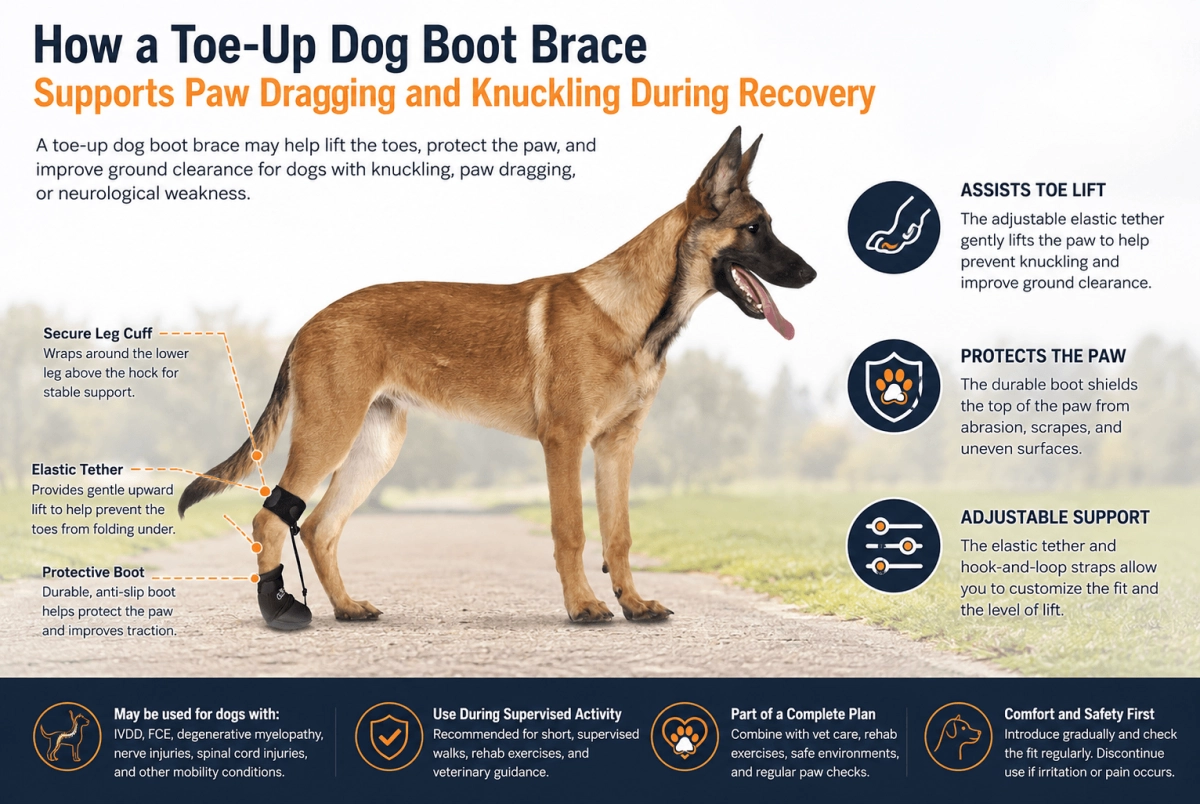
Watching a dog scrape the top of a paw, fold the toes underneath, or struggle to clear the ground can be worrying for any pet parent. These movement changes are often described as paw dragging, knuckling, or reduced toe lift.
Knuckling is not a condition by itself. It may occur when a dog has difficulty sensing or controlling the position of the paw. Neurological problems affecting the spinal cord or peripheral nerves can interfere with normal paw placement, while conditions such as intervertebral disc disease, degenerative myelopathy, nerve injuries, or fibrocartilaginous embolism may also contribute to abnormal gait patterns. A veterinary examination is important because the appropriate treatment and rehabilitation plan depends on the underlying cause.
For dogs that can still stand and walk but need help lifting an affected rear paw, a toe-up dog boot brace may become one part of a veterinarian-guided mobility routine.
What Does Dog Knuckling Look Like?
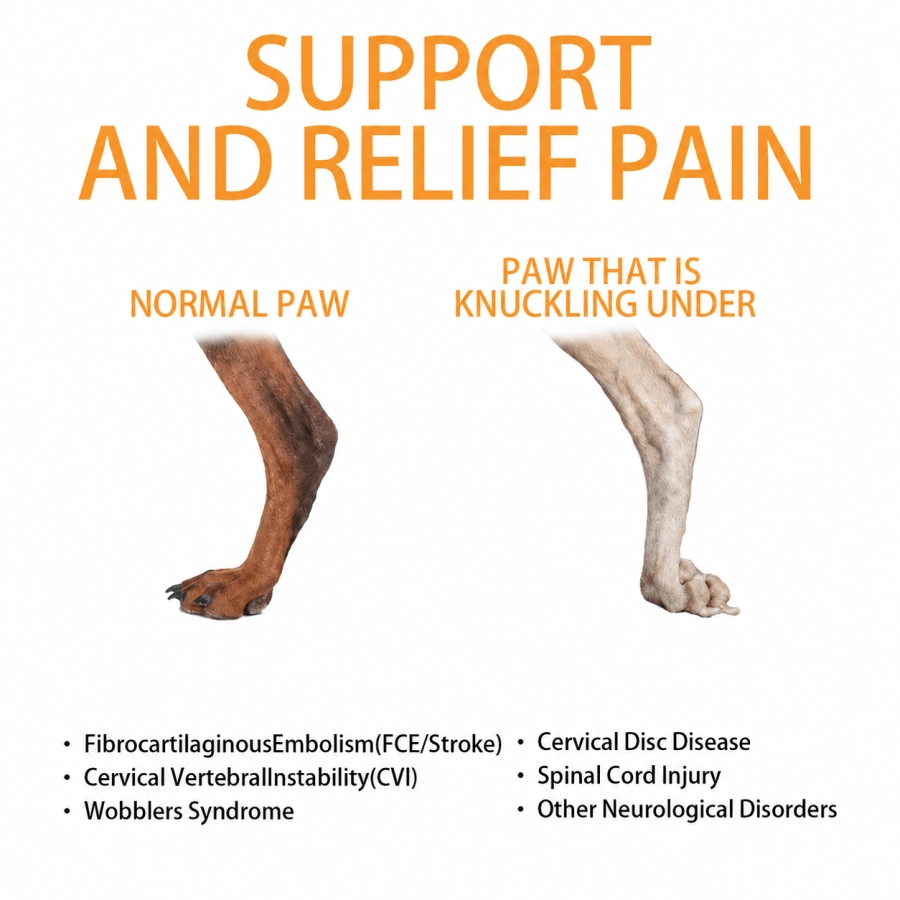
A healthy dog normally lifts each paw cleanly, clears the ground, and places the paw pads down for the next step. With knuckling, the paw may roll underneath so that the dog steps on the top of the toes instead of the pads.
Pet parents may notice:
- Scraping sounds when the dog walks on pavement
- Toenails wearing down unevenly
- Sores or redness on the top of the paw
- A rear paw folding underneath during a step
- Shorter steps or frequent stumbling
- Difficulty walking on smooth or hard surfaces
Dragging can gradually damage the nails and skin because the paw repeatedly rubs against the ground. Veterinary neurological examinations therefore pay close attention to scuffing, uneven ground clearance, stride changes, and abnormal paw placement.
Sudden knuckling, severe pain, rapid weakness, or an inability to stand should not be managed with a boot alone. These signs require prompt veterinary assessment.
How Does a Toe-Up Dog Boot Brace Work?
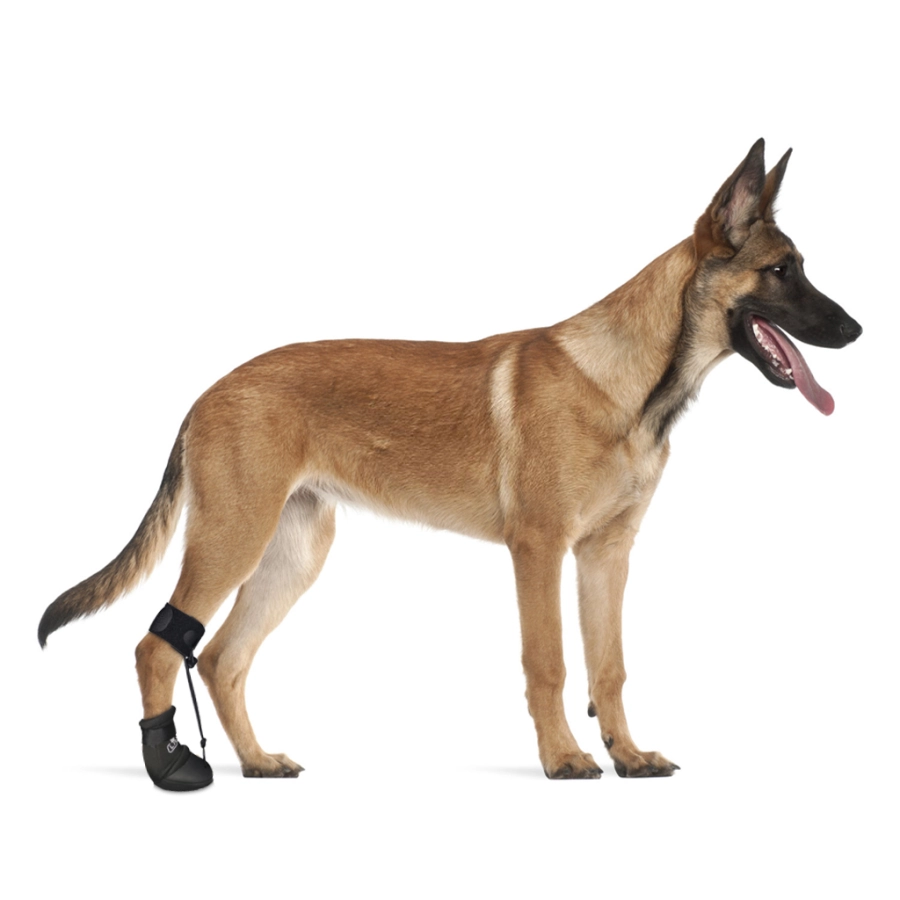
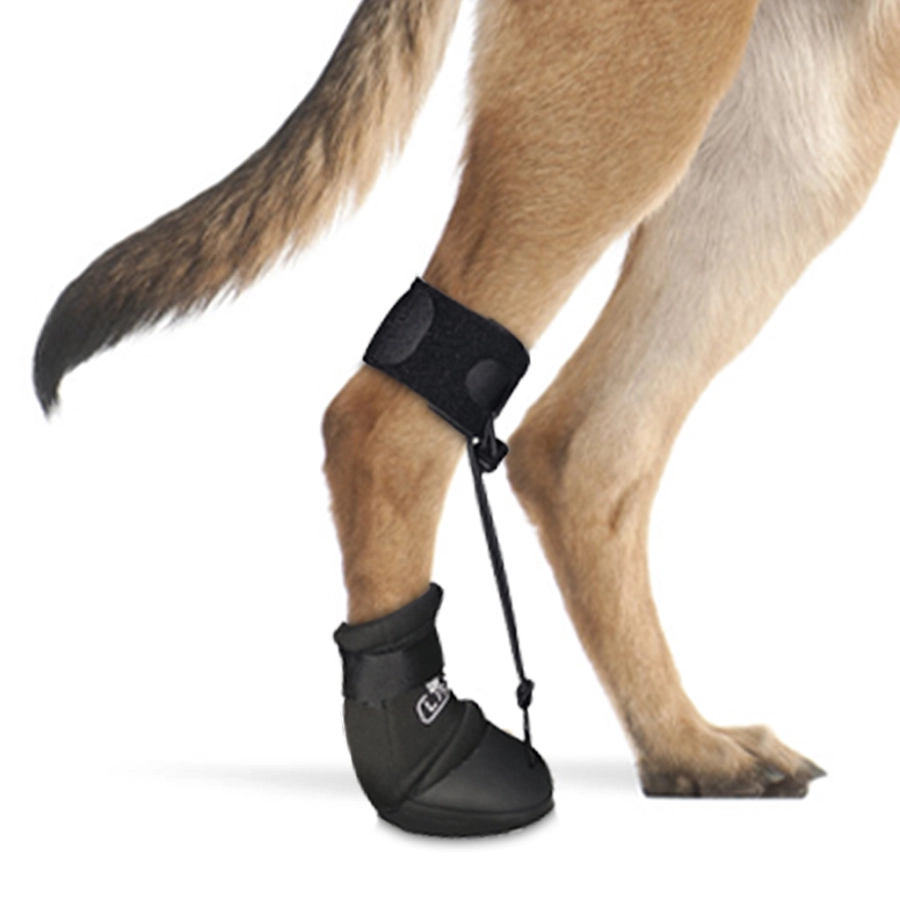
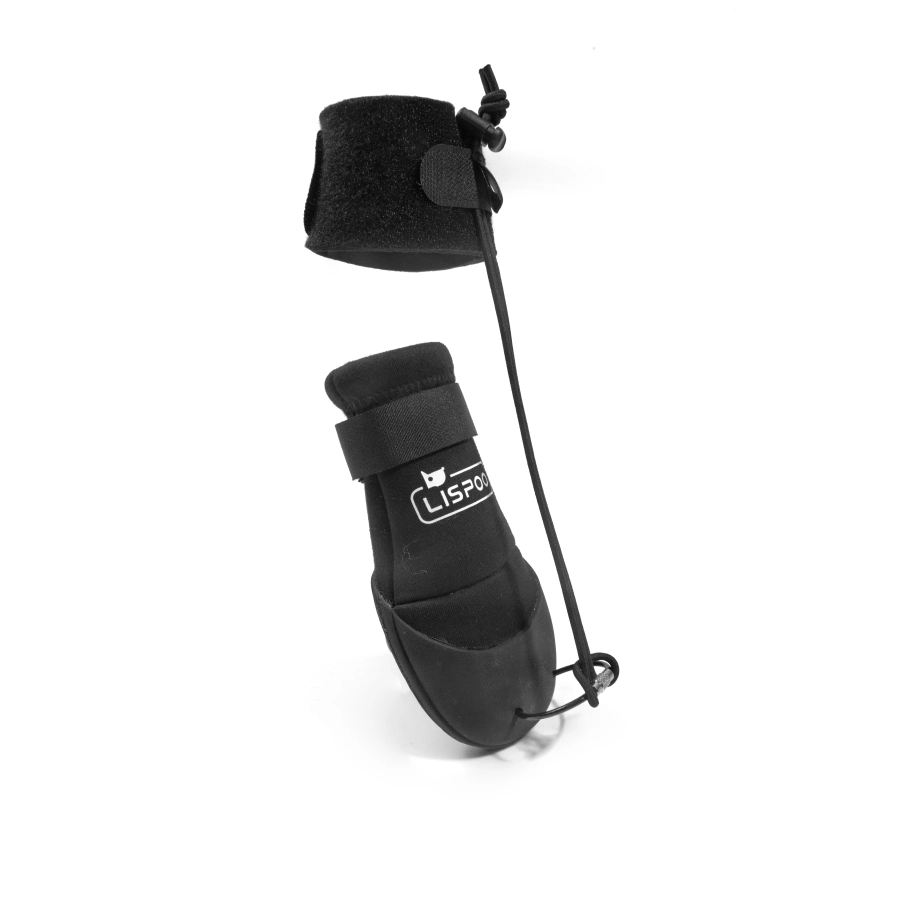
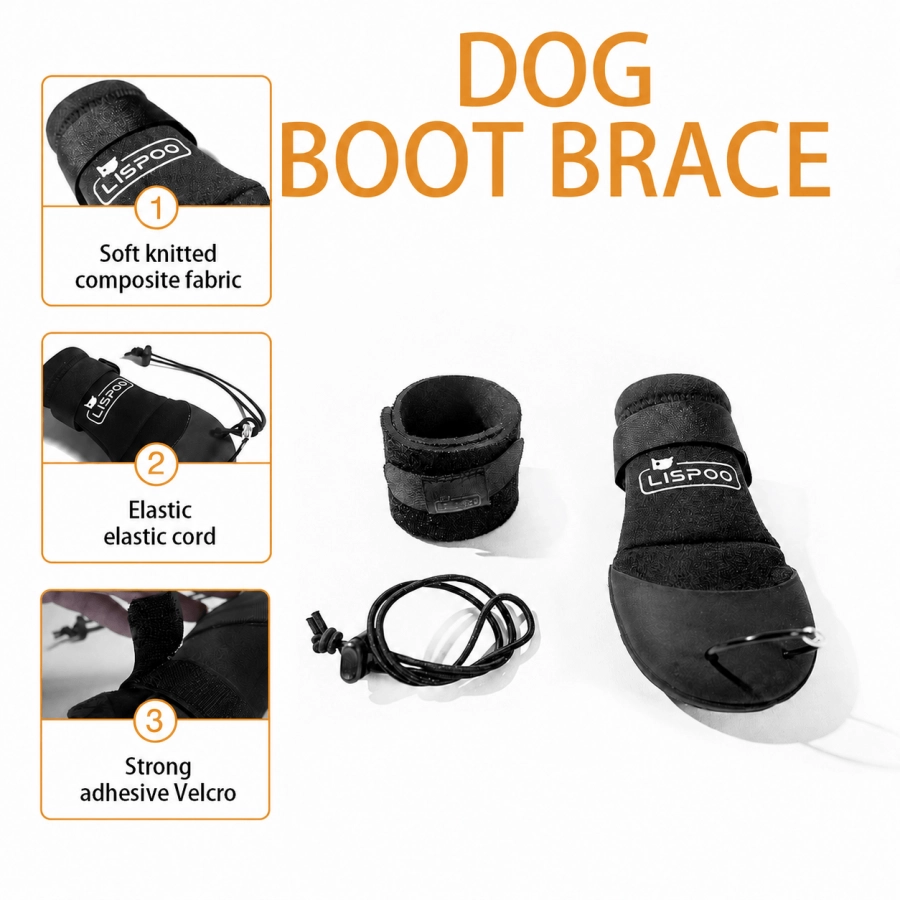
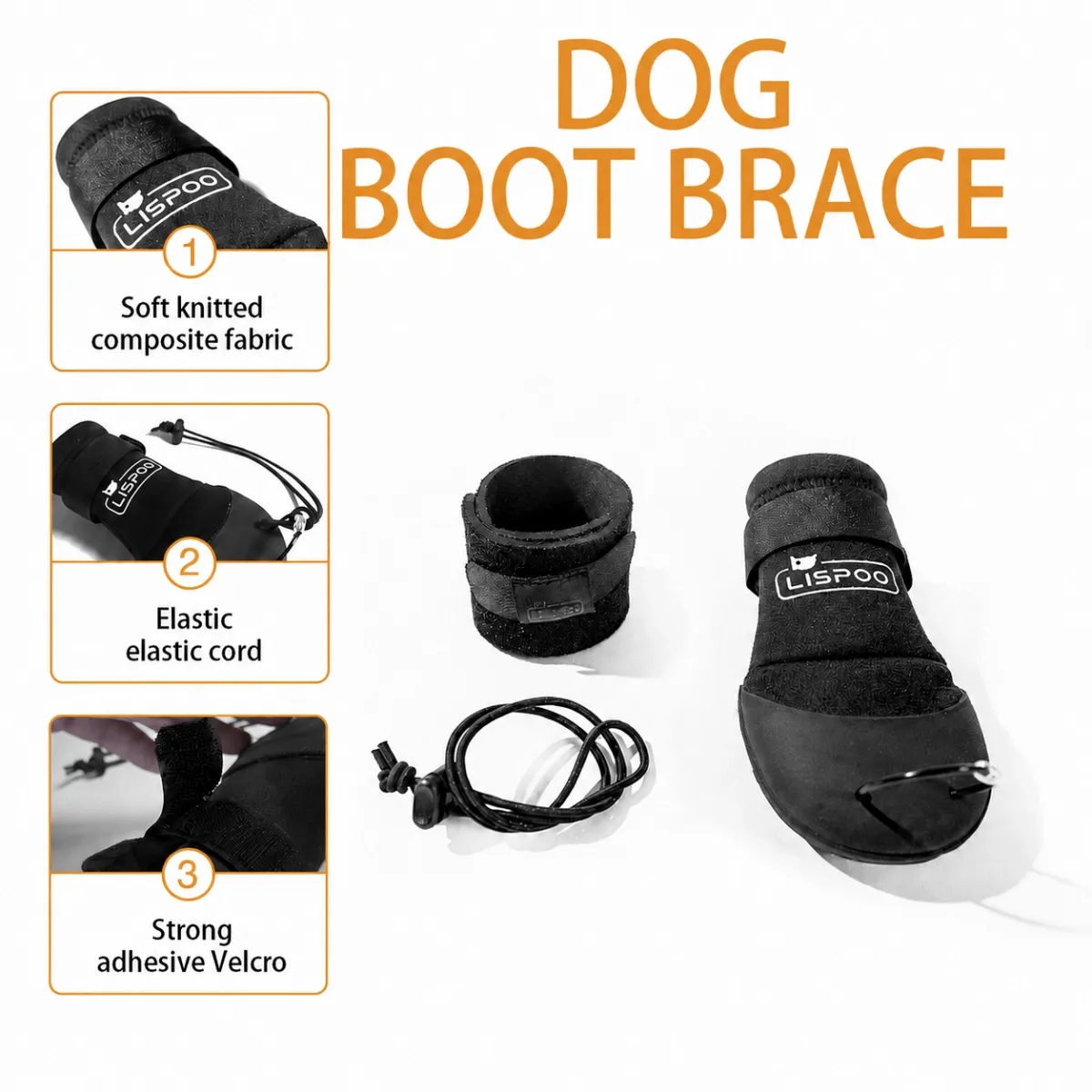
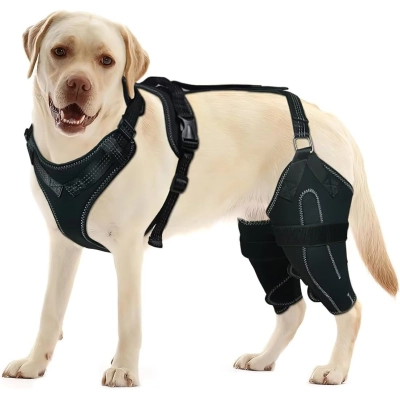
The LISPOO Toe-Up Dog Boot Brace combines three connected components:
- A protective boot placed around the affected paw
- A lower-leg cuff secured above the hock
- An adjustable elastic tether connecting the boot to the cuff
The elastic tether provides a gentle upward pull as the dog moves. Rather than allowing the toes to drop or fold underneath, the system encourages improved ground clearance and a more neutral paw position.
The tether can be adjusted according to the dog’s size, strength, gait, and level of assistance needed. The goal is not to pull the leg upward aggressively. It is to provide only enough tension to help the paw clear the ground more consistently during supervised movement.
Paw Positioning and Paw Protection in One Design
A toe-up brace has two related roles: assisting toe lift and protecting the paw from repeated contact with the ground.
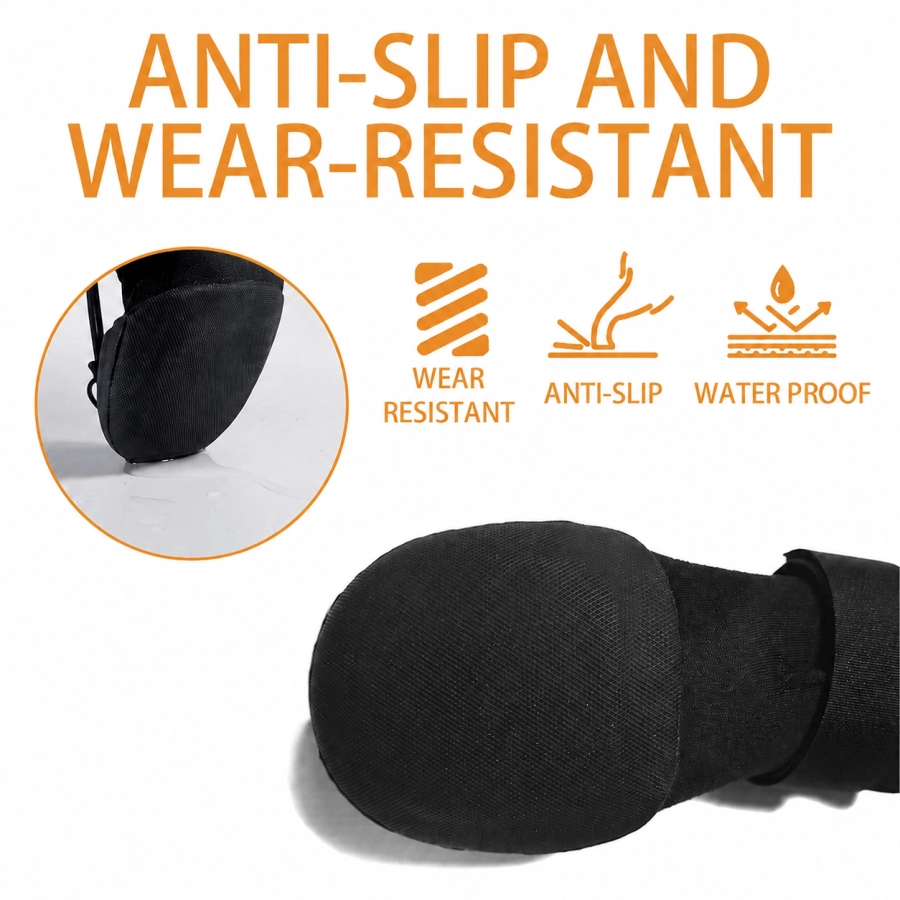
The LISPOO design uses a covered boot with a wear-resistant toe area and an anti-slip outsole. This helps create a physical barrier between the dragging paw and rough surfaces such as pavement, concrete, or gravel. The outsole also provides additional traction on smooth or damp ground.
The soft knitted composite upper wraps around the paw, while hook-and-loop closures on the boot and leg cuff allow the fit to be adjusted. Because every dog’s leg shape and movement pattern are different, owners should check both the strap tension and the elastic tension before every session.
Which Dogs May Benefit From This Type of Support?
A toe-up dog boot brace may be considered for dogs experiencing rear-paw dragging or poor toe clearance related to conditions such as:
- Intervertebral disc disease, or IVDD
- Fibrocartilaginous embolism, or FCE
- Degenerative myelopathy
- Peripheral nerve weakness or injury
- Spinal cord injury
- Post-operative neurological rehabilitation
- Age-related hind-leg weakness
- Other veterinarian-diagnosed gait or proprioception problems
Veterinary rehabilitation services commonly work with dogs affected by IVDD, FCE, degenerative myelopathy, peripheral nerve injuries and other mobility conditions. However, rehabilitation must be individualized after the dog has been assessed. A brace can provide external assistance during walking, but it does not diagnose the condition, repair damaged nerves or replace medical treatment.
The LISPOO model is designed around the rear hock and paw. Owners dealing with front-leg knuckling should ask their veterinarian about a support device specifically designed for the forelimb.
How to Fit the LISPOO Toe-Up Dog Boot Brace
Correct fitting is essential. A brace that is too loose may rotate or slip, while excessive strap or cord tension may interfere with comfortable movement.
Step 1: Put on the protective boot
Place the affected paw fully inside the boot. Make sure the toes are positioned naturally and are not curled underneath. Fasten the boot securely without overtightening it.
Step 2: Position the leg cuff
Wrap the upper cuff around the lower rear leg, above the hock joint. It should remain stable while allowing normal circulation and joint movement.
Step 3: Connect the elastic tether
Attach the tether between the boot and cuff. Begin with light tension.
Step 4: Check the standing position
With the dog standing naturally, adjust the tether until the toes are lifted slightly. The paw should not be pulled sharply forward or upward.
Step 5: Observe a short walk
Walk the dog slowly over a level, non-slip surface. Watch whether the paw clears the ground and whether the dog appears comfortable. Recheck the placement if the boot rotates, the cuff slides, or the dog changes its gait significantly.
Start With Short, Supervised Sessions
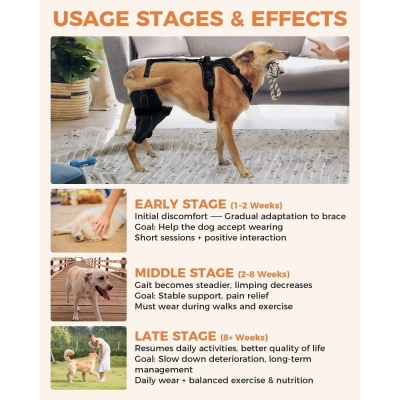
A toe-up brace should be introduced gradually. The first session can be limited to a few minutes indoors so the dog can become familiar with the boot and the altered paw movement.
During each session, check for:
- Redness around the paw or lower leg
- Rubbing at the edges of the boot
- Swelling above or below the straps
- A tether that appears too tight
- Rotation or slipping during walking
- Increased stumbling, discomfort or fatigue
The product is intended for supervised walks and rehabilitation activities rather than continuous, unsupervised, all-day wear. Session length and exercise intensity should follow the plan provided by the dog’s veterinarian or rehabilitation professional.
Remove the brace immediately if the dog shows pain, persistent resistance, worsening weakness or skin irritation.
Measuring the Paw Before Ordering
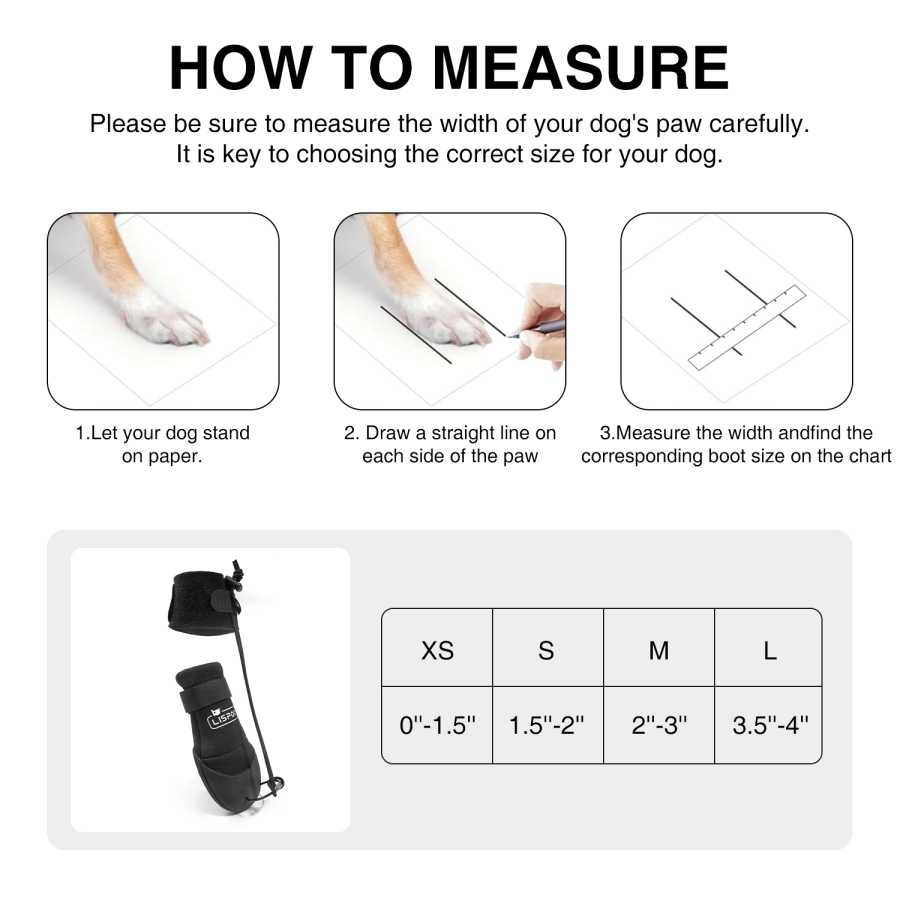
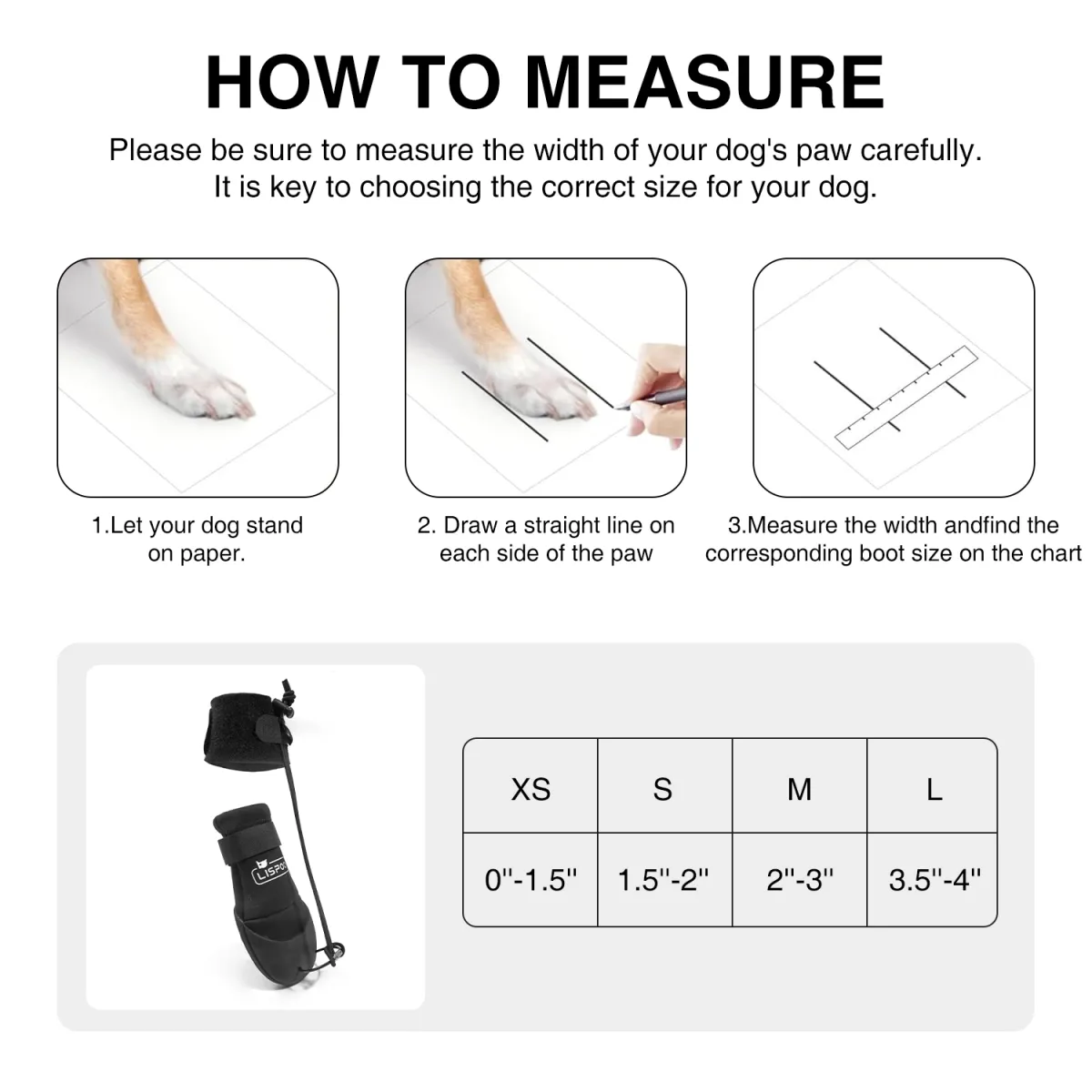
Paw width is one of the most important measurements when selecting the boot size.
Have the dog stand naturally on a piece of paper so the paw spreads under normal body weight. Mark the widest points on both sides of the paw and measure the distance between them. Do not measure the paw while it is lifted, because the toes may appear narrower when they are not bearing weight.
Also check the circumference of the lower leg where the upper cuff will sit. Owners can select a single brace when one rear paw is affected or a double set when both rear paws require support.
Using the Brace as Part of a Broader Mobility Plan
The most effective mobility plans usually address more than one problem. Depending on the diagnosis, a veterinarian or rehabilitation therapist may recommend controlled walking, home exercises, environmental changes, weight management, hydrotherapy or other forms of physical rehabilitation.
At home, pet parents can also make movement safer by:
- Adding non-slip rugs on smooth floors
- Blocking access to stairs when necessary
- Keeping walks controlled and predictable
- Inspecting the affected paw after every outing
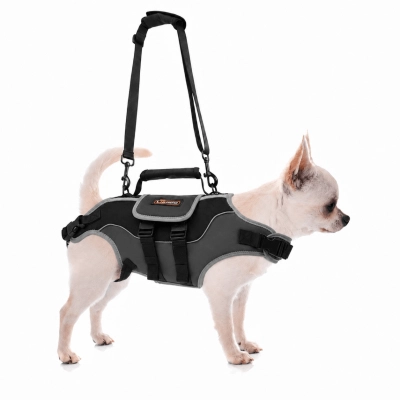
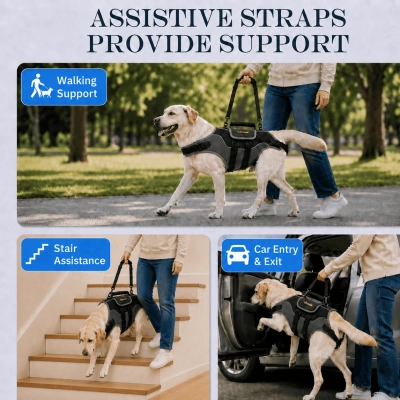
- Using a rear lifting harness when balance support is also needed
- Keeping nails properly trimmed
- Following the prescribed rehabilitation schedule
A toe-up brace should complement these measures rather than replace them.
A Small Assist for More Protected Steps
Paw dragging can turn even a short walk into a difficult experience. A properly fitted toe-up dog boot brace may help the toes clear the ground, protect vulnerable skin and nails, and provide external assistance during carefully supervised movement.
The LISPOO Toe-Up Dog Boot Brace for Paw Dragging and Knuckling Support features an adjustable lifting tether, protective boot, secure lower-leg cuff and anti-slip outsole. It is designed for dogs that can still participate in controlled walking or rehabilitation but require additional help positioning an affected rear paw.
Because knuckling can be associated with significant neurological or spinal conditions, always begin with a veterinary diagnosis. When the product is correctly sized, gradually introduced and used as part of an individualized care plan, it may provide practical support for safer, more comfortable daily movement.
0 Comments