

You want your dog to move with less pain and more joy. Dog Braces for Arthritis give your pup extra support on the outside, but what you feed them works on the inside to help heal and soothe sore joints. The right food can calm inflammation, help tissues recover, and even make braces feel better. With the right plan, you can see your furry friend walk, play, and enjoy life again.
Key Takeaways
-
Use dog braces for arthritis to help your dog's joints. Braces can make moving easier and less painful. They let your dog play and walk more.
-
Keep your dog at a healthy weight to help their joints. Give balanced meals and watch how much they eat. This helps your dog feel better and move easier.
-
Add omega-3 fatty acids to your dog's food. These nutrients lower swelling and help joints stay healthy. They can make your dog feel less sore.
-
Watch your dog's energy and comfort when using braces. Change their routine if they seem tired or hurt. Ask your vet if you notice any problems.
-
Take your dog to the vet for regular check-ups. The vet can give advice just for your dog. They will make sure your dog's food and supplements are safe.
Dog Braces for Arthritis and Diet Synergy
How Braces Aid Mobility
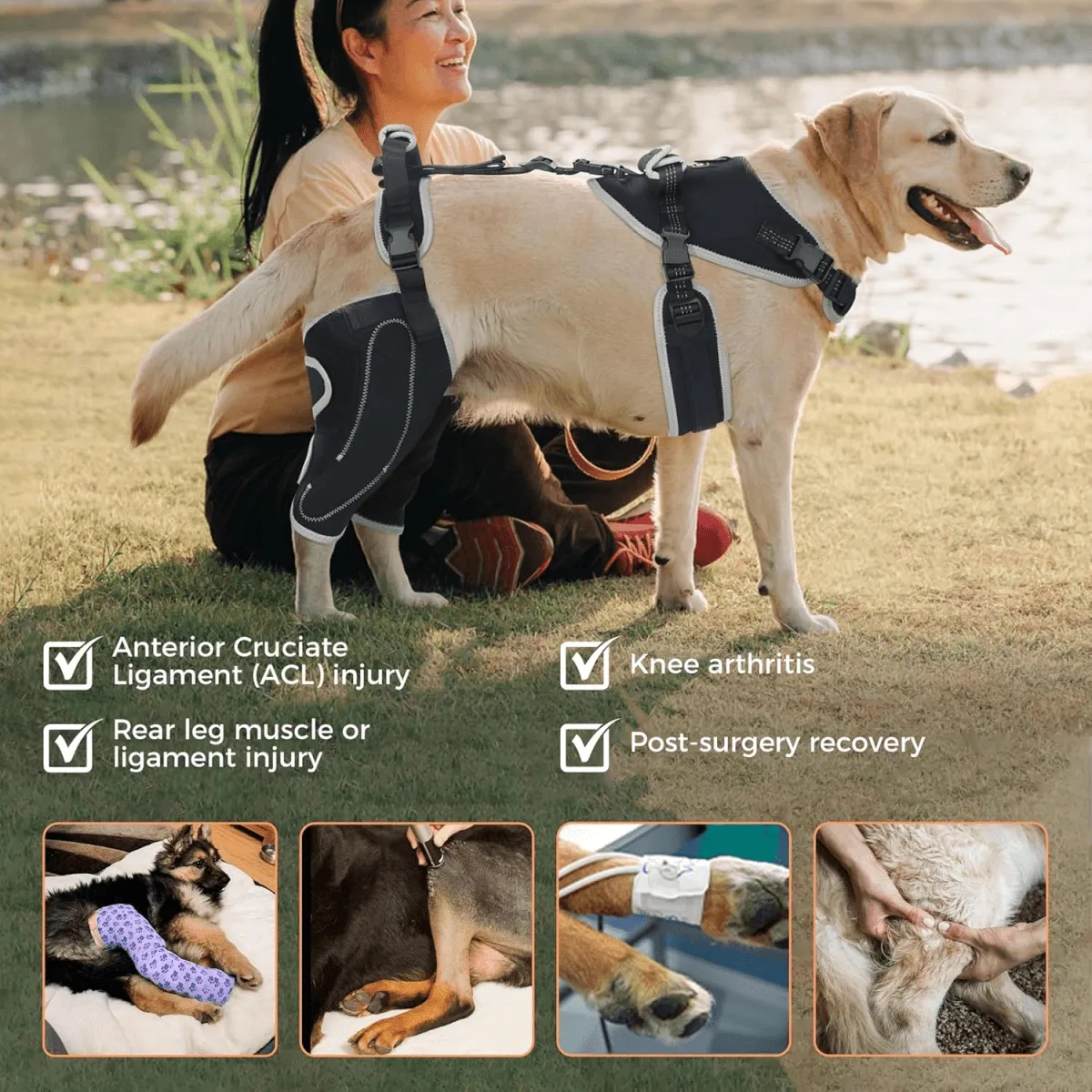
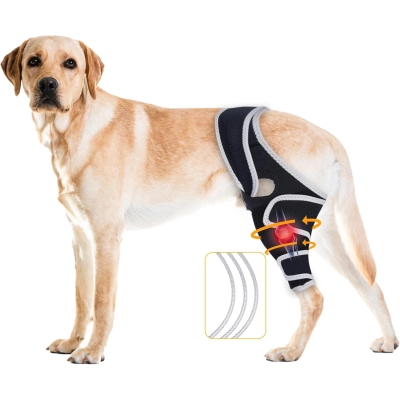
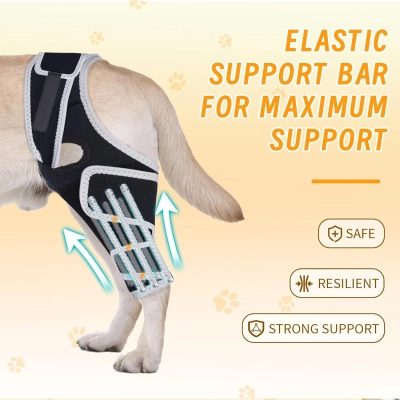
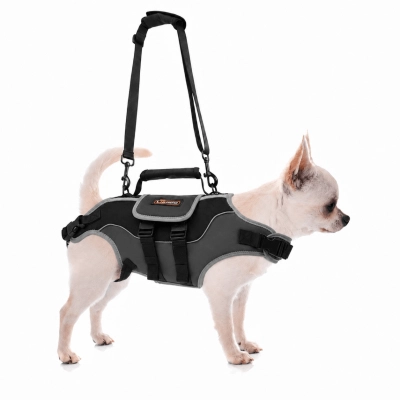
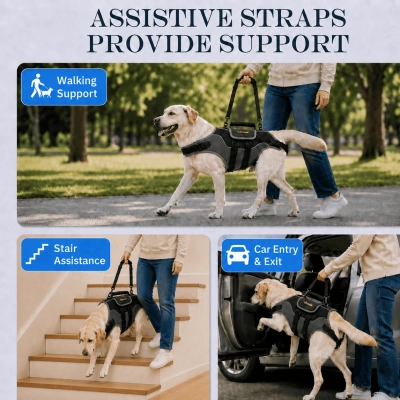
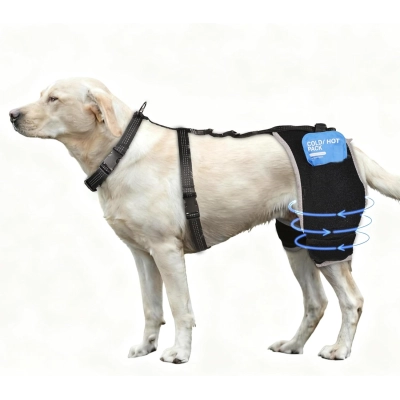
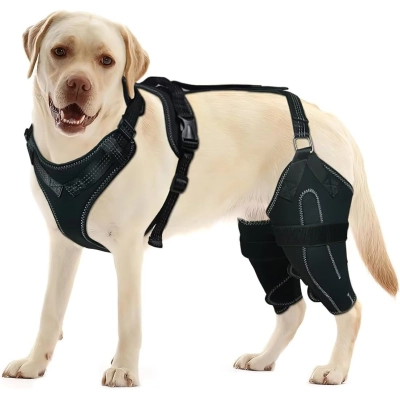
Braces for dogs with arthritis give your dog extra support where they need it most. These braces help steady weak joints and make walking or standing less painful. When your dog wears a brace, you may notice they move with more confidence. The brace takes some of the pressure off sore spots, so your dog can enjoy walks and playtime again. You might see your dog stand up straighter or even try activities they avoided before. Braces do not heal arthritis, but they make daily life easier and safer for your furry friend.
Diet’s Role in Joint Health
What you feed your dog works from the inside out. A good diet helps joints stay healthy and supports the work that Dog Braces for Arthritis do on the outside. If your dog carries extra weight, their joints have to work harder. This extra strain can make arthritis worse and make braces less comfortable. Keeping your dog at a healthy weight is one of the best things you can do for their joints.
Here are some important points about weight and joint health:
-
Maintaining a healthy weight is essential for joint health in arthritic dogs.
-
Extra pounds increase strain on joints, which can make your dog feel more discomfort.
-
You can help by giving balanced meals, watching portion sizes, and making sure your dog gets regular, gentle exercise.
When you combine the right diet with Dog Braces for Arthritis, you give your dog the best chance to move better and feel happier. The brace supports from the outside, while the diet builds strength and reduces swelling from the inside. Together, they create a powerful team for your dog’s recovery.
Weight Management Foundation
Assessing Body Condition
You want your dog to feel their best, so start by checking their body condition. This helps you know if your dog needs to lose weight to ease joint pain. Here’s a simple way to do it:
-
Stand your dog up in a relaxed position.
-
Look from above. You should see a waist behind the ribs.
-
Check from the side. A healthy dog has a slight tuck in the belly.
-
Run your hands over the ribs. You should feel them easily, but they should not stick out.
-
Feel along the spine and hips. These bones should be easy to find but not sharp.
-
Notice any extra fat, especially over the ribs, back, or base of the tail.
If your dog looks round or you can’t feel their ribs, they may be overweight. Dogs with a body condition score (BCS) of 6 or higher often need to lose weight. Keeping your dog at a healthy weight helps dog braces for arthritis work better and keeps your dog more comfortable.
Calorie Needs and Portion Control
Every dog has different calorie needs. Age, size, and activity level all matter. Use your dog’s ideal weight to figure out how much to feed. Most dog food bags have feeding guides, but these are just a starting point. Measure your dog’s food with a cup or scale. Avoid guessing or “eyeballing” portions.
Tip: Split your dog’s daily food into two or three smaller meals. This helps control hunger and keeps energy steady.
Weight Loss Tips for Arthritic Dogs
Helping your dog lose weight takes patience. Try these steps:
-
Choose a therapeutic weight loss diet with balanced nutrition.
-
Stick to portion control based on your dog’s needs.
-
Add low-impact exercise, like gentle walks or swimming.
-
Weigh your dog every week to track progress.
-
Celebrate small wins, like a looser collar or more playful mood.
Weight loss reduces stress on sore joints and makes braces more comfortable. You’ll see your dog move easier and enjoy life more.
Therapeutic Nutrients for Joints
When you want to help your dog’s joints heal, you need more than just a good dog brace. The right nutrients can make a big difference. Let’s break down the most important ones and how you can use them to support your dog’s recovery.
Omega-3s (EPA/DHA) and Dosage
Omega-3 fatty acids, especially EPA and DHA, are powerful helpers for sore joints. They fight inflammation and can ease pain. You usually find these in fish oil or krill oil. For dogs with arthritis, you need a higher dose than for general health.
Here’s a handy table to help you figure out how much omega-3 your dog needs each day:
|
Body weight (lbs) |
Recommended Daily Dose (100 mg/kg) |
Maximum Daily Dose |
|---|---|---|
|
10 |
450 mg |
965 mg |
|
20 |
910 mg |
1623 mg |
|
30 |
1360 mg |
2200 mg |
|
40 |
1820 mg |
2730 mg |
|
50 |
2270 mg |
3227 mg |
|
70 |
3180 mg |
4153 mg |
|
100 |
4550 mg |
5427 mg |
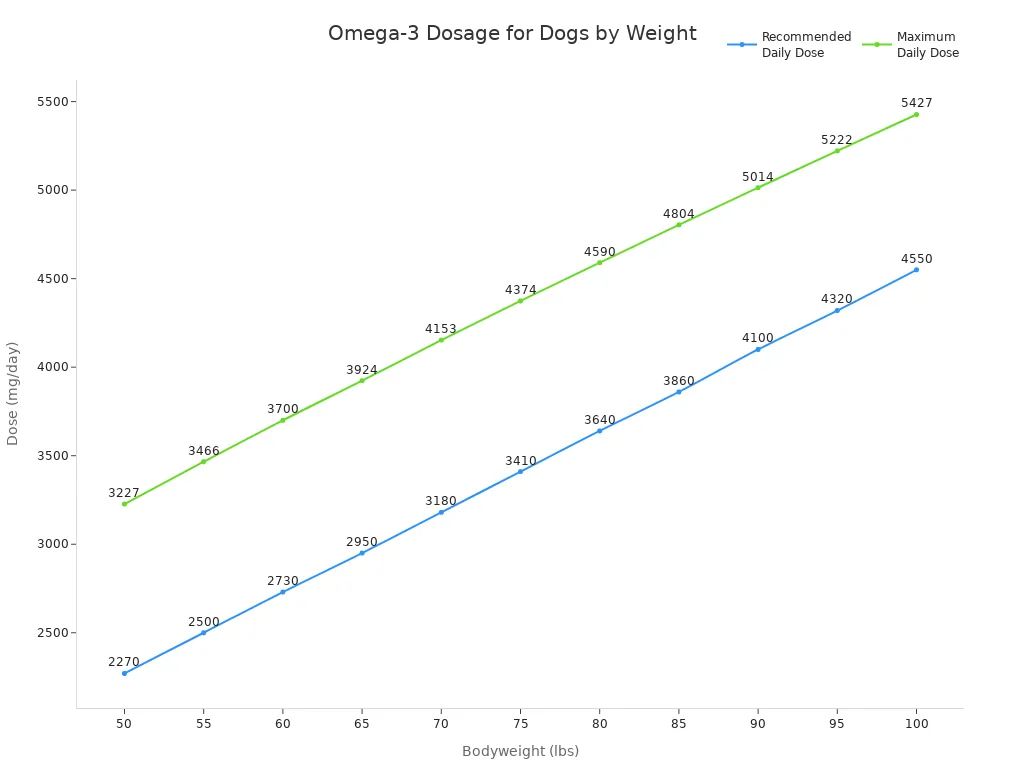
Tip: Always start with the recommended dose and check with your vet before giving more. Too much fish oil can upset your dog’s stomach.
Lean Protein Sources
Your dog needs strong muscles to support their joints, especially when using a brace. Lean protein helps build and keep muscle without adding extra weight. Choose easy-to-digest animal proteins like:
-
Chicken breast
-
Turkey
-
Fish (like salmon or whitefish)
-
Eggs
Try to avoid fatty cuts of meat. Lean protein keeps your dog strong and helps them move better.
Glucosamine, Chondroitin, and GLM
These three are the building blocks for healthy cartilage. They help repair and protect your dog’s joints.
-
Glucosamine and Chondroitin: These work together to slow down joint damage and may help your dog feel less stiff.
-
Green-Lipped Mussel (GLM): This shellfish from New Zealand packs a punch. It has special omega-3s and natural joint helpers. Studies show GLM can lower swelling and help dogs with arthritis move easier.
|
Supplement |
What It Does |
Where to Find It |
|---|---|---|
|
Glucosamine & Chondroitin |
Build and protect cartilage |
Joint chews, mobility diets |
|
Green-Lipped Mussel (GLM) |
Reduces inflammation, supports cartilage |
Powder, capsules, dog foods |
Many joint diets and supplements combine these for the best effect.
UC-II, Eggshell Membrane, Boswellia
Some new joint helpers are making a big difference for dogs with arthritis.
-
UC-II (Undenatured Type II Collagen): This helps your dog’s immune system stop attacking its own cartilage. It works best if you give it by itself, not mixed with other joint supplements.
-
Eggshell Membrane: This natural ingredient gives your dog extra joint support. It can help with pain and stiffness.
-
Boswellia: This plant extract fights inflammation and can make your dog more comfortable.
Recent studies show that when you use eggshell membrane and Boswellia together, dogs move better and feel less pain. You can find these in some advanced joint supplements.
|
Supplement |
Benefit |
How to Use |
|---|---|---|
|
UC-II |
Protects cartilage, reduces inflammation |
Give alone, daily |
|
Eggshell Membrane |
Improves comfort, supports flexibility |
In joint chews or powder |
|
Boswellia |
Lowers swelling, eases pain |
In capsules or chews |
Anti-Inflammatory Foods to Include
You can boost your dog’s meals with foods that fight inflammation. These foods help calm sore joints and support healing.
-
Fish (salmon, sardines, mackerel)
-
Blueberries
-
Spinach
-
Pumpkin
-
Sweet potatoes
Note: Always introduce new foods slowly and watch for allergies.
Foods and Ingredients to Avoid
Some foods can make inflammation worse or add extra weight. Try to keep these out of your dog’s bowl:
-
Grains (like wheat and barley)
-
Corn
-
Omega-6 fatty acids (found in some vegetable oils)
-
Fatty meats
-
Added salts, sugars, and artificial additives
Choosing the right foods and supplements gives your dog the best chance to heal from the inside out. When you pair these nutrients with a good brace, you help your dog move easier and feel happier every day.
Practical Feeding Strategies
Meal Timing with Brace Use
You want your dog to feel their best during brace-assisted recovery. Try feeding your dog after their main activity or brace-assisted walk. This timing helps your dog avoid a full belly during exercise, which can cause discomfort. After activity, your dog’s body uses nutrients to repair tissues and recover. You can also use small treats as motivation during brace training, but keep these healthy and count them in your dog’s daily calories.
Tip: If your dog seems tired after exercise, offer their meal once they have rested for a few minutes. This helps them eat calmly and digest food better.
Hydration Importance
Water is just as important as food for dogs with arthritis. Hydration keeps your dog’s joints lubricated, which helps them move more easily. It also supports muscle and joint function, making every step smoother.
-
Always keep a clean bowl of fresh water within reach.
-
Change the water at least once a day.
-
Watch for signs of dehydration, like dry gums or less energy.
Note: Some dogs drink less when they feel sore. Try adding a splash of low-sodium broth to their water to encourage drinking.
Monitoring Energy and Comfort
You know your dog best. Watch how they act during and after meals, especially when using a brace. Look for these signs to make sure your plan works:
-
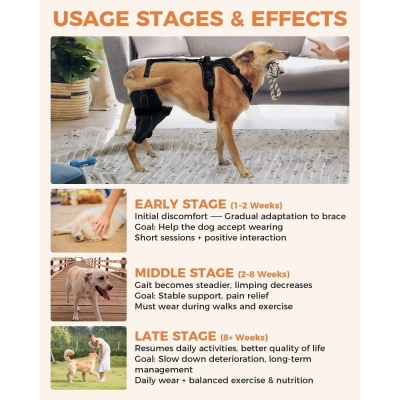
Start with short brace sessions and increase time slowly. This helps your dog adjust and stay comfortable.
-
Check your dog’s skin under the brace for redness or irritation.
-
Notice if your dog seems more playful or wants to walk longer. This shows their energy is improving.
-
Pair brace use with gentle exercise and joint supplements. This combination can boost your dog’s comfort and mobility.
If you see any changes in your dog’s mood, appetite, or movement, adjust their routine or talk to your vet. Small changes can make a big difference in your dog’s recovery.
Sample Meal Plan
Example Daily Menu
You want to give your dog the best chance at feeling good every day. Here’s a simple meal plan that brings together all the joint-friendly foods and nutrients we’ve talked about:
|
Meal Time |
What to Feed |
Why It Helps |
|---|---|---|
|
Breakfast |
1/2 cup joint-support kibble (mobility formula) |
Omega-3s fight inflammation. Sweet potato gives fiber and vitamins. |
|
Lunch |
1/2 cup joint-support kibble |
Lean protein keeps muscles strong. Pumpkin helps digestion. |
|
Dinner |
1/2 cup joint-support kibble |
Joint supplements protect cartilage. Spinach adds antioxidants. |
|
Snacks |
Blueberries (a few) |
Antioxidants and crunch without extra calories. |
Tip: Always adjust portion sizes based on your dog’s weight and calorie needs. Use treats as rewards during brace training, but count them in the daily total.
Adjusting for Age, Weight, Activity
Every dog is unique. You need to tweak the meal plan to fit your dog’s age, size, and how much they move.
-
Senior dogs usually need fewer calories. Pick a senior or reduced-calorie formula to prevent weight gain.
-
Less active dogs benefit from smaller portions. This keeps extra pounds off sore joints.
-
Large dogs may need more food, but focus on lean proteins and joint supplements.
-
Puppies or young adults with arthritis need more calories and protein for growth. Choose a puppy formula with joint support.
-
Always include joint helpers like glucosamine, chondroitin, and omega-3s.
-
Add antioxidants from foods like blueberries and spinach for overall health.
Watch your dog’s weight and energy. If you see changes, adjust the meal plan or talk to your vet. A good diet grows with your dog’s needs!
Veterinary Guidance
Customizing the Diet
You want your dog to get the best care possible. Every dog is different, so you need a diet plan that fits your dog’s unique needs. Your veterinarian knows your dog’s health history and can help you choose the right foods and supplements. Some dogs need more protein, while others need fewer calories. Your vet can help you pick the best joint supplements and make sure they are safe for your dog. If your dog uses dog braces, your vet can also suggest foods that support muscle strength and joint health. You can ask your vet about special mobility diets or how to add omega-3s and other joint helpers to your dog’s meals.
Tip: Bring a list of everything your dog eats to your vet visit. This helps your vet see the full picture and make better recommendations.
Monitoring and Avoiding Risks
You play a big role in your dog’s recovery. Osteoarthritis is a lifelong condition, so you need to stay alert and work with your vet to keep your dog comfortable. Here are some ways to keep your dog safe and healthy:
-
Schedule regular check-ups with your vet, about 2 to 4 times a year.
-
Watch for changes in your dog’s movement, mood, or appetite.
-
Keep your dog on a balanced diet with plenty of omega-3s.
-
Use joint supplements only as your vet recommends.
-
Adjust exercise routines as needed, and ask about rehab specialists if your dog needs extra help.
-
Learn about arthritis and what to expect as your dog ages.
If you notice any problems, like limping or skin irritation under the brace, call your vet right away. Regular check-ins help you catch issues early and keep your dog feeling their best.
Using braces and a special arthritis diet helps your dog recover better. You can help your dog by keeping their weight healthy, giving them foods that support joints, feeding them in smart ways, and visiting the vet often.
-
Braces and good food work as a team to lower stress on joints and help your dog feel better.
-
Going to the vet often makes sure your plan is safe and works well.
If you use this plan, your dog will feel more comfortable, move easier, and be happier. You really can help your dog live a better life!
FAQ
How soon will I see results from a new arthritis diet?
You might notice small changes in your dog’s energy or comfort within a few weeks. Most dogs need 4–12 weeks for real improvement. Stick with the plan and check with your vet for progress.
Can I give my dog human joint supplements?
No, you should not give human supplements to your dog. Dog supplements have different doses and ingredients. Always choose products made for dogs and ask your vet before starting anything new.
What if my dog refuses the new food or supplements?
Try mixing new foods or supplements with your dog’s favorite treats or wet food. Start with small amounts. If your dog still refuses, talk to your vet for other options.
Do I need to keep using the brace if my dog improves?
Yes, keep using the brace as your vet recommends. The brace supports healing and helps prevent injury. Your vet can tell you when it’s safe to reduce or stop brace use.
0 Comments