
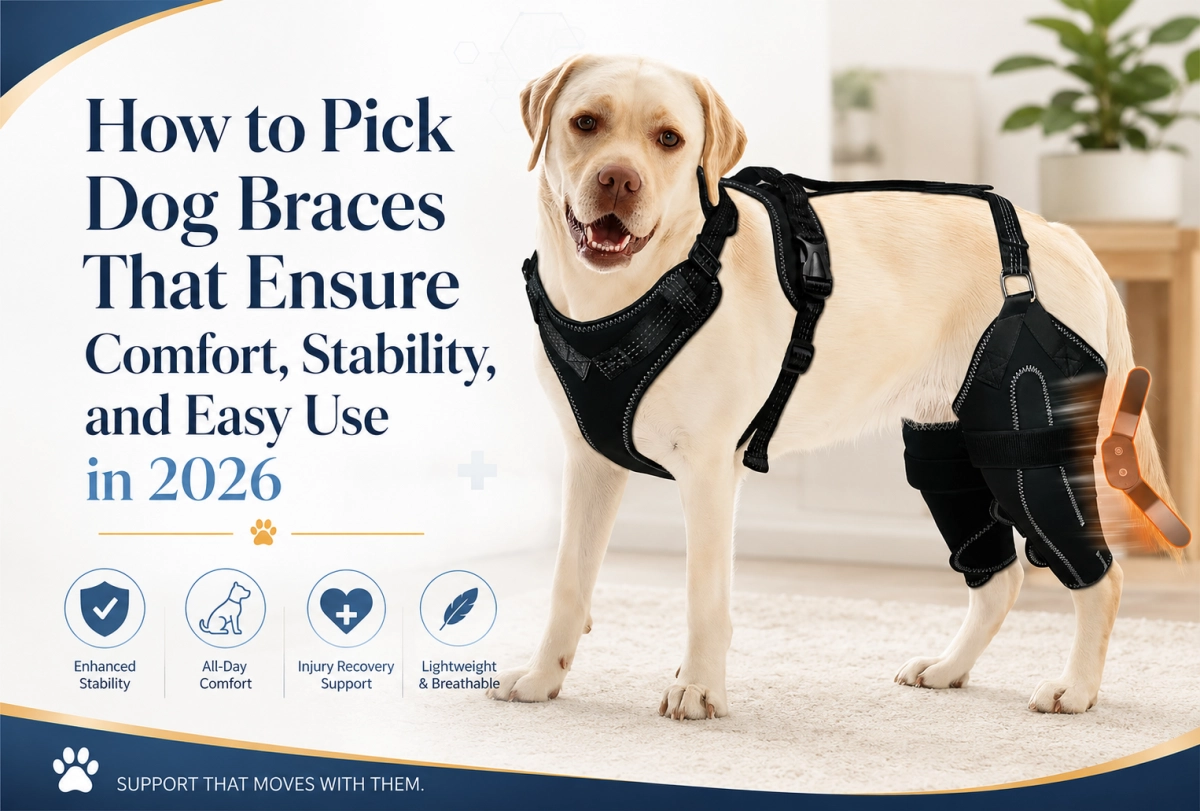
If you want your dog to move easily, you should look at fit, material, type, and what your dog needs when choosing dog braces. Comfort, stability, and easy use help your dog stay active and feel good. The market is growing quickly, with more choices and higher demand every year.
-
Estimated market size in 2025: USD 374.1 million
-
Expected market size by 2032: USD 671.2 million
-
Compound annual growth rate (CAGR): 8.7%
See how different harnesses score for comfort, easy use, and stability:
|
Harness Type |
Comfort Rating |
Ease of Use Rating |
Stability Rating |
|---|---|---|---|
|
Ruffwear Unifly Harness |
Better |
High |
Acceptable |
|
Guide Dogs Queensland Harness |
Acceptable |
Moderate |
Acceptable |
|
Standard Guide Dog Harness |
Acceptable |
Moderate |
Acceptable |
You can pick the right one when you think about your dog's health and how active they are.
Key Takeaways
-
Talk to your veterinarian before picking a brace. This helps make sure it is right for your dog. Measure your dog's leg carefully. This helps you get the best fit. A good fit gives comfort and support. Pick a brace with breathable materials. Make sure it has straps you can adjust. This helps keep the brace stable and easy to use. Think about how active your dog is. Also, think about your dog's health. This helps you choose between custom, semi-custom, or pre-made braces. Check your dog often when using the brace. Make sure it fits well and does not hurt your dog.
Real Owner Story: How Max the Dachshund Recovered with a Back Brace
When Max, a 6-year-old Dachshund, was diagnosed with IVDD-related back pain, his owner Sarah felt overwhelmed. "He would yelp when picked up and refused to jump on the couch—his favorite spot," she recalls . After consulting with their veterinarian, they chose a custom-fitted spinal brace.
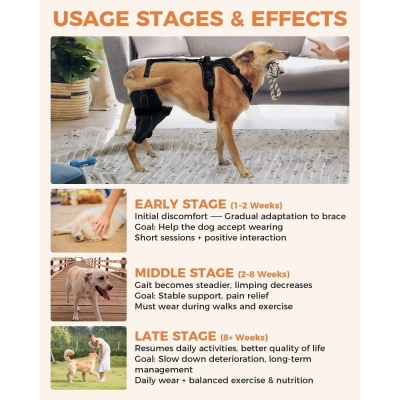
"The first week was an adjustment," Sarah explains. "We started with 30-minute wear sessions, gradually increasing duration. By week three, Max was wearing it during short walks and showed noticeable improvement—less hunching, more tail wagging." This experience mirrors what many owners report: gradual introduction leads to better acceptance .
Stories like Max's illustrate what research confirms: proper bracing, combined with veterinary guidance and gradual introduction, can support recovery and improve quality of life for dogs with back pain .
Understanding Dog Braces and Market Trends
What Are Dog Braces?
Dog braces help your pet move better and feel less pain. You can use them for many reasons, like injuries, weak joints, or after surgery. There are several types of dog braces that support different parts of your dog's body:
-
Front leg braces give stability to the joints and help your dog walk with less discomfort.
-
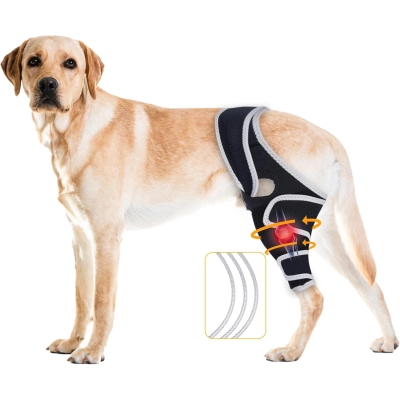
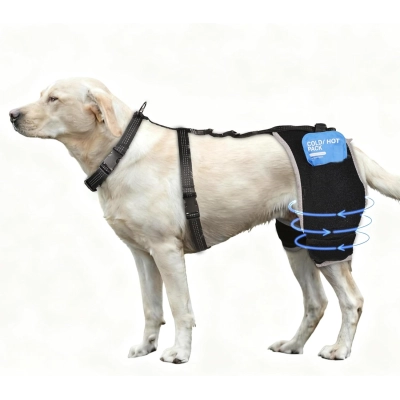
Dog knee braces support the knee and help with injuries or weakness.
-
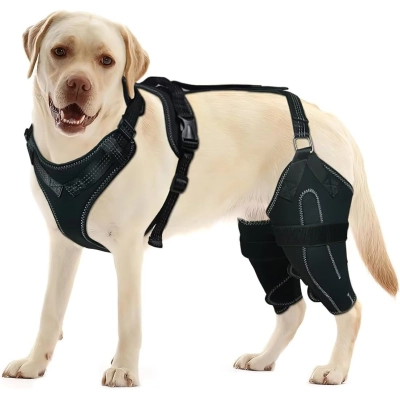
Dog leg braces for the hind legs help with weak ankles and knee problems. They also help your dog recover from injuries.
-
Hip braces support the hip joint, especially if your dog has hip dysplasia or muscle weakness.
-
Back braces help your dog keep good posture and reduce back pain.
-
Neck and shoulder braces give extra support during recovery and help with pain.
Many dogs need braces for common problems. Here are a few examples:
|
Condition/Injury |
Description |
|---|---|
|
Tears or Ruptures of the Anterior Cruciate Ligament (ACL) |
Active or heavy dogs often hurt their knee. A brace helps them heal and move better. |
|
Slipping and Sliding of Knee Cap |
Small dogs like Chihuahuas may have a knee cap that slips. A brace can keep it in place. |
|
Arthritis and Discomfort in Joints |
Big dogs like Great Danes and Rottweilers can get sore joints. Braces help them feel more comfortable. |
2026 Market Growth and Key Brands
The market for dog braces is growing fast. In 2026, the global canine orthopedics market will reach about $409.8 million. By 2032, it could grow to $668.3 million. This means more choices and better products for your dog. The market grows at a rate of about 8.4% each year.
You will see many trusted brands when you shop for dog leg braces. Some of the top names include:
-
OrthoPets
-
Animal Ortho Care
-
Hero Braces
-
Bionic Pets
-
K-9 Orthotics & Prosthetics
-
DogLeggs
-
Kruuse
-
Ortho Design Inc
These brands focus on comfort, support, and easy use. You can find a brace that fits your dog's needs, whether you want something custom or ready-made.
Identifying Your Dog’s Needs
Choosing the Right Dog Knee Brace for Injuries
If your dog has knee problems, you want to help them feel better. The first step is to know where your dog needs support. A dog knee brace can help if your dog has an ACL tear or knee pain. The brace keeps the joint steady and helps with pain. You should measure your dog’s leg very carefully. Good measurements make sure the brace fits and works well.
Here is a simple checklist to help you:
-
Ask your veterinarian about your dog’s injury and health.
-
Measure your dog’s knee and leg where the company says.
-
Find a dog knee brace that fits how active your dog is.
-
Choose a brace made with materials that let air in.
-
Make the brace fit snug, but not too tight.
Picking the right brace helps your dog heal after surgery and stay active.
Dog Leg Braces for Chronic or Acute Conditions
Dog leg braces can help with sudden injuries or long-term problems. If your dog has arthritis, knee problems, or needs help after surgery, a leg brace can help a lot. Some braces are good for small injuries. Other braces are made special for tough cases.
“Orthotic bracing provides a valuable non-surgical option for dogs with intervertebral disc disease, particularly in cases where surgery isn't feasible or as a post-operative support tool," explains Dr. Sarah Levine, DVM, rehabilitation specialist. "In my practice, dogs using properly fitted spinal braces show improved trunk stability during controlled activity.” — Dr. Sarah Levine, DVM
Here are some ways dog leg braces help:
|
Condition/Phase |
Benefits of Dog Leg Braces |
|---|---|
|
Acute injury |
Keeps the knee steady and helps your dog heal |
|
Chronic arthritis |
Less pain and easier movement |
|
Post-surgery recovery |
Helps healing and stops new injuries |
Choosing a brace that fits your dog’s problem and activity level helps your dog feel better and stay happy.
When to Consult a Veterinarian
You should always talk to a veterinarian before you pick a brace. A vet can find out what is wrong and watch how your dog walks. They will tell you which brace is best for your dog. This helps you avoid mistakes, like picking the wrong size or using a brace the wrong way. If your dog limps, has swelling, or cannot stand well, ask your vet for help right away. Your vet will help you choose the best way to help your dog get better.
Types of Dog Braces: Custom vs. Pre-Made
Fully Custom Dog Braces
If your dog has a unique injury or needs long-term support, you might want to look at fully custom dog braces. These braces are made just for your dog. A custom-fitted brace uses your dog’s exact measurements, so it fits perfectly and gives the best support. You’ll see these used for serious injuries or when your dog needs help for a long time. Custom braces often use high-quality materials, which means they last longer and feel more comfortable. Many pet owners choose this option for large dogs or when a regular leg brace just won’t do the job.
Tip: A custom brace can help prevent rubbing and discomfort, especially if your dog wears it every day.
Semi-Custom and Pre-Made Dog Leg Braces
Semi-custom and pre-made dog leg braces are great if your dog has a mild or moderate injury. Semi-custom braces come in different sizes and can be adjusted for a better fit. Pre-made braces are ready to use and cost less, but they may not fit as well as a custom option. If you have a small dog or need a knee brace for small dogs, a pre-made brace might work just fine for short-term recovery.
Here’s a quick look at how these options compare:
|
Type |
Effectiveness |
Suitability |
|---|---|---|
|
Custom |
Tailored for specific needs, maximum comfort and support |
Best for severe injuries or long-term use |
|
Semi-Custom |
Better fit than pre-made, offers good support |
Good for moderate conditions |
|
Pre-Made |
Less effective, suitable for temporary use or mild conditions |
Adequate for small dogs or mild cases |
Choosing a Dog Leg Brace for Your Pet
When you pick a brace, think about your dog’s size, injury, and how active they are. Custom and semi-custom braces work best for bigger dogs or tough injuries. Pre-made braces are easier on your wallet and can help with mild problems. The market for carpal (wrist) orthosis is growing fast, thanks to new technology like 3D scanning and printing. This means you can find a quality dog knee brace or wrist brace that fits better and helps your dog heal faster. Companies like OrthoPets and Animal Ortho Care lead the way with these new designs. No matter what you choose, the right dog knee braces can make recovery smoother and keep your dog moving.
Key Features for Comfort, Stability, and Ease of Use
Choosing the right brace for your dog means looking at comfort, stability, and how easy it is to use every day. Let’s break down what you should look for so your dog can move with confidence and you can help them recover faster.
Comfort and Material Quality
Your dog’s comfort comes first. If a brace feels good, your dog will wear it longer and heal better. The materials used in dog braces make a big difference. Some braces use soft fabric that lets air in and feels light. Others use sturdy plastic for extra support. Here’s a quick look at common materials and what they offer:
|
Material Type |
Comfort Benefits |
Durability Benefits |
|---|---|---|
|
Fabric |
Flexible, breathable, lightweight |
May wear out quicker with heavy use |
|
Plastic |
Superior stability and support |
More durable and waterproof |
You want a brace that feels soft against your dog’s skin but also stands up to daily wear. Padding in the right spots helps prevent rubbing and keeps your dog happy. If your dog has sensitive skin or wears the brace all day, look for breathable materials. This helps avoid irritation and keeps your dog cool.
Support, Stability, and Adjustability
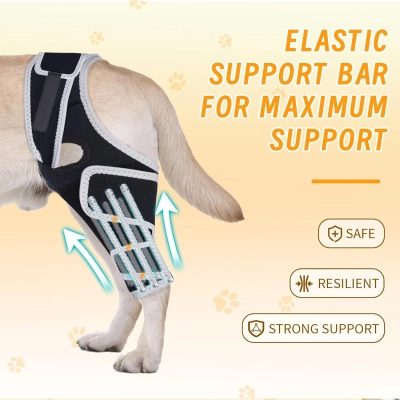
A good support brace keeps your dog steady and helps with recovery. Stability is key, especially if your dog has knee pain or needs a hip brace. The best dog knee braces stabilize the knee and ankle joints, which takes pressure off sore spots and helps your dog walk better. Adjustable straps let you change the fit as your dog heals or grows.
Here’s what you should look for in a stable and adjustable brace:
-
Enhanced stability that keeps joints steady and reduces strain.
-
Custom fit options that match your dog’s size and shape.
-
Pain reduction by limiting movement in injured areas.
-
Improved mobility so your dog can get back to normal activities.
If you have a small dog, a knee brace for small dogs with adjustable straps can make a big difference. Custom braces give the best fit, but semi-custom and pre-made options work well for many dogs. Always check that the brace fits snug but does not pinch. Using a leg brace that fits right helps your dog move with less pain and more confidence.
Ease of Use and Cleaning
You want a brace that is easy to put on and take off. This saves time and keeps your dog calm. Look for features like strong buckles, simple straps, and clear instructions. Easy-to-clean materials help you keep the brace fresh and safe for your dog’s health. Many braces use waterproof or wipeable surfaces, so you can clean up after walks or playtime.
Here are some features that make a brace easy to use and maintain:
-
Strong design that resists breaking with daily use.
-
Materials that you can wipe clean or wash quickly.
-
Adjustable straps for a custom fit as your dog heals.
-
Soft, breathable padding to protect sensitive spots.
-
Even weight distribution to prevent pressure points.
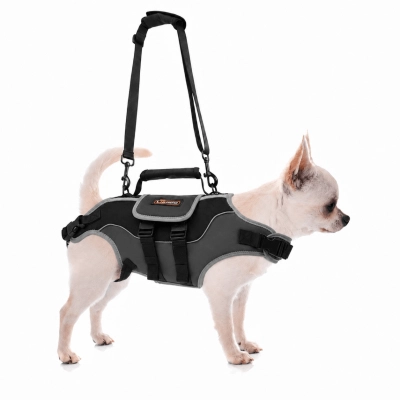
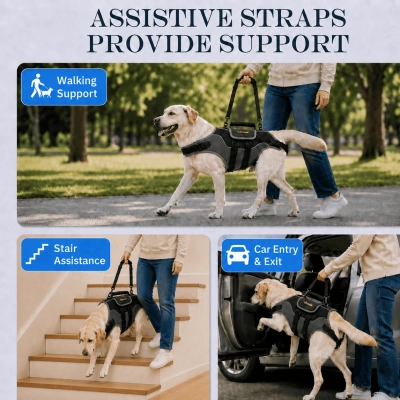
If your dog needs extra help, a full support harness or rear support harness can make lifting and moving easier. These harnesses work well with dog leg braces and hip braces, giving your dog more support during recovery.
Tip: Always check the fit after walks or play. Adjust the straps if needed to keep your dog comfortable and safe.
First-Time Buyer’s Checklist
If you’re new to buying dog braces, use this checklist to make sure you pick the right brace:
-
Measure your dog’s leg, knee, or hip as the manufacturer suggests.
-
Choose a brace made from soft, breathable materials.
-
Look for adjustable straps and padding in key areas.
-
Pick a brace that matches your dog’s activity level and health needs.
-
Make sure you can clean the brace easily.
-
Ask your vet if you’re unsure about the best option.
The right brace helps your dog recover, move with less pain, and enjoy life again.
Measuring, Fitting, and Monitoring
How to Measure for Dog Knee Braces
Getting the right fit starts with good measurements. You want your dog to feel comfortable and get the best support. Here’s a simple step-by-step guide:
-
Measure your dog’s thigh circumference. Wrap a soft tape around the upper thigh, about one inch above the knee joint.
-
Measure the knee circumference. Place the tape right over the knee cap.
-
Measure the lower leg circumference. Wrap the tape just below the knee for a snug fit.
-
Measure the leg length. Start at the top of the thigh and measure down to the ankle or hock joint.
-
If you need a double knee brace, measure the distance between your dog’s inner thighs.
-
Write down your dog’s weight and breed. This helps you pick the right size.
-
Repeat each measurement twice to make sure you get the same number.
-
Compare your numbers to the size chart from the brace company.
Tip: Keep your dog calm and standing straight while you measure. This helps you get the most accurate results.
Checking Fit and Adjusting at Home
Once you have the brace, you need to check the fit every day, especially at first. Place the brace on your dog’s leg and line it up with the knee. Fasten the straps so they are snug but not too tight. Adjust the straps for comfort. Make sure your dog can walk and move without trouble. Watch for signs of a good fit, like the brace staying in place and your dog walking with more confidence.
Signs of a proper fit:
-
The brace sits snugly and does not move around.
-
Your dog shows better support and stability.
-
No redness, swelling, or skin irritation after wearing the brace.
-
Straps stay tight but do not pinch.
If you see redness, swelling, or your dog limps more, the brace may need adjusting. Sometimes, using a leg brace with a rear support harness gives extra help during recovery.
Introducing the Brace and Monitoring Your Dog
Start slow when you introduce the brace. Let your dog sniff and see it first. Put it on for short periods and give treats or praise. Watch how your dog moves and acts. If you notice rubbing, swelling, or limping, take off the brace and check the fit. A properly fitted brace should not cause discomfort. Keep an eye on your dog’s skin and movement every day. If you have trouble or your dog seems uncomfortable, ask your vet for help. Custom dog knee braces can make a big difference in recovery, but only if they fit well and your dog feels good wearing them.
You want your dog to feel good and stay active. Start by doing these things:
-
Ask your vet if your dog really needs a brace.
-
Measure your dog’s leg so the brace fits right.
-
Choose a brace that lets air in, has straps you can adjust, and does not slip off.
-
Make sure the brace matches your dog’s problem, like a hurt knee or if they need help for a long time.
|
Brace Type |
Primary Use Case |
Ideal Candidates |
|---|---|---|
|
Knee Brace |
Support after injury or surgery |
Active small dogs |
|
Carpal Brace |
Front-limb sprains |
Small, medium breeds |
It is very important to talk to a vet. The vet can find out what is wrong and tell you which brace is best.
Follow these steps and tips so your dog can walk better and have more fun.
FAQ
How do I know if my dog needs a brace?
You might notice limping, swelling, or trouble walking. Your dog could show pain or avoid activity. Ask your vet for advice if you see these signs.
Can my dog wear a brace all day?
Most dogs can wear a brace during active hours. You should remove it at night or when your dog rests. Check for skin irritation often.
How do I clean a dog brace?
You can wipe most braces with a damp cloth. Some braces have removable pads you can wash. Always follow the manufacturer’s cleaning instructions.
Will a brace help my dog walk better?
A brace gives support and stability. Your dog may walk with less pain and more confidence. Many dogs return to normal activities faster.
What if the brace doesn’t fit right?
Try adjusting the straps for a better fit. If your dog still feels uncomfortable, contact the manufacturer or your vet. A proper fit is important for healing.

0 Comments