
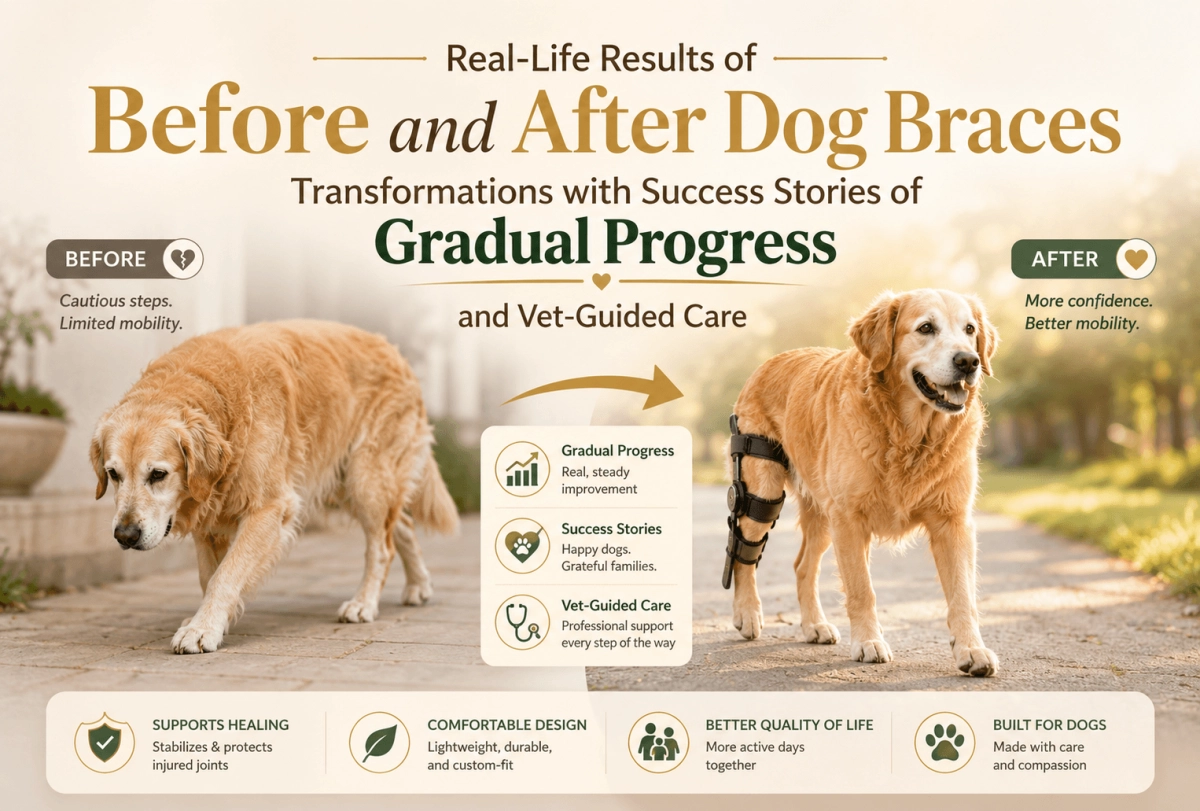
Dog braces may help your dog move with greater comfort. Many owners notice steady progress in daily activities. Veterinary studies show that:
-
88% of dogs wearing stifle orthoses for CCLD had mild to no lameness at the conclusion of the study based on owner assessment.
You can expect gradual changes. The table below shows findings from recent studies on before and after dog braces transformations.
|
Study Reference |
Findings |
|---|---|
|
Carr, 2016 |
Significant improvement in weight distribution after 90 days of brace use |
|
Lee et al., 2021 |
Most respondents reported improved mobility, reduced lameness, and greater comfort in their pets after brace fitting |
|
General Findings |
Consistent message that dog braces can improve function and comfort, depending on fit, compliance, and care |
Veterinary guidance ensures your dog receives safe and personalized care.
Key Takeaways
-
Dog braces can significantly improve your pet's mobility and comfort, helping them engage in daily activities with less pain.
-
Veterinary guidance is crucial for selecting and fitting braces, ensuring they provide the best support for your dog's specific needs.
-
Expect gradual progress with dog braces; monitor your dog's improvements over time to celebrate small victories in their recovery.
-
Combining braces with other mobility aids can enhance your dog's support and recovery, leading to better overall outcomes.
-
Regular check-ins with your veterinarian help maintain proper fit and comfort, ensuring your dog gets the most benefit from their brace.
Understanding Before and After Dog Braces Transformations
What Dog Braces Are and How They Work
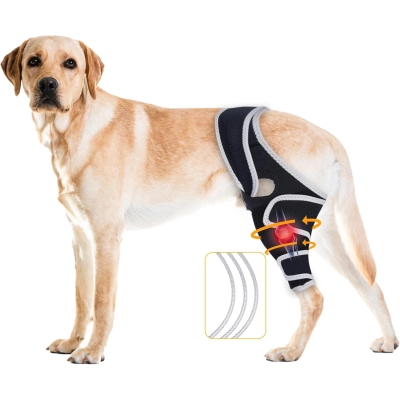
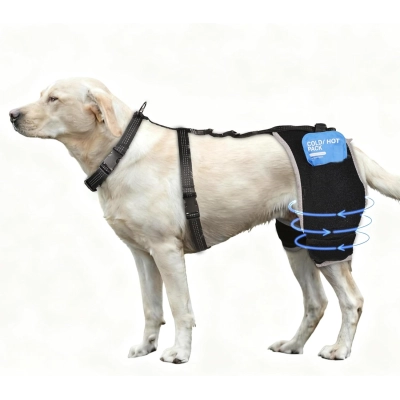
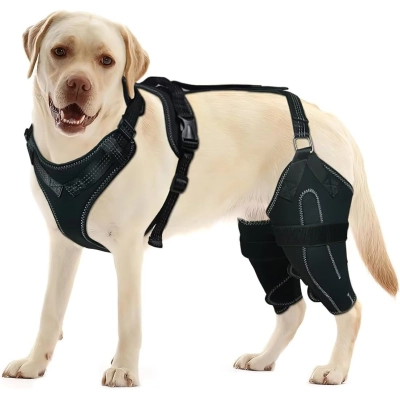
Dog braces are orthopedic devices that support your dog’s joints and muscles. You may see braces for the elbow, knee, hip, back, neck, and shoulder. Each type helps in a different way. For example, a dog knee brace can stabilize the joint after an ACL injury, while a hip brace can help dogs with hip dysplasia move more comfortably. The table below shows common types of dog braces and their main functions:
|
Type of Brace |
Function |
|---|---|
|
Reduces discomfort and improves mobility by stabilizing the joint. |
|
|
Hock and Knee Braces |
Stabilizes the tarsal joint and assists in recovery from ACL or CCL injuries. |
|
Addresses hip dysplasia and muscle weakness, improving mobility and comfort. |
|
|
Provides spinal support and promotes proper posture for better mobility. |
|
|
Neck and Shoulder Braces |
Offers orthopedic stabilization during recovery from injuries or surgeries. |
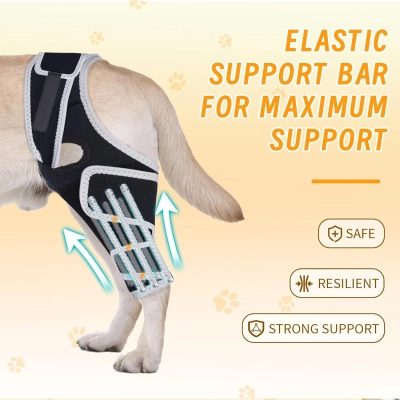
Braces work by providing stability, gentle compression, and support. This helps your dog walk with more confidence and less pain.
Veterinary Guidance and Custom Fitting
You should always work with your veterinarian when choosing a brace. A custom fit is important for comfort and safety. Vets may use casting or 3D scanning to make sure the brace fits your dog’s body. Proper fitting helps prevent slipping, rubbing, or restricted movement.
Tip: Most complications happen in the first few weeks. Check your dog’s skin and comfort every day and follow your vet’s advice.
Success depends on several factors:
-
Custom fit for your dog’s shape
-
Daily wear and careful monitoring
-
Integration with physiotherapy and weight management
-
Ongoing veterinary supervision for adjustments
When you follow these steps, you help your dog get the best results from their brace.
Common Mobility Challenges Addressed
Many dogs face mobility problems as they age or recover from injury. Braces can help with several common issues. The table below lists some of the main challenges and how braces support recovery:
|
Application Area |
Description |
|---|---|
|
Injury Recovery |
Carpal braces are primarily used to stabilize joints and aid healing after injuries like sprains or fractures. |
|
Arthritis Management |
Braces provide support and alleviate pain for dogs with osteoarthritis, improving their mobility. |
|
Post-Surgery Support |
Used to stabilize joints after surgeries, helping protect repairs and minimize re-injury risks. |
You may notice before and after dog braces transformations in your pet’s daily life. Dogs often move with steadier steps, show less hesitation, and enjoy more activities as their mobility improves.
Real-Life Success Stories of Before and After Dog Braces
Senior Dog Regaining Confidence and Mobility
You may wonder if a senior dog can truly enjoy life again after struggling with joint pain or weakness. Many owners see inspiring changes in their older pets with the right support. For example, Archer, a 6-year-old German Shepherd Mountain Cur mix, started running and playing again after being fitted with a knee brace. He did not need surgery and regained his happiness and mobility.
You can look for these signs of progress in your own dog:
-
More willingness to go outside for walks
-
Less hesitation on stairs or uneven ground
-
A brighter mood and more tail wags
Veterinary assessments often show that braces help senior dogs bear weight better and feel less pain while wearing them. The table below shows what you might expect:
|
Evidence Type |
Findings |
|---|---|
|
Short-term Benefits |
Braces show measurable short-term improvements in weight-bearing and reduced pain while worn. |
|
Long-term Effectiveness |
Long-term benefits are uncertain; improvements often decrease when braces are removed. |
|
Size Impact |
Smaller dogs tend to have better outcomes with conservative treatments compared to larger dogs. |
You may notice that before and after dog braces transformations are most visible in daily routines. Your dog may rise more easily, walk farther, and show more confidence.
ACL/CCL Recovery: From Limping to Steadier Steps
If your dog has an ACL or CCL injury, you know how hard it can be to watch them limp or avoid play. Braces can support the knee and help your dog recover function. Many owners report that their dogs walk more steadily and seem happier after using a brace.
Veterinary case studies show the following outcomes for dogs using braces for ACL or CCL injuries:
|
Outcome Metric |
Value |
|---|---|
|
Success rates for conservative management |
33–63% |
|
Owner satisfaction with orthotics |
~88% |
|
Reported skin issues as an adverse effect |
~50% |
You may see the best results in small to medium-sized dogs, older dogs, or those with partial tears. Dogs with other health problems that make surgery risky also benefit from bracing.
Here is what you can expect during recovery:
-
Many dogs regain functional walking ability.
-
Pain levels decrease significantly.
-
Quality of life improves.
Long-term studies show that rest, weight control, physical therapy, and bracing together can help your dog walk better, feel less pain, and enjoy life more. You may notice your dog using the injured leg more, taking longer walks, and showing less hesitation on stairs. These before and after dog braces changes can make a big difference in your daily routine.
Hip Dysplasia Support: Improved Rear-End Control
Hip dysplasia can make it hard for your dog to stand, climb, or even get up from a nap. Braces designed for the hips give extra support and help your dog move with more control. You may see your dog sway less and walk with a steadier gait.
Owners often report these improvements:
-
Easier rising from rest
-
More stable steps, especially on slippery floors
-
Longer walks without stopping
You can track progress by watching for less swaying, more confident movement, and a happier attitude. Many owners find that before and after dog braces transformations are most obvious when their dog starts to enjoy activities again, like playing fetch or exploring the yard.
If you want to learn more about hip, knee, or hock braces, you can explore Lispoo’s selection of dog mobility aids. These tools may help your dog regain comfort and confidence with the right veterinary guidance.
Owner and Veterinarian Testimonials
You can learn a lot from the experiences of other dog owners and veterinarians. Their stories show how braces may help dogs walk better and enjoy life more. Many owners share their journeys, describing the changes they see in their pets after using mobility aids.
"We tried everything to protect her paw before coming to OrthoPaws, but nothing worked. The ‘Toe Up’ device has been a lifesaver for Favor. She’s walking normally again, and it’s incredible to see her move without struggling."
— Favor's Owner
This testimonial highlights how a well-fitted brace can transform a dog's daily routine. You may notice your dog walking with more confidence and less pain. Veterinarians often observe these improvements during checkups. They see dogs who once limped now take steadier steps and participate in more activities.
Many owners report similar results. You might see your dog:
-
Rise from rest with less effort
-
Walk longer distances
-
Show more interest in playtime
Veterinarians recommend regular monitoring. They check for proper fit and comfort. You should follow their advice to ensure your dog gets the most benefit from braces. When you track progress, you can see before and after dog braces transformations in your pet’s behavior and movement.
Some veterinarians share their observations in clinics. They notice dogs with arthritis or joint injuries move more easily after wearing braces. Owners often express gratitude for the improvement in their dog’s quality of life. You may feel relief when your dog shows less hesitation on stairs or enjoys longer walks.
You can use a simple checklist to track changes:
-
Is your dog using the affected leg more?
-
Does your dog hesitate less on stairs?
-
Is your dog more active and playful?
These testimonials and observations help you understand the real impact of braces. You can make informed decisions for your dog’s care and comfort.
Gradual Progress in Before and After Dog Braces Transformations
Typical Recovery Timeline and Stages
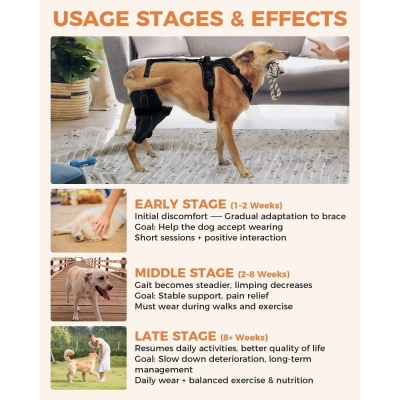
You may notice that progress with dog braces happens step by step. Most dogs do not show dramatic changes overnight. Instead, you see gradual improvement over several weeks or months. Each dog moves through recovery at a different pace. Your veterinarian will help you set realistic expectations.
Here is a general timeline you might follow:
|
Stage |
What You May See |
|---|---|
|
Week 1–2 |
Dog gets used to the brace. Some hesitation or awkward steps. Short, supervised sessions. |
|
Week 3–4 |
Dog walks more confidently. Less limping. Easier rising from rest. |
|
Month 2–3 |
Longer walks. More play. Dog uses the affected leg more often. |
|
Month 4 and beyond |
Steadier gait. Improved stamina. Dog returns to favorite activities. |
Note: Your dog’s timeline may look different. Age, injury, and daily routine all play a role.
You should introduce the brace slowly. Start with short periods indoors. Watch your dog’s reaction. Increase wear time as your dog becomes comfortable. Always follow your veterinarian’s advice for the safest results.
Tracking Small Improvements and Daily Changes
You can track your dog’s progress by watching for small changes each day. These signs help you see the real impact of the brace. Many owners find it helpful to keep a simple journal or checklist.
Look for these daily improvements:
-
Your dog rises from rest with less effort.
-
You see steadier steps on walks.
-
Your dog hesitates less on stairs or getting into the car.
-
Walks become longer and more enjoyable.
-
Your dog shows more interest in play or exploring.
Try using a table like this to record changes:
|
Date |
Activity |
What You Noticed |
|---|---|---|
|
6/1 |
Morning walk |
Dog walked 5 minutes, slight limp |
|
6/8 |
Stairs |
Climbed stairs without stopping |
|
6/15 |
Playtime |
Played fetch for 10 minutes |
Tip: Celebrate small wins! Even tiny steps forward show that your dog is adjusting and improving.
You may notice that before and after dog braces transformations become clearer when you look back at your notes over time.
Vet Monitoring for Safe Progress
Your veterinarian plays a key role in your dog’s recovery. Regular checkups help ensure the brace fits well and does not cause problems. You should schedule follow-up visits as recommended.
During these visits, your vet will:
-
Check for skin irritation or pressure points.
-
Adjust the brace for better fit and comfort.
-
Review your notes about your dog’s activity and mood.
-
Suggest changes to exercise or daily routines.
Always contact your vet if you see redness, sores, swelling, or if your dog refuses to walk. Early action prevents bigger problems.
You can work with your vet to set goals and track progress. This team approach helps you get the best results for your dog. Safe, steady improvement is the goal with every before and after dog braces journey.
Vet-Guided Care for Before and After Dog Braces Transformations
Custom Adjustments and Ongoing Support
Your veterinarian helps you make sure your dog’s brace fits well and works as intended. You may need custom adjustments as your dog’s body changes or as activity levels increase. Vets often use follow-up appointments to check for proper fit and to make changes that improve comfort. You can expect ongoing support from your veterinary team. They want your dog to move comfortably and safely. If you choose a non-surgical path, share your concerns with your vet. Many veterinarians enjoy working with you to find the best solution for your dog’s needs.
Tip: Schedule regular check-ins with your vet. These visits help confirm that your dog’s brace fits well and functions properly.
Addressing Fit, Comfort, and Owner Concerns
You may face challenges during the adaptation period. Owners often report issues such as skin irritation, brace slippage, and mechanical failures. Your vet can help you address these concerns quickly. They check for swelling or redness around the brace area and assess progress after the first few weeks. If your dog shows signs of discomfort or pain, schedule a visit right away. Your vet will make adjustments to improve fit and comfort.
-
Skin irritation
-
Brace slippage
-
Mechanical failures
You can help your dog by monitoring activity levels and noting any changes. If your dog’s activity increases or decreases, let your vet know. This information helps your vet make the best recommendations.
Combining Braces with Other Mobility Aids
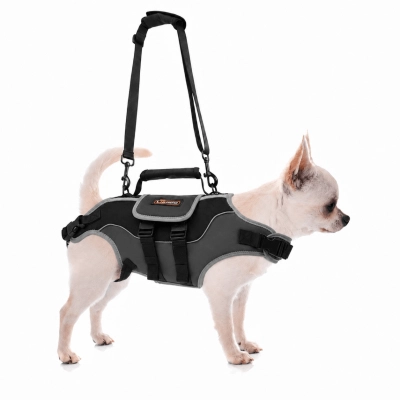
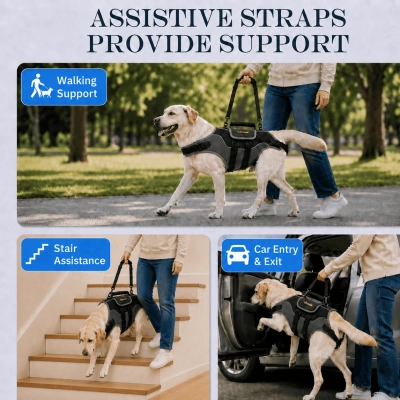
You may find that combining braces with other mobility aids gives your dog extra support. Lift harnesses, wheelchairs, and rehabilitation tools can work together with braces to improve mobility. Your vet can guide you in choosing the right combination for your dog’s condition. Many owners notice better results when they use multiple aids as part of a vet-guided plan. You can see steady progress in before and after dog braces transformations when you follow your vet’s advice and use the right tools.
Note: Always consult your veterinarian before adding new mobility aids to your dog’s routine.
Impact of Before and After Dog Braces on Daily Life
Enhanced Mobility and Activity Levels
You may notice your dog moving more easily after starting a brace. Dogs often walk farther and play longer. Many owners see their pets climb stairs with less hesitation. Your dog may rise from rest without struggling. Braces support joints and help your dog bear weight with greater confidence. You can track progress by watching for steadier steps and increased activity. Dogs who once avoided walks may now enjoy exploring the yard or visiting the park. A simple table can help you record these changes:
|
Activity |
Before Bracing |
After Bracing |
|---|---|---|
|
Walks |
Short, slow, hesitant |
Longer, steadier, eager |
|
Stairs |
Avoided or struggled |
Climbed with confidence |
|
Playtime |
Limited participation |
More active and playful |
Boosted Confidence and Wellbeing
Your dog’s mood often improves with better mobility. You may see more tail wags and playful behavior. Dogs feel happier when they can join family activities. Owners report that their pets show less anxiety and more interest in daily routines. Braces help your dog regain independence. You may notice your dog greeting visitors or exploring new spaces. Improved movement leads to greater confidence and wellbeing. Dogs who once hesitated now approach challenges with enthusiasm.
Note: Celebrate every small victory. Each step forward shows your dog’s progress and growing confidence.
Owner Observations and Practical Tips
You play a key role in your dog’s success. Many owners share helpful tips for maximizing the benefits of braces:
-
See your vet first. Imaging and exams help decide if bracing is right for your dog.
-
Consult a canine rehab specialist for sizing and fitting. Custom or vet-approved braces work best.
-
Start slow. Use short sessions and build up as your dog adjusts.
-
Pair bracing with rehab and pain control. Controlled exercise and proper pain management support recovery.
-
Monitor skin and fit daily. Watch for chafing, slipping, or swelling. Contact your vet if problems appear.
You can keep a journal to track daily changes. Record your dog’s activity, mood, and comfort. Small improvements add up over time. The before and after dog braces journey often brings steady progress and happier days for both you and your pet.
You can see real changes in your dog’s mobility and comfort with before and after dog braces transformations. Many owners report better walking and less pain. Studies show that about 85% of owners notice improved movement, and nearly 90% say their dog enjoys a good quality of life after a year with a brace. Progress happens step by step. You should always work with your veterinarian to find the best plan for your dog’s needs.
FAQ
How long should my dog wear a brace each day?
You should start with short sessions, about 15–30 minutes. Gradually increase the time as your dog gets used to the brace. Always follow your veterinarian’s advice for the best results.
Can dog braces replace surgery?
Dog braces do not replace surgery. They may help support recovery or provide comfort for dogs who cannot have surgery. You should always ask your veterinarian which option is best for your dog.
What signs show a brace fits well?
A good fit means your dog walks comfortably, shows no redness, and does not try to remove the brace. You should check for slipping, rubbing, or swelling every day.
Can I use a brace with other mobility aids?
Yes, you can combine braces with lift harnesses, wheelchairs, or rehab tools. Your veterinarian can help you choose the best combination for your dog’s needs.

0 Comments