
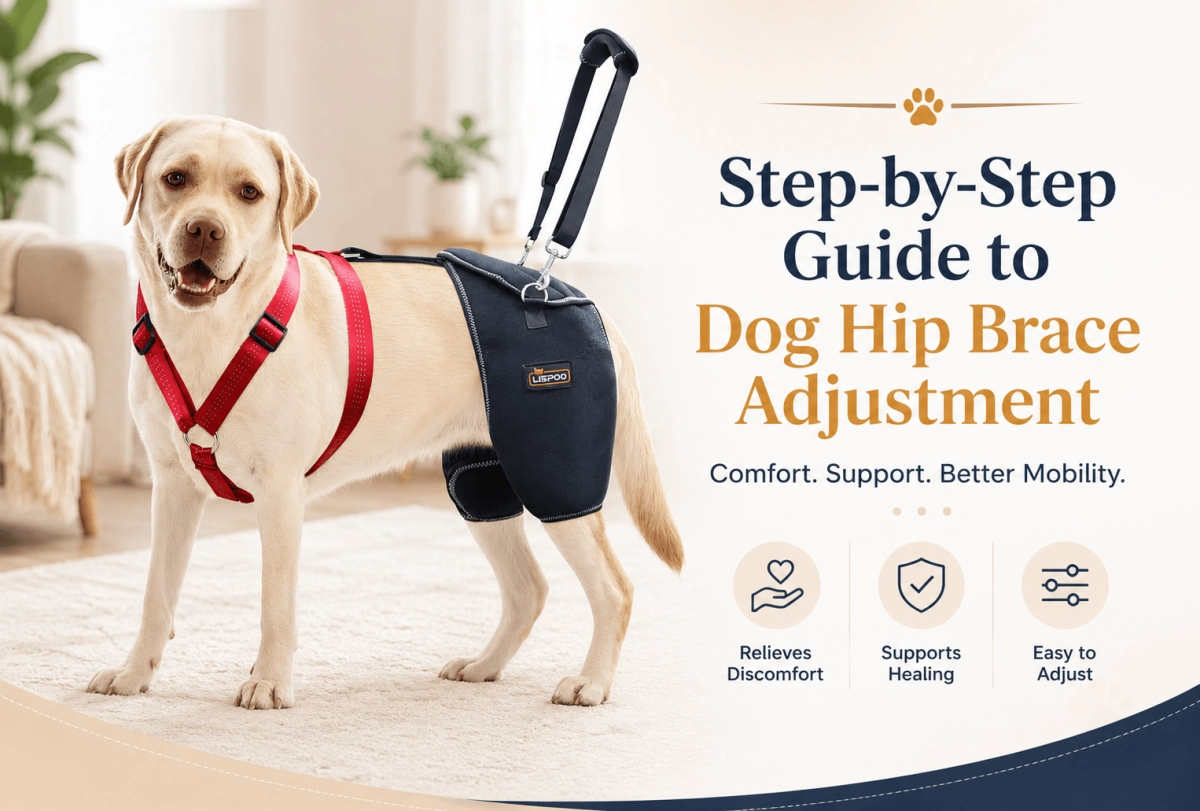
Watching your dog face something new like dog hip dysplasia braces can feel tough. You want your best friend to feel safe and comfortable, not stressed or confused. Your patience and a good fit make a huge difference. Use treats, praise, and a gentle touch to help your dog see this as just another part of daily life. Stay calm and confident—your dog will follow your lead.
Key Takeaways
-
Bring out the hip brace slowly. Let your dog smell and look at it first so they do not get scared.
-
Give treats and say nice words to make the brace seem good. Reward your dog when they are calm so they get used to it.
-
Check the fit every day. Make sure the brace is tight enough but not too tight. This stops pain or skin problems.
-
Begin with short times wearing the brace. Slowly let your dog wear it longer. Be patient so your dog gets used to it.
-
Stay calm and do the same thing each time. When you are positive, your dog feels safe and gets more confident.
Dog Hip Dysplasia Braces: Owner’s Role And Basics
Understanding Resistance And Comfort
Dogs often feel unsure when you introduce something new, especially medical gear like dog hip dysplasia braces. They might resist because the brace feels strange or they worry it will hurt. Sometimes, your dog just needs time to get used to the new sensation. You can help by making sure the brace feels comfortable and by staying patient. If your dog seems nervous, that’s normal. You’re not alone—many owners see this at first.
Tip: Let your dog sniff and check out the brace before you try to put it on. This helps lower their stress.
Why Owner Attitude Matters
Your attitude makes a huge difference. Dogs pick up on your feelings. If you stay calm and positive, your dog will feel safer. Consistency is key. When you follow the same steps each day, your dog learns what to expect. This builds trust and confidence. Over time, your steady approach helps your dog adjust to dog hip dysplasia braces.
Owner consistency is essential for dogs adjusting to a hip brace. When you stick to a routine and offer gentle encouragement, your dog feels more comfortable and confident.
What Makes A Good Fit
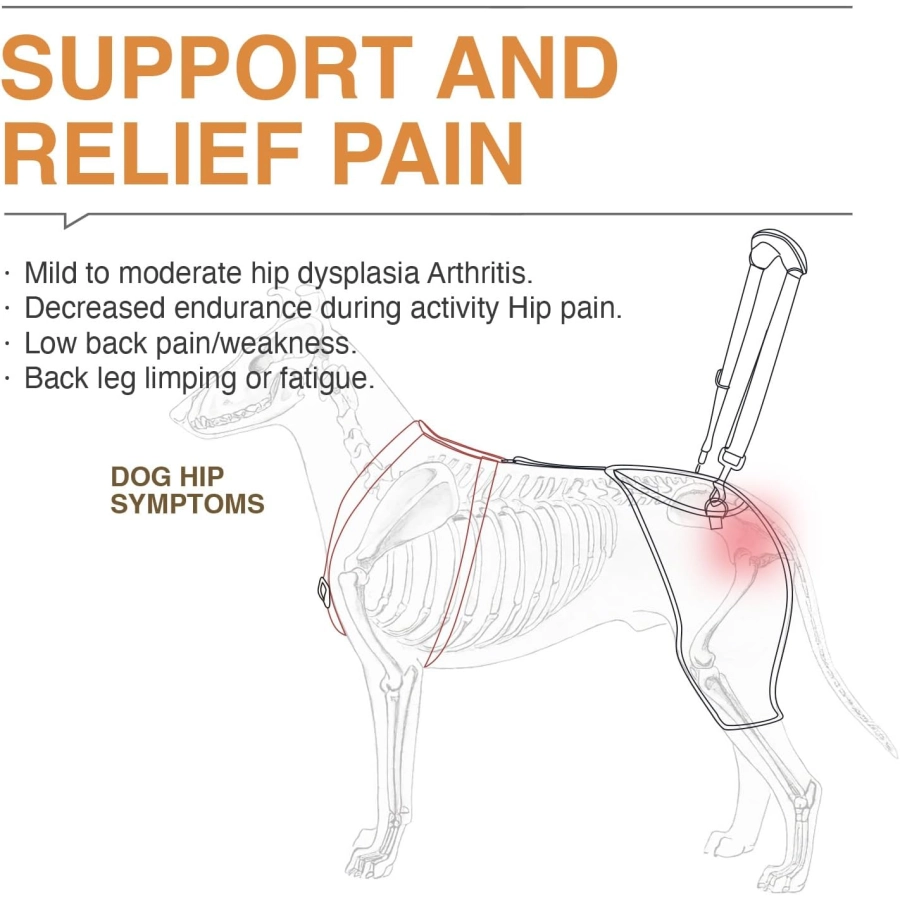
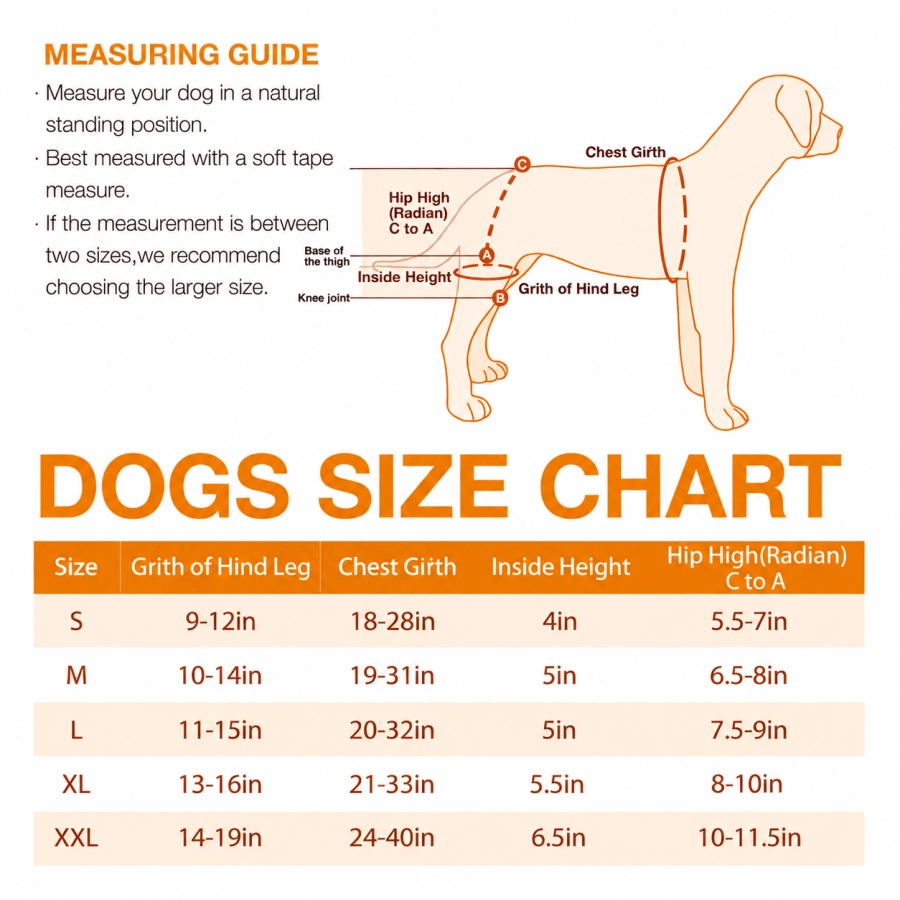
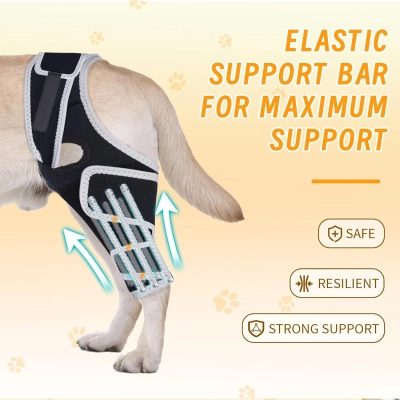
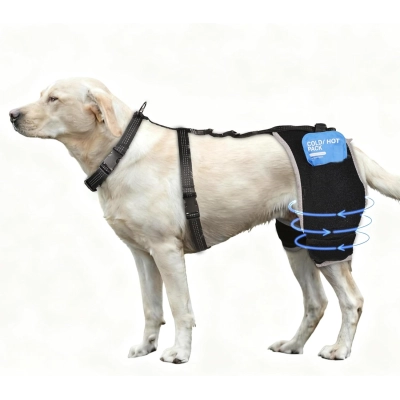
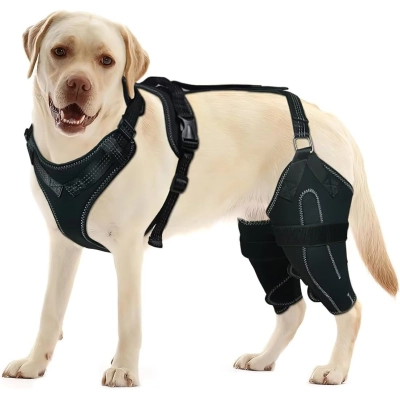
A good fit is the most important part of using dog hip dysplasia braces. The brace should feel snug but not tight. It should not pinch or rub your dog’s skin. Always check for red spots or signs of irritation. If you see any, adjust the brace or ask your vet for help.
Here’s a simple break-in schedule you can follow:
-
Day 1: Wear 30 minutes, 2-3 times a day
-
Day 2: Wear 1 hour, 2-3 times a day
-
Day 3: Wear 2 hours, 2-3 times a day
-
Day 4: Wear 3 hours, 2-3 times a day
-
Day 5: Wear 4 hours, 2 times a day
-
Day 6: Wear 6 hours
-
Day 7: Wear 8 hours
-
Monitor your dog during the first week.
-
If your dog chews on the brace, reach out to your provider.
Patience matters. It takes time for your dog to see the benefits of dog leg braces for hip dysplasia. Your actions in the first week set the stage for success. With the right fit and a positive attitude, you help your dog accept hip dysplasia braces for dogs as part of daily life. This support is a big step toward better mobility and comfort for dogs living with hip dysplasia in dogs.
Positive Association And Pre-Fitting Steps
Letting Your Dog Investigate The Brace
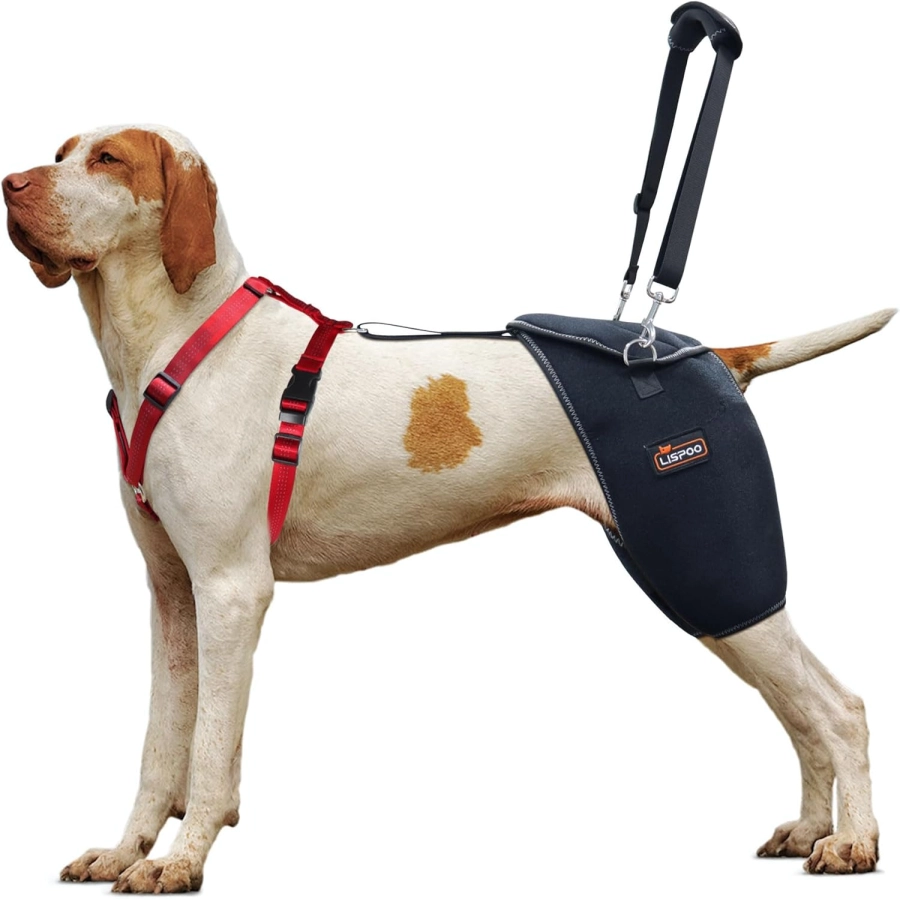
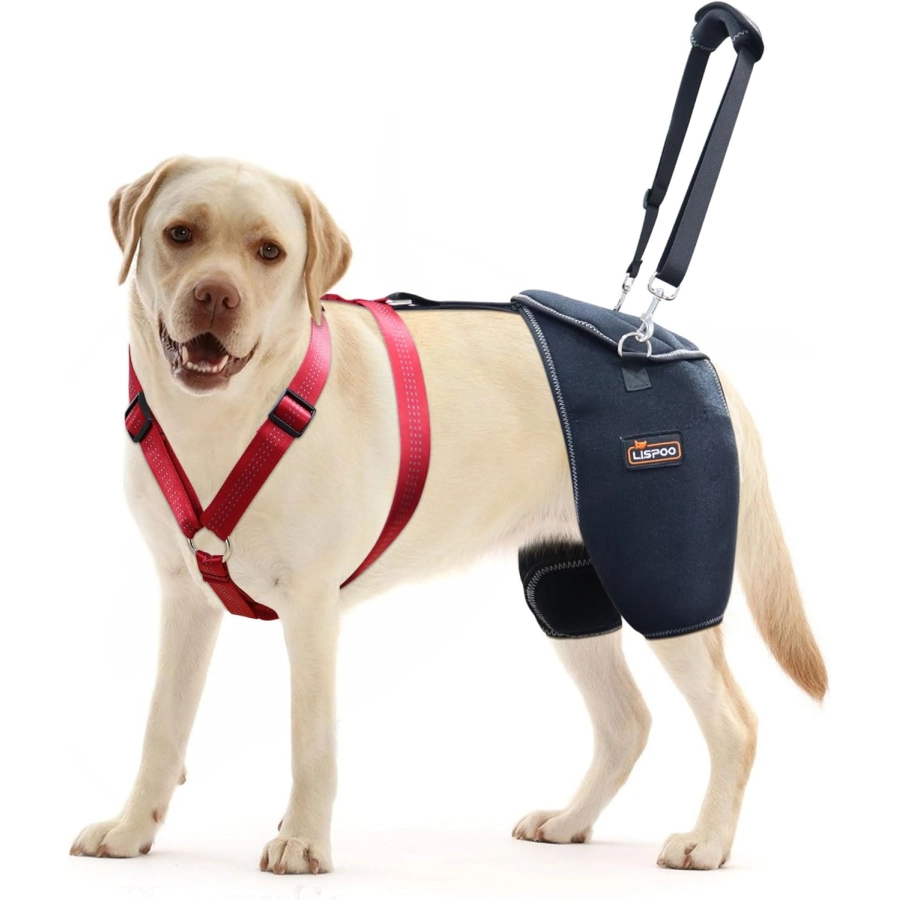
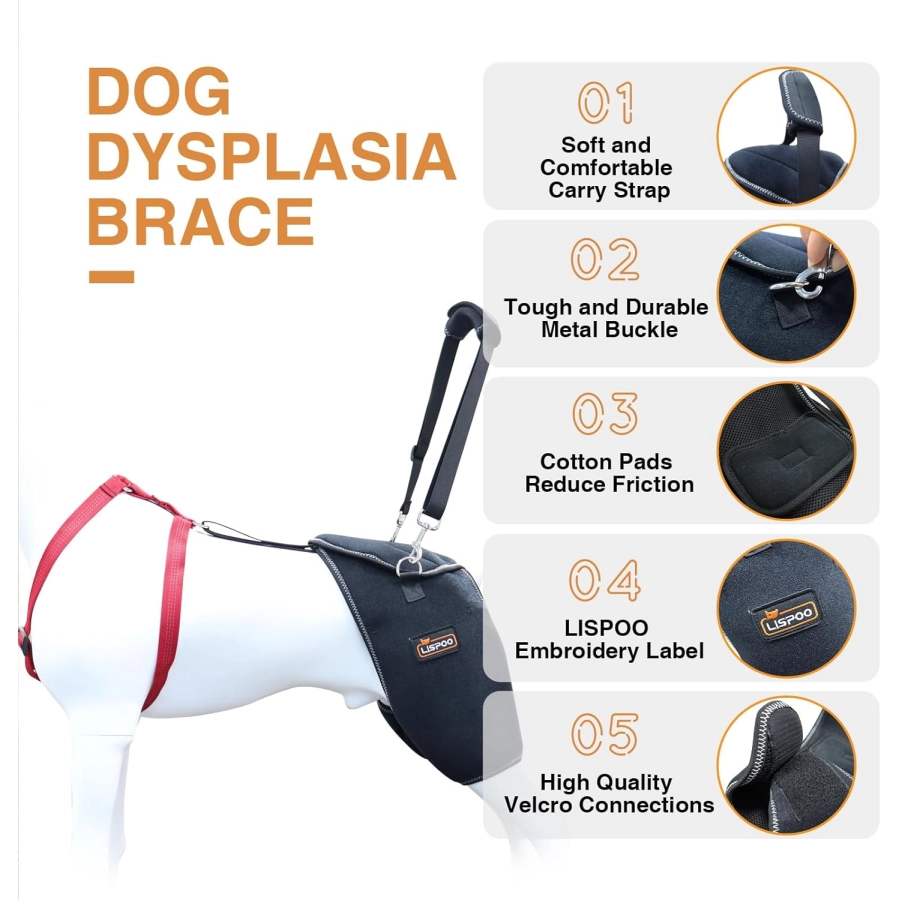
Start by letting your dog get curious. Place the dog hip brace on the floor and let your dog sniff, paw, or even nudge it. This first step helps your dog see the brace as something safe, not scary. You can sit nearby and talk softly. If your dog seems nervous, just give them time. Some dogs walk right up, while others need a few minutes. Every dog moves at their own pace.
Using Treats And Praise
Now, bring out your dog’s favorite treats. Each time your dog looks at or touches the brace, offer a treat and some cheerful praise. Say things like, “Good job!” or “You’re so brave!” This positive reinforcement makes a big difference. When you reward your dog for calm behavior, you help them build a happy connection with the brace. Over time, your dog will start to see the brace as a way to get yummy snacks and attention. Using treats and praise can really boost your dog’s willingness to accept the hip brace.
Tip: Use small, high-value treats so your dog stays interested but doesn’t get too full.
Creating A Calm Introduction
Set the stage for success by choosing a quiet spot in your home. Turn off loud TVs or music. Make sure other pets or kids are not running around. A peaceful environment helps your dog feel safe and relaxed. Here are a few ways to keep things calm:
-
Pick a quiet, peaceful room for the first fitting.
-
Let your dog sniff and check out the brace before putting it on.
-
After the brace is on, try a short, easy walk on a leash.
-
Remember, every dog needs a different amount of time to adjust.
Stay patient and keep things positive. With these steps, you help your dog feel confident and ready for the next stage.
Step-By-Step Dog Hip Brace Adjustment Plan
Short, Supervised Sessions
Start slow when you begin the initial brace fitting. Your dog needs time to get used to the new feeling. Keep the first sessions short and always watch your dog closely. You want your dog to feel safe and relaxed. Try to stay indoors where there are fewer distractions.
Veterinary experts recommend a gradual adaptation period for dogs wearing hip braces. Starting with short sessions helps prevent issues like muscle stiffness and anxiety, and the duration can be increased over time based on the dog's comfort and movement.
Here’s a simple guide for your first few sessions:
|
Initial Duration |
Notes |
|---|---|
|
15–30 minutes |
Start indoors; increase gradually as the dog adapts. |
Watch your dog for signs of discomfort. If your dog seems stressed or tries to remove the brace, end the session and try again later. Always remove the brace before naps or bedtime.
Gradual Increase In Wear Time
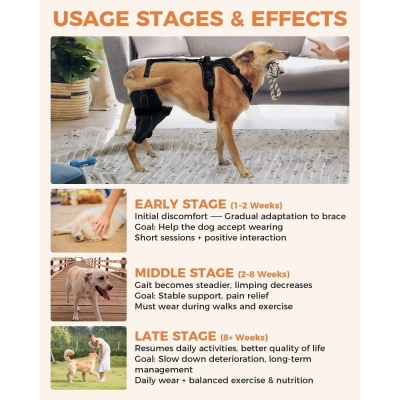
After your dog feels comfortable with short sessions, you can slowly add more time. The time needed to acclimate will be different for every dog. Some dogs adjust in a few days, while others need a week or more. Add 15 to 30 minutes each day, but only if your dog seems happy and relaxed. If you see any limping, licking, or trouble moving, take a step back and shorten the next session.
Stay patient. Rushing can make your dog nervous or uncomfortable. Your goal is to help your dog feel good about wearing the hip brace.
Integrating Brace Into Routine
Once your dog can wear the brace for a few hours without problems, start making it part of your daily routine. Put the brace on before walks or playtime. Use the same steps each day so your dog knows what to expect. Dogs love routines. When you keep things predictable, your dog feels more confident.
You can also use the brace during activities your dog enjoys. This helps your dog connect the brace with fun times. Soon, wearing the brace will feel normal.
Using Positive Reinforcement
Keep using treats and praise every time you put the brace on. Give your dog a treat when they sit calmly or walk with the brace. Use a happy voice and lots of encouragement. Positive reinforcement helps your dog build trust and look forward to wearing the brace.
If your dog seems unsure, go back to shorter sessions and offer more rewards. Celebrate small wins, like your dog walking a few steps or lying down with the brace on. These moments show progress.
Tip: Always end each session on a positive note. Take the brace off while your dog is calm and happy. This leaves your dog with a good memory for next time.
Remember, every dog is different. Some dogs need more time and support. Stay patient and keep things positive. With the right steps, your dog will adjust and feel comfortable in their new brace.
Monitoring Comfort And Troubleshooting
Checking Fit And Skin Daily
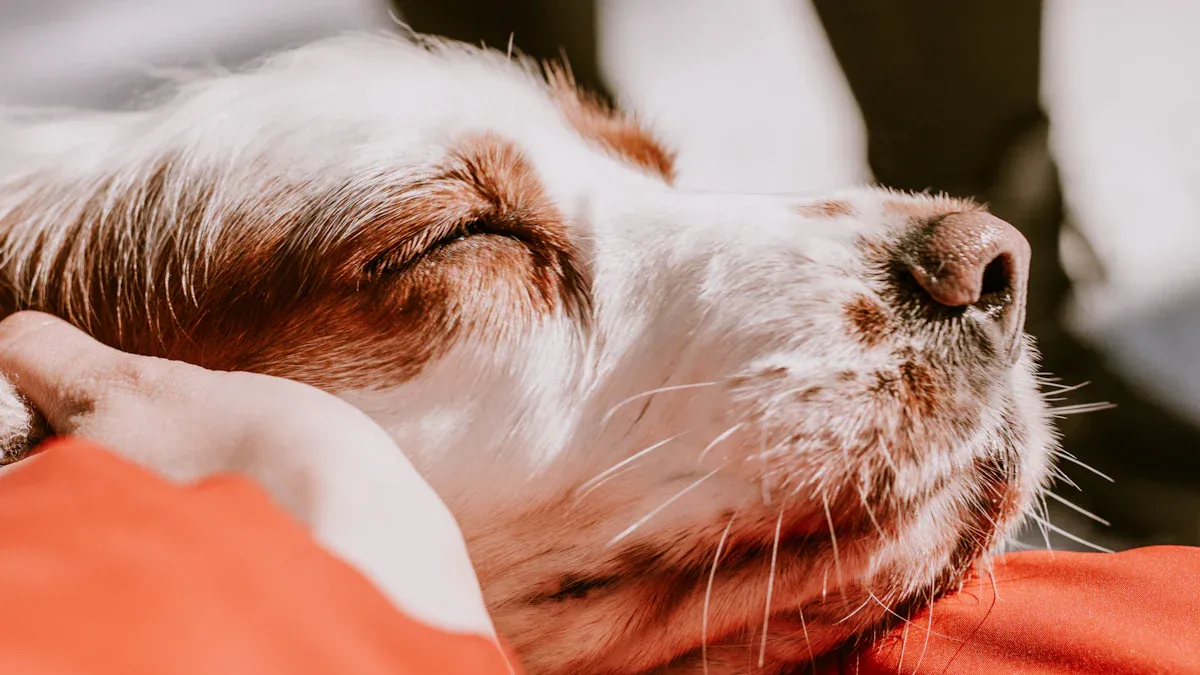
You want your dog to feel good in their hip brace. Check the fit every day. Make sure the brace sits snug but not tight. Look at your dog’s skin under the brace. Watch for any changes. Some common skin issues can pop up if you miss these checks.
-
Pressure sores may show up if the brace rubs too much.
-
You might see hair loss or skin discoloration.
-
Dogs sometimes lick or chew at sore spots.
Tip: Try to keep your dog off hard floors for long naps. Soft bedding helps prevent pressure sores.
Recognizing Signs Of Discomfort
Dogs can’t tell you when something feels wrong, but they show you in other ways. Watch for these signs:
-
Licking or chewing at the brace or joints
-
Excessive grooming, especially when resting
-
Limping or moving less than usual
If you notice any of these, your dog might feel uncomfortable. Take the brace off and check for redness or swelling. Give your dog a break before trying again.
Hygiene And Maintenance
A clean brace keeps your dog healthy. Wipe down the brace with a damp cloth after walks. Let it dry before putting it back on. Check for dirt or fur stuck in the straps. Clean skin under the brace with a soft, damp towel. Dry the area well. This helps prevent infections and keeps your dog comfortable.
Note: Always follow the cleaning instructions from your brace provider.
When To Seek Professional Help
Sometimes, you need extra help. Call your vet or brace provider if:
-
You see open sores or wounds
-
Your dog keeps licking or chewing at the brace
-
The brace never seems to fit right, even after adjustments
Regular monitoring helps your dog move with more confidence. A well-fitted brace supports muscles, reduces pain, and helps your dog feel better every day.
You play a big part in your dog’s journey to better movement. Patience, positivity, and sticking to a routine help your dog feel safe. The hip brace supports your dog’s hips, reduces pain, and boosts long-term mobility. Most dogs show signs of success, like less limping and more play, within days or weeks:
|
Signs of Success |
What You’ll Notice |
|---|---|
|
Improved weight-bearing |
Your dog stands stronger |
|
Increased activity |
More eager to play and walk |
|
Better mobility |
Moves more freely with the brace |
Keep using treats and praise. Celebrate every small win. If you need extra help, therapies like underwater treadmill or chiropractic care can support your dog’s progress. With time and love, your dog can thrive with their new brace. 🐾
FAQ
How often should I clean my dog’s hip brace?
You should clean the brace every few days or after muddy walks. Use a damp cloth and let it dry before putting it back on your dog. Clean straps and buckles to keep everything fresh.
Tip: Always follow the cleaning instructions from your brace provider.
Can my dog play and walk normally with the brace on?
Yes, your dog can enjoy walks and gentle play with the brace. Start slow and watch for signs of discomfort. If your dog seems happy and moves well, you can add more activity over time.
How long does it take for my dog to adjust to the brace?
Most dogs adjust within one to two weeks. Some need more time. Go at your dog’s pace. Use treats and praise to help your dog feel good about wearing the brace.
What should I do if my dog keeps trying to remove the brace?
Stay calm and redirect your dog’s attention with treats or toys. Check the fit to make sure nothing pinches. If the problem continues, talk to your vet or brace provider for advice.

0 Comments