
If your dog has a torn ACL, you might feel overwhelmed about what comes next. A dog brace for acl tear acts as a support system, helping your pet heal by stabilizing the joint. You need a structured rehabilitation plan because healing takes time and steady progress. Some dogs may wear a brace for as little as two months, while others need up to six months. Braces work well for dogs that cannot have surgery, offering a non-invasive and flexible option. Patience and teamwork with your vet will make all the difference.
Key Takeaways
-
A clear rehab plan is very important for your dog's recovery from a torn ACL. Follow the steps to help your dog heal the right way.
-
Use a dog brace to give support and keep your dog steady while healing. The brace stops more injury and lets your dog move safely.
-
Watch your dog's progress every day. Check for pain or if your dog seems uncomfortable. Talk to your vet often to make changes if needed.
-
Add easy exercises and physical therapy as your dog gets better. This helps your dog's leg get stronger and makes them feel more sure when walking.
-
Keep your dog at a healthy weight to take stress off their joints. Go to the vet for regular check-ups to make sure your dog stays healthy.
Rehabilitation Timeline Overview With Brace for Dog With Torn ACL
Key Phases of Dog ACL Recovery
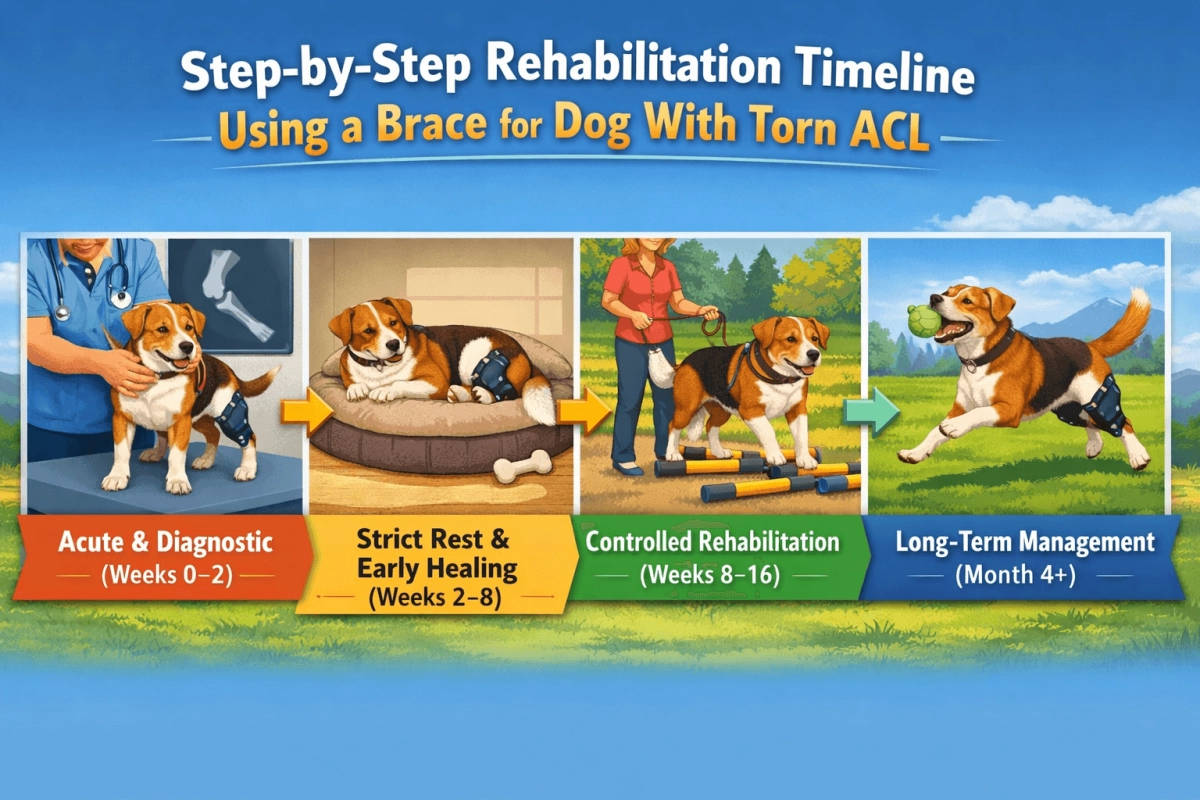
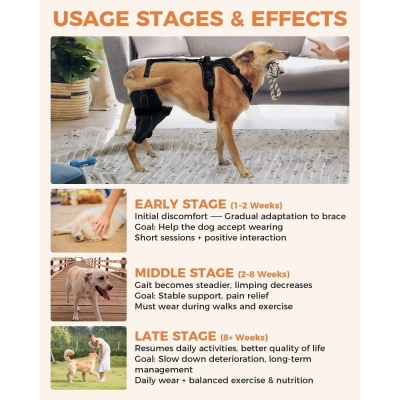
When your dog faces a ccl injury, you want to know what comes next. The journey to recovery happens in clear steps. Each phase has a special goal and a role for the brace for dog with torn acl. Here’s a quick look at the main phases and how long each one lasts:
|
Phase |
Duration |
|---|---|
|
Strict Rest |
Weeks 1-2 |
|
Guided Exercises |
Weeks 3-10 |
|
Return to Normal Activity |
Weeks 11-16 |
You start with strict rest. This helps your dog’s knee calm down and lets the healing begin. Next, you move to guided exercises. These help your dog build strength and improve mobility. In the last phase, your dog returns to normal activity. The dog brace supports your pet through each step, keeping the knee stable and safe.
What to Expect With a Dog Brace
You might wonder why you need a structured rehabilitation plan. Following a set timeline gives your dog the best chance to heal. Here’s why it matters:
-
You make sure your dog gets the right care at the right time.
-
Patience and consistency help your dog recover well.
-
You can track your dog’s progress week by week and spot any problems early.
Your vet will guide you through each phase. You will work together to adjust the plan if your dog needs extra help. The dog brace is not just a tool—it’s part of a bigger plan to restore your dog’s mobility and comfort. With steady effort, you can help your dog enjoy life again after a ccl injury.
Phase 1 – Acute & Diagnostic (Weeks 0–2)
Veterinary Diagnosis and Initial Dog Care
When your dog first hurts their knee, you want answers fast. The first two weeks are all about finding out what’s wrong and keeping your dog comfortable. Your vet will check your dog’s leg and ask about what happened. They might move your dog’s knee to see if it feels loose or swollen. Sometimes, your vet will use special tests to make sure your dog has a ccl injury and not something else.
Here’s a quick look at the most common ways vets confirm a torn ACL:
|
Diagnostic Method |
Description |
|---|---|
|
Physical Examination |
The vet checks for swelling, pain, and how stable the knee feels. |
|
X-rays |
These help rule out other problems and show if there’s swelling or arthritis. |
|
Arthroscopy |
This lets the vet see inside the joint and is the most accurate test. |
Your vet might use one or more of these tests. You want to know exactly what’s going on so you can start the right treatment.
Pain and swelling can make your dog miserable. You can help your dog feel better with these common pain management tools:
-
Nonsteroidal anti-inflammatory drugs (NSAIDs) to lower pain and swelling.
-
Amantadine, which can help if your dog needs extra relief.
-
Gabapentin, sometimes used for nerve pain or to help your dog rest.
Your vet will pick the best plan for your dog. Always follow their advice and watch for side effects.
Starting With a Dog Brace or Support
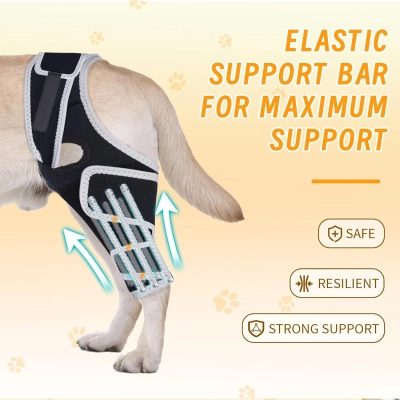
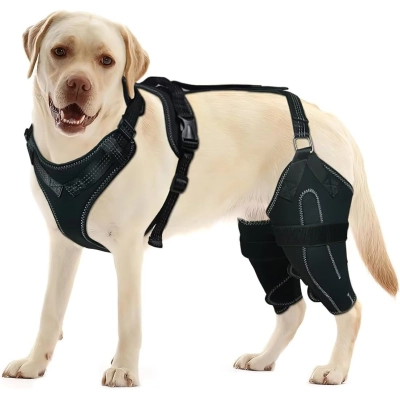
You want your dog to heal, but you also want to keep them safe. In the first days after a ccl injury, your vet may suggest a soft wrap or a simple dog leg brace. This helps keep the knee steady and stops your dog from making the injury worse. A dog brace for acl injury gives your dog support, helps with pain, and lets them walk a little more safely.
Here’s why a dog brace or soft support matters right now:
-
It keeps your dog’s knee from moving the wrong way.
-
Your dog can walk to go potty without hurting themselves more.
-
The brace helps muscles stay strong, which is important for recovery.
-
It protects the other knee, since many dogs with one torn ACL can hurt the other side too.
If you and your vet decide to use a custom dog brace, you’ll follow a few simple steps:
-
Visit your vet to talk about the best brace for your dog.
-
Take careful measurements or use a casting kit to get the right fit.
-
Try the brace on and make sure the hinge lines up with your dog’s knee.
-
Let your dog wear the brace for short times at first—maybe 30 minutes a day.
-
Add more time each day over a week or so.
-
Use the brace for walks or short play, but keep your dog resting most of the time.
-
Check your dog’s skin every day for redness or sore spots.
Tip: Keep your dog calm and quiet. Use a crate or a small room to limit movement. Give lots of gentle praise and treats for good behavior.
During this phase, your main goals are simple:
-
Confirm the diagnosis with your vet.
-
Control pain and swelling.
-
Limit your dog’s movement as much as possible.
You set the stage for a smooth recovery by starting with the right care. The dog rear leg brace for torn ACL supports your dog’s knee, helps with mobility, and gets your dog ready for the next steps in rehabilitation therapy.
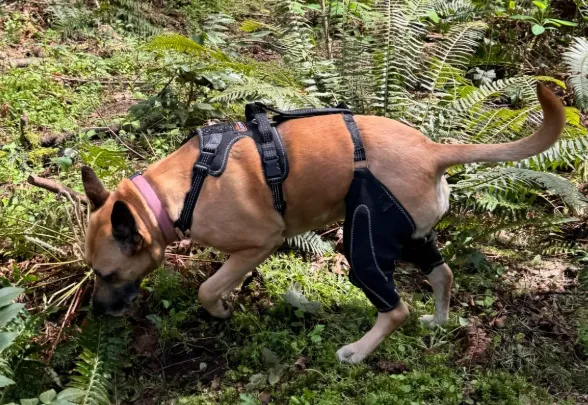
Phase 2 – Strict Rest & Early Healing (Weeks 2–8)
Using a Dog Brace for Stability
You’ve made it through the first tough days after your dog’s ccl injury. Now, you enter a phase where healing really starts. The dog brace becomes your best tool for keeping your dog’s knee safe and steady. You want to stop any harmful movement that could slow down recovery or cause more pain.
Here’s what makes a custom-made plastic brace stand out during this phase:
-
It gives your dog’s knee strong support and comfort, much better than a soft fabric wrap.
-
The brace limits the way your dog’s leg can move, so you protect the healing ligament.
-
You help reduce pain and swelling, which means your dog feels better and can rest.
-
The brace for dog with torn acl works well for dogs that can’t have surgery, giving them a real chance at a full recovery.
You want your dog to feel secure and start to trust their leg again. The brace helps your dog walk for short bathroom breaks and keeps the joint from sliding the wrong way. This support is key for safe mobility and sets the stage for the next steps in rehabilitation therapy.
Activity Restrictions and Home Care
You play a huge role in your dog’s healing. During these weeks, you need to control every step your dog takes. Too much movement can undo all the progress you’ve made. Here’s a simple table to help you remember what to do and why it matters:
|
Activity Restriction |
Explanation |
|---|---|
|
Crate or small room rest |
Give your dog a quiet, safe place to heal. Less movement means less risk of hurting the knee. |
|
Avoid stairs, running, jumping, or slippery floors |
Stop accidents before they happen. These actions can stress the healing ligament. |
|
Leash-only bathroom breaks |
Keep walks short and slow. Use a leash and pick flat, safe ground. |
|
Cold packs |
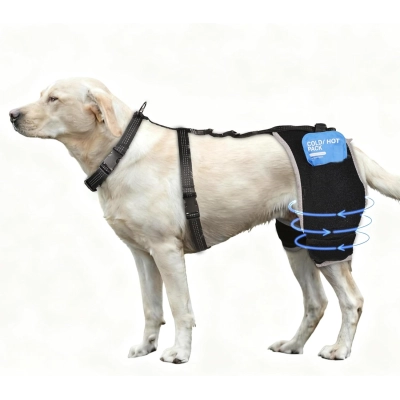
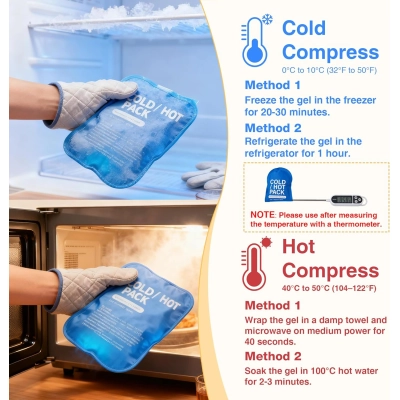
Place a cold pack on the knee for 10–15 minutes, 3–4 times a day, to help with pain and swelling. |
|
Start passive range-of-motion exercises |
Only do these if your vet says it’s okay. Gentle movements keep the joint from getting stiff. |
You want to introduce the dog brace slowly. Start with short periods, then add more time each day. Always check your dog’s skin under the brace. Look for redness, sores, or any signs of rubbing. If you see anything strange, call your vet right away.
Here are some common problems you might see with a dog brace:
|
Complication |
Description |
|---|---|
|
Improper Fit and Sizing |
A brace that doesn’t fit right can cause swelling, sore spots, or even cut off blood flow. |
|
Over-Reliance on the Brace |
If your dog uses the brace too much and doesn’t move the leg, muscles can get weak. |
|
Skin Irritation |
Watch for rashes or hot spots, especially if your dog has sensitive skin. |
|
False Sense of Security |
Don’t let your dog run or play just because they seem better. The knee is still healing. |
Tip: Check your dog’s brace and skin every day. Give lots of praise and treats for calm behavior. Keep your vet updated on any changes.
You want your dog to heal well and avoid setbacks. Stick to the plan, keep your dog calm, and use the dog brace as your vet recommends. This phase is all about patience, protection, and setting your dog up for a strong recovery and a return to happy, active days.
Phase 3 – Controlled Rehabilitation (Weeks 8–16)
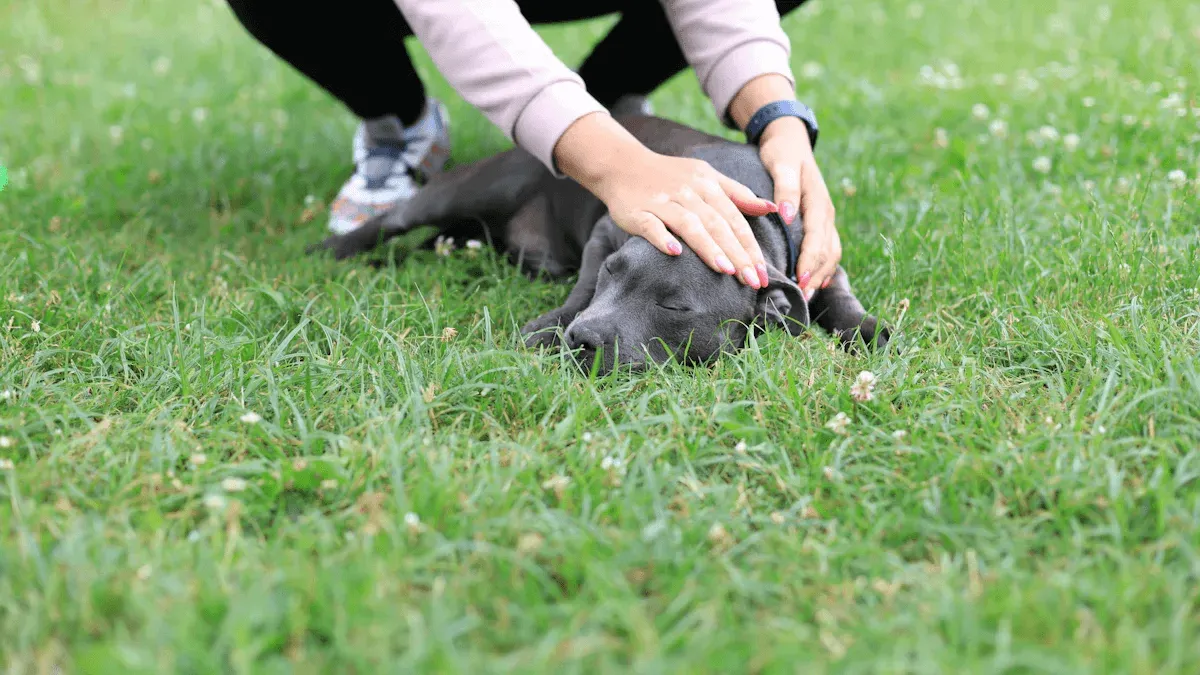
Gradual Activity With Dog Brace
You’ve made it to the next big step in your dog’s recovery. Now, you can start adding more movement, but you still need to keep things safe and steady. The brace for dog with torn acl helps your dog feel confident and secure as you both try new activities. It’s not just about support—it’s about helping your dog rebuild muscle and trust their leg again.
Here’s how the brace helps during this phase:
|
Mechanism |
How It Helps Your Dog |
|---|---|
|
Compression and Support |
Keeps the knee stable and reduces pain |
|
Muscle Engagement |
Encourages your dog to use their muscles again |
|
Pain Reduction |
Stops sudden, harmful movements that could slow healing |
|
Improved Confidence |
Makes your dog more willing to move and explore |
You want your dog to walk with you, but you need to go slow. Start with short, controlled leash walks. Keep your pace steady and avoid sharp turns. Pick quiet times for walks so your dog can focus on moving the right way. After each walk, check your dog’s leg and paws for any signs of pain or swelling.
Tip: Watch how your dog stands and walks. Try to help them put equal weight on both back legs. Give lots of praise for calm, steady steps.
Physical Therapy and Exercise
Physical therapy is a game changer for dogs after a ccl injury. It helps with pain, boosts mobility, and makes the muscles around the knee stronger. You can try different therapies, like gentle massage, cold laser, or even hydrotherapy if your vet suggests it.
Some helpful therapies include:
-
Manual massage to relax tight muscles
-
Low level laser therapy for pain and swelling
-
Therapeutic ultrasound for deep tissue healing
-
Hydrotherapy for safe, low-impact exercise
You can also start short, supervised periods without the brace. Let your dog move in a safe, enclosed space. Always watch closely and keep these sessions brief. This helps your dog learn to use their leg again without too much risk.
Stay patient and stick to your vet’s plan. Every small step brings your dog closer to full mobility and a happy, active life. This phase of rehabilitation sets the stage for a strong, lasting recovery.
Phase 4 – Long-Term Management (Month 4+)
Returning to Normal Dog Activities
You’ve reached the final phase of your dog’s journey after a ccl injury. This is the time when your dog can start to enjoy life again. Most dogs can return to their favorite activities, like walking in the park or playing fetch. You might notice your dog feels more confident and happy. The hard work during rehabilitation pays off now.
You still need to watch your dog closely. Some dogs may need to wear their brace during high-energy play or hikes. This helps protect the knee from sudden twists or slips. If your dog has arthritis, the brace can give extra support and comfort. You want your dog to stay active, but you also want to keep them safe.
Weight management is very important. Keeping your dog at a healthy weight takes stress off the joints and helps prevent future injuries. You should check your dog’s weight and body condition often. Talk with your vet about the best diet and exercise plan for your dog.
Here’s a simple table to help you remember how often to monitor your dog’s joint health and weight:
|
Monitoring Aspect |
Recommended Frequency |
|---|---|
|
Weight and Body Condition |
Every 1–2 months |
|
Joint Health Check |
Every 3–6 months |
|
Underwater Treadmill Therapy |
Weekly sessions during early recovery, then as needed |
Ongoing Use of Dog Brace
You may not need the brace every day now, but it’s still a helpful tool. Use the brace for your dog during high-risk activities or if you notice any limping. Some dogs with arthritis wear the brace for extra support on long walks. Always check your dog’s skin for any redness or rubbing after wearing the brace.
Keep in touch with your vet. Regular checkups help you catch any problems early. Your vet can adjust your dog’s plan if needed. Celebrate your dog’s progress. You’ve helped your dog through a tough time, and now you both can enjoy the rewards of a successful recovery.
Tip: Keep your dog’s favorite toys and treats handy. Positive rewards make exercise and checkups more fun for your dog.
Choosing the Right Dog Brace
Custom vs. Off-the-Shelf Options
You want your dog to have the best care. Picking the right brace is important for healing. Custom braces are made just for your dog. They fit well and give strong support. Off-the-shelf braces come in set sizes like small, medium, or large. These work for dogs with mild injuries. Look at this table to see how the two types compare:
|
Metric |
Custom Braces |
Off-the-Shelf Braces |
|---|---|---|
|
Fit |
Precision-made for your dog |
General sizes (S, M, L, XL) |
|
Comfort |
Moves naturally, less rubbing |
May slip or cause skin issues |
|
Biomechanics |
Controls joint movement, reduces pain |
Basic support, less control |
|
Support |
High, for severe injuries |
Mild to moderate |
|
Effectiveness |
Improves weight-bearing and gait |
May not help all dogs |
|
Cost |
$1,000 - $1,800 |
Under $100 to over $1,000 |
|
Accessibility |
Takes time, needs a vet |
Buy and use right away |
|
Owner Involvement |
High, with vet guidance |
Low to moderate |
|
Complications |
Fewer if fitted well |
More common (skin sores, slippage) |
Custom dog braces are made to fit your dog’s leg. They give better support and help with hard injuries. Off-the-shelf braces are cheaper and you can get them fast. These are good for small problems. If your dog’s injury is bad, a custom brace is usually best.
Key Features for Comfort and Support
You want your dog to feel good and heal well. The right brace should be comfy and help your dog move. Here are some things to look for in a brace:
|
Feature |
Description |
|---|---|
|
Proper Fit and Adjustability |
Snug fit, stays in place, adjusts for swelling, prevents pressure points |
|
Level of Support |
Single for mild, double for both knees, hinged for severe cases |
|
Medical-Grade Materials |
Breathable and soft, prevents irritation, supports the joint |
|
Anti-Slip Design |
Secure straps and non-slip linings keep the brace in place |
|
Compatibility With Management |
Supports rehab and controlled movement |
|
Vet-Approved Design |
Designed with expert input, supports natural movement |
"A torn ACL in dogs is like walking on a loose hinge. The knee shifts with every step, causing pain and further damage. Support is critical." - Dr. Sarah Ochoa
You should always ask your vet before you buy a brace. Vets know what your dog needs to get better. They help you pick the right brace for your dog. Your vet makes sure the brace fits and helps your dog heal. Their advice keeps your dog safe and happy.
Warning Signs and When to Call the Vet
Symptoms to Watch For in Your Dog
You want your dog to heal well, but sometimes things do not go as planned. Watch your dog closely every day. Some signs mean you should call your vet right away. Here are the most common warning signs:
-
Limping or not wanting to use the leg
-
Swelling around the knee or lower leg
-
Redness or heat near the joint
-
Sudden pain or yelping when moving
-
Changes in appetite or not wanting to eat
-
Acting tired, grumpy, or hiding
-
Discomfort when you touch the brace or leg
If you see any of these signs, do not wait. Your vet can help you figure out what is wrong and keep your dog on track for recovery.
Note: Always check your dog’s skin under the brace. Look for redness, sores, or swelling. Early action can prevent bigger problems.
Common Setbacks During Recovery
Even with your best care, setbacks can happen. Maybe your dog starts limping again or seems sore after a walk. Sometimes the brace rubs the skin or your dog chews at it. Do not panic. Many dogs have small bumps in their healing journey.
Here is what you can do if you notice a setback:
-
Rest your dog for a few days and limit activity
-
Check the fit of the brace and make sure it is not too tight or loose
-
Call your vet if the limp does not get better in two days
-
Keep a journal of your dog’s symptoms and share it with your vet
Stay calm and patient. Most problems get better with quick action and good communication with your vet. You and your dog are a team, and you both want the best outcome.
Tips for a Smooth Recovery With a Dog Brace
Keeping Your Dog Comfortable
You want your dog to feel good while wearing a brace. Comfort makes a big difference in how well your dog heals. Here are some simple tips to help:
-
Follow your veterinarian’s instructions for brace use and rehab exercises.
-
Check the fit of the brace every day. It should feel snug but not too tight.
-
Give your dog plenty of rest. A calm space helps your dog relax and recover.
-
Start with short walks and slowly add more activity as your vet suggests.
-
Watch for any signs of rubbing or sore spots under the brace.
-
Use praise and treats when your dog wears the brace. This helps your dog feel happy and safe.
-
Schedule regular check-ups with your vet to make sure everything is going well.
Tip: If you notice redness or swelling, take the brace off and call your vet. Early action keeps your dog comfortable and prevents bigger problems.
Supporting Positive Behavior and Healing
You can help your dog heal faster by making small changes at home and staying positive. Here’s a table with some helpful ideas:
|
Component |
Description |
|---|---|
|
Weight management |
Keep your dog at a healthy weight to reduce stress on the knee. |
|
Controlled exercise |
Take short, gentle walks on a leash to build muscle safely. |
|
Physical therapy |
Ask your vet about rehab exercises or hydrotherapy for better results. |
|
Anti-inflammatory support |
Use vet-approved meds or supplements to lower pain and swelling. |
|
Home modifications |
Add non-slip rugs or ramps to prevent slips and falls. |
You might see your dog walk more, put weight on the sore leg, or act happier as they heal. These are all good signs. Keep an eye on progress and write down any changes. Stay in touch with your vet and share updates often. Good communication helps you and your vet make the best choices for your dog.
Remember, patience and consistency matter most. Healing takes time, but your support makes all the difference.
You’ve followed a four-phase plan to help your dog heal with a brace for dog with torn acl. Patience and consistency matter most. Healing takes time, and your steady care makes all the difference. Here’s what leads to the best recovery:
|
Factor |
Why It Matters |
|---|---|
|
Custom Fit |
Better comfort and support |
|
Owner Compliance |
Daily wear and checks |
|
Vet Oversight |
Keeps progress on track |
-
Bracing, weight control, and gentle exercise work together for success.
-
You give your dog the best chance at a happy, active life.
Stay positive and keep working with your vet. Your effort brings your dog closer to a strong recovery.
FAQ
How long does my dog need to wear the brace each day?
Most dogs wear the brace during all waking hours, especially for walks and bathroom breaks. Your vet may suggest short brace-free periods as your dog heals. Always follow your vet’s advice for the best results.
Can my dog sleep with the brace on?
You should remove the brace at night unless your vet says otherwise. This gives your dog’s skin a break and helps prevent irritation. Check for redness or sore spots before putting the brace back on.
What should I do if my dog chews or tries to remove the brace?
Try distracting your dog with toys or treats. Make sure the brace fits well and isn’t causing discomfort. If chewing continues, talk to your vet for tips or adjustments.
Is it safe to walk my dog outside while using the brace?
Yes, you can walk your dog outside, but keep walks short and slow. Use a leash and avoid slippery surfaces. The brace helps protect the knee, but your dog still needs careful supervision.
How do I clean the dog brace?
Wipe the brace with a damp cloth and mild soap. Let it air dry completely before using it again. Avoid harsh chemicals. Check the brace for damage or wear every week.
0 Comments