
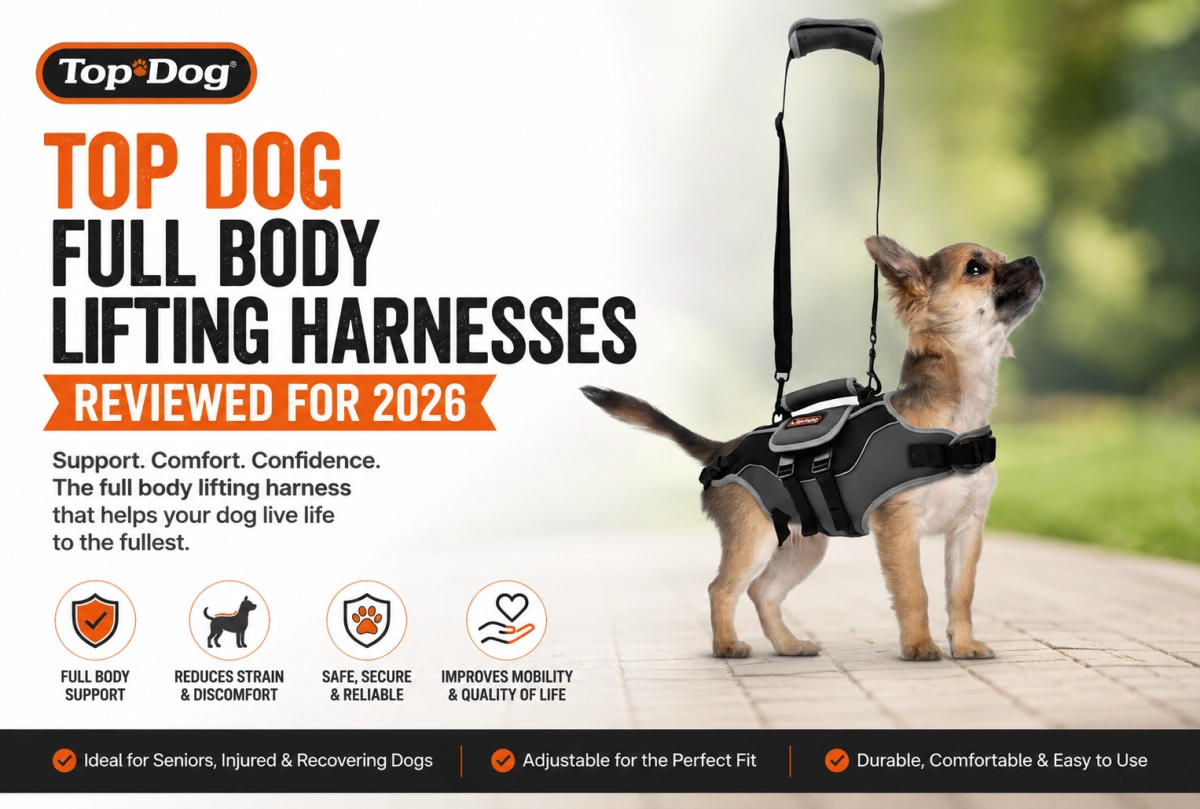
One out of five dogs will have joint problems. These problems can make it hard for them to move and enjoy life. A dog full body lifting harness helps you help your dog walk when it gets tough. You can use a dog full body lifting harness to help your dog stand up, go up stairs, or heal after surgery. This tool gives comfort and keeps dogs safe if they have arthritis, hip dysplasia, or spine problems. There are many kinds of dog full body lifting harness you can buy. Each kind is made for a special need.
|
Harness Type |
Description |
Best For |
|---|---|---|
|
Gives strong support for dogs who cannot move well. |
Older dogs, paralyzed pets, after surgery, and dogs with problems. |
|
|
Holds up the back legs but lets the front legs move. |
Older dogs with back leg arthritis, after TPLO surgery. |
|
|
Helps dogs with hurt front legs by keeping them steady and safe. |
Dogs with front leg injuries, older pets with shoulder arthritis. |
|
|
Full Body Support Harness |
Gives even support to the whole body for better balance. |
Dogs who need some help or are getting better after being hurt. |
You can use a dog full body lifting harness for many health problems. These include spine problems, hip dysplasia, bad injuries, and arthritis. A dog harness can make life easier for you and your dog.
Key Takeaways
-
A full body lifting harness helps dogs who have trouble moving. It makes it easier for them to stand up. It also helps them walk and get better after surgery.
-
There are different harness types for different needs. Full body, hind leg, front leg, and full body support harnesses give special help.
-
Always measure your dog before you buy a harness. This makes sure the harness fits right. A good fit is important for comfort and safety.
-
Look for harnesses made from strong materials. Choose ones with padding and straps you can adjust. These features make the harness more comfortable and supportive.
-
Check the harness often to see if it still fits well. Look for any damage or wear. Clean the harness to keep it strong and comfy for your dog.
Top Dog Full Body Lifting Harness Comparison
Quick Comparison Table
You want to find the best lift harnesses for your dog. The table below shows how top harnesses compare in 2026. Look at the main features and see which harnesses fit your dog's needs.
Tip: Always check the size chart before you buy harnesses. Measure your dog's neck, chest, and back to get the right fit.
|
Brand |
Support Type |
Material |
Handles |
Reflective |
Size Range |
Special Feature |
|---|---|---|---|---|---|---|
|
Lispoo |
Full Body |
Nylon, Mesh |
2 |
Yes |
S-XL |
360° support |
|
OneTigris |
Full Body |
Nylon, Steel |
3 |
Yes |
S-XXL |
360° support |
|
Frisco |
Rear Support |
Mesh, Fleece |
1 |
Yes |
XS-XL |
Easy cleaning |
|
PICK FOR LIFE |
Full Body |
Nylon, Neoprene |
2 |
Yes |
S-XL |
Adjustable sizing |
|
LOOBANI |
Rear Support |
Nylon, Plush |
1 |
Yes |
XS-L |
Lightweight design |
|
WALKABOUT |
Full Body |
Nylon, Mesh |
2 |
Yes |
XS-XXL |
Leg hole padding |
Key Features Overview
When you compare harnesses, you need to look at important factors. Here are the top things to check:
-
Scapular clearance lets your dog move its shoulders. You should fit two fingers between the harness and the shoulder blade.
-
Thoracic freedom means your dog can breathe easily. The chest strap sits behind the front legs.
-
Load distribution width matters. Straps should be at least 3.5 cm wide to spread out the pressure.
-
Gait symmetry check helps you see if your dog walks comfortably. Watch for smooth movement.
-
Escape resistance keeps harnesses snug. They should not loosen when your dog moves.
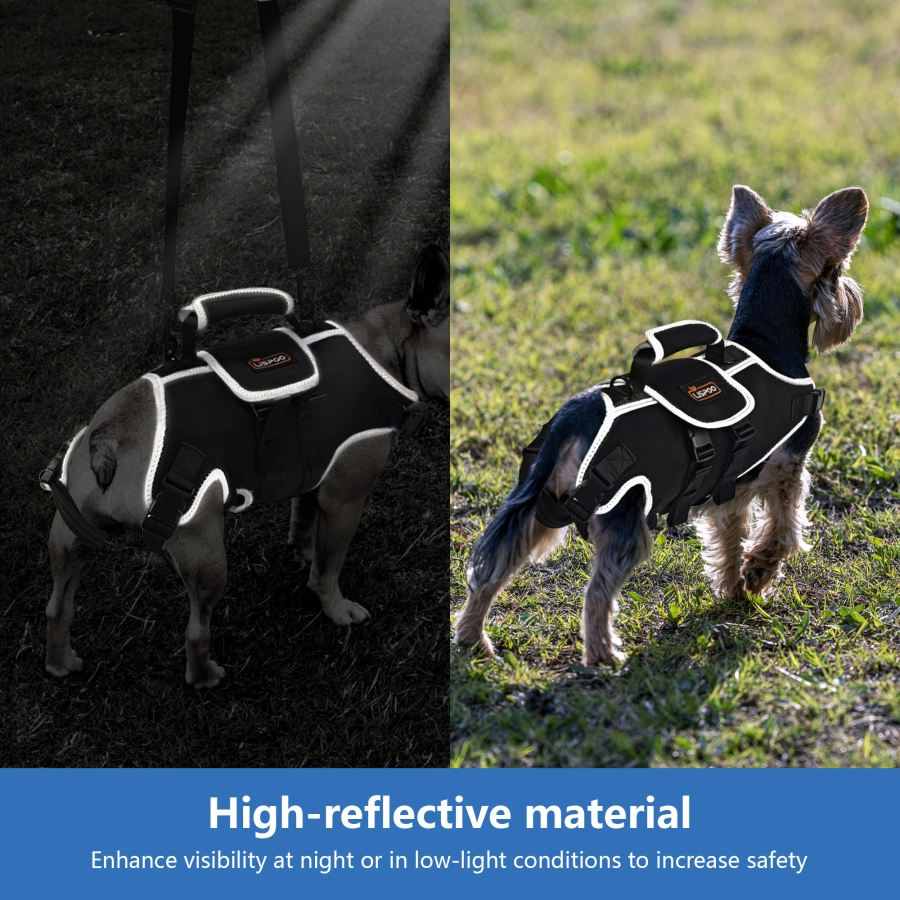
You also want harnesses made from strong materials. Nylon webbing works well in wet weather. Neoprene padding feels soft for sensitive dogs. Breathable mesh keeps your dog cool. Reflective parts help you see your dog at night. Stainless steel hardware lasts longer outside.
-
Full support harnesses lift the whole body. They often have two parts for front and back legs.
-
You can use some harnesses as a no pull harness or combine them for full lifting support.
-
Harnesses must be safe and strong for lifting dogs off the ground.
Note: You can use a no pull harness for daily walks, but full body harnesses help dogs with mobility problems.
Why Choose a Dog Full Body Lifting Harness
Safety and Comfort Benefits
You want your dog to feel safe and happy every day. Harnesses let you lift and help your dog without hurting them. They protect your dog's joints and muscles from pain. If you try to lift your dog with your hands, you might hurt them. Harnesses spread your dog's weight so they feel steady and safe. Many harnesses have soft handles and padding. These things make your dog more comfortable and help you care for your pet.
A no pull harness is good for walks, but full body harnesses give more support to dogs who have trouble moving. Harnesses let your dog walk in a normal way. You can change the straps to fit your dog's body. Reflective parts help you see your dog at night. Mesh lets air in and keeps your dog cool on long walks. Dr. Laura Chen says harnesses help old dogs feel proud and free again. Dr. Alan Prescott says you should not wait until your dog cannot walk. Harnesses help your dog stay active and keep moving.
Harnesses help your dog feel better faster. You will see your dog move more and feel less scared right away. Studies show that dogs with harnesses stay stronger and move more. Supplements take a long time to work, but harnesses help your dog right now.
Common Medical Uses
You use harnesses for many health problems. The table below shows why dogs need harnesses:
|
Medical Condition |
Description |
|---|---|
|
Spinal Problems |
Conditions like intervertebral disc disease can lead to mobility issues and paralysis of the rear legs. |
|
Hip Dysplasia |
A developmental issue causing osteoarthritis, leading to pain and reduced mobility. |
|
Traumatic Injuries |
Injuries such as sprained knees or broken bones that limit a dog's strength and stability. |
|
Arthritis |
A condition that can arise from autoimmune diseases or overuse, requiring supportive harnesses. |
Harnesses help your dog get better after surgery. You can use a no pull harness for easy walks while your dog heals. Harnesses support dogs with arthritis, hip dysplasia, and spine problems. You also use harnesses for dogs with bad injuries. Harnesses make it easier for your dog to stand, walk, and go up stairs. You can use a no pull harness if your dog needs more control on walks. Harnesses keep surgery spots safe and help your dog get strong again. With the right harness, your dog can enjoy life again.
Types of Dog Lifting Harnesses
You can choose from several types of harnesses to help your dog move safely. Each harness works best for certain situations and health problems. You need to know which harness fits your dog's needs.
Full Body Support
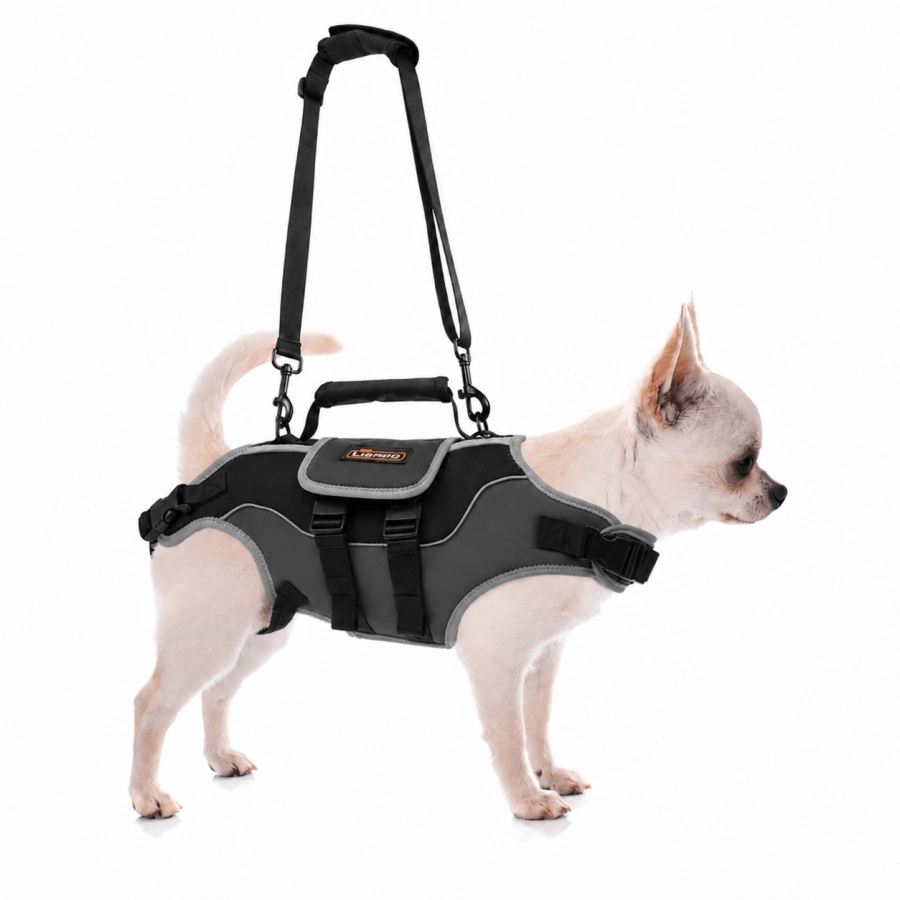
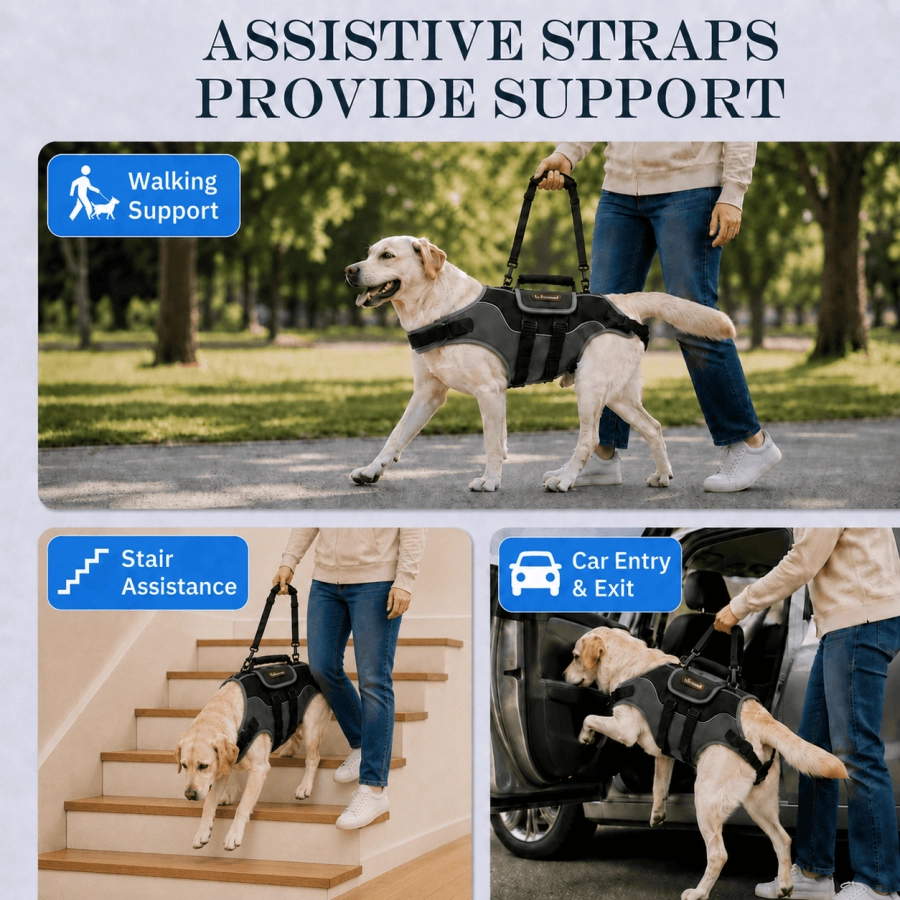
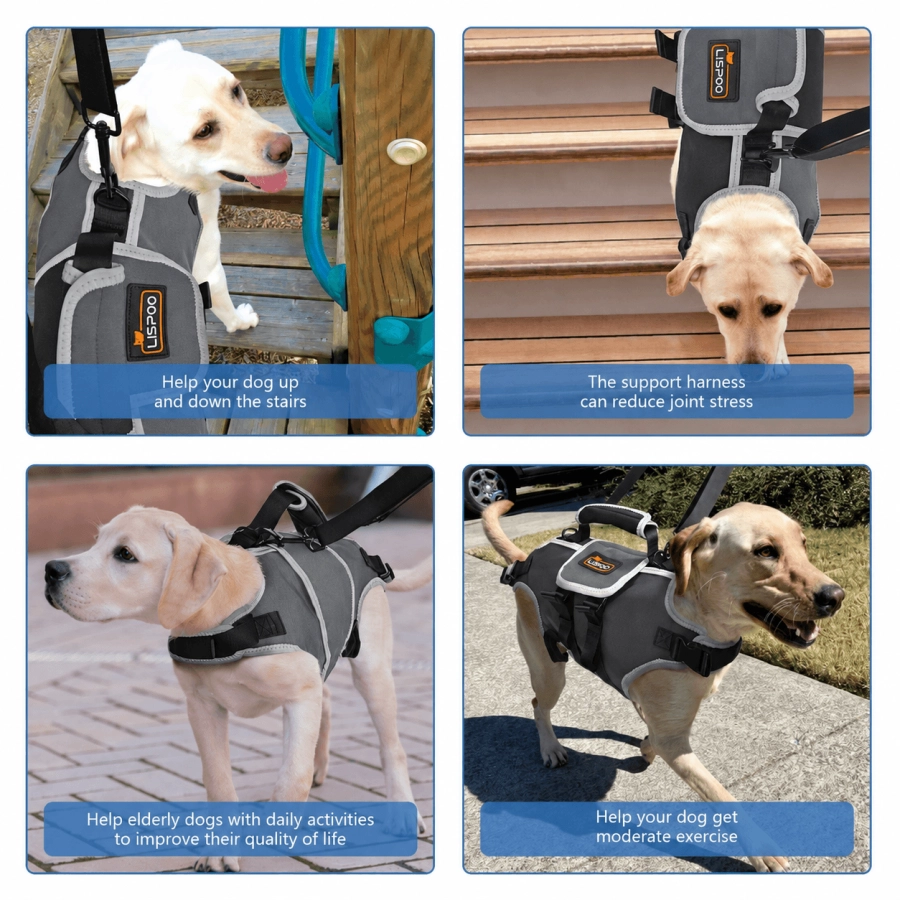
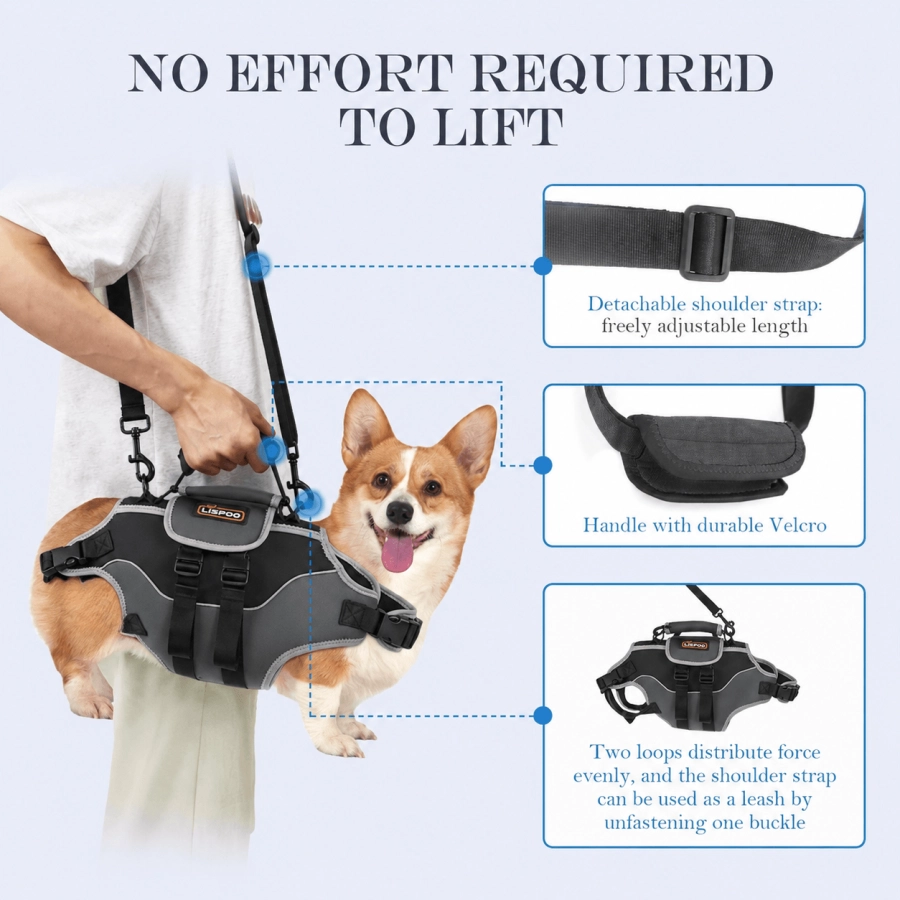
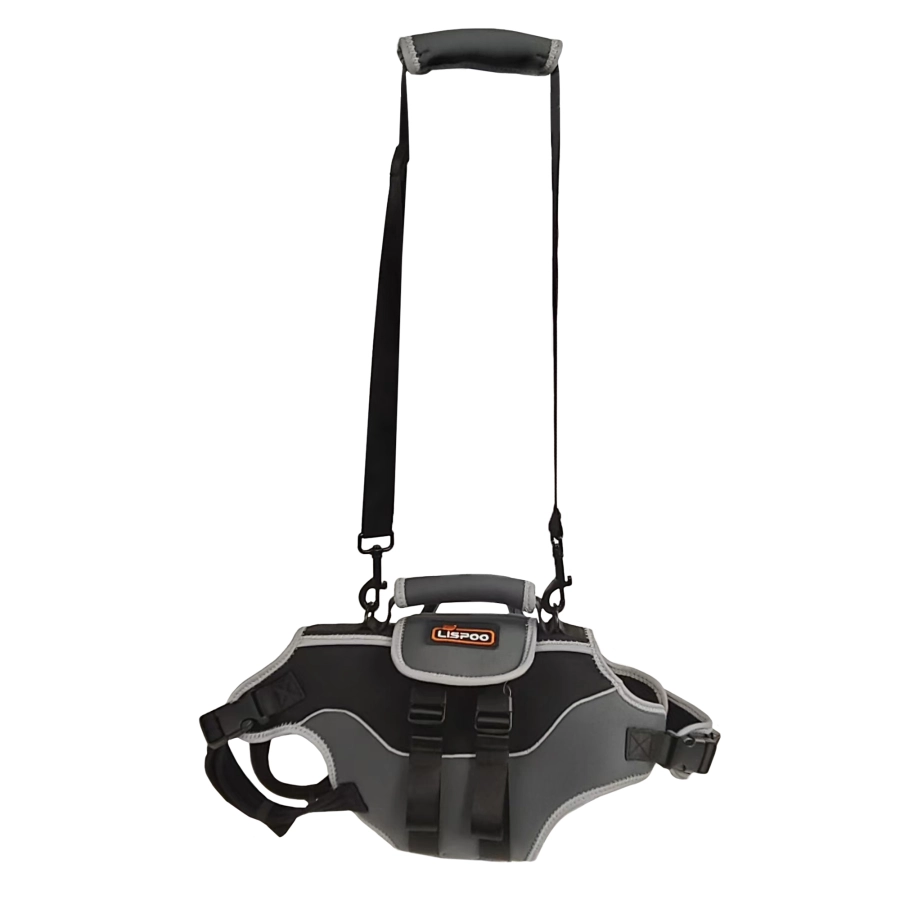
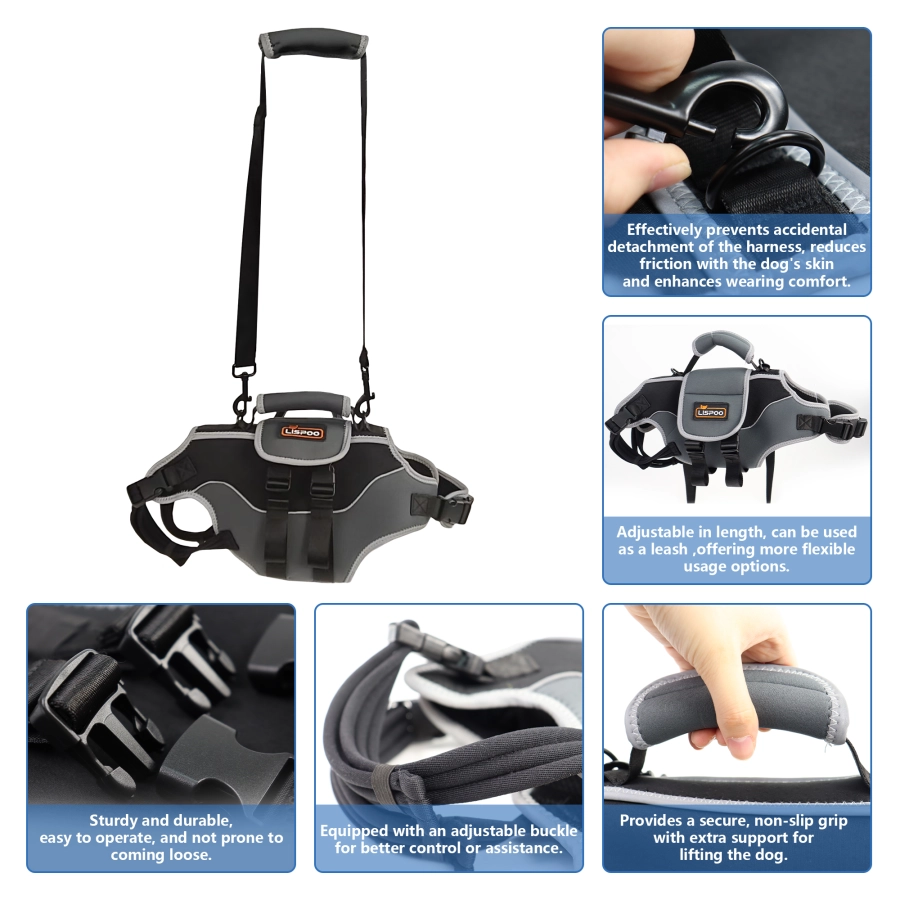
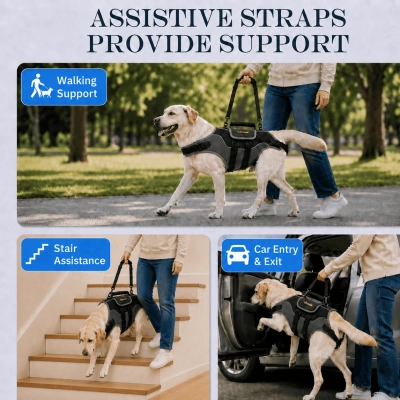
Full body support harnesses give your dog help in both the front and back legs. You use these harnesses for dogs who have trouble standing or walking. Senior dogs, pets with neurological disorders, and dogs recovering from surgery benefit most. You can lift your dog gently and keep them balanced. These harnesses often have padded handles and adjustable straps. You can help your dog go up stairs, get into vehicles, or stand after lying down. Full harness designs use breathable materials to keep your dog comfortable.
Tip: Full body support harnesses help dogs with arthritis, IVDD, and hip dysplasia. You can use them for bladder and bowel management if your dog needs extra help.
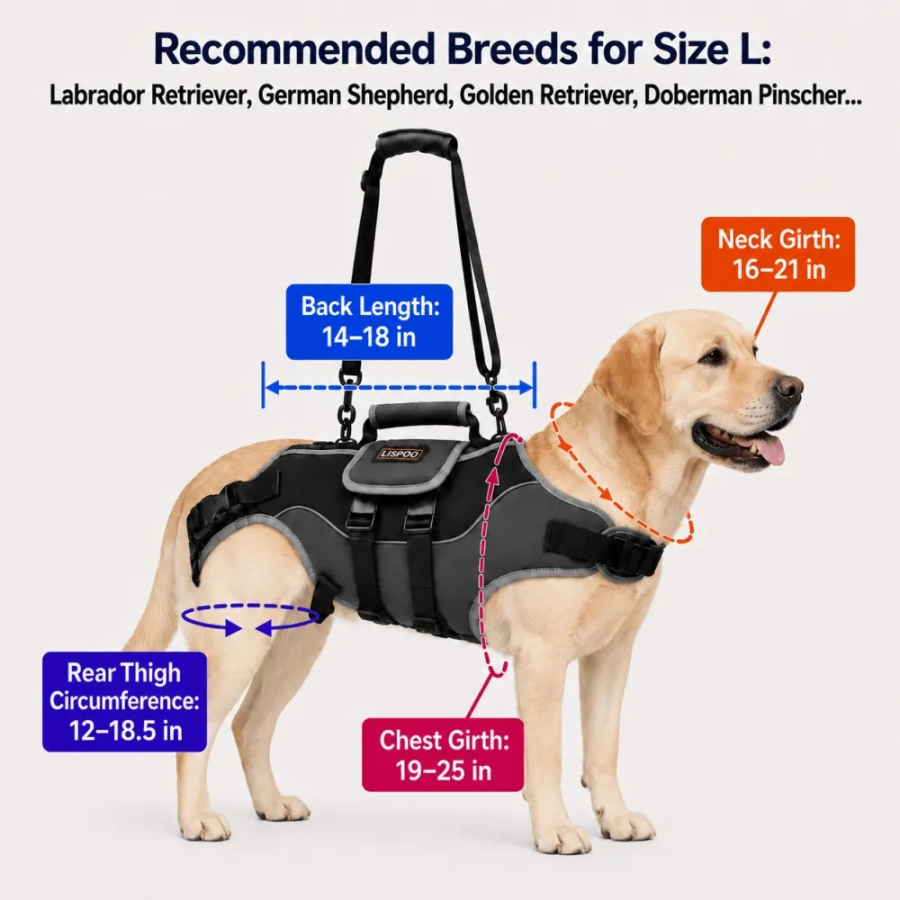
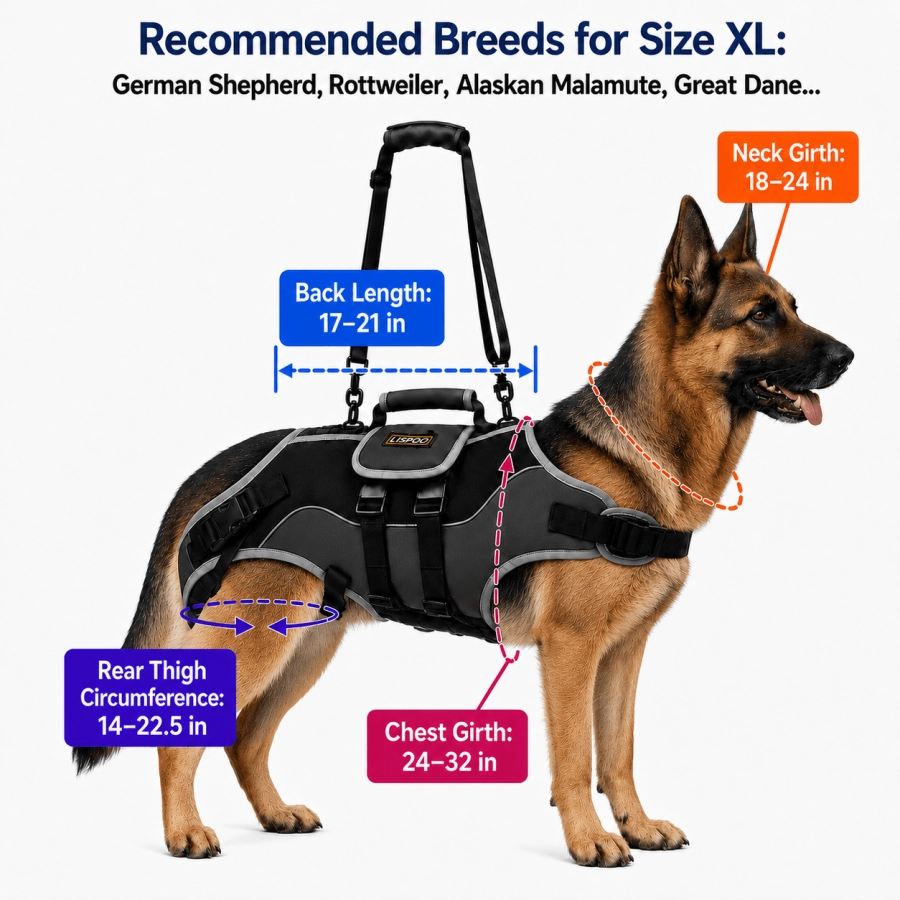
Rear-Leg Support
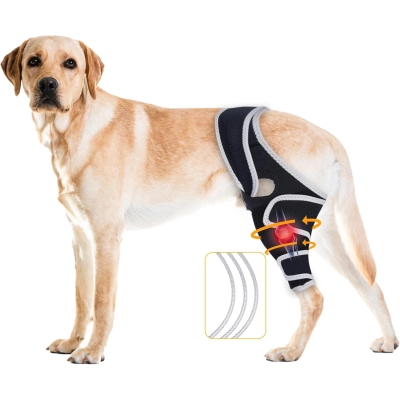
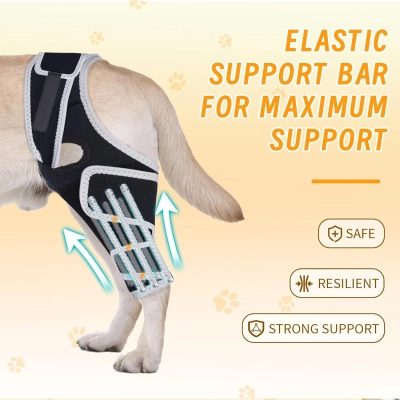
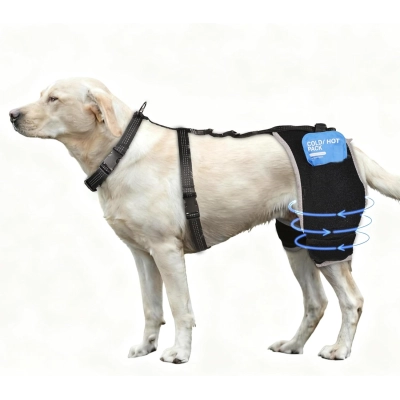
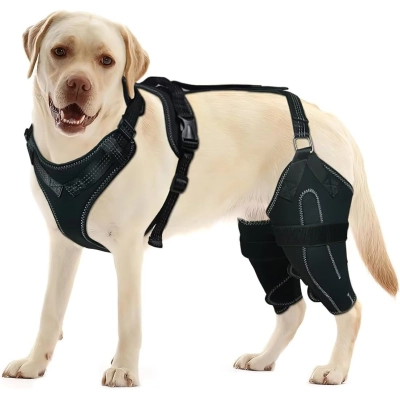
Rear-leg support harnesses target the back legs. You use these harnesses for dogs with weak hind legs or after knee surgery. Dogs with hip dysplasia or arthritis in their back legs need this kind of harness. You can help your dog walk, climb stairs, or recover from injuries. Rear-leg harnesses encourage natural movement and muscle use. Adjustable dog harnesses let you fit the harness to your dog's body. You can use these harnesses for breeds like German Shepherds who often have hip problems.
|
Harness Type |
Advantages |
Best For |
|---|---|---|
|
Rear-Leg Support |
Supports hind legs, keeps front legs free |
Dogs with rear leg weakness |
|
Full Body Support |
Balances support, helps with standing and walking |
Senior dogs, post-op recovery |
2-in-1 Convertible Designs
2-in-1 convertible harnesses give you flexibility. You can switch between rear support and full body support. These harnesses work well for dogs who need different help during the day. You can use a 3-in-1 harness for walking, lifting, or helping your dog stand. Adjustable dog harnesses make it easy to change the fit as your dog's needs change. You can use a 3-in-1 harness for post-surgery recovery or daily activities. These harnesses often use breathable materials for comfort.
Note: You need to match the harness type to your dog's condition. If your dog has front leg weakness, choose a front lift harness. If your dog has trouble with both legs, use full body support. For mild mobility issues, try adjustable dog harnesses or a no pull harness for daily walks.
You can help your dog enjoy life again with the right harness. Harnesses make daily tasks easier and safer for both you and your pet.
How We Selected the Best Dog Harnesses
Testing and Evaluation Process
You want harnesses that work well and last long. To find the best options, we tested each harness in real-life situations. We checked how easy it was to put on and adjust each one. We made sure the harnesses fit snugly and did not cause chafing. During walks, we watched for any problems with hardware or straps. We also looked at how the harnesses held up after weeks of use. Here is a summary of our process:
|
Criteria |
Description |
|---|---|
|
Ease of use |
We checked if you could put on and adjust the harness quickly and without confusion. |
|
Fit |
We made sure the harness stayed in place and did not rub or slip during movement. |
|
Performance |
We observed how the harness worked during walks and if it kept your dog safe and comfortable. |
|
Durability |
We watched for signs of wear, like fraying straps or broken clips, over time. |
Veterinarians and trainers helped us test each harness. They shared advice on safety and comfort. Kate Perry, a dog trainer, said that a good fit keeps your dog safe and secure. She reminded us that every dog has a different shape and size.
Key Selection Criteria
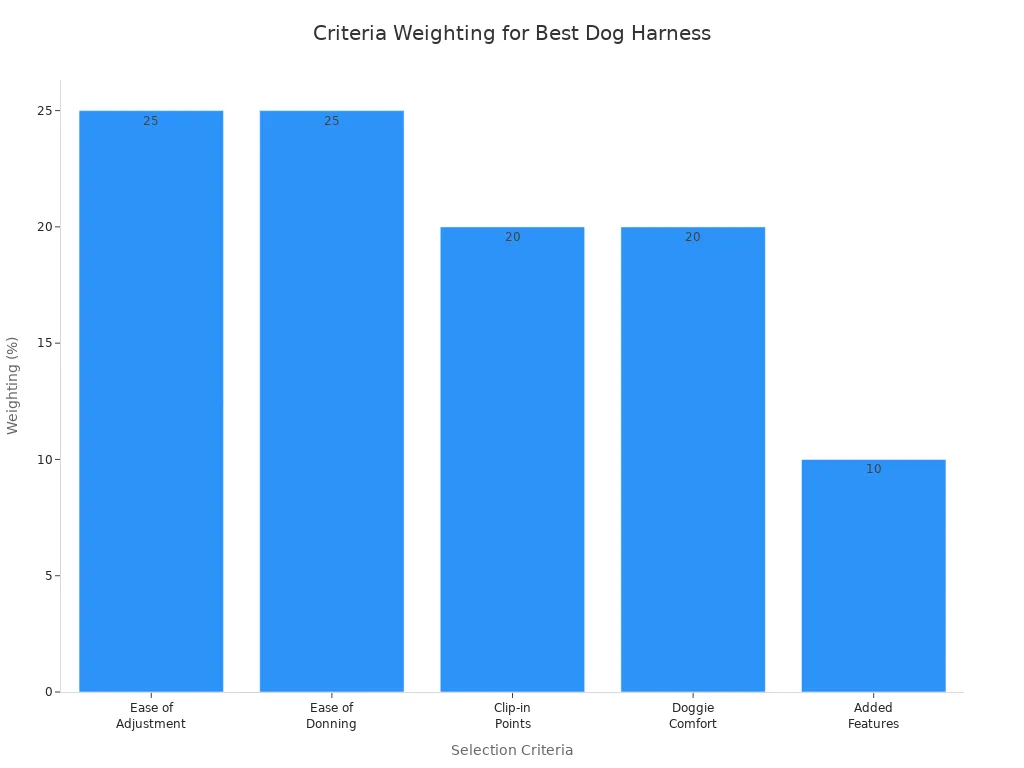
You need to know what makes a harness stand out. We used a scoring system to rate each harness. The table below shows how much each factor mattered:
|
Criteria |
Weighting (%) |
|---|---|
|
Ease of Adjustment |
25 |
|
Ease of Donning |
25 |
|
Clip-in Points |
20 |
|
Doggie Comfort |
20 |
|
Added Features |
10 |
You want harnesses made from strong and comfortable materials. Nylon and polyester last a long time. Neoprene adds softness for dogs who need extra support. Cordura fabric resists heavy use. 3D sandwich mesh fabric keeps your dog cool and comfortable. In 2026, many harnesses use eco-friendly materials and smart features like GPS. You can even find a no pull harness with health monitoring. Most Gen Z pet owners now look for sustainable options.
Tip: Always measure your dog before buying a harness. A proper fit keeps your dog safe and happy. There is no one-size-fits-all solution.
Best Dog Harness Reviews 2026
Best Overall Dog Harness
You want a harness that does everything well. The best dog harness for 2026 gives your dog full body support and keeps you comfortable too. You can use it for older dogs, dogs recovering from surgery, or pets with disabilities. Look for a harness with padded handles and a shoulder strap. These features help you lift your dog without hurting your back. Adjustable sizing lets you fit the harness to your dog's shape. Extra padding keeps your dog comfortable, and a removable shield helps male dogs feel at ease.
Here is a table showing the most important features you should check:
|
Feature |
Description |
|---|---|
|
Full Body Support |
Helps dogs who need support in both front and back legs. |
|
Safely Assist Your Pet |
Handles and shoulder strap make lifting safe and easy. |
|
Adjustable Sizing |
Lets you fit the harness to your dog's body. |
|
Mobility |
Makes it easier for your dog to walk, get in cars, and go outside. |
|
Comfortable |
Padding and shields keep your dog happy and pain-free. |
|
Machine Washable |
Breathable mesh makes cleaning simple. |
Tip: Choose a harness that is easy to clean. Dogs get dirty, and you want to keep the harness fresh.
Best for Large Dogs
Large dogs need strong harnesses. You want a harness that will not break or slip. The top harnesses for big breeds use heavy stitching and strong buckles. These harnesses have load-tested parts to keep your dog safe when you lift them. Padding and many adjustment points make the harness comfortable for your dog. You can put the harness on quickly with easy clips. Some harnesses even have smart tracking and eco-friendly materials.
Best for Small Dogs
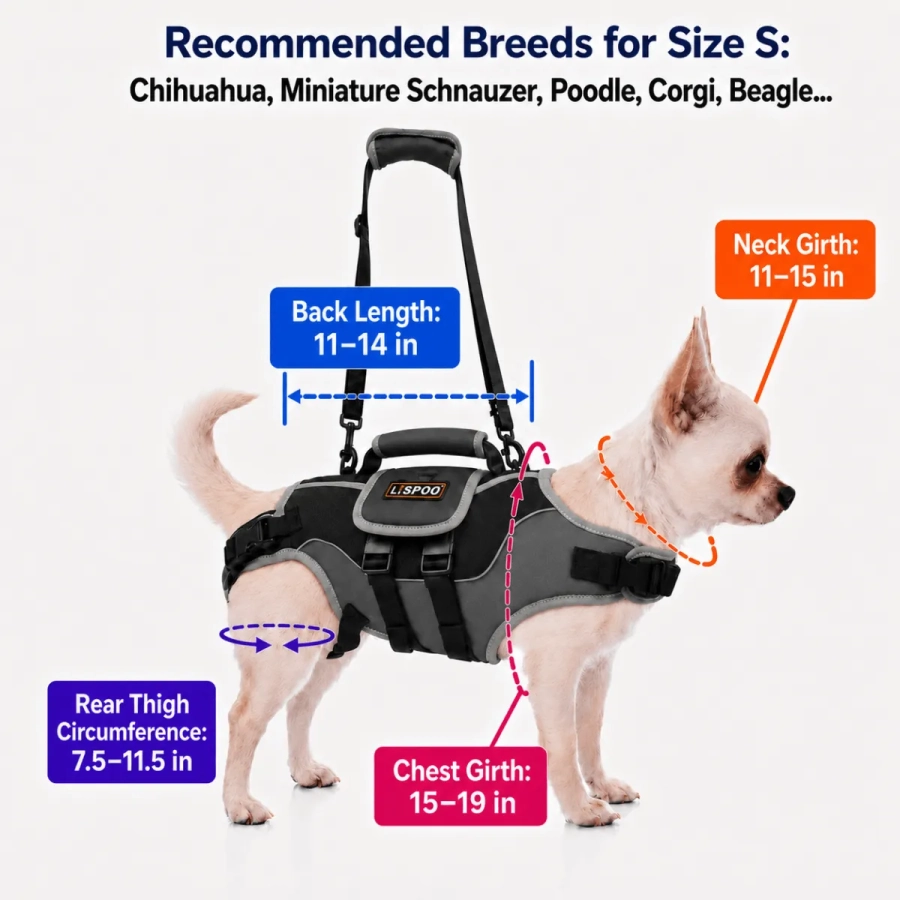
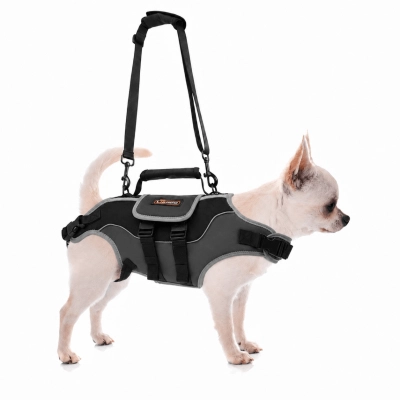
Small dogs have special needs. You want a harness that is light and soft. The best harnesses for small breeds use gentle materials and smart designs. A Y-shaped front lets your dog move its shoulders. The harness spreads pressure across the chest, not the neck. You can find harnesses with suitcase handles for quick control. Many harnesses have Velcro panels for patches and fun designs.
Here are the top harnesses for small dogs:
-
Custom Embroidered Step-In Dog Harness – Soft nylon, perfect for tiny breeds.
-
Custom Embroidered No Pull Dog Harness – Front-clip D-ring, helps with training.
-
MAYA Dog Harness – Handwoven cotton, stylish and sturdy.
|
Feature |
Description |
|---|---|
|
Two V-Rings |
Lets you attach a leash in different ways. |
|
Suitcase Handle |
Gives you fast control when you need it. |
|
Adjustable Fit |
Makes sure the harness fits your small dog just right. |
|
Velcro Panels |
Lets you add patches for style or safety. |
|
Accessory-Ready Design |
Works with extra gear like lights or ID tags. |
-
These harnesses use advanced materials for comfort and strength.
-
Lightweight designs prevent bulkiness.
-
The harnesses let your small dog move naturally.
Best Value Harness
You want a harness that works well and saves money. The best value harnesses give you strong support and comfort without a high price. Look for harnesses with adjustable straps and easy-to-clean materials. Many value harnesses use mesh and fleece for softness. You can use these harnesses for daily walks or short trips. They often have reflective strips for safety at night.
Tip: Value harnesses are great for growing dogs. You can adjust the fit as your dog changes size.
Best for Senior Dogs
Senior dogs need extra care. You want a harness that supports weak joints and helps your dog stand up. The best harnesses for older dogs use soft padding and wide straps. These harnesses spread your dog's weight evenly. You can help your dog climb stairs, get into cars, or go outside for bathroom breaks. Many harnesses for seniors have handles in the right places for easy lifting.
-
Choose a harness with breathable mesh to keep your dog cool.
-
Look for machine-washable designs for easy cleaning.
-
Adjustable straps help you get the perfect fit as your dog's body changes.
Note: Senior dogs often need help every day. A good harness makes life easier for both of you.
Best for Post-Surgery Recovery
After surgery, your dog needs gentle support. The best harnesses for recovery help your dog move safely. You can use these harnesses to help your dog walk on slippery floors, climb stairs, or go outside. Rear support harnesses help dogs with weak back legs. Full-body harnesses give balance and let you lift your dog without pain. Handles make it easy to guide your dog during healing.
-
These harnesses help your dog build strength and confidence.
-
You can choose from rear support, front-and-rear, or full-body designs.
-
Many harnesses use soft, washable materials for comfort and hygiene.
Tip: Always follow your vet's advice when using a harness after surgery. Start slow and watch your dog's comfort.
You can use this dog harness review to find the right harness for your pet. The best harnesses keep your dog safe, comfortable, and happy every day.
How to Choose the Right Harness
Measuring Your Dog
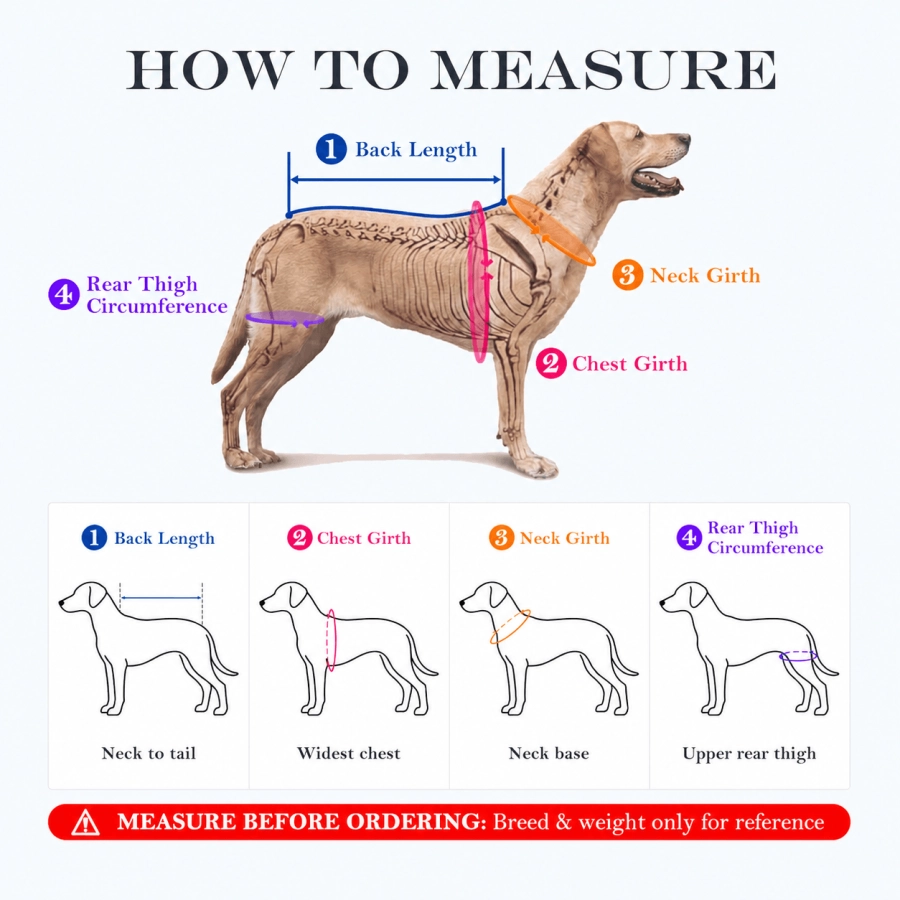
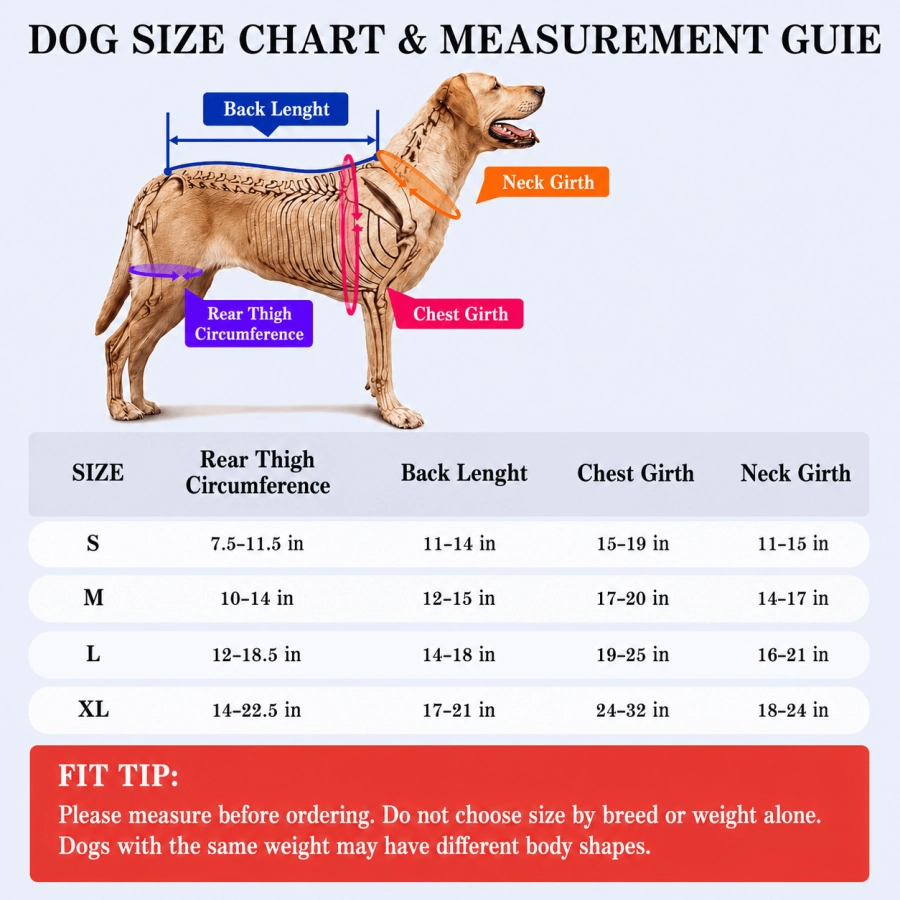
You want your dog’s harness to fit perfectly. Start by measuring your dog when it stands relaxed. Use a soft measuring tape. Measure over the fur, not the skin, and avoid pressing down too much. Follow these steps:
-
Measure chest girth around the widest part, usually 2-3 inches behind the front legs. Add 2 inches for adjustment.
-
Measure neck circumference at the base of the neck. Make sure the tape is snug but not tight. You should fit two fingers underneath.
-
Measure back length from the base of the neck to the base of the tail if the harness design requires it.
If you use string instead of a tape, measure the string with a ruler. If your dog’s measurements fall between sizes, size up for comfort.
Tip: Always measure your dog while it stands naturally. This gives the most accurate results.
Fit and Adjustment Tips
You need to check the fit every time you use harnesses. Position the harness across your dog’s sternum and behind the shoulder blades. Secure the main buckles first. Adjust each strap until you can fit two fingers between the harness and your dog’s body. Test your dog’s movement and comfort. Adjust as needed. Perform a final security check to make sure the harness is secure but not restrictive.
|
Measurement |
How to Measure |
Key Tip |
|---|---|---|
|
Chest Girth |
Around widest part behind front legs |
Add 2 inches for adjustment |
|
Neck Circumference |
At base of neck where collar sits |
Should fit snugly, not tight |
|
Fit Check |
Two-finger test under each strap |
Secure but not restrictive |
The two-finger test helps you check if the harness fits right. If you can fit your whole hand under the strap, it is too loose. If you cannot fit two fingers, it is too tight.
Common Mistakes to Avoid
Many owners make mistakes when choosing or fitting harnesses. Avoid these errors:
-
Buying by color, not fit.
-
Relying on “one size fits all.”
-
Over-tightening the harness.
-
Ignoring wear and tear.
-
Letting the harness ride too high on the neck.
-
Skipping the trial walk.
-
Using a harness as a substitute for training.
Check the fit regularly. Do not leave harnesses on too long. Replace damaged equipment right away. Choose the right style for your dog’s needs.
Note: A well-fitted harness keeps your dog comfortable and safe. Always check for signs of discomfort or damage.
Care, Safety, and Maintenance Tips
Cleaning and Longevity
You want your dog’s harness to last and stay safe. Cleaning the harness keeps it strong and comfortable. Dirt and mud can wear out the fabric and cause discomfort. You should clean the harness after muddy walks or every two weeks if you use it often. Hand-wash the harness in lukewarm water with mild soap. Scrub gently at spots where dirt builds up. Rinse well and let the harness air-dry before you store it.
If the harness is machine-washable, check the care label first. Place the harness in a mesh laundry bag and use a gentle cycle. Hang it to dry. Heat can weaken the webbing and change the shape of plastic parts. Remove metal hardware if possible to prevent rust. For harnesses with leather, use a leather conditioner and avoid soaking the leather.
You should also clean the harness by season:
-
Spring: Deep clean to remove winter salt and grime. Check for cracks.
-
Summer: Rinse after beach days. Sand can get stuck in buckles.
-
Autumn: Remove leaf debris and check for biting insects.
-
Winter: Watch for brittle plastic and keep leather soft.
Tip: Rinse the harness after water or mud adventures. Cold water removes grit that can damage the material.
Safety Guidelines
You must use the harness safely to protect your dog. Always lift your dog gently. Avoid pulling on the neck. Support both the front and back legs when you help your dog up stairs. Make sure the harness fits snugly. You should be able to fit two fingers under any strap.
Use proper posture when lifting. Bend your knees and keep your back straight. Hold your dog under the chest and hindquarters. Calm your dog before lifting. After walks, check your dog’s skin for pressure points. Adjust the harness if you see any marks.
|
Safety Step |
What To Do |
|---|---|
|
Fit Check |
Two fingers under each strap |
|
Lifting |
Support chest and hindquarters |
|
Posture |
Bend knees, keep back straight |
|
Skin Inspection |
Check for pressure sores after each walk |
Note: Regular checks and gentle handling keep your dog safe and comfortable every day.
You want your dog to feel safe and comfortable. Top harnesses offer strong support, soft padding, and easy adjustment. You can match each harness to your dog's needs, whether your pet is recovering from surgery or needs daily help.
-
A harness that fits well prevents pain and keeps your dog secure.
-
You gain better control and reduce injury risk during walks.
-
You should consider your dog's size, body type, and comfort.
Before you buy, follow these steps:
-
Use a soft measuring tape while your dog stands comfortably.
-
Measure neck and chest girth, leaving space for comfort.
-
Check the harness size chart for the best fit.
You can ask your veterinarian for advice and read user reviews to make the best choice.
FAQ
How do you know if your dog needs a full body lifting harness?
You should watch for signs like trouble standing, walking, or climbing stairs. If your dog has joint pain, weakness, or is recovering from surgery, a harness can help support safe movement.
Can your dog wear a lifting harness all day?
You should use the harness only when your dog needs help. Remove it during rest or sleep. This prevents skin irritation and lets your dog relax comfortably.
How do you clean a dog lifting harness?
Most harnesses are machine-washable. Use a gentle cycle and mild soap. Air-dry the harness to keep its shape. Always check the care label for special instructions.
Will a harness hurt your dog?
A well-fitted harness will not hurt your dog. Make sure you can fit two fingers under each strap. Check for redness or pressure marks after use.
What size harness should you choose?
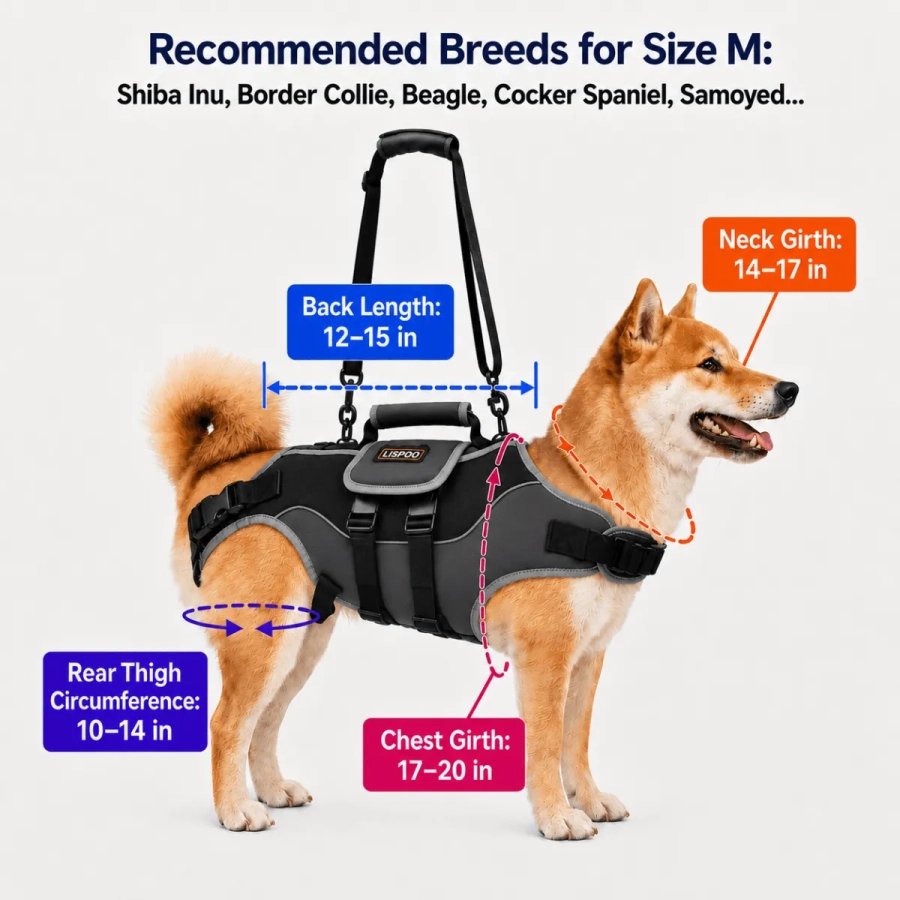
Measure your dog’s chest, neck, and back. Use the size chart from the manufacturer. If your dog is between sizes, pick the larger one for comfort.

0 Comments