
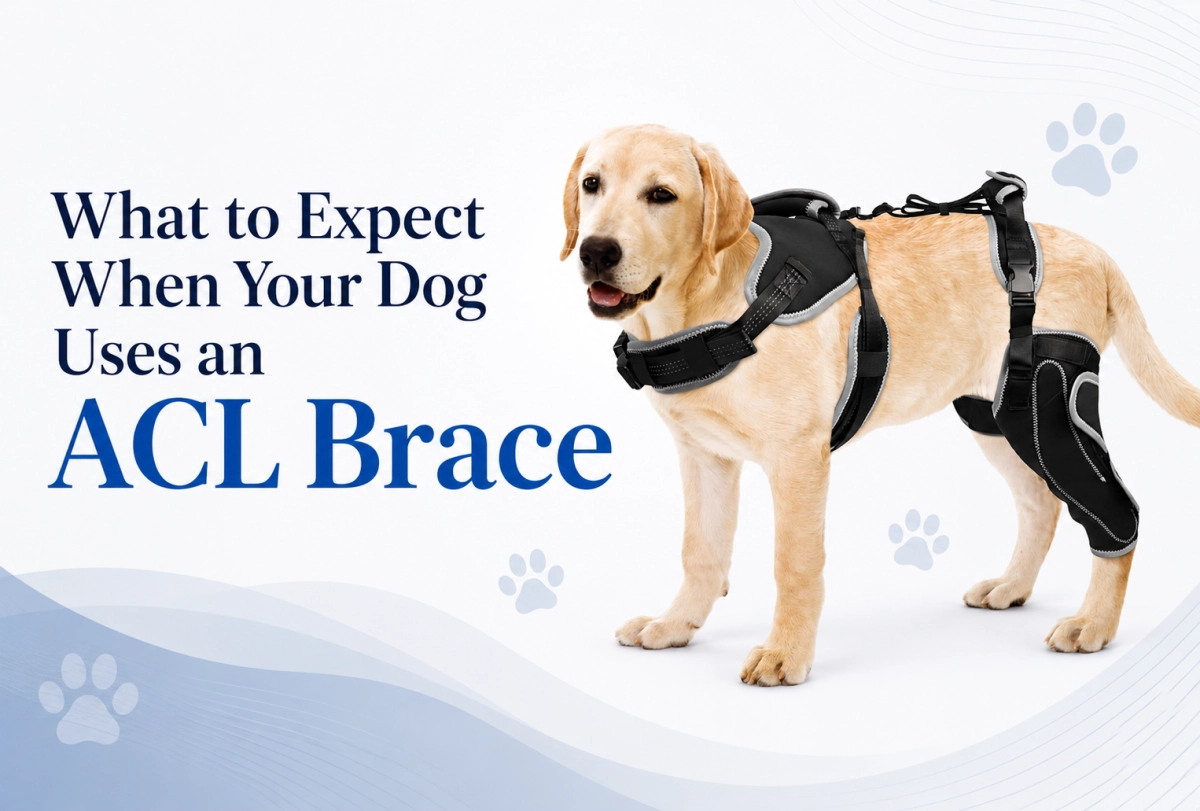
You probably wonder if Dog ACL Braces can really help your pup get back on their feet. These braces do not cure the injury, but they give your dog much-needed stability and comfort. Most owners notice their dogs walk better and show less lameness after getting fitted. You might see your dog put more weight on their leg, move around easier, and seem more comfortable day-to-day.
-
Improved mobility and comfort often happen within weeks for many dogs.
-
Owners often report their pets seem happier and less painful after brace use.
Key Takeaways
-
Dog ACL braces help your dog walk better. They also make your dog feel less pain and give support. A good fit is very important for the brace to work well. Always look for any skin problems and fix the brace if needed. Braces are great for dogs who cannot have surgery. They also help dogs with partial tears. Braces give a way to heal without surgery. Watch your dog when it wears the brace. Do not let your dog run or jump too much. This helps stop more injuries. Work with your vet to make the best care plan. Go to check-ups and use other helpful treatments too.
Dog ACL braces: What They Do and Who They Help
Medical Mechanism of Dog ACL braces
You might wonder how a dog ACL brace actually helps your dog walk better. When your dog tears their ACL, their knee gets wobbly. This makes every step painful and hard. A dog ACL brace works by holding the knee steady. It stops the lower leg from sliding forward too much. This support lets your dog put weight on the leg again without as much pain.
Here’s a quick look at what happens when you use a dog ACL brace:
|
Evidence Type |
Description |
|---|---|
|
Joint Stability |
Braces reduce forward tibial movement, preventing abnormal sliding of the knee joint. |
|
Pain Reduction |
Clinical observations show reduced knee swelling, less limping, and improved activity tolerance due to less joint motion and better circulation. |
|
Preventive Strategy |
Bracing is recommended to protect the opposite knee from injury, as many dogs experience a second CCL tear within 1-2 years. |
A recent case report followed two dogs with ACL injuries who wore custom braces for about a month. Both dogs started to walk more evenly and put weight on both legs. Their steps looked smoother and more balanced. This shows that a dog ACL brace can help your dog move in a more natural way.
Tip: You should always check the fit of your dog’s brace. A good fit means better comfort and better results.
Best Candidates for Dog ACL Braces
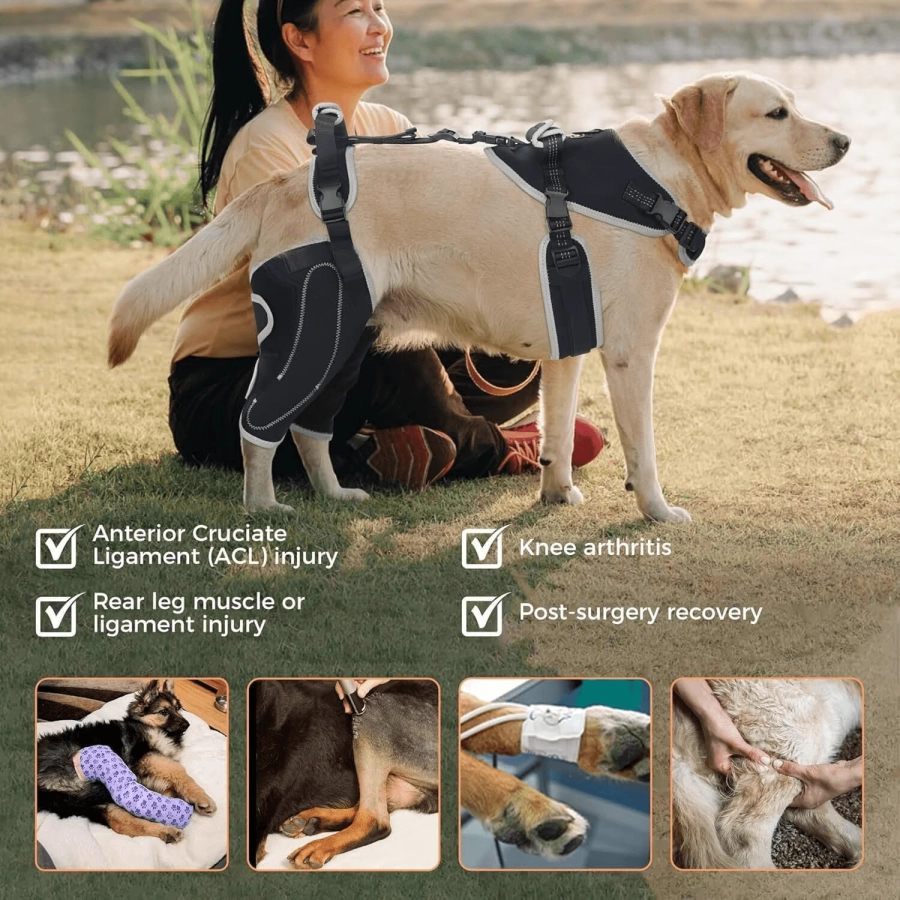
Not every dog with a knee injury needs a dog ACL brace. Some dogs do better with surgery, but many dogs are perfect candidates for bracing. If your dog is older, has other health problems, or cannot have surgery, a dog ACL brace can be a great choice. Dogs with only a partial tear often get the most benefit. The brace helps protect the knee and may stop the injury from getting worse.
You might also use a dog ACL brace after surgery. Many vets recommend bracing during recovery. The brace keeps the knee safe while your dog heals. Some dogs need a brace to protect the other knee, too. Many dogs hurt their other knee within a year or two, so bracing can help prevent this.
Here’s a quick list of dogs who do well with dog ACL braces:
-
Dogs who cannot have surgery because of age or health
-
Dogs with partial ACL tears
-
Dogs recovering from knee surgery
-
Dogs who need to protect their other knee
Comparing Dog ACL Braces to Surgery
You may ask yourself, “Should I choose a dog ACL brace or surgery?” This is a common question for pet owners. Surgery can fix the knee for many dogs, but it is not always possible or needed. Dog ACL braces give support and comfort, especially for dogs who cannot have surgery. Bracing helps your dog walk, play, and enjoy life with less pain.
When you look at surgery vs. bracing, think about your dog’s age, health, and activity level. Some dogs bounce back quickly after surgery. Others need a gentler approach. A dog ACL brace lets you manage your dog’s injury at home. You can help your dog stay active and happy, even if surgery is not an option.
Note: Always talk to your vet before making a decision. Your vet can help you choose the best plan for your dog.
Dog ACL braces give you a way to help your dog feel better and move more easily. You can see real changes in your dog’s comfort and happiness when you use the right brace and follow your vet’s advice.
Dog Knee Brace Adjustment and Daily Life
Adaptation Period for Dog Knee Brace
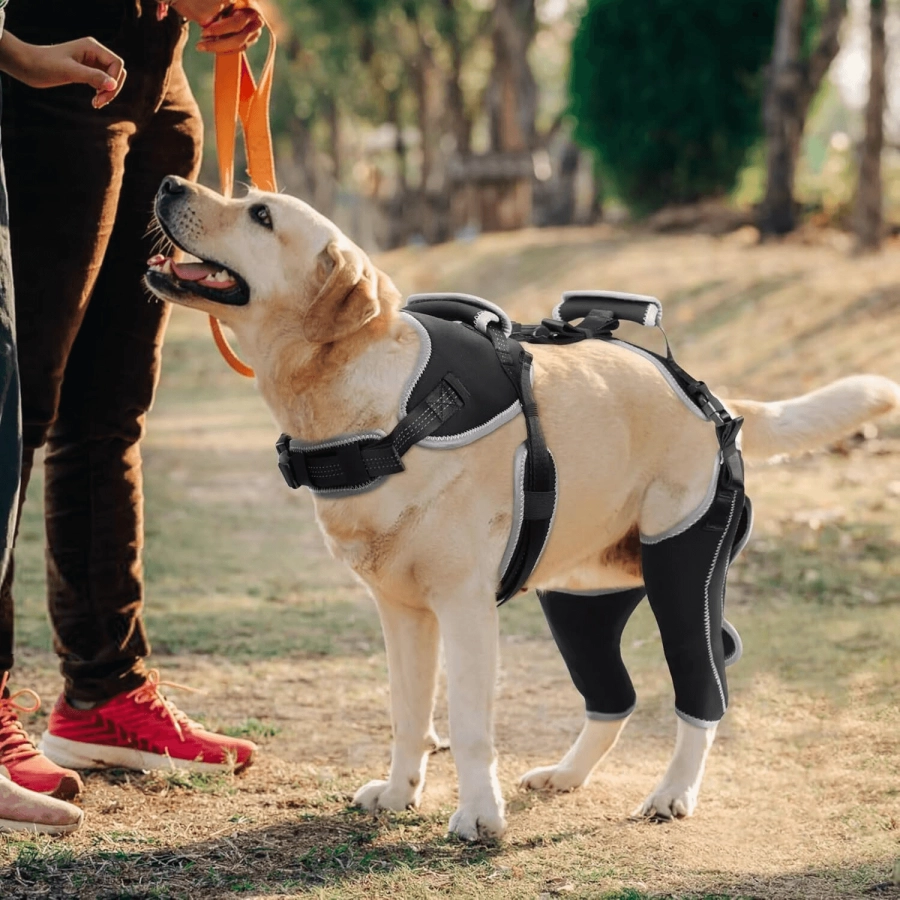
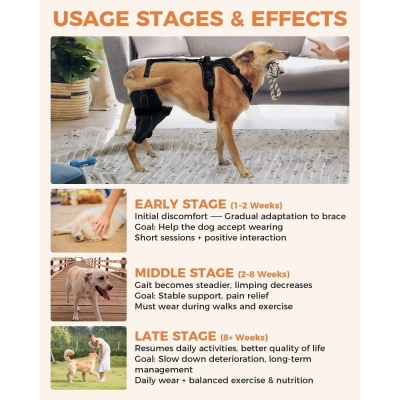
When you first put a dog knee brace on your pup, you might notice they walk a little funny or freeze in place. This is normal. Most dogs need a few days to get used to the new feeling. Start slow. Let your dog wear the brace for short periods, like 10–15 minutes at a time. Give treats and praise to help them feel good about the process. Add a few more minutes each day. Soon, your dog will move more naturally with the dog knee brace.
Monitoring Fit and Comfort
You want your dog to feel comfortable in their dog knee brace. Always check for signs of rubbing or skin irritation, especially behind the knee and around the straps. Here are some common issues and how you can help:
-
Skin irritation: Look for redness or hair loss. Take off the brace if you see any problems and call your vet.
-
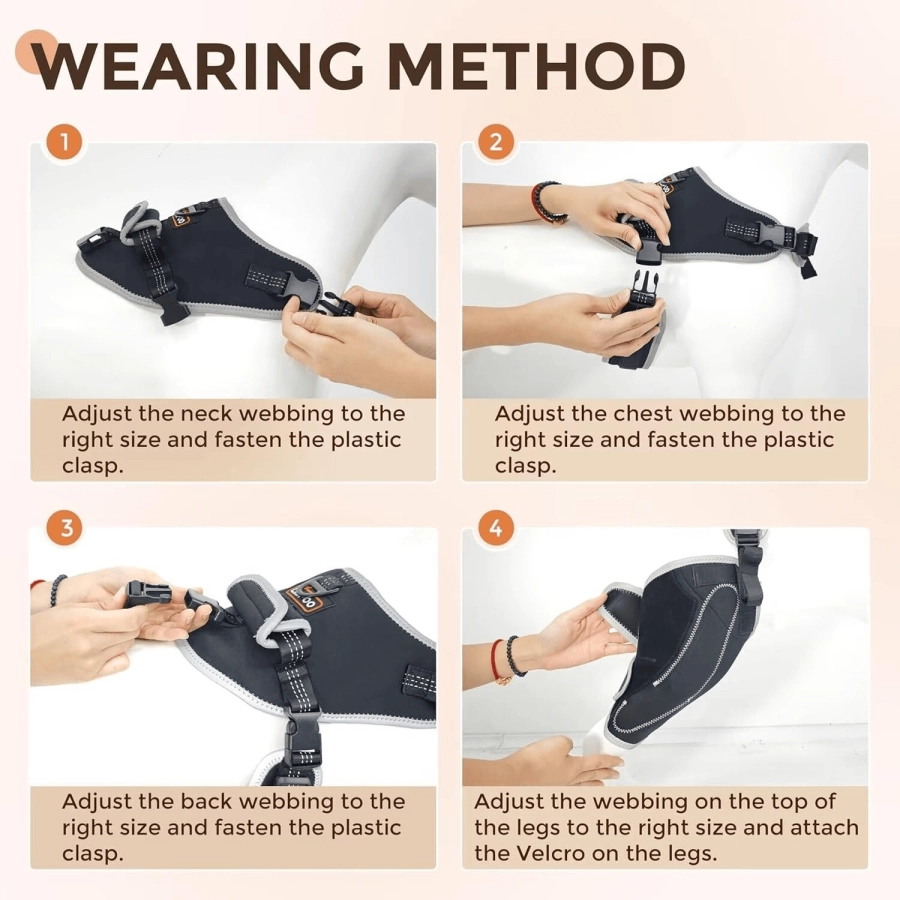
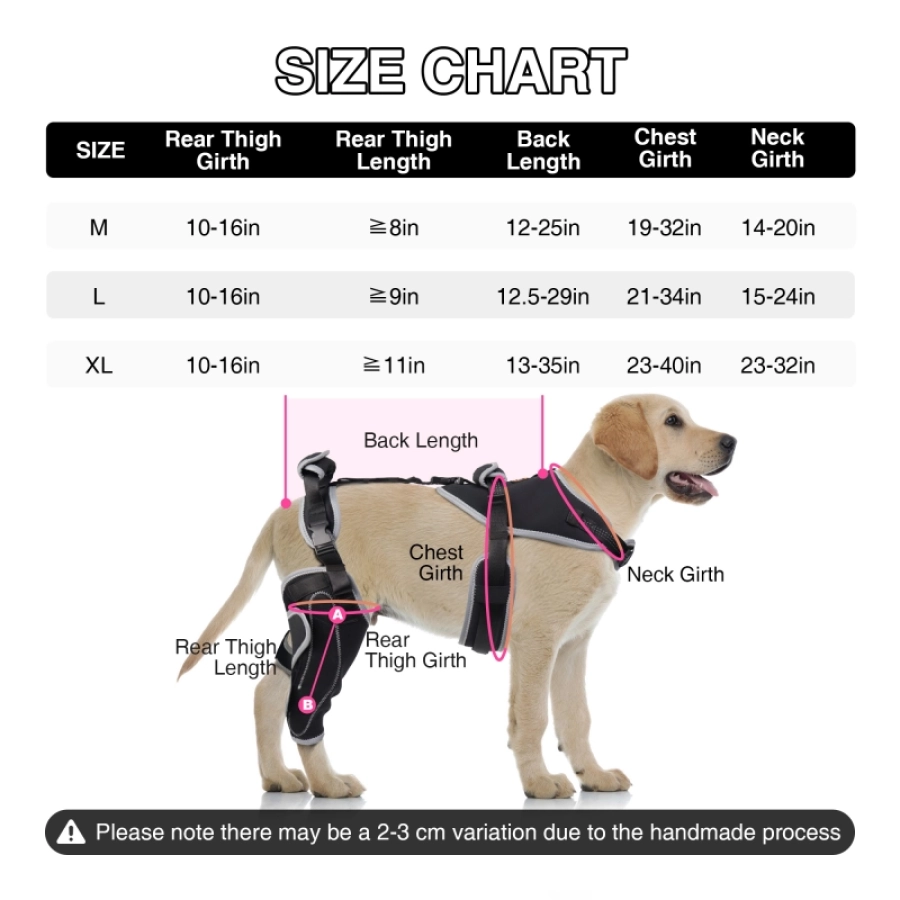
Poor fit: Measure your dog’s leg, weight, and knee size before buying a dog knee brace. This helps you get the right size.
-
Importance of adjustments: Check the straps often. Adjust them if the brace feels too tight or too loose.
A good fit means your dog will get the most out of their dog knee brace and stay happy.
Activity Restrictions With Knee Braces
You might think a dog knee brace lets your dog run and play like before. That is not true. Knee braces give support for walking and slow movement, but they do not protect the knee during wild activity. You need to limit what your dog does while wearing the brace. Here is a quick guide:
|
Activity Restriction |
Rationale |
|---|---|
|
Twisting |
Prevents further injury to the knee joint. |
|
Sudden stops |
Reduces stress on the knee brace and joint. |
|
Jumping |
Avoids impact that could compromise healing. |
|
Running |
Limits strain on the knee during recovery. |
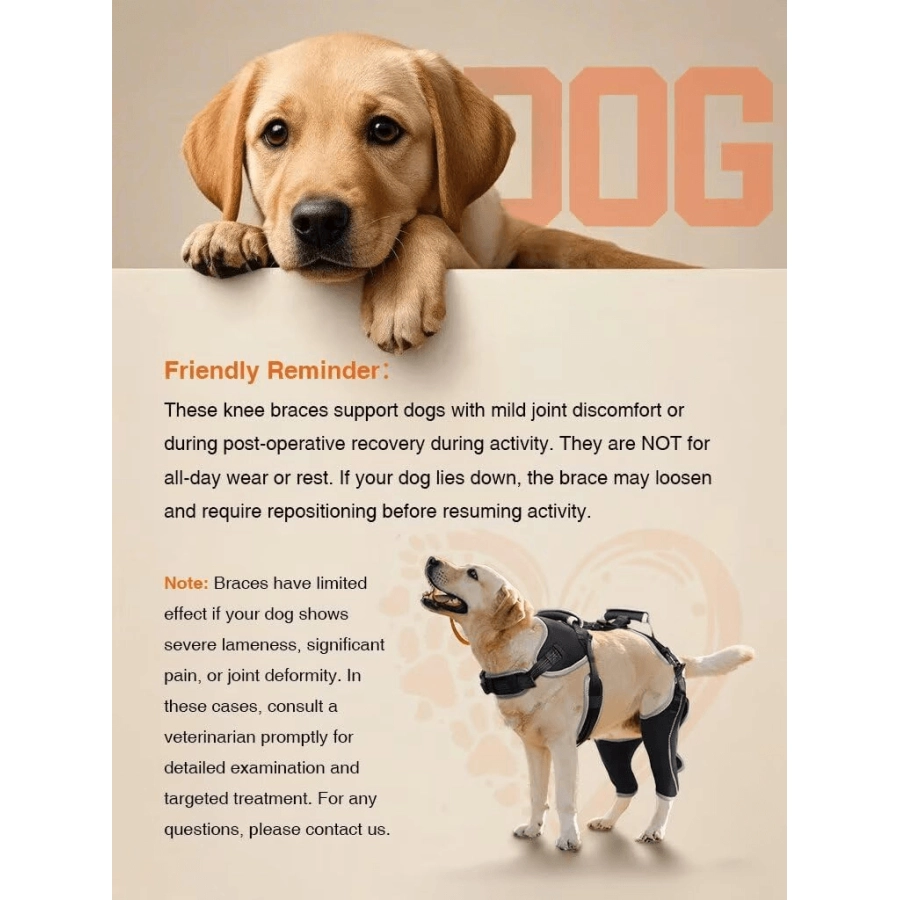
Knee braces help your dog walk, but they are not a replacement for surgery. You should keep your dog on a leash and avoid rough play. Most rehab experts say exercise restriction is key for healing. With the right care, your dog knee brace will support your pup’s recovery and comfort.
Practical Care and Owner Responsibilities
Choosing the Right Dog ACL Brace
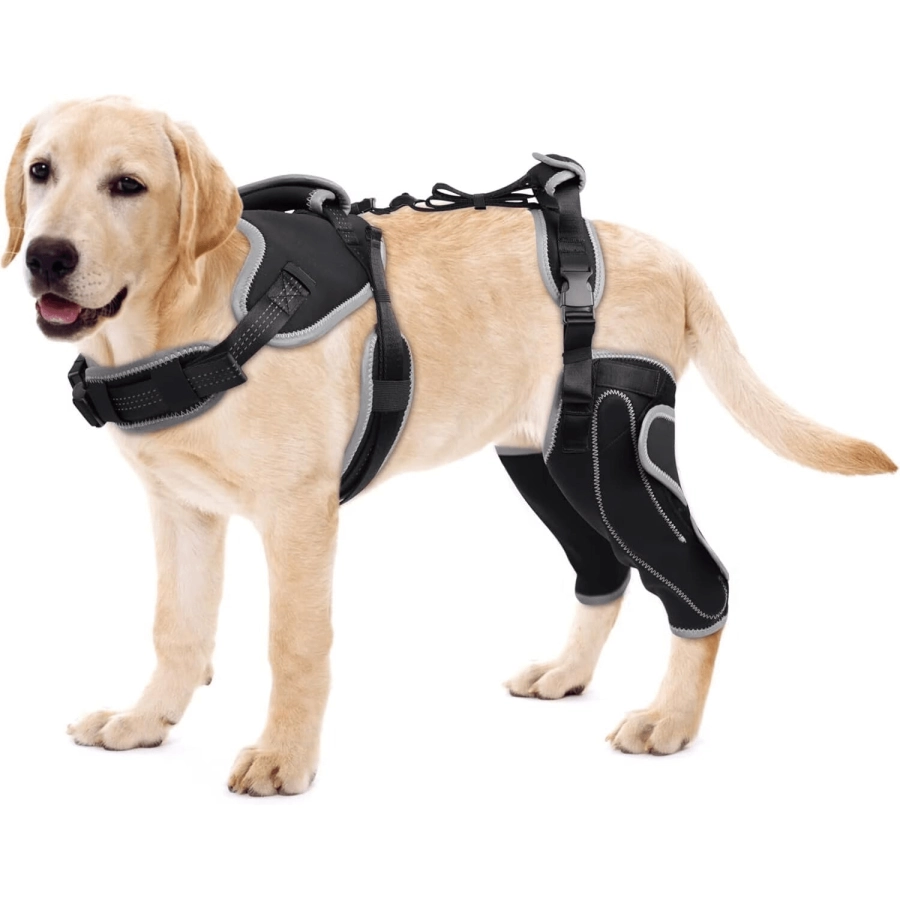
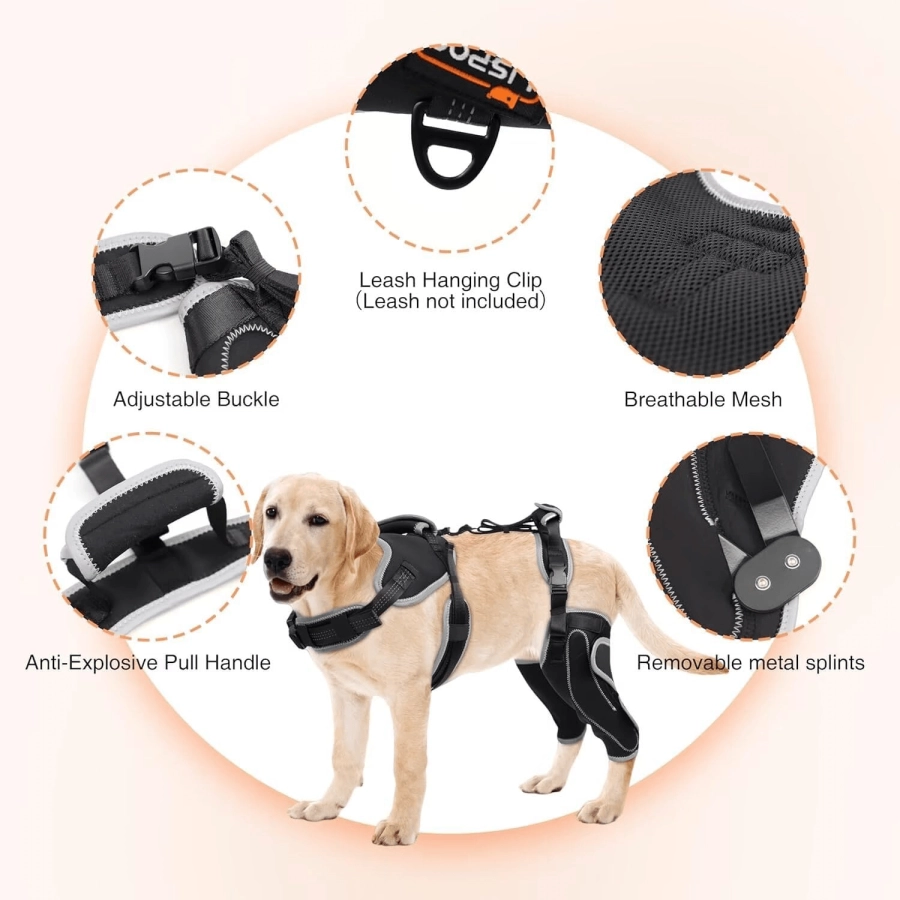
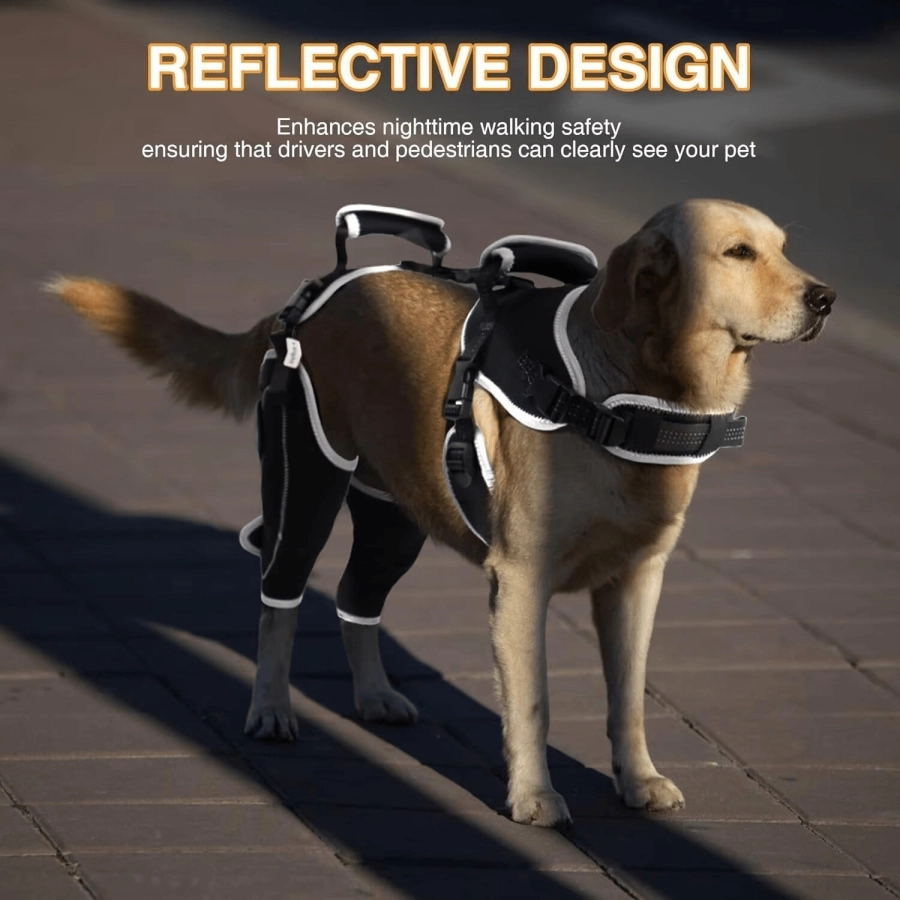
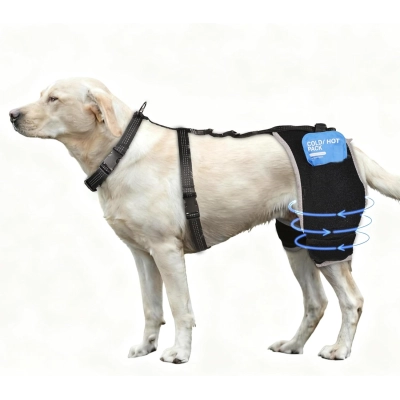
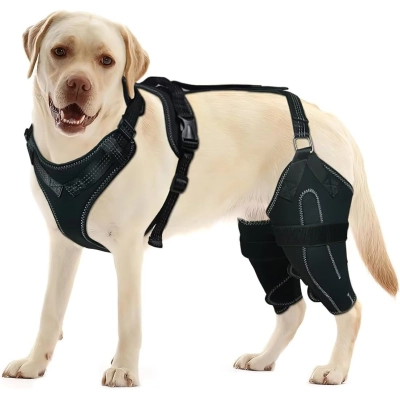
You want your dog to have the best chance at recovery, so picking the right knee brace option matters. Start by understanding your dog's injury and daily routine. Some dogs need soft braces for mild problems, while others need custom-made plastic braces for serious injuries. Always look for a brace that matches your dog's size and activity level. Large dogs need strong support, while small dogs need a snug, perfect fit. If your dog loves to move, choose an option that stays secure during play. Focus on safety, comfort, and long-term use. A custom-made fit can make a big difference in how well your dog adjusts.
Tip: Talk to your vet about knee brace options. They can help you find the best option for your dog's needs.
Cost and Maintenance of Dog ACL Braces
Dog ACL braces come in many price ranges. Custom-made plastic braces usually cost more, but they offer essential support and a better fit. You also need to think about maintenance. Check the brace every day for dirt, loose straps, or signs of wear. Clean it as needed and make sure it stays in the right position. Here’s a quick look at what you should do:
|
Maintenance Task |
Why It Matters |
|---|---|
|
Check fit daily |
Keeps pressure even and prevents skin problems |
|
Watch for skin irritation |
Stops small issues from becoming big problems |
|
Adjust as your dog heals |
Ensures the brace keeps working as your dog changes |
|
Visit your vet for checkups |
Helps catch problems early and keeps progress on track |
Working With Your Vet and Complementary Therapies
Your vet plays a big role in your dog's recovery. They help you pick the right option, make sure the fit is correct, and show you how to use the brace. Vets often work with orthotic specialists for a custom-made fit. You should follow their advice on daily wear and watch for any changes in your dog's comfort.
Physical therapy and weight management are just as important as the brace itself. Many dogs do better with tools like ramps or traction mats at home. Underwater treadmill sessions and gentle exercises can help your dog build muscle and move safely. Keeping your dog at a healthy weight takes pressure off the knee and helps the brace do its job. When you combine these steps, you give your dog the best chance for a happy, active life.
Dog ACL braces help your dog feel steadier and hurt less, but they do not fix the injury. You will see slow changes, not quick ones. Work with your vet and check the brace often. Look for any skin problems. Follow your rehab plan and help your dog stay at a good weight.
|
Key Tips for Success |
Why It Matters |
|---|---|
|
Consistent monitoring |
Prevents skin problems and discomfort |
|
Vet check-ins |
Tracks healing and brace effectiveness |
|
Patience and routine |
Supports steady, safe recovery |
Be patient and take care of your dog every day. Your hard work helps your dog get better!
FAQ
How long should my dog wear the ACL brace each day?
Start with 10–15 minutes at a time. Add more time each day as your dog gets used to it. Most dogs wear the brace during all waking hours, except for rest or sleep.
Can my dog go outside with the brace on?
Yes, you can take your dog outside for short, leashed walks. Avoid wet, muddy, or rough ground. Always check the brace for dirt or moisture when you come back inside.
Will my dog need the brace forever?
Some dogs use the brace long-term, especially if they cannot have surgery. Others may only need it during healing. Your vet will help you decide when to stop using it.
What if my dog chews or tries to remove the brace?
Tip: Distract your dog with treats or toys. Make sure the brace fits well and does not cause discomfort. If chewing continues, talk to your vet for advice.
How do I clean the dog ACL brace?
Wipe the brace with a damp cloth. Let it air dry before putting it back on your dog. Check the straps and padding for dirt or hair every day.
0 Comments