
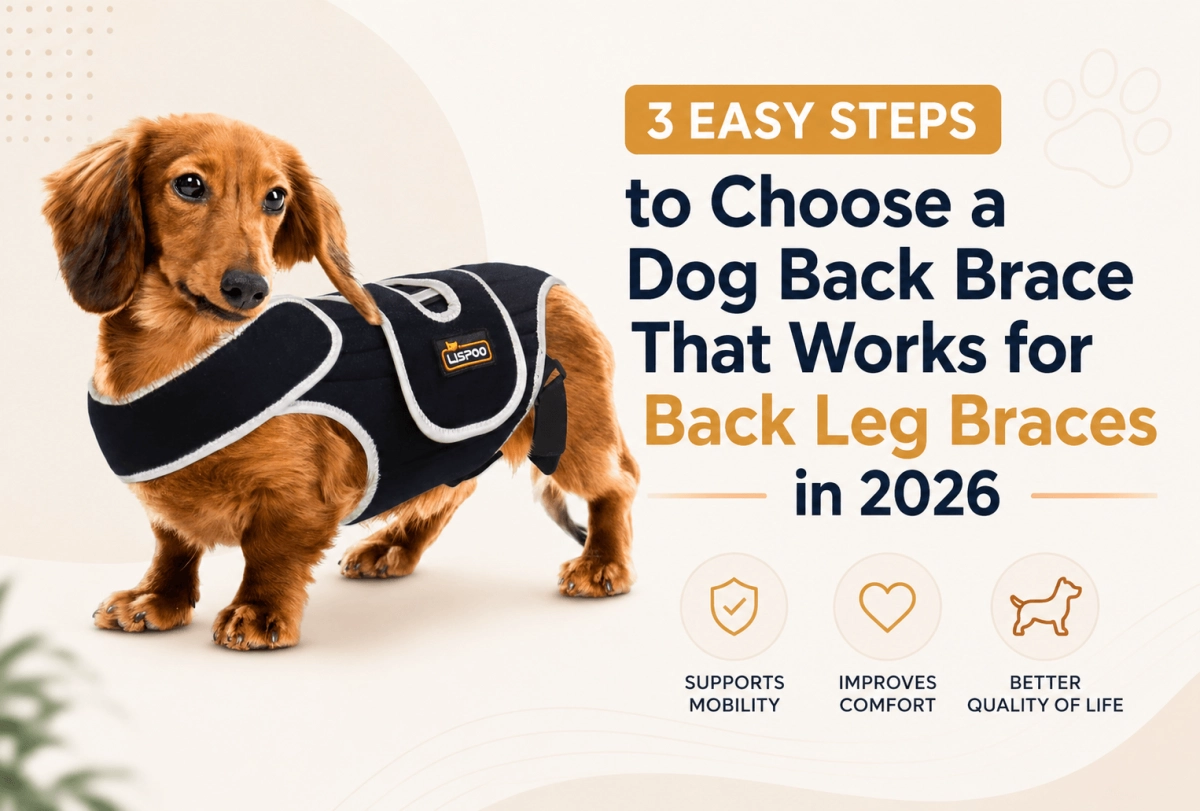
If your dog struggles with back leg weakness, picking the right dog back brace can make a world of difference. You might not realize that about 3-5% of dogs deal with cranial cruciate ligament problems, which often lead to hind-limb lameness. A poor-fitting brace can cause pain or skin issues, while the best dog brace supports recovery and keeps your pup comfortable. Always check with your vet before making a choice. Use a checklist to help your dog stay active and happy.
Key Takeaways
-
Know what your dog needs before picking a brace. Different problems need different support.
-
Always ask your vet for advice and a checkup. Your vet can help you pick the right brace for your dog.
-
Getting the right size is very important for a good fit. Measure your dog's chest, waist, and legs. This helps make sure the brace is comfy and works well.
-
Pick braces made from materials that let air in. This helps stop skin problems. Find braces that are easy to use and feel good for your dog.
-
Watch your dog often when they wear the brace. Look for any signs of pain or trouble. Change the brace if needed to keep your dog safe and happy.
Understand Your Dog’s Needs for Dog Back Brace and Back Braces
Assess Condition and Diagnosis
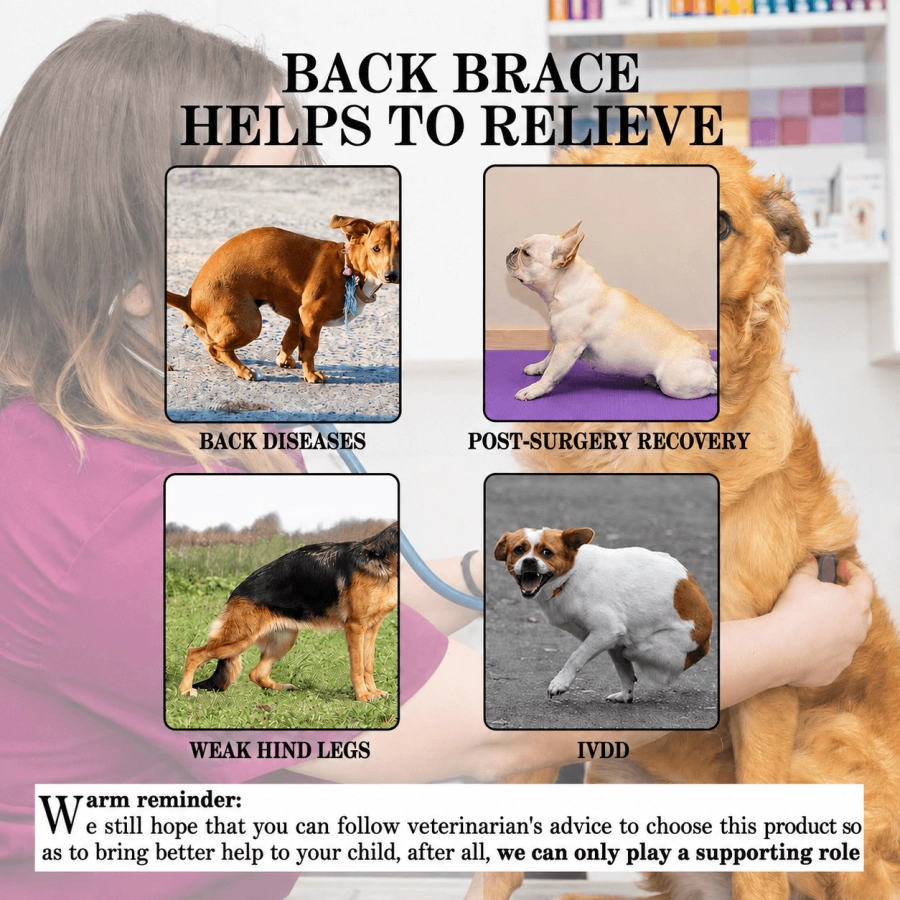
You want your dog to feel good and move easily. First, you need to know what is wrong with their back or legs. Many dogs have problems like intervertebral disc disease (IVDD), hip dysplasia, or sudden injuries like fibrocartilaginous embolism (FCE). Some breeds, like Dachshunds and German Shepherds, get these problems more often than others. Here are some common reasons dogs need braces:
-
Degenerative lumbosacral stenosis (DLSS) is seen in medium and large dogs.
-
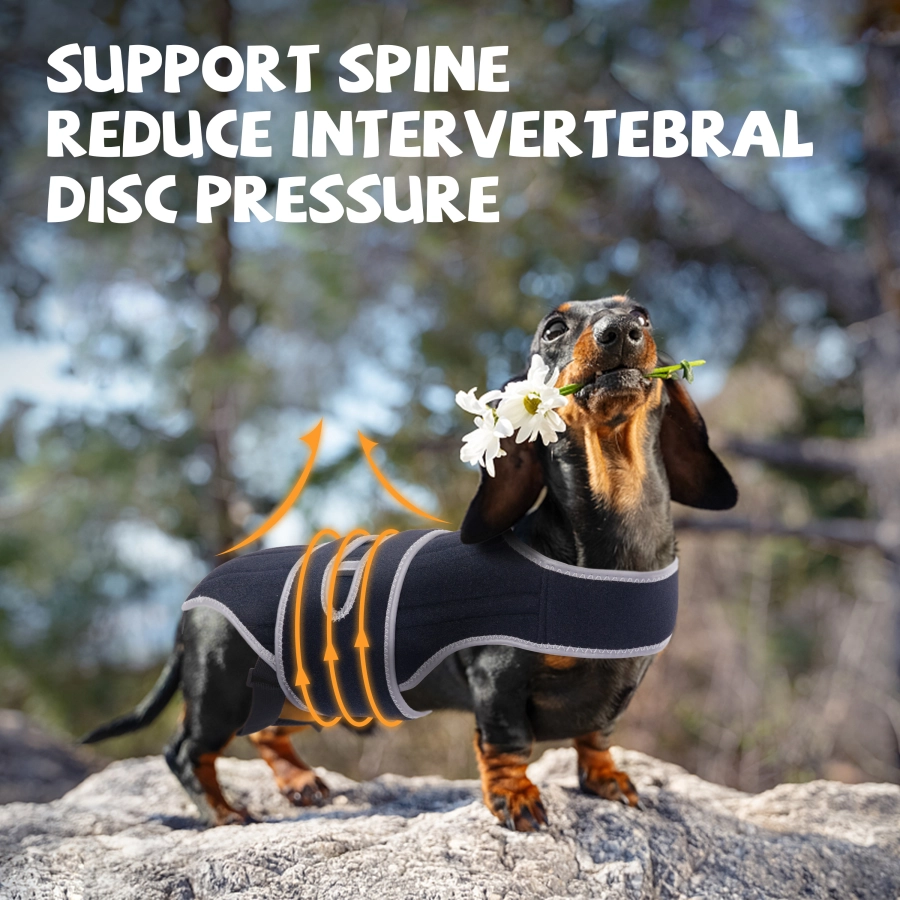
IVDD can make walking hard and cause pain, especially for Dachshunds.
-
Hip dysplasia makes hips and back legs weak, mostly in big dogs.
-
FCE happens fast and causes weak back legs.
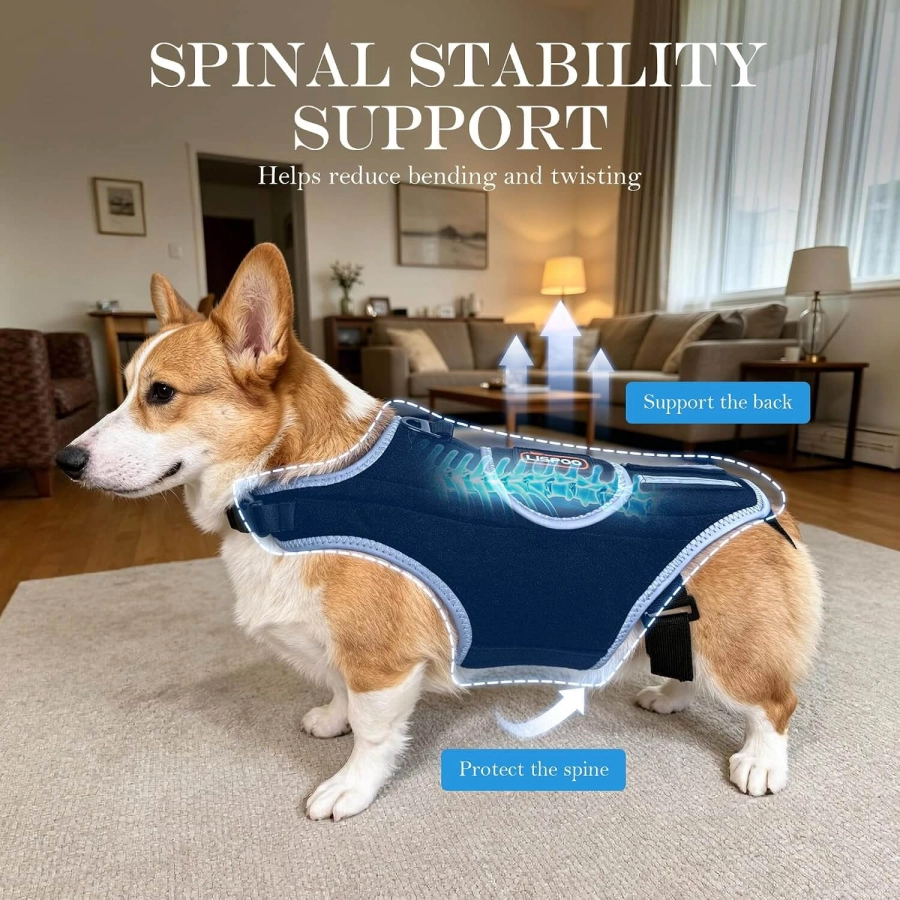
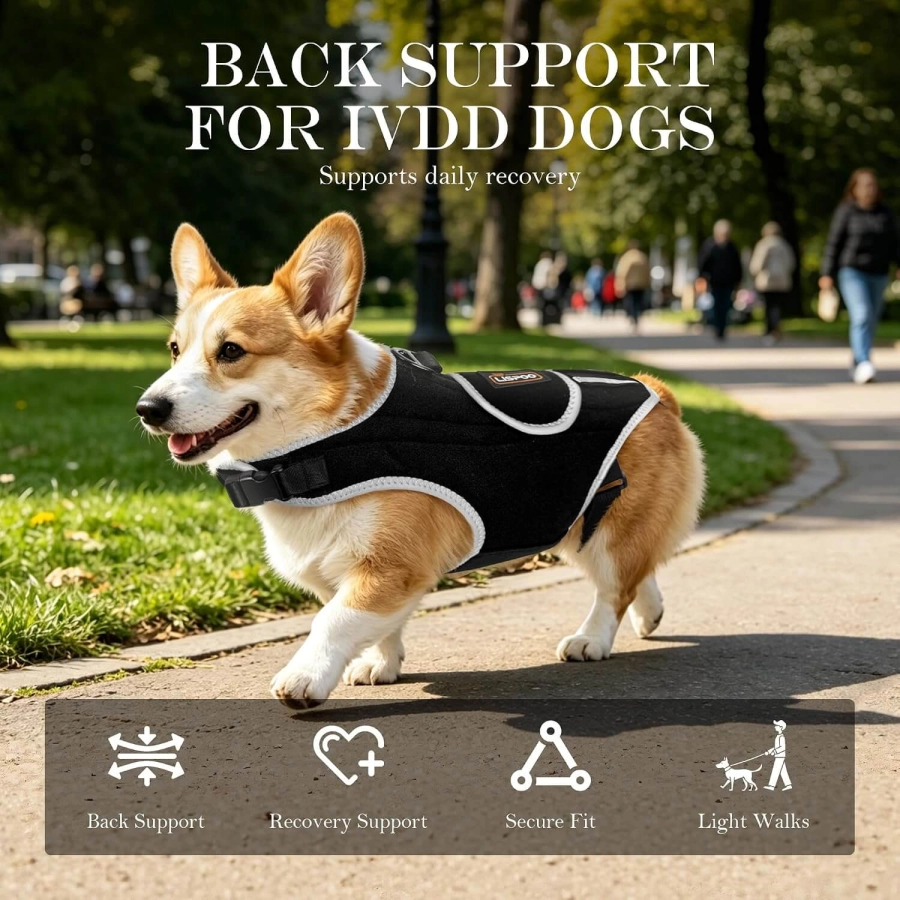
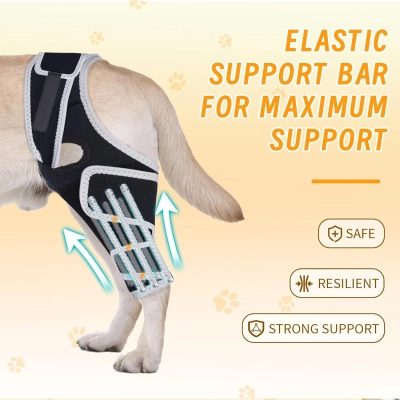
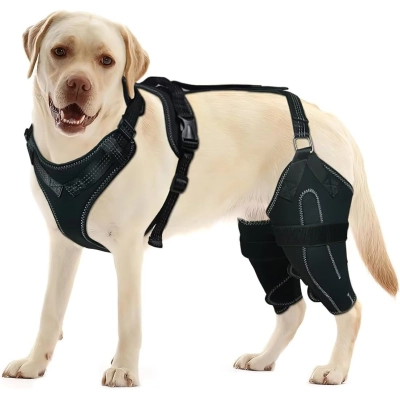
You might see your dog limping or not wanting to play. They may also have trouble jumping. These signs mean you should think about dog braces. Not every brace helps every problem. For example, a dog back brace is good for spinal problems like IVDD. Hip braces help with hip dysplasia. Knee braces are best for ACL injuries. Each problem needs a special kind of support.
Tip: Watch for changes in how your dog walks or acts. If you notice something new, act quickly. This helps your dog get better faster.
Here is a quick chart showing types of dog braces and what they help with:
|
Type of Brace |
Conditions Addressed |
|---|---|
|
Hip Brace |
Arthritis, hip pain, lower back pain, back leg limping, mild to moderate hip dysplasia, lower back weakness, back leg fatigue |
|
Back Brace |
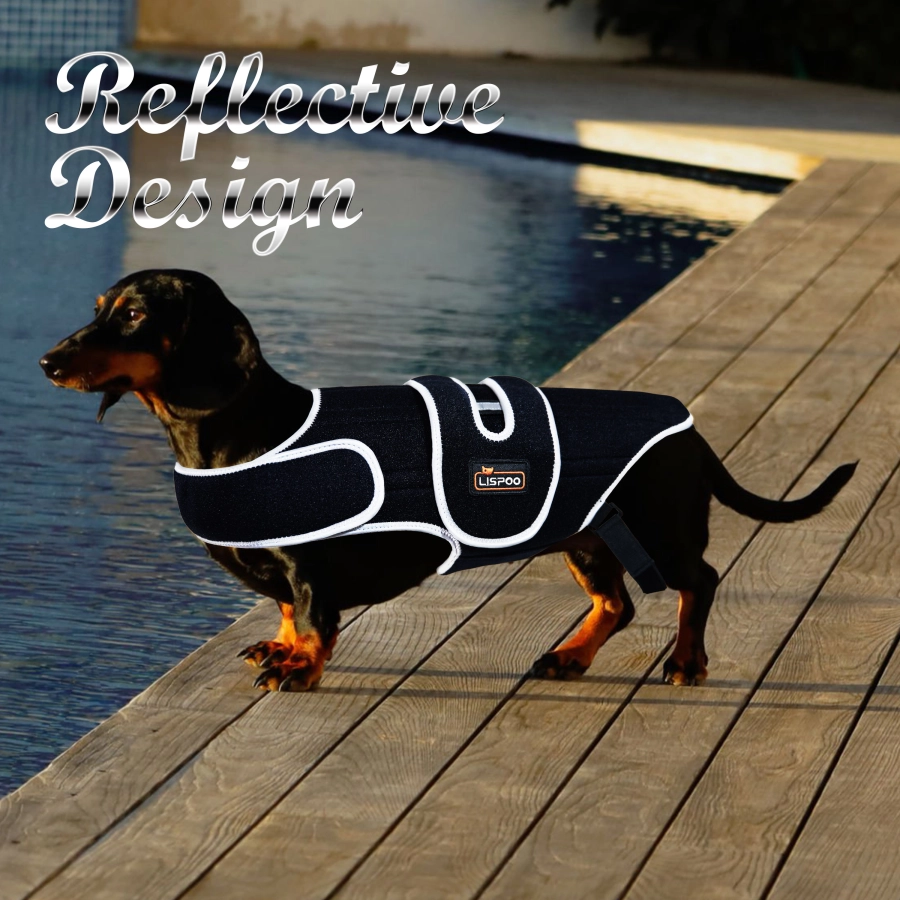
Back pain, paralysis, difficulty walking or jumping, neck stiffness, intervertebral disc disease (IVDD) |
|
Knee Brace |
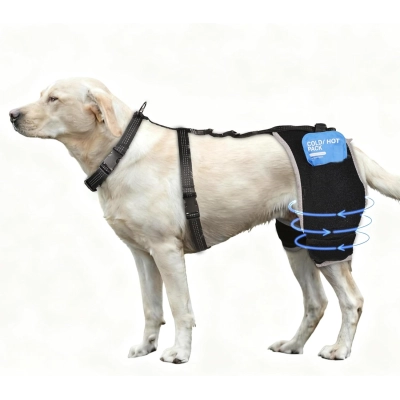
ACL injuries, provides support and comfort, mimics natural knee joint movement |
Consider Breed, Size, and Activity
Every dog is different. You should think about your dog’s breed, size, and how much they move before picking a brace. Dachshunds have long backs and need extra support. German Shepherds and other big dogs often have hip or back problems. Small dogs need lighter braces. Big dogs need stronger ones.
If your dog likes to run and play, pick a brace that lets them move well. If your dog is calm, a regular brace gives enough support. Look at this chart to see how activity level changes the brace you might choose:
|
Activity Level |
Recommended Brace Type |
Benefits |
|---|---|---|
|
Very Active |
Hinged Knee Brace |
Gives strong support and lets your dog move naturally. |
|
More Relaxed |
Standard Brace |
Offers comfort and enough support for less active dogs. |
Vets look at your dog’s injury, size, and comfort when they suggest braces. Sometimes, they recommend custom-made braces for a perfect fit. Other times, they suggest ready-made braces if you need one fast. The right fit and material help your dog heal and feel good.
Consult Your Vet for Dog Braces
Always talk to your vet before you buy a dog brace. A vet can find out what is wrong and tell you which brace is best. They use X-rays or scans to see inside your dog. This makes picking the right brace easier and safer.
When you work with your vet, you get these benefits:
|
Benefit/Condition |
Description |
|---|---|
|
Custom Fit |
Accurate casting or 3D scanning ensures proper fitting of the brace. |
|
Owner Compliance |
Daily wear and monitoring by the owner are crucial for success. |
|
Veterinary Oversight |
Regular check-ups for adjustments and progress checks are necessary. |
|
Integration with Rehabilitation |
Combining the brace with physiotherapy and weight management enhances outcomes. |
Dog braces work best as part of a plan. Your vet may suggest exercises or weight control to help your dog get stronger. If your dog cannot have surgery, braces can give support and comfort for a while. Always check the brace for fit and skin problems. Ask your vet for help if you see any issues.
Note: The right brace, chosen with your vet’s help, can really help your dog feel better and move more.
Finding the right brace means thinking about your dog’s needs, breed, and daily life. With the right support, your dog can enjoy walks, play, and cuddles again.
Evaluate Key Features of Dog Back Brace and Dog Knee Brace
Support and Stability
When you look at dog braces, you want to see how much support they give. You also want to know if they keep your dog steady. Custom-made braces fit your dog just right. Adjustable braces can fit many dogs and change as your dog grows. You might not know which one is best for your dog. Here’s a table to help you compare:
|
Feature |
Custom-Made Braces |
Adjustable Braces |
|---|---|---|
|
Fit |
Tailored fit for individual dogs |
Flexible fit for various sizes |
|
Support |
Superior support for chronic conditions |
Moderate support, adaptable for needs |
|
Durability |
Built to last longer |
May require more frequent replacements |
|
Cost |
Generally more expensive |
Usually more affordable |
Custom-made braces are strong and help dogs with long-term problems. Adjustable braces are good if your dog only needs help for a short time. You can use a dog knee brace after surgery or for injuries. Hip braces help dogs with hip pain or weak hips. Back braces are for spine problems. Some dogs need front leg braces or hind leg braces, depending on where they hurt. Dogs often need braces to heal, feel less pain, and move better.
Fit, Measurement, and Adjustability
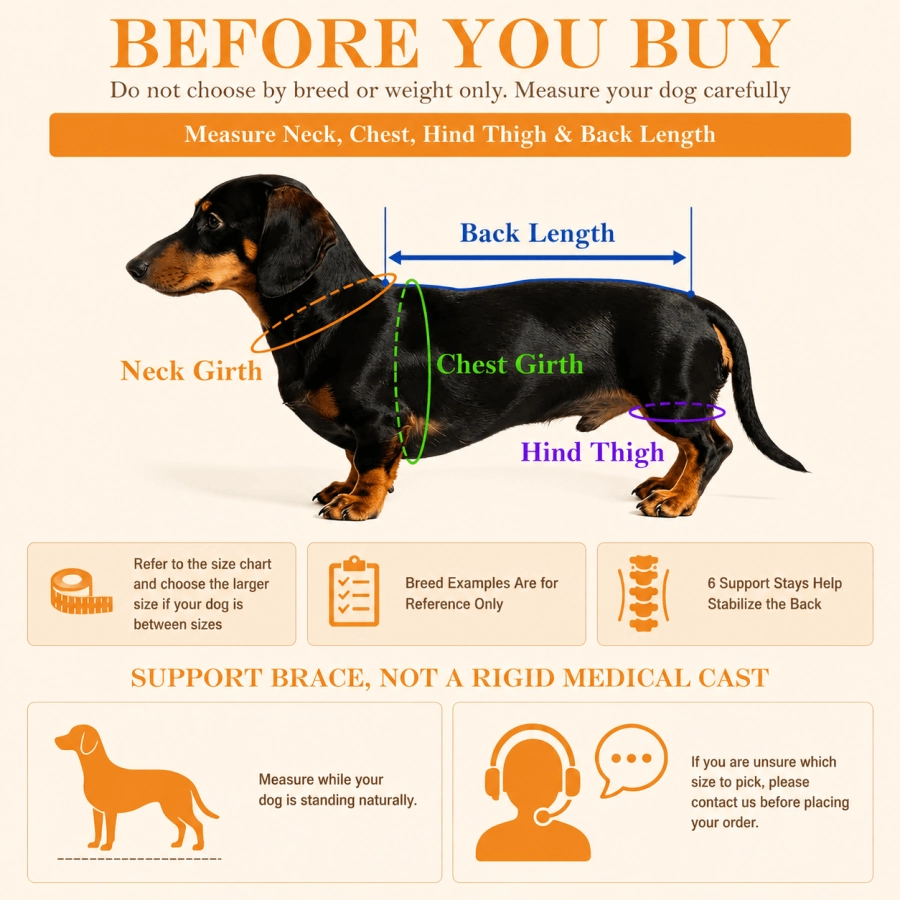
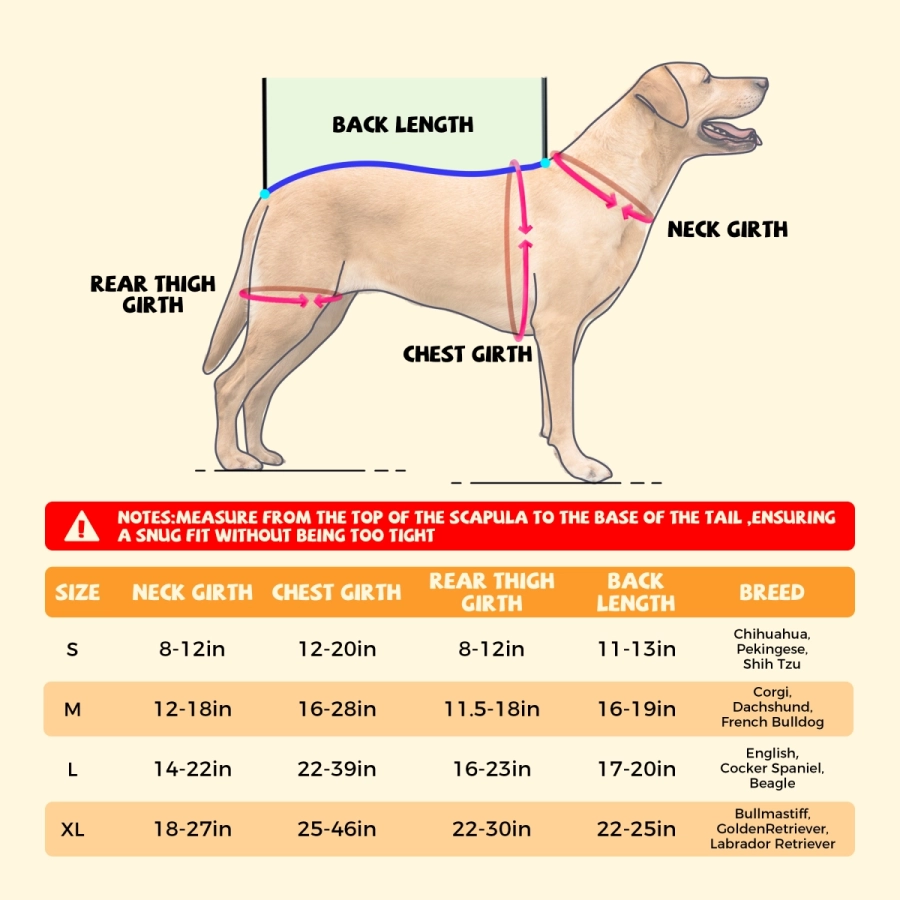
Getting the right brace starts with measuring your dog. You need to measure the chest, waist, and from neck to tail. For dog leg braces, measure around the leg. Always measure while your dog stands still. Check your measurements more than once to be sure.
Adjustable braces let you change the size as your dog grows or loses weight. Custom braces have memory foam that shapes to your dog’s body. This makes the brace more comfy and gives better support. Here’s a table with features that make braces easy to use:
|
Feature |
Description |
|---|---|
|
Custom Fit |
Memory foam inlays adapt to the dog's shape for enhanced comfort. |
|
Adjustability |
The brace allows for adjustments to ensure a comfortable fit for the dog. |
|
Motion Control |
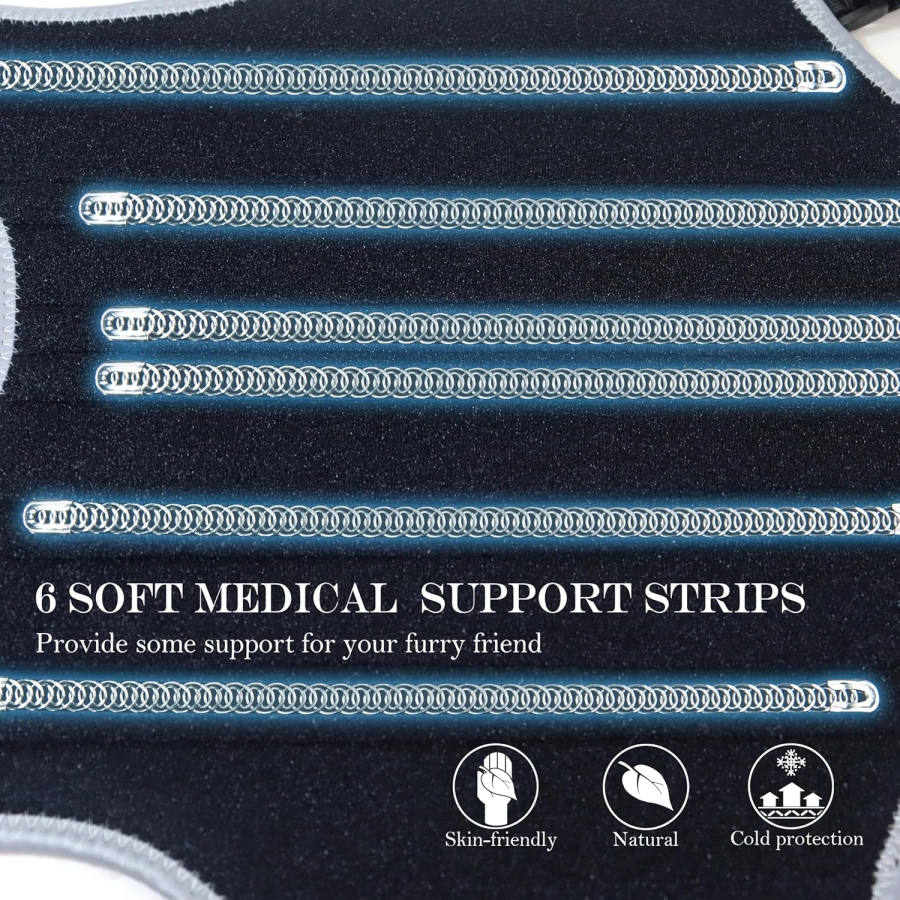
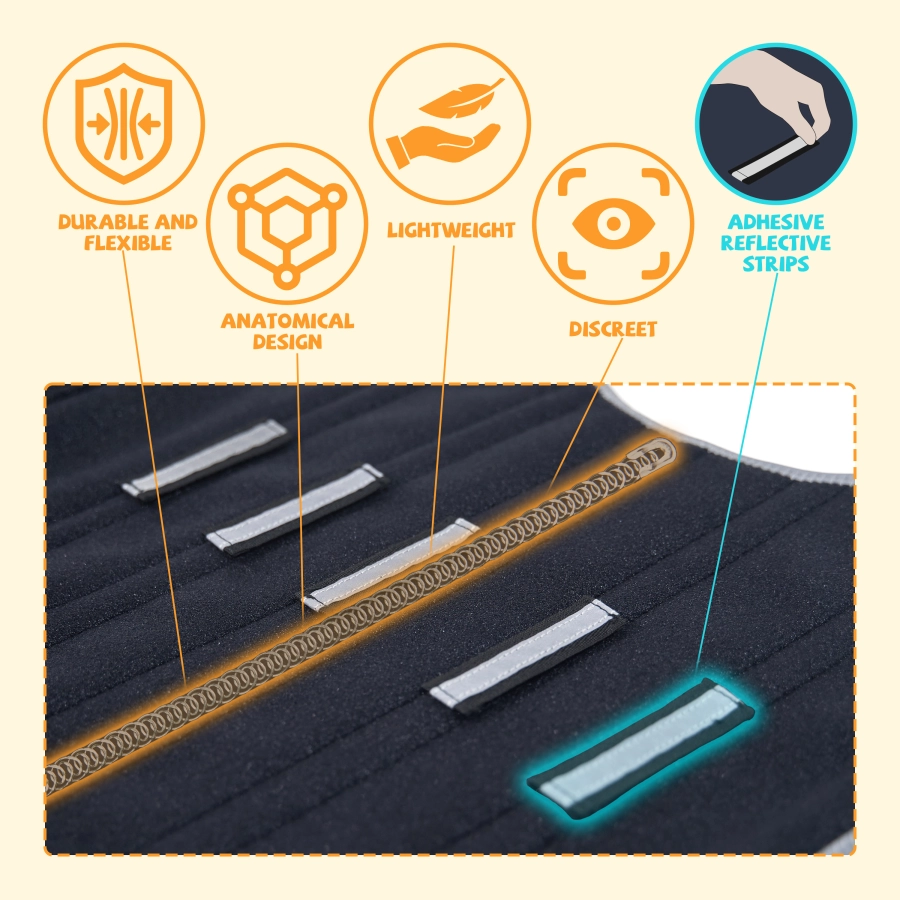
Metal spines reduce range of motion, aiding in back healing. |
Dog knee brace and back braces should fit snug but not too tight. If you use dog braces for rehab, check the fit often. Your dog should feel good and move easily. If you see swelling or rubbing, fix the brace or ask your vet.
Material and Breathability
The material in dog braces is very important. Neoprene is soft and bends easily. Polypropylene is light and strong. You want your dog to stay cool and not get skin problems. Fabrics like CoolMax pull sweat away and keep skin dry. Some braces use silver-ion fibers to fight germs and stop skin issues. Memory foam spreads out pressure and keeps hot spots away.
Here’s a table showing how materials help with comfort and strength:
|
Material |
Impact on Comfort and Durability |
|---|---|
|
Neoprene |
Provides flexibility and comfort, customized to anatomy |
|
Polypropylene |
Offers lightweight durability and stability |
And here’s how breathability helps your dog’s skin:
|
Key Aspect |
Description |
|---|---|
|
Breathable Fabrics |
Materials like CoolMax wick moisture, keeping skin dry. |
|
Antimicrobial Properties |
Silver-ion infused fibers help reduce the risk of dermatitis. |
|
Comfort and Pressure Distribution |
Memory foam conforms to joints, preventing hot spots and enhancing comfort. |
If your dog wears a brace for a long time, it needs to breathe well. This keeps your dog happy and healthy. Dog knee brace and back braces with soft padding help stop skin problems.
Ease of Use and Maintenance
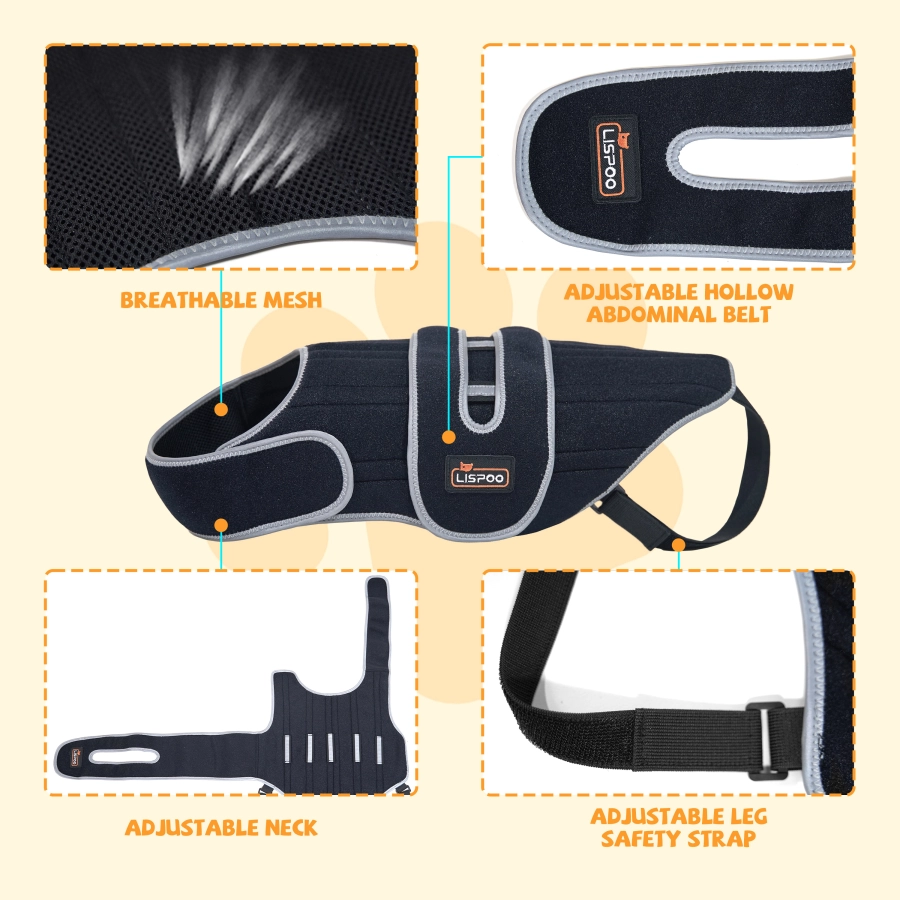
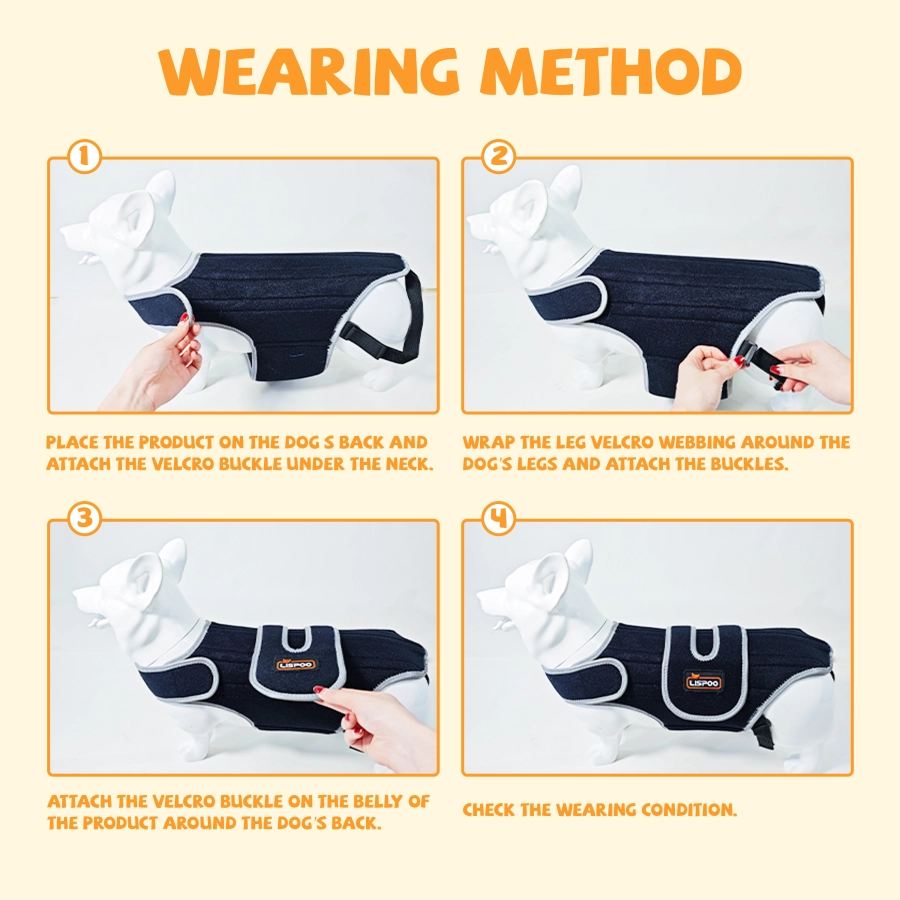
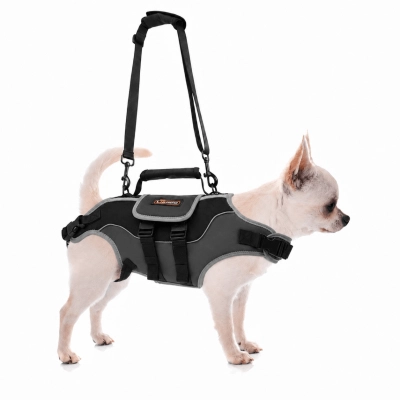
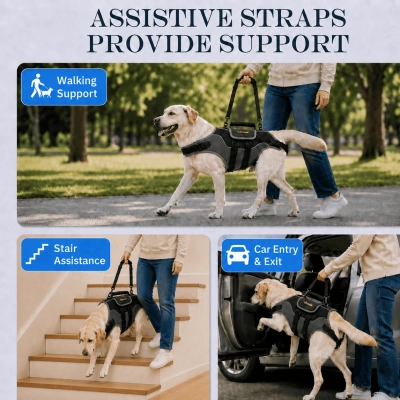
You want dog braces that are simple to put on and take off. Quick-release buckles, hook-and-loop straps, and zippers help a lot. Removable covers make it easy to wash the brace. Good fabrics last longer, even if your dog is active.
Here’s a table with features that make braces easy to use and care for:
|
Feature |
Description |
|---|---|
|
Comfort |
Memory foam inlays provide a custom fit by conforming to the dog's shape. |
|
Support |
Metal support spines help limit movement while providing necessary back support. |
|
Material Quality |
Made from high-quality fabrics for durability during active use. |
If your dog is still growing, adjustable braces are helpful. Always look for damage on the brace. Change worn parts to keep your dog safe.
New Trends: 3D-Printed and Smart Braces
best dog back brace are getting better every year. Now, you can find 3D-printed braces made from scans of your dog’s body. These braces fit almost perfectly and help your dog heal. Smart braces use sensors to watch your dog’s movement and recovery. You can get updates on your phone if the brace is too tight or if your dog’s weight changes. These new features make it easier to find the right brace and help your dog get better.
You can use dog braces for many reasons, like after surgery or for pain that lasts a long time. With the right brace, your dog can move better, heal faster, and enjoy life more.
Ensure Proper Fit and Comfort with Back Braces
Accurate Measurement Steps
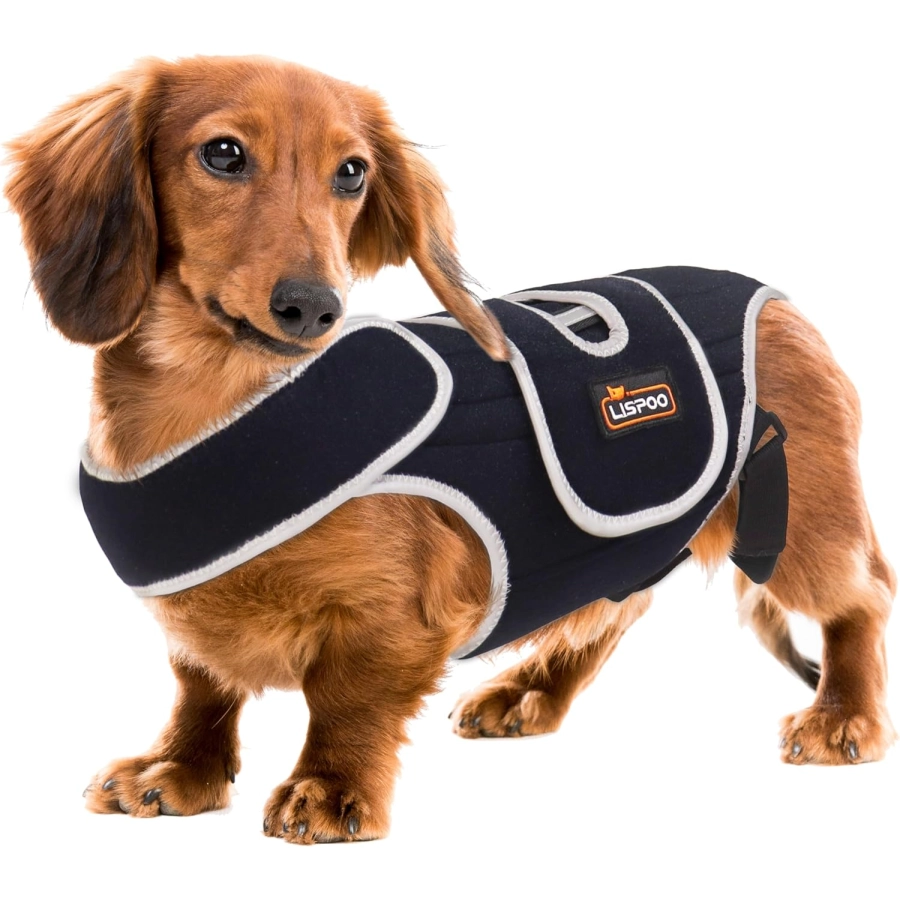
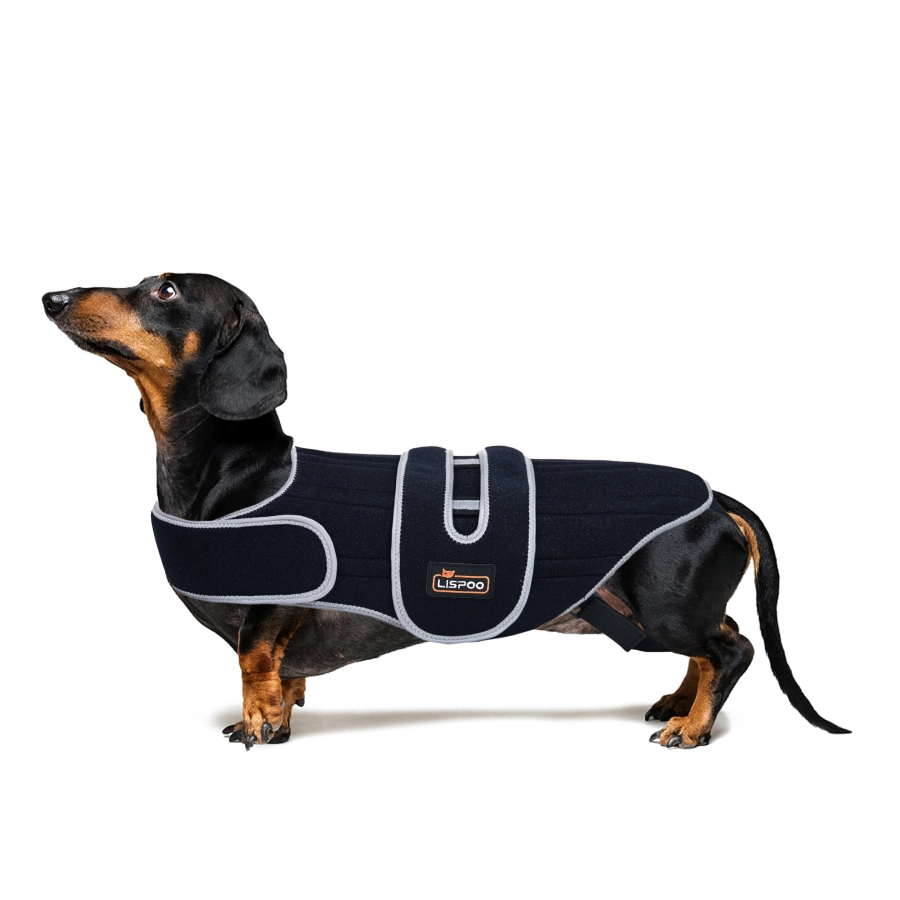
Getting the right fit for your dog back brace starts with careful measuring. If you want to know how to measure and fit a dog brace, follow these steps:
-
Wrap a soft measuring tape around the widest part of your dog’s chest, just behind the front legs. Keep the tape snug, but make sure you can slip one finger underneath.
-
Measure from the base of the rear paw straight up to the highest point of the hip. Hold the tape straight for an accurate height.
-
Measure around the thigh, halfway between the knee and the groin. Again, keep the tape snug with room for one finger.
Avoid common mistakes like guessing numbers, using a stiff ruler, or measuring while your dog is sitting. Always double-check your numbers. This helps you find the best support and comfort for your dog.
Testing and Monitoring Fit
Once you put on the brace, watch your dog closely. Look for signs that the brace does not fit right. Here’s a quick table to help you spot problems:
|
Signs of Improper Fit |
Description |
|---|---|
|
Skin Irritation |
Redness or discomfort on the skin |
|
Swelling |
Puffiness around the brace area |
|
Brace Slippage |
Brace moves out of position |
Check your dog’s skin every day for redness, sores, or hair loss under the brace. If your dog licks, bites, or seems uncomfortable, adjust the fit. Contact your vet if you see swelling or changes in how your dog walks. This is important for all types of dog braces, including dog knee brace, hip braces, front leg braces, and hind leg braces.
Acclimation and Skin Care
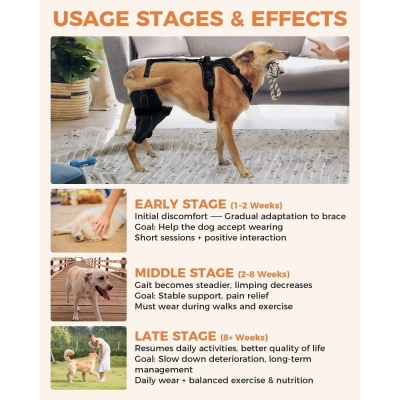
Dogs need time to get used to new back braces. The first two to three months are the most important. During this time, your dog may get skin abrasions or sores. Daily checks help you catch problems early. After a few months, your dog will likely have fewer issues.
Here are some tips for acclimation and skin care:
-
Let your dog wear the brace for short periods at first.
-
Increase the time slowly as your dog gets comfortable.
-
Check the skin every day, especially after walks or play.
-
Never over-tighten the straps. This can cause sores and slow healing.
-
Replace any damaged parts right away.
Dog braces work best when you use them as part of a full rehabilitation plan. They give support for post-surgery recovery and help with healing. Finding the right brace helps your dog move better and feel good. Always ask your vet for advice on how dog braces work and how to keep your dog safe.
Quick Checklist for Choosing Dog Braces
Ready to pick the right support for your dog? Here’s a simple checklist you can follow. This will help you make sure you cover all the important steps before you buy any dog braces.
-
Get a Vet Check
Start with a visit to your vet. Your vet will check your dog and give you a clear diagnosis. They can tell you if a brace is the right choice. Sometimes, your dog may need an X-ray or scan. This step helps you avoid picking the wrong brace. -
Choose the Right Brace Type
Think about what your dog needs. There are different types of braces. Some are soft and flexible. Others have hinges for more support. Custom braces fit your dog’s body shape. Ask your vet which type works best for your dog’s condition. -
Measure for a Proper Fit
Use a soft measuring tape. Measure your dog’s chest, waist, and leg if needed. Make sure your dog stands up straight. Double-check your numbers. If you want a custom brace, you might need a casting kit. A good fit keeps your dog safe and comfortable. -
Check Features and Materials
Look for braces with soft padding and strong straps. Make sure the material lets your dog’s skin breathe. Easy-to-clean covers are a big plus. If your dog is still growing, pick a brace that you can adjust. -
Monitor and Adjust
Watch your dog when they wear the brace. Check for redness, swelling, or slipping. If you see any problems, adjust the fit or talk to your vet. Keep the brace clean and replace worn parts.
Tip: Keep this checklist handy when you shop for dog braces. It will help you remember each step and keep your dog happy and healthy!
You want your dog to feel their best. When you follow the 3-step process and work with your vet, you give your pup the best chance at recovery. Regular check-ins help you spot issues early and keep the brace fitting well. You’ll see your dog move easier, stand taller, and enjoy more walks. Keep an eye on their comfort and use the checklist to guide you.
-
Vets help you adjust or replace braces as needed.
-
Braces stabilize the spine and prevent further injury.
-
Monitoring your dog’s mobility boosts their well-being.
Remember, the right brace can make life brighter for your dog. You’re making a difference every day.
FAQ
How do you know if your dog needs a back brace?
You notice your dog limping, struggling to stand, or avoiding play. If your dog shows pain or weakness in the back legs, ask your vet. Early support helps your dog recover faster.
Can you use a back brace for any breed?
Yes, you can use a back brace for most breeds. Some breeds, like Dachshunds and German Shepherds, need special support. Always check the brace size and fit for your dog’s shape.
How long should your dog wear a brace each day?
Start with short periods, like 30 minutes. Increase the time as your dog gets used to the brace. Your vet will guide you. Watch for skin changes or discomfort.
What signs show a brace does not fit right?
Look for redness, swelling, slipping, or your dog chewing at the brace. If you see these signs, adjust the fit or talk to your vet. Your dog should move comfortably.

0 Comments