
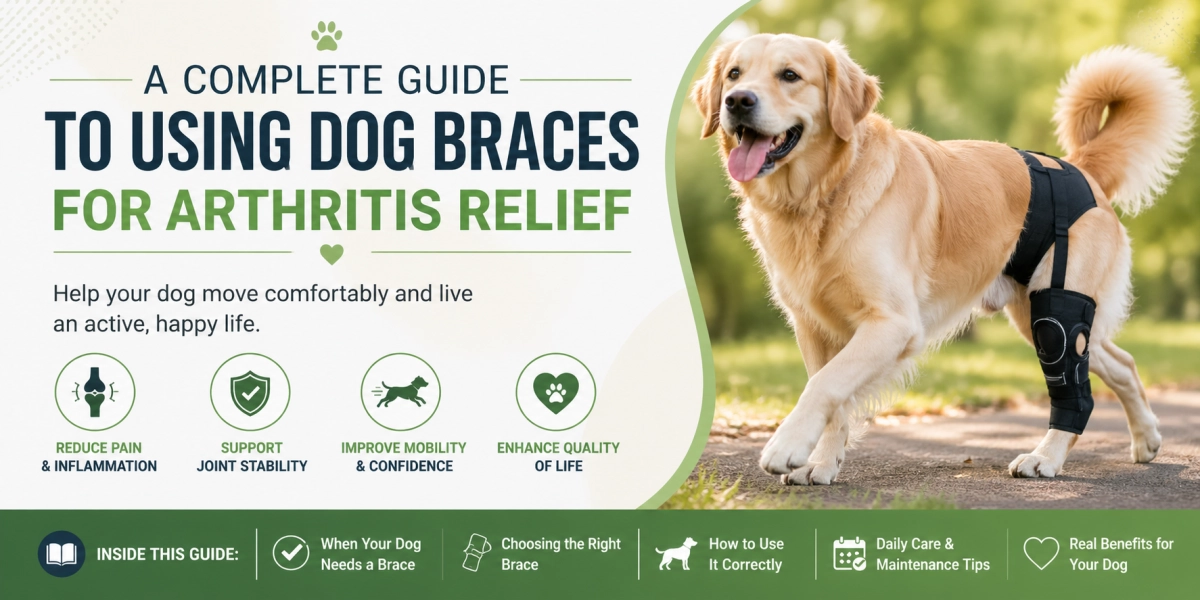
You might wonder if dog braces for arthritis actually help your dog feel better and move easier. Many dogs with arthritis get real relief from pain and stiffness when they wear braces. These devices support your dog’s joints and let your dog walk, run, or play with less discomfort. The market for dog braces has exploded because more people want the best care for their pets. You now see amazing new features in dog braces, like 3D printing for a custom fit and even smart joints that respond to your dog’s movement.
-
More pet owners choose dog braces for arthritis as they learn about preventive care and see more cases of orthopedic issues in dogs.
-
Companies make braces with new technology, so your dog can get a brace that fits perfectly and works well for arthritis.
-
Pet care spending is up, and more clinics offer braces, so it’s easier than ever to find the right support for your dog.
You should always talk to your vet before you get braces for your dog. Braces work best when you combine them with other treatments for arthritis.
Key Takeaways
-
Dog braces can help lower pain and help dogs move better. They let dogs with arthritis walk and play with less trouble.
-
Always talk to your veterinarian before you use braces. Your veterinarian can help you pick the right type and size for your dog.
-
It is very important to measure and fit braces the right way. A brace that fits well gives more support and feels better. It also helps stop skin problems.
-
Use braces along with other treatments like medicine and physical therapy. This gives your dog the best chance to feel better from arthritis.
-
Let your dog get used to braces slowly. Use treats and praise to help your dog feel good about wearing them.
Do Dog Braces for Arthritis Really Work?
Pain Relief and Mobility Benefits
You want your dog to hurt less and move better. Many people wonder if dog braces for arthritis really help. The answer is yes, braces can help by giving extra support to sore joints. When your dog wears a brace, it works like an extra ligament. This keeps the joint steady and stops painful movements. You might see your dog stand up more easily or walk with more confidence.
Let’s see how dog braces for arthritis help with pain and movement. Here’s a table that shows what happens inside your dog’s body when you use braces:
|
Evidence Type |
Description |
|---|---|
|
Joint Support & Stabilization |
Braces work like outside ligaments. They keep joints stable and lower pain by stopping bad movements. |
|
Biomechanical Offloading |
Braces move pressure away from hurt joints. This helps lower pain. Over 70% of dogs with elbow dysplasia walked better and had less pain with custom braces. |
|
Proprioception & Neuromuscular Re-education |
Braces help dogs feel where their joints are. This makes movement more accurate and helps dogs feel braver. |
You may notice your dog walks better after using a brace. A study in the American Journal of Veterinary Research showed braces helped a dog’s knee move better after injury. Owners often say their dogs move better and seem happier. Some dogs even start playing again after getting support. Small studies and computer models also show braces help dogs put weight on their legs and move with less pain. These results show real benefits, even if the studies are small.
Dog braces for arthritis do more than just help with pain. They also help your dog move better. You might see your dog climb stairs or go for longer walks. Braces help your dog feel safer, so there is less worry about slipping or falling. This boost in movement can really help your dog’s daily life.
Clinical Consensus and Limitations
You may wonder what vets think about dog braces for arthritis. Most experts agree braces give good support, especially for dogs who cannot have surgery. Braces are a smart choice for older dogs, dogs with other health problems, or when surgery is not possible. You can use braces to help your dog feel better and move more. But braces do not fix the joint like surgery does.
Here are some important things to remember:
-
There is not a lot of strong science on how well braces work for arthritis.
-
Most studies are small or only look at short-term results.
-
Many reports come from case studies or follow-ups, not big trials.
Veterinary groups like the American Veterinary Medical Association say surgery is still the best way to fix joint problems. Braces are a good choice if you want to help your dog’s pain and movement without surgery. You can use braces as part of a bigger plan for arthritis. This plan might include weight control, physical therapy, and medicine. Braces work best when you use them with other treatments for arthritis relief.
Tip: Always talk to your vet before using braces. Your vet can help you decide if braces are right for your dog and how to use them with other treatments.
Dog braces for arthritis give you a way to help your dog’s joints and lower pain. They are not a cure, but they can make life better for dogs with arthritis. If you want your dog to move better and hurt less, braces can be a helpful part of your plan.
How Dog Braces Support Arthritic Joints
Stabilization and Compression
You want your dog to feel safe and steady. Dog braces help by holding arthritic joints in place. They work like extra ligaments for your dog. Braces keep bones lined up and stop bad movements. This makes walking easier and less painful for your dog. Braces also squeeze the joint a little. This gentle pressure helps blood move better and lowers swelling. Your dog feels less pain and more comfort.
Here’s a quick look at how braces help your dog:
|
Mechanism |
Description |
|---|---|
|
Joint Support & Stabilization |
Braces act as external ligaments, limiting abnormal joint motion and maintaining bone alignment. |
|
Biomechanical Offloading |
Braces redistribute forces away from damaged joint areas, reducing stress and protecting healthy tissues. |
|
Compression Benefits |
Compression lowers swelling and inflammation, improves circulation, and provides proprioceptive feedback. |
|
Proprioception Enhancement |
The brace stimulates the nervous system, enhancing neuromuscular control and helping the dog move accurately. |
Dog braces help joints feel stronger and safer. Your dog can walk with less pain and more confidence. Braces keep the joint steady and help your dog trust their steps. Using an orthopedic brace can help your dog heal faster.
Improving Movement and Reducing Inflammation
Dog braces do more than just hold joints still. They help your dog move better and feel less pain. When your dog wears a brace, you may see them walk easier. Braces help muscles around the joint work better. This gives extra support and helps your dog heal. The gentle squeeze from braces lowers swelling and makes moving smoother.
Let’s see how braces help your dog with arthritis:
|
Study Focus |
Findings |
|---|---|
|
Gait Improvement |
Dogs with elbow dysplasia using custom offloading braces showed measurable gait improvements in over 70% of cases. |
|
Mobility Assessment |
Research indicated an average improvement of approximately 40% in mobility assessments over a 90-day period for dogs with knee arthritis. |
Braces stop joints from moving too much and causing pain. Your dog feels braver and moves better. You might notice your dog getting better faster. Braces make daily life easier for dogs with arthritis.
Tip: If your dog has trouble moving or hurts, braces can help. They keep joints steady and help your dog heal. Always ask your vet to find the best brace.
Dog braces give your dog support for arthritis relief. You see your dog move more, hurt less, and feel happier. Braces help your dog play, walk, and heal with more comfort.
Types of Dog Braces for Arthritis
Dog Leg Braces (Knee, Elbow, Carpal)
When your dog has arthritis, you want to give them the best support for their joints. Dog leg braces come in many types, each made for a specific joint. You can find braces for knees, elbows, and carpal (wrist) joints. These braces help your dog walk, run, and play with less pain.
-
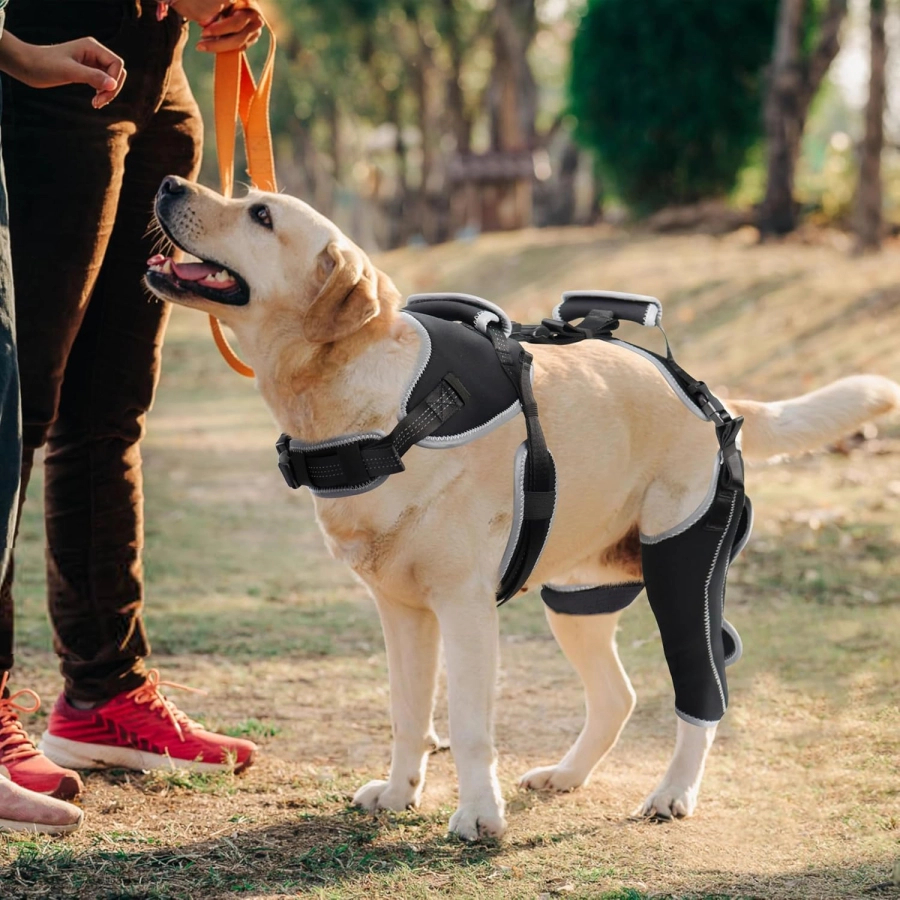
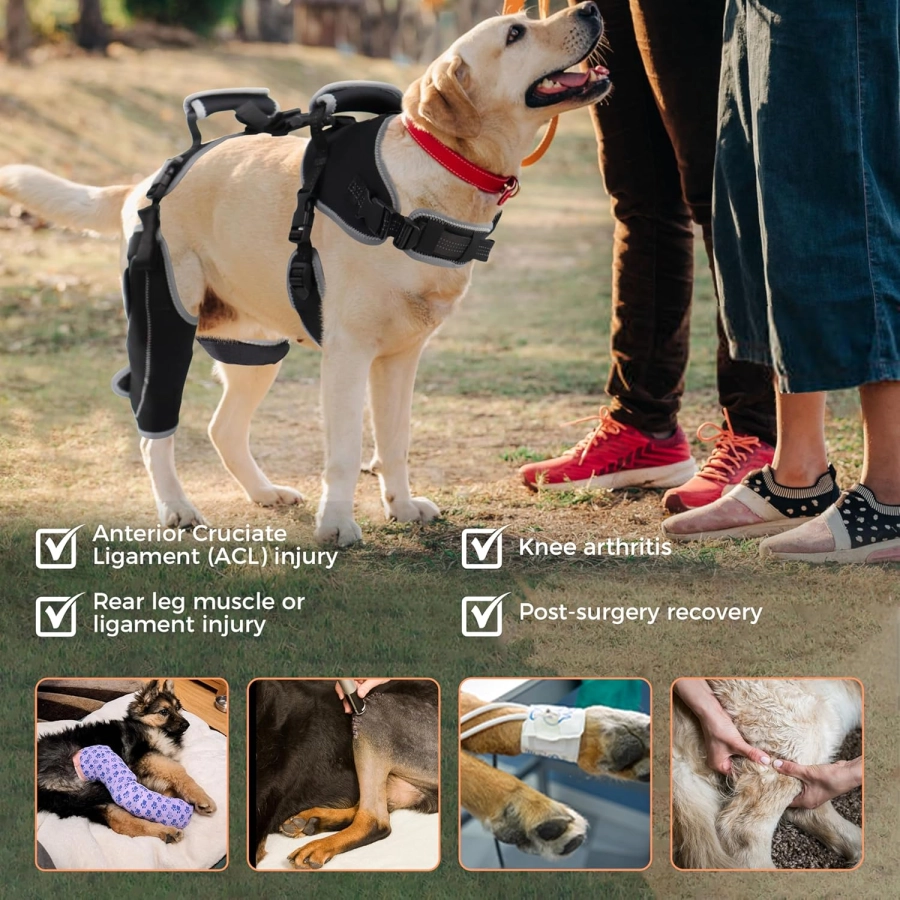
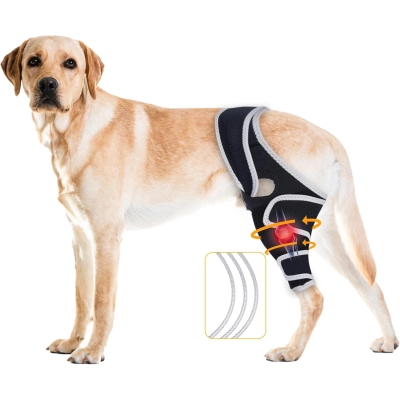
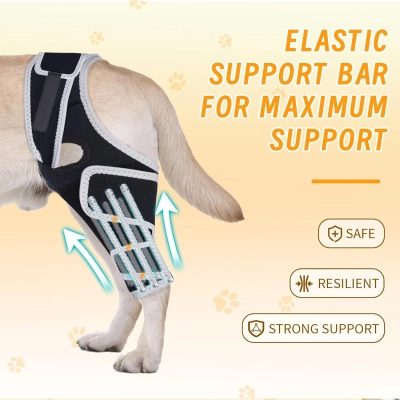
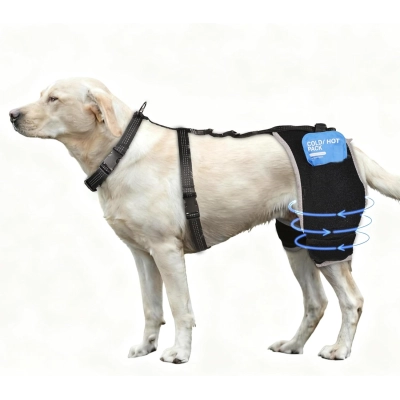
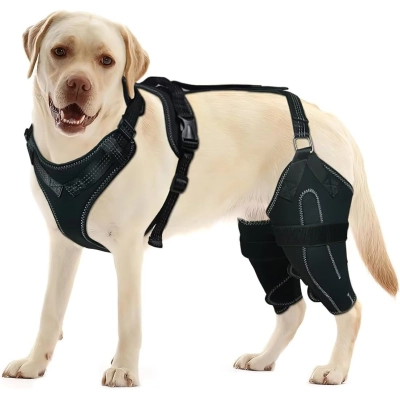
Knee braces support dogs with arthritis or injuries in the stifle joint. You can choose single knee braces for one leg or double knee braces for both legs. Hinged knee braces let your dog move naturally but keep the joint safe.
-
Elbow braces give support to dogs with front leg arthritis. They help reduce pain and keep the elbow steady.
-
Carpal braces support the wrist joint. These braces help dogs who have weak or unstable wrists.
Here’s a quick table to show you the main types of dog leg braces:
|
Type of Brace |
Description |
|---|---|
|
Single Knee Braces |
For localized knee pain or mild sprain recovery. |
|
Double Dog Knee Braces |
For joint issues in both legs or larger breeds compensating on the opposite limb. |
|
Hinged Knee Braces |
For moderate to severe injuries, allowing natural flexion while limiting lateral movement. |
You can also find hock braces for the back legs. These braces support weak ankles and help dogs recover from injuries like ACL tears. If your dog has hip problems, a dog hip brace can improve comfort and help them move better.
Custom vs. Off-the-Shelf Options
You have more choices than ever when picking dog braces for arthritis. The market now offers custom braces made with 3D printing. This technology lets you get a brace that fits your dog perfectly. Custom braces use strong, lightweight materials that keep your dog comfortable and give the right support. You can even find dog hip brace options made just for your dog’s shape.
Off-the-shelf braces are ready to use and cost less. These braces work well for mild to moderate arthritis. They come in different sizes, so you need to measure your dog’s joint carefully. Custom braces are best for dogs with severe arthritis or unique joint shapes. They give the most support and help prevent rubbing or skin problems.
When you choose a brace, think about which joint needs support. Make sure the brace fits well and feels comfortable for your dog. Always talk to your vet to pick the right type and size. The right support can help your dog feel better and move with confidence.
Choosing the Right Dog Brace
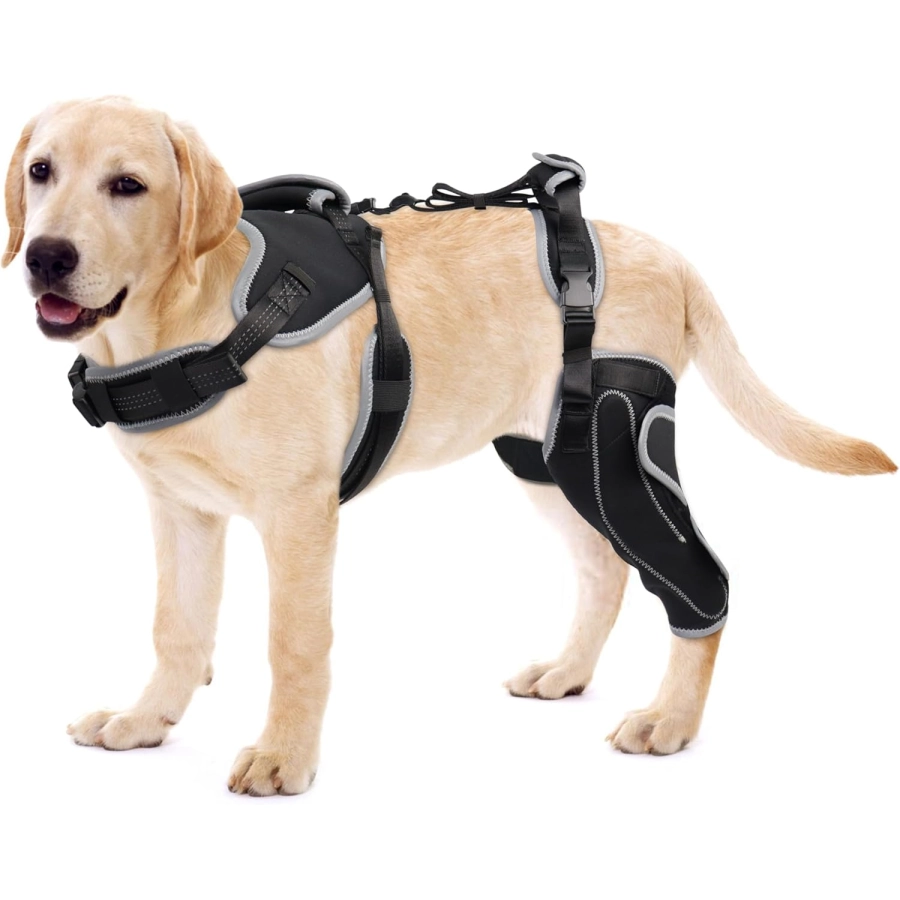
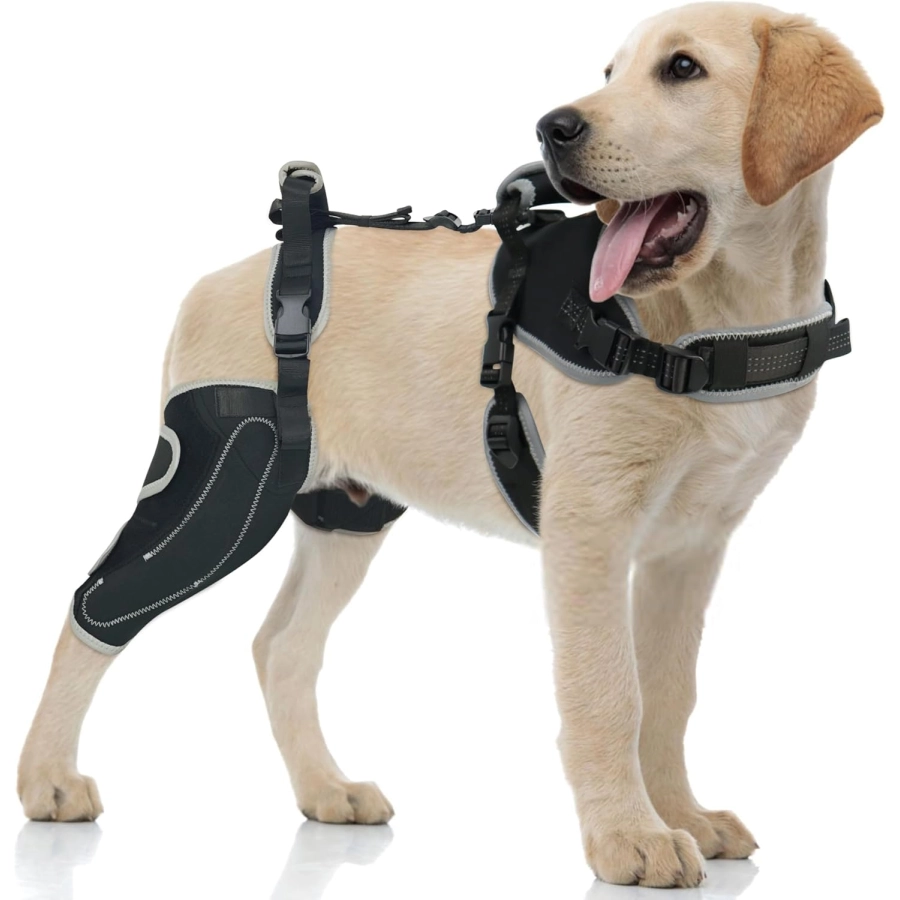
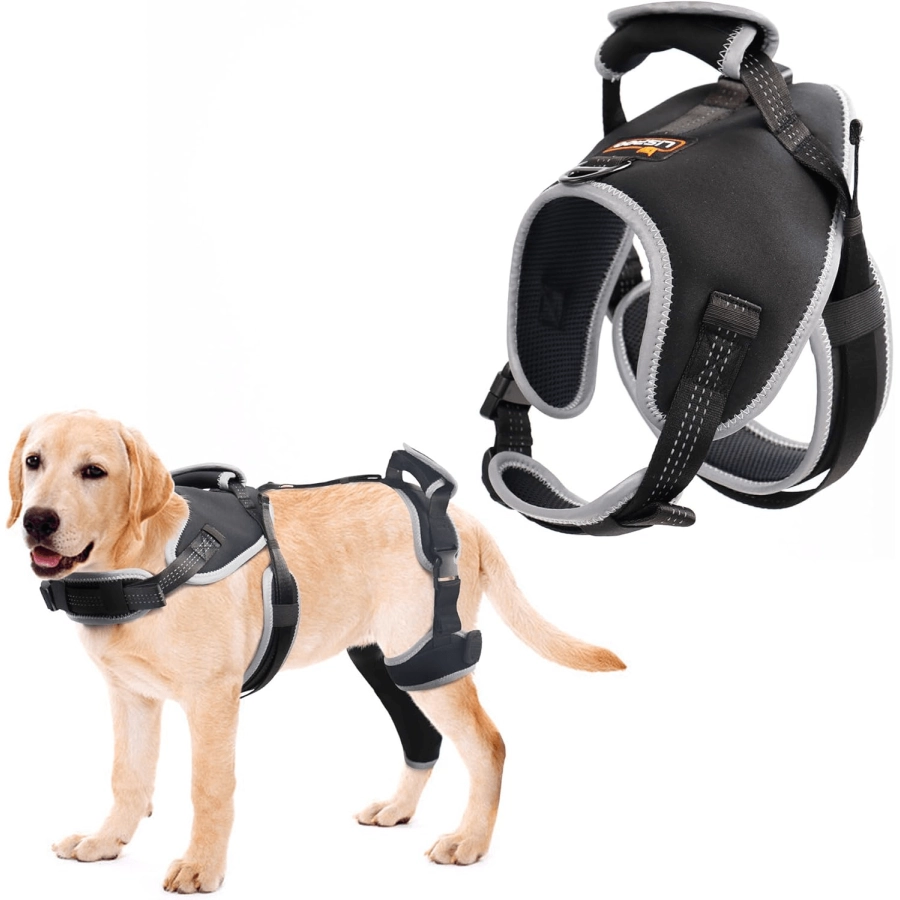
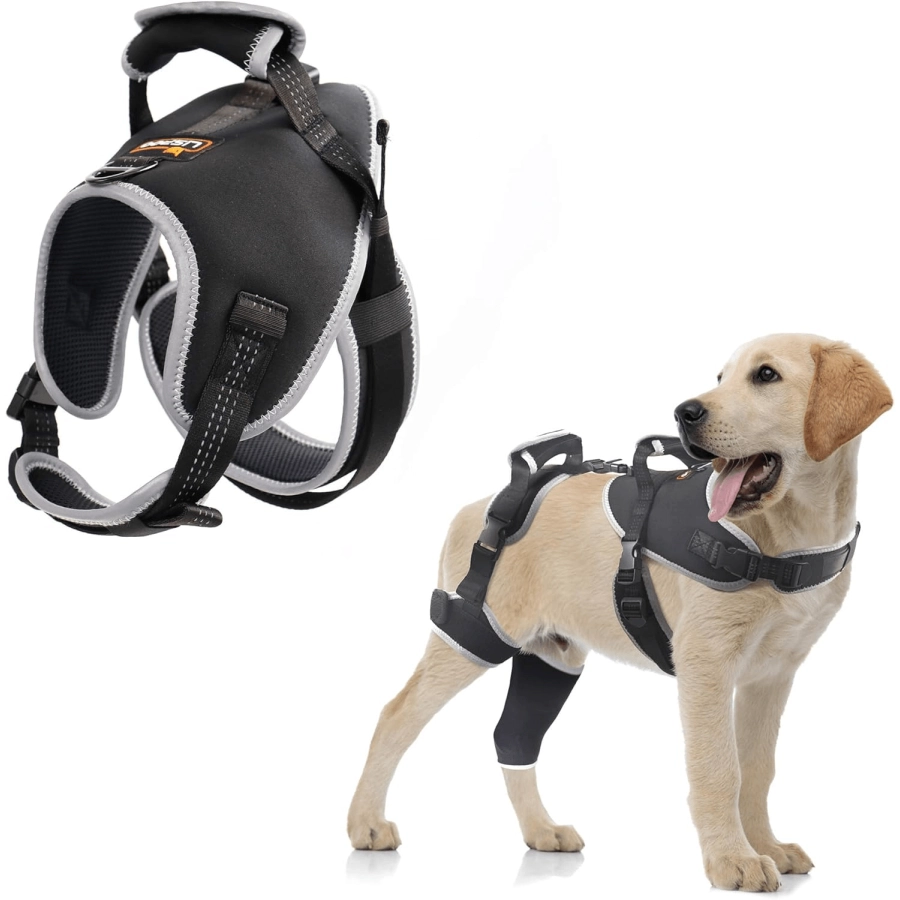
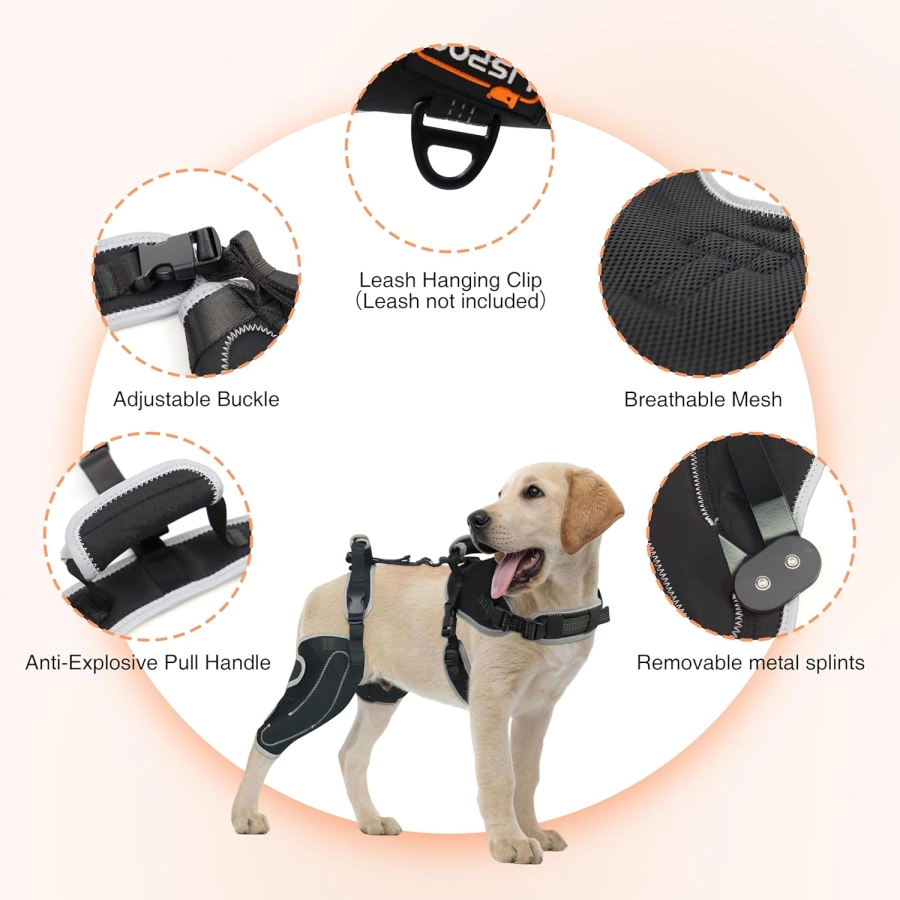
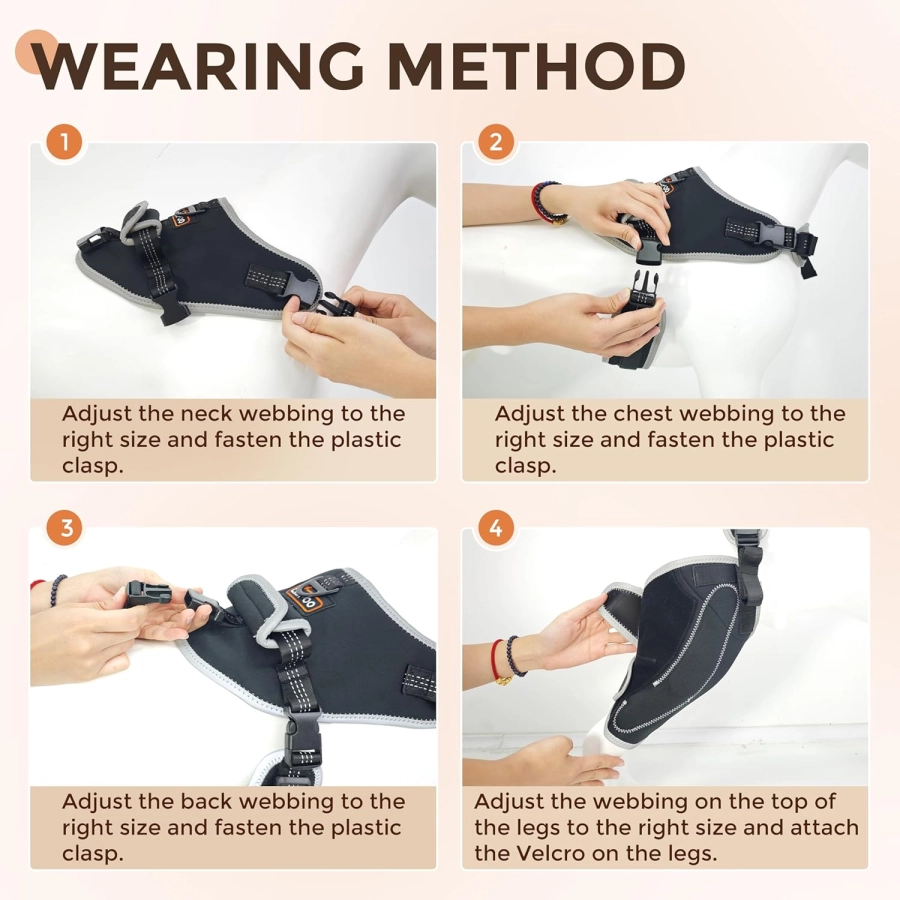
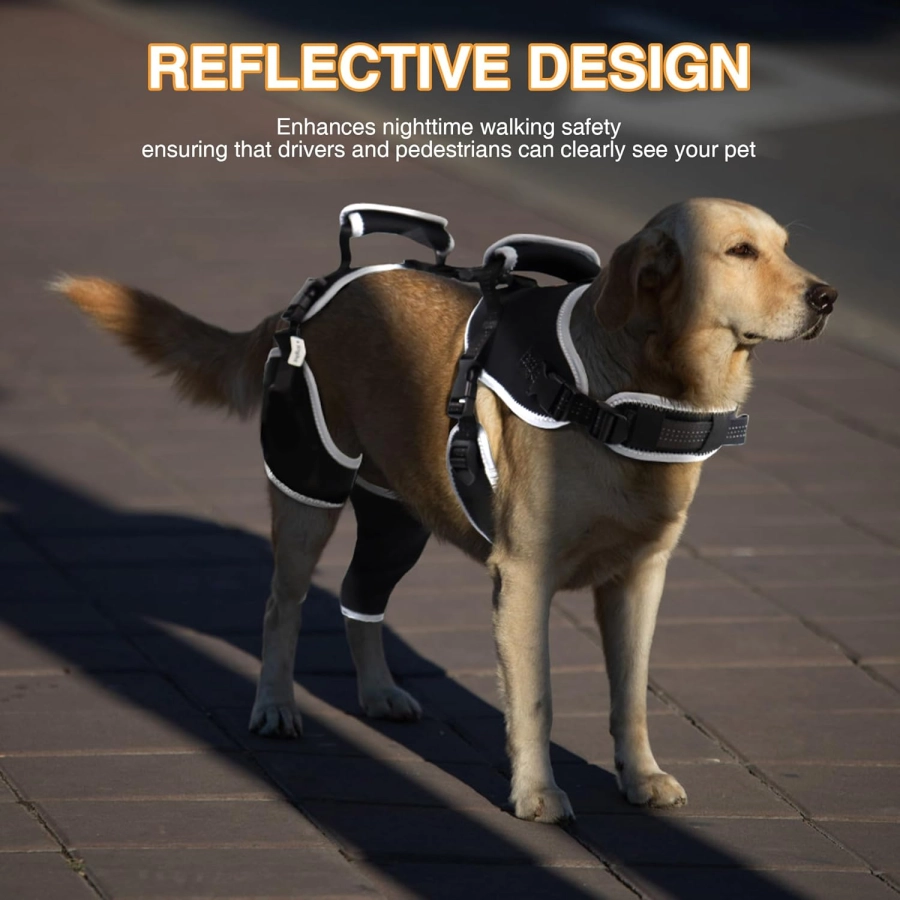
Factors: Age, Size, Activity Level
Picking the right dog braces can feel tricky, but you can make a smart choice by thinking about your dog’s age, size, and how much they move each day. Older dogs often need more support because their joints get stiff and sore. If your dog is a puppy or a senior, you want to match the brace to their needs. Big dogs need strong braces that can handle their weight, while smaller breeds do better with lighter designs. You also want to look at how active your dog is. Some dogs love to run and play, while others like to rest more. The right brace should support your dog’s movement style and keep them comfortable.
Here’s a table to help you see how these factors matter:
|
Factor |
Influence on Brace Selection |
|---|---|
|
Age |
Older dogs or those with health issues often need braces for extra support and comfort. |
|
Size |
Large breeds need sturdy braces with a custom fit, while small dogs need lighter support for their joints. |
|
Activity Level |
Dogs who move a lot need braces with more padding and adjustable support for safe movement and mobility. |
You want your dog to feel good and move with confidence. Custom braces give the best fit and support for every joint. They help your dog enjoy daily walks and playtime. If your dog has arthritis, custom support can make a big difference in their mobility and happiness.
Veterinary Assessment and AI Tools
You should always ask your vet before you pick dog braces. Your vet knows how to check your dog’s joints and movement. They can spot problems you might miss. Vets use new tools like AI to measure your dog’s movement and find the best way to support their joints. These tools help vets see where your dog needs the most support and how a custom brace can help.
Veterinary evaluations are essential for diagnosing conditions like arthritis, and they inform the selection of custom braces. Studies indicate that many dogs using stifle orthoses showed significant improvement in lameness and limb use, highlighting the importance of a structured rehabilitation plan informed by veterinary assessments.
Your vet will help you choose braces that fit your dog’s body and support their movement. They will also check the fit and make sure the brace helps your dog move better. Custom braces work best when you use them with other treatments, like rehab and weight control. You want your dog to get the right support for every joint, so they can enjoy life with less pain and more mobility.
Fitting and Acclimating Dog Braces
Accurate Measurement and Sizing
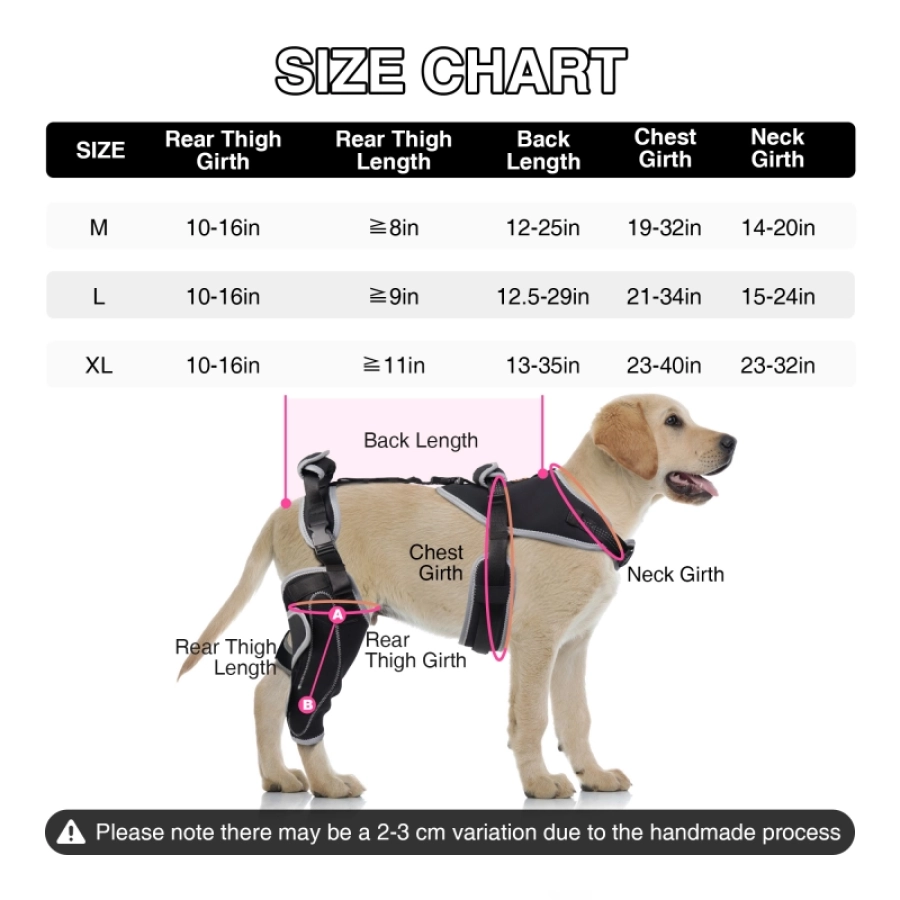
Getting the right fit for dog braces makes all the difference for your dog’s comfort and mobility. You want your dog to feel good and move easily, so measuring carefully is key. Many owners guess sizes or use the wrong tools, but that can lead to braces that don’t fit and cause problems. You should always measure your dog while they stand, using a soft tape. Here’s how you can measure your dog for braces:
-
Measure the thigh circumference about an inch above the knee joint.
-
Measure directly over the knee cap.
-
Measure the lower leg just below the knee.
-
Measure the leg length from the top of the thigh to the ankle or hock.
-
Measure the distance between the inner thighs while your dog stands.
If you skip these steps or use a stiff ruler, your dog may end up with braces that rub or slip. You want to double-check every measurement to make sure the fit is right. Dr. Lisa Kramer, DVM, says,
"Bracing is an excellent conservative management tool for many knee issues. Accurate fit ensures the brace works with your dog’s anatomy, not against it."
Improper sizing is a common issue. Take a look at this table to see what can go wrong:
|
Common Mistakes |
Consequences |
|---|---|
|
Choosing the wrong size |
Braces too tight cut off blood flow; loose braces don’t support the knee. |
|
Using a generic brace |
Can cause rubbing, chafing, or pressure sores. |
|
Skipping professional fitting |
May miss signs of a poor fit. |
|
Not checking the skin |
Over half of dogs get skin problems if the brace does not fit right. |
|
Ignoring device malfunctions |
Your dog may refuse to wear it if the brace does not work as it should. |
You should ask your vet for help with sizing. A good fit means your dog gets the best support and comfort.
Gradual Introduction and Positive Reinforcement
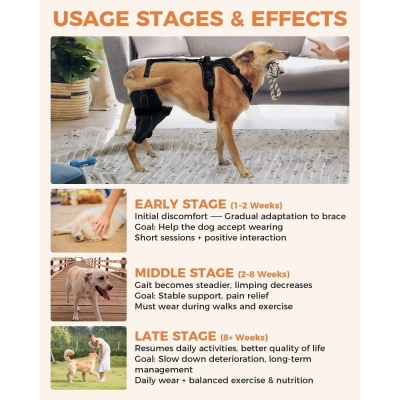
Your dog needs time to get used to new braces. You can help your dog feel comfortable by starting slow and making the experience positive. Try these steps:
-
Let your dog wear the braces for 20 to 30 minutes at first.
-
Increase the time each day.
-
Watch your dog’s behavior. If your dog seems restless, reduce the time and try again later.
-
Give your dog breaks without the braces.
-
Offer treats and praise to reward calm behavior.
Positive reinforcement helps your dog associate braces with good things. You can reward your dog with treats and praise when they act calm. This reduces anxiety and makes your dog more willing to wear braces. Desensitization works by starting with short sessions, so your dog gets used to the braces without stress. Teaching your dog to sit or lie down near the braces builds confidence and comfort.
You want your dog to feel safe and happy. Gradual acclimation and positive reinforcement make wearing dog braces easier for your dog. If you follow these steps, your dog will enjoy more comfort and better mobility.
Daily Care and Maintenance of Dog Braces
Taking good care of your dog’s braces helps your dog stay comfortable and keeps the braces working well. You want your dog to enjoy every walk and playtime, so daily care matters. Let’s look at how you can clean, inspect, and check the fit of your dog’s custom braces.
Cleaning and Inspecting for Wear
You need to clean your dog’s braces often. Dirt, fur, and sweat build up fast, so regular cleaning keeps the braces fresh and safe. Here’s how you can care for your dog’s custom braces:
-
Use a lint roller to remove extra fur from the braces.
-
Handwash the braces in lukewarm water with gentle laundry soap.
-
Hang the braces to dry. Don’t use a dryer because heat can damage the custom materials.
-
Inspect the braces every day for signs of wear and tear.
-
Check your dog’s skin after removing the braces. Look for redness, irritation, or sores.
-
Look for frayed straps, cracked hinges, or worn padding on the braces.
-
Follow the manufacturer’s guidelines for minor repairs. Replace the braces if you see major damage.
You want your dog to feel safe and comfortable. Daily care keeps the braces clean and helps your dog avoid skin problems.
Signs of Proper Fit and Comfort
Your dog needs braces that fit well and feel good. You can spot signs of a proper fit and comfort by watching your dog and checking the braces. Here’s a table to help you:
|
Sign of Proper Fit |
Description |
|---|---|
|
Snug Fit |
The braces sit snugly on your dog’s hock and don’t move when your dog walks. |
|
Improved Stability |
Your dog shows better support and stability. |
|
No Skin Issues |
Your dog has no redness, swelling, or skin irritation after wearing the braces. |
|
Secure Straps |
The straps stay tight but don’t pinch or cut into your dog’s skin. |
|
Confident Movement |
Your dog walks with more confidence and less pain. |
If you see any of these signs, your dog’s custom braces are working well. You also need to watch for signs of improper fit and discomfort:
|
Sign of Improper Fit |
Description |
|---|---|
|
Skin Irritation |
Your dog has redness or sores under the braces. |
|
Swelling |
Swelling appears around the hock or toes. |
|
Movement Issues |
The braces slip, rotate, or move out of place. |
|
Limping |
Your dog limps more or avoids using the leg. |
|
Discomfort |
The straps leave deep marks or cause discomfort. |
You want your dog to feel happy and comfortable every day. If you notice any problems, adjust the fit or talk to your vet. Daily care and attention help your dog enjoy the benefits of custom braces and keep moving with ease.
Integrating Dog Braces With Arthritis Treatment
Combining With Medication and Therapy
You want your dog to hurt less and walk better. The best way to help your dog with arthritis is to use braces with other treatments. Braces support sore joints and make moving easier. When you add medicine and therapy, your dog can get even better results.
Here’s how you can mix different treatments for your dog:
|
Treatment Element |
Description |
|---|---|
|
Dog Braces |
Give support and keep joints steady, so your dog moves better during therapy. |
|
Medication Management |
Controls pain and swelling, so your dog feels better and can do therapy. |
|
Physical Rehabilitation Techniques |
Uses water treadmill, special exercises, and hands-on therapy to make muscles stronger and help joints work better. |
|
Environmental Modifications |
Changes at home make it easier for your dog to move and put less stress on joints. |
|
Weight Control |
Keeping your dog at a healthy weight takes pressure off joints and helps other treatments work. |
You can try many therapies for your dog. Water treadmill sessions help your dog walk with less pain because the water supports their body. Special exercises build muscle and help your dog heal. Stretching and massage keep joints loose and flexible. These treatments, along with braces, help your dog move more and feel better.
Tip: Always talk to your vet about what is best for your dog. A good plan uses braces, medicine, and therapy together for the best results.
When Braces Are an Alternative to Surgery
Sometimes, surgery is not a good choice for your dog. Your dog may be old or have other health problems. In these cases, braces can give strong support and help your dog get better without surgery. Many vets now say braces are a smart choice for dogs who cannot have surgery.
Let’s see what studies say about using braces instead of surgery:
|
Evidence Type |
Study Reference |
Findings |
Limitations |
|---|---|---|---|
|
Prospective Trial |
Rosen et al., 2022 |
All dogs with stifle braces put more weight on their legs; most had only mild problems |
Small group; short follow-up |
|
Retrospective Study |
Carr, 2016 |
Dogs used their legs better after 90 days |
No control group |
|
Expert Consensus |
Dycus & Carr, 2015 |
Braces are good for dogs who cannot have surgery, but surgery is still the best fix |
Not enough big studies |
You may see your dog walk better and feel less pain with braces. Braces support joints and help your dog move like normal again. Braces are good for dogs who need more comfort and support but cannot have surgery. You can use braces as the main treatment or as part of a bigger plan for arthritis.
If you want your dog to move more and hurt less, braces are a safe and helpful choice. Always ask your vet which treatments are best for your dog.
Dog braces can help your dog move better and feel more comfortable. You might see your dog walk with more confidence and put weight on sore legs. Check out this table for a quick look at the benefits and limits:
|
Benefit |
Limitation |
|---|---|
|
Mobility improvement |
Skin irritation possible |
|
Comfort |
Brace slippage may happen |
|
Better weight-bearing |
Vet checks are important |
You should talk with your vet before choosing braces. Make sure you pick the right fit and watch your dog for any problems. Start slow, add gentle exercise, and keep your dog’s weight healthy. If you see your dog struggle, ask your vet about the best next steps.
FAQ
How long should my dog wear a brace each day?
Start with 20–30 minutes. Slowly increase the time as your dog gets used to the brace. Watch for signs of discomfort. Ask your vet for advice if you notice any problems.
Can my dog sleep with the brace on?
You should remove the brace at night. Your dog needs a break to avoid skin irritation. Let your dog rest without the brace while sleeping.
Will a brace cure my dog’s arthritis?
A brace will not cure arthritis. It helps your dog move better and feel less pain. Use the brace with other treatments for the best results.
How do I clean my dog’s brace?
Handwash the brace in lukewarm water with mild soap. Air dry it. Check for damage or dirt every day. Clean the brace often to keep your dog comfortable.

0 Comments