
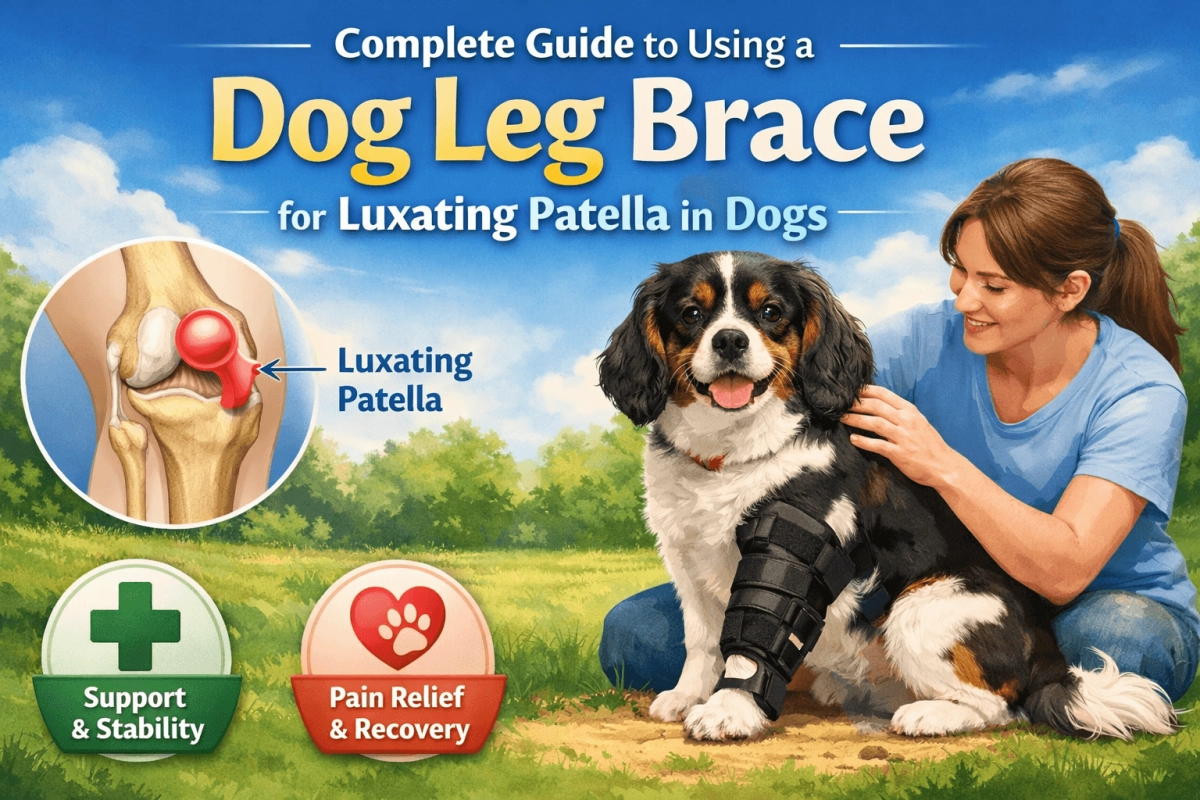
You may wonder if a dog leg brace for luxating patella helps your dogs stay active. Many owners have questions about using a dog leg brace for luxating patella. You want to know if it works and if your dogs will feel safe. You also want to know if it can delay or replace surgery. You want to make sure the brace fits well and does not hurt your dogs. When you use a dog leg brace for luxating patella, you should work with a veterinarian. The veterinarian will help you pick the right brace for your dogs. The veterinarian will check that the brace fits and helps your dogs move. Every veterinarian may suggest extra exercises or treatments for your dogs. Always follow what your veterinarian says.
-
Common owner concerns include:
-
Will a dog leg brace for luxating patella help dogs stand better?
-
How can you make sure the brace fits your dogs and does not hurt them?
-
Should you pick a stiff or bendy brace for your dogs?
-
When should you ask your veterinarian if your dogs still need surgery?
-
Tip: Always ask your veterinarian to check how the dog leg brace for luxating patella fits. Ask your veterinarian to look at your dogs’ progress often.
Key Takeaways
-
A dog leg brace can help your dog's knee feel better and hurt less, especially if the luxating patella is not very bad.
-
You should always talk to your veterinarian to pick the right brace and make sure it fits well so your dog stays safe and comfortable.
-
Use the brace with weight control and physical therapy to help your dog stay active and healthy.
-
Check the brace often to make sure it does not rub or slip, and watch your dog to see how they feel and if they get better.
-
Bracing will not take the place of surgery for bad cases, but it can help delay surgery if the problem is mild.
Can a dog leg brace for luxating patella help?
Effectiveness and role in non-surgical care
A dog leg brace can help if your dog has luxating patella and you do not want surgery. The brace holds the knee joint and helps keep the kneecap in place. Many dogs with mild patellar luxation walk better and limp less with a brace. You might see your dog feel happier and walk with more confidence. Braces do not fix the real problem, but they can make pain less and help your dog feel steadier.
Braces work best when you use them with other things. These things are weight control, physical therapy, and changing how your dog plays. Doing all these things together helps your dog stay active and feel good. Braces are a good choice for non-surgical treatment for luxating patellas, but they do not cure it. Most veterinarians say braces are best for mild or moderate patellar luxation or for dogs who cannot have surgery.
Note: Braces can help your dog feel better for a short time and move easier. They do not take the place of surgery if your dog has a bad case.
When bracing is appropriate
You can try a dog leg brace if your dog has Grade 1 or mild Grade 2 patellar luxation. This means the kneecap slips out but does not stay out all the time. Braces can also help older dogs or dogs who are too sick for surgery. Puppies with mild signs can sometimes use a brace until they grow up.
Here is a simple chart to show when bracing is a good idea:
|
Grade of Patellar Luxation |
Bracing Recommendation |
|---|---|
|
Grade 1 |
Braces can help, may lower symptoms and delay surgery |
|
Mild Grade 2 |
Braces can help, may lower symptoms and delay surgery |
|
Grade 3 |
Surgery is usually best, braces will not fix the issue |
|
Grade 4 |
Surgery is usually best, braces will not fix the issue |
|
Older dogs or those with health problems |
Braces may be beneficial |
|
Puppies with mild signs |
Can sometimes use braces until they grow up |
You should always talk to your veterinarian before you start bracing for luxating patellas. Your veterinarian will help you know if a brace is right for your dog. Braces work best when you use them with other non-surgical treatments.
Limitations and realistic expectations
You need to have real goals when you use a dog leg brace for luxating patella. Braces do not cure patellar luxation. They do not fix the groove in the knee or stop the kneecap from slipping forever. Braces give support and comfort, but the problem can come back if you stop using the brace. Some dogs need time to get used to wearing a brace. Your dog might walk funny at first or not like the brace.
Braces work best for small or medium dogs with mild patellar luxation. Big dogs or dogs with torn ligaments may not get enough help from a brace. You must check the fit a lot. If the brace does not fit right, it can rub or slip. If your dog does not exercise, muscles can get weak. Always use physical therapy and keep your dog at a healthy weight as part of your plan.
-
Braces do not cure patellar luxation.
-
The brace must fit right for safety and comfort.
-
Surgery is often needed for bad cases.
-
Braces should be used with other non-surgical treatments.
Watch your dog for changes in walking, pain, or how active they are. If your dog gets worse or does not get better, ask your veterinarian about other treatment for luxating patellas. Bracing helps many dogs, but it does not work for every dog.
Understanding luxating patella and patellar luxation
What is luxating patella?
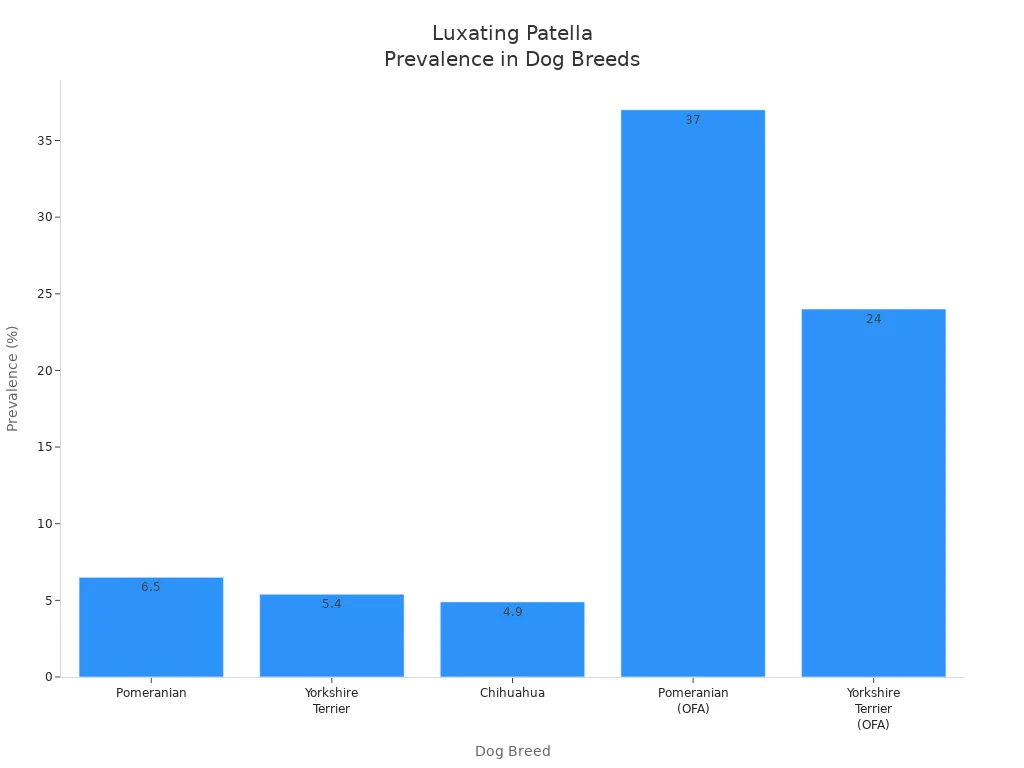
Your veterinarian might say your dog has luxating patella or patellar luxation. This means your dog’s kneecap moves out of its normal spot in the knee. When this happens, your dog can feel pain or have trouble walking. Small dogs get luxating patella more than big dogs, but any dog can get it. Some breeds get luxating patella more often than others. These breeds are Pomeranian, Yorkshire Terrier, Chihuahua, French Bulldog, and Poodle. You can see how often these breeds get luxating patella in the table below.
|
Breed |
Prevalence (%) |
|---|---|
|
Pomeranian |
6.5 |
|
Yorkshire Terrier |
5.4 |
|
Chihuahua |
4.9 |
|
Pomeranian (OFA) |
37 |
|
Yorkshire Terrier (OFA) |
24 |
|
Small breeds (general) |
Up to 12× risk |
You should know that these breeds need extra care for their knees.
Grading and severity
Veterinarians use grades to show how bad patellar luxation is. Here are the grades:
-
Grade I: The patella slips out during a check but goes back by itself. Dogs usually do not limp or feel pain.
-
Grade II: The patella can be pushed back in, but it may slip out when your dog moves.
-
Grade III: The patella stays out most of the time but can be moved back by hand. Your dog may feel some pain.
-
Grade IV: The patella is always out and cannot be moved back. The leg may look twisted or smaller.
Your veterinarian will check the grade to help pick the best treatment.
Symptoms and progression
You might see different signs if your dog has patellar luxation. Common signs are:
-
Limping or skipping when your dog walks or runs
-
Pain when your dog moves or when you touch the joint
-
Muscle loss in the leg that is hurt
-
The patella slipping out a lot
-
Signs of arthritis on X-rays
As luxating patella gets worse, the patella slips out more often. Your dog may limp more and get arthritis. If you see these signs, talk to your veterinarian. Early care can help your dog stay active and feel better.
Non-surgical treatments for luxating patella
If your dog has luxating patella, you want to help them feel better. Non-surgical treatments can support your dog’s knee and help them move. These options work best when you use them together. Here are the main types of care for patellar luxation:
Weight management
Keeping your dog at a healthy weight is very important. Extra weight puts more pressure on the knee joint. This makes the patella more likely to slip out. Overweight dogs heal slower and have more problems. Feed your dog a balanced diet and measure their food. Ask your veterinarian for a weight loss plan if needed. Even small weight changes can help your dog move better.
Tip: Weigh your dog every month and write it down. Small weight changes can really help your dog’s joints.
Activity modification
You can protect your dog’s knee by changing how they play. Do not let your dog jump off furniture or run up stairs. Avoid chasing balls on slippery floors. These things can make patellar luxation worse. Instead, take short leash walks on flat ground. This helps keep muscles strong and joints steady. Use puzzle toys or gentle games to keep your dog busy without hurting the knee.
-
Stop high-impact activities to keep the knee safe.
-
Take slow, steady walks to build strength.
-
Make playtime safe and gentle.
Physical therapy and rehabilitation
Physical therapy is a big part of care for luxating patella. Rehab exercises make the muscles around the knee and hip stronger. This helps the patella stay in place. Work with a rehab specialist to learn the best exercises. Some good exercises are sit-to-stand drills, slow leash walking, and balance work. Hydrotherapy, like swimming or underwater treadmill, lets your dog exercise without hurting the joints.
|
Physical Therapy Technique |
Benefit |
|---|---|
|
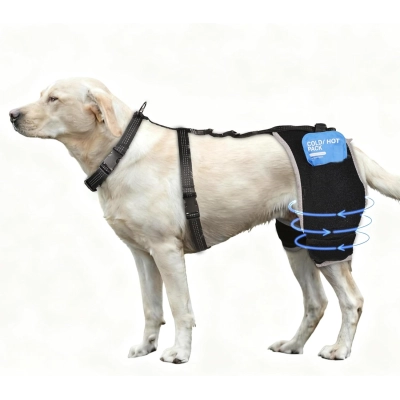
Cold compression |
Lowers pain and swelling |
|
Passive range of motion (PROM) |
Helps joints move better |
|
Standing exercises |
Makes muscles stronger and steadier |
|
Underwater treadmill |
Gives full-body exercise that is gentle |
|
Leash walking |
Helps your dog move safely |
|
Laser therapy |
Speeds up healing and lowers pain |
Massage, stretching, and acupuncture can also help with pain and muscle tightness. Always follow your veterinarian’s advice for rehab and home care.
Pain control and joint supplements
Pain control is very important for patellar luxation. Your veterinarian may give anti-inflammatory medicine to lower pain and swelling. Joint supplements like omega-3s, UC-II collagen, and curcumin help the joints. These can make your dog more comfortable and protect the knee.
-
Use pain medicine as your veterinarian says.
-
Give joint supplements every day for extra help.
-
Watch for pain signs like limping, licking the knee, or not wanting to walk.
Note: Always talk to your veterinarian before starting new supplements or medicine.
Supportive bracing
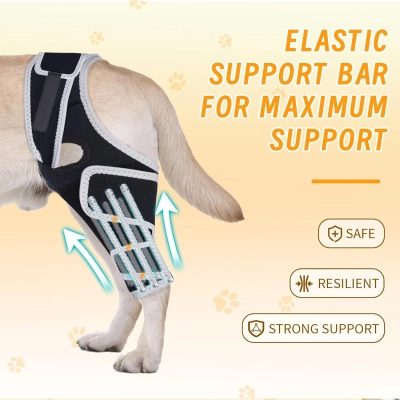
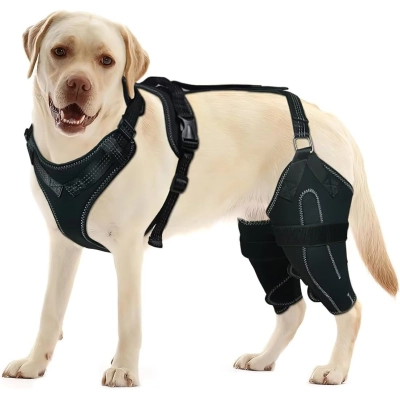
A brace can help keep the patella in place and give your dog more support. Braces work best for mild cases or dogs who cannot have surgery. A good brace gives side support, lowers joint stress, and helps your dog feel safer. Hinged braces often give the best mix of support and movement.
-
Use the brace during walks, play, or rehab as told.
-
Check the fit often to stop rubbing or slipping.
-
Use bracing with other treatments for the best results.
Remember: Non-surgical care works best when you use all these steps together. Regular check-ups with your veterinarian help you see progress and change the plan if needed.
Table: Common Non-Surgical Treatment Options
|
Treatment Type |
Description |
|---|---|
|
Weight management |
Keeps joint stress low and helps healing |
|
Activity modification |
Stops more injury and keeps muscles strong |
|
Physical therapy or hydrotherapy |
Builds muscle, helps stability, and improves movement |
|
Pain control medications |
Lowers pain and swelling for comfort |
|
Joint supplements |
Helps cartilage and joint health |
|
Supportive bracing |
Gives extra knee support and helps keep the patella in place |
By using these non-surgical treatments, you help your dog stay active and happy. Home care, rehab, and regular checks help you spot pain early and keep your dog moving safely.
How a dog leg brace for luxating patella works
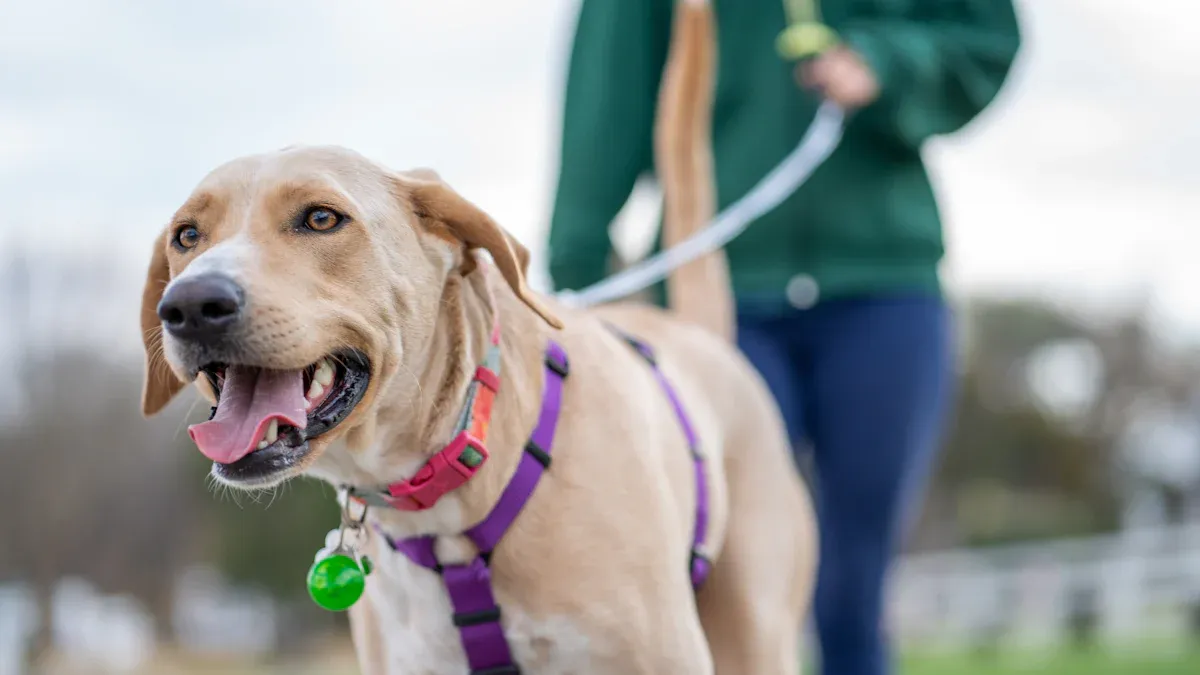
Types of braces
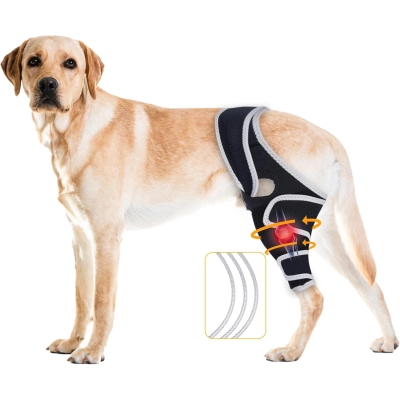
You can find several types of braces for dogs with luxating patella. Each type gives different levels of support and comfort. Most braces use strong but soft materials that wrap around your dog’s knee. Some braces have hinges that let your dog move the knee in a natural way. Other braces use double layers for extra stability. You will see these main types:
-
Hinged dog knee braces help your dog walk with a normal motion. The hinges move with your dog’s leg.
-
Double dog knee braces give more support and comfort. These braces work well if your dog needs extra help.
-
Many braces have adjustable straps. You can make the braces fit snugly so they do not slip.
-
Custom-made braces fit your dog’s leg shape. These braces often use hinges and soft padding.
Braces can prevent more injuries and slow down arthritis. You should choose braces that match your dog’s needs and size.
How braces support the knee
Braces support your dog’s knee in many ways. The main job of braces is to keep the kneecap in place and stop it from sliding out. Braces use compression to make the knee feel stable. Your dog learns to use the leg better with braces, which can help muscles get stronger. Braces also stop the lower leg from moving forward too much. This protects the knee from more harm.
Here is a table to show how braces help:
|
Feature |
Description |
|---|---|
|
Joint Stabilization |
Braces stop harmful sliding or twisting. They control knee motion naturally. |
|
Muscle-Powered Fit |
Braces use your dog’s muscle power to stay in place. |
|
Balanced Support |
Braces spread weight across all legs. This lowers strain on the bad knee. |
|
Comfort for Daily Life |
Braces let your dog walk, rest, and climb without pain or pressure points. |
Braces let your dog move safely. You can use braces during walks, play, or rest. Braces help your dog feel more confident every day.
Benefits and drawbacks
Braces give many benefits for dogs with luxating patella. Braces stabilize the joint and reduce pain. Your dog can walk and stand with less trouble when using braces. Braces lower swelling and protect healing ligaments. Braces can slow down arthritis and help your dog move better.
You will see these benefits with braces:
-
Less knee pain during walking and standing
-
Better weight-bearing and smoother walking
-
Lower swelling and less inflammation
-
More protection for the knee as it heals
-
Slower arthritis progression
Braces need time and care to use well. You must check the fit often and watch for any rubbing. Not every dog or owner will find braces easy to use. Braces work best when you use them as part of a full care plan. You should always talk to your veterinarian about using braces for your dog.
Tip: Braces do not replace surgery for severe cases. Use braces with other treatments for the best results.
Choosing and fitting a dog leg brace
Selecting the right brace
You want the best support for your dog’s knee. Picking the right brace makes a big difference. Look for a brace that matches your dog’s size and needs. Some braces work better for luxating patella, like hinged or double knee braces. Always check the quality and make sure the brace will last through daily walks and play. Talk to your veterinarian before you buy a brace. Your veterinarian knows what will help your dog most.
|
Criteria |
Description |
|---|---|
|
Size and Fit |
Make sure the brace fits snugly and comfortably on your dog's leg. |
|
Type of Brace |
Choose a brace designed for luxating patella, such as hinged or double knee braces. |
|
Quality and Durability |
Pick a high-quality dog brace made from strong materials. |
|
Consultation |
Ask your veterinarian to help you select the right brace for your dog. |
Tip: Measure your dog’s leg carefully before ordering a brace. A good fit helps your dog move better.
Proper fitting and adjustment
You need to fit the brace the right way. Start by choosing the correct size for your dog’s leg. The brace should feel snug but not too tight. Your dog should move freely without the brace slipping. If you feel unsure, ask your veterinarian or a canine rehab therapist for help.
-
Pick a brace that matches your dog’s size.
-
Make sure the brace is snug but not tight.
-
Let your veterinarian or rehab therapist check the fit.
Check the brace often. Adjust the straps if you see any slipping or rubbing.
Monitoring comfort and progress
You want your dog to feel comfortable and safe. Follow these steps to track your dog’s progress:
-
Work with your veterinarian and a rehab therapist who knows about braces.
-
Measure your dog’s leg to keep the fit just right.
-
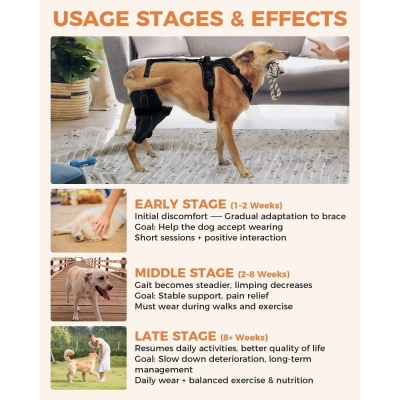
Start with short times wearing the brace. Slowly increase the time as your dog gets used to it.
-
Watch for skin redness, sores, or changes in how your dog walks.
-
Use the brace with weight control and rehab exercises for the best results.
Note: If you see any problems, stop using the brace and call your veterinarian.
Integrating bracing with other non-surgical care
Combining bracing with weight management
You help your dog most by using a leg brace and keeping their weight healthy. Too much weight puts extra stress on your dog’s knees. Dogs who weigh less move easier and feel less pain. Bracing supports the knee, but weight control helps the brace work better. Many veterinarians say dogs do best when you use bracing, weight management, and physical therapy together. This plan gives your dog the best chance to stay active and happy.
Here is a quick look at how these methods work together:
|
Approach |
Benefit for Your Dog |
|---|---|
|
Bracing |
Supports the knee and reduces pain |
|
Weight Management |
Lowers stress on joints and aids movement |
|
Physical Therapy |
Builds muscle and improves stability |
|
Combined Plan |
Gives better results than rest alone |
Tip: Weigh your dog every month. Change food portions if your dog gains weight.
Exercise and activity tips
You want your dog to get stronger without hurting their knee. Pick safe, low-impact activities for your dog. Short, slow leash walks help build muscle. Swimming is gentle and lets your dog move without pressure on the joints. If you can, try underwater treadmill therapy to help your dog walk better. Do simple strength exercises like sit-to-stand drills or walking over soft poles. Balance games on soft mats help your dog’s coordination.
-
Short, slow leash walks 🦮
-
Swimming or gentle water play
-
Underwater treadmill sessions (if available)
-
Sit-to-stand exercises
-
Walking over cavaletti poles
-
Balance games on soft surfaces
Note: Do not let your dog jump, run on slippery floors, or play rough. These things can make the knee worse.
Supplements and ongoing support
Supplements can help your dog’s joints feel better. Many veterinarians suggest antioxidants like vitamin C to lower swelling. Omega-3 and omega-6 fatty acids help with joint pain and arthritis. Chondroitin and glucosamine support cartilage and help your dog move better. Give these supplements every day for the best results.
-
Antioxidants (like vitamin C) for less inflammation
-
Omega-3 and omega-6 fatty acids for joint comfort
-
Chondroitin and glucosamine for better mobility
Keep checking your dog’s comfort and activity. Work with your veterinarian to change your plan as your dog’s needs change.
Safety, outcomes, and veterinary guidance
Signs of improvement
You want to see your dog move easier and enjoy daily walks. When you use a well-fitted, hinged knee brace, you may notice several positive changes. Look for these signs that show your dog is improving:
-
Your dog walks with less limping or skipping.
-
Your dog stands up and sits down with more confidence.
-
Your dog plays and moves without hesitation.
-
Your dog seems happier and more active during exercise.
A brace that fits well supports the knee and helps your dog feel steadier. You may see your dog use the leg more often and show less pain.
When to seek re-evaluation
You should check your dog’s condition every week. Watch for changes in walking, skin, and comfort. Write down how long your dog wears the brace and note any problems. Share these details with your veterinarian during regular visits. If you see any of these signs, ask your veterinarian for advice:
-
Your dog limps more or avoids using the leg.
-
You notice redness, sores, or swelling near the brace.
-
Your dog seems uncomfortable or refuses to walk.
-
The brace slips or rubs against the skin.
Tip: Early re-evaluation helps prevent bigger problems and keeps your dog safe.
Can bracing delay or replace surgery?
Bracing helps dogs with mild to moderate luxating patella, especially Grades I and II. You may see less pain and better movement. Braces work well for dogs who still enjoy walks and for older dogs or those with health issues that make surgery risky. However, bracing does not fix the underlying problem. Surgery provides better long-term joint function and lowers the risk of recurrence. For dogs with frequent or severe kneecap dislocation, surgery is the best way to prevent joint damage and arthritis.
|
Treatment Option |
Best For |
Long-Term Outcome |
|---|---|---|
|
Bracing |
Mild cases, older dogs |
Supports movement, not a cure |
|
Surgery |
Severe or frequent dislocation |
Restores joint, prevents damage |
Note: Always talk to your veterinarian about the best plan for your dog’s needs.
You can help your dog move better with a leg brace for luxating patella. Many dogs show less limping and more confidence in just a few weeks. Remember these key points:
-
Choose a brace that fits your dog’s needs and anatomy.
-
Use bracing with weight control and physical therapy for best results.
-
Check the fit often to prevent skin problems.
-
Work with your veterinarian to track progress.
Bracing works best as part of a full care plan. Stay positive and support your dog every step of the way.
FAQ
How long should my dog wear the leg brace each day?
Start with short periods, like 30 minutes. Watch your dog for comfort. Slowly increase the time as your dog gets used to the brace. Most dogs wear the brace during walks or active times.
Can my dog sleep with the brace on?
You should remove the brace at night. Let your dog’s skin breathe and check for any redness or sores. Use the brace only when your dog is awake and active.
How do I clean the dog leg brace?
Use mild soap and warm water. Gently wipe the brace with a soft cloth. Let it air dry before putting it back on your dog. Do not use harsh cleaners.
Will my dog need the brace forever?
Some dogs use the brace for a few months. Others may need it longer. Your veterinarian will help you decide when to stop. Watch your dog’s progress and ask for advice during check-ups.
0 Comments