
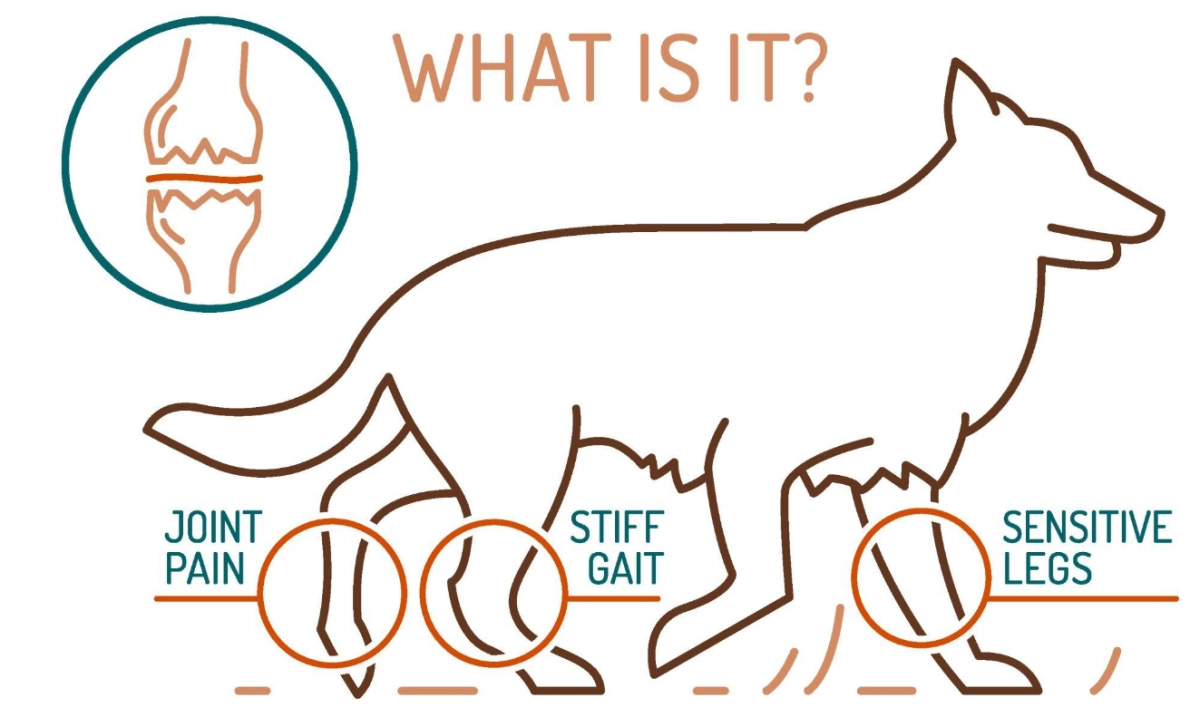
If your dog struggles with arthritis, you see how pain limits their movement. Osteoarthritis affects about 20% of adult dogs and often leads to stiff joints and less activity. Dog braces for arthritis give support, stabilize the joint, and help your dog move with less pain.
Key Takeaways
-
Dog braces for arthritis help support sore joints. They make it easier for your dog to move. Your dog will feel less pain when walking.
-
Picking the right brace is very important. A brace that fits well can help your dog walk better. It can also make your dog feel more comfortable.
-
You should always ask your veterinarian for advice. They can help you choose and use the right brace. This makes sure the brace is good for your dog's needs.
Dog Braces for Arthritis: What Are They
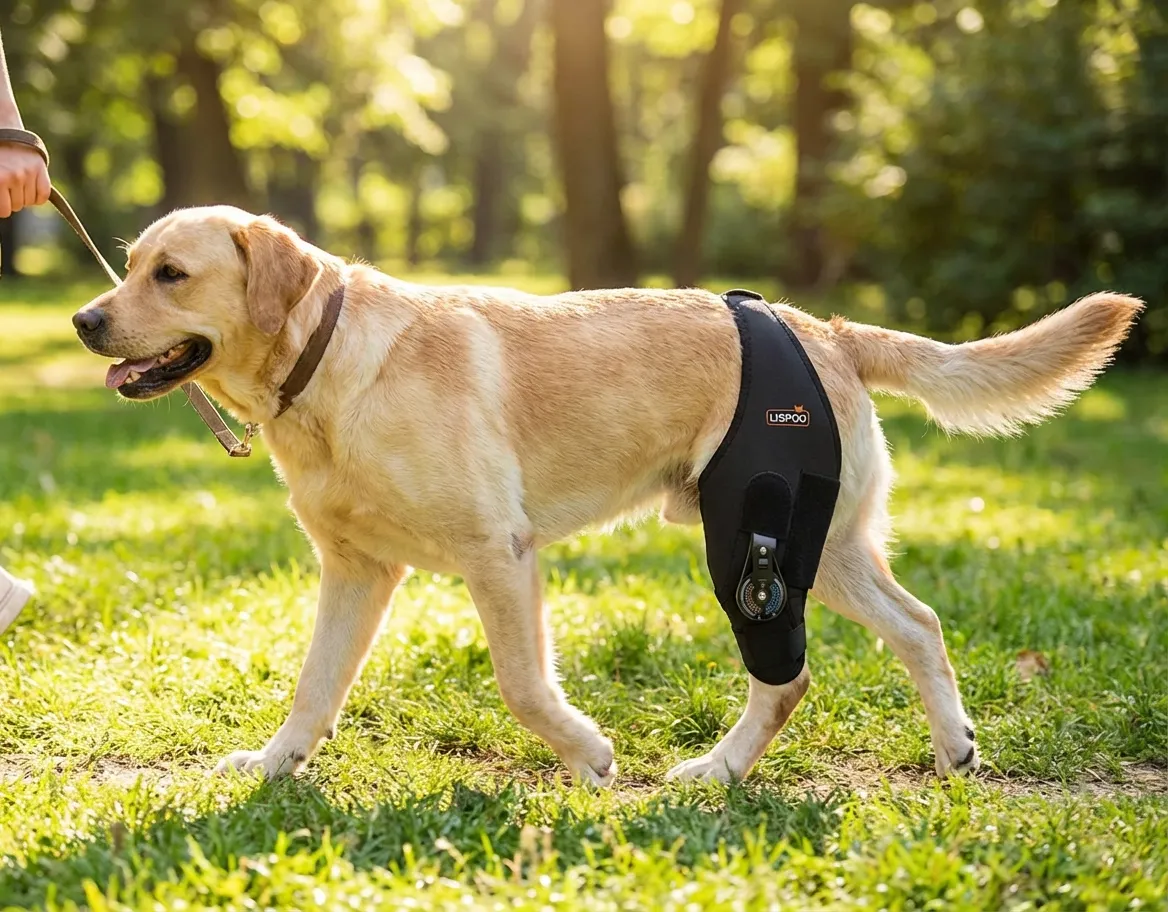
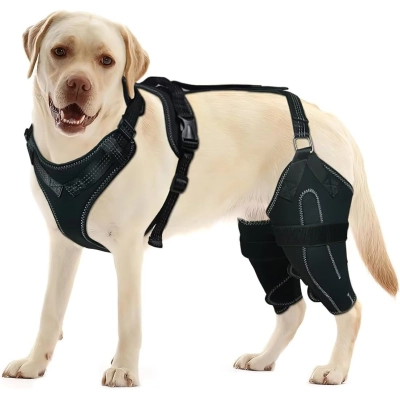
Lispoo Dog Knee Brace Adjustable Hinged Stifle Stabilizer for Torn ACL/CCL
Definition and Purpose
When a dog has arthritis, it can hurt to move. Dog braces help by giving extra support to sore joints. These braces keep the joint steady and help lower pain. This makes it easier for dogs to walk or run. People use dog arthritis braces for many problems, but they work best for arthritis. A brace that fits well works better and feels nicer for your dog.
Dog leg braces help with arthritis by holding the joint steady. This support can make pain less and help dogs stay active. Other supports, like splints, are for injuries and not for arthritis. Braces for arthritis help dogs move better and feel happier.
Tip: Always talk to your vet to find the right brace for your dog.
Types of Dog Leg Braces
There are different dog braces for different joints. Here are some common types:
-
Carpal splints help the lower front leg. Some cover the paw and wrist, and some just the carpal joint.
-
Hock splints, or canine tarsal braces, help the lower back leg and hock joint.
-
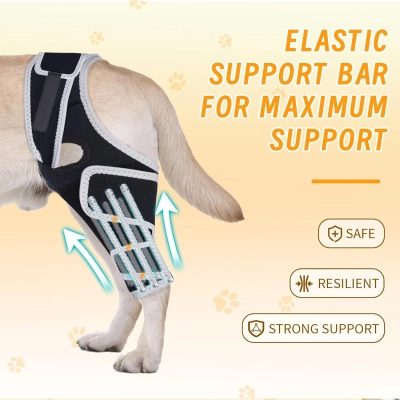
Dog knee braces, or stifle braces, help the knee with arthritis or other problems. Small dogs can use knee braces to stop muscle loss and keep the knee steady.
-
Elbow braces are made for each dog and help elbows with arthritis or weak joints.
|
Brace Type |
Key Benefits |
|---|---|
|
Knee Braces |
Keep joints steady, help dogs move, lower pain, stop injuries |
|
Hock Braces |
Hold the tarsal joint, lower pain, help healing, help dogs move |
|
Hip Braces |
Help with hip dysplasia, help dogs move and feel better |
|
Front Leg Braces |
Hold elbows, wrists, or shoulders steady, lower pain when moving |
Dog leg braces can be custom-made or bought ready to use. Custom braces fit your dog best and give special support. Ready-made braces are easy to buy but may not fit as well.
Passive Support: Stabilization and Load Distribution
Joint Stabilization
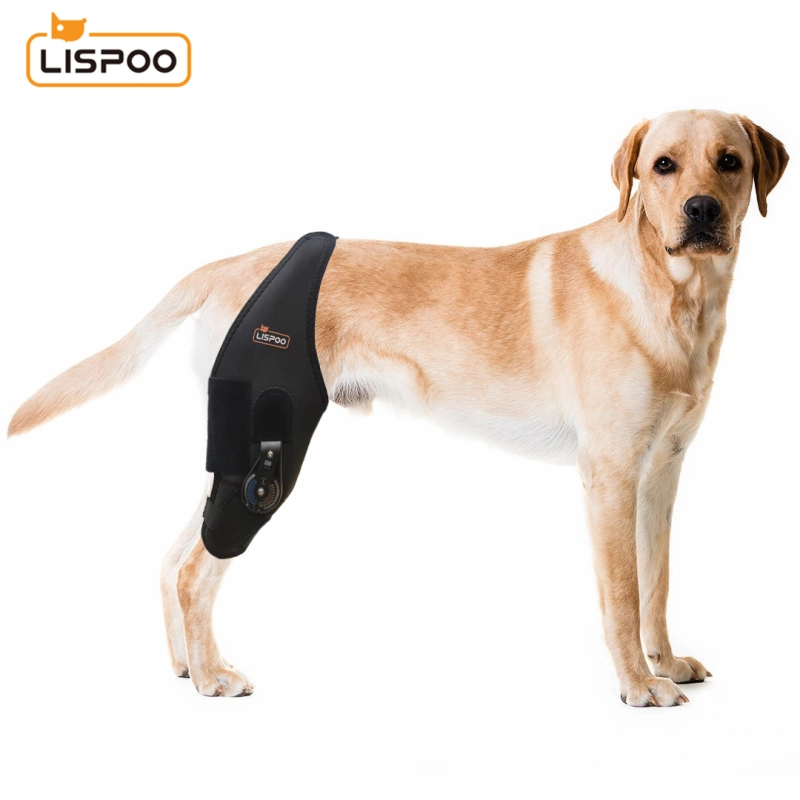
You want your dog to feel steady when they walk. Dog leg braces act like an extra layer of support for weak or painful joints. These braces work by holding the joint in place and stopping it from moving too much. When your dog has arthritis, the joint can become loose and unstable. The brace helps by acting like an outside ligament. It keeps the bones in the right spot and stops them from grinding together. This reduces pain and helps your dog move with more confidence. Braces also help your dog use their muscles better and get less tired during walks.
Dog leg braces provide mechanical support that stabilizes the joint. For example, in the knee, the brace can counteract the forces that make the joint slip forward. This makes the knee more stable and helps your dog walk without wobbling. You will see your dog stand taller and move with less pain.
Load Offloading and Force Redistribution
Braces for dogs with arthritis do more than just hold the joint steady. They also spread out the weight your dog puts on their leg. This means less pressure on the sore spot and more comfort for your pet. Custom braces fit your dog’s leg shape and walking style. They shift some of the weight away from the painful joint and protect healthy tissues.
Note: A well-fitted brace can help prevent more joint damage and make daily walks easier for your dog.
Here is what research shows about how braces change the way dogs walk:
|
Aspect |
Details |
|---|---|
|
Study Focus |
Investigating the effects of a patient-specific stifle brace on gait parameters in dogs. |
|
Sample |
Five sound, skeletally mature Border Collies. |
|
Method |
Analyzed at walk and trot using an instrumented treadmill. |
|
Key Findings |
Significant changes in loading on hind limbs with no adverse changes to gait patterns. |
|
Conclusion |
Custom-made orthotic supports injured knees without limiting step length or symmetry. |
You can help your dog by choosing a brace that fits well and gives the right support. This will let your dog move better and feel less pain every day.
Active Biomechanical Control: Gait and Movement
Range of Motion Control
You want your dog to move without pain. A good brace helps control how much the joint moves. Hinged braces let your dog walk and run. But they stop the joint from bending too far. This keeps the joint safe and helps with arthritis. The brace makes sure your dog does not twist or stretch the leg too much. This support helps your dog feel steady and strong.
Here is how braces help dogs move and feel better:
|
Benefit |
Description |
|---|---|
|
Joint Stabilization |
Gives support to the joint and stops extra movement that causes pain. |
|
Reduced Inflammation |
Lowers stress on the joint, which helps healing and lessens pain. |
|
Support for Weak Muscles |
Helps dogs keep balance and move without being scared of falling. |
|
Improved Mobility |
Makes it easier for dogs to move and do daily things. |
|
Reduced Strain on Compensating Limbs |
Spreads weight across all legs, which helps stop more injuries. |
Proprioception and Gait Improvement
A brace does more than just hold the leg. It helps your dog know where their leg is. This is called proprioception. When your dog wears a brace, it gives gentle pressure. This helps the brain feel where the leg is. Your dog learns to walk with better balance and trips less.
Studies show these things:
-
A 2018 study in Veterinary Surgery Journal found that dogs with braces had better joint use.
-
Dogs with braces had less pain than dogs who only rested.
-
Wearing a brace helps proprioception, which is important for dogs to know where their body is.
-
Better proprioception helps dogs avoid bad walking habits that can make knee pain worse.
You will see your dog walk with more confidence and less pain. The right brace can help your dog enjoy walks and play again.
Secondary Benefits of Dog Leg Braces
Pain Reduction and Comfort
You want your dog to hurt less and feel better. Dog braces for arthritis help by taking pressure off sore joints. When your dog wears a brace, walking hurts less. Studies show that dogs with braces can stand and walk better. You can see these results in the table below:
|
Study |
Findings |
|---|---|
|
Rosen et al. (2022) |
Dogs with custom stifle orthoses could stand better and use their legs more. |
|
Carr (2016) |
Dogs using stifle braces for 90 days had better pressure on their legs and walked more evenly. |
|
Muršec et al. (2025) |
Two dogs with CCL ruptures wore custom knee orthoses and had better weight on both legs and walked more evenly. |
Thermal Support and Circulation
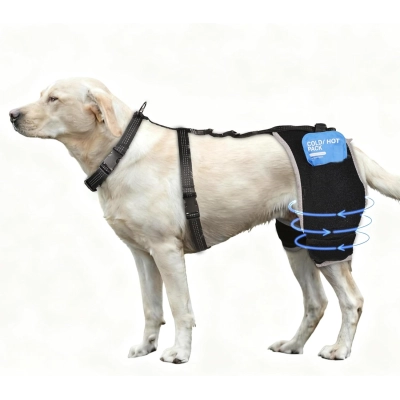
A dog leg brace can give gentle warmth to your dog’s leg. This warmth helps blood flow better and lowers swelling. Good blood flow brings food to the joint and takes away waste. Your dog feels better and heals faster. Dog leg braces give thermal support, which helps dogs with arthritis and sore joints.
Physical Barrier and Wound Protection
A dog leg brace works like a shield for your dog’s leg. It keeps your dog from licking, biting, or scratching the spot. This helps wounds heal and stops infection. You keep your dog safe and help them get better after surgery or injury.
Psychological Comfort
You see your dog feels braver when wearing a brace. The support makes your dog feel safe. Your dog stays active and likes going for walks. Many owners say their dogs act more confident and want to play more. Dog leg braces help your dog feel happy and secure, not just healthy.
Effectiveness and Benefits of Dog Leg Braces
Evidence and Success Rates
You want to know if dog leg braces work. Many studies show good results for dogs with arthritis. Researchers watched how braces change the way dogs walk and stand. The table below shows what they found:
|
Evidence Type |
Study Reference |
Findings |
Limitations |
|---|---|---|---|
|
Prospective Trial |
Rosen et al., 2022 |
All stifle-braced dogs put more weight on their legs; most had only mild problems |
Small group; short study time |
|
Retrospective Study |
Carr, 2016 |
Dogs used their legs better after 90 days |
No control group; looked back at cases |
|
Case Report |
Muršec et al., 2025 |
Two dogs walked more evenly with braces |
Very few dogs in the study |
|
Expert Consensus |
Dycus & Carr, 2015; VCA Hospitals, 2024 |
Braces are good for dogs who cannot have surgery; surgery is still best |
No big studies yet |
Most dogs walk better and use their legs more evenly after wearing braces. Some studies had only a few dogs or lasted a short time. Experts say braces help dogs who cannot get surgery.
Dog owners often talk about how braces helped their pets. Here are some things they notice:
-
Dogs feel less pain and enjoy daily life more.
-
Dogs move easier and feel more sure when walking.
-
Dogs play and exercise more often.
-
Dogs keep their balance and do not fall as much.
-
Dogs walk in a more normal way.
-
Dogs feel braver and like to explore.
Mobility and Quality of Life Improvements
You want your dog to walk better and feel happier. Many owners see big changes after their dogs wear braces for arthritis. You may notice your dog walks farther, plays more, and rests with less pain. Research backs up these stories:
-
Owners see their dogs move better after getting a brace.
-
Many dogs limp less and feel more comfortable.
-
After 90 days, dogs put weight on their sore leg more evenly.
-
Dogs with braces walk in a more balanced way.
You may also see your dog stand taller and use both legs the same. These changes mean less pain and more freedom for your dog.
Note: Most dogs get used to braces, but some may have small problems like skin rubbing or the brace slipping. You can fix these problems by making sure the brace fits well and checking with your vet.
You help your dog live better when you pick the right brace. Dog leg braces can keep your pet active, happy, and comfortable.
Choosing and Using Braces for Arthritis
Fit and Material Considerations
When choosing a dog leg brace, you need to focus on fit and material. A brace that fits well gives your dog support, keeps the joint steady, and helps lower pain. If the brace does not fit, your dog may feel uncomfortable or even get hurt. The material matters too. Some braces use soft, breathable fabrics for comfort. Others use strong plastics for extra support. You should look at the padding, hinges, and straps. Each part helps the brace work better for your dog's needs. Understanding these details helps you make the best choice for your pet.
Veterinary Guidance
You should always ask your veterinarian for help when choosing a dog leg brace. Your vet knows your dog's health and can guide you to the right brace. They check the fit and make sure the brace supports your dog well. Your vet also suggests the best type for your dog's comfort and safety. Here are ways your vet helps:
-
Gives advice based on your dog's needs
-
Checks the fit of the brace
-
Recommends the best options for your dog's health
If you notice signs a dog may need a leg brace, such as limping or trouble standing, talk to your vet right away.
Care and Maintenance
You must keep the brace clean and in good shape. This helps your dog stay healthy and makes the brace last longer. Follow these steps:
-
Take the brace apart and soak it in warm water with detergent for five minutes.
-
Gently scrub away dirt with a cloth or toothbrush.
-
Rinse the brace well under water.
-
Let it air-dry or use a hairdryer on a cool setting.
You should also check the brace for rubbing or slipping. Watch for any skin problems. The table below shows more tips for using braces:
|
Recommendation |
Description |
|---|---|
|
Custom Fit |
Use casting or scanning for the best fit and comfort. |
|
Owner Compliance |
Make sure your dog wears the brace every day and check often. |
|
Veterinary Oversight |
Visit your vet for regular checks and adjustments. |
|
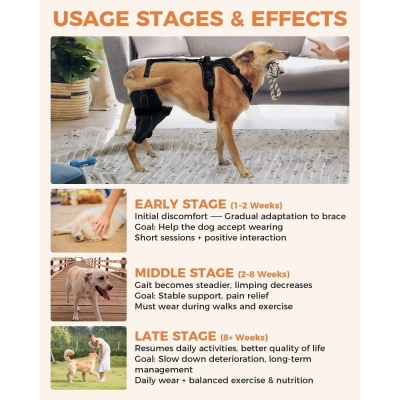
Gradual Introduction |
Start with short sessions to help your dog get used to the brace. |
|
Regular Cleaning |
Clean the brace to stop odors and infections. |
|
Monitoring for Comfort |
Look for skin irritation or swelling. |
|
Integration with Rehabilitation |
Use the brace with therapy and weight control for best results. |
By following these steps, you help your dog get the most from their brace and stay active.
Limitations and Considerations
When Braces May Not Help
You want the best for your dog, but braces do not solve every problem. Some dogs with severe arthritis may not get enough relief from a brace alone. If your dog cannot walk or stand even with support, you may need to look at other treatments. Dogs with open wounds or skin infections on the leg should not wear a brace until the area heals. If your dog has a knee that is completely locked or fused, a brace will not restore movement. Always ask your veterinarian if a brace is right for your dog's condition.
Potential Drawbacks
You should know that using a brace can have some challenges. Many dogs experience minor issues when they first start wearing a brace. Here are some common problems you might see:
-
Skin irritation or pressure sores can happen, especially in the first few weeks. About half of dogs may show redness or sore spots.
-
The brace might slip out of place if it does not fit well or if your dog moves a lot.
-
Mechanical wear can occur over time, so you need to check the brace for damage.
-
Some dogs do not like wearing a brace and may try to remove it.
Most of these problems are minor. You can often fix them by adjusting the fit, letting your dog get used to the brace slowly, and visiting your vet for regular check-ups. Paying attention to your dog's comfort helps prevent bigger issues and keeps your pet safe.
Dog leg braces help joints by giving support and helping movement. They use passive support to keep joints steady. They also use active control to help your dog walk better. To get the best results, pick the right brace for your dog. Work with your vet to make sure it fits well. Use the brace with other treatments for arthritis. Look at the benefits and limits in the table below before you start.
|
Benefits of Dog Leg Braces |
Limitations of Dog Leg Braces |
|---|---|
|
Help dogs move and feel better |
Do not replace surgery |
|
Custom fit works best |
Some problems can happen |
|
Can use with therapy |
Not much proof for long-term use |
|
Good for some injuries and dogs who cannot have surgery |
Work best for short-term help |
-
Begin with short times wearing the brace. 2. Check your dog’s skin every day. 3. Wash the brace once a week. 4. Give your dog easy exercise and joint care.
Tip: Always talk to your vet before starting a new plan for arthritis.
FAQ
How long should my dog wear a brace each day?
Start with short sessions. Let your dog wear the brace for 15–30 minutes. Slowly increase the time as your dog gets comfortable.
Can my dog sleep with the brace on?
You should remove the brace at night. This gives your dog’s skin time to breathe and prevents irritation.
How do I clean my dog’s arthritis brace?
Use mild soap and water. Gently scrub the brace. Rinse well and let it air-dry before putting it back on your dog.

0 Comments