
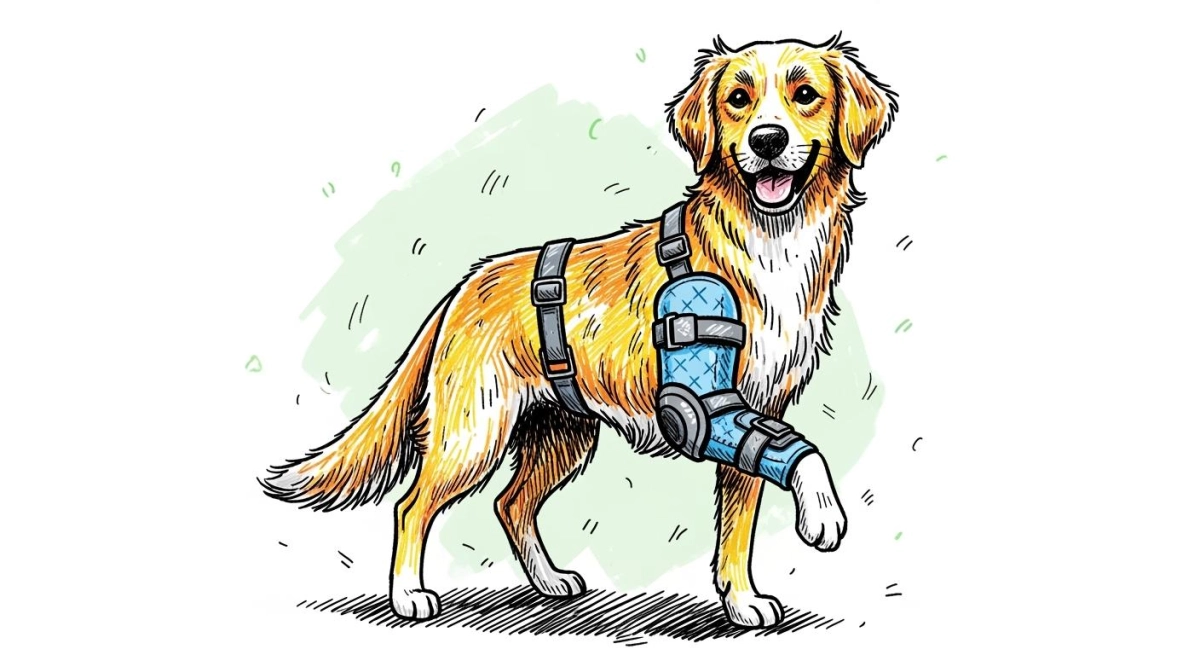
Many dogs experience arthritis as they age. You may notice your dog limping or showing stiffness in the front legs. Studies show up to 80% of dogs over eight years old develop joint problems. A dog elbow brace for arthritis can give your pet extra support and comfort. Clinical research shows that braces help reduce pain, stabilize weak joints, and improve movement. You should check for proper fit, gentle compression, and no skin irritation each time you use the brace.
Key Takeaways
-
A dog elbow brace provides support and comfort for dogs with arthritis, helping to reduce pain and improve mobility.
-
Choose a brace that fits well, offers gentle compression, and is made from breathable materials to ensure your dog's comfort.
-
Start with short wearing sessions of 15 to 30 minutes, gradually increasing time as your dog adjusts to the brace.
-
Regularly check the fit of the brace and your dog's skin for irritation to ensure safety and comfort.
-
Consult your veterinarian for advice on the best brace and care plan for your dog's specific needs.
Understanding Dog Elbow Brace for Arthritis
What Is a Dog Elbow Brace?
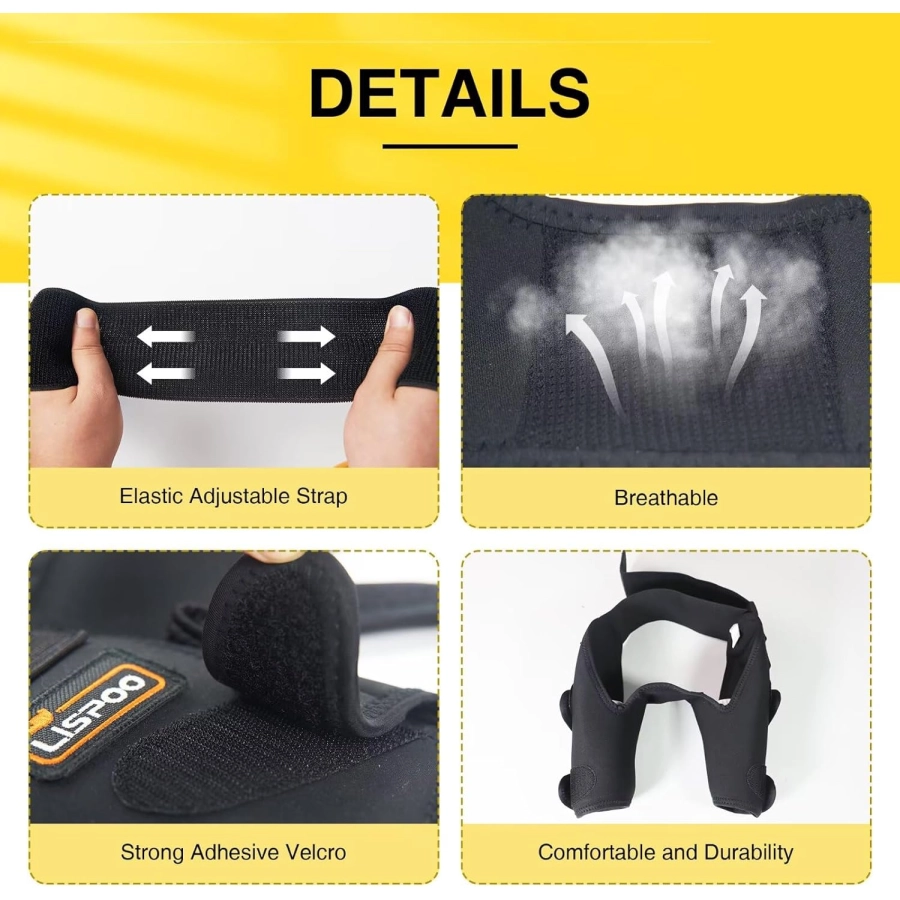
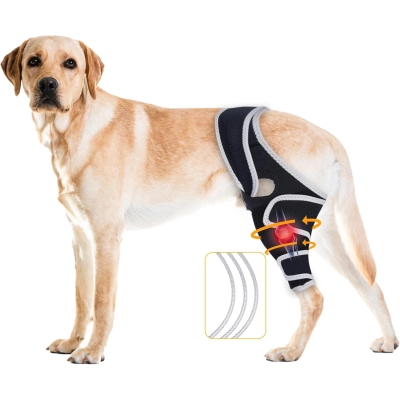
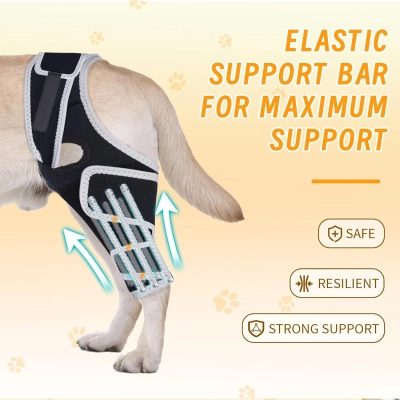
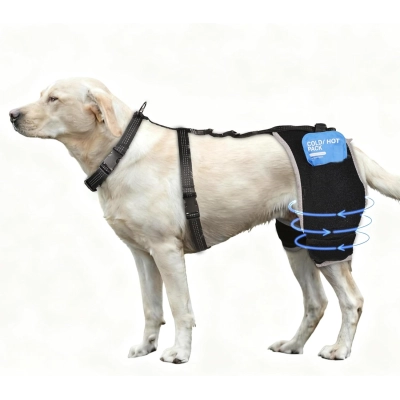
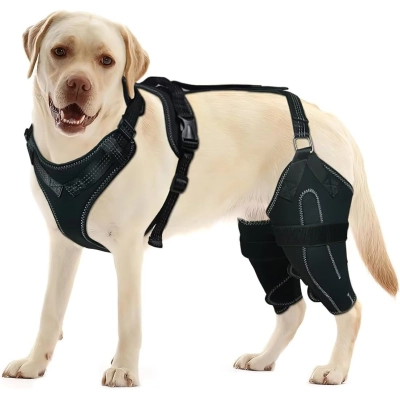
A dog elbow brace for arthritis is a special device that wraps around your dog's elbow joint. You use it to help your dog move with less pain and more stability. Most braces are made from soft, flexible materials like neoprene. These materials provide gentle compression and support. Adjustable straps help you fit the brace securely to your dog's leg.
Dog elbow braces provide front leg support for pets dealing with elbow instability or discomfort caused by an elbow injury. A custom elbow brace provides rigid elbow support and can include a joint or not depending on the nature of your dog’s injury. Jointed elbow braces allow for normal or limited range of motion depending on the need. An elbow brace without a joint keeps the elbow firmly in place.
You can find different types of braces. Some have joints that let your dog move more freely. Others keep the elbow steady and prevent too much movement. The Walkabout Elbow Support Brace uses soft neoprene and adjustable stirrup straps. This design gives comfort and compression to help relieve pain and prevent pressure sores. You can use these braces during activity and remove them when your dog rests.
Here are some benefits of using a dog elbow brace for arthritis:
-
Helps improve daily limping and mobility.
-
Keeps the elbow joint compressed and stabilized.
-
Protects against hard surfaces to prevent pressure sores.
-
Features adjustable stirrup straps for comfort.
-
Can be worn during activity and removed during rest.
How Does a Dog Elbow Brace for Arthritis Support the Front Leg?
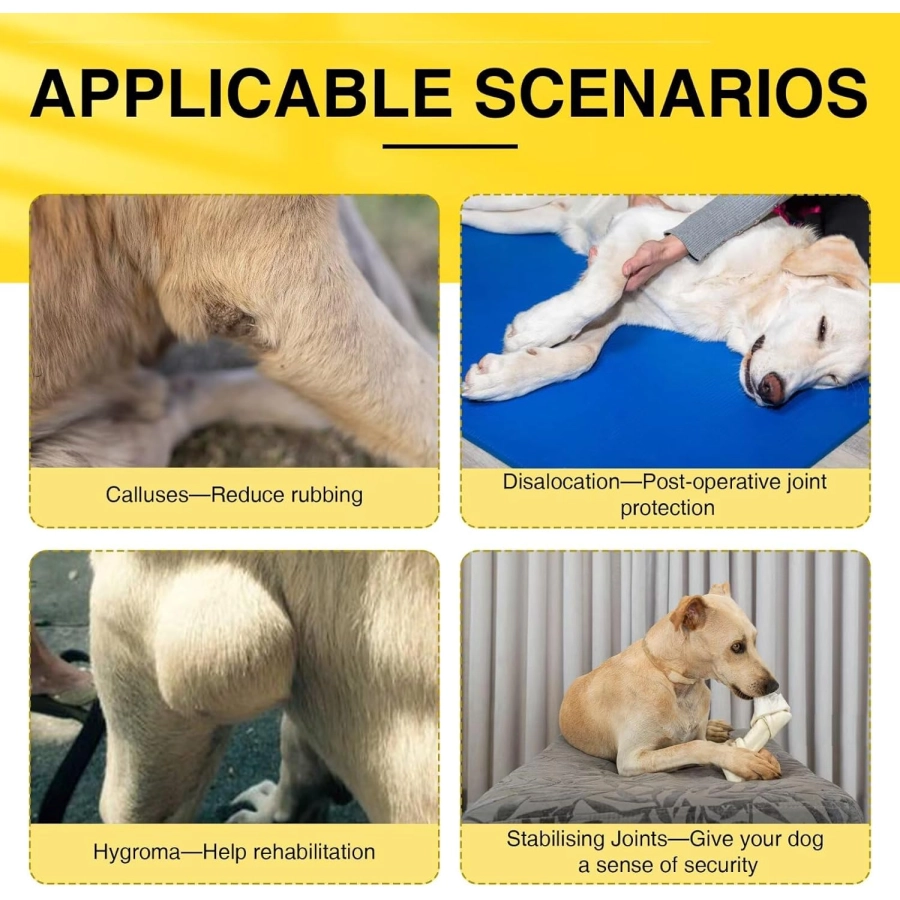
A dog elbow brace for arthritis works by stabilizing the joint and reducing strain. When you fit the brace correctly, it holds the elbow in place and prevents unnecessary movement. This support helps your dog walk with less pain and more confidence.
A well-fitted brace can minimize inflammation and improve balance. Your dog feels steadier and stronger during walks. The brace also redistributes forces across the joint, which prevents grinding and reduces discomfort.
|
Mechanism |
Description |
|---|---|
|
Joint Stabilization |
Braces act like an external ligament, holding the joint in place and preventing excessive movement. |
|
Load Offloading |
They help reduce the load on the affected joint, minimizing pain during movement. |
|
Force Redistribution |
The brace redistributes forces across the joint, preventing grinding and reducing discomfort. |
|
Improved Proprioception |
By stabilizing the joint, braces enhance the dog's awareness of limb position, aiding in balance. |
You can see your dog move more easily and with better posture. The brace helps your dog feel steady and strong, which builds confidence during daily activities.
Choosing the Right Dog Elbow Brace for Arthritis
Key Features for Comfort and Support
When you look for a dog elbow brace for arthritis, you want to make sure it helps your dog feel better and move more easily. The right brace should offer support, comfort, and protection. You can use this checklist to guide your choice:
-
Support and stabilization help prevent further injury and promote healing.
-
Compression reduces swelling and inflammation.
-
Pain relief allows your dog to move more comfortably.
-
Improved mobility helps your dog return to normal activities.
-
Size and fit ensure the brace works well and feels good.
-
Durable, breathable materials keep your dog comfortable.
-
Adjustable and easy-to-use designs make daily use simple.
-
Veterinary advice gives you the best recommendations for your dog.
Veterinarians often recommend braces with these features:
|
Feature |
Description |
|---|---|
|
Increased Mobility |
Lets your dog walk on the injured leg without feeling limited. |
|
Comfort |
Uses lightweight material that does not restrict movement and eases pain. |
|
Pain Relief |
Supports healing and helps your dog stay active. |
|
Reduced Risk of Further Injury |
Stabilizes the elbow to prevent more injuries. |
|
Veterinarian Approved |
Designed with input from veterinarians for safety and comfort. |
Measuring Your Dog’s Front Leg for the Correct Fit
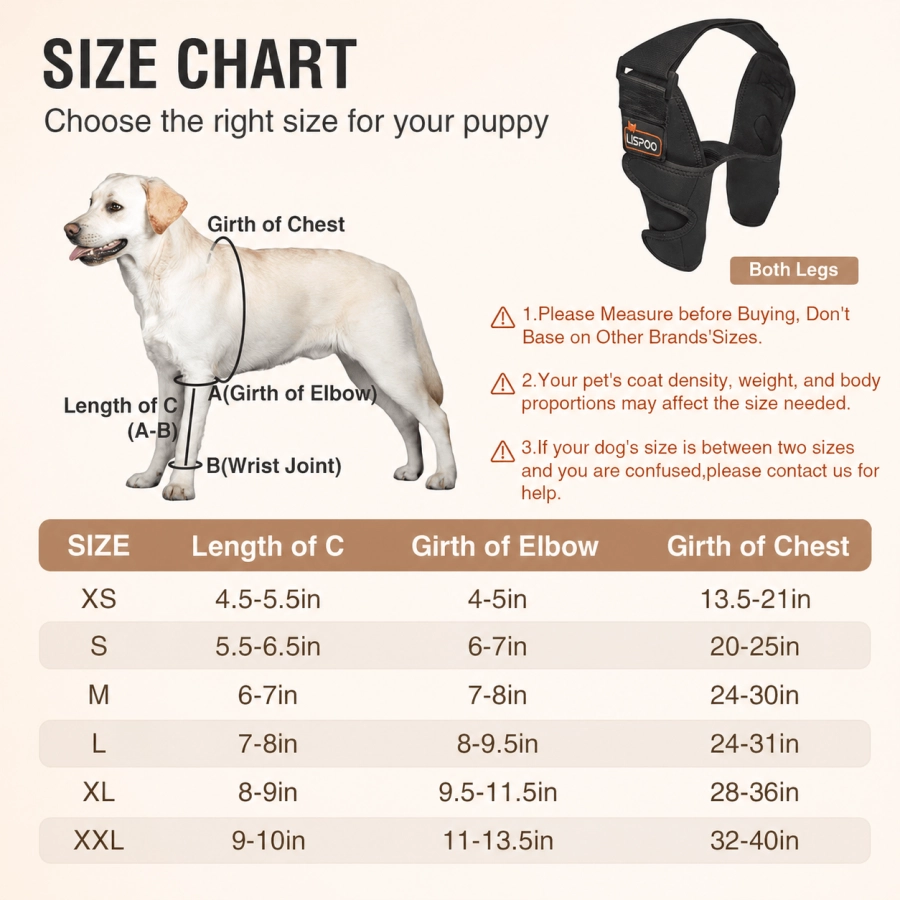
You need to measure your dog’s front leg before you buy a brace. A good fit is important for comfort and support. Use a soft tape measure to check the circumference around your dog’s elbow joint. Measure the length from the top of the leg to just above the paw. Write down these numbers and compare them to the size chart for the brace you want.
Tip: Measure your dog while they are standing. This gives you the most accurate numbers.
If you choose the right size, the brace will stay in place and not slip or rub. A proper fit helps your dog get the most benefit from the brace and keeps them comfortable during daily activities.
Properly Fitting a Dog Elbow Brace for Arthritis
Preparing Your Dog and the Brace
You help your dog feel comfortable by preparing both your pet and the brace before fitting. Dogs often feel nervous when you try something new. You can calm your dog with gentle petting and a soft voice. Place your dog in a quiet area with good lighting. Make sure your dog stands or sits in a relaxed position.
Check the brace for clean surfaces and smooth edges. Look for any signs of wear or damage. You want the brace to be free from dirt and sharp spots. Lay out the brace and straps so you can reach them easily. If your dog has long hair around the elbow, brush it to prevent tangling.
Tip: Offer your dog a treat before and after fitting the brace. This helps your dog associate the brace with positive experiences.
Putting the Brace On Correctly
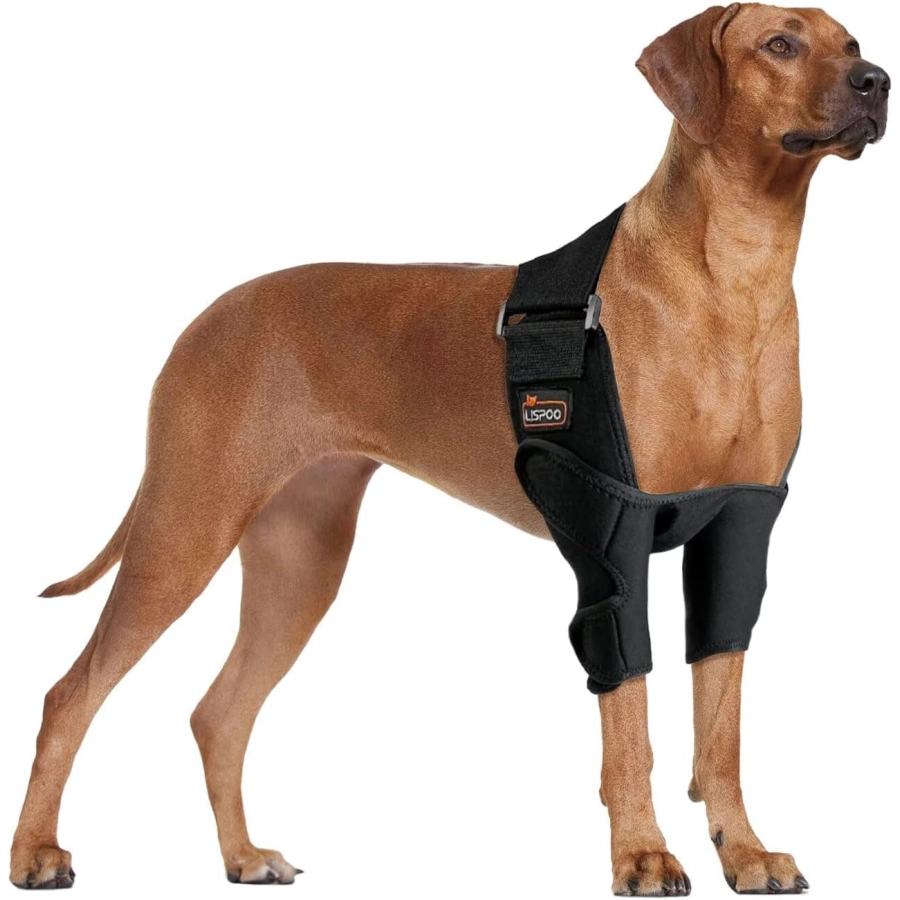
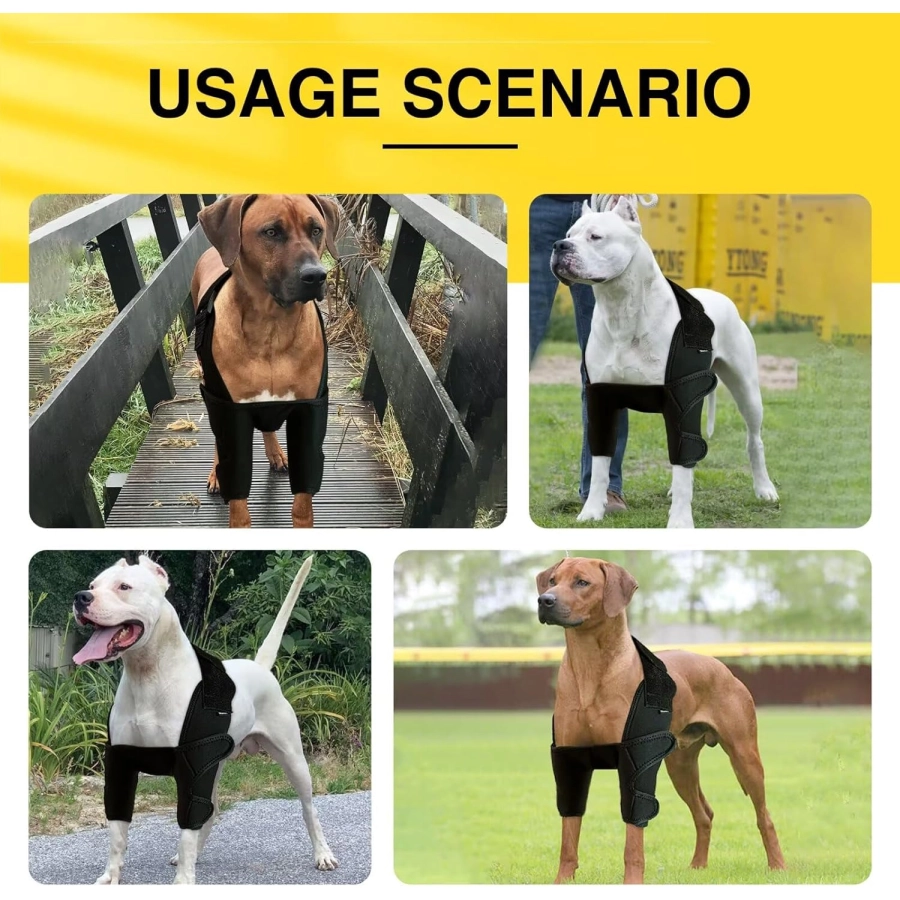
You need to follow the right steps to put the brace on your dog. Start by sliding the brace gently over the front leg. Make sure the brace covers the elbow joint. The brace should align with the natural bend of your dog’s leg.
Hold the brace in place while you secure the straps. Avoid twisting or bunching the material. The brace must sit flat against your dog’s skin. If the brace has a sleeve, pull it up slowly to avoid pinching. Check that the brace does not block your dog’s paw or restrict movement.
Here is a simple checklist for putting the brace on:
-
Slide the brace over the leg, covering the elbow.
-
Align the brace with the joint and natural leg shape.
-
Smooth out any wrinkles or folds.
-
Secure the straps without pulling too tight.
-
Check for free movement of the paw and leg.
Adjusting Straps for Security and Comfort
You adjust the straps to keep the brace secure and comfortable. Straps should hold the brace in place but not squeeze the leg. You can test the tightness by sliding two fingers under each strap. If your fingers fit easily, the brace is snug enough.
Watch your dog walk a few steps. The brace should stay in place and not slip down. If you see the brace move or twist, adjust the straps again. Look for signs of discomfort, such as licking, biting, or limping. If your dog shows any of these signs, loosen the straps or check the fit.
|
Strap Adjustment |
What to Check |
What to Do |
|---|---|---|
|
Too Tight |
Redness, swelling, resistance |
Loosen straps slightly |
|
Too Loose |
Slipping, shifting, rubbing |
Tighten straps gently |
|
Just Right |
Stable, comfortable, no marks |
Keep straps as they are |
Note: You should check the brace and straps every day. This helps prevent skin irritation and keeps your dog comfortable.
You give your dog the best chance for gradual improvement by fitting the dog elbow brace for arthritis correctly. Proper fit supports your dog’s mobility and builds confidence during daily activities.
Signs of Proper Fit and Common Mistakes
You want your dog to feel comfortable and safe when wearing a dog elbow brace for arthritis. A proper fit helps your dog move with confidence and reduces pain. You can check for signs that show the brace fits well. You should also watch for common mistakes that can cause discomfort or harm.
Signs of Proper Fit
-
Your dog walks with steady steps and shows less limping.
-
The brace stays in place and does not slide down or twist.
-
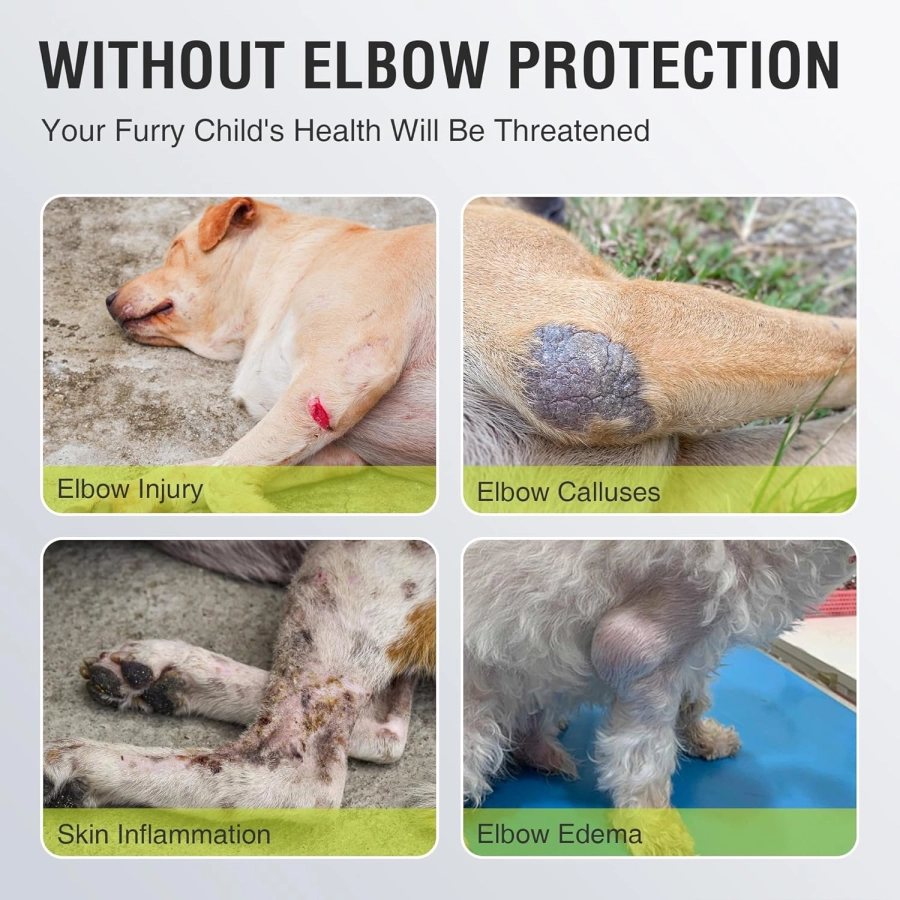
You see no redness, swelling, or hair loss around the elbow.
-
Your dog does not lick, bite, or scratch at the brace.
-
The straps feel snug but allow you to slide two fingers underneath.
-
Your dog can bend the leg and move the paw freely.
Tip: Check your dog’s skin every day. Look for any marks or irritation. Early signs help you fix problems before they get worse.
Common Mistakes to Avoid
Many owners make mistakes when fitting a brace. You can prevent these issues by following simple steps. Here are some mistakes and how to avoid them:
|
Mistake |
What Happens |
How to Fix It |
|---|---|---|
|
Brace too tight |
Causes swelling or pressure sores |
Loosen straps slightly |
|
Brace too loose |
Slides down or rubs the skin |
Tighten straps gently |
|
Incorrect placement |
Misses the elbow joint |
Align brace with elbow bend |
|
Wrinkled material |
Creates pressure points |
Smooth out the brace |
|
Ignoring daily checks |
Misses early signs of irritation |
Inspect skin and brace daily |
-
You should never force the brace onto your dog’s leg.
-
You must avoid using the brace if your dog has open wounds or severe swelling.
-
You need to stop using the brace and call your veterinarian if your dog shows pain or resistance.
Note: A dog elbow brace for arthritis works best when you check the fit often and adjust as needed. Your attention helps your dog feel comfortable and safe.
You can help your dog enjoy better mobility and confidence by watching for signs of proper fit and avoiding common mistakes. Your care makes a big difference in your dog’s daily life.
Using Dog Elbow Brace for Arthritis for Gradual Mobility Improvement
Recommended Wearing Schedule
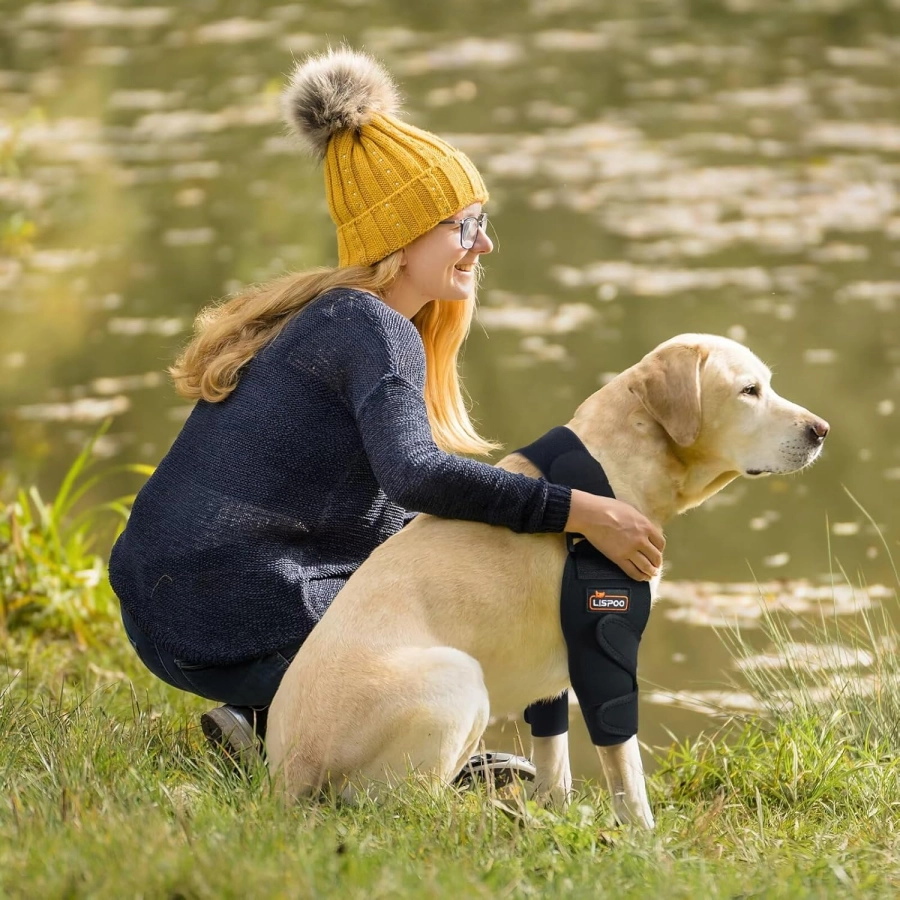
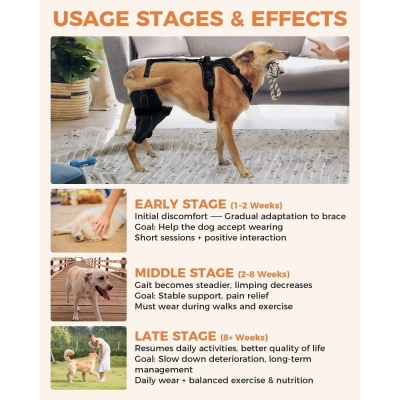
You want your dog to get used to the brace slowly. Start with short sessions. Let your dog wear the brace for 15 to 30 minutes the first day. Watch how your dog reacts. If your dog seems comfortable, you can add more time each day. Most dogs do well with two or three short sessions at first.
After a few days, increase the wearing time. Aim for one to two hours at a time. Give your dog breaks between sessions. Remove the brace during naps or overnight unless your veterinarian says to keep it on. Always follow your vet’s advice for your dog’s special needs.
Here is a simple schedule you can follow:
|
Day |
Wearing Time (per session) |
Number of Sessions |
|---|---|---|
|
Day 1-2 |
15-30 minutes |
2-3 |
|
Day 3-5 |
30-60 minutes |
2-3 |
|
Day 6-7 |
1-2 hours |
2 |
|
Week 2+ |
2-4 hours |
1-2 |
Tip: Always remove the brace if your dog shows signs of discomfort or irritation.
Monitoring Your Dog’s Response and Comfort
You need to check your dog’s comfort every time you use the brace. A good fit helps your dog move better and feel less pain. Here are steps you can follow to make sure your dog stays safe and happy:
-
Make sure the elbow sleeve fits well and does not shift out of place.
-
Use the brace during rest or when your dog walks on hard surfaces.
-
Check your dog’s skin for redness, swelling, or hair loss every day.
-
Watch for licking, biting, or limping. These signs may mean the brace is too tight or loose.
-
Slide two fingers under each strap to test for proper tightness.
-
Talk to your veterinarian often. Your vet can help you decide if the treatment is working.
If you see any problems, adjust the brace or take it off. Call your vet if your dog keeps showing signs of pain or discomfort. You want your dog to feel better, not worse.
Note: Regular checks help prevent sores and keep your dog comfortable.
Encouraging Movement and Building Confidence
You can help your dog feel more confident with gentle encouragement. Start with short walks in a quiet area. Use treats or praise to reward your dog for moving with the brace. Let your dog walk at their own pace. Do not rush or force your dog to move faster than they want.
Try simple activities like walking on grass or carpet. Avoid slippery floors at first. Play gentle games that your dog enjoys. Each positive experience helps your dog trust the brace and feel stronger.
Here are some ways to build your dog’s confidence:
-
Give lots of praise and gentle petting.
-
Use favorite toys to encourage movement.
-
Walk together in calm, safe places.
-
Celebrate small steps and progress.
A dog elbow brace for arthritis can help your dog move with less pain. With your support, your dog can enjoy daily activities and feel more secure.
Care and Maintenance of Dog Elbow Brace for Arthritis
Cleaning and Inspecting the Brace
You help your dog stay comfortable by keeping the elbow brace clean and well-maintained. Dirt, hair, and sweat can build up on the brace, which may cause irritation or reduce its effectiveness. Manufacturers recommend several cleaning methods that protect the brace’s materials and keep it working properly.
-
Hand-wash the brace in cool or warm water with gentle soap.
-
Rinse the brace thoroughly to remove all soap residue.
-
Air-dry the brace flat or hang it up to preserve elasticity.
-
Wipe the brace clean after each use.
-
Remove as much hair as possible from Velcro® using a lint roller or tape.
Tip: Clean the brace regularly to prevent skin irritation and keep your dog’s joint healthy.
You should inspect the brace every time you clean it. Look for dirt, hair, or signs of wear. Check the Velcro® and straps to make sure they still hold securely. If you see any rough spots or loose threads, smooth them out or trim them. A clean, well-maintained brace helps your dog feel comfortable and supports healing.
When to Replace or Adjust the Brace
You need to check the brace often to make sure it still fits and works well. Over time, braces can lose their shape or strength. You should look for signs that tell you when to replace or adjust the brace.
-
Check for fraying, loss of elasticity, or worn-out straps.
-
Inspect the fit to ensure it stays snug but not too tight.
-
Monitor your dog’s skin for any irritation or rubbing.
If you notice the brace slipping, twisting, or causing discomfort, adjust the straps or try a different size. Sometimes, your dog’s leg shape changes as they heal or grow older. You may need to replace the brace if it no longer supports the elbow or if the materials break down.
|
Sign to Watch For |
What It Means |
What You Should Do |
|---|---|---|
|
Fraying or loose threads |
Brace is wearing out |
Replace or repair the brace |
|
Loss of elasticity |
Brace does not support well |
Get a new brace |
|
Skin irritation |
Fit may be wrong |
Adjust or consult your vet |
Note: Regular care and timely replacement keep your dog safe and comfortable. Always check with your veterinarian if you have questions about the brace’s fit or effectiveness.
You help your dog most by choosing a brace that fits well and supports the front leg. A snug brace covers the right part of the leg and keeps your dog stable during movement. You build your dog’s confidence with short, daily sessions and gentle encouragement. Always check your dog’s skin and adjust the brace as needed. For the best results, talk with your veterinarian about ongoing care and the right plan for your dog’s needs.
FAQ
How long should my dog wear the elbow brace each day?
Start with 15 to 30 minutes. Watch your dog’s reaction. Slowly increase the time if your dog feels comfortable. Most dogs do well with 2 to 4 hours daily. Always follow your veterinarian’s advice.
Can my dog sleep with the elbow brace on?
You should remove the brace at night unless your veterinarian says otherwise. Your dog’s skin needs time to breathe. Nighttime rest without the brace helps prevent irritation.
Will an elbow brace cure my dog’s arthritis?
No, an elbow brace does not cure arthritis. It helps support the joint and reduce pain. You should use it as part of a full care plan with your veterinarian.
What if my dog chews or tries to remove the brace?
Check the fit. Make sure the brace is comfortable. Distract your dog with treats or toys. If chewing continues, remove the brace and ask your veterinarian for advice.
How do I clean the dog elbow brace?
Hand-wash the brace with mild soap and water. Rinse well and air-dry. Clean the brace often to keep your dog’s skin healthy.

0 Comments