
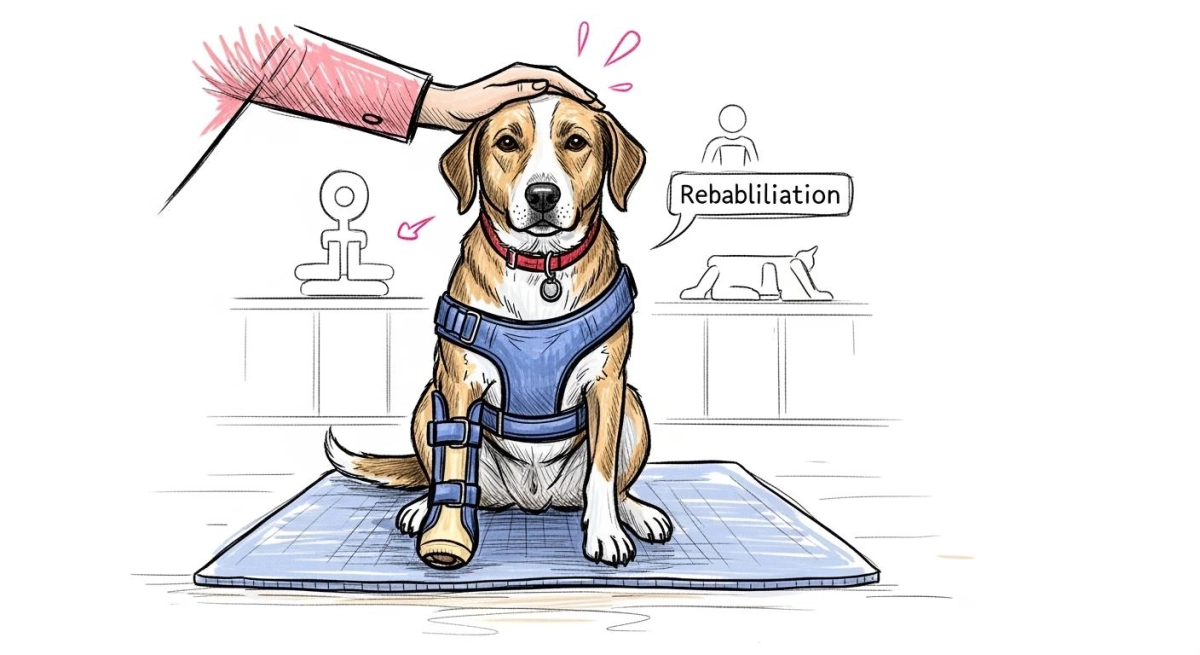
You want your dog to move with less pain. A dog front leg brace arthritis can support weak joints and help your dog walk more comfortably. Many veterinarians recommend these braces because they stabilize the leg, relieve pain, and improve mobility. You can see some main features and benefits below:
|
Feature/Benefit |
Description |
|---|---|
|
Joint Support |
Provides necessary support for dogs suffering from arthritis, helping to stabilize the forearm bones and relieve pain. |
|
Mobility Aid |
Aids in maintaining mobility without restricting movement, crucial for dogs with arthritis. |
|
Safety Features |
Includes reflective straps for visibility and safety during use. |
|
Veterinarian Approval |
Highly recommended by veterinarians for arthritis management. |
|
Comfort |
Made from soft neoprene for comfort during wear. |
|
Custom Fit |
Adjustable design ensures a proper fit, enhancing effectiveness. |
Many owners find braces safe and worth trying. Some veterinarians say braces offer a cost-effective way to improve quality of life, especially for dogs that cannot have surgery. You can include a brace as one part of your dog's arthritis care plan.
Key Takeaways
-
A dog front leg brace provides essential support for arthritic joints, helping to stabilize the leg and reduce pain.
-
Using a brace can improve your dog's mobility, allowing them to walk, play, and engage in daily activities with more confidence.
-
Proper fitting of the brace is crucial; measure your dog's leg carefully and monitor for any signs of discomfort.
-
Combining a brace with other treatments, like medication and physical therapy, can enhance your dog's recovery and overall well-being.
-
Always consult your veterinarian for guidance on the best brace type and care plan tailored to your dog's specific needs.
Dog Front Leg Brace Arthritis: Do Braces Really Work?
How Braces Support Arthritic Joints
You may wonder how a brace can help your dog’s aching front legs. A dog front leg brace arthritis works by giving steady support to weak or painful joints. When you put a brace on your dog, you help control the movement of the wrist or elbow. This support can make walking and standing less painful.
A well-designed brace does more than just hold the leg. It helps your dog in several ways:
-
The brace keeps the joint stable and prevents too much movement that can cause pain.
-
It reduces the load on the joint, so your dog feels less strain when moving.
-
The brace spreads out the forces across the joint, which helps stop grinding and further damage.
-
Gentle pressure from the brace improves your dog’s sense of balance and helps prevent tripping.
Tip: A best dog brace can also help your dog learn to walk with better posture. This can make daily activities easier and safer.
Here is a table that shows how a brace supports your dog’s joints:
|
Mechanism |
Description |
|---|---|
|
Joint Stabilization |
Braces hold the joint in place, preventing excessive movement that can lead to pain and instability. |
|
Load Offloading |
They reduce the load on the joint, minimizing strain and discomfort during movement. |
|
Force Redistribution |
Braces help distribute forces evenly across the joint, preventing grinding and further damage. |
|
Improved Proprioception |
They provide gentle pressure, enhancing the dog's awareness of their leg position for better balance. |
By limiting strain on the joint, a brace not only stabilizes but also helps reduce inflammation. This can make recovery more comfortable for your dog.
What Owners Can Expect
When you use a dog front leg brace arthritis, you want to see real changes in your dog’s comfort and movement. Many owners notice their dogs walk with less pain and show more interest in play. You may see your dog move with more confidence and stand up more easily.
Here are some common results you can expect:
-
Pain reduction: Many dogs feel less discomfort when wearing a brace.
-
Enhanced stability: Your dog may walk with better posture and balance.
-
Healing promotion: The brace can help your dog recover from injuries by reducing inflammation.
-
Increased activity: With less pain, your dog may want to play or go for walks more often.
You can also look at clinical outcomes seen in dogs using braces:
|
Clinical Outcome |
Description |
|---|---|
|
Pain Reduction |
Many dogs experience decreased discomfort when wearing braces. |
|
Enhanced Mobility |
Dogs show improved movement and confidence during activities. |
|
Increased Activity Levels |
With less pain, dogs engage more in play and exercise, promoting health. |
You should remember that every dog is different. Some dogs show quick improvement, while others need more time to adjust. Always check the fit of the brace and watch for any signs of rubbing or discomfort. If you have questions, talk to your veterinarian for advice on using a brace as part of your dog’s arthritis care.
Understanding Arthritis in Dogs’ Front Legs
Signs Your Dog May Have Arthritis
You want to spot arthritis in your dog early. This helps you give the right care and comfort. Dogs often hide pain, so you need to watch for small changes in their movement and behavior. Here are some common signs that your dog may have arthritis in the front legs:
-
Limping or favoring one leg
-
Stiffness, especially after rest or sleep
-
Swollen joints that feel warm to the touch
-
Trouble getting up or lying down
-
Reluctance to jump, climb stairs, or play
-
Pain when you touch the front legs
-
Less interest in walks or exercise
Tip: If you notice your dog struggles to get up in the morning but moves better after a few minutes, this can be an early sign of arthritis.
Dogs of all ages can develop arthritis, but older dogs face a higher risk. Past injuries, genetics, and breed also play a role. Large breeds like Labrador Retrievers, German Shepherds, and Golden Retrievers often show symptoms earlier.
Why Joint Support Matters
You can help your dog manage arthritis by supporting their joints. Joint support does not cure arthritis, but it can slow down the disease and make your dog more comfortable. Here is why joint support matters for your dog:
-
It helps reduce pain and swelling in the joints.
-
It improves your dog’s ability to walk, run, and play.
-
It slows down cartilage breakdown and bone friction.
-
It supports healing after injuries or surgery.
-
It works well with other treatments like weight control, special diets, and physical therapy.
Supplements such as glucosamine, chondroitin, turmeric, and omega-3 fatty acids may help protect your dog’s joints. These can delay the progression of arthritis and keep your dog active longer. You should always talk to your veterinarian before starting any new supplement or treatment.
Note: Joint support works best when you combine it with a healthy diet, regular exercise, and proper weight management.
By understanding the signs and giving the right support, you help your dog enjoy a happier, more active life.
Realistic Benefits of Dog Front Leg Brace Arthritis
Pain Relief and Comfort
You want your dog to feel less pain every day. A dog front leg brace arthritis can help by giving gentle compression and steady support to sore joints. When you use a brace, you help reduce swelling and ease the pressure on painful areas. Many dogs show signs of relief soon after wearing a brace. You may notice your dog resting more comfortably or showing less stiffness after naps.
A brace can also help keep your dog’s leg in a natural position. This support stops the joint from moving in ways that cause pain. Dogs often relax more when they feel stable and secure. You may see your dog licking or chewing less at the sore leg, which is a sign of comfort.
Tip: Watch your dog’s body language. A relaxed tail, calm breathing, and a gentle walk often mean your dog feels better with the brace on.
Improved Mobility and Daily Life
You want your dog to enjoy walks, play, and family time. A dog front leg brace arthritis can make these activities easier. The brace helps your dog walk with better balance and less limping. Many owners see their dogs move with more confidence and energy.
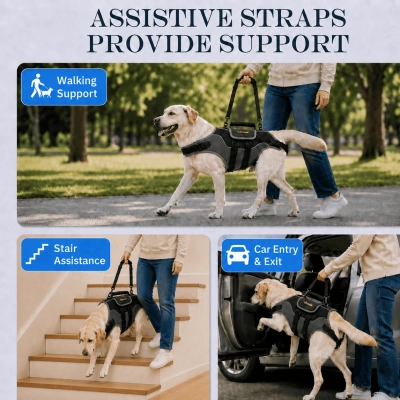
A brace supports the joint so your dog can put more weight on the leg. This support helps your dog stand up, climb stairs, and even jump onto the couch. You may notice your dog wants to go outside more or play with toys again. These changes can bring joy to both you and your dog.
Here is a table showing how a brace can improve daily life:
|
Activity |
Benefit with Brace |
|---|---|
|
Walking |
Less limping, smoother movement |
|
Standing up |
Easier to rise from lying down |
|
Climbing stairs |
More stable and confident steps |
|
Playing |
Increased interest and energy |
Dogs with arthritis often lose interest in daily activities. A brace can help bring back their playful spirit.
Support During Rehabilitation
You may need extra help for your dog during recovery from injury or surgery. A dog front leg brace arthritis plays a key role in rehabilitation. The brace gives support and stability to the front legs, especially around the elbow and carpal joints. This support helps your dog heal by keeping the joint steady and reducing strain.
Braces also prevent further injury by limiting risky movements. When your dog wears a brace, the joint stays in a safe position. This makes it easier for your dog to use the leg without pain. Studies show that dogs wearing a brace can increase limb use by over 5%. Many owners report that their dogs move better and recover faster with a brace as part of their care plan.
Note: Always follow your veterinarian’s advice during rehabilitation. A brace works best when used with other treatments like rest, gentle exercise, and medication.
A dog front leg brace arthritis can make a big difference in your dog’s comfort, movement, and recovery. You give your dog the chance to enjoy life again, one step at a time.
Confidence for Senior Dogs
Senior dogs often lose confidence when arthritis affects their front legs. You may notice your dog hesitating before getting up or walking across slippery floors. This loss of confidence can lead to less activity and even more joint stiffness. When you use a dog front leg brace arthritis, you give your dog the support needed to feel secure again.
A brace helps your dog trust their own movements. The steady support reduces the fear of slipping or falling. Your dog can walk with a more natural gait and stand up without as much struggle. This boost in confidence can change your dog’s daily life in many ways.
Here are some signs that your senior dog feels more confident with a brace:
-
Willingness to explore new areas in the house
-
Eagerness to go outside for walks
-
Less hesitation when climbing stairs or stepping onto curbs
-
More relaxed body language, such as a wagging tail or perked ears
Tip: Watch your dog’s face and tail. A happy, alert expression often means your dog feels safer and more secure.
Confidence also helps your dog stay social. Older dogs sometimes avoid play or interaction because they worry about pain. With a brace, your dog may join family activities again. This social engagement keeps your dog’s mind sharp and spirits high.
You can use the table below to track changes in your dog’s confidence:
|
Behavior Change |
What to Look For |
|---|---|
|
Increased exploration |
Dog moves around the house more freely |
|
Social engagement |
Dog seeks attention or play |
|
Willingness to exercise |
Dog shows interest in walks or games |
|
Calm demeanor |
Dog appears relaxed and content |
A dog front leg brace arthritis does more than support joints. It gives your senior dog the courage to enjoy life again. You help your dog regain independence and happiness, one confident step at a time.
Types of Dog Front Leg Brace Arthritis Solutions
Soft Wrap Braces
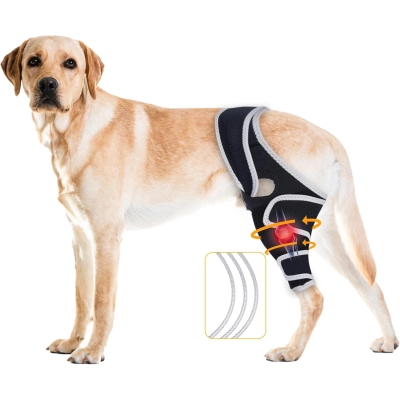
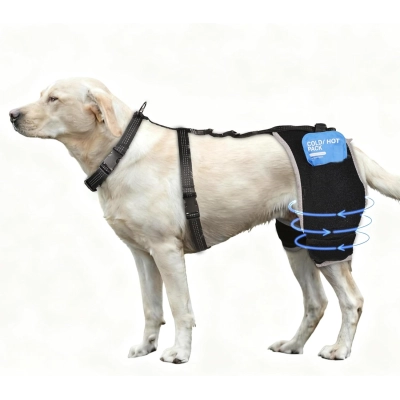
You may notice your dog needs gentle support for daily comfort. Soft wrap braces use materials like neoprene or mesh. These wraps give your dog cushioning and mild compression. Soft braces work well for chronic conditions such as osteoarthritis. They help your dog move more easily and reduce pain without limiting motion. The flexibility of these braces lets your dog walk, play, and rest with less discomfort. You can use soft wraps for mild arthritis or early joint changes.
Soft wrap braces are easy to put on and take off. You can wash them and adjust them for a snug fit.
Semi-Rigid and Rigid Braces
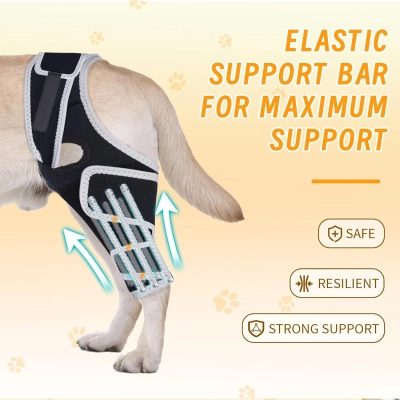
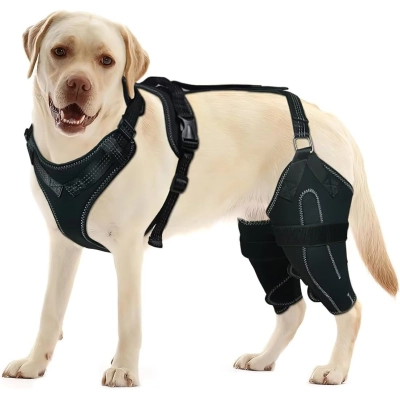
Some dogs need more support for their front legs. Semi-rigid braces include metal springs or removable inserts. These braces give your dog extra stability. They help when your dog has moderate arthritis or needs more control after an injury. Rigid braces or splints hold the leg in place. They work best for dogs who need to limit movement during healing. You may see these used after surgery or for severe joint problems.
Here is a quick guide:
-
Braces with no inserts: Basic support for mild cases.
-
Braces with metal spring support: More stability for moderate arthritis.
-
Leg splints for immobilization: Maximum support for recovery.
Semi-rigid and rigid braces may restrict movement. You should use them when your dog needs strong support and less motion.
Adjustable and Custom-Fit Braces
Every dog has a unique shape and size. Adjustable braces let you change the fit for your dog’s comfort. Many braces have Velcro straps or buckles. You can tighten or loosen them as needed. Custom-fit braces are made for your dog’s exact measurements. These braces give the best support and comfort. Your veterinarian may suggest a custom brace for special needs or unusual leg shapes.
|
Brace Type |
Best For |
Key Feature |
|---|---|---|
|
Adjustable |
Growing dogs, changing needs |
Flexible sizing |
|
Custom-Fit |
Unique anatomy, complex cases |
Tailored support |
You can choose the right brace by looking at your dog’s activity level and joint condition.
Vet-Recommended Options
Veterinarians play a key role in helping you choose the right front leg brace for your dog’s arthritis. You may feel unsure about which brace works best, but your vet can guide you through the process. Vet-recommended options focus on safety, comfort, and effectiveness. You get peace of mind knowing your dog receives the best support for their needs.
When you visit your veterinarian, they look at several important factors before recommending a brace. Here is what you can expect:
-
Veterinary Diagnosis: Your vet examines your dog’s front legs. They check for swelling, pain, and joint movement. This diagnosis helps them understand the exact problem and decide which brace fits best.
-
Custom Fitting: Your vet measures your dog’s leg. They make sure the brace fits snugly and supports the joint. Custom fitting prevents rubbing and slipping, which keeps your dog comfortable.
-
Material Evaluation: Your vet checks the brace material. They look for soft padding and flexible support. The right material helps your dog move easily and avoids skin irritation.
Tip: Always ask your vet about the best brace for your dog’s activity level and arthritis severity. They can suggest options that match your dog’s daily routine.
Vet-recommended braces often come from trusted brands. These braces use quality materials and adjustable straps. You can find soft wraps for mild arthritis, semi-rigid braces for moderate cases, and rigid splints for severe joint instability. Your vet may also suggest a custom-made brace for unique leg shapes or special needs.
Here is a table showing what you get with vet-recommended braces:
|
Feature |
Benefit for Your Dog |
|---|---|
|
Professional Fit |
Prevents discomfort and sores |
|
Quality Materials |
Keeps your dog safe and comfy |
|
Tailored Support |
Matches your dog’s condition |
You help your dog feel better and move with confidence when you follow your vet’s advice. Vet-recommended options give you the best chance for pain relief and improved mobility.
How to Choose the Right Dog Front Leg Brace Arthritis
Key Factors: Size, Material, Adjustability
You want your dog to feel comfortable and supported. Choosing the right brace means looking at several important factors:
-
Materials: Pick braces made from breathable and durable materials like neoprene or nylon. These materials support your dog’s leg and help prevent overheating.
-
Padding: Make sure the brace has enough padding. Good padding stops chafing and keeps your dog comfortable, even during long walks or naps.
-
Flexibility: Look for a brace that allows your dog to move naturally. The right brace supports the joint but still lets your dog walk and run.
Adjustability also matters. Many braces have straps or Velcro closures. You can tighten or loosen these for a snug fit. A well-fitted brace stays in place and works better.
Tip: Measure your dog’s leg carefully before buying a brace. A good fit prevents slipping and rubbing.
Matching Brace Type to Your Dog’s Needs
Every dog has different needs. You should match the brace type to your dog’s arthritis condition. For mild arthritis, a soft sleeve may give enough support. If your dog has more severe joint problems, a semi-rigid or custom brace may work better. Dogs with significant joint instability often need a custom orthotic. This type of brace controls movement and helps with healing.
Choosing the right brace improves stability and mobility. A custom brace fits your dog perfectly and keeps the joint in the right position. This is very helpful for dogs with chronic arthritis. The right brace can make daily life easier and help your dog recover faster.
Consulting Your Veterinarian
You should always talk to your veterinarian before choosing a dog front leg brace arthritis. Your vet knows your dog’s health history and can recommend the best type of brace. Sometimes, your vet may suggest working with a certified orthotist or rehabilitation specialist. These experts make sure the brace fits well and supports the correct movement. They also help you avoid problems like rubbing or poor alignment.
Note: A professional fitting helps your dog get the most benefit from the brace and stay comfortable during daily activities.
Proper Use and Care of Dog Front Leg Brace Arthritis
Fitting the Brace Correctly
You want your dog to feel comfortable and safe in their brace. Proper fitting is the first step. Always measure your dog’s leg carefully and use the sizing chart from the manufacturer. This helps you avoid braces that are too tight or too loose. If the brace does not fit well, your dog may feel pain or develop sores.
Common fitting mistakes include:
-
Improper sizing: Measure your dog’s leg and double-check the chart.
-
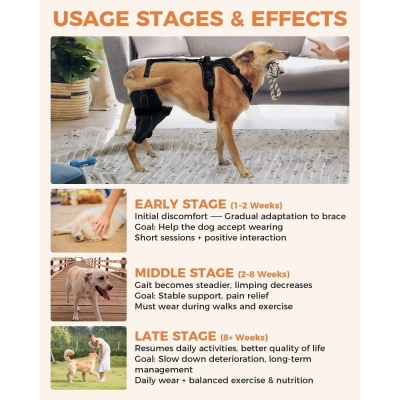
Skipping gradual adaptation: Let your dog wear the brace for short periods at first. Slowly increase the time each day.
-
Ignoring discomfort: Watch for redness, swelling, or signs your dog wants to remove the brace. Adjust the fit if you see any problems.
Tip: A well-fitted brace should not slip or pinch. Your dog should walk naturally and seem at ease.
Safe Usage and Monitoring
You help your dog most when you use the brace safely. Start with short sessions, about 10-15 minutes, and slowly add more time as your dog gets used to the brace. Give treats and praise to make the experience positive.
Follow these steps for safe use:
-
Begin with short wear times and increase gradually.
-
Use treats and gentle words to encourage your dog.
-
Watch your dog’s movement and comfort. Adjust the brace if needed.
-
Check your dog’s skin every day for irritation or sores.
-
Clean the brace each week to keep it fresh and safe.
If you notice any limping, licking, or changes in behavior, remove the brace and check for problems.
Cleaning and Maintenance
Keeping the brace clean protects your dog’s skin and helps the brace last longer. Use mild soap and water for weekly cleaning. Dry the brace completely before putting it back on your dog.
Here is a simple care schedule:
|
Task |
Frequency |
|---|---|
|
Skin Checks |
Daily |
|
Brace Cleaning |
Weekly |
|
Replacement Check |
Monthly |
Regular care keeps your dog comfortable and the brace working well. If you see any damage or wear, consider replacing the brace to keep your dog safe.
Limitations and Common Concerns with Dog Front Leg Brace Arthritis
When Braces Are Most Effective
You want to know when a brace can help your dog the most. Dog front leg braces work best in certain situations. You see the greatest benefits when you use them for:
-
Senior dogs with arthritis or weakness
-
Dogs recovering from acute injuries
-
Active dogs needing extra support during walks or play
If your dog fits one of these groups, you may notice less pain and better movement. Braces give your dog the support needed to stay active and comfortable.
When Braces May Not Help
You should understand that braces do not solve every problem. Most studies on braces for arthritis in dogs are short-term. Researchers often use small groups of dogs. This makes it hard to know how well braces work for every dog over a long time. Some owners see good results, but others notice only small changes. Each dog reacts differently, so you may need to try other treatments too.
-
Short-term studies limit what we know about long-term results.
-
Small sample sizes make it hard to predict outcomes for all dogs.
-
Some dogs improve, but not every dog will respond the same way.
If your dog has advanced arthritis or severe joint damage, a brace may not give enough relief. You should talk to your veterinarian about other options if you do not see improvement.
Potential Risks and How to Avoid Them
You want to keep your dog safe and comfortable. Improper use of a brace can cause problems. Risks include a poor fit that leads to discomfort, or a brace that is too tight and affects blood flow. You can avoid these issues by following a few simple steps:
-
Start with short sessions of 10-15 minutes and slowly increase the time.
-
Check your dog’s skin under the brace every day for redness or irritation.
-
Clean the brace often with mild soap and water.
Always ask your veterinarian for advice before using a brace. This helps you choose the right size and fit for your dog. Careful use and regular checks keep your dog happy and healthy with a dog front leg brace arthritis.
Integrating Dog Front Leg Brace Arthritis into a Complete Care Plan
Combining Braces with Other Treatments
You can help your dog feel better by using a dog front leg brace arthritis along with other treatments. Many veterinarians suggest combining braces with medication or physical therapy. This approach gives your dog more support and comfort. You may notice your dog moving more easily and enjoying daily activities again.
Here are some benefits when you combine braces with other treatments:
-
Braces work with medication to reduce pain and swelling.
-
Physical therapy and braces together improve your dog’s strength and balance.
-
Your dog can walk, play, and rest with less discomfort.
-
This combination helps your dog stay active and happy.
You should talk to your veterinarian about the best plan for your dog. They may suggest exercises, massage, or joint supplements. Each part of the plan works together to support your dog’s health.
Tip: Keep a list of your dog’s treatments and note any changes in behavior or movement.
Tracking Progress and Adjusting Care
You play a key role in your dog’s recovery. Watch your dog closely and write down any changes you see. Look for signs like easier walking, more play, or less limping. These signs show that your care plan is working.
Use a simple table to track your dog’s progress:
|
Date |
Activity Level |
Signs of Pain |
Notes |
|---|---|---|---|
|
6/1/2024 |
Moderate |
Mild |
Walked 2 blocks |
|
6/8/2024 |
High |
None |
Played fetch |
If you notice problems, adjust the plan with your veterinarian’s help. You may need to change the brace, add new exercises, or try a different medicine. Regular check-ins keep your dog safe and comfortable.
Note: Small changes can make a big difference. Stay patient and celebrate each step forward.
A dog front leg brace for arthritis can help your dog move with less pain and more confidence. You see the best results when your dog has mild to moderate joint pain or needs extra support during recovery. Always fit the brace correctly and check with your veterinarian for guidance. When you choose the right care, you give your dog a better, more comfortable life. 🐾
FAQ
How long should my dog wear a front leg brace each day?
Start with short sessions of 10–15 minutes. Gradually increase the time as your dog gets used to the brace. Always check your dog’s skin and comfort. Your veterinarian can give you a schedule that fits your dog’s needs.
Can my dog walk and play while wearing a brace?
Yes, your dog can walk and play with a properly fitted brace. The brace supports the joint and helps reduce pain during activity. Watch your dog for any signs of discomfort and adjust the brace if needed.
How do I clean my dog’s front leg brace?
Use mild soap and warm water to clean the brace. Let it air dry completely before putting it back on your dog. Regular cleaning keeps the brace fresh and helps prevent skin irritation.
Will my dog need a custom-fit brace?
Some dogs need a custom-fit brace for the best support. If your dog has an unusual leg shape or severe arthritis, your veterinarian may recommend a custom brace. Most dogs do well with adjustable braces.
What should I do if my dog seems uncomfortable in the brace?
Remove the brace and check for redness or sores. Make sure the fit is correct. If your dog still seems uncomfortable, contact your veterinarian for advice.

0 Comments