
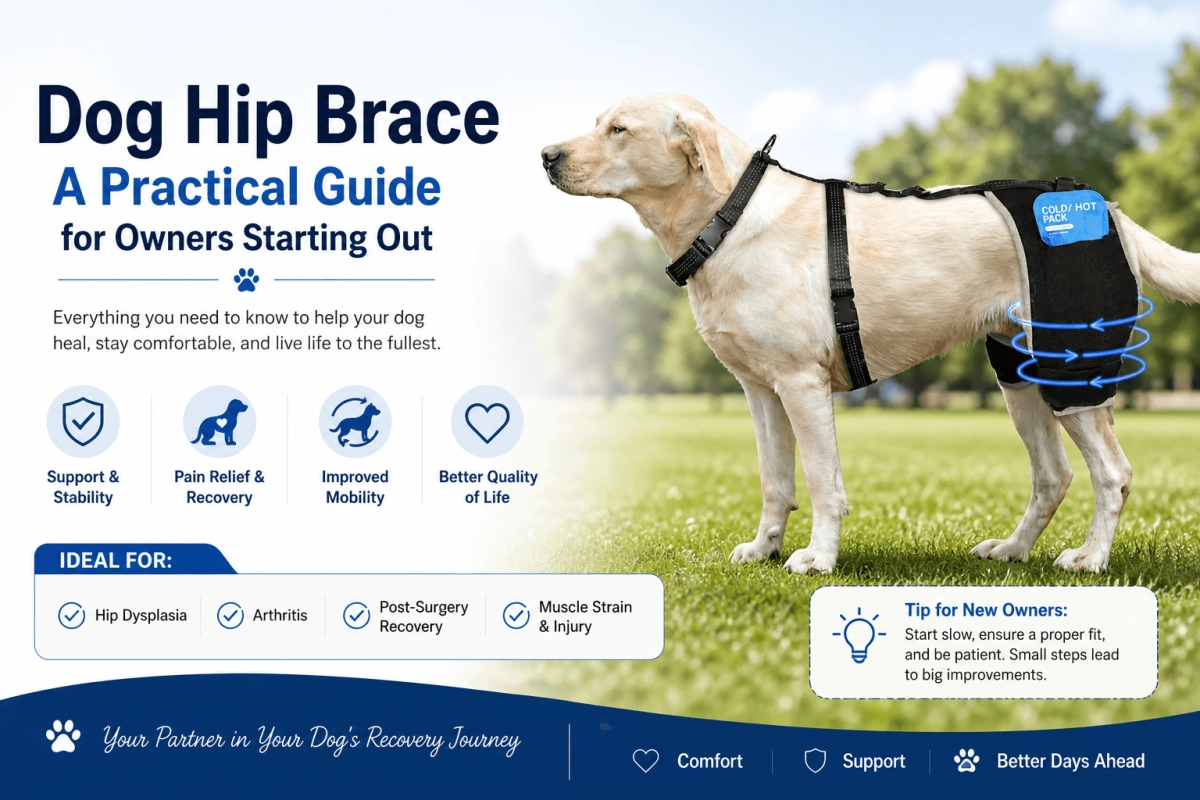
If your dog struggles with hip pain or stiffness, you might feel worried or unsure about what to do next. A dog hip brace can help many dogs with hip issues like hip dysplasia or arthritis. This type of support gives gentle compression and stability, which can help reduce pain and allow your dog to move more easily. Many dogs show less lameness and more willingness to walk when they wear a hip brace. Every dog is different, so make sure you consult your veterinarian before starting any new support for your dog.
Key Takeaways
-
A dog hip brace can help lower pain and help dogs move better if they have hip problems like dysplasia or arthritis. - You should always talk to your veterinarian before you pick or use a hip brace. This makes sure the brace is right for your dog. - It is very important to measure and fit the brace the right way. This helps your dog feel comfortable and gives good support. - Start using the brace slowly. Watch your dog for any signs of pain. Change the brace if needed so your dog can get used to it. - Clean and check the brace often. This keeps your dog comfy and stops skin problems.
Can a Dog Hip Brace Help?
Benefits for Mobility and Pain Relief
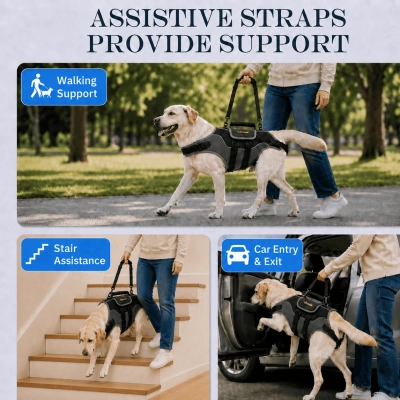
You want your dog to move with ease and enjoy life. A hip brace can make a big difference for dogs who struggle with hip problems. When your dog wears a hip brace, you may notice less limping and more energy during walks. The brace gives gentle support to the hips and rear legs. This support helps your dog stand up, walk, and even play with less effort.
Many owners report seeing their dogs become more active after using a hip brace. For instance, one user shared that their 9-year-old Labrador, who had stopped enjoying walks due to hip dysplasia, was able to resume daily strolls within a week of using the brace. Another owner noted their dog could finally climb stairs without hesitation. These real-life examples show how the brace works by stabilizing the hip joint, reducing pain, and helping dogs feel more confident.You may notice your dog has an easier time getting up from the floor or climbing stairs. The brace also helps prevent the rear legs from crossing, which can cause tripping or falls.
Pain relief is another big benefit. The brace takes pressure off sore joints and muscles. Your dog can move without as much discomfort. This means your dog can enjoy daily activities again. Improving mobility often leads to a happier and healthier pet. You may even see your dog wagging its tail more often!
A hip brace promotes mobility by giving targeted support where your dog needs it most. It can help slow down the progression of joint problems. For many dogs, a hip brace is a simple way to boost canine mobility and comfort.
When to Consider a Hip Brace
You might wonder when it is the right time to try a hip brace for your dog. Veterinarians often suggest a hip brace for several reasons. If your dog has hip dysplasia or arthritis, a brace can help manage these conditions. Some dogs cannot have surgery because of age, health, or cost. In these cases, a hip brace offers a safe and effective option.
Here are some common situations when you should consider a hip brace:
-
Your dog has been diagnosed with hip dysplasia.
-
Your dog shows signs of arthritis, such as stiffness or trouble walking.
-
Your dog needs extra support before or after surgery.
-
Surgery is not possible or not recommended for your dog.
-
Your dog has weak or wobbly rear legs.
A hip brace is not just for older dogs. Young dogs with early signs of hip problems can also benefit. The brace helps slow down joint damage and keeps your dog active. For senior dogs, a hip brace can make daily life easier and more comfortable.
Tip: Always talk to your veterinarian before starting a hip brace. Your vet can help you decide if a brace is right for your dog's needs.
Choosing a hip brace at the right time can make a big difference in your dog's quality of life. You give your dog the support needed for improving mobility and pain relief. With the right support, your dog can enjoy more walks, playtime, and cuddles with you.
What Is a Dog Hip Brace?
Basic Definition and Purpose
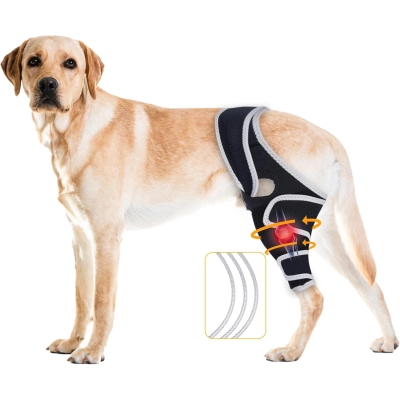
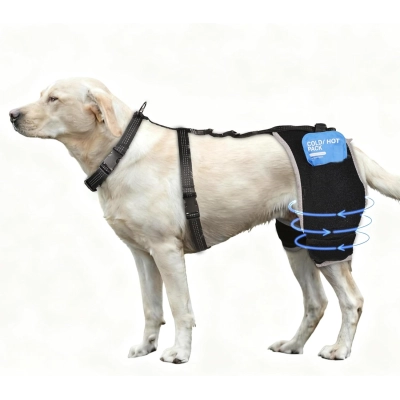
A dog hip brace is a special device that helps your dog move better when hip problems slow them down. You might hear it called a hip joint corrective brace. This brace wraps around your dog's hips and rear legs, giving gentle compression and steady support. It works by holding the hips in a more natural position, which makes walking and standing easier for your dog.
You use a hip joint corrective brace to help your dog feel less pain and gain more confidence. The brace supports the muscles around the hip joint and keeps movements safe. When your dog wears the brace, it limits extreme motions that can cause discomfort. This means your dog can enjoy daily activities with less worry about pain or injury.
Here’s a quick look at what a hip brace does for your dog:
|
Function |
Description |
|---|---|
|
Compression and Support |
Provides gentle compression around the hip, enhancing stability and reducing pain. |
|
Muscle Engagement |
Engages muscles around the hip joint, promoting better function and stability. |
|
Pain Reduction |
Limits extreme movements and provides consistent pressure, helping to alleviate discomfort. |
|
Improved Confidence |
Enhances stability, leading to more confident movement and better overall function for dogs. |
Key Components Explained
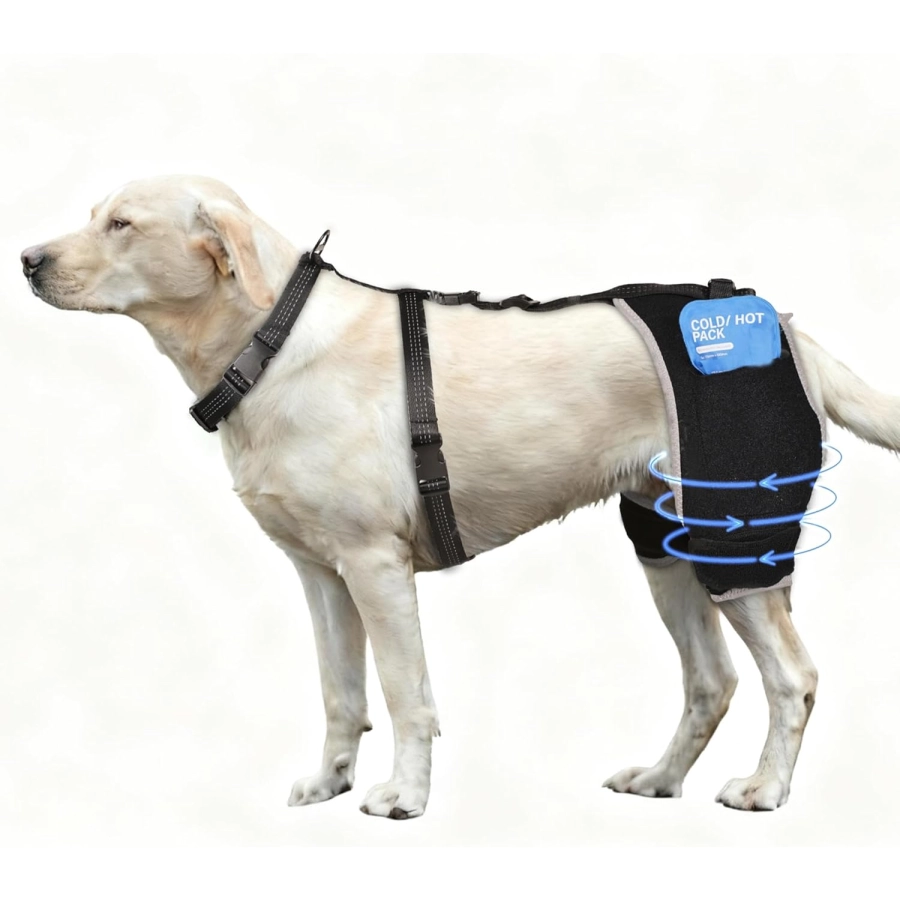
When you look at a hip joint corrective brace, you’ll notice a few main parts. Each part has a job to do:
-
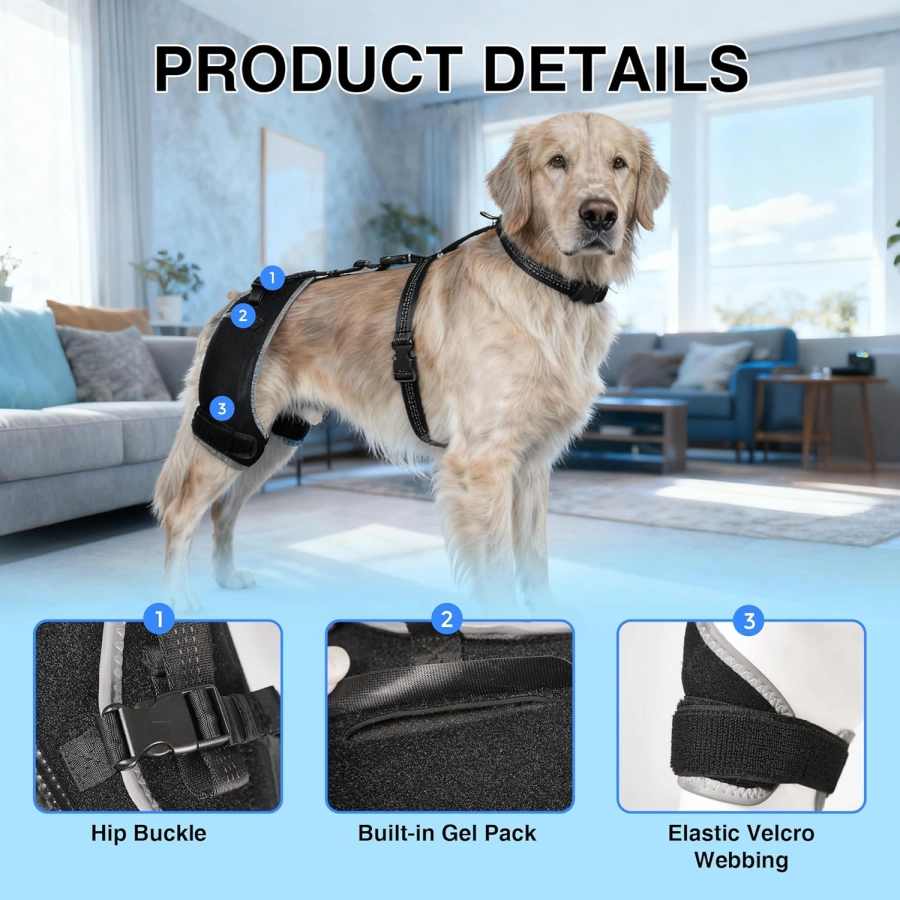
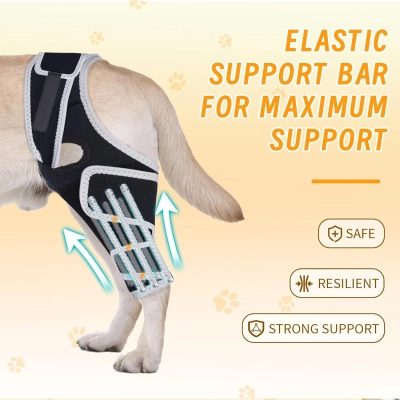
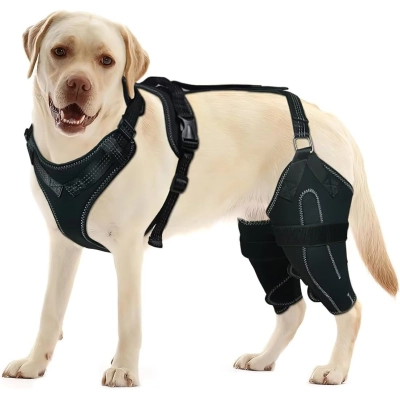
Hip panels wrap around the rear legs and hips. They give the main support and help keep everything in place.
-
Leg straps go around each rear leg. These straps hold the brace steady so it doesn’t slip or twist.
-
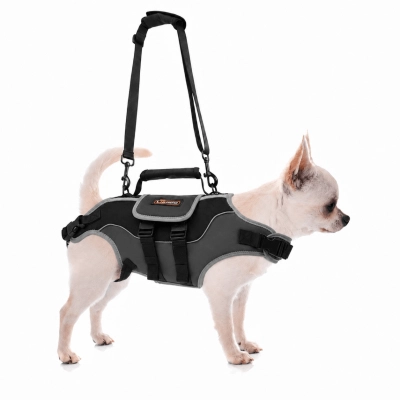
Forward harness connects the hip panels to your dog’s chest. This spreads out the pressure and makes the brace more comfortable.
-
Adjustable connectors let you change the fit. You can make the brace tighter or looser to match your dog’s shape.
Some braces come with advanced features for dogs who have trouble with hind leg weakness. For example, cross brace assemblies stop your dog from crossing their back legs, which helps prevent falls. Many braces use soft neoprene panels that add extra comfort and support. If your dog needs a perfect fit, you can even find custom braces made just for them.
A properly fitted hip brace can be a game-changer for dogs with mild to moderate hip instability," explains Dr. Emily Foster, a veterinarian specializing in canine rehabilitation. "It provides external support that helps stabilize the joint, reduces compensatory movements, and can significantly improve a dog's quality of life." With this expert insight in mind, a well-designed brace helps your dog move with less pain and stay active and happy.
Hip Dysplasia and Other Conditions
Common Conditions Requiring a Hip Brace
You might wonder why your dog would need a hip brace. Many dogs face hip problems that make walking or playing hard. Hip dysplasia is one of the most common reasons. This condition happens when the hip joint does not grow the right way. It can cause pain and make your dog move less. Large breeds often get hip dysplasia, but any dog can have it.
Canine arthritis is another big reason. This problem makes the joints swell and hurt. Your dog may slow down or stop wanting to play. A hip brace gives support and helps your dog feel better.
Some dogs have trouble moving because of neurological disorders. These problems can make the back legs weak or wobbly. A hip brace keeps the hips steady and helps your dog walk with more confidence.
After surgery, your dog may need extra support. A hip brace helps protect the healing joint and stops new injuries. Dogs who get hurt from falls or accidents can also use a brace. It helps them heal and move safely.
Here’s a simple table to show you the main conditions that may need a hip brace:
|
Condition |
What It Means for Your Dog |
|---|---|
|
Hip Dysplasia |
Hip joint grows the wrong way, causes pain, and makes movement hard |
|
Canine Arthritis |
Joints get swollen and sore, your dog may slow down or limp |
|
Neurological Disorders |
Nerves do not work right, back legs get weak or cross over |
|
Post-Surgical Recovery |
After surgery, your dog needs support to heal and stay safe |
|
Trauma or Injury |
Falls or accidents hurt the hip, your dog needs help to move and heal |
You do not have to guess if your dog needs support. If your dog has one of these problems, a hip brace can make a big difference. You give your dog a better chance to stay active and enjoy life.
Signs Your Dog Needs Support
You know your dog best. Sometimes, the signs that your dog needs support are easy to spot. Other times, they are more hidden. Watch for these signs in your dog’s daily life:
-
Lameness or limping in the back legs
-
Less energy or not wanting to play
-
Guarding the hips or acting sore when touched
-
Weakness in the hind legs
-
Stiffness when getting up or moving
-
Muscle loss in the back legs
-
Shifting weight to the front legs
-
Trouble climbing stairs or jumping
-
Bunny-hopping gait (both back legs move together)
-
Hesitation to climb stairs or get up after rest
-
Stiffness after exercise
-
Noticeable limp or swaying walk
-
Pain or sensitivity when you touch the hip area
-
Reluctance to run or play
If you see these signs, your dog may need extra support. Hip dysplasia often causes many of these problems. Canine arthritis can also make your dog act stiff or tired. Neurological issues may cause your dog to cross its back legs or lose balance. After surgery or injury, your dog may move less or seem sore.
You do not have to wait until your dog is in a lot of pain. Early support can help your dog stay happy and mobile. A hip brace gives your dog the help it needs to walk, run, and play again. If you notice these signs, talk to your vet about the best support for your dog.
Choosing the Right Dog Hip Brace
Types and Features to Look For
When you start looking for a dog hip dysplasia brace, you’ll see many choices. Some braces are made just for the hips, while others help the hock or knee. You want a hip brace that gives your dog the right kind of support and stability. Take a look at this table to see the main types and what they do:
|
Type of Brace |
Features |
|---|---|
|
Hip Braces |
Stabilizes the hip joint, supports muscle strength, aids in recovery. |
|
Hock and Knee Braces |
Provides support for lower joints, enhances mobility. |
|
Custom vs Off-the-Shelf |
Custom braces offer tailored fit, while off-the-shelf options are readily available. |
When you choose the right brace, look for these features:
-
Stability
-
Comfort
-
Adjustability
-
Material Quality
A good dog hip correction brace should let your dog move naturally but still keep the hips safe. You want your dog to feel secure and happy while wearing it.
Importance of Proper Fit and Materials
Fit matters a lot when you pick a hip brace for hip dysplasia or other problems. If the brace is too loose, it won’t give enough support. If it’s too tight, it can rub and cause sore spots. Always measure your dog carefully before you buy a dog hip correction brace.
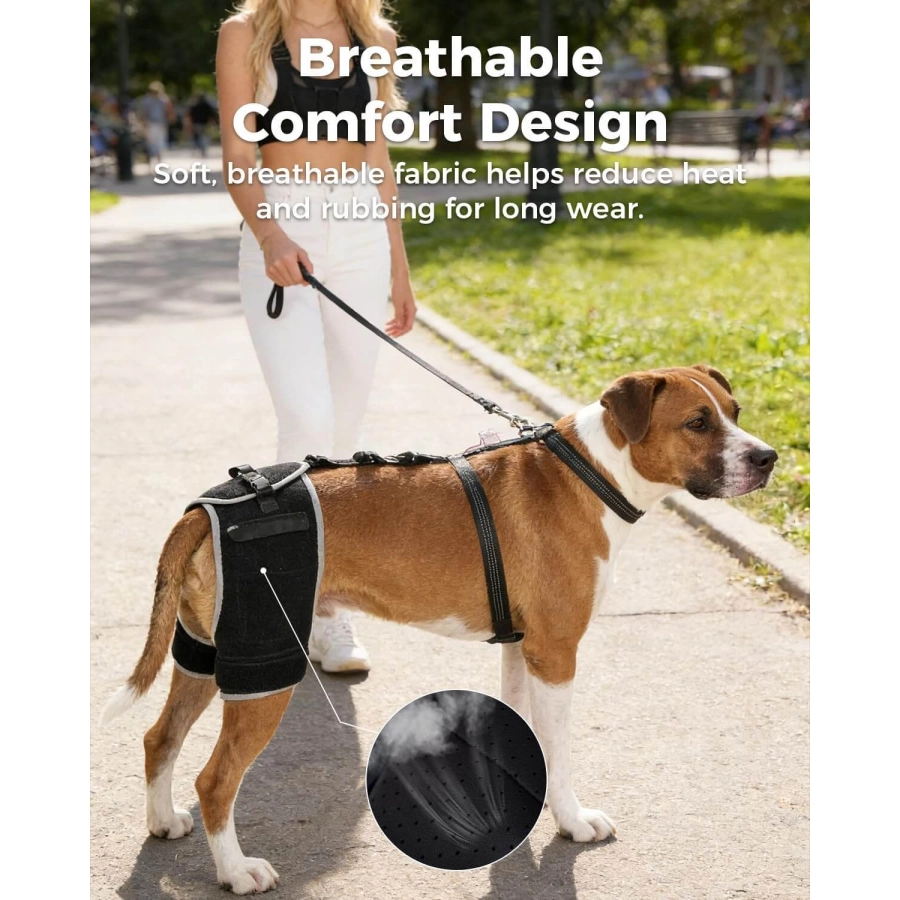
Materials make a big difference, too. Neoprene is a top choice because it’s flexible, strong, and water-resistant. This means your dog can stay active without getting too hot or itchy. Modern braces use soft but firm materials that balance comfort and support. Breathable fabrics help prevent overheating and skin irritation. Padding, hinges, and easy-to-use straps also help your dog get the best joint support and stability.
Consulting Your Vet
Before you pick a dog hip brace, talk to your veterinarian. Your vet knows your dog’s health history and can check for hip dysplasia, arthritis, or other issues. They will help you choose the right brace and make sure it fits your dog’s needs. Your vet might suggest a custom brace for tough cases or a simple wrap for early-stage problems. They can also give tips on exercise, weight control, and other ways to boost mobility. If a hip brace isn’t enough, your vet will guide you to other options for stability and support.
Tip: Your vet is your best partner when you want to improve your dog’s mobility and comfort. Don’t skip this step!


Measuring for a Hip Brace
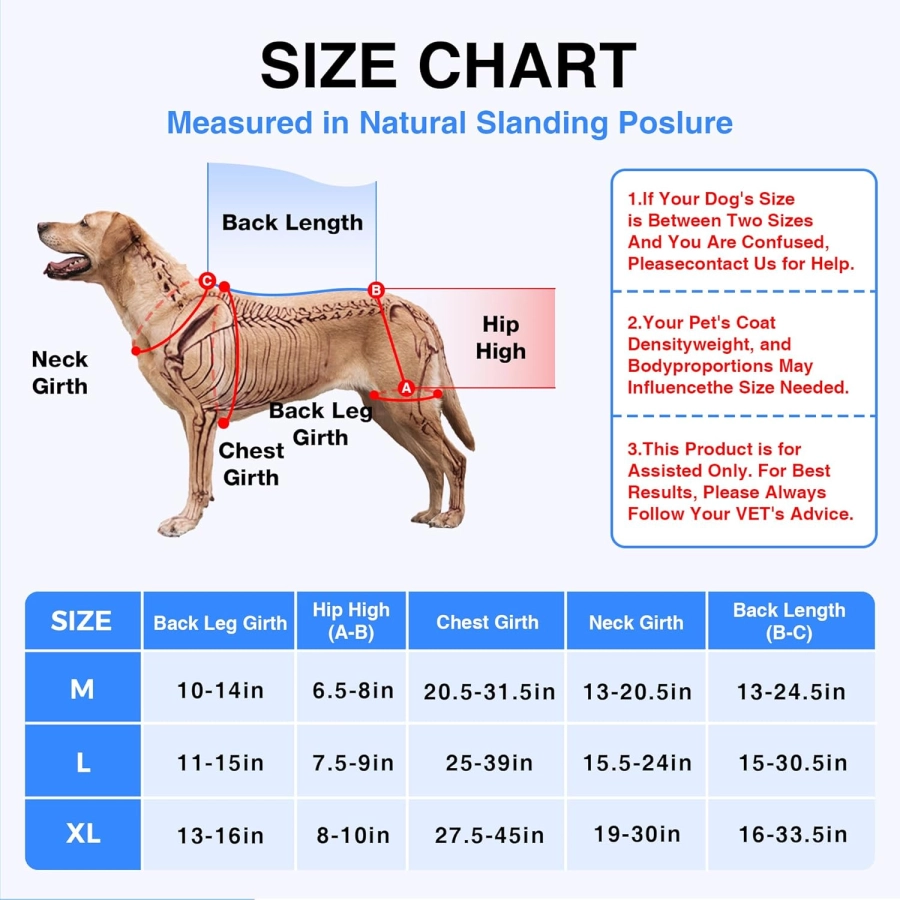
Step-by-Step Measurement Guide
Getting the right size hip brace for your dog starts with careful measuring. You want your dog to feel comfortable and get the best support. Here’s how you can measure your dog at home:
-
Chest Measurement: Wrap a soft tape measure around the widest part of your dog’s chest, just behind the front legs. The tape should feel snug but not tight. You should be able to slip one finger under the tape.
-
Height Measurement: Stand your dog on a flat surface. Measure from the base of the rear paw straight up to the highest point of the hip. Keep the tape straight for an accurate number.
-
Thigh Measurement: Find the middle spot between your dog’s knee and groin. Wrap the tape around the thigh at this point. Make sure it feels snug, with room for one finger under the tape.
Take your time with each step. Double-check your numbers before you order a hip brace.
Common Mistakes to Avoid
Many owners make small mistakes when measuring their dog. These mistakes can lead to a brace that does not fit well. Here are some things to watch out for:
-
Guessing your dog’s size instead of measuring
-
Pulling the tape too tight or leaving it too loose
-
Measuring while your dog is sitting or moving
-
Forgetting to measure both sides if your dog has muscle loss
You want your dog to get the right support. Careful measuring helps you avoid returns and keeps your dog happy.
Tip: Write down your measurements and keep them handy when you shop for a hip brace.
Why Fit Matters
A hip brace only works if it fits your dog the right way. When you get the fit right, your dog gets the support needed to walk and play. A good fit helps your dog move better and feel less pain. If the brace is too loose, it will not help your dog. If it is too tight, it can cause discomfort or even cut off blood flow. The right fit makes your dog more willing to wear the brace every day.
You want your dog to feel safe and comfortable. Take time to measure and check the fit. Your dog will thank you with more happy walks and tail wags!
Fitting and Adjusting the Hip Brace
Positioning and Securing Components
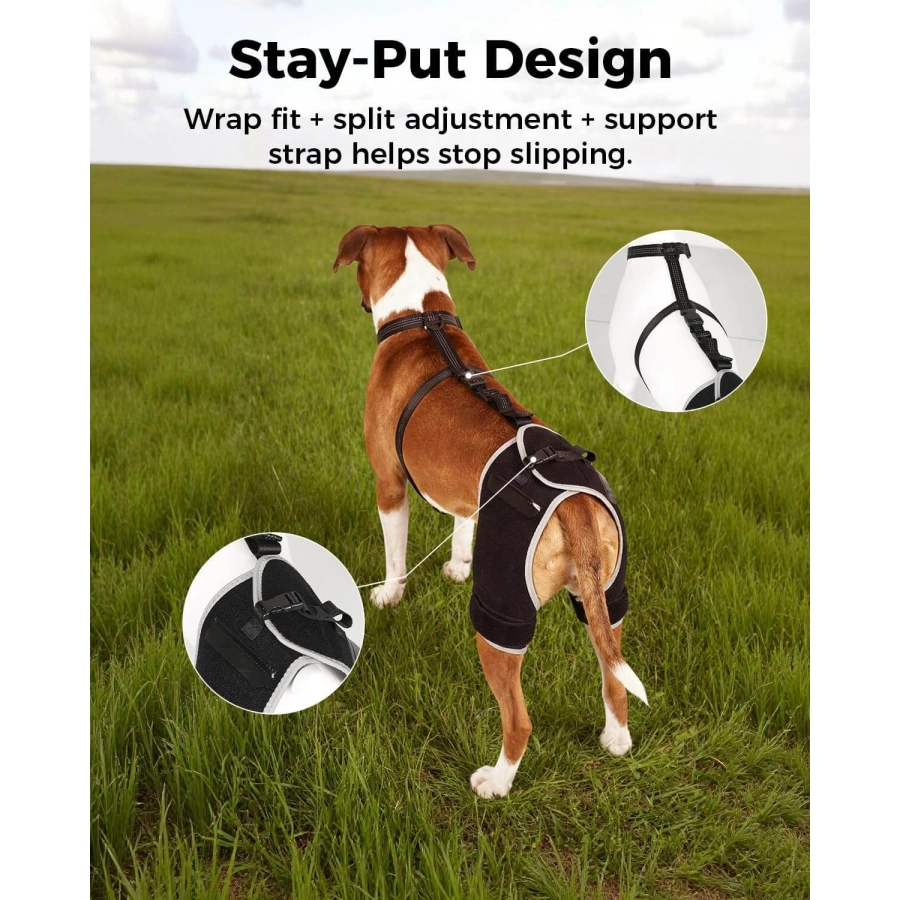
Getting the hip brace on your dog the right way makes a big difference. Start by laying the brace flat and checking that all straps and panels are untangled. Gently guide your dog to stand or sit calmly. Wrap the hip panels around your dog’s hips and lower back. Make sure the panels cover the hip area evenly. Fasten the leg straps around each rear leg. These straps should feel snug but not tight. Attach the forward harness to your dog’s chest. This harness helps spread out the pressure and adds stability.
Check that the brace sits flat against your dog’s body. The hip brace should not twist or slide. If you see any gaps or bunching, adjust the straps. A good fit means your dog can move without the brace slipping out of place. Always double-check the fasteners before letting your dog walk around.
Tip: Use treats and a calm voice to help your dog feel relaxed during fitting. This turns the process into a positive experience.
Adjusting for Comfort and Support
You want your dog to feel comfortable and get the best support possible. Start with short wearing sessions—about 15 to 20 minutes. Watch how your dog moves and acts. If your dog seems happy, slowly increase the time they wear the hip brace. Give lots of praise and treats to build a good routine.
Look for braces made from light, breathable materials. These help prevent skin problems and keep your dog cool. Adjustable features like Velcro or snaps let you change the fit as needed. If your dog shows signs of discomfort, such as licking or scratching, check the fit right away. Sometimes you need to loosen or tighten the straps for better support and stability.
Take the hip brace off during naps or at night. This gives your dog’s skin a break. Always check for redness or irritation. If you see any problems, talk to your vet. They can help you adjust the brace for the best support and stability. With the right fit, your dog will enjoy more comfort and confidence every day.
Helping Your Dog Adjust to a Hip Brace
Gradual Introduction Tips
Getting your dog used to a best dog hip brace takes a little time and patience. You want your dog to feel safe and happy, so start slow. Here’s a simple way to help your dog adjust:
-
Put the brace on your dog for just a few minutes at first. Let your dog walk around the house.
-
Give treats and lots of praise while your dog wears the brace. This helps your dog connect the brace with good things.
-
Slowly add more time each day. Watch your dog’s mood and movement.
-
Keep an eye out for any problems. If you see your dog limping more or notice skin changes, stop and talk to your vet.
Tip: Short, positive sessions help your dog build confidence and improve mobility over time.
Signs of Discomfort
To ensure the brace remains both safe and effective, independent veterinary resources recommend a daily "fit and skin check." Before each use, run your fingers under the straps to confirm you can fit one finger comfortably—this ensures the brace is snug but not restricting circulation. After removing the brace, inspect the skin for any redness or moisture. Following these simple, verifiable steps helps prevent irritation and ensures your dog continues to receive the intended therapeutic benefit.Sometimes, a small change in fit can help your dog regain comfort and mobility.
Typical Adjustment Timeline
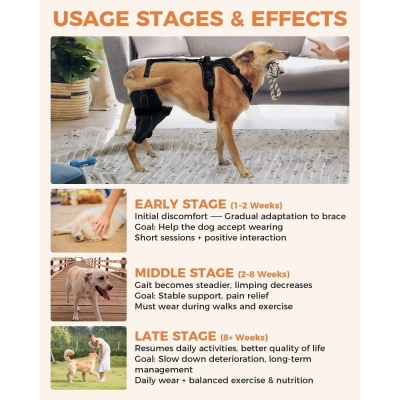
Most dogs need a few days to a couple of weeks to get used to a hip brace. At first, your dog may walk slowly or seem unsure. This is normal. As your dog wears the brace more, you should see better mobility and more confidence. Some dogs adjust in just a few days, while others need more time. Stay patient and keep sessions positive. Your dog will soon enjoy more freedom and better movement with the right support.
Note: Every dog is different. If your dog still struggles after two weeks, check with your vet for advice.
Hip Brace Care and Maintenance
Cleaning and Hygiene
Keeping your dog’s hip brace clean helps your dog stay comfortable and healthy. Dirt and sweat can build up on the brace, so you want to wash it often. Most braces have removable parts that you can hand wash with mild soap and cool water. Let the parts air dry before you put them back on your dog. Never use harsh cleaners or hot water because these can damage the materials. If your dog loves to play outside, check the brace for mud or grass after every walk. Clean gear means better support and less risk of skin problems.
Tip: Set a reminder to clean your dog’s brace at least once a week, or more if your dog is very active.
Inspecting for Wear and Tear
You want your dog to get the best support every day. Look at the brace closely before you put it on your dog. Check for loose stitching, worn straps, or broken buckles. If you see any damage, fix it right away or get a replacement. A damaged brace cannot give your dog the right support and may even cause harm. Make sure the brace still fits well as your dog moves and grows. Sometimes, you need to adjust the straps to keep the support steady and safe.
Preventing Skin Irritation
Your dog’s comfort comes first. Skin irritation can happen if the brace rubs or fits poorly. Here are some steps you can take to help your dog avoid these problems:
-
Introduce the brace slowly so your dog can get used to it.
-
Check your dog’s skin every day for chafing, sores, or changes in how your dog walks.
-
If you see more limping or any redness, talk to your vet to make sure the brace still gives the right support.
A well-fitted brace should help your dog move with confidence and comfort. Regular checks and gentle care keep your dog happy and ready for more adventures.
Combining Hip Brace with Other Treatments
Physical Therapy and Exercise
You can help your dog by using a hip brace with exercise and physical therapy. Keeping your dog at a healthy weight lowers stress on the hip joint. This is important for dogs with hip dysplasia. Low-impact activities keep your dog moving without hurting the hips. Swimming is a good exercise because it builds muscle and protects joints. You can also try gentle walks or short play times to help your dog move better. Stretching and massage are part of physical therapy. These help your dog feel less pain and move easier. All these routines work with the hip brace to give extra support and help your dog recover. Healthy habits like eating balanced meals and taking good supplements also help a lot.
Medications and Supplements
Medications and supplements can be used with a hip brace to help dogs with hip dysplasia or arthritis. Here’s a simple table showing common choices:
|
Medication/Supplement |
Description |
|---|---|
|
Joint Supplements |
Includes MSM, ASU, and herbs like turmeric and boswelia. |
|
Omega-3 Fatty Acids |
Reduces inflammation and supports joint health. |
|
Adequan Injections |
Prescription injections that help maintain cartilage health. |
|
Gabapentin |
Eases pain for dogs with hip dysplasia by calming overactive nerves. |
|
Amantadine |
Raises dopamine levels to reduce arthritis pain, often used with NSAIDs. |
|
Tramadol |
Helps relieve pain, often combined with other medications. |
These options work with the hip brace to help your dog move better and get more support. Always talk to your vet before starting new medicine or supplements.
When to Consult Your Vet
You need your vet’s help when using a hip brace for hip dysplasia or arthritis. Braces should be part of your vet’s plan for your dog. If your dog seems uncomfortable or moves worse, call your vet right away. Regular check-ups let your vet see how your dog is doing and make sure the hip brace fits well. Your vet can change the treatment if needed and help your dog recover.
Tip: Your vet is the best person to help your dog stay comfortable and active. Ask questions and share any worries you have.
Dog Hip Brace Price Range
Basic, Mid-Range, and Premium Options
You want to find the best support for your dog, but you also need to know what fits your budget. Dog hip braces come in three main price levels. Each level offers different features and benefits for dogs with hip dysplasia or other hip problems.
Here’s a quick look at the typical price ranges:
|
Type |
Price Range |
|---|---|
|
Basic |
$25.00 - $49.47 |
|
Mid-range |
$49.00 - $109.00 |
|
Premium |
$89.00 - $144.00 |
Basic braces work well for mild hip dysplasia or temporary support. Mid-range options give you more adjustability and comfort. Premium braces offer advanced features for dogs with severe hip dysplasia or chronic pain.
What to Expect at Each Price Tier
You might wonder what you get for each price. Let’s break it down so you can make the best choice for your dog.
-
Basic Braces
These braces are simple and easy to use. You get basic straps and panels. They help dogs with mild hip dysplasia move better. If your dog needs short-term support, this tier works well. -
Mid-Range Braces
You see more adjustable straps and softer materials. These braces fit dogs with moderate hip dysplasia. Your dog gets more comfort and stability. You can adjust the fit as your dog’s needs change. -
Premium Braces
Premium braces offer custom fit and advanced support. They use high-quality materials and special features like cross brace assemblies. If your dog has severe hip dysplasia or needs long-term support, this tier gives the best results.
Tip: If your dog has hip dysplasia, talk to your vet before you buy a dog hip brace. Your vet can help you choose the right tier for your dog’s needs.
You want your dog to feel comfortable and safe. Picking the right brace helps your dog stay active and happy, no matter the price range.
Quick Reference Checklist
You want to make sure your dog gets the best support. Use this checklist to keep everything simple and clear. If your dog has hip dysplasia or other hip problems, follow these steps for a smoother experience.
-
Measure your dog carefully. Write down chest, height, and thigh sizes.
-
Talk to your vet before you buy a hip brace. Ask about hip dysplasia and other conditions.
-
Pick a brace that fits your dog’s needs. Look for comfort, adjustability, and strong materials.
-
Check the brace for features like hip panels, leg straps, and a forward harness.
-
Make sure the brace fits snugly but does not cause pain or skin irritation.
-
Start with short wearing sessions. Watch how your dog moves and reacts.
-
Increase the time slowly. Give treats and praise to help your dog adjust.
-
Clean the brace often. Inspect for wear and tear after each use.
-
Look for signs of discomfort. If your dog limps or shows pain, check the fit right away.
-
Combine the hip brace with gentle exercise and physical therapy. Swimming and short walks help dogs with hip dysplasia.
-
Use medications or supplements if your vet suggests them. These can help your dog feel better.
Tip: Keep a notebook with your dog’s progress. Write down changes in movement, pain, or energy. This helps you and your vet track improvements.
Here’s a quick table for easy reference:
|
Step |
What to Do |
|---|---|
|
Measure |
Get accurate sizes for your dog |
|
Consult Vet |
Ask about hip dysplasia and options |
|
Choose Brace |
Find the right fit and features |
|
Fit & Adjust |
Secure brace, check comfort |
|
Monitor |
Watch for pain or skin issues |
|
Maintain |
Clean and inspect brace regularly |
You can help your dog live a happier life. Hip dysplasia does not have to slow your dog down. With the right hip brace and care, your dog can enjoy more walks, playtime, and cuddles.
You want your dog to feel better and move with ease. Start by measuring your dog, picking the right brace, and making sure it fits well. Watch your dog as they adjust and always check for comfort. Ask your vet for advice if you have questions. With the right steps, your dog can enjoy more walks, play, and happy moments with you. You’ve got this!
FAQ
How long should my dog wear a hip brace each day?
Start with short sessions, about 15–20 minutes. Watch your dog’s comfort. Slowly increase the time as your dog gets used to the brace. Most dogs do best with several hours a day.
Can my dog sleep with the hip brace on?
You should remove the brace at night. This gives your dog’s skin a break and helps prevent irritation. Let your dog rest without the brace for better comfort.
Will my dog still need exercise with a hip brace?
Yes! Gentle walks and play help your dog stay strong. The brace supports your dog during movement. Always ask your vet about the best exercise plan for your dog.
How do I clean my dog’s hip brace?
Most braces have removable parts. Wash them with mild soap and cool water. Let everything air dry. Clean the brace often, especially if your dog plays outside.
What if my dog doesn’t like wearing the brace?
Stay patient. Use treats and praise to help your dog adjust. Start with short sessions. If your dog seems upset or uncomfortable, check the fit or talk to your vet.

0 Comments