
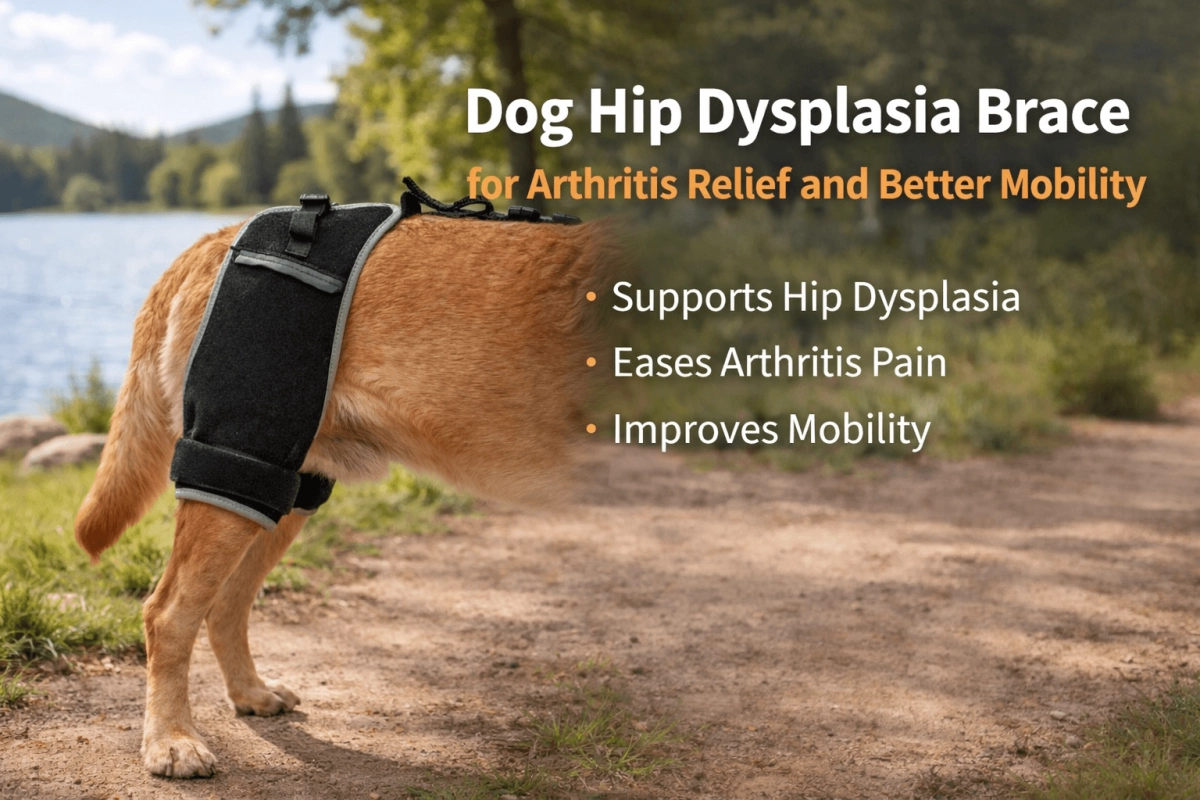
If you notice your dog struggling to rise or limping after walks, you’re not alone. Hip dysplasia can lead to painful arthritis and make daily life tough for many dogs. Some breeds face a much higher risk, with hip dysplasia affecting anywhere from 1% to 80% of dogs. This condition causes the hip joint to wear down, leading to swelling and even more pain over time. You may wonder if dog hip dysplasia braces or hip support for dogs can help. The right brace can ease pain and improve your dog’s movement.
Key Takeaways
-
Dog hip dysplasia braces can help lower pain and make it easier for dogs to move.
-
A brace that fits well gives support and keeps your dog steady. It helps your dog walk with more confidence.
-
Braces do not fix hip dysplasia or arthritis. They help with symptoms and make life better for your dog.
-
Use the brace along with keeping your dog at a healthy weight, gentle exercise, and advice from your vet for the best outcome.
-
Watch how your dog feels and change the brace if needed so it fits well.
Do Dog Hip Dysplasia Braces Help with Arthritis?
Effectiveness for Hip Joint Pain
If your dog struggles with hip joint pain, you probably want to know if a dog hip dysplasia brace can really make a difference. The answer is yes—dog hip dysplasia braces can help manage pain and improve your dog's comfort. Many pet owners notice their dogs move more easily and seem happier when wearing a brace. You might see your dog get up with less effort or walk with a steadier stride.
Veterinary experts agree that a well-designed brace gives gentle compression around the hips. This compression helps reduce pain and swelling. It also supports the joint, so your dog feels more stable. When your dog feels less pain, they often become more active and playful. You may notice your dog stands taller and walks with better posture.
Here’s what happens when you use hip support for dogs:
-
Your dog gets less discomfort and more mobility.
-
The brace helps keep the hips steady, so your dog can move with confidence.
-
The warmth from the brace can soothe sore muscles and joints.
-
Healing can happen faster because the joint stays supported.
You want your dog to enjoy walks and playtime again. Hip support for dogs can make that possible, especially in the early or moderate stages of hip dysplasia or arthritis.
Managing Symptoms, Not Curing Disease
It’s important to know what a brace can and cannot do. Dog hip dysplasia braces do not cure hip dysplasia or arthritis. They help your dog feel better and move better, but they do not fix the underlying problem. Think of a brace as a tool that manages symptoms and gives your dog a better quality of life.
A brace works by stabilizing the hips and supporting the joint. It provides compression, which helps reduce swelling and makes walking less painful. Many dogs find it easier to get around, even if they have struggled before. You might see your dog wagging their tail more or joining you for short walks again.
Keep in mind:
-
Braces need to fit well. You may need to measure your dog carefully.
-
Some dogs need time to get used to wearing a brace.
-
Most experts recommend using a brace as part of a bigger plan. This plan can include weight management, gentle exercise, and sometimes medication.
You want the best for your dog. Using a brace can help, but it works best when you combine it with other care strategies. Always talk to your veterinarian before starting any new treatment. They can help you choose the right brace and make sure it fits your dog's needs.
Hip Support for Dogs: How Braces Work
Stabilization and Alignment
When you put a brace on your dog, you give them extra stability. Modern braces use smart designs to limit harmful movements in the hip joint. Orthotists create these braces to fit around your dog's bones. This helps keep the hip in the right place and stops it from moving the wrong way. Plastic braces work better than stretchy fabric ones because they hold the joint steady and let your dog walk more naturally.
-
Braces restrict abnormal movement and reduce stress on damaged ligaments or cartilage.
-
They guide your dog's movement along natural lines, which helps the body heal and keeps the joint healthy.
You may notice your dog walks with a smoother gait. The brace supports the hip joint and helps your dog move with more confidence. This kind of hip support for dogs can make a big difference, especially if your dog has hip dysplasia.
Compression and Warmth Benefits
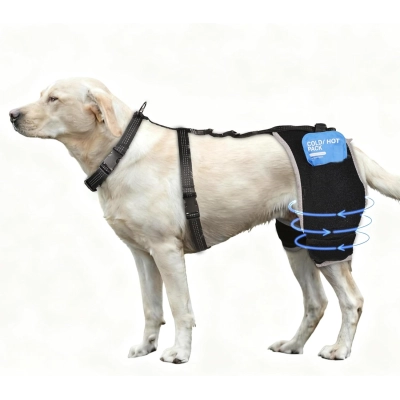
A good dog brace does more than just hold things in place. It also gives gentle compression around the hips. This compression helps reduce swelling and makes your dog feel more comfortable. Many braces use neoprene panels that keep the area warm. Warmth can soothe sore muscles and help blood flow better, which is great for joint health.
Tip: If your dog seems stiff in the morning, the warmth from a brace can help them loosen up faster.
Compression and warmth together can make walking less painful. You might see your dog enjoy walks again, even if they used to limp or hesitate.
Promoting Muscle Activity
When your dog feels less pain, they want to move more. A brace gives support so your dog can use their muscles without hurting themselves. This keeps the muscles strong and helps prevent muscle loss. Strong muscles are important for long-term mobility and comfort.
You play a big role in your dog's recovery. Encourage gentle activity and celebrate small wins. Every step your dog takes helps them stay active and happy.
Benefits and Limitations of Canine Hip Support
Pain Relief and Mobility
You want your dog to feel good and move easily. Dog hip dysplasia braces can help your dog walk and play with less pain. These braces give gentle pressure and support. This can lower pain from arthritis and hip dysplasia. When your dog wears a brace, you may see them get up faster. They may seem more excited to go outside. Hip support for dogs keeps the joint steady. Your dog feels less pain and enjoys better joint health.
Increased Endurance and Stability
Dogs often have more energy when they wear a hip brace. You might see your dog walk farther or play longer without getting tired. Some pet owners share stories like this:
"Immediate stability, playfulness and interest in increased mobile activity". Our 13.5 year old retriever mix, Piper, has been showing more weakness in her back legs lately. She had a quick positive response to the hip brace.
You may notice these changes:
-
Enhanced Stability: Your dog will find it easier to keep balance and avoid falls during walks.
-
Improved Gait: You will see a more natural walk as the brace supports weak joints.
-
Increased Confidence: Your dog will feel safer and want to explore more.
Hip braces give pressure and support. This helps keep the hip joint steady and can lower pain. It also helps your dog move better. Better movement and comfort can lower the risk of falls or injuries in dogs with hip dysplasia. They are more likely to move with confidence and use their muscles well.
Important Limitations and Cautions
Braces have many benefits, but you should know their limits. Here are some important points:
-
The brace does not cure dysplasia or arthritis. It only helps with symptoms.
-
Dogs need time to get used to the brace. Daily checks for skin problems are needed.
-
Good braces can cost a lot. They may need changes as your dog grows or changes.
You should always talk to your veterinarian before starting any new treatment. A good fit and regular checks help your dog stay safe and comfortable.
Choosing and Using a Dog Hip Dysplasia Brace
Veterinary Diagnosis and Recommendation
You need your vet to check your dog’s hips first. Your vet looks for signs that your dog needs hip support. This step is important because every dog is different. Some dogs have mild hip dysplasia. Others have severe arthritis. Your vet helps you pick a standard brace or a custom hip brace. If your dog needs support before or after surgery, your vet will guide you. Without a proper diagnosis, you might choose a brace that does not help. It could even cause problems.
Here’s what veterinarians check when they suggest hip braces for dogs with hip dysplasia:
|
Criteria |
Description |
|---|---|
|
Veterinary Diagnosis |
Finds the right issues that affect your dog's movement. |
|
Custom Fitting or Casting |
Makes sure the brace fits your dog's shape and gives support. |
|
Material Evaluation |
Checks if the brace is comfortable, strong, and lets air through. |
|
Padding and Flexibility |
Helps your dog walk and run without trouble. |
|
Trusted Manufacturers |
Experts make braces for dogs with arthritis. |
Fit and Quality Design
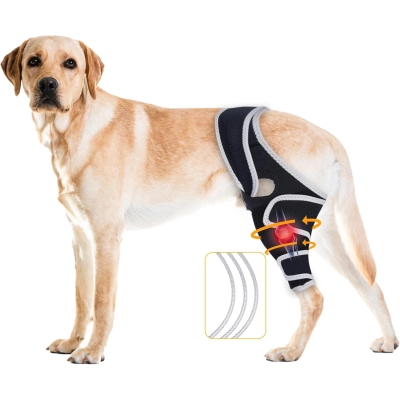
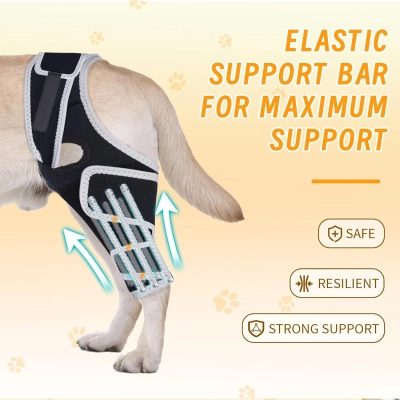
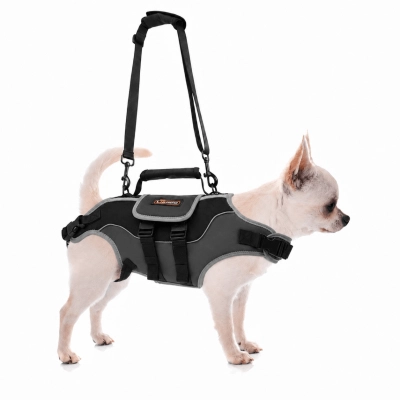
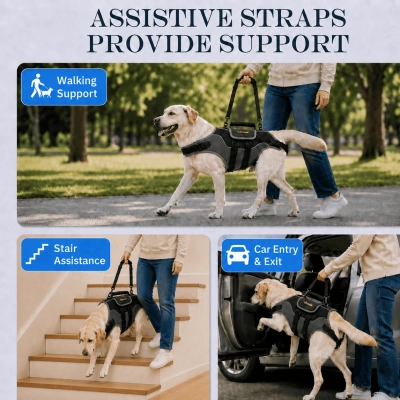
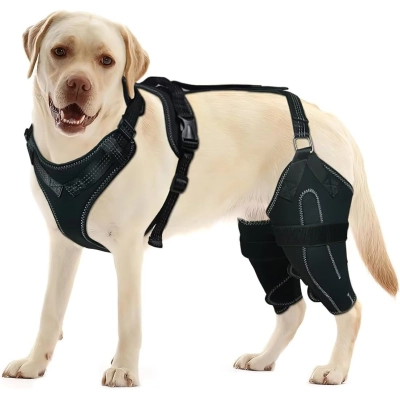
You want your dog to feel safe and comfortable. The fit and design of the brace matter a lot. Good braces use light, breathable, and allergy-friendly materials. These features help your dog stay active and avoid skin problems. Some braces have handles or chest vests for extra support. You can find braces with mesh, Velcro, and steel parts for strength.
A good brace should:
-
Give compression and support for stability.
-
Help your dog use muscles and keep joints healthy.
-
Lower pain by stopping extreme movements.
If you shop online, you can compare models and read reviews. Tele-vet services can help you get advice about fit and design.
Acclimation and Usage Tips
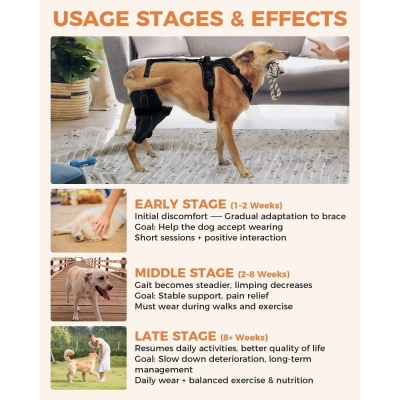
Getting your dog used to a brace takes time and patience. Start with short sessions, about 15 to 30 minutes. Use treats and praise to make it fun for your dog. Slowly increase the time your dog wears the brace each day. Put the brace on during calm walks. Take it off during naps or at night.
|
Recommendation |
Details |
|---|---|
|
Start with short sessions |
15-20 minutes at first |
|
Gradually increase duration |
As your dog gets comfortable |
|
Frequency of application |
Once or twice daily |
|
Monitor mobility improvements |
Ask your vet for advice |
Watch your dog for any changes. If your dog seems uncomfortable, adjust the brace or talk to your vet. With the right steps, your dog can move better and feel more comfortable.
Integrating Hip Support into a Holistic Care Plan

You want your dog to feel good every day. Hip support for dogs works best with other helpful steps. Let’s see how you can make a full plan for your dog’s health.
Weight Management and Exercise
Keeping your dog at a healthy weight is very important. Extra weight puts more stress on sore joints and makes arthritis worse. You can help your dog by doing these things:
-
Losing extra weight takes pressure off painful joints.
-
Easy activities, like swimming or short walks, help your dog move better.
-
Staying at a healthy weight is key for managing arthritis.
-
Losing fat means less pain and discomfort.
You may see your dog move easier and enjoy playing more. A good diet and regular exercise keep your dog active and happy.
Medications and Supplements
Your vet may suggest medicine or supplements to help your dog feel better. Some supplements, like curcumin, glucosamine, and chondroitin, can lower pain and protect cartilage. Curcumin acts as an antioxidant and helps with pain. Glucosamine and chondroitin work together to fight swelling and slow cartilage loss. These choices can support your dog’s joints and make walking easier. Using these with a hip brace gives your dog a better chance to feel good.
Physical Therapy and Multimodal Strategies
Physical therapy can help dogs with hip dysplasia a lot. You can try activities that build muscle and make joints stronger. Here are some ideas:
-
Controlled movements build muscle and make joints stronger.
-
Swimming and underwater treadmill exercises help the heart and lower joint stress.
-
Canine rehab improves comfort, movement, and life quality.
-
Hydrotherapy builds hip and core muscles with easy exercise.
You can work with your vet to make a plan for your dog. When you use hip support, exercise, and therapy together, your dog can move better and feel happier.
Dog hip dysplasia braces can give your dog real relief and help them move better. Clinical studies show these braces support the hips and low back, reduce pain, and let dogs enjoy normal activities—even swimming. For the best results, work with your veterinarian.
-
You get advice that fits your dog’s needs.
-
Your vet checks progress and adjusts the plan.
-
A full care plan can include weight control, therapy, and pain relief.
With the right support, you can help your dog feel happier and more active every day.
FAQ
How do I know if my dog needs a hip brace?
You might notice your dog limping, struggling to stand, or avoiding play. If you see these signs, talk to your vet. They can check your dog’s hips and recommend the best support.
Can my dog wear a hip brace all day?
Most dogs do best with short sessions at first. You can slowly increase the time as your dog gets comfortable. Always remove the brace at night or during naps.
Will my dog feel pain when wearing a hip brace?
A well-fitted brace should not cause pain. Your dog may need time to adjust. If you see discomfort, check the fit or ask your vet for advice.
Can my dog swim or play with a hip brace on?
Some braces allow swimming and gentle play. Always check the manufacturer’s instructions. Watch your dog closely during activity to keep them safe.
How do I clean my dog’s hip brace?
You can usually wipe the brace with a damp cloth. Some braces have removable covers you can wash. Check the care label for cleaning tips.

0 Comments