
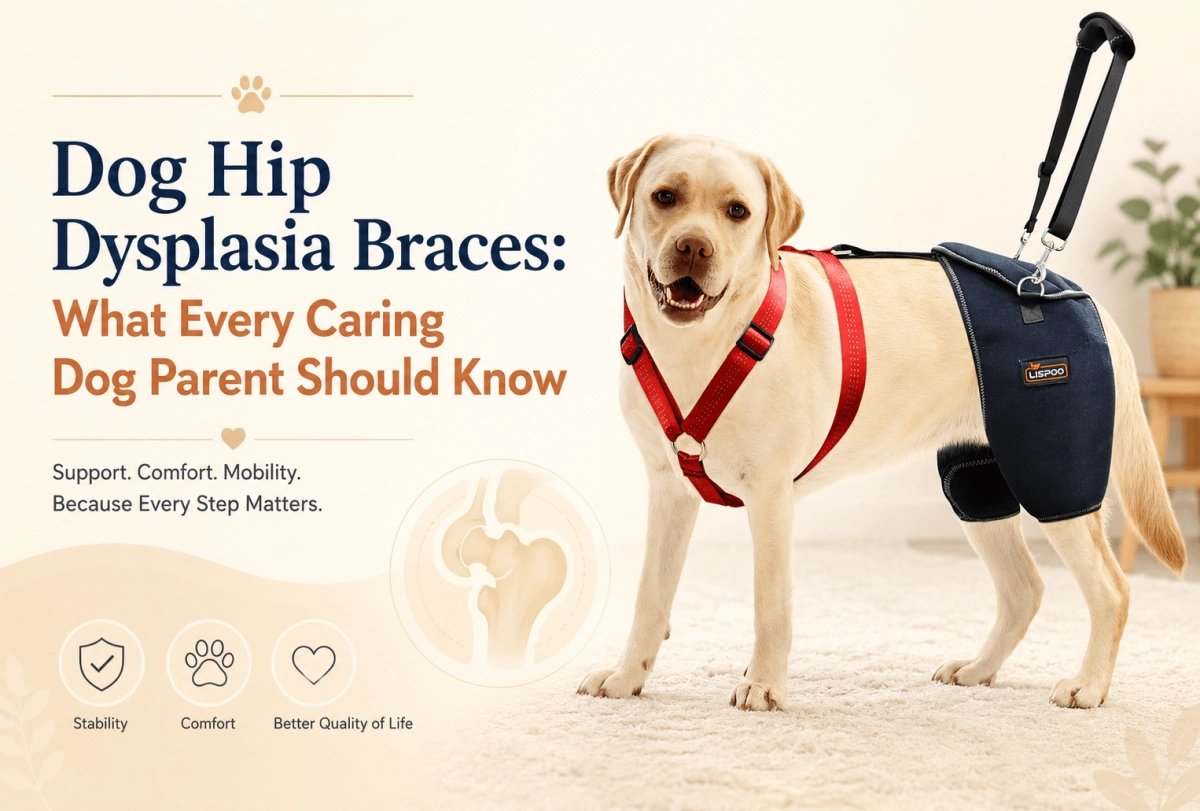
You worry when dogs struggle with joint pain and stiffness or lose their spark. Seeing them limp or slow down can break your heart. With hip support for dogs, you can give your best friend new hope. Hip support devices like dog hip dysplasia braces offer mobility support and real canine hip support. Some support devices for dogs have helped dogs regain strength and confidence.
Key Takeaways
-
Dog hip dysplasia braces help your dog feel better. They give support and lessen pain. Your dog can walk easier and feel more sure.
-
Talk to your veterinarian before you use a brace. This helps make sure the brace fits right. It also checks if the brace is good for your dog.
-
Watch your dog often when it wears a brace. Look for signs of pain or skin problems. Keep the brace clean so it works well.
Understanding Hip Dysplasia in Dogs
What Is Hip Dysplasia?
Hip dysplasia is a developmental condition in which a dog’s hip joint does not form or fit properly. In a healthy hip, the ball of the thigh bone fits smoothly into the hip socket. When the joint is loose or poorly aligned, the ball and socket can rub against each other instead of moving smoothly. Over time, this may lead to joint discomfort, reduced mobility, cartilage wear, and arthritis.
Canine hip dysplasia is considered a complex condition affected by both genetics and environmental factors. Joint laxity, or looseness in the hip joint, is one of the key reasons the hip becomes unstable. Nutrition, body weight, growth rate, exercise habits, and flooring surfaces may also influence how severe the condition becomes, especially in dogs already at higher risk.
Some large and medium-to-large breeds, such as German Shepherds, Labrador Retrievers, Golden Retrievers, Rottweilers, and similar active breeds, may have a higher risk. However, hip dysplasia can affect dogs of different sizes and ages.
Common Causes and Risk Factors
Hip dysplasia does not usually come from one single cause. Several factors can work together:
Genetics: Some dogs inherit a higher risk of poor hip development. Recent breeding guidance notes that hip dysplasia is polygenic and multifactorial, meaning multiple genes and environmental influences are involved. Heritability estimates can vary by breed.
Joint looseness: When the hip joint is too loose, it may become unstable during movement. This instability can gradually contribute to cartilage damage and joint changes.
Excess body weight: Extra weight increases pressure on the hips and may worsen discomfort or mobility problems. Veterinary sources commonly recommend keeping affected or at-risk dogs at a lean, healthy weight.
Rapid growth or overfeeding: Puppies from large breeds should not be encouraged to grow too fast. Overfeeding and unbalanced nutrition may worsen symptoms in dogs that are genetically predisposed. Cornell notes that controlled growth may reduce how strongly the condition is expressed.
Improper exercise: Too much high-impact activity, repeated jumping, or intense running during growth may add stress to developing joints. On the other hand, controlled, low-impact activity can help maintain muscle support.
Slippery floors: Puppies raised on slippery surfaces may have more difficulty building stable movement patterns, especially if they are already at risk.
Signs and Symptoms
You may notice hip problems gradually, especially after exercise or when your dog gets up from rest. Common signs include:
A “bunny hop” gait, where both back legs move together
Limping or stiffness after lying down
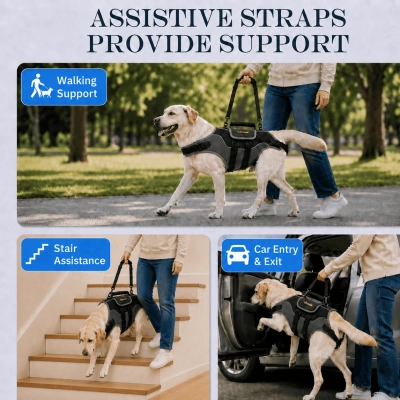
Difficulty standing up, jumping, climbing stairs, or getting into a car
Shifting weight toward the front legs
A swaying rear-end walk
Reduced interest in running or playing
Getting tired more quickly during walks
Back leg weakness or sensitivity around the hips
Sitting sideways or in an unusual position
Not every dog shows the same signs. Some dogs may show clear pain, while others simply move less, avoid stairs, or become less active over time. Lameness from hip dysplasia may also progress slowly, so early changes can be easy to miss.
Possible Long-Term Effects
If hip dysplasia is not properly managed, the loose or poorly fitted hip joint can lead to cartilage wear, bony remodeling, and osteoarthritis. This may cause long-term stiffness, pain, reduced range of motion, and difficulty with daily activities such as walking, standing, climbing stairs, or playing.
Early attention is important. A veterinarian can evaluate your dog’s condition and recommend an appropriate care plan, which may include weight management, controlled activity, physical therapy, medication, supplements, or surgical options depending on severity.
How to Help Reduce Risk
While hip dysplasia cannot always be fully prevented, especially when genetics are involved, good daily care may help reduce stress on the joints:
Keep your dog at a healthy weight.
Feed a balanced diet, especially during puppy growth.
Avoid overfeeding large-breed puppies or pushing them to grow too quickly.
Choose controlled, low-impact exercise such as leash walks or swimming when appropriate.
Avoid repeated jumping, hard landings, and excessive stair use, especially for growing puppies or dogs with symptoms.
Use rugs or non-slip mats on slippery floors.
Talk to your veterinarian early if you notice limping, stiffness, or changes in activity.
A long-term Labrador Retriever feeding study found that dogs kept on a restricted diet had delayed and reduced development of radiographic hip osteoarthritis compared with dogs fed freely, supporting the importance of weight and nutrition control in joint health.
How Dog Hip Dysplasia Braces Work
Dynamic Joint Alignment
You want your dog to walk and stand better. Hip braces for dogs with hip dysplasia help your dog feel more balanced. These braces use gentle pressure to guide your dog’s legs. This helps the legs move into a safer spot. This is called dynamic joint alignment. The brace pushes gently from the side. This makes your dog’s legs move out a little. The hip joint feels more secure.
Here is how these braces help:
|
Mechanism |
Description |
|---|---|
|
Compression and Support |
Gives gentle pressure around the hip. This helps keep the hip steady and helps your dog feel where their hip is. |
|
Muscle Engagement |
Makes the muscles near the hip work better. This helps the joint stay strong and steady. |
|
Pain Reduction |
Stops big, painful movements and gives comfort. This helps your dog hurt less when moving. |
Compression and muscle use are very important. The brace holds the hip and helps your dog use the right muscles. This keeps the femoral head in the socket. It stops the hip from slipping. Your dog feels less shaky and more steady. The brace also stops big movements. This helps your dog feel less pain and more comfort.
Stabilization and Proprioception
Sometimes your dog feels unsure when walking or standing. Hip support for dogs gives extra balance. The brace is like a gentle hand holding the joint. This helps your dog know where their legs are. This is called proprioception. When your dog wears the brace, they feel more sure and move better.
Studies show that joint stabilizers, like dog hip dysplasia braces, help with proprioception and balance. The brace does more than just hold the joint. It also changes how your dog’s nerves work. Your dog can feel their leg position better. This helps your dog walk, get up, and play with more confidence.
Tip: If your dog seems scared at first, try short times with the brace. Let your dog get used to it slowly. You will see your dog get better as they trust the brace.
Pain Relief Mechanism
You want your dog to hurt less. Dog hip dysplasia braces help by holding the hip steady and making it line up better. This takes stress off sore parts and nerves. Your dog feels less pain when doing daily things. The brace stops painful moves and gives gentle comfort.
You see your dog rest easier and move with less trouble. The brace helps lower pain, so your dog can enjoy walks and play again. You watch your dog get stronger and more confident. Hip support for dogs does not fix dysplasia, but it helps control the symptoms and makes life better.
Note: Always talk to your veterinarian before using a brace. They can help you pick the best brace and make sure it fits your dog well.
Benefits and Limitations of Hip Support Devices
Documented Benefits
You want your dog to feel better and move with ease. Hip support braces can help you reach that goal. These devices offer several benefits for dogs with dysplasia. You see your dog walk with more confidence. You notice less pain and more energy during playtime. Hip support for dogs gives your pet a chance to enjoy life again.
Here are some benefits you might notice:
-
Pain Relief: Your dog feels less pain when walking or resting. The brace keeps the hip steady and stops painful movements.
-
Improved Mobility: You watch your dog move more freely. Climbing stairs or getting up from the floor becomes easier.
-
Better Balance: The brace helps your dog stand and walk with less wobbling. Your dog feels more secure.
-
Support During Healing: If your dog had surgery or needs physical therapy, the brace protects the hip and helps recovery.
-
Delay Surgery: Sometimes, hip support braces let you manage symptoms and wait before choosing surgery.
Tip: You can combine hip support braces with other treatments. Ask your vet about exercise, weight control, and supplements for the best results.
Here’s a quick look at how hip support braces help dogs:
|
Benefit |
How It Helps Your Dog |
|---|---|
|
Pain Relief |
Less discomfort during movement |
|
Mobility Boost |
Easier walking and playing |
|
Balance Support |
More stable standing and walking |
|
Healing Aid |
Protects hip after surgery or injury |
|
Surgery Delay |
Manages symptoms before surgery |
Key Limitations and Contraindications
You need to know what hip support braces cannot do. These devices help manage symptoms, but they do not cure dysplasia. You must set realistic goals for your dog. Some dogs may not be good candidates for braces. Your vet can help you decide.
Here are some important limitations:
-
Not a Cure: Hip support braces do not fix the joint. They help your dog feel better, but the dysplasia stays.
-
Need for Proper Fit: If the brace does not fit well, your dog may feel discomfort or get skin sores. Always check the fit.
-
Professional Guidance Required: You should never use a brace without talking to your vet. Your vet knows what is best for your dog.
-
Limited Use for Severe Cases: Some dogs with very severe deformities or open wounds cannot use hip support braces.
-
Gradual Acclimation Needed: Your dog needs time to get used to the brace. Start with short sessions and increase slowly.
Note: You must watch your dog closely when using a brace. Look for signs of discomfort or skin problems. If you see any issues, call your vet right away.
You want the best for your dog. You must understand both the benefits and the limits of hip support braces. You can help your dog by working with your vet and setting realistic goals. You give your dog a chance to move with less pain and more joy.
When to Consider Hip Support Braces
Veterinary Diagnosis First
You want the best for your dog. Before you try hip support for dogs, you need a clear answer from your veterinarian. Your vet will check your dog’s hips and watch how your dog moves. They may take X-rays to see the joint shape. This step helps you know if your dog has dysplasia or another problem. You should never guess or start using dog hip dysplasia braces without a vet’s advice. Your vet will help you make a safe plan.
Factors for Suitability
Not every dog will need the same kind of brace. Some dogs need more support, while others do better with a lighter brace. Your dog’s size, age, and activity level matter. You also need to think about comfort and cost. Here’s a quick look at the main types of braces:
|
Type of Brace |
Custom-Made Orthotics |
Prefabricated Braces |
|---|---|---|
|
Fit |
Tailored fit |
General fit |
|
Support |
Superior support |
Varies |
|
Price |
Higher |
More affordable |
|
Accessibility |
Longer wait times |
More accessible |
|
Comfort |
Higher comfort |
May lack comfort |
You can talk with your vet about which brace fits your dog’s needs. Some dogs do better with a custom brace. Others feel fine with a ready-made one. The right choice helps your dog move with less pain.
Braces vs. Surgery
You may wonder if braces or surgery is better for your dog. Braces give you a non-invasive way to help your dog. They offer pain relief and improve mobility. You can adjust them to fit your dog’s needs. Braces also cost less than surgery. Many dogs do well with braces, especially if surgery is not an option.
-
Non-invasive treatment option
-
Provides pain relief
-
Improves mobility
-
Customizable to the dog's needs
-
More cost-effective than surgery
Surgery can help some dogs with severe dysplasia. Your vet will help you decide what is best. You can ask questions and share your concerns. You want your dog to feel happy and strong.
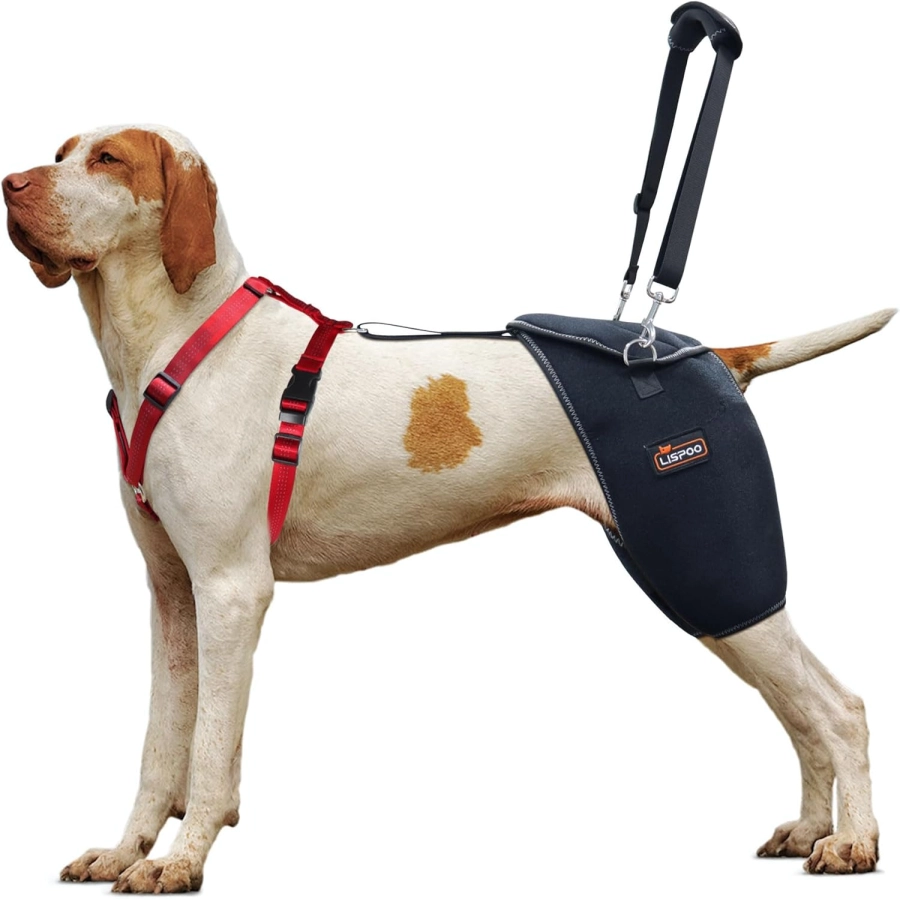
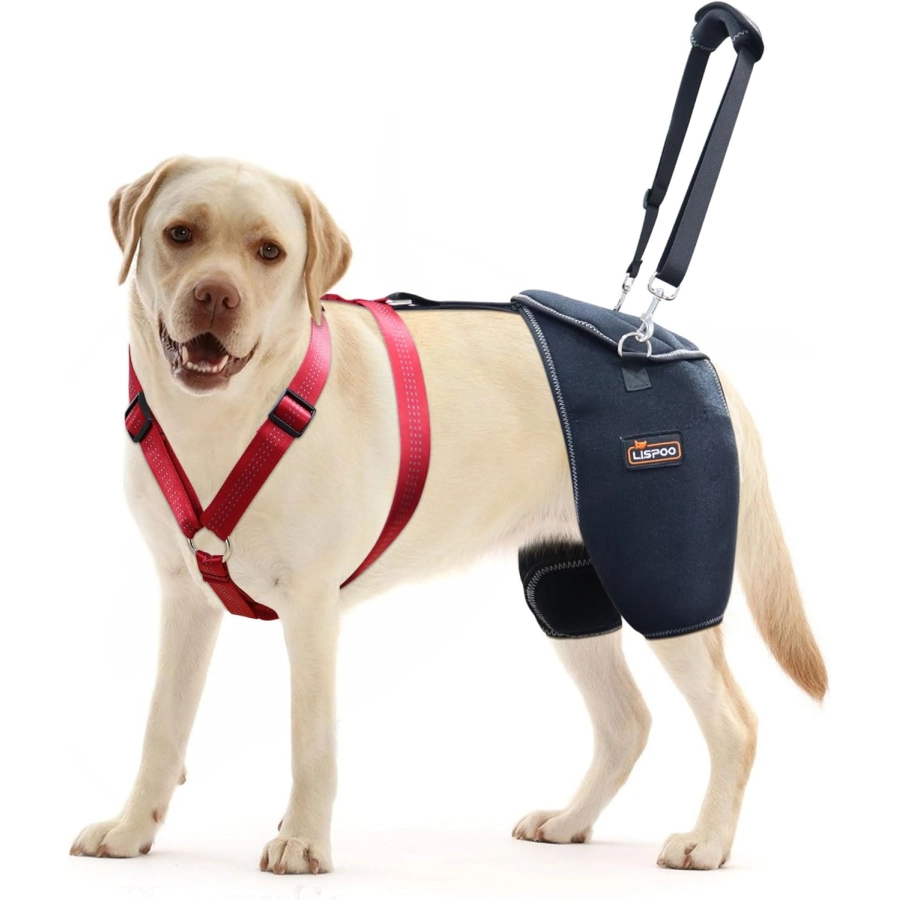
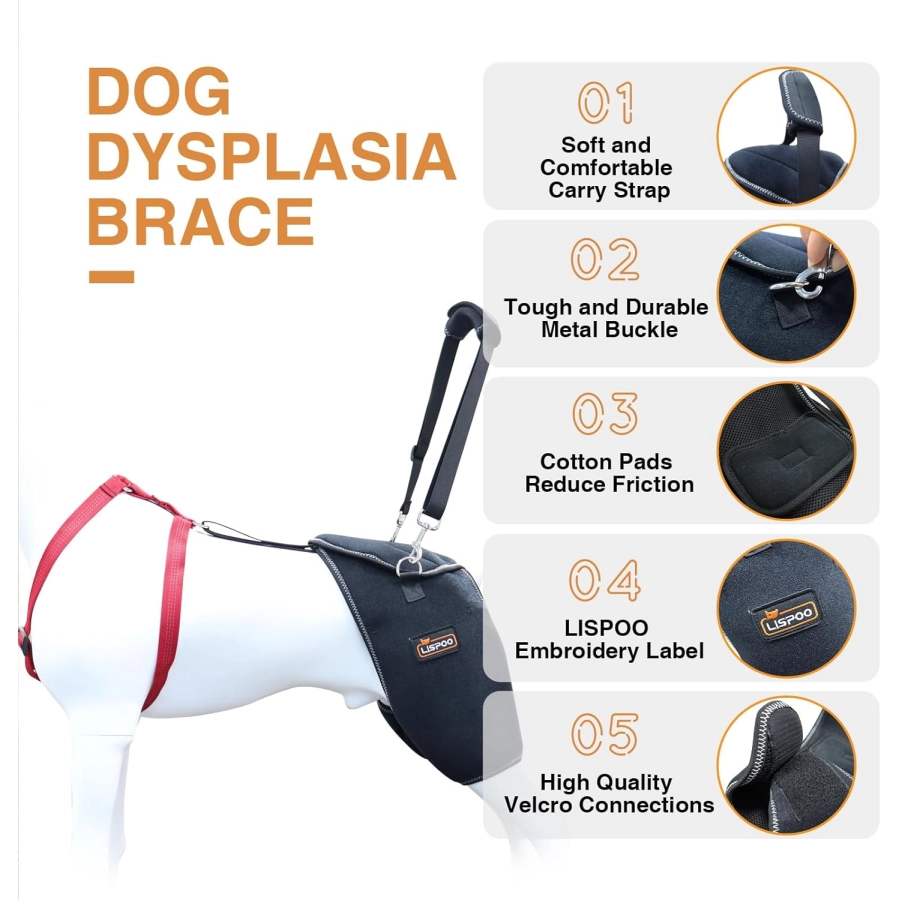
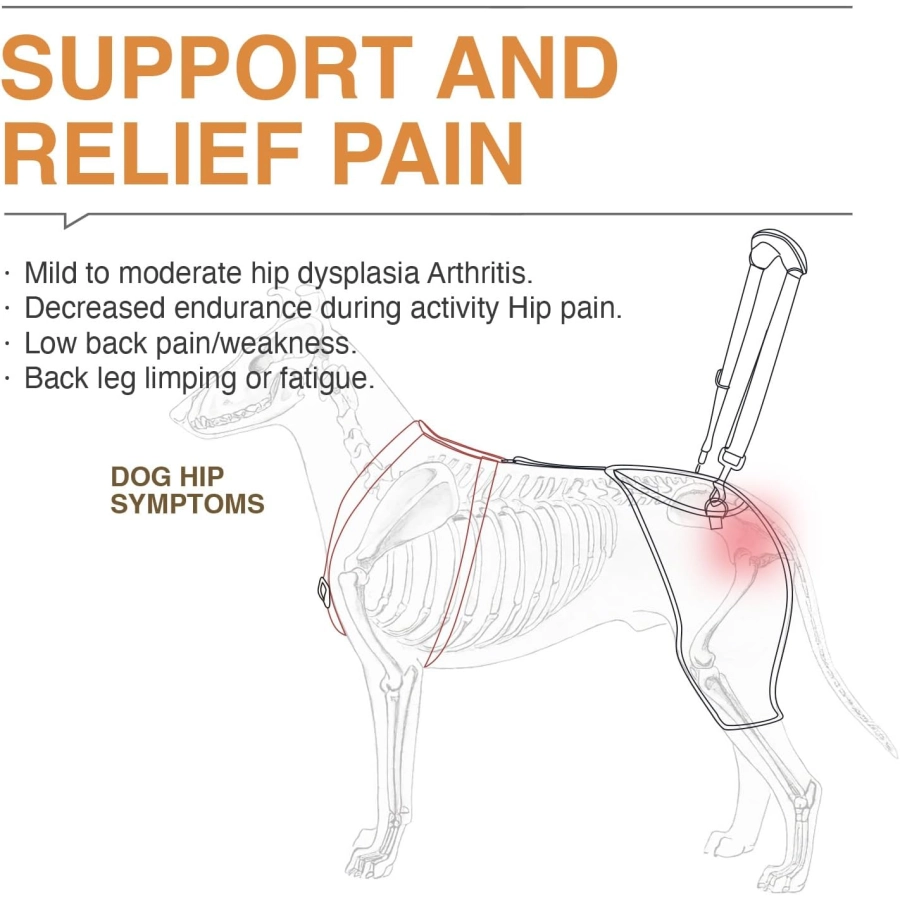
Types of Hip Support Braces for Dogs
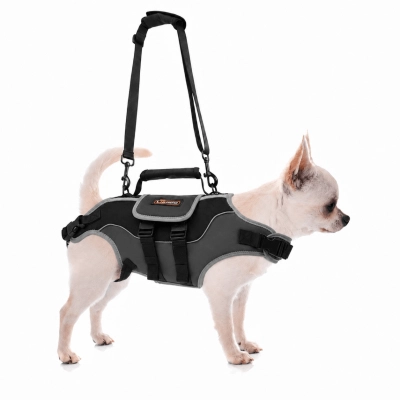
When you look for the right hip support harness, you’ll see a few main types. Each one helps dogs with dysplasia in different ways. Let’s break down what you need to know.
Soft Braces
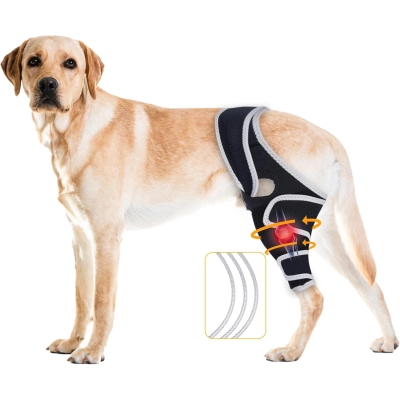
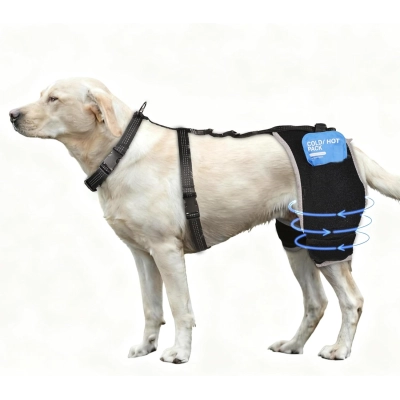
Soft braces feel gentle and flexible. You can use them for everyday support. They wrap around your dog’s hips and give light compression. This helps with pain relief and joint stability. Many dogs move better and feel more comfortable with a soft hip support harness. You might choose this type if your dog needs help after an injury or surgery. Soft braces also work well for mild cases of dysplasia.
Here’s what you get with soft braces:
-
Pain relief for your dog
-
Better joint stability
-
Improved mobility
-
Support during recovery
Rigid Braces
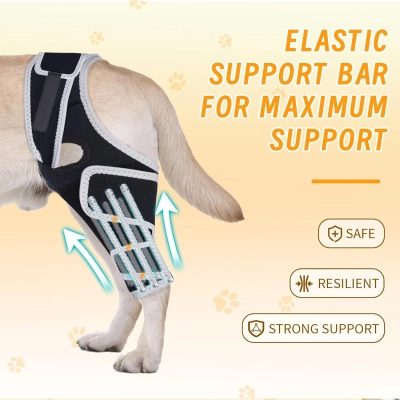
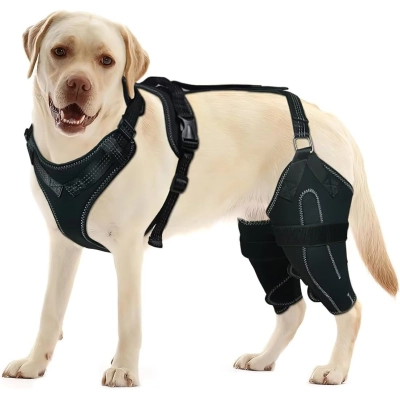
Rigid braces give strong support. They use firm materials to hold your dog’s hips in place. If your dog has early to moderate dysplasia, a rigid brace can help stabilize the joint. These braces reduce swelling and let your dog move without pain. You might pick a rigid hip support harness if your dog needs more control and less movement in the hip.
Tip: Rigid braces work best when your dog needs extra support for healing or daily walks.
Custom vs. Standard Options
You can choose between a custom hip brace and a standard one. A custom hip brace fits your dog’s body perfectly. It gives the best comfort and support, especially for complex cases. Standard braces, also called over-the-counter options, fit many dogs but may not match every shape. Custom braces help with special medical needs, while standard ones work for mild or short-term problems.
|
Feature |
Custom Hip Brace |
Standard Hip Support Harness |
|---|---|---|
|
Fit |
Tailored to your dog |
General fit for most dogs |
|
Comfort |
High |
Varies |
|
Support |
Best for complex dysplasia |
Good for mild cases |
You want your dog to feel safe and strong. The right hip support harness can make a big difference in your dog’s life.
Choosing and Using Dog Hip Dysplasia Braces
Importance of Proper Fit
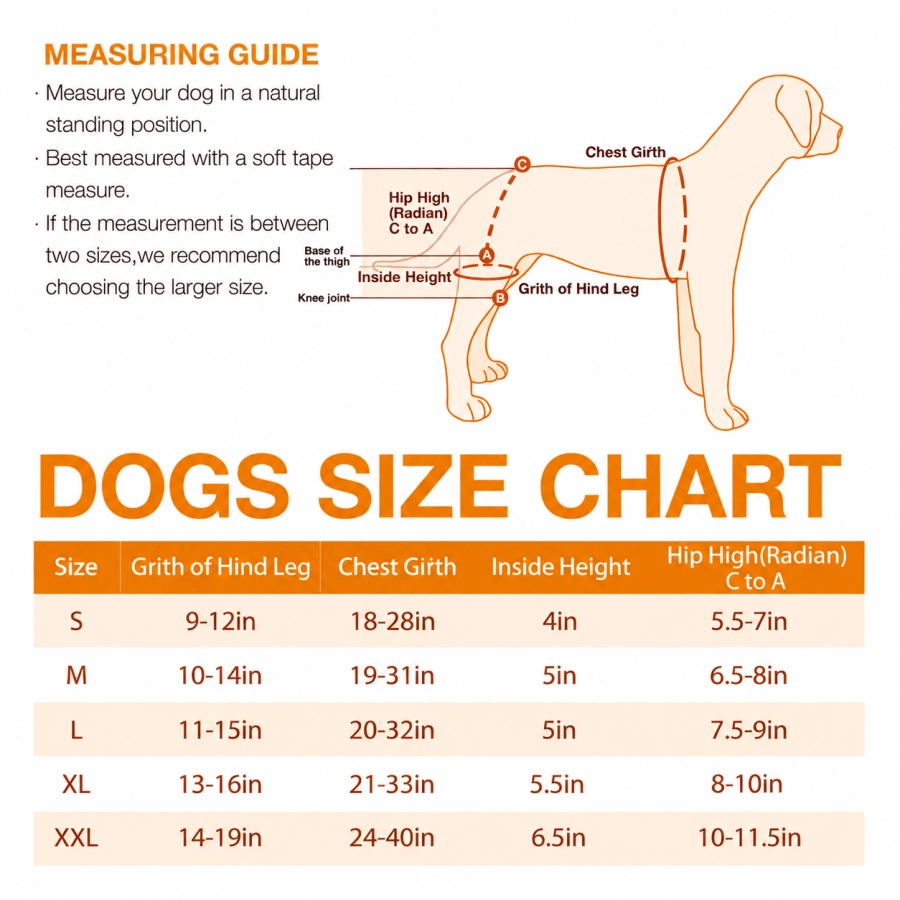
Getting the right fit for your dog’s brace matters most. You want your dog to feel comfortable and safe. A good fit helps the brace work well and keeps your dog happy. Here’s what you should look for:
-
Take accurate measurements of your dog’s hips and legs.
-
Make sure the brace sits in the right spot on your dog’s body.
-
Adjust the straps so the brace feels snug but not too tight.
-
Check your dog’s skin often for any signs of rubbing or discomfort.
If you have questions, ask your vet for help. They know how to make sure the brace fits just right.
Materials and Comfort
You want your dog to wear the brace every day, so comfort is key. Most dog hip dysplasia braces use soft, strong materials. Here’s a quick look at what you might find:
|
Material |
How It Helps Your Dog |
|---|---|
|
Diving cloth composite |
Secure fit and long-lasting |
|
Sandwich Network |
Extra comfort |
|
Flat cloth edge strip |
Smooth edges, less irritation |
|
Thick elastic band |
Supports movement |
|
Strong Velcro |
Keeps the brace in place |
These materials help prevent skin problems and let your dog move with ease.
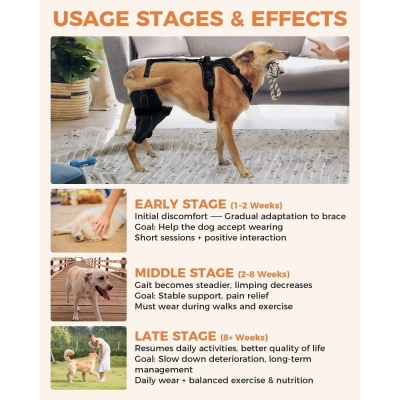
Gradual Acclimation
Dogs need time to get used to new things. Help your dog adjust to the brace by following these steps:
-
Let your dog sniff and explore the brace first.
-
Put the brace on for short periods at the start.
-
Slowly increase the time your dog wears the brace.
-
Use treats and praise to make the experience positive.
-
Keep the environment calm and quiet.
Patience helps your dog feel safe and confident.
Integrating Braces into a Care Plan
Hip support for dogs works best as part of a bigger plan. Combine the brace with regular vet visits, gentle exercise, and a healthy diet. Braces help take pressure off sore joints and improve mobility. Your vet can guide you on the best way to manage dysplasia and keep your dog active and happy.
Caring for Dogs with Hip Support
Monitoring and Maintenance
You want your dogs to stay comfortable and safe while wearing hip support. Check the brace every day for signs of rubbing or skin irritation. Dogs should not wear the brace all the time. Let your dogs wear it for 8-12 hours during active parts of the day. Take the brace off at night or when your dogs rest for a long time. This gives their skin a chance to breathe and helps prevent problems. Always look for any changes in how your dogs walk or act. If you see redness or sores, remove the brace and talk to your vet.
-
Watch for skin changes or discomfort.
-
Limit brace use to active hours.
-
Remove the brace during sleep or long naps.
Tip: Regular checks help you catch small issues before they become big problems.
Cleaning Tips
Keeping the brace clean helps your dogs avoid skin trouble and keeps the brace working well. Follow these steps:
-
Take the brace apart and soak it in warm water with a little laundry detergent for five minutes.
-
Gently scrub away dirt with a soft cloth or toothbrush.
-
Rinse the brace under warm water until all soap is gone.
-
Let the brace air dry. You can use a hairdryer on a cool setting if you need it dry fast.
Clean braces last longer and feel better for your dogs.
Activity and Comfort
You want your dogs to enjoy life, even with dysplasia. Start by making a quiet space where your dogs feel safe. Let them sniff and check out the brace before you put it on. Begin with short, easy walks on a leash. Watch how your dogs move and adjust the brace if needed. A good fit helps your dogs feel steady and keeps their mobility up. Combine the brace with gentle exercise and joint care for the best results.
|
Key Points |
Description |
|---|---|
|
Gradual Acclimatization |
Let your dogs get used to the brace slowly. |
|
Proper Fitting |
Make sure the brace fits snug but not too tight. |
|
Multi-modal Approach |
Use the brace with exercise and joint supplements for dysplasia. |
Note: Happy, comfortable dogs move better and enjoy more time with you.
Dog hip dysplasia braces help dogs walk better. They also help dogs feel less pain. These braces do not cure hip dysplasia. You should expect your dog to feel more comfortable. Your dog may move more easily with the brace. Always ask your vet about what your dog needs. Giving pain medicine helps your dog feel better. Keeping your dog at a healthy weight is important. Gentle exercise helps your dog every day. Compassion and care make a big difference for dogs.
FAQ
How long should my dog wear a hip brace each day?
You can let your dog wear the brace for 8-12 hours during active times. Take it off at night or when your dog rests.
Can my dog run and play with a hip brace on?
Yes! Your dog can walk, play, and enjoy gentle activities. Always watch for signs of discomfort and adjust the brace if needed.
Will a hip brace cure my dog’s hip dysplasia?
No, a hip brace will not cure hip dysplasia. It helps manage pain and improves movement. You should always follow your vet’s advice for the best results.

0 Comments