
You want your dog to stay active and comfortable after a knee injury. A ccl brace dog can walk better and feel less pain when you follow the right care steps. Many owners see their dogs improve in mobility and show less lameness when they clean the brace after each use and check the fit every day. One recent study found that dogs with moderate knee injuries had a 65% boost in mobility within eight weeks when using a brace and getting proper care.
Key Takeaways
- Clean your dog's CCL brace after every use to prevent skin issues and extend its life.
- Check the fit of the brace daily; it should be snug but not tight to ensure comfort and support.
- Monitor your dog for signs of discomfort, such as limping or licking at the brace, and adjust as needed.
- Store the brace in a cool, dry place to prevent damage and odors; use a breathable bag for best results.
- Consult your veterinarian if you notice any persistent issues with your dog's mobility or skin condition.
Cleaning Your CCL Brace Dog
Step-by-Step Cleaning Instructions
You want your ccl brace dog to stay healthy and comfortable. Clean the brace after every use to remove dirt, hair, and sweat. This habit helps prevent skin problems and keeps the brace working well. Follow these steps for the best results:
- Remove the brace from your dog before cleaning.
- Brush off loose hair, dust, and debris with a soft cloth or brush.
- Wipe lightly soiled areas with a damp cloth.
- Hand-wash fabric parts in cool water with mild soap if needed.
- Rinse all soap from the brace to avoid skin irritation.
- Check straps and Velcro for wear or damage during each cleaning.
- Let the brace dry completely before putting it back on your dog.
Regular cleaning stops bacteria from building up. Dirty braces can trap moisture and cause skin issues. You protect your dog’s skin and extend the life of the brace with these simple steps.
Safe Cleaning Products for CCL Brace Dog
Choose gentle cleaning products to keep your ccl brace dog safe. Use mild, fragrance-free soap or detergent. Avoid bleach, harsh chemicals, or strong cleaners. These can damage the brace and irritate your dog’s skin. Always read the product label before using any cleaner. If you see any residue after washing, rinse again with cool water. Never use hot water, as it can warp or shrink the brace materials.
Tip: Test a small area of the brace with your chosen soap before washing the whole brace. This helps you avoid unwanted reactions.
Air-Drying and Odor Prevention
Let the brace air-dry in a clean, shaded area. Do not use dryers, radiators, or direct sunlight. Heat can weaken the materials and shorten the brace’s life. Make sure the brace is fully dry before you put it back on your dog. A damp brace can cause odors and skin irritation.
To prevent odors, clean the brace often and store it in a dry place. If you notice a smell, wash the brace again and let it dry longer. You can sprinkle a little baking soda on the brace after it dries to help absorb any lingering odors. Shake off the baking soda before the next use.
Note: Never put a wet or damp brace on your dog. This can lead to skin problems and make the brace less effective.
CCL Brace Dog Fit Checks and Comfort
How to Assess Proper Fit
You want your dog to feel comfortable and supported when wearing a brace. A proper fit helps your dog move better and prevents new problems. Orthopedic specialists recommend checking for these key indicators of a good fit:
| Key Indicator | Description |
|---|---|
| Custom Fit | The brace matches your dog’s leg shape and size. |
| Owner Compliance | You follow daily wear and check routines. |
| Veterinary Oversight | Your veterinarian checks and adjusts the brace. |
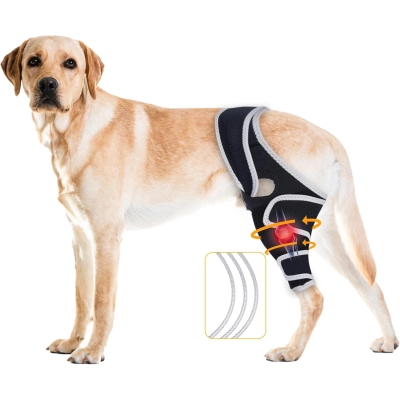
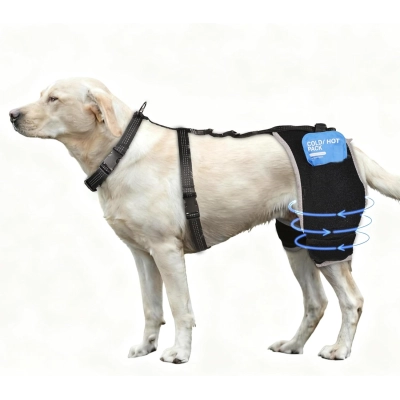
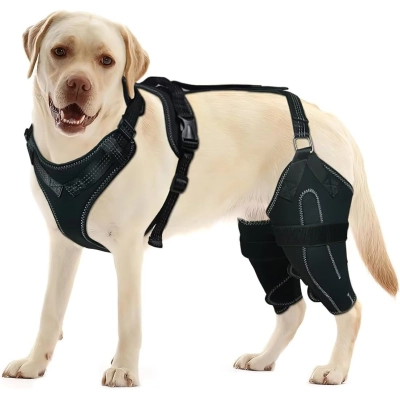
A ccl brace dog should wear a brace that stays in place and lines up with the knee joint. The straps should feel snug but not tight. You should be able to slide one finger under each strap. The brace should not twist or slide down the leg. Your dog should walk with a normal gait and show no signs of pain.
Tip: Always check the brace after your dog stands up and walks a few steps. Watch for any shifting or twisting.
Signs of Discomfort or Poor Fit
You need to watch your dog closely for signs that the brace does not fit well. Dogs often show discomfort in simple ways. Look for these common symptoms:
| Symptoms |
|---|
| Sudden limping |
| Holding one hind leg up |
| Knee swelling |
| Reduced activity |
| Clicking or popping sounds |
| Intermittent limping |
| Sudden loss of support in rear legs |
| Sitting in an abnormal position |
| Not bearing weight on a hind leg |
| Lameness |
| Trouble rising from sitting or lying |
| Suddenly less active |
| Constant licking |
| Swelling or thickening of the knee |
If you see any of these signs, remove the brace and check your dog’s skin. Look for redness, sores, or swelling. These problems can mean the brace is too tight, too loose, or not aligned with the knee. A poor fit can cause rubbing, chafing, or even make your dog limp more.
Note: Dogs may also lick or chew at the brace if it feels uncomfortable. Always check for these behaviors.
Adjusting the Brace for Best Results
You can help your dog feel better by adjusting the brace. Follow these steps for the best fit and comfort:
- Place your dog in a calm, quiet spot. Keep treats nearby to reward good behavior.
- Gently hold your dog’s leg. Slide the brace over the paw and up to the knee.
- Align the brace with the knee joint. The center of the brace should match the knee’s natural bend.
- Fasten the straps one at a time, starting at the bottom and moving upward. Make sure each strap has even tension.
- Let your dog stand up. Watch how the brace sits on the leg. Adjust the straps if you see any slipping or twisting.
- Give your dog a treat and praise to make the experience positive.
A well-fitted brace stays in place and does not twist. Your dog should walk with ease and show no signs of limping or pain. The straps should feel snug, not tight, and the brace should match the knee’s natural bend. Healthy skin with no red spots or sores means the fit is good.
If you have trouble getting the right fit, ask your veterinarian for help. They can check the brace and make adjustments.
Routine Maintenance for CCL Brace Dog
Inspecting Straps, Velcro, and Pads
You should check your dog's brace every day. Look for loose straps, worn Velcro, and pads that feel thin or rough. Dirt and hair can build up on Velcro, making it less sticky. Use a wire brush to remove hair and keep the Velcro working well. If your dog has a thick coat, like a Husky or Malamute, run your fingers under each strap after every session. This helps you find hidden rub marks or spots where the brace might slip. Always check your dog's skin for redness, irritation, or sores after wearing the brace.
Tip: Inspect the brace for cracks, loose straps, or worn areas. If you notice limping or swelling, check the brace and your dog's leg right away.
When to Replace Worn Parts
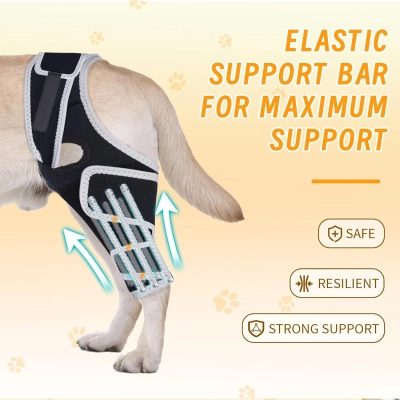
Parts of the brace wear out over time. Straps lose elasticity, Velcro stops sticking, and pads flatten. Replace straps when they stretch or show signs of wear. Most warranties cover strap replacement for the first four months. Pads are easy to change—just fold the strap and slide it through the pad loop. Suspension sleeves made of neoprene attach with strong Velcro and should be replaced when they look worn. If your dog walks on hard surfaces, check the sole often. Replace it before the plastic shows.
| Part | When to Replace |
|---|---|
| Straps | Lose elasticity or fray |
| Velcro | Stops sticking |
| Pads | Flatten or tear |
| Suspension Sleeve | Shows wear |
| Sole | Wears down to plastic |
Maintaining Secure Functionality
You want the brace to stay secure and support your dog’s knee. Make sure the brace fits your dog’s leg shape and size. Apply the brace correctly so it lines up with the knee joint. Custom-made braces, like Hero Braces, provide stability and comfort. Some designs skip the top strap for more freedom. A good care plan includes checking the brace, controlling exercise, and keeping your dog at a healthy weight. If you notice any changes in your dog's movement or the brace slips, adjust it or ask your veterinarian for help.
Note: Proper sizing and daily checks help your ccl brace dog stay active and comfortable.
Extending CCL Brace Dog Longevity
Proper Storage and Handling
You can help your dog's brace last longer by storing it the right way. Always keep the brace clean and dry before putting it away. A nylon mesh draw-string bag works well for storage. This type of bag lets air flow around the brace and keeps it free from dust and dirt. You should place the brace in the bag after each use. Store the bag in a cool, dry spot away from direct sunlight or heat. Never leave the brace in a damp area or inside a hot car. Careful storage prevents mold, odors, and material breakdown.
Activity Guidelines and Safe Use
You play a big role in protecting your dog's brace during daily activities. Dogs should avoid jumping on furniture or chasing after cars and bikes. Always use a leash when you take your dog outside. Controlled movement helps prevent sudden twists or falls that can damage the brace. Most dogs need to wear the brace during all active times, usually 8 to 12 hours each day. Remove the brace during naps or overnight so your dog's skin can breathe. Some dogs may need to wear the brace for 6 to 12 months if not having surgery, or for 3 to 4 months after surgery. Watch your dog closely and follow your veterinarian's advice about activity and brace use.
Preventing Damage and Wear
You can extend the life of your ccl brace dog by following a few simple steps. Check the brace every day for signs of wear, such as loose straps or worn-out Velcro. Clean off dirt and hair after each walk. Keep your dog's nails trimmed to avoid scratching the brace. Use non-slip mats in your home to reduce falls and sliding. Do not let your dog chew or play roughly with the brace. If you see any cracks, bent parts, or broken pieces, stop using the brace and contact your veterinarian or the brace provider for help. Careful handling and regular checks keep the brace working well and your dog comfortable.
Monitoring Skin and Mobility with CCL Brace Dog
Checking for Skin Irritation
You should check your dog’s skin every day when using a brace. Skin irritation can happen if the brace rubs or traps moisture. Most dogs do not develop problems, but regular checks help you catch issues early. Look for redness, swelling, sores, or hair loss under the brace. If you see any of these signs, remove the brace and let your dog’s skin rest.
Here are some ways to prevent skin irritation:
- Inspect your dog’s skin daily, especially after walks or play.
- Keep the brace clean and dry.
- Adjust or repair the brace if you notice any rough spots or loose straps.
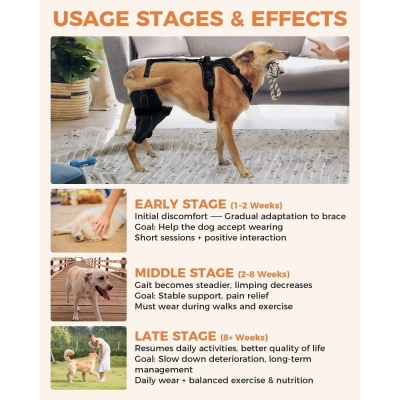
A gradual adaptation period helps your dog get used to the brace. Start with short wear times and increase slowly. This gives the skin time to adjust.
| Best Practice | Explanation |
|---|---|
| Gradual adaptation period | Start with short intervals of brace wear to allow the dog to adjust without causing irritation. |
| Daily skin checks | Regularly inspect the skin for any signs of irritation or injury caused by the brace. |
| Professional fitting | Ensures the brace fits correctly to prevent complications like slippage or skin issues. |
| Routine adjustments | Regular follow-ups to modify the brace as needed for comfort and effectiveness. |
| Owner education | Learn how to use and monitor the brace to prevent negative outcomes. |
Watching for Mobility Changes and Knuckling
You need to watch your dog’s movement every day. Notice if your dog limps, drags a paw, or walks differently. Knuckling happens when your dog places the top of the paw on the ground or drags the toes. This can mean nerve problems or weakness, not just a knee injury. If you see new or sudden knuckling, or if your dog cannot stand or walk normally, contact your veterinarian right away.
Tips for monitoring mobility:
- Supervise your dog during walks, especially on stairs.
- Watch for signs of fatigue or soreness.
- Schedule a follow-up with your veterinarian about a week after fitting the brace.
When to Contact Your Veterinarian
You should call your veterinarian if you notice any of these signs:
- Hind limb lameness that does not improve
- Sudden limping after a yelp or injury
- Limping after exercise that gets better with rest
If your ccl brace dog shows skin irritation that does not heal, or if the brace keeps slipping, ask your veterinarian for advice. Quick action helps keep your dog safe and comfortable.
You help your dog stay comfortable and active by following these daily care tips:
- Start with short brace sessions and slowly increase wear time.
- Remove the brace at night to let the skin breathe.
- Clean and dry the brace after each use.
- Check for signs of wear or discomfort every day.
- Supervise your dog’s activity and avoid sudden movements.
| Outcome | Benefit |
|---|---|
| Functionality | Improved comfort and mobility |
| Compliance | Better results with daily care |
| Complications | Fewer issues with careful monitoring |
Always talk to your veterinarian if you notice problems or have questions. Consistent cleaning, fit checks, and maintenance help your dog get the most from their brace.
FAQ
How often should you clean your dog's CCL brace?
You should clean the brace after every use. This keeps it free from dirt, hair, and sweat. Clean braces help prevent skin problems and keep your dog comfortable.
Can your dog wear the brace all day?
You should let your dog wear the brace during active times. Remove it during naps, overnight, or when your dog rests. This gives the skin time to breathe and prevents irritation.
What signs show the brace does not fit well?
Watch for redness, swelling, limping, or the brace slipping. Your dog may lick or chew at the brace. These signs mean you should check the fit or ask your veterinarian for help.
What should you do if the brace gets wet?
Dry the brace completely before putting it back on your dog. Wet braces can cause skin irritation and odors. Store the brace in a dry place to keep it in good shape.
When should you contact your veterinarian?
Call your veterinarian if you see skin sores, swelling, sudden limping, or knuckling. Quick action helps your dog stay safe and comfortable.
0 Comments