
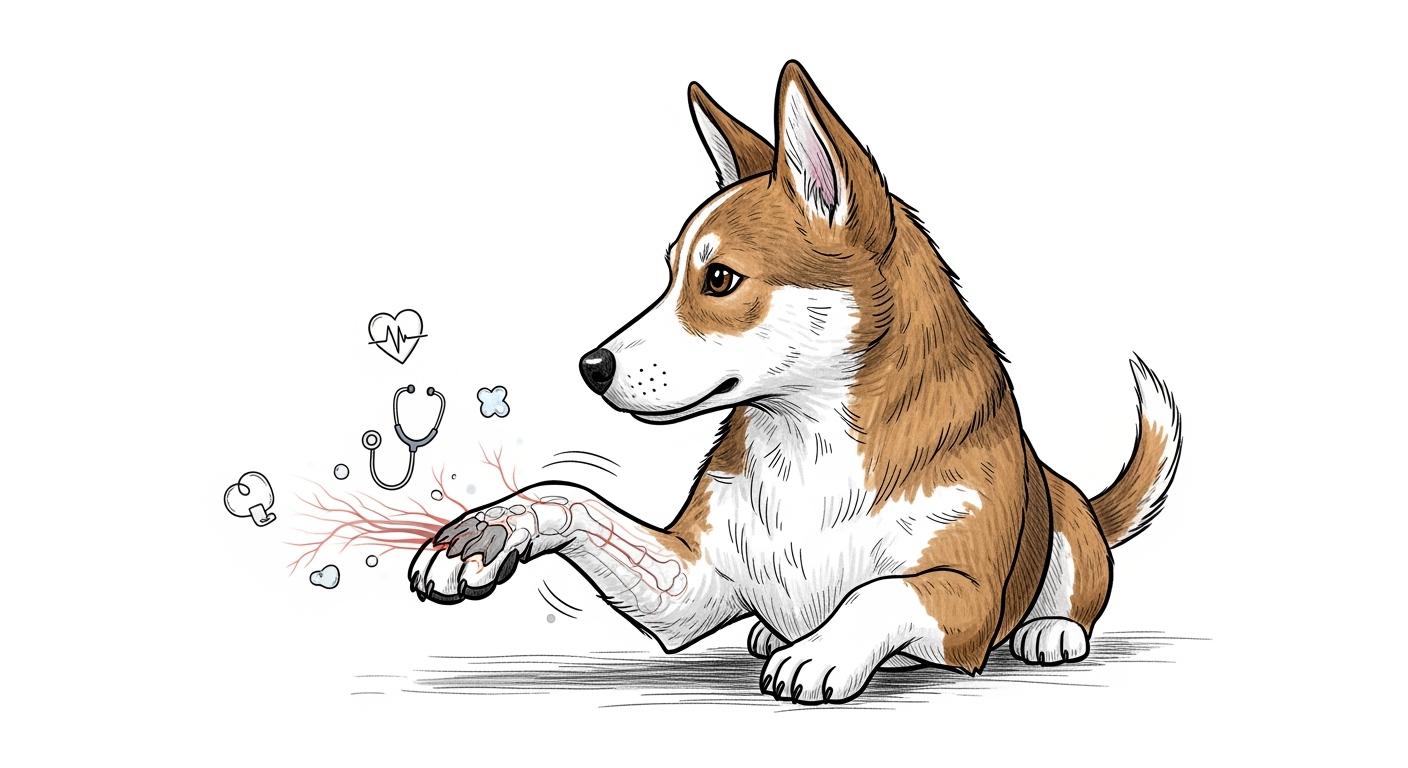
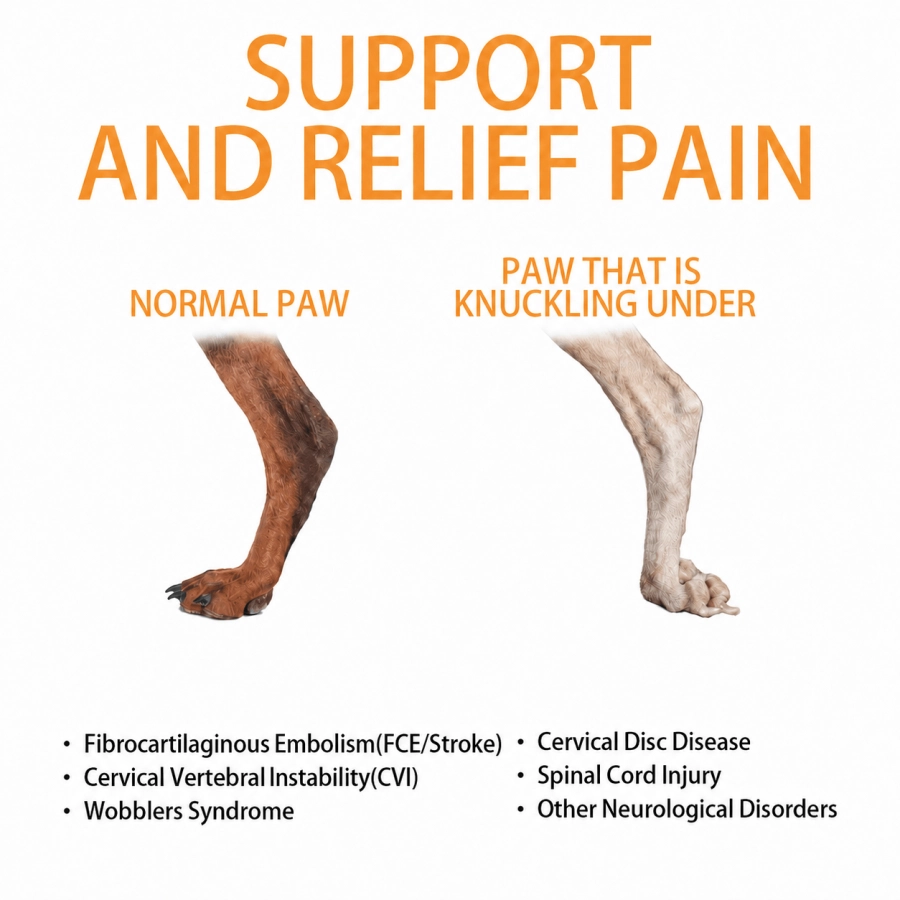
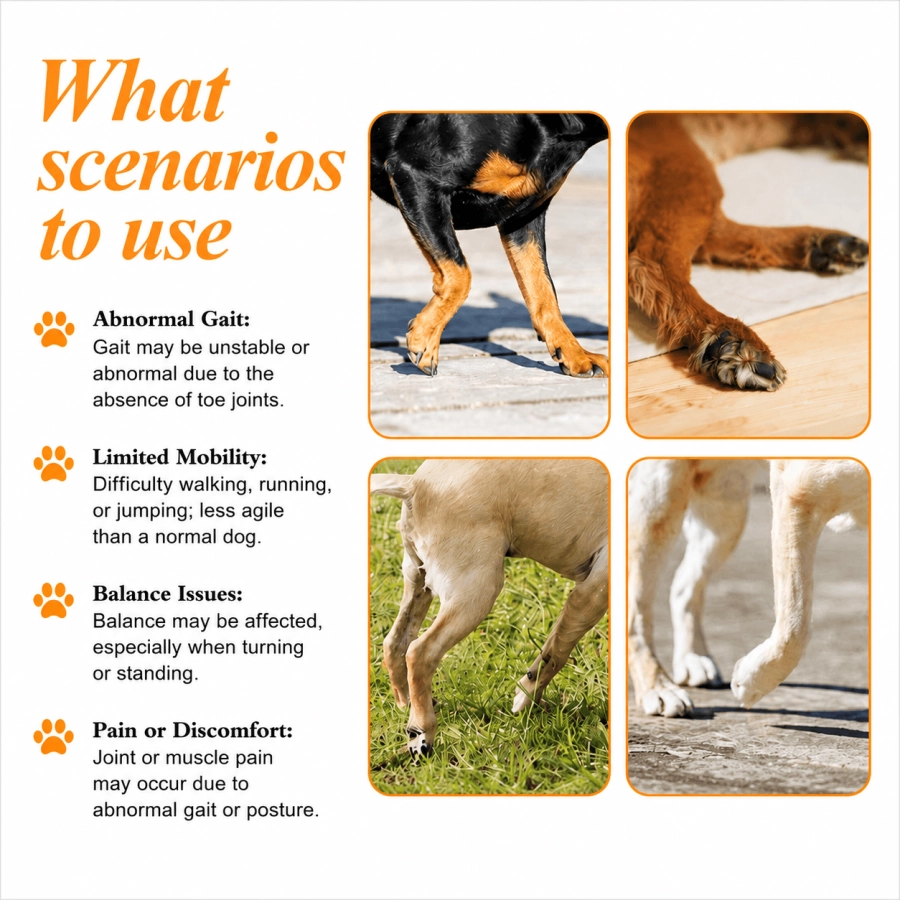
A dog that knuckles walks on the top of the paw instead of the pads. The paw folds under with each step. Toenails scrape concrete. The knuckle skin — thin, unguarded, never meant for ground contact — takes the impact.
That grinding is the problem you can see. The problem you cannot see is almost always neurological: nerve signals that normally tell the paw to flip into the correct position are not getting through. Spinal cord compression, degenerative nerve conditions, or injury can all break this signal chain. The dog does not feel the paw dragging or cannot correct it.
But the paw itself is what takes damage right now. Skin over the knuckles wears fast. Once it breaks open, infection follows. This is where protective gear design stops being a comfort feature and becomes the difference between a paw that heals and one that stays raw for weeks. Understanding what early knuckling looks like lets you match protective gear to the stage of the problem — not over-gear or under-gear.
What the Paw Is Actually Up Against
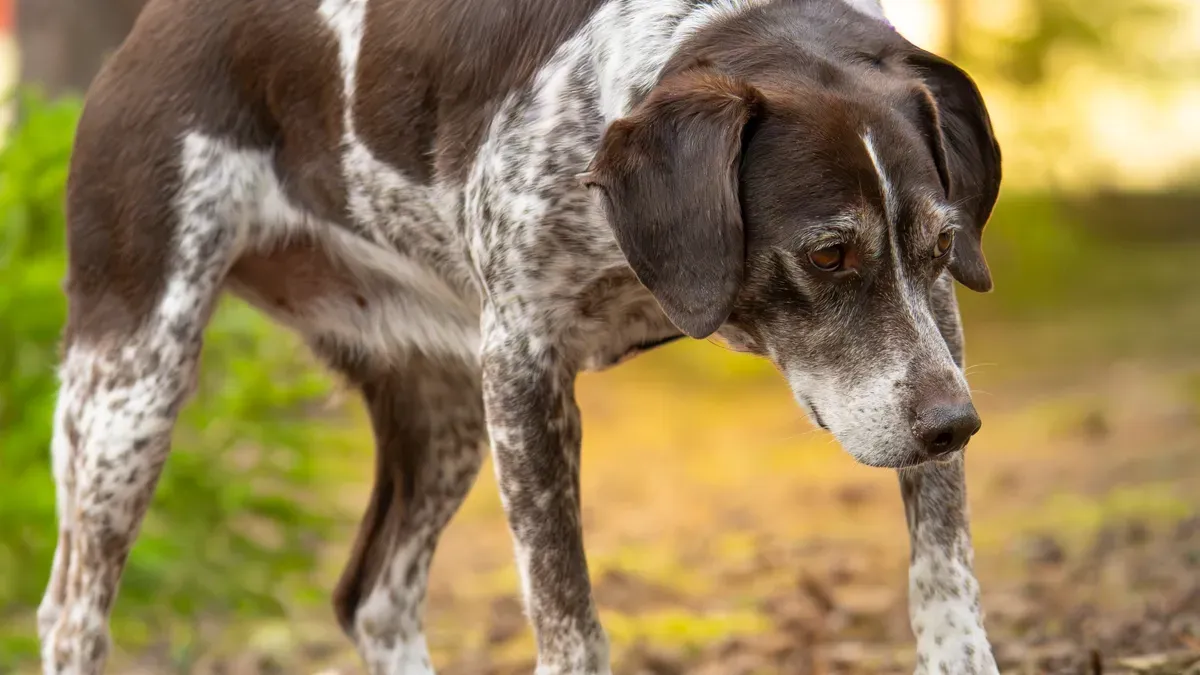
Knuckling creates a contact zone the paw was never built for. Paw pads are thick, keratinized, and designed to absorb impact. The dorsal knuckle skin is not. It is thin. It has less subcutaneous fat. It tears under friction loads that paw pads shrug off.
The force involved is not trivial. On pavement, a medium-sized dog dragging a folded paw generates enough friction at the knuckle contact point to wear through unprotected skin in under a week of daily walks. On carpet, the same motion creates less abrasion but more twisting — the paw catches, the dog pulls, the skin stretches and tears at the joint crease.
The surface matters. The dog's weight matters. But what matters most is whether anything sits between that knuckle skin and the ground. A well-designed protective layer changes the physics: friction shifts from skin-to-ground to material-to-ground. The material wears. The skin does not.
In practice: After a five-minute walk on concrete, flip the paw over and check the knuckle skin. Pink or visibly abraded means the paw is taking full ground contact. No marks means the dog is still partially correcting its paw placement — a different stage of knuckling that may need a different gear setup.
Protective Sock and Boot Design: What Keeps a Dragging Paw Intact
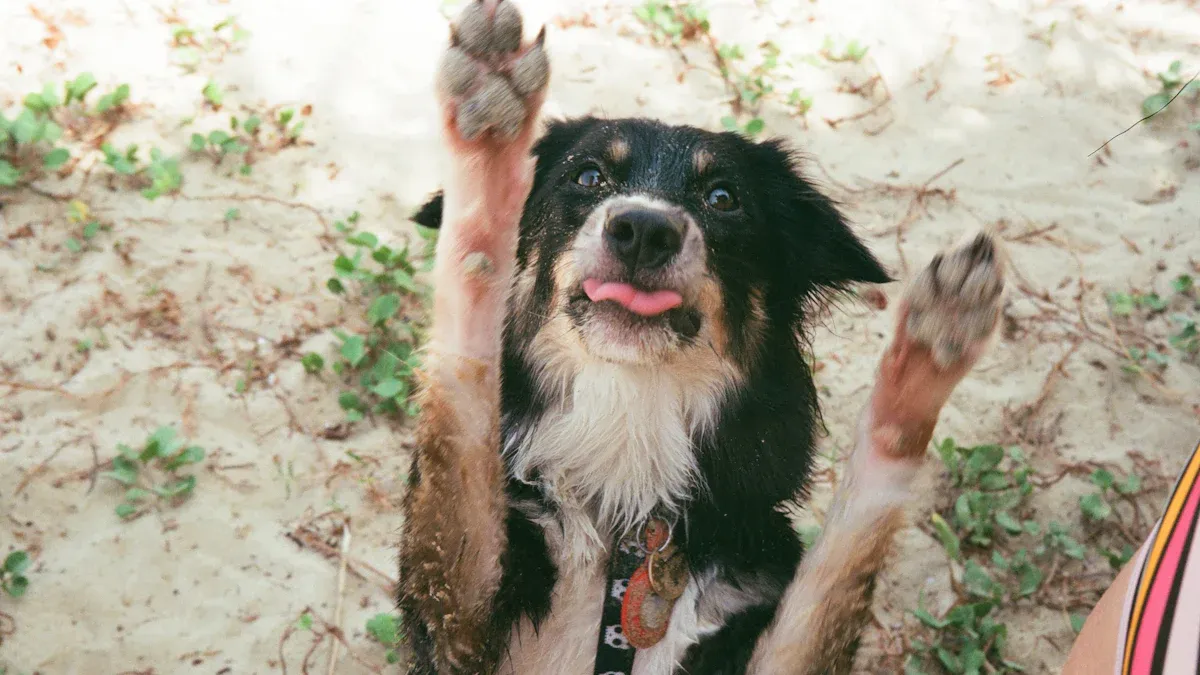
Not all paw protection works the same way. Three design dimensions separate gear that holds up from gear that fails in the first week.
Sole Material Density and Grip Pattern
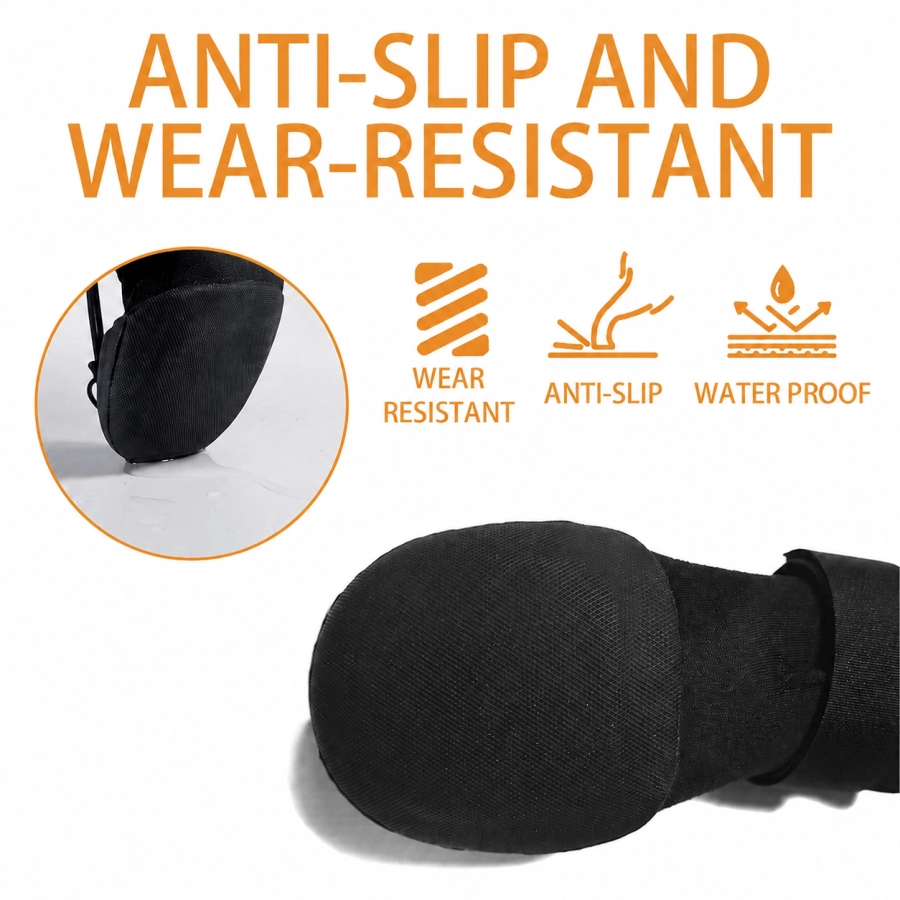
The sole is the only barrier between knuckle skin and abrasive ground. Material density sets the wear rate. A low-density foam sole — the kind that feels soft and flexible in your hand — grinds down to nothing in under a week on pavement. It deforms too easily. Friction concentrates at the knuckle contact point instead of spreading across the sole surface. The material thins in one spot, then fails.
A denser rubberized sole — the type built into non-slip dog socks designed for daily outdoor walking — distributes friction across a larger contact patch. The physics is straightforward: same dragging force spread over more square inches equals lower pressure at any single point. Lower pressure equals slower material loss. A sole that wears evenly across its surface outlasts one that develops a thin spot at the knuckle impact zone by a factor of three or more. That is not a comfort difference. That is the difference between a sock lasting a walk and lasting a month.
Grip pattern determines what happens on slick surfaces. A smooth sole slides on tile and hardwood — the dog compensates by tensing other legs, which adds strain to joints that may already be compromised. A textured or studded tread pattern gives the paw something to push against. Less energy wasted on stabilization. More energy going toward forward movement. On a dog already struggling with coordination, this is the gap between a confident step and a stumble.
Toe-Cap Reinforcement and Seam Direction
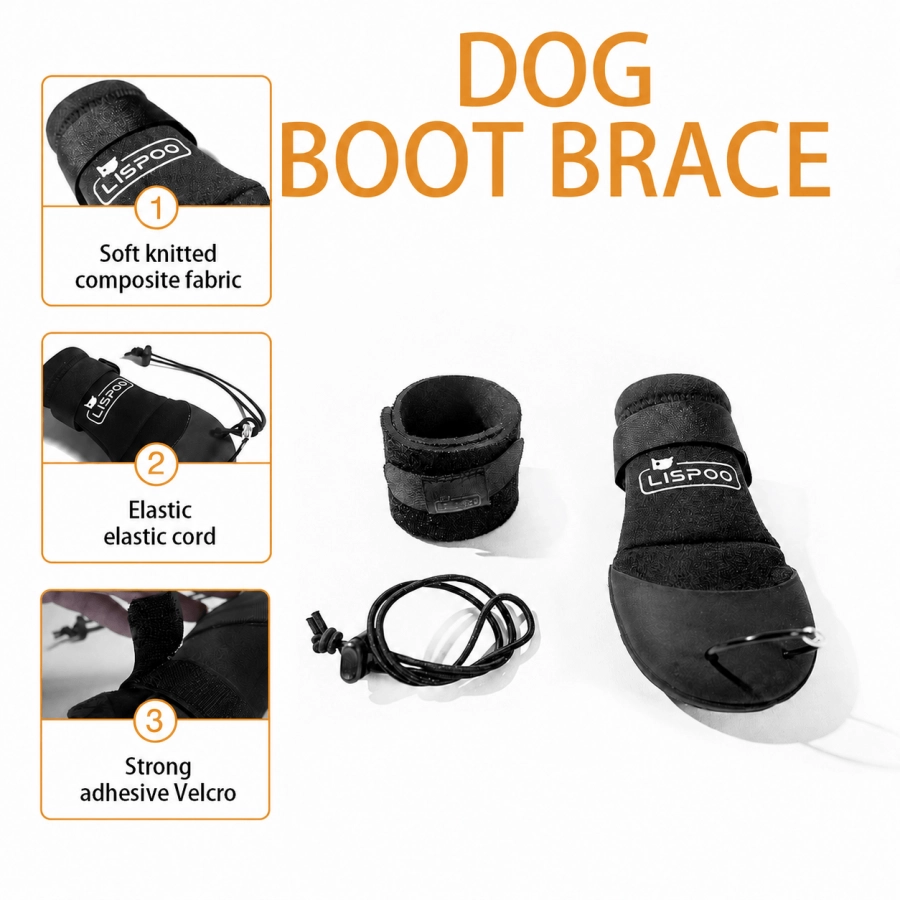
On a knuckling dog, the dorsal toe area hits first and hits hardest. The paw folds under and the top of the toes scrapes across the ground. A sock without reinforced toe fabric wears a hole at that contact point within days. Once the hole opens, dirt and moisture get inside, and the sock becomes a bacteria trap instead of a barrier.
Reinforcement design matters more than overall fabric thickness. A double-layer toe cap made from the same abrasion-resistant material as the sole — stitched in, not glued — outlasts a thick but unreinforced knit by roughly 3-to-1 in real daily use. The stitching direction also matters: horizontal seam lines running straight across the toe flex zone concentrate bending stress along a single line, and that line cracks first. Curved seams that follow the paw's natural bend radius distribute flex stress across a longer path. The seam lasts longer. The protection holds.
Closure Design and Retention Under Friction
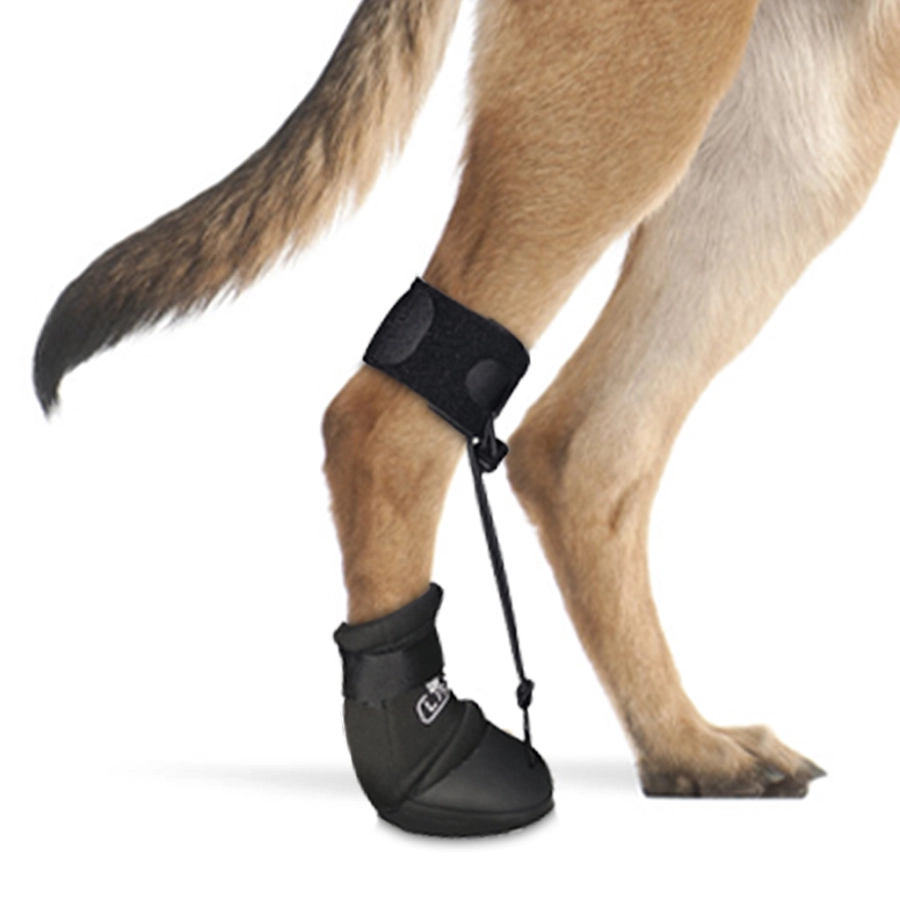
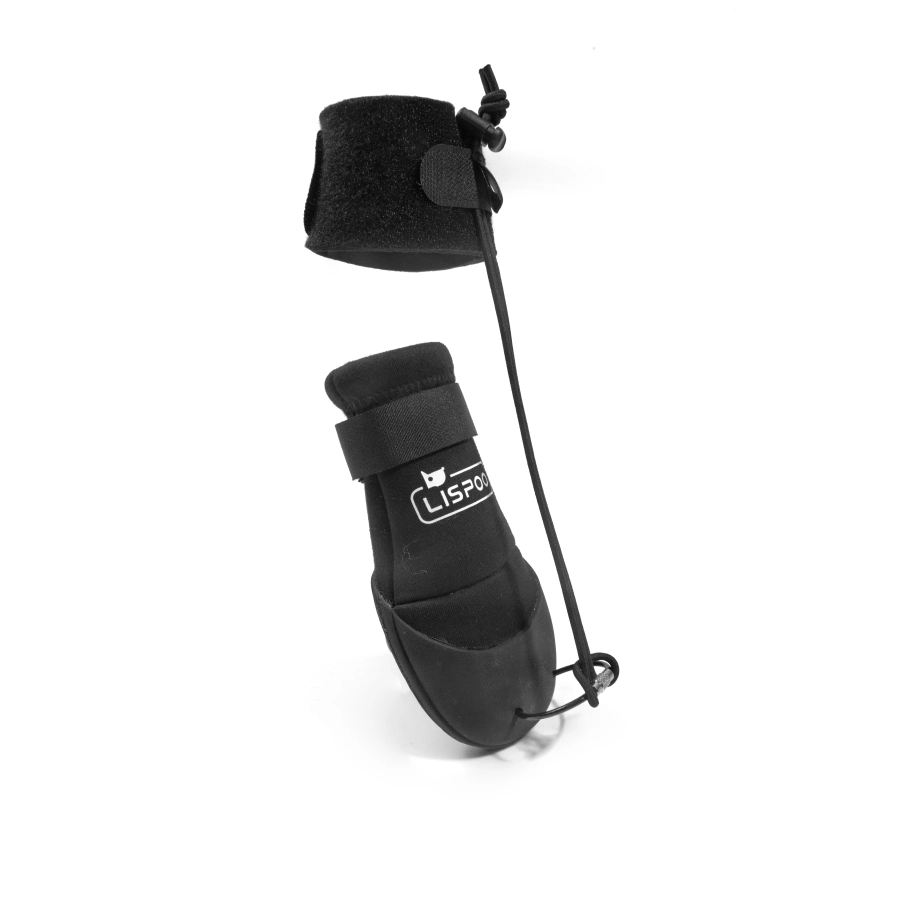
A boot that slips off mid-walk is worse than no boot. It becomes a tripping hazard. The closure system determines whether the boot stays on under sustained ground drag. A single Velcro strap tightens unevenly — tight at the strap, loose everywhere else — and creates a focused pressure point that can restrict blood flow. A dual-strap configuration with an elastic collar distributes retention force around the ankle circumference. The elastic gives when the paw catches on a surface edge, absorbing the tug without popping the closure open. Rigid closures cannot do this. They hold until they do not — and when they let go, it is sudden.
Tip: Walk the dog for ten minutes on mixed surfaces — pavement, grass, indoor floor — then remove the sock or boot. Check three things: Did the closure stay at the same tightness? Is the toe fabric showing early wear at the knuckle contact point? Is there any debris inside? A yes to any of these means the design is not holding up to the dog's specific dragging pattern.
When Support Gear Works — and When It Does Not
Protective socks and boots solve the surface-level problem: paw skin against ground. Some dogs also need positional support — a device that helps the paw land in a more natural position instead of folding under completely.
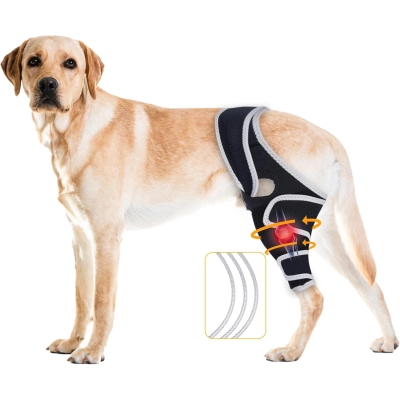
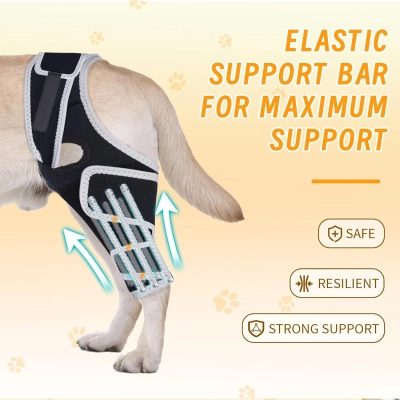
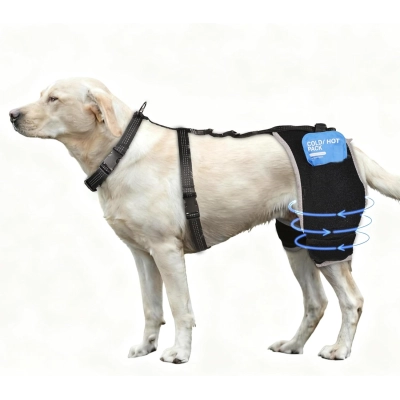
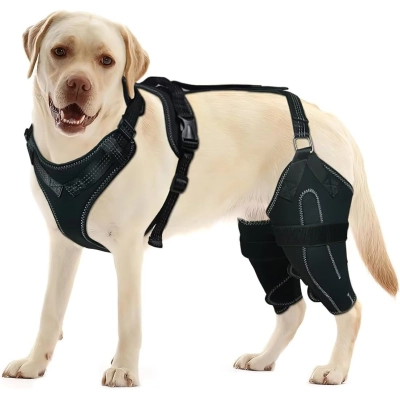
A dog wrist brace or carpal support wrap can help when the knuckling originates from carpal joint weakness rather than a spinal-level signal failure. Here is the distinction that determines whether positional support works or fails:
If the nerve signal still reaches the paw — but the carpal joint collapses under weight before the paw can land — a support strap aligned with the joint axis stabilizes the wrist angle. The paw contacts the ground closer to its natural position. The knuckle skin still needs protection, but the joint is no longer folding into the worst possible angle.
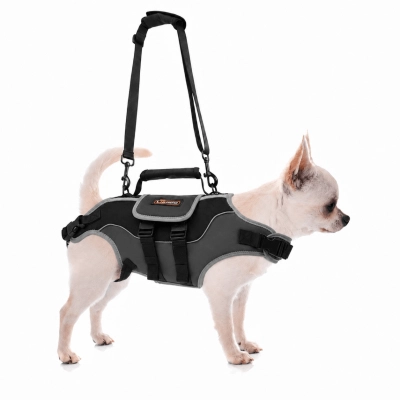
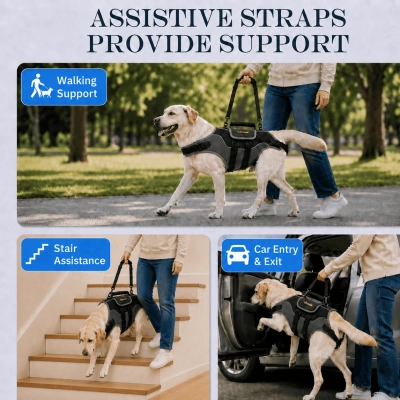
But if the nerve signal never reaches the paw at all, no amount of external strapping restores paw placement. At that point, two things matter: surface protection so the paw does not break down, and mobility offloading so the dog can move without grinding both paws into the ground on every step. A rear-support dog wheelchair takes weight off dragging hind paws entirely, which stops the abrasion cycle at the source.
The distinction is not academic. Using positional support on a dog with complete nerve signal loss creates a false sense of security. The paw may look better positioned inside the brace. But the dog still cannot feel it. Still cannot correct it. And the brace can hide developing pressure sores underneath — sores that go unnoticed because the owner stops checking once the brace is on.
Dogs with degenerative conditions that progress over months face a moving target. Today's fit may not hold next month as muscle mass shifts and joint angles change. A wheelchair with adjustable leg supports and removable footrests accommodates that progression — the configuration changes as the dog changes. A fixed-frame chair locks the dog into one position. That works for stable conditions. It becomes a problem for progressive ones.
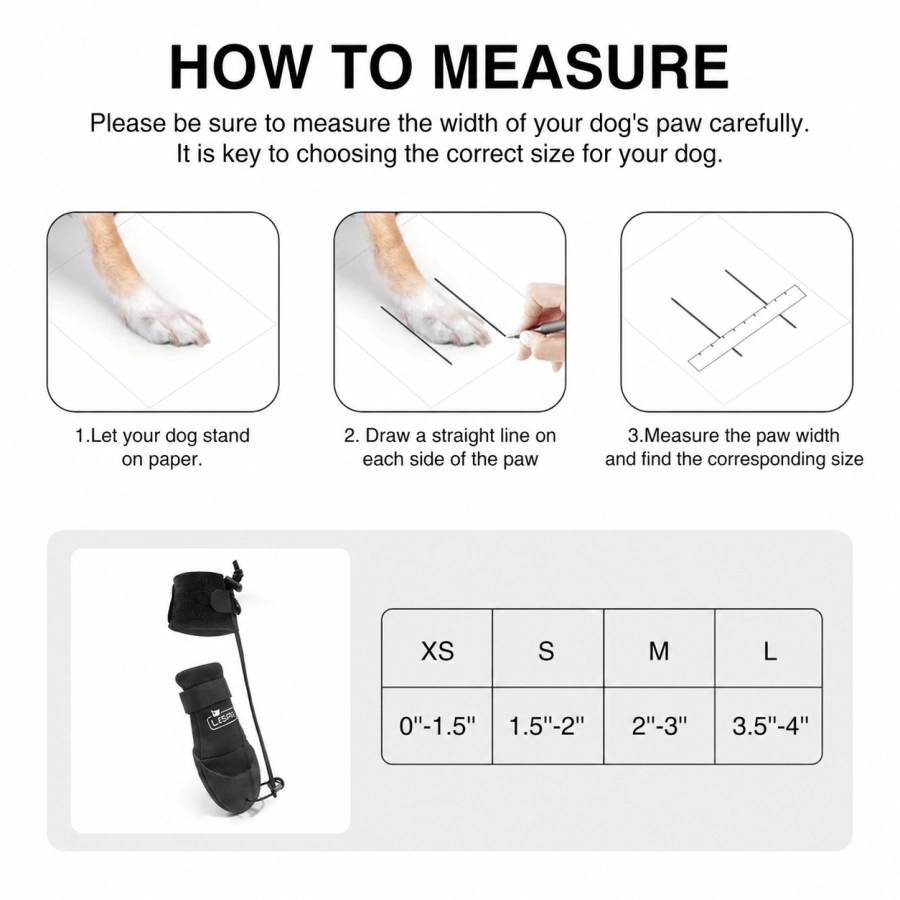
Disclaimer: The paw-protection checks described here assume a short-coated dog where knuckle skin is visible. Double-coated breeds and dogs with heavy paw feathering may hide early abrasion under fur — hand-check the knuckle area by feel rather than relying on visual inspection alone. If the dog's leg conformation falls significantly outside typical breed proportions — particularly dogs with angular limb deformities or unusually deep chests — standard sock and boot sizing charts may miss pressure points that need individual fit evaluation.
Knuckling does not fix itself. The underlying nerve or spinal issue needs veterinary diagnosis — that part is not negotiable. But while that process unfolds, the paw itself can either stay protected or break down. The difference comes down to sole material density, toe-cap reinforcement design, and whether the gear matches the specific stage of knuckling the dog is in. A sock with the right sole density buys weeks of protected walking. One without it buys days. On a dog that drags its paw with every step, that difference is everything.
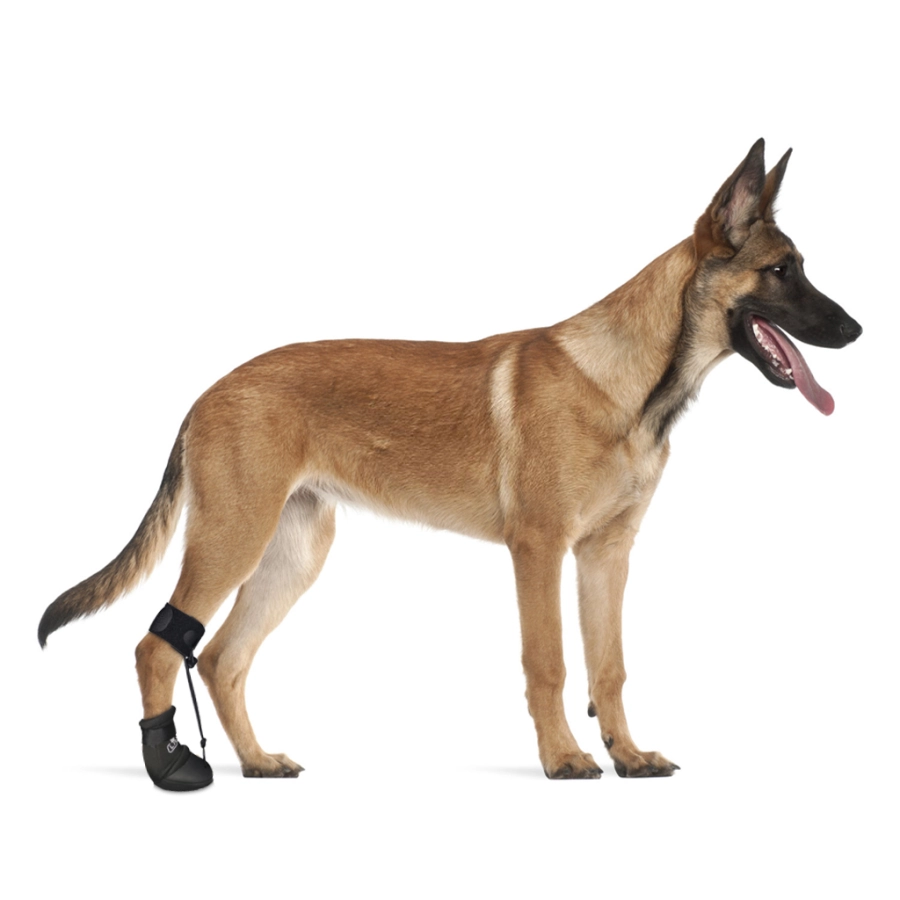
Recommended Products:
👉 FAQ
Q: How long before I see results?
A: Many dogs show improvement within a few days of consistent use.
Q: Is it comfortable for my dog?
A: Yes, it’s made from soft, breathable materials designed for daily wear.
Q: Can my dog wear it all day?
A: We recommend supervised use during walks or active time.
Q: Does it work for IVDD?
A: Yes, many customers use it for IVDD-related knuckling issues.
0 Comments