
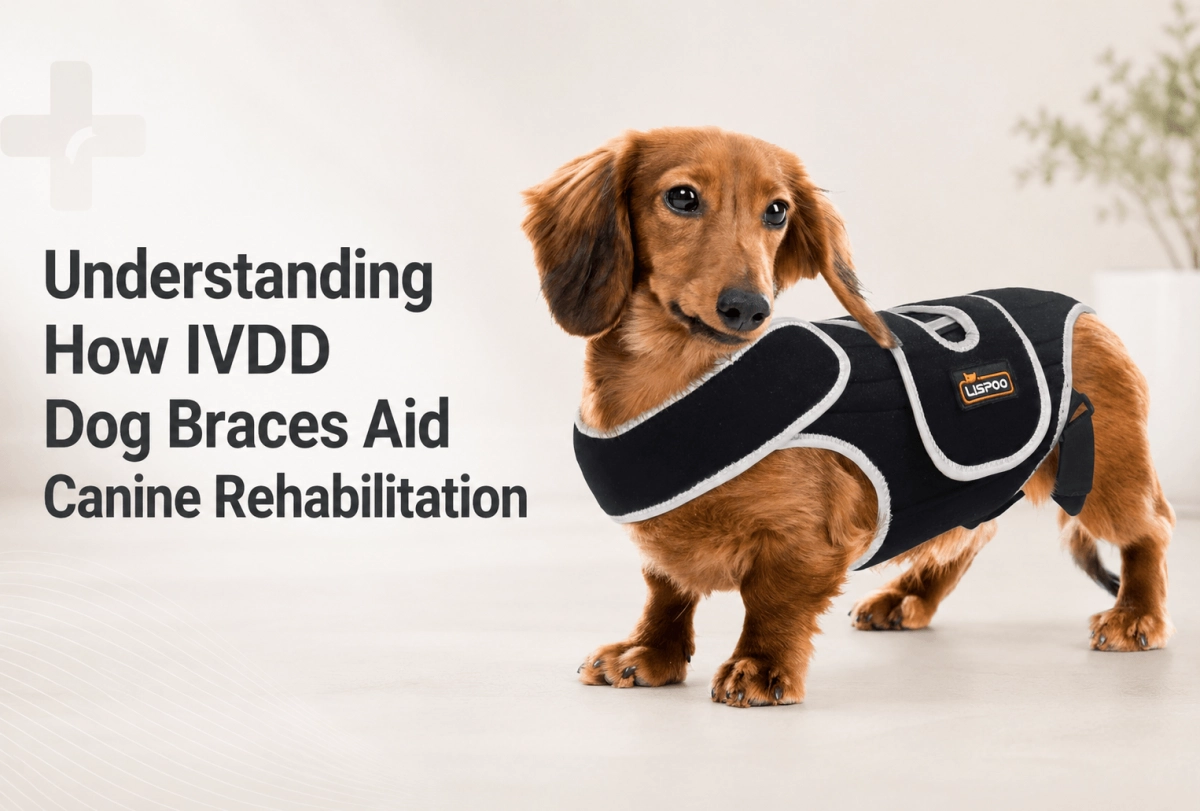
IVDD dog braces help your dog’s spine stay strong. This support can ease back pain and make moving easier. The braces use designs proven by science to help dogs heal. Your dog may need a brace after surgery or during rehab. A back brace stops bad movement in the spine. It also helps your dog stand up straighter. This makes your dog feel safer and more comfortable on walks. The right brace can reduce body wobble and improve movement. You should always talk to your vet before picking a brace.
Key Takeaways
-
IVDD dog braces give important support to your dog's spine. They help lower pain and make it easier for your dog to move. - You should always talk to your vet before picking a brace. This makes sure the brace fits right and is good for your dog's needs. - A back brace can help your dog heal after surgery. It also helps control mild or moderate IVDD symptoms well. - Check the brace often to see if it still fits your dog. Watch your dog for any pain or skin problems. - Add physical therapy and care to help your dog get better. This also keeps your dog healthy overall.
What Is IVDD in Dogs
Causes and Symptoms
IVDD means intervertebral disc disease. It affects the discs between the bones in your dog’s spine. These discs are like soft pads. Over time, they can get worn out or even break open. When this happens, your dog might feel pain or have trouble moving. You may see your dog act strange or stop doing things they used to enjoy.
Here are some signs you should look for:
-
Back pain, like arching or yelping when touched
-
Not wanting to move, jump, or go up stairs
-
Walking stiffly or in a weird way
-
Feeling weak or getting tired easily
-
Losing balance, especially in the back legs
-
Acting different, like getting grumpy
-
Losing control of peeing or pooping in bad cases
IVDD can start fast or take a long time to show up. Some dogs have a disc break quickly. Others get back problems slowly over time. Both ways can make your dog hurt and stop them from having fun.
High-Risk Breeds
Some breeds are more likely to get IVDD. If your dog has a long back, you should watch their health closely. Dachshunds often have back problems, but other breeds can get IVDD too.
|
Dog Breed |
Risk Level (%) |
|---|---|
|
Dachshunds |
19-24% |
|
Basset Hounds |
Higher than average |
|
Corgis |
Higher than average |
|
French Bulldogs |
Higher than average |
|
Pekingese |
Higher than average |
|
Beagles |
Higher than average |
|
Cavalier King Charles Spaniels |
Higher than average |
About 2-3% of all dogs get IVDD. Some breeds have a much bigger risk. If your dog is on this list, take them to the vet often. Getting help early can really help your dog.
Spinal Damage and Pain
When a disc gets hurt, it can push on the spinal cord. This can cause pain, weakness, or even make your dog unable to move. There are two main kinds of IVDD. Type I happens fast and can cause a lot of pain or make it hard to move. Type II comes on slowly and causes weakness and pain for a long time.
You might see your dog not want to move, walk with a stiff or bent back, or drag their back paws. Some dogs shake or cry if you touch their neck or back. These signs mean your dog needs help right away. Getting treatment early gives your dog the best chance to get better and be happy again.
How IVDD Dog Braces Support the Spine
Mechanism of Action
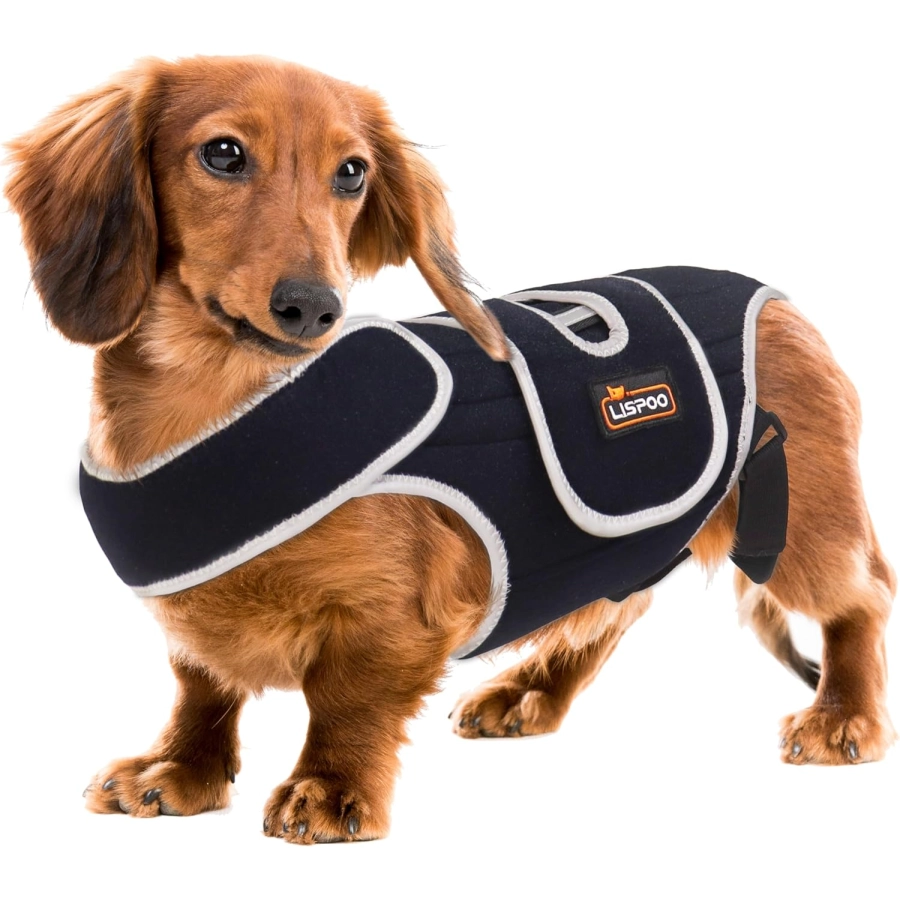
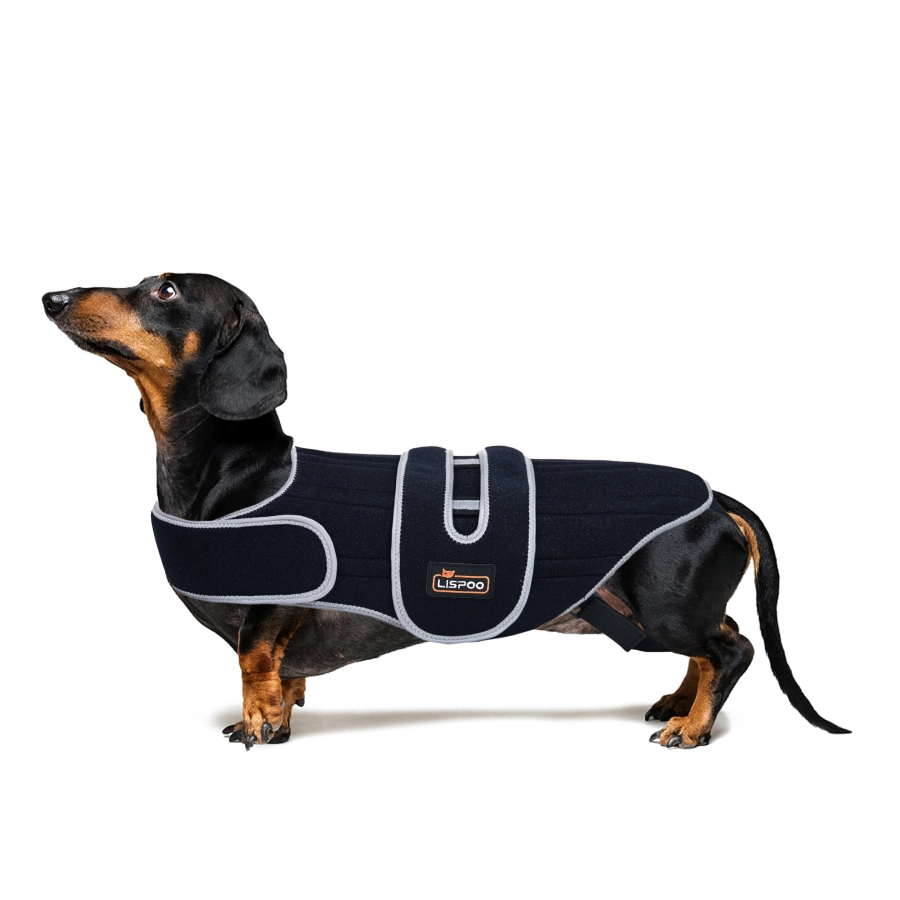
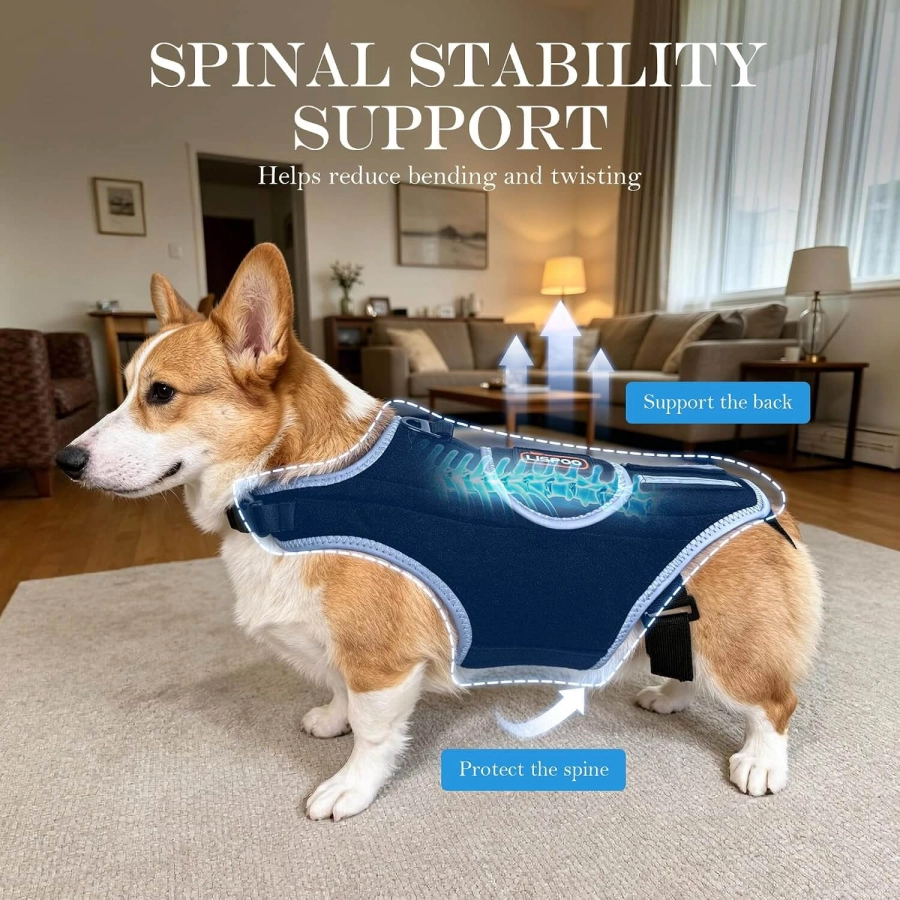
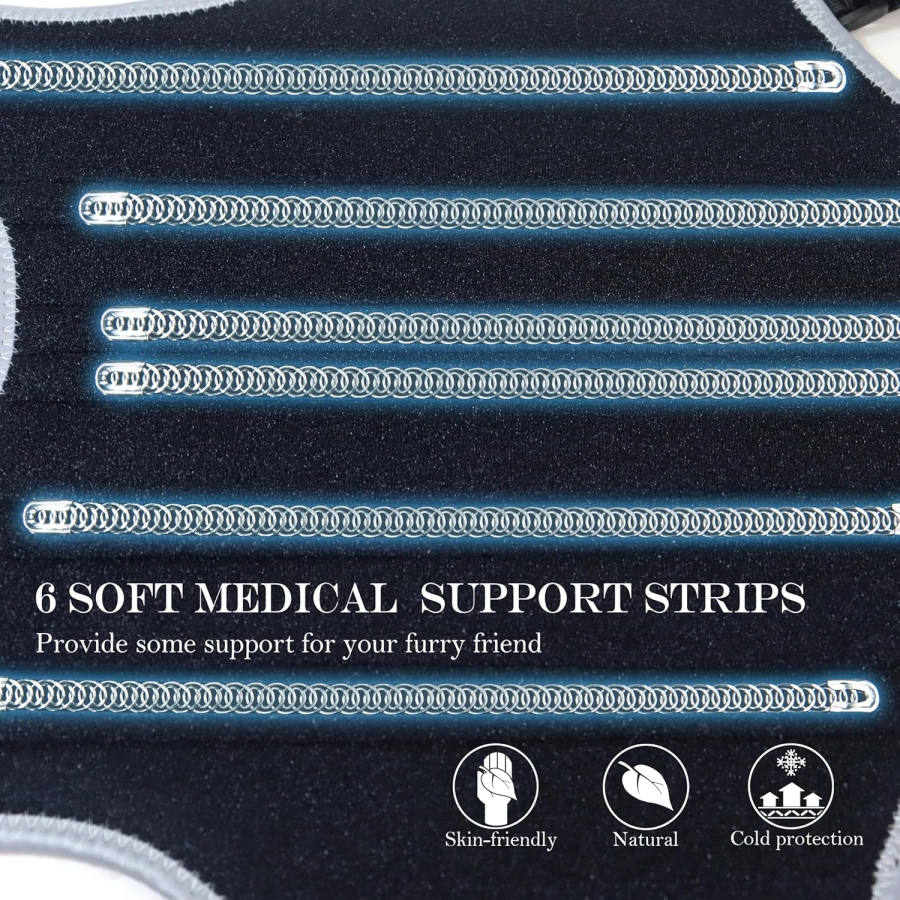
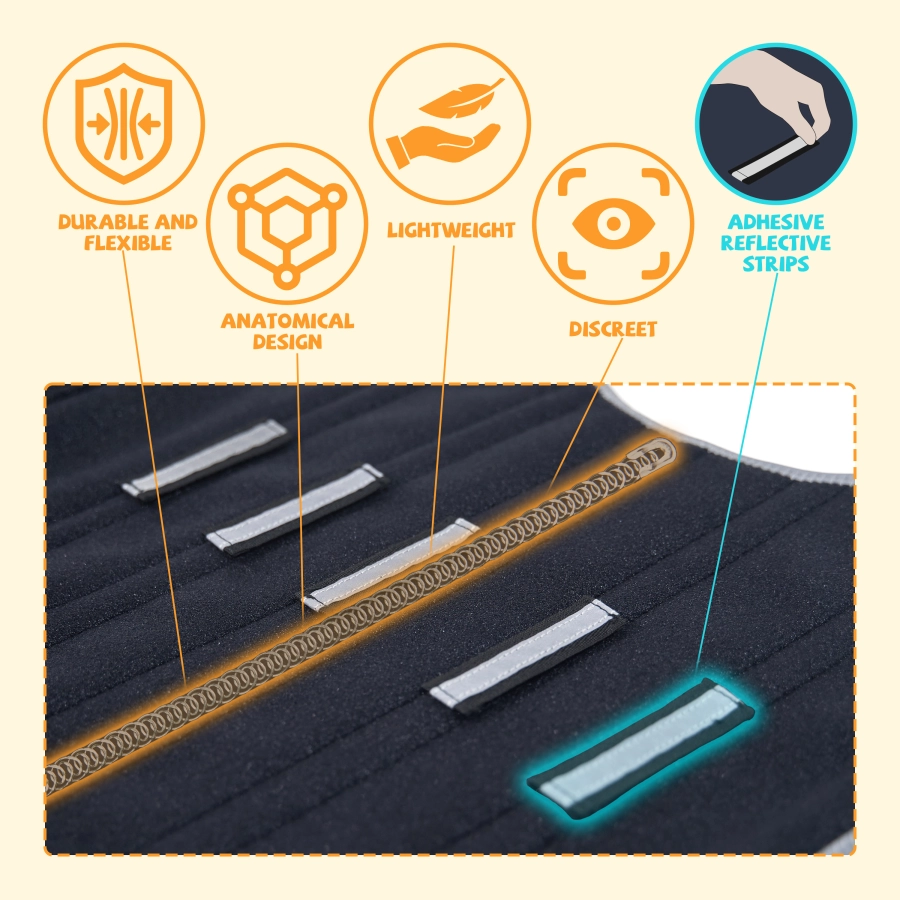
When your dog struggles with intervertebral disc disease, you want to help them move without pain. Dog back braces IVDD work by giving your dog’s spine the support it needs. These braces do not just lift your dog’s back. They use special support strips inside the brace to keep the spine steady. This means your dog can walk, stand, or even play with less risk of hurting their back again.
A back brace limits harmful movement. It stops the spine from twisting too much or bending in ways that can make the injury worse. The brace also gives gentle pressure around your dog’s body. This pressure helps your dog feel where their body is in space, which can boost their confidence and make them more active. You will notice your dog stands taller and moves with more control. The energy your dog used to keep their back steady now goes into walking or playing.
Here’s what a back brace does for your dog:
-
Limits side-to-side and up-and-down movement in the spine
-
Helps prevent more damage to the discs
-
Gives gentle pressure that helps your dog know how to move safely
-
Makes walking and standing easier
Research Evidence
You might wonder if these braces really work. Good news—science backs them up! In a 2021 study, researchers tested a special back brace on healthy Beagles. They found that the brace cut down the spine’s side-to-side movement by more than half. The dogs still walked at the same speed and moved just as well as before. This means the brace kept the spine safe without making the dogs stiff or slow.
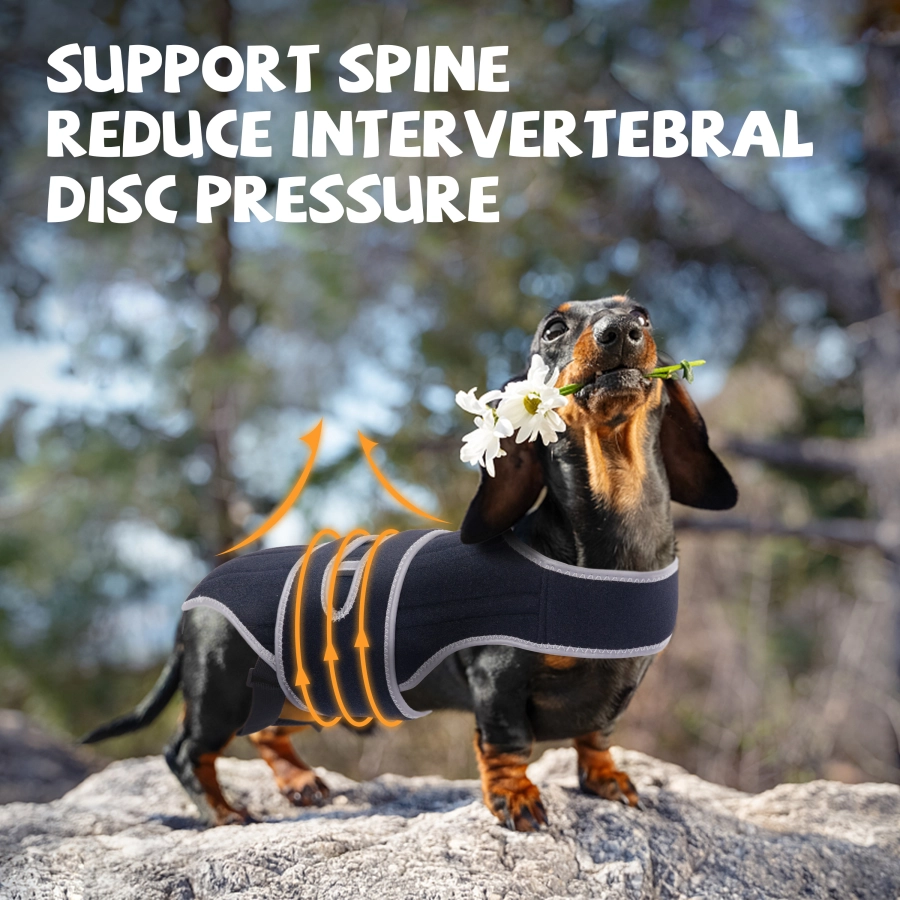
Other studies show that back braces for dogs can help relieve pressure on the spine. This is important for IVDD because too much pressure can cause pain and slow down healing. Experts say that braces are a smart choice for dogs with weakness or trouble walking. These devices help your dog stay independent and keep their dignity.
Here’s how IVDD dog braces help, according to research:
-
Stabilize the spine and reduce movement during rest and activity
-
Prevent further injury to the discs
-
Limit twisting and bending that can hurt the back
-
Give traction and gentle pressure to support healing
-
Make it easier for your dog to move without pain
Spinal Stabilization and Pain Relief
Stabilizing the spine is key when your dog has IVDD. A back brace holds your dog’s back in a safe position. This keeps the spine from moving in ways that cause pain. The brace also helps your dog keep good posture. You will see your dog stand straighter and walk with less wobble.
Dog back braces work by relieving pressure on the spine. This means less pain for your dog. When the brace supports the injured area, your dog’s muscles do not have to work as hard to protect the back. This lets your dog rest and heal. You may notice your dog feels more comfortable and wants to move around more.
A back brace is not a cure for IVDD. It is a tool that helps your dog heal and stay safe. Always use a brace as part of a full treatment plan. Your vet will help you choose the right brace and show you how to use it. With the right support, your dog can enjoy better mobility and a happier life.
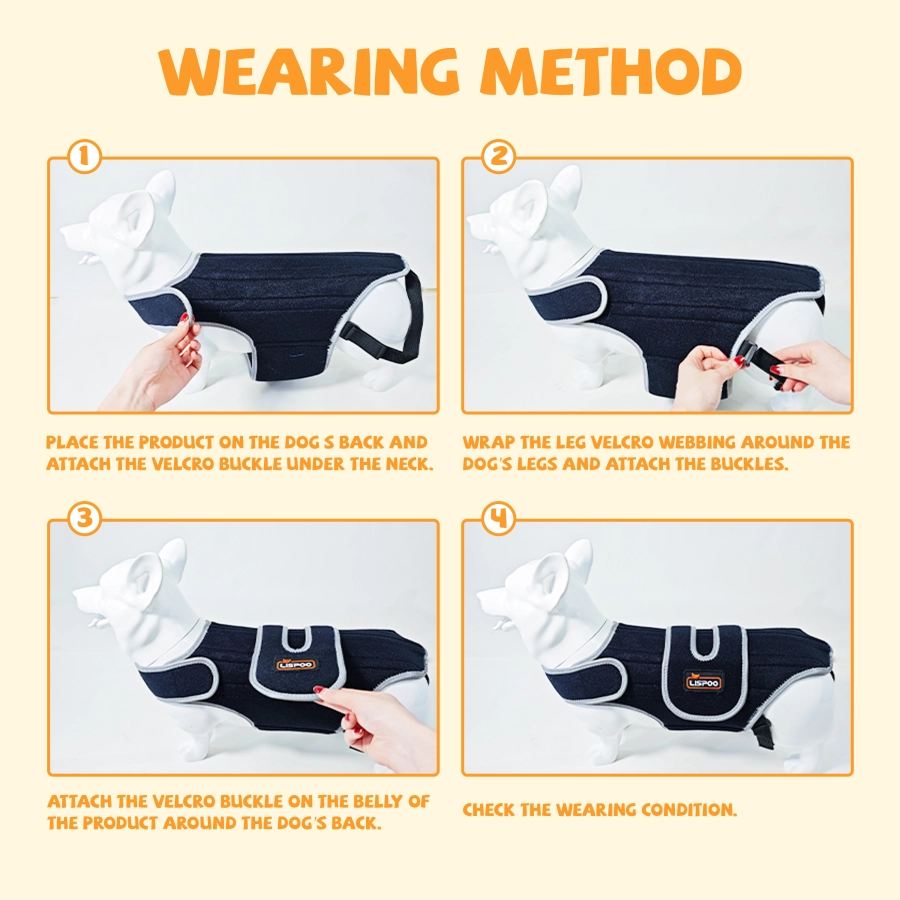
Tip: Always check the fit of your dog’s back brace. Make sure it is snug but not too tight. Watch for any signs of rubbing or skin problems.
When to Use IVDD Dog Braces
Conservative Management
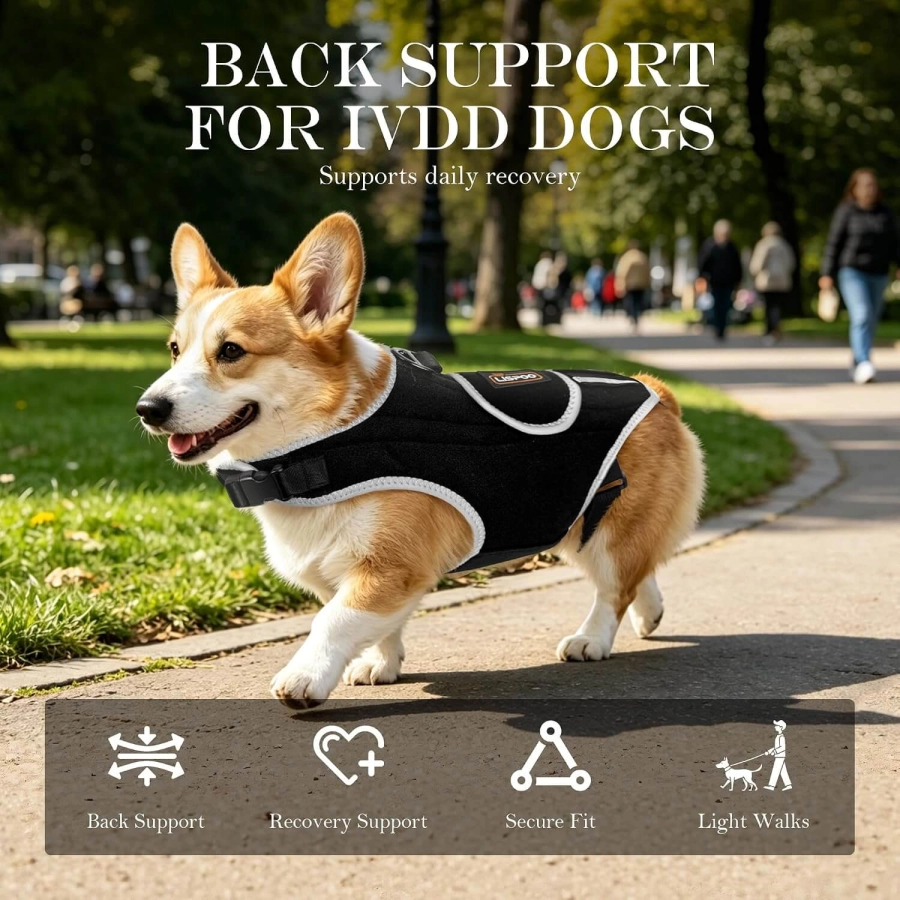
If your dog has back pain or trouble walking, you might worry. The vet may say your dog has mild or moderate IVDD. A dog back brace can help your dog right away. Braces are good if you want to skip surgery. They also help when your dog needs to rest their spine. The brace keeps your dog’s back steady. It stops quick twists or jumps that could hurt the disc more.
Here’s what a back brace does during treatment:
-
Takes pressure off the spine to lower pain
-
Helps dogs who feel weak or wobbly stand better
-
Stops more injuries during normal activities
A back brace also helps you lift your dog for bathroom breaks. It gives your dog support to heal and move safely.
Post-Surgical Recovery
After IVDD surgery, your dog needs special care. IVDD dog braces protect the spot where your dog had surgery. They keep the spine from moving too much. Your vet might tell you to use a brace after spinal fusion or disc surgery. The brace gives your dog’s back the support it needs to heal.
You can expect these things:
-
Stops bad movement while your dog gets better
-
Helps your dog walk again after surgery
-
Keeps the back straight and safe
Tip: Always ask your vet before using a brace after surgery. Every dog heals in their own way.
Long-Term Support
Some dogs have back problems for a long time. These dogs may need help for life. Dog back braces give support every day. The brace is like a gentle hug for the spine. It holds the back in a safe spot. The brace stops moves that make pain worse. It also lowers pressure on hurt discs.
Many owners see their dogs walk better and feel good with a brace. You should use the brace with rest, gentle care, and weight control for best results. IVDD dog braces can help your dog move more and hurt less every day.
|
Factor |
Description |
|---|---|
|
Severity of IVDD |
Dogs with mild or moderate IVDD get the most help from braces. |
|
Neurological status |
Dogs who cannot move their legs may need surgery instead of a brace. |
|
Anatomy and size |
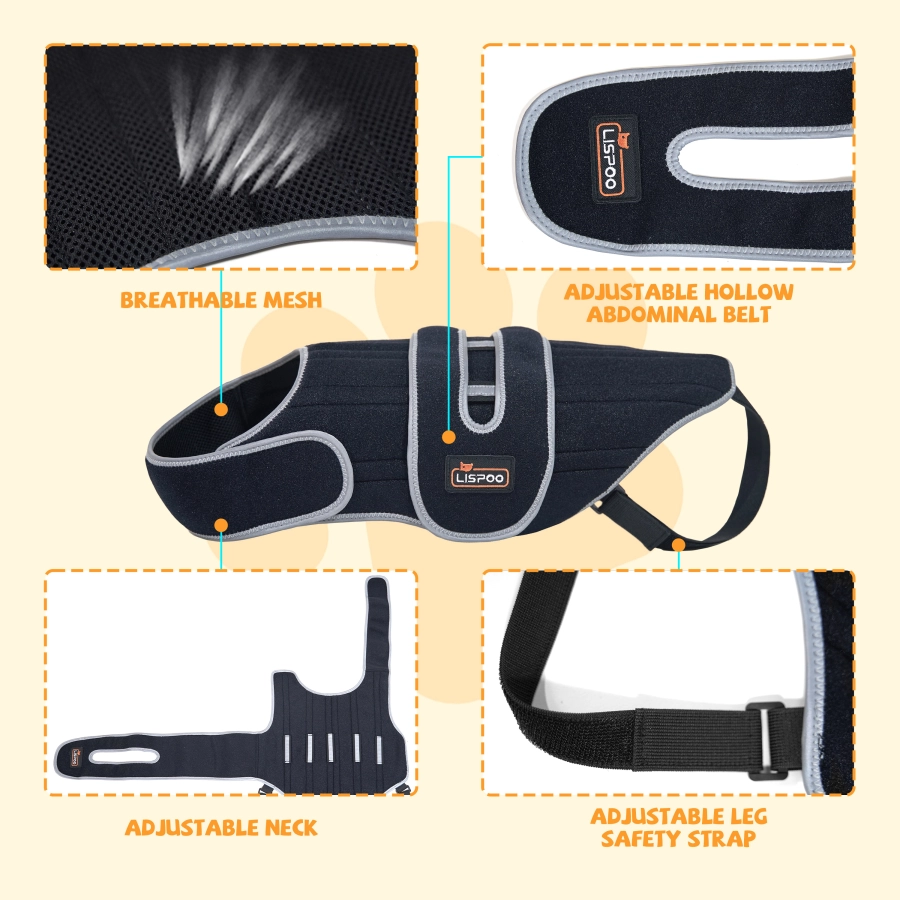
The brace must fit right; it should be made for your dog’s size. |
|
Behavior and tolerance |
Some dogs do not like wearing a brace because they feel nervous or sensitive. |
Benefits and Limitations
Mobility Aid and Back Pain Relief
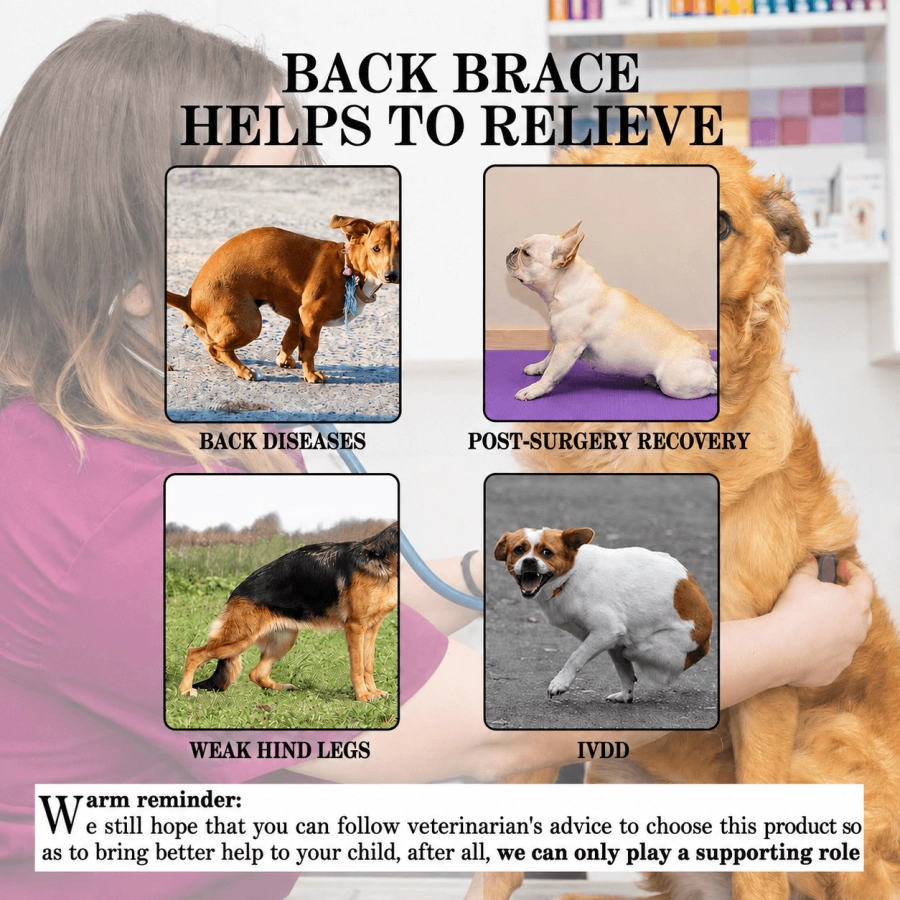
When your dog struggles with IVDD, you want to see them move with confidence again. A back brace can make a big difference. You’ll notice your dog stands taller and walks with less wobble. Back braces for dogs give steady support to the spine, which helps keep the back safe during daily activities. These braces work by restricting harmful movement, so your dog avoids further injury. You may see your dog climb stairs or walk outside with less hesitation. Many owners say their dogs seem happier and more pain-free after starting brace use.
Here’s what a back brace can do for your dog:
-
Keep the back steady and supported
-
Prevent more damage to the disc
-
Help with alleviating pain from weak muscles
-
Reduce pressure on the spine
-
Improve balance and mobility
A back brace is not a cure for IVDD. Some dogs need surgery or other treatment if symptoms are severe. Most dogs with mild to moderate symptoms benefit from this extra support.
Safety and Proper Use
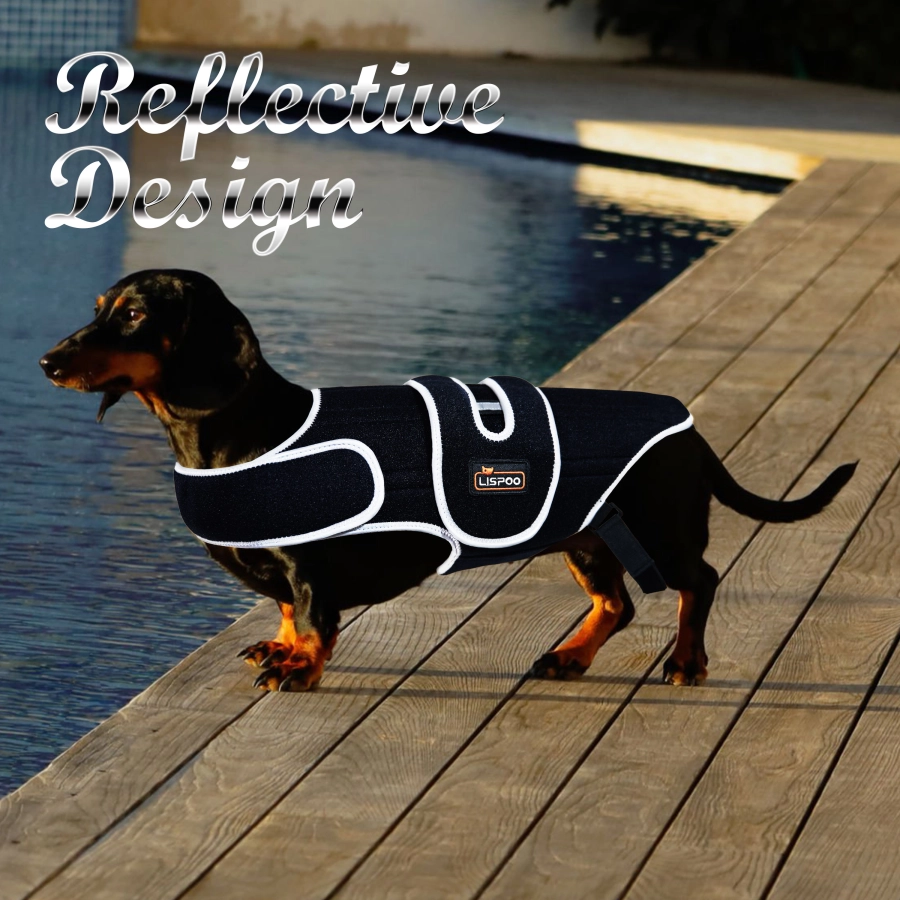
You want your dog to stay safe and comfortable. Always check the fit of the back brace. Make sure it’s snug but not too tight. Look for signs of rubbing, redness, or sores. Clean and dry the brace often to prevent skin problems. Watch for any changes in how your dog walks or stands. If you notice limping or a strange gait, talk to your vet right away.
Tip: Check your dog’s paws and the brace after every walk. Remove any dirt or debris to keep things clean.
Weekly, inspect the brace for loose stitching or worn fabric. Store it in a cool, dry place when not in use.
Owner Responsibilities
You play a big role in your dog’s recovery. Always talk to your vet before choosing a back brace. Use the brace as part of a full treatment plan. Follow your vet’s advice about rest, medication, and activity. Monitor your dog closely for comfort and effectiveness. Restrict running or jumping, especially during recovery. Give medications as prescribed to help your dog stay pain-free.
A back brace helps your dog heal, but your care and attention make the biggest difference.
Alternatives and Complementary Therapies
Physical Therapy
Physical therapy can help your dog get stronger and move better after a back injury. You might see your dog walk with more confidence when you add therapy to their routine. Many vets recommend physical therapy along with a back brace. This combo helps dogs with ivdd recover faster and regain lost muscle strength. Some dogs who could not walk at all have learned to walk again with regular therapy. After your dog rests, therapy helps them build up weak muscles and improve balance. You can ask your vet about special exercises, swimming, or gentle stretching for your dog.
Other helpful therapies include:
-
Acupuncture: Tiny needles go into certain spots to help with pain and healing.
-
Electro-acupuncture: This uses a small electric pulse with the needles. Some studies show it works even better than surgery for some dogs.
-
Supplements: Turmeric and omega-3s can lower swelling and help joints feel better.
Medications and Rest
Your vet may give your dog medicine to help with pain and swelling. These medicines make your dog more comfortable and help them heal. Rest is also very important. You should keep your dog calm and stop them from jumping or running. This gives the disc time to heal. After a few weeks, your vet may let your dog do more activities. Always follow your vet’s advice about medicine and rest.
Note: Never give your dog human medicine unless your vet says it is safe.
Preventive Care
You can help your dog avoid more back problems by making a few changes at home. Try these tips:
-
Keep your dog at a healthy weight. Extra pounds put more pressure on the spine.
-
Use ramps or non-slip mats so your dog does not have to jump up or down.
-
Pick safe exercises like swimming or slow walks. These build strong muscles without hurting the back.
A little planning goes a long way. With the right care, you can help your dog stay active and happy for years to come.
IVDD dog braces give your dog’s spine the support it needs to heal and move with less pain. You should always talk to your vet for the best advice and a proper fit. Long-term, many dogs enjoy a more normal life with steady brace use, fewer relapses, and better stability. Keep up with care by using ramps, managing weight, and doing physical therapy. For more tips and guides, check out these helpful resources:
-
Rehab Resource Hub
-
IVDD Guide for Bulldogs
-
Complete Guide to IVDD in Dachshunds
FAQ
How do I know if my dog needs an IVDD brace?
You should look for signs like back pain, wobbling, or trouble walking. If your dog shows these symptoms, ask your vet. Your vet can help you decide if a brace is right.
Can my dog wear the brace all day?
Most dogs can wear the brace during waking hours. You should remove it at night or when your dog rests. Always check for skin irritation and follow your vet’s advice.
Will the brace cure IVDD?
No, the brace supports your dog’s spine and eases pain. It does not cure IVDD. You should use it as part of a full treatment plan with your vet.
How do I clean the brace?
You can wipe the brace with a damp cloth. Let it air dry before putting it back on your dog. Check the care instructions for your specific brace.
Is it safe for my dog to walk or play with the brace?
Yes, your dog can walk and do gentle activities with the brace. Avoid running or jumping. The brace helps your dog move safely and prevents further injury.

0 Comments