
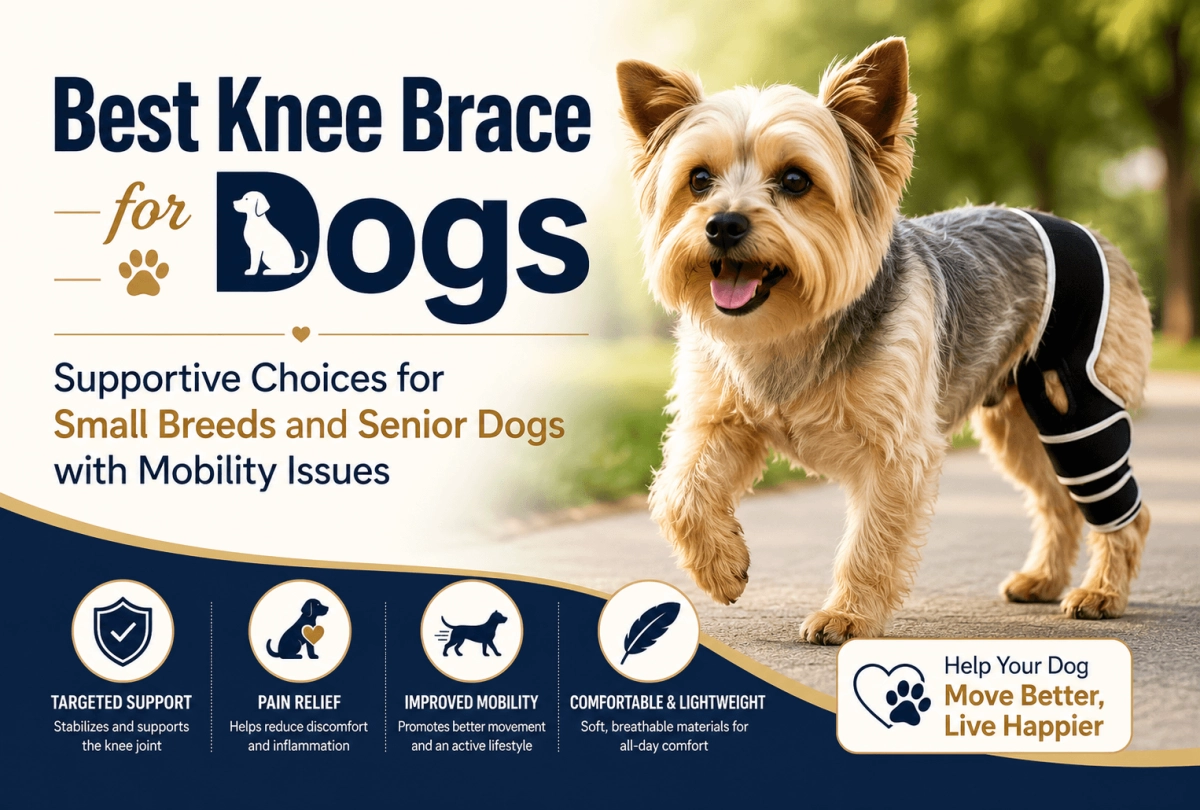
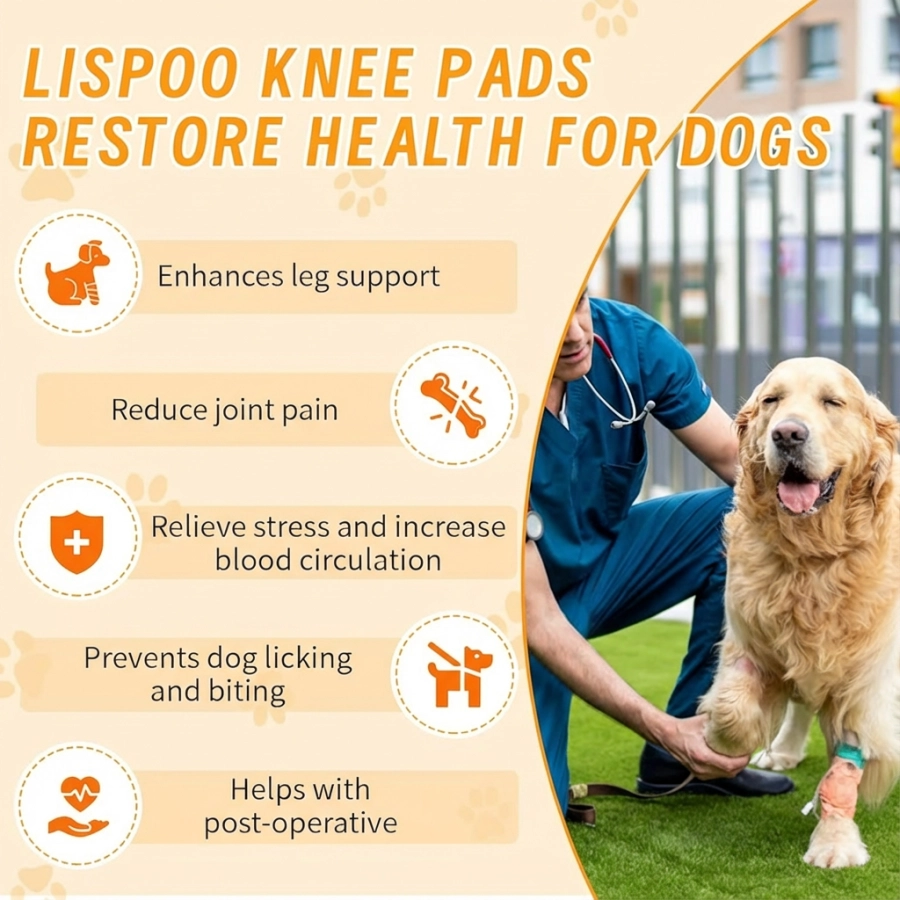
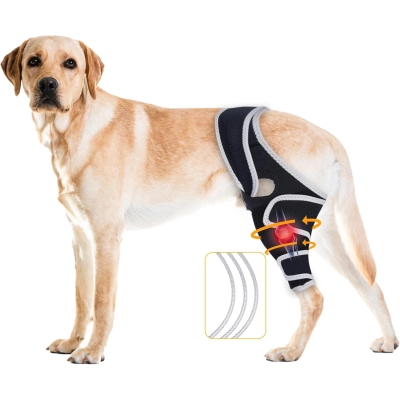
The best knee brace for dogs are one that matches your dog's diagnosis, leg shape, activity level, and comfort needs. A knee brace can help support the stifle joint, reduce unwanted motion, and make daily movement easier for some dogs with CCL or ACL injuries, arthritis, patellar luxation, or post-op weakness. It should not be used as a substitute for veterinary care, especially if your dog is suddenly lame, painful, swollen, or unable to bear weight.
| Knee or Mobility Issue | Often Seen In | How a Brace May Help |
|---|---|---|
| CCL or ACL injury | Small breeds, active dogs, seniors | May limit painful knee motion and support controlled walking |
| Luxating patella | Many small breeds | May add mild external support when appropriate |
| Arthritis | Senior dogs | May improve comfort during short, supervised activity |
| Post-op or recovery support | Dogs following veterinary treatment | May help with stability as part of a vet-guided plan |
Key Takeaways
- Knee braces provide essential support for some dogs with mobility problems, but they do not repair a torn ligament or replace veterinary treatment.
- Proper sizing and fit are critical because a brace that slips, rubs, or twists can make movement harder.
- Rigid, hinged, flexible, custom, and off-the-shelf braces serve different needs, so the right choice depends on injury severity, body shape, and daily activity.
- Senior dogs often need softer padding, easier fastening, and regular fit checks as muscle tone and mobility change.
- Contact your veterinarian if your dog has severe pain, swelling, sudden lameness, neurologic signs, or worsening function while wearing a brace.
Why Knee Brace Choice Matters for Small Breeds and Senior Dogs
Small breeds may need precise fit
Small dogs can have narrow legs, short limbs, and less room for bulky straps. Chihuahuas, Yorkies, Miniature Poodles, Dachshunds, and similar breeds may also be prone to knee or back-related mobility issues. If the brace is too wide, too stiff, or poorly aligned, it may slide down the leg or change the way your dog walks.
For small breeds, look for a brace that stays centered around the knee, allows normal paw placement, and does not press into the groin, hock, or belly. Dogs with suspected luxating patella, CCL injury, or pain after jumping should be evaluated before you rely on bracing alone.
Senior dogs often need comfort and adjustability
Older dogs may move more slowly because of arthritis, weakness, muscle loss, hip problems, or previous injuries. A brace that feels stable in the morning may need adjustment later in the day after a walk or rest period. Soft padding, breathable materials, and simple straps can make daily use easier for both the dog and the owner.
| Senior Dog Need | Brace Feature to Consider |
|---|---|
| Stiffness during walks | Flexible or semi-rigid support that does not over-restrict movement |
| Changing muscle tone | Adjustable straps with room for small fit changes |
| Sensitive skin | Soft edges, breathable lining, and daily skin checks |
| Reduced stamina | Lightweight construction and short supervised wear sessions |
Aging joints can make standing, turning, and climbing harder. A knee brace for dogs may help some senior dogs move with better support, especially when surgery is not recommended or when the brace is part of a broader care plan.
Types of Knee Braces for Dogs
Rigid and hinged knee braces
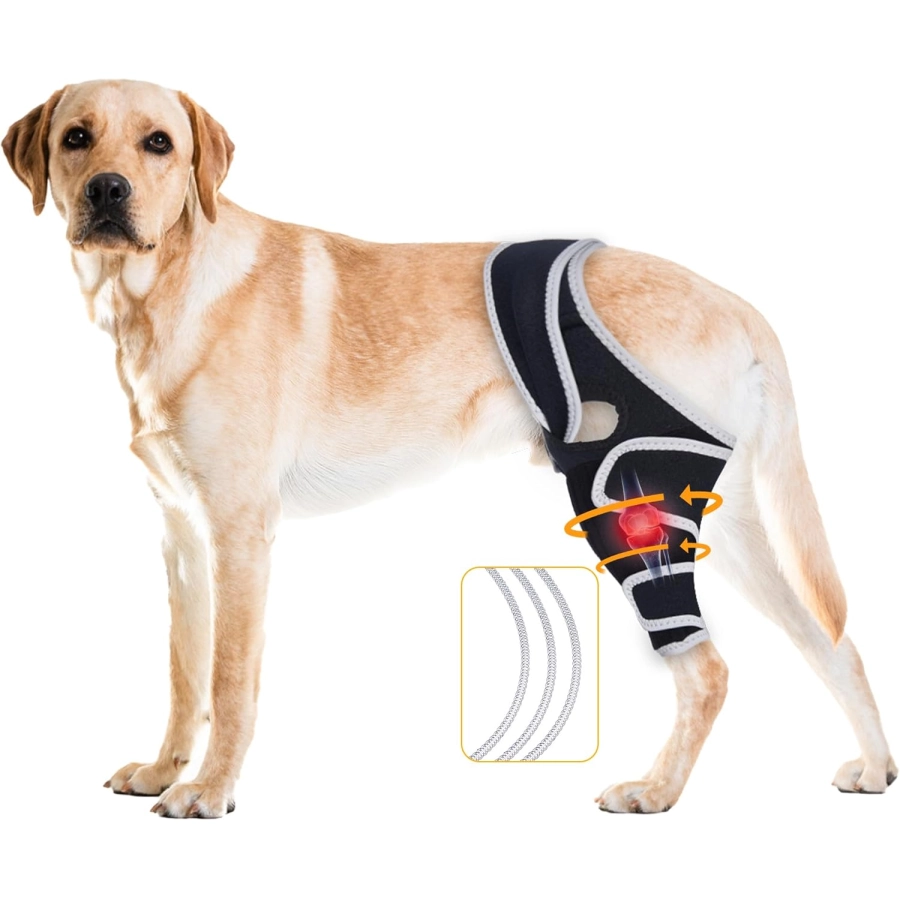
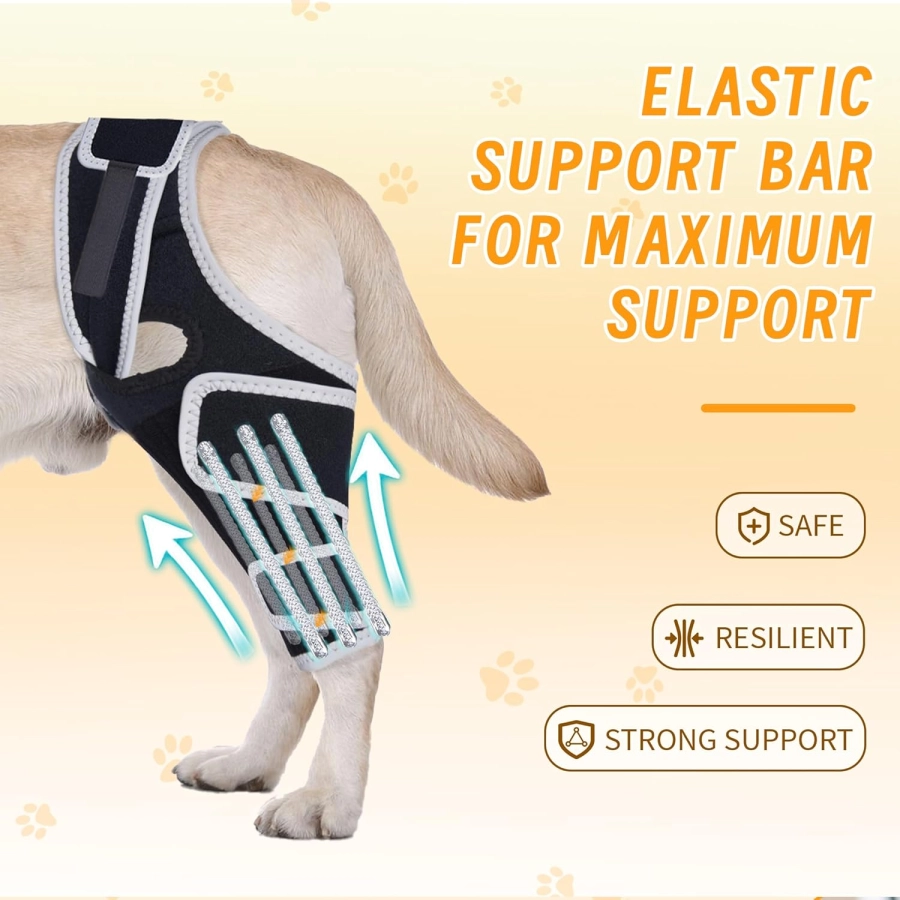
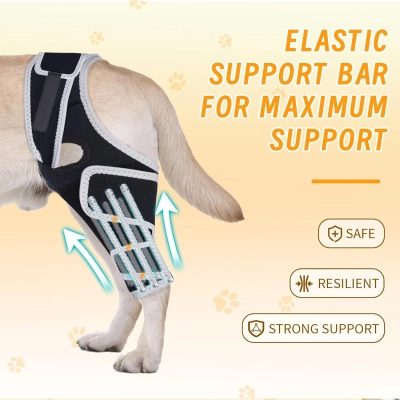
Rigid or hinged knee braces are designed for stronger external support. They may help limit excessive knee motion while still allowing controlled flexion and extension. These braces are often considered for CCL or ACL injuries, more noticeable instability, or cases where a veterinarian wants added support during activity.
| Feature | Rigid or Hinged Brace |
|---|---|
| Support level | Usually higher than soft sleeves |
| Best fit needs | Accurate measurement and careful alignment |
| Possible drawback | May feel bulky or stiff for some dogs |
| Best use | Controlled activity, injury support, or vet-guided recovery |
Tip: Check for rubbing after each short wear session, especially around the thigh, hock, groin, and strap edges.
Flexible knee braces
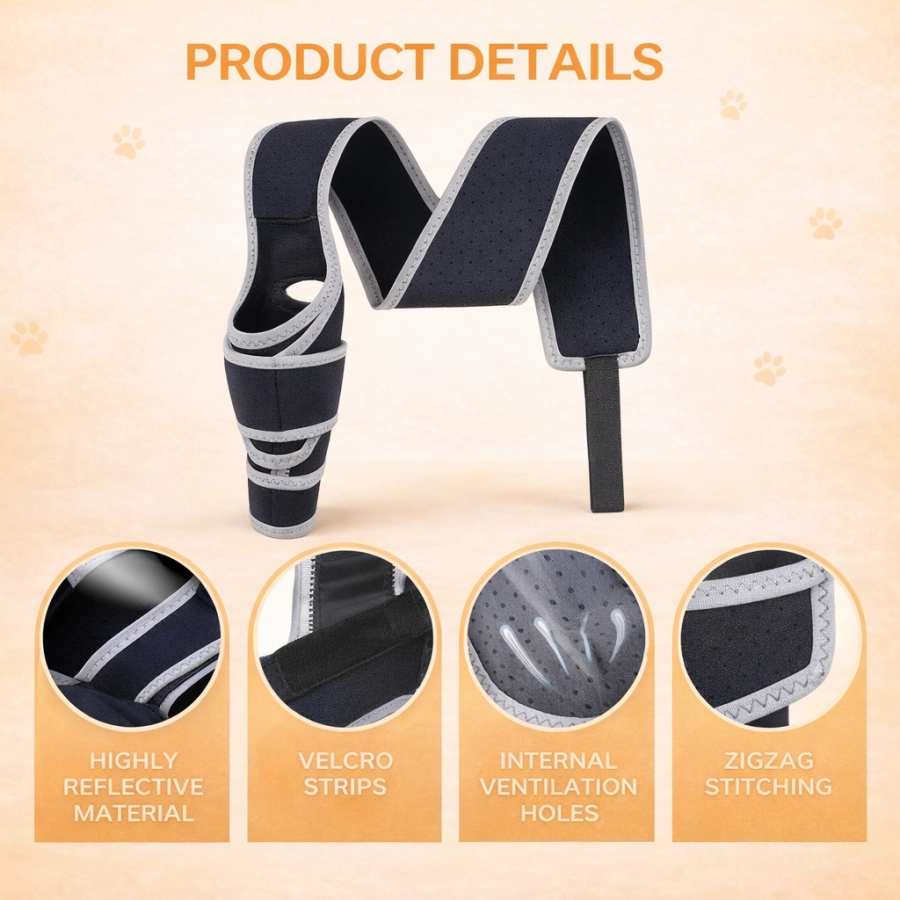
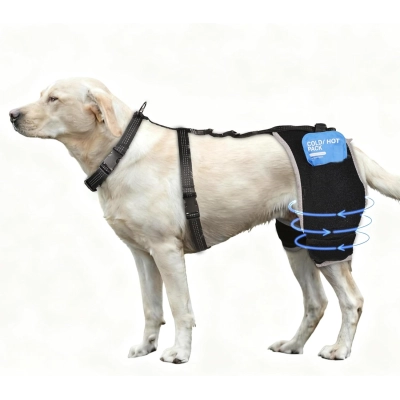
Flexible braces usually use soft materials such as neoprene or breathable fabric. They may be easier to put on, lighter for small dogs, and more comfortable for mild support needs. A flexible brace can be useful for arthritis support, early weakness, or dogs that do not tolerate a rigid brace well.
- Usually lighter and less bulky than rigid designs
- May allow more natural movement during short walks
- Can be easier for owners to apply and adjust
- May not provide enough stability for severe knee instability
If your dog has a complete CCL tear, severe lameness, or a rapidly worsening gait, a flexible sleeve may not be enough. Veterinary guidance matters before you choose the brace type.
Custom vs. off-the-shelf braces
Custom braces are made to match a dog's leg shape more closely. They can be useful for unusual anatomy, more complex injuries, or dogs that cannot keep a standard brace in place. Off-the-shelf braces are easier to buy and may work for mild to moderate needs when sizing is accurate.
| Feature | Custom Knee Brace | Off-the-Shelf Knee Brace |
|---|---|---|
| Fit | Made for a specific dog | Based on size ranges |
| Support | Often more precise | Varies by design and fit |
| Time to use | May require measuring, molding, or waiting | Usually available sooner |
| Cost | Usually higher | Usually lower |
| Best for | Complex fit or higher support needs | Milder cases or short-term support needs |
When comparing the dog knee braces, start with your dog's diagnosis, measurements, and tolerance for wearing support. A brace that looks strong but does not fit well is not the right choice.
How to Choose the Best Knee Brace for Dogs
Measure carefully before buying
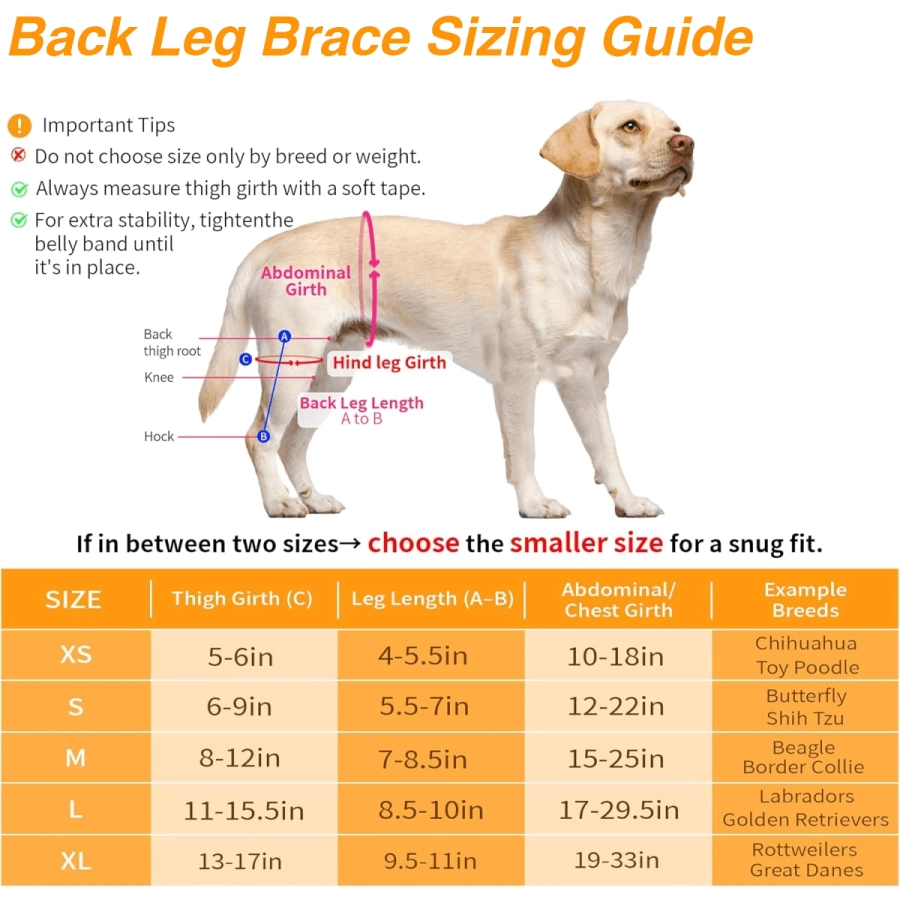
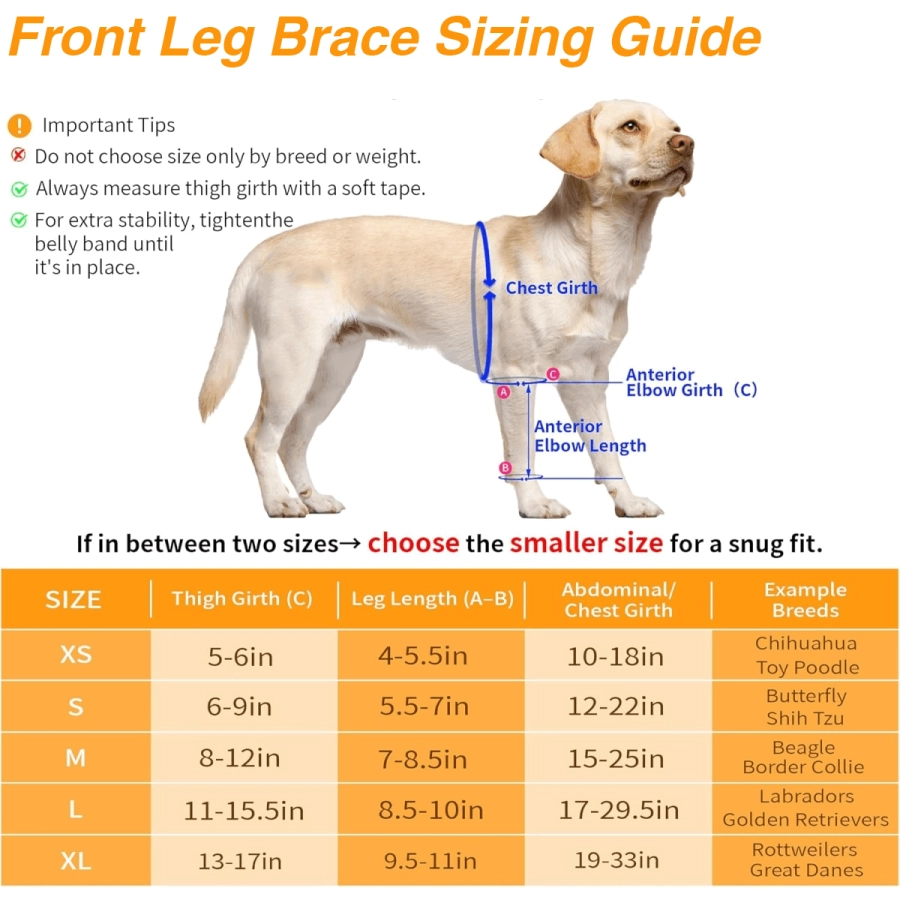
Accurate measurement is one of the most important steps. Use a soft measuring tape and follow the brace maker's sizing instructions exactly. Most braces require measurements above the knee, below the knee, and sometimes around the hock or thigh. Measure when your dog is standing naturally if possible.
- Measure both the thigh and lower leg if the sizing chart asks for both.
- Do not pull the tape so tight that it compresses the fur or skin.
- Compare your numbers with the exact sizing chart for that brace.
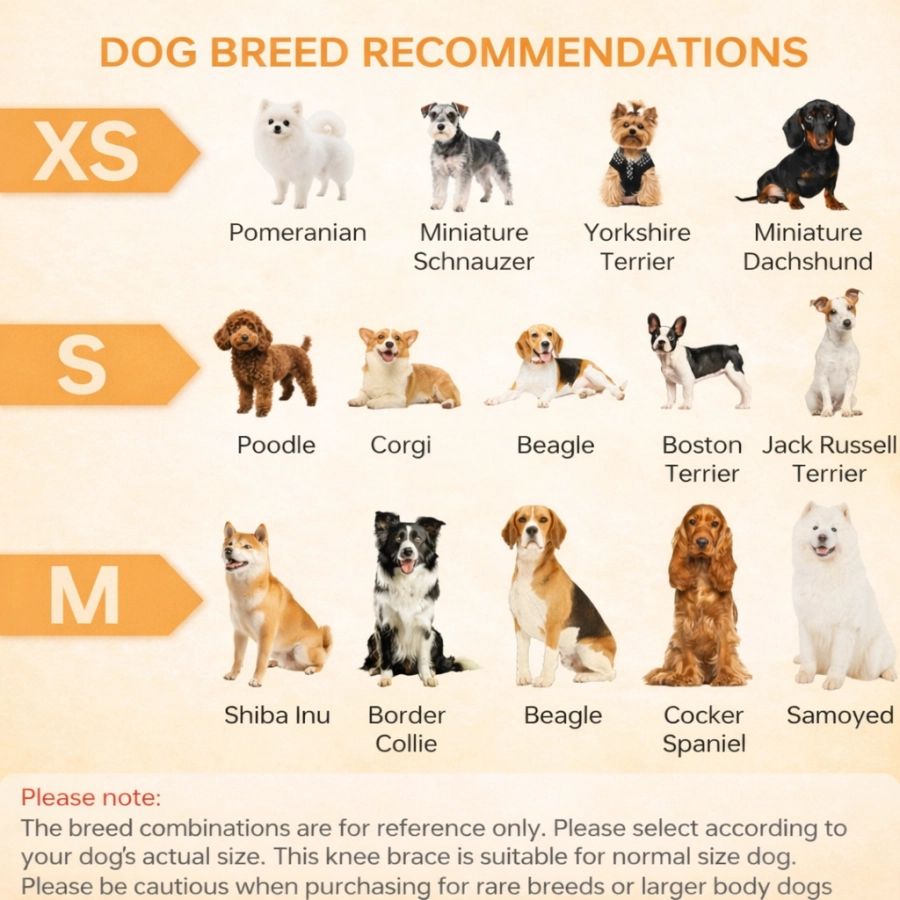
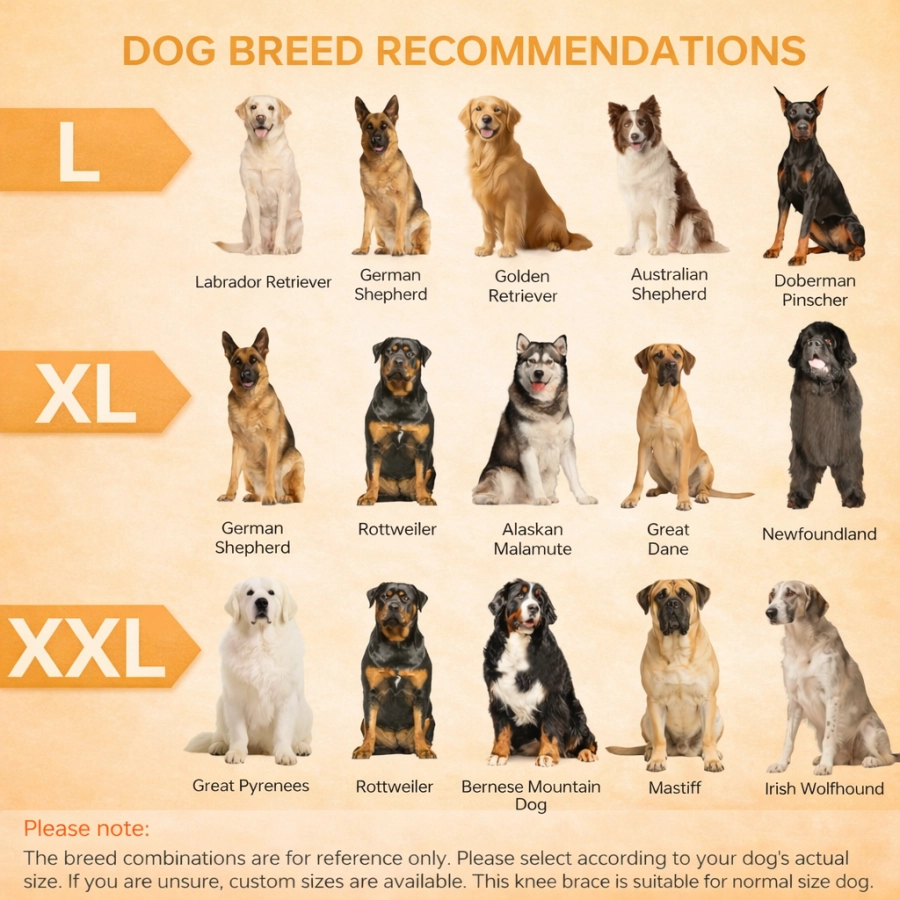
- If your dog is between sizes, ask the seller or your veterinarian before ordering.
A brace should feel snug enough to stay in place but not so tight that it changes paw position, causes swelling, or leaves deep strap marks. For more fit details, fit perfectly should mean stable, comfortable, and aligned with your dog's natural movement.
Match support level to the condition
Not every dog needs the stiffest brace. A senior dog with mild arthritis may do better with flexible comfort support, while a dog with noticeable knee instability may need a hinged or custom option. The goal is to support movement without creating new pressure points or forcing an unnatural gait.
| Dog's Need | Brace Type Often Considered | Important Caution |
|---|---|---|
| Mild arthritis stiffness | Flexible or lightly supportive brace | Do not over-tighten to chase more support |
| CCL or ACL support | Hinged, semi-rigid, or custom brace | Confirm the injury and care plan with a vet |
| Small breed fit issues | Low-profile adjustable brace | Watch for slipping and strap rubbing |
| Post-op support | Vet-recommended brace type | Use only if it fits the recovery instructions |
Choose materials for comfort and daily use
Material affects how long your dog can comfortably wear the brace. Neoprene can be soft and flexible, but it may stretch or hold heat. Semi-rigid materials can provide stronger support, but they must be shaped and padded well. Breathable linings, smooth edges, and easy-clean surfaces are especially useful for seniors and small dogs.
| Material Type | Comfort Consideration | Durability Consideration |
|---|---|---|
| Neoprene or soft fabric | Flexible and often easier to tolerate | May stretch or wear faster with heavy use |
| Breathable mesh | Helps reduce heat buildup | May need careful cleaning after outdoor use |
| Semi-rigid support | Can add stability with proper padding | Usually holds shape better than soft sleeves |
| Rigid or custom shell | Can provide more structured support | Requires precise fit and regular comfort checks |
The best knee brace for dogs should balance support, comfort, durability, and ease of use. If the brace is hard to apply correctly, it may not be practical for daily care.
Features That Matter Most
Support and stability
A good knee brace should reduce unwanted movement without locking the leg into an awkward position. Hinges, side stabilizers, firm panels, and adjustable straps can all affect stability. For dogs with CCL or ACL concerns, reliable support and stability should be judged by fit, alignment, and your dog's comfort during slow, controlled movement.
Ease of use
The brace should be simple enough to apply the same way each time. Clear strap placement, visible alignment points, and easy fastening reduce the chance of inconsistent fit. This matters if several family members help with your dog's care.
- Straps should close securely without bunching fur.
- The brace should be easy to remove for rest periods.
- Cleaning instructions should be realistic for daily use.
- Your dog should be introduced gradually, not forced into long wear on day one.
Durability
Daily walks, grass, dirt, moisture, and chewing can wear down a brace. Strong stitching, reinforced straps, durable closures, and washable materials help the brace last longer. Buyers often focus on the importance of fit and material strength because a brace that stretches, twists, or slides will not support the knee consistently.
Comparing Knee Brace Options
Instead of choosing by brand name alone, compare brace categories by fit, support level, and your dog's actual condition. The best knee brace for dogs with mild arthritis may not be the same as the best option for a small dog with a suspected CCL injury.
| Option | May Be Useful For | Main Limitation |
|---|---|---|
| Soft sleeve brace | Mild support, warmth, short walks | Can slip and may not stabilize serious injuries |
| Adjustable wrap brace | Dogs needing flexible support and easier application | Fit depends heavily on strap placement |
| Hinged brace | Dogs needing more controlled knee motion | Can feel bulky if poorly fitted |
| Custom stifle brace | Complex anatomy, higher support needs, recurring slipping | Costs more and may take longer to receive |
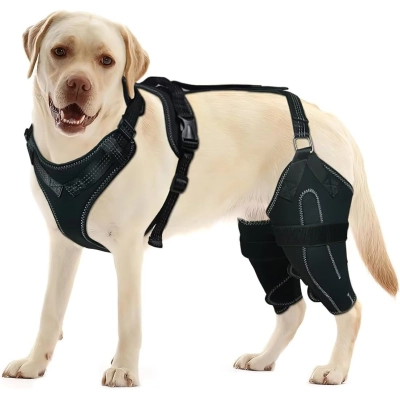
| Double knee brace | Dogs needing support on both hind legs | May be harder to fit and tolerate |
Best for small breeds
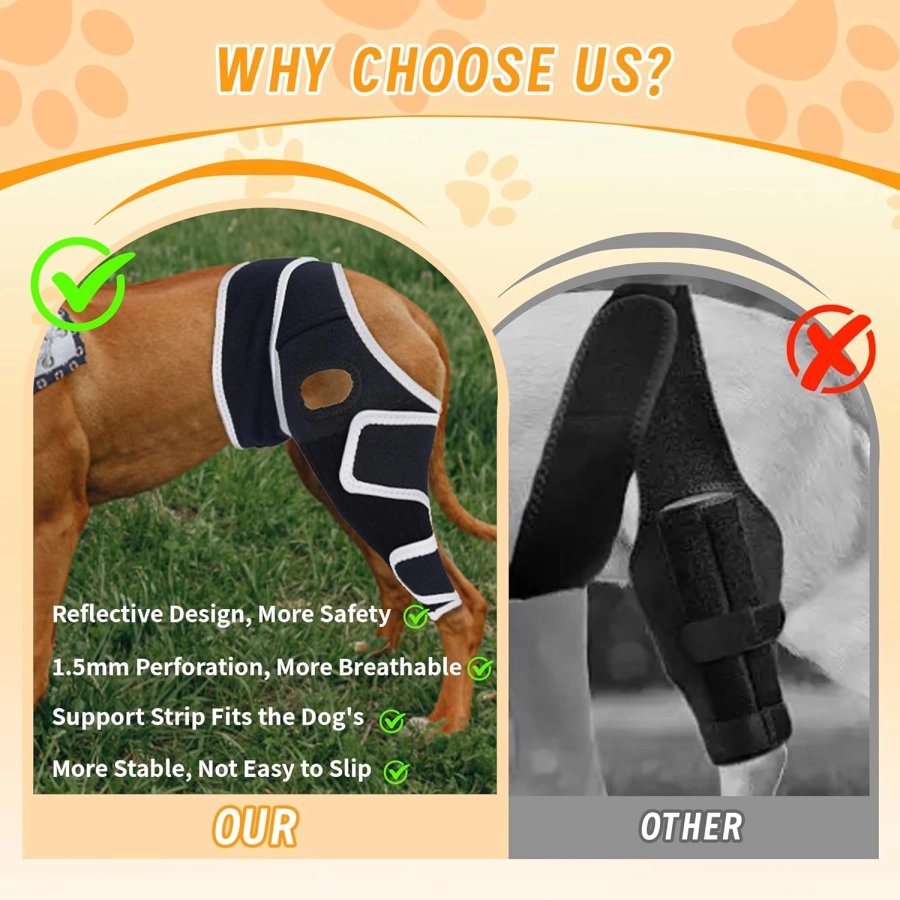
Small breeds often need a lightweight brace with narrow straps, soft edges, and enough adjustability to stay centered. Avoid oversized designs that slide down the leg or interfere with the hock. If your small dog has a luxating patella or suspected ligament injury, ask your veterinarian whether bracing is appropriate and what level of support is safest.
Best for senior dogs
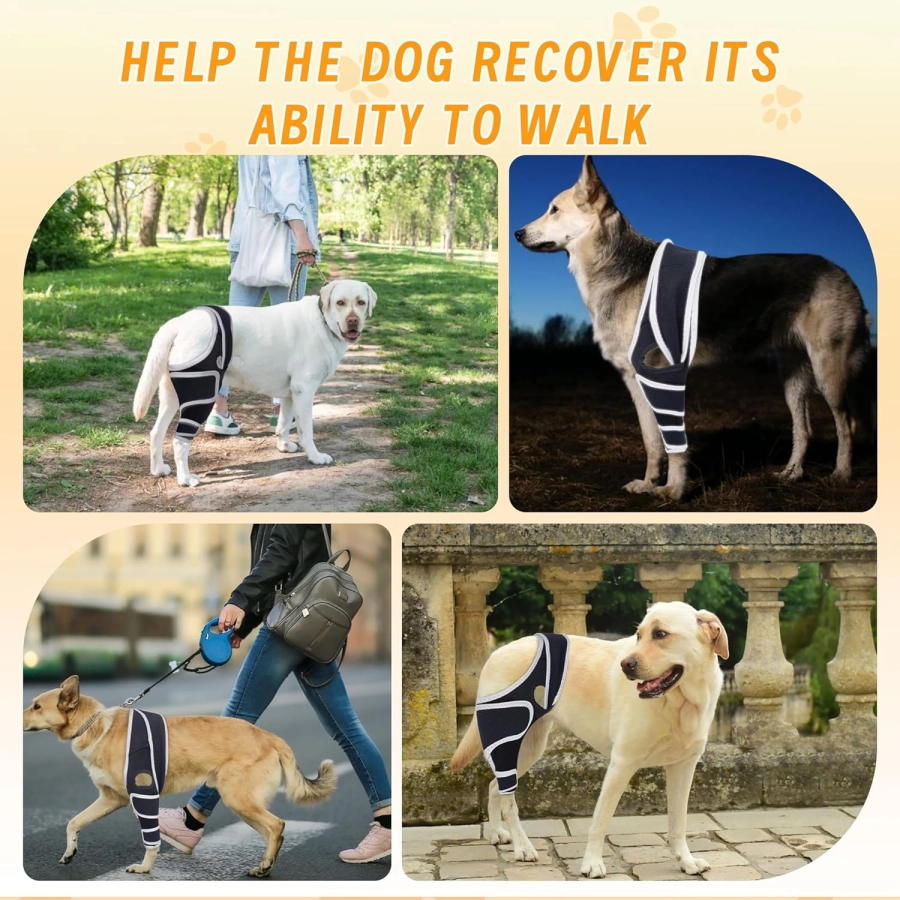
Senior dogs usually benefit from comfort-first features: breathable padding, simple fasteners, and easy removal for rest. A brace may help during short walks or supervised activity, but older dogs also need non-slip flooring, weight management when appropriate, controlled exercise, and regular veterinary monitoring.
Best for CCL or ACL support
For CCL or ACL injuries, stability matters more than appearance. A semi-rigid, hinged, or custom brace may be considered when it fits the dog's care plan. A brace may reduce strain during controlled activity, but it does not reconnect a torn ligament. Talk to your veterinarian before choosing a custom knee brace or using any brace as part of recovery.
When you look for the knee brace for dogs, compare the injury, sizing, support level, and daily routine before comparing price alone.
Pros and Cons of Dog Knee Braces
| Potential Benefits | Important Limits |
|---|---|
| May support the knee during controlled movement | Does not cure ligament tears or arthritis |
| May help some dogs bear weight more comfortably | Requires accurate sizing and regular monitoring |
| Can be useful when surgery is not recommended | May not provide enough stability for severe injuries |
| Can support a broader recovery or mobility plan | Some dogs need time to accept wearing it |
A knee brace is most useful when it fits well, is introduced gradually, and is used for the right activities. It is less useful when it slides, causes rubbing, or is expected to solve a condition that needs veterinary treatment.
How to Introduce a Knee Brace to Your Dog
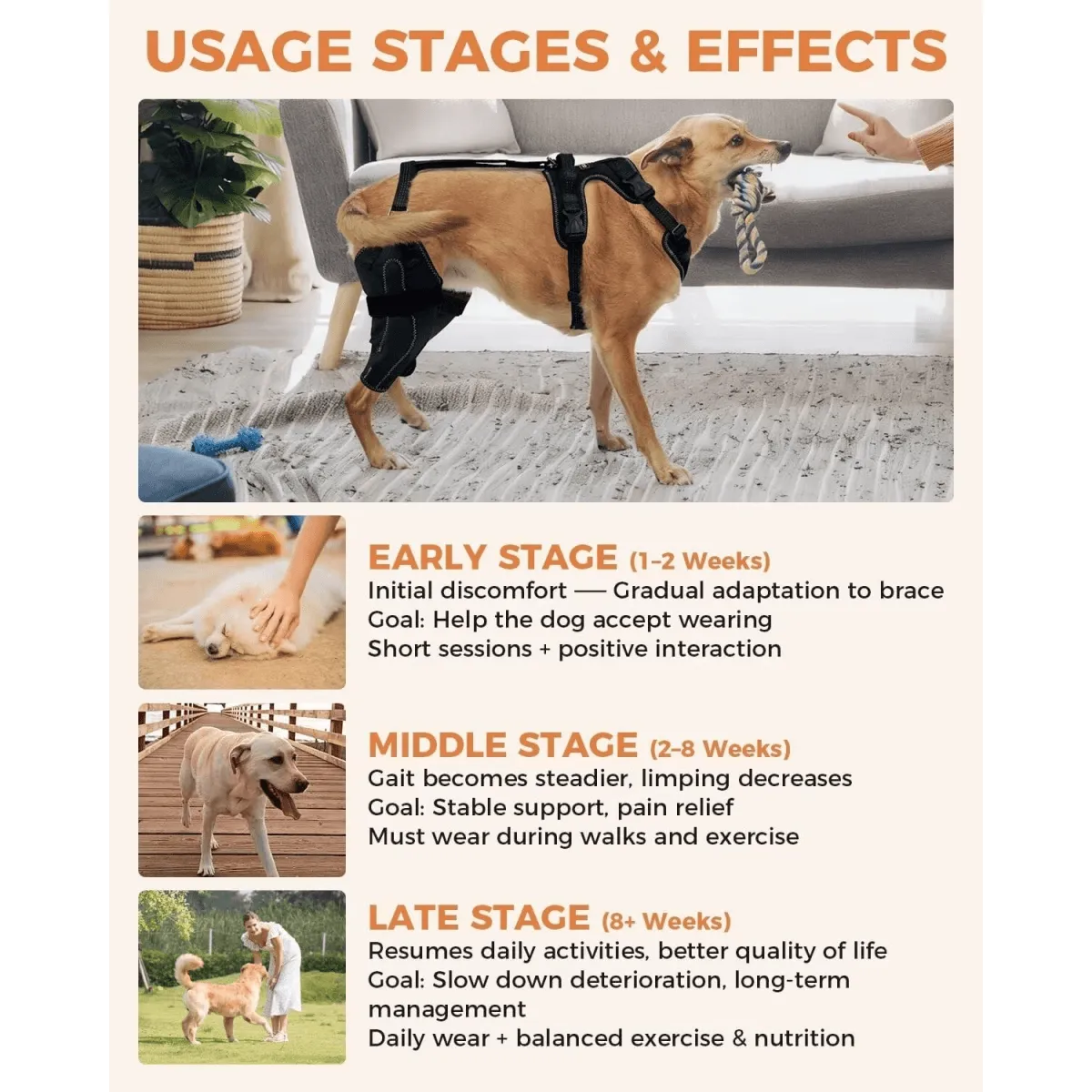
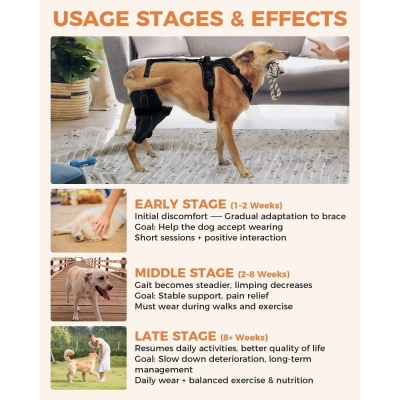
Start slowly so your dog can build confidence. Let your dog smell the brace before putting it on. Then apply it for a few minutes indoors, remove it, and check the skin. Increase wear time only if your dog walks comfortably and the brace stays in place.
- Let your dog inspect the brace before the first fitting.
- Put the brace on for a short, calm session indoors.
- Use treats and praise to create a positive association.
- Try short, controlled walks before longer wear sessions.
- Remove the brace for rest, sleep, and skin checks unless your veterinarian says otherwise.
Tip: If your dog freezes, chews at the brace, limps more, or refuses to walk, remove the brace and reassess the fit before trying again.
Monitoring Comfort and Fit
Check the brace every time your dog wears it. A proper fit should stay stable without cutting into the skin. Your dog should be able to stand, walk slowly, and place the paw normally. The brace should not rotate around the leg, slide into the hock, or pull the knee out of alignment.
- Look for redness, swelling, hair loss, or pressure marks after wear.
- Make sure straps are snug but not tight enough to restrict circulation.
- Watch whether your dog walks more naturally or seems more uncomfortable.
- Clean and dry the brace as directed so moisture does not irritate the skin.
A gradual break-in schedule can help prevent irritation. If your dog has sensitive skin or thin fur, check the contact areas more often.
When to Contact Your Veterinarian
Veterinary care is important when knee pain is new, severe, or worsening. A brace may be helpful in some situations, but the cause of limping should be understood before long-term use.
| Warning Sign | Why It Matters |
|---|---|
| Sudden limping or not bearing weight | May indicate an acute injury or severe pain |
| Swelling, heat, or obvious knee pain | May need diagnosis and treatment beyond bracing |
| Dragging paws, weakness, or loss of coordination | May involve neurologic problems, not just the knee |
| Skin sores from the brace | The fit or wear schedule needs to be changed |
| Worsening gait while wearing the brace | The brace may be misaligned or inappropriate |
If your dog has severe pain, collapse, paralysis, bladder or bowel changes, or sudden neurologic signs, seek veterinary help promptly.
You want your dog to move with as much comfort and safety as possible. The best knee brace for dogs is not simply the strongest or most expensive option. It is the brace that fits your dog's leg, supports the specific mobility problem, and works with a veterinarian's care plan.
| Final Check | What to Confirm |
|---|---|
| Diagnosis | You understand why your dog is limping or weak |
| Fit | The brace stays aligned without rubbing or slipping |
| Use schedule | Your dog wears it during appropriate supervised activity |
| Comfort | Skin and gait are checked after each session |
| Care plan | Bracing supports, but does not replace, veterinary advice |
FAQ
How do I know if my dog needs a knee brace?
Watch for limping, trouble rising, stiffness, avoiding stairs, or less willingness to walk. A knee brace may help some dogs, but your veterinarian should identify the cause of the problem first.
Can my dog wear a knee brace all day?
Most dogs should wear a knee brace only during supervised activity or as directed by a veterinarian. Remove it for rest, sleep, and skin checks unless your veterinarian gives different instructions.
Will a knee brace cure my dog's injury?
No. A knee brace supports healing as part of a care plan, but it does not cure arthritis, repair a torn CCL or ACL, or replace veterinary treatment.
How do I clean my dog's knee brace?
Follow the manufacturer's cleaning instructions. Many soft braces can be hand washed with mild soap and air dried. Make sure the brace is fully dry before your dog wears it again.
What if my dog does not like the brace?
Use shorter sessions, add treats and praise, and check for rubbing or poor alignment. If your dog continues to resist, limps more, or seems painful, stop using the brace and ask your veterinarian for help.

0 Comments