
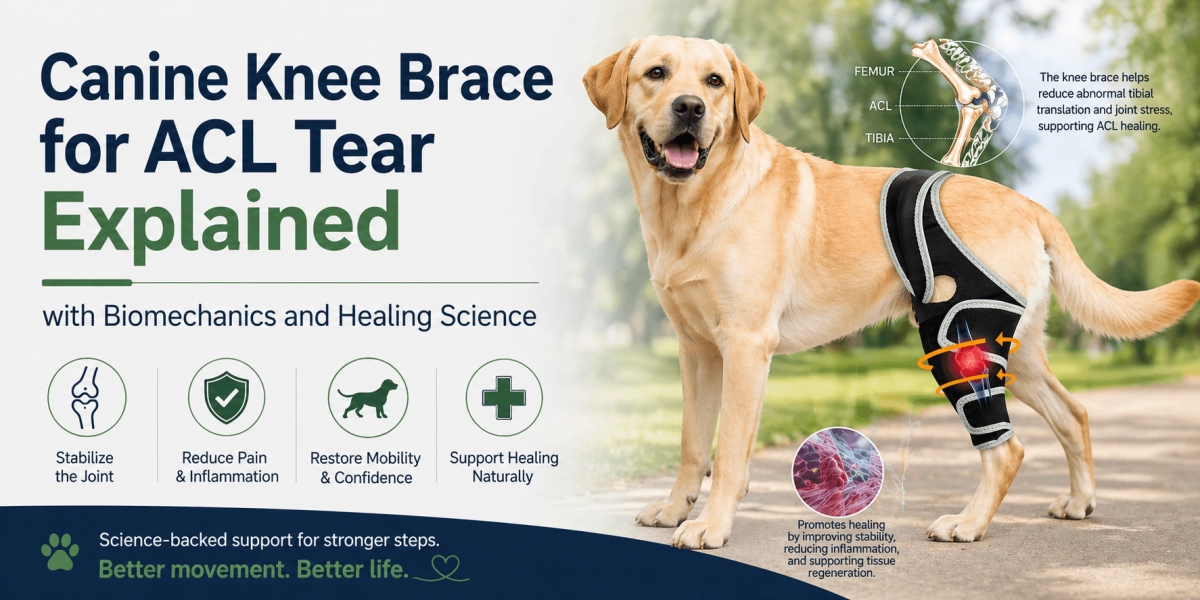
You may ask if a canine knee brace for ACL tear really helps your dog get better. Studies show that knee braces for dogs can help with limping and give comfort. Many dog knee braces help by holding the joint and lowering pain, but they do not solve the main problem like surgery does.
-
Surgery is still the best way to fix the joint and stop more harm.
-
Braces give support for small tears or if surgery cannot be done.
Healing science shows how a brace can lower pain, swelling, and help your dog walk safely. Always talk to your vet to pick the best way for your dog's healing and what works best.
Key Takeaways
-
Canine knee braces help dogs with ACL tears feel better and move easier. They give support and make pain less.
-
Surgery works best for bad ACL injuries. Braces help with small tears or if surgery is not possible.
-
A best dog knee brace is very important for good support. It keeps the joint steady and helps healing.
-
A knee brace can help your dog know where their leg is. This helps them walk safer and with more confidence while getting better.
-
Always talk to your veterinarian before picking a knee brace. This makes sure it fits your dog's needs and helps them heal well.
ACL Tears and Cranial Tibial Thrust
What Happens When the CCL Tears
You may notice your dog suddenly limping or refusing to put weight on one leg. This often means a canine cruciate ligament injury has happened. The cranial cruciate ligament (CCL), similar to the human acl, holds the knee stable. When this ligament tears, the knee loses its main support. Common signs include swelling, trouble rising, and pain when you touch the knee. The table below shows what you might see if your dog suffers a torn acl:
|
Clinical Sign |
Description |
|---|---|
|
Sudden lameness |
Your dog holds the leg off the ground. |
|
Inability to bear weight |
Your dog refuses to put weight on the affected leg. |
|
Swelling |
The knee joint looks larger than the other side. |
|
Difficulty rising/jumping |
Your dog struggles to get up or jump and may cry out in pain. |
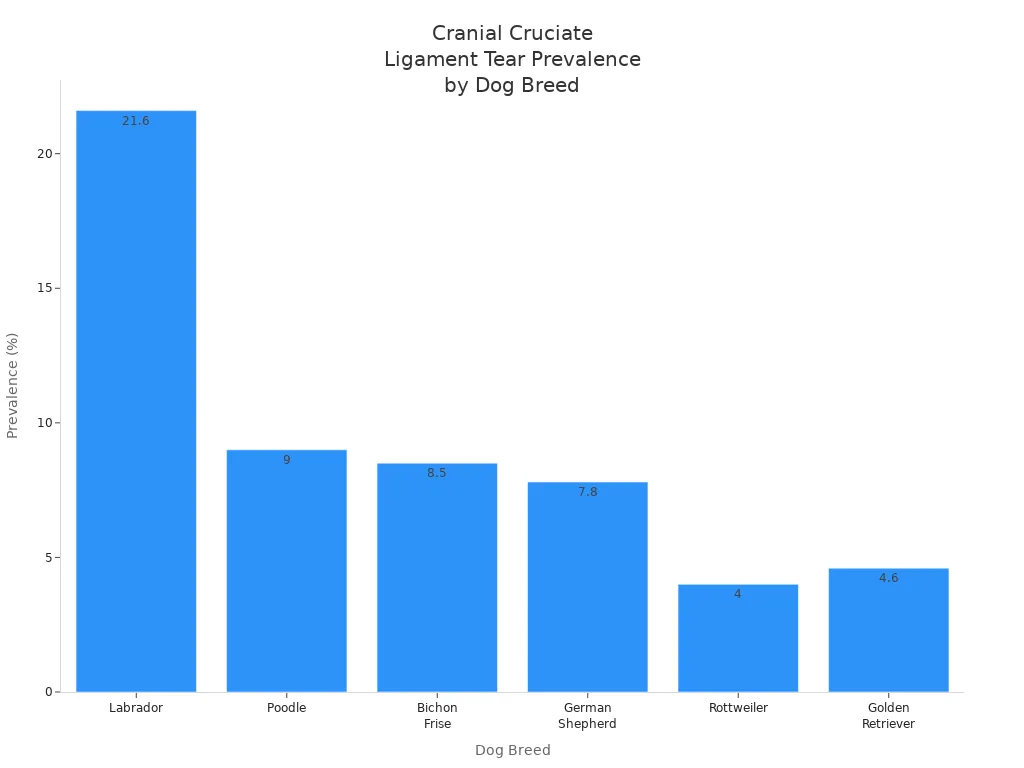
Some breeds face a higher risk of knee injuries. The chart below shows how often different breeds experience this problem:
Understanding Cranial Tibial Thrust
When the CCL tears, the tibia (shin bone) slides forward each time your dog steps down. This movement is called cranial tibial thrust. The ligament usually stops this motion. Without it, the knee becomes unstable. The amount of thrust depends on the slope of the tibial plateau. Dogs with steep slopes or certain body shapes face more stress on the joint. Over time, this stress can weaken the ligament even more and cause further damage. You may see your dog limp or avoid using the leg.
-
Cranial tibial thrust increases joint instability.
-
The stifle joint (dog’s knee) cannot stay steady during movement.
-
Constant stress can lead to more tears, especially in active or large dogs.
Consequences for the Dog’s Knee
If you do not treat a dog knee injury, the joint faces many problems. Instability leads to meniscal injury, which means the cartilage pads inside the knee can tear. Over time, the joint develops swelling and pain. The table below lists common long-term changes:
|
Long-term Joint Changes |
Description |
|---|---|
|
Meniscal injury |
Damage to the cartilage pads from instability. |
|
Osteophyte formation |
Bone spurs grow as the body tries to stabilize the joint. |
|
Synovitis |
The joint lining becomes inflamed and swollen. |
|
Articular cartilage breakdown |
The smooth surface of the joint wears away, causing arthritis. |
You should know that untreated knee injuries in dogs often lead to arthritis and ongoing pain. Early support and treatment help protect the joint and improve your dog’s quality of life.
How a Canine Knee Brace for ACL Tear Works
Mechanical Stabilization of the Joint
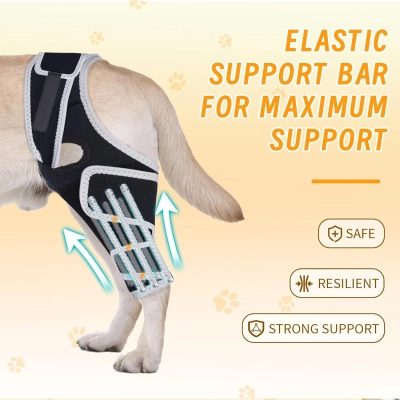
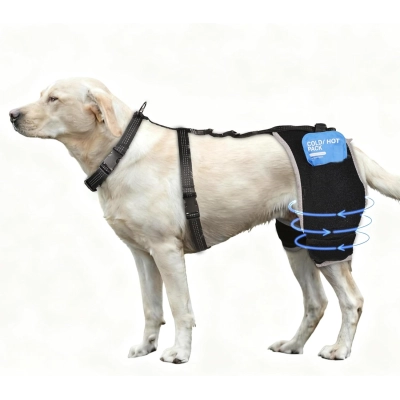
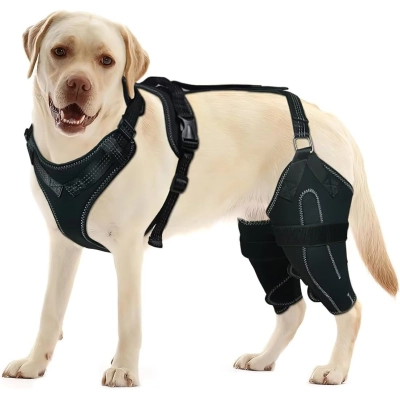
When your dog has an acl tear, the knee loses support. A canine knee brace for acl tear acts like a helper outside the joint. You put the brace on your dog's knee. It stops the shin bone from sliding too much. This helps lower the "drawer" effect, which is when the tibia moves forward under the femur. The brace also gently squeezes the knee. This can help with swelling and protect soft tissues. With this extra help, your dog can use the leg more. This lets muscles get stronger again.
Here is a table that shows how a canine knee brace for acl tear helps keep the joint steady:
|
Function |
Description |
|---|---|
|
Limiting abnormal motion |
Stops the tibia from moving forward too much. |
|
Providing compression |
Helps lower swelling and keeps soft tissues safe. |
|
Allowing muscle strengthening |
Lets your dog use the leg and build muscle. |
You might see your dog walk easier and feel better with the brace. This support can make daily life safer and more comfortable.
Counteracting CTT with Bracing
Cranial tibial thrust (CTT) is a big problem after an acl tear. Each step your dog takes makes the tibia want to slide forward. A brace for dog acl tear helps stop this force. The brace keeps the knee steady and lowers stress on the hurt ligament. This is very important for helping your dog heal.
The table below shows how dog knee braces help control CTT and why this matters for your dog's recovery:
|
Description |
Impact on ACL Tears |
|---|---|
|
Dog knee braces keep the stifle joint steady and lower cranial tibial thrust. |
Helps lower stress on the hurt ligament. |
|
A custom dog knee brace gives temporary support. |
Stops forces that make the joint unstable. |
|
Less cranial tibial thrust is key for acl tear care. |
Needed for good healing and joint health. |
Tip: A custom-fit brace works best. It matches your dog's leg and gives the right support.
A case example shows how force changes with a brace. When a dog wears a canine knee brace for acl tear, the force on the hurt leg goes down. The dog puts more weight on other legs, but the brace helps balance this. Kinetic tests show braces help track healing and change care as needed.
Meniscal and Cartilage Protection
Dog knee braces do more than keep the joint steady. They also protect the meniscus and cartilage in the knee. If the joint is not stable, the meniscus can tear. This causes pain and can lead to arthritis. Using a canine knee brace for acl tear helps keep these parts safe from more harm.
Dog knee braces help by:
-
Stopping strange movement that can hurt cartilage.
-
Lowering the chance of meniscal injury by keeping the joint steady.
-
Helping the healing process and slowing arthritis.
You may wonder about functional and non-functional braces. Functional braces give real support when your dog moves. They can lower the chance of new injuries. Non-functional braces are for short-term comfort and do not give much support. Studies show functional braces can help your dog's life, especially if surgery is not possible. Custom braces work better than regular ones because they fit your dog's leg well.
Note: Always ask your veterinarian before picking a brace. The right brace can help your dog's healing and comfort.
Canine leg braces are now better, with new materials and custom designs. These changes help your dog heal and get back to normal activities.
Healing Support with Dog Knee Braces
Pain and Inflammation Reduction
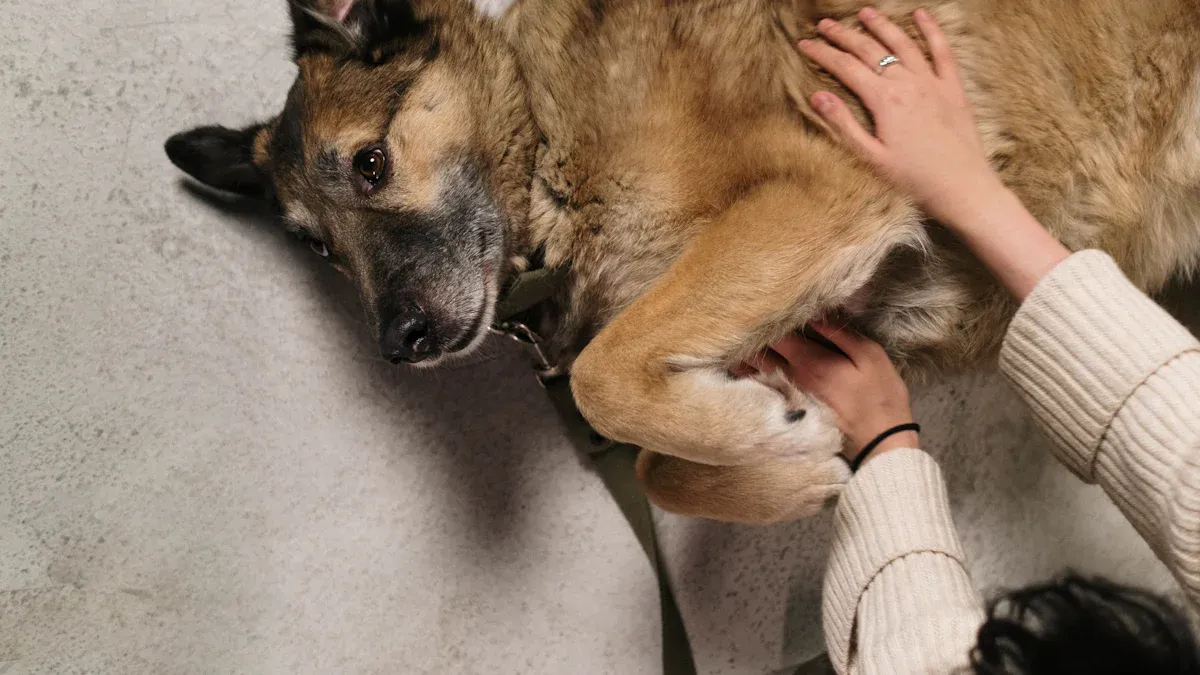
You want your dog to hurt less and walk better after an ACL tear. Dog knee braces help by keeping the joint steady. This stops the tibia from moving forward. It lowers pain and swelling. Studies show custom orthotics help dogs and people move better. They can lower pain and sometimes help dogs skip surgery. One study found dogs with custom braces walked better and had less pain in 12 weeks.
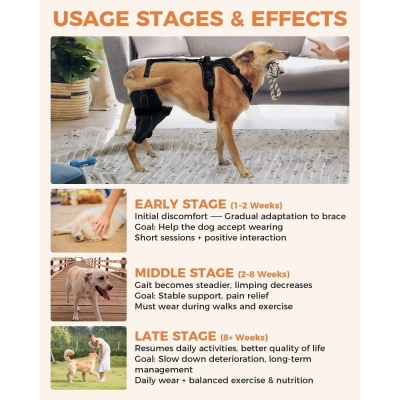
|
Phase of Recovery |
Goal |
How Dog Knee Braces Help |
|---|---|---|
|
Early |
Pain reduction |
Stabilize joint, reduce swelling |
|
Mid |
Improving mobility |
Support safe movement |
|
Late |
Preventing further injury |
Maintain alignment, protect healing |
You might see your dog put more weight on the leg. Your dog may limp less when walking. Vet studies show a 5.1% increase in weight-bearing for dogs with braces.
Proprioception and Neuromuscular Benefits
Dog knee braces do more than hold the joint. They help your dog's brain know where the leg is. This is called proprioception. The brace puts gentle pressure on the skin. This sends signals to the brain. These signals help your dog place the paw better. Your dog uses the leg in a safer way. Studies show joint stabilizers like dog knee braces help proprioception and muscle control. Your dog can move with more confidence and less chance of falling.
-
Dog knee braces boost proprioception.
-
They retrain muscles and nerves for better movement.
-
Your dog gets more control and balance when walking.
Creating a Healing Environment
Dog knee braces help healing by acting like scaffolding. They give support while your dog heals. The brace keeps the knee steady. This helps your dog's body make scar tissue. Scar tissue adds strength and stability to the joint. Dog knee braces also lower tibial thrust, which helps natural healing. With good support, your dog heals faster and can get back to normal life. You help your dog by picking a brace that fits well and gives steady support in every recovery phase.
Tip: Dog knee braces help lower pain and make the best healing space for your dog to move better.
Braces vs. Surgery: Effectiveness and Evidence
Research on Dog Knee Braces
You might wonder if dog knee braces really help with a torn acl. New studies show braces can help dogs walk better and feel less pain. Scientists tested different braces and watched how dogs healed. The table below shows what they learned from important studies:
|
Study |
Key Findings |
|---|---|
|
2020 Study in Veterinary Surgery |
Hinged braces helped dogs walk better in 12 weeks. Braces made joints more stable and stopped strange movement. Many dogs did not need surgery and played again. |
|
University of Tennessee Clinical Trial (2018) |
Double braces helped dogs balance weight on both legs. This lowered strain on the good leg. Fewer dogs hurt their other CCL. Dogs had less pain and moved more. |
|
Meta-Analysis (2021) in Frontiers in Veterinary Science |
Bracing with weight control and therapy lowered pain. Dogs had better lives. Small and medium dogs did best, but big dogs also showed promise. |
Dog knee braces can help dogs move better and hurt less. Many dogs with a torn acl can play again. Some dogs do not need surgery. A 2023 study showed dogs with braces for moderate CCL injuries moved 65% better in 8 weeks. Early treatment helps most. These results show braces are a real choice for helping your dog heal.
When to Choose Bracing Over Surgery
You may ask when bracing is the best choice for your dog. Vets suggest dog knee braces in some cases. The table below shows when bracing may be better than surgery:
|
Scenario |
Description |
|---|---|
|
Geriatric dogs |
Bracing is good when surgery is not safe or wanted. |
|
Concurrent diseases |
Dogs with other health problems may need bracing. |
|
Financial or medical risks |
Owners who cannot pay for surgery may pick bracing. |
Bracing is also good for dogs with a partial acl tear or mild patellar luxation. It helps after surgery too. Bracing works well for older dogs who cannot have surgery. It helps with weight control and therapy. You may pick bracing for dogs with osteoarthritis or if your dog waits for surgery. Bracing gives support when surgery is not safe or possible.
Pros and Cons of Each Approach
You need to compare surgery and bracing to pick the best for your dog. Each has good points and limits. The table below shows the main differences:
|
Consideration |
Knee Brace |
Surgery |
|---|---|---|
|
Severity of Injury |
Mild to Moderate |
Severe ligament rupture (e.g., torn ACL/CCL) |
|
Dog’s Age & Health |
Good for older or sick dogs |
Best for young, healthy dogs |
|
Budget |
$200 - $700 (per brace) |
$3,000 - $7,000+ per knee |
|
Recovery Time |
Days to weeks (getting used to brace) |
8 to 16 weeks of rest and rehab |
|
Outcome |
Pain relief, support, better movement |
Fixes joint, long-term solution |
Dr. Lisa Freeman, a veterinary orthopedic specialist, says:
"Braces can be a great part of care for knee pain in dogs. They work best with therapy and weight control. Not every dog needs surgery."
Surgery fixes the joint and gives a lasting solution for a torn acl. It works best for young, healthy dogs with bad injuries. Dog knee braces cost less and help dogs who cannot have surgery. Braces give pain relief, support, and better movement. Dogs get used to a brace in days or weeks. Surgery needs 8 to 16 weeks of strict rest and rehab.
If your dog has a partial tear, healing with a brace may take up to 6 months. Scar tissue can take a year to form. Surgery fixes the ligament faster, but bracing gives a gentle way to heal. You should talk to your vet to find what is best for your dog.
Integrating Braces into Recovery
Acute Phase: Immediate Support
When your dog first injures the knee, you want to act quickly. A knee brace can help your dog walk sooner and feel less pain. You give support to the joint and help prevent more damage. In the first days, you should:
-
Use the brace to keep the knee steady.
-
Limit running and jumping.
-
Watch for swelling or changes in how your dog moves.
With such a high risk of additional injury -- some estimates say that 60 percent of dogs with one ACL tear are likely to tear the other side -- there's no time to waste if your dog has a sudden and significant leg injury.
You help your dog by making a plan to avoid further injury and keep muscles strong.
Healing Phase: Gradual Activity
As your dog starts to heal, you can slowly add more movement. The brace still supports the knee, but you let your dog walk short distances. You can try gentle leash walks and simple exercises. This helps your dog build muscle and regain balance. Always watch for signs of pain or limping. If you see problems, slow down and talk to your vet.
Recovery and Long-Term Management
You want your dog to stay healthy after the knee heals. A good plan helps your dog move well and avoid new injuries. You can follow these steps:
-
Use a structured rehab plan to restore normal walking and muscle strength.
-
Help your dog lose extra weight. Even a small loss can lower stress on the knees.
-
Try daily low-impact exercises, like slow walks or swimming.
-
Ask your vet about supplements for joint health.
-
Change your home to make movement safer and avoid high jumps.
You give your dog the best chance for a strong recovery by following these steps.
Choosing and Using Dog Knee Braces
Selecting the Right Brace
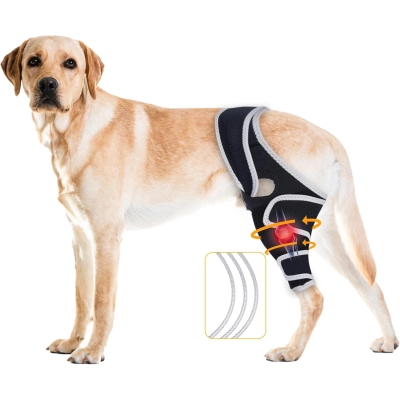
You want the best support for your dog’s knee. Today, knee brace options have improved with new technology. Many braces use lightweight and hypoallergenic materials, which help dogs feel comfortable and safe. Smart technology in some braces can track movement and joint health. Customization through 3D scanning and printing gives a better fit for your dog’s leg. You can even find custom-made stifle braces that match your dog’s unique shape.
Here are important factors to consider when choosing a brace:
-
Decide if your dog needs a single or double brace.
-
Ask your vet if a hinged or non-hinged brace is best.
-
Measure your dog’s thigh, knee, and leg length for a proper fit.
-
Pick a brace with soft linings and breathable fabrics.
-
Look for easy-to-use straps and strong closures.
-
Think about your dog’s activity level and health.
-
Always consult your vet before buying.
Tip: A custom leg brace often gives the best support for dogs with special needs.
Fitting and Adjustment Tips
You need to fit the brace correctly for the best results. Start with a vet check to confirm the injury and get advice. Align the brace with your dog’s knee joint and adjust the straps for comfort. Introduce the brace slowly, letting your dog wear it for short periods at first. Watch your dog walk and move. Use the brace during activity, not all day. Combine the brace with gentle exercise and weight control. Check your dog’s skin under the brace every day to prevent sores.
Monitoring Progress and When to Consult a Vet
You should watch your dog closely while using a knee brace. Look for signs that show how your dog is healing. If you see less movement in the knee, a hip hike, or your dog only touches the toes to the ground, call your vet. These signs may mean pain or swelling. Your vet can check the fit and make changes if needed.
Here is a simple checklist for owners:
|
Checklist Item |
What to Do |
|---|---|
|
Measure for correct size |
Use a tape measure for thigh, knee, and leg length |
|
Check comfort and fit |
Make sure the brace does not rub or cause redness |
|
Watch for changes in walking |
Notice limping, hip hike, or toe-touching |
|
Clean and inspect daily |
Keep the brace clean and check your dog’s skin |
|
Consult your vet |
Ask for advice if you see any problems or changes |
Note: Early action helps your dog heal faster and stay comfortable.
You help your dog heal by picking a knee brace that works. Science shows custom braces help dogs stand and walk better.
-
Dogs with braces put 5.1% more weight on the hurt leg.
-
Computer tests show braces make the knee steadier.
|
Study |
Findings |
|---|---|
|
2020 Study in Veterinary Surgery |
Dogs with hinged braces walked better and often did not need surgery. |
|
Meta-Analysis (2021) |
Bracing made life better, mostly for small and medium dogs. |
Always ask your vet before you choose. Using both research and good care helps your dog get better.
FAQ
How long should my dog wear a knee brace each day?
Start with short periods, like 30 minutes, and slowly increase as your dog gets used to it. Most dogs wear the brace during active times. Remove it at night or when your dog rests.
Can a knee brace fully heal my dog’s ACL tear?
A knee brace supports healing and reduces pain. It does not repair the ligament. Your dog may build scar tissue for stability. Surgery remains the only way to fully restore the ligament.
Will my dog feel comfortable wearing a knee brace?
Most dogs adjust well to a properly fitted brace. You should check for rubbing or redness daily. Use soft linings and adjust straps for comfort. If you see discomfort, talk to your vet.
How do I clean and care for the knee brace?
Wipe the brace with a damp cloth after each use. Let it air dry. Check straps and fasteners often. Clean liners as directed by the manufacturer. Keeping the brace clean helps prevent skin problems.
When should I call my vet while using a knee brace?
Call your vet if you see swelling, limping, sores, or if your dog refuses to walk. Quick action helps prevent more injury. Your vet can check the fit and suggest changes.
0 Comments