
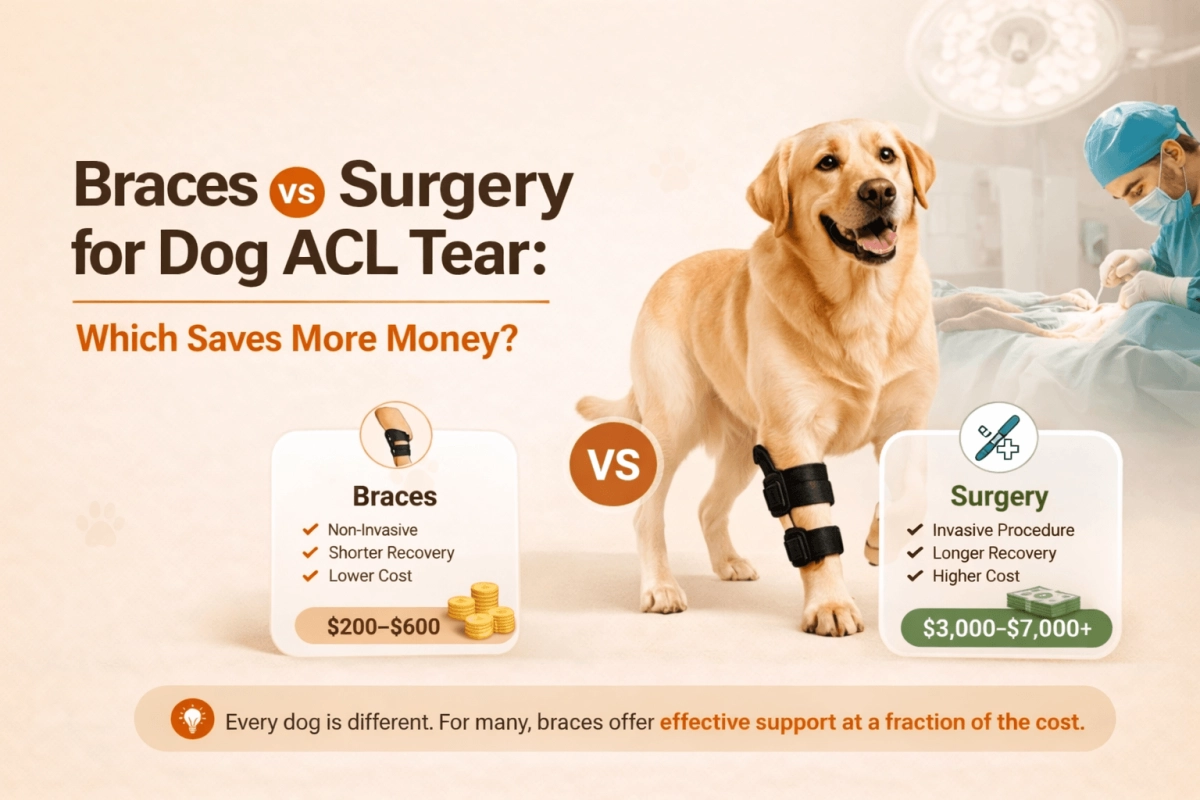
Imagine your dog limping after a sudden run in the park. You hear the vet say “ACL tear,” and now you face a big choice. You want your dog to heal, but you worry about the cost.
-
More than half of dogs with a CCL rupture in one leg will have the same injury in the other. Surgery for an ACL can cost from $1,500 to over $4,000, depending on your dog's size and injury.
You might look at the price difference between surgery and a brace for dog acl tear:
|
Treatment Option |
Average Cost Range |
|---|---|
|
Dog ACL Brace |
$100 - $700 |
|
Dog ACL Surgery |
$3,000 - $7,000 |
Balancing price, effectiveness, and safety is key. You want the best for your dog and your wallet.
Key Takeaways
-
Braces for dog ACL tears cost much less. They usually cost between $100 and $700. Surgery costs a lot more. It can be from $1,500 to over $7,000.
-
Surgery usually works better, especially for active dogs. TPLO surgery has a 95% success rate. Braces may work better for small injuries or older dogs.
-
There are extra costs besides the first treatment. These include medicine, physical therapy, and check-up visits. These costs can add up fast.
-
Always talk to your vet for a full cost estimate. Your vet can help you find the best treatment for your dog's needs and health.
-
Think about how active your dog is and how bad the injury is. This will help you choose between a brace and surgery. It will help your dog heal better.
Dog ACL Tear Treatment Cost Overview
When you start looking at options for your dog's ACL tear, you probably notice that the cost can vary a lot. You want to know what you might pay for surgery or a brace for dog acl tear. Let’s break down the numbers and help you see what fits your budget and your dog's needs.
Surgery Cost Breakdown
You have several types of surgery to choose from. Each one comes with its own price tag and best use case. Here’s a quick look at the average cost for each surgery:
|
Surgery Type |
Cost Range |
Best For |
|---|---|---|
|
TPLO |
$3,000 - $6,000 |
Large, active dogs |
|
TTA |
$3,000 - $4,500 |
Medium to large dogs |
|
CBLO |
$4,000 - $7,000 |
Dogs needing biomechanical fix |
|
Lateral Suture/Extracapsular |
$900 - $2,500 |
Small dogs, less active pets |
You might wonder why the cost changes so much. Several things can affect the price:
-
The type of surgery you pick. Advanced techniques like TPLO or CBLO usually cost more.
-
Where you live. Urban clinics often charge more than rural ones.
-
The size of your dog. Bigger dogs need more supplies and longer rehab.
-
The surgeon’s experience. Well-known vets may charge higher fees.
If your dog is large and loves to run, TPLO or TTA surgery gives the best chance for a full recovery. Smaller dogs or those who don’t play much may do well with lateral suture surgery, which costs less.
Brace for Dog ACL Tear Cost
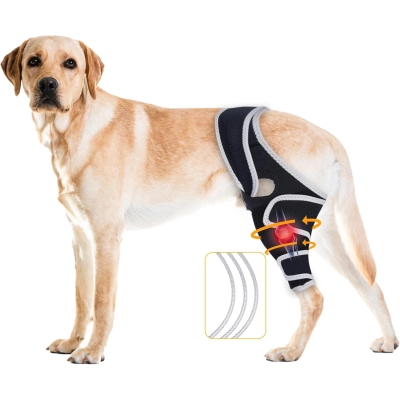
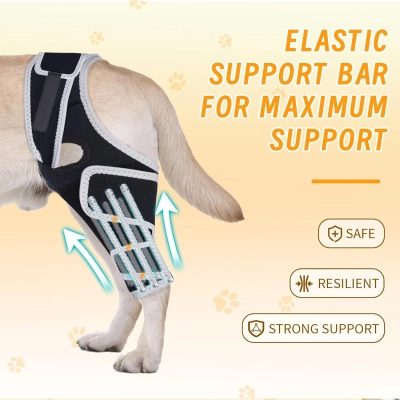
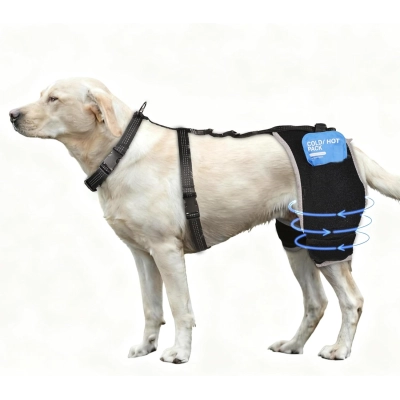
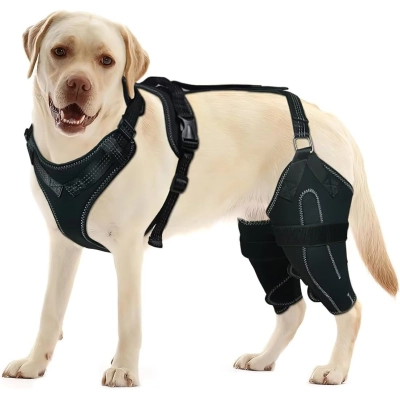
A brace for dog acl tear can be a more affordable option, especially if your dog has a partial tear or cannot have surgery. You have two main choices: custom braces and off-the-shelf braces.
|
Type of Brace |
Average Cost Range |
Accessibility |
|---|---|---|
|
Custom Dog Knee Brace |
$1,000 - $1,800 |
Tailored fit, professional fitting |
|
Off-the-Shelf Brace |
Under $100 to over $1,000 |
Easy to buy, fits most dogs |
You can find braces for dog acl tear starting at $40, but more supportive models cost up to $150. Custom dog braces cost more, but they fit your dog perfectly and offer better support. Off-the-shelf braces are easier to get and cost less, but may not fit as well.
You might use a brace for dog acl tear if your dog is small, has a partial tear, or needs extra support after surgery. Some brands offer braces for dog acl tear that cost up to $2,000, but most pet owners find good options for less.
Additional Expenses and Long-Term Costs
You need to think about more than just the surgery or brace for dog acl tear. There are hidden costs that can add up fast:
-
Diagnostic X-rays ($50-$200)
-
Medications for pain and inflammation ($20-$200+)
-
Physical therapy or rehab ($500-$1,300+)
-
Follow-up visits for suture removal and progress checks
-
Overnight hospital stays
-
Surgical supplies like plates, screws, and cones
You may also pay for incision checks and extra X-rays after surgery. If your dog needs a brace for dog acl tear, you might buy replacement parts or pay for ongoing arthritis medication.
The total cost for surgery can reach $7,000 or more, depending on where you live and which surgery you choose. Braces for dog acl tear cost less upfront, but you may spend more over time on therapy and pain management.
Tip: Always ask your vet for a full estimate before you decide. Make sure you know what is included and what might cost extra.
You want to balance the cost with your dog's health and comfort. Surgery costs more at first, but often leads to fewer problems later. Braces for dog acl tear cost less, but may require ongoing care and expenses.
Effectiveness: Braces vs Surgery for Dog ACL Tear
Surgical Outcomes for CCL Tear
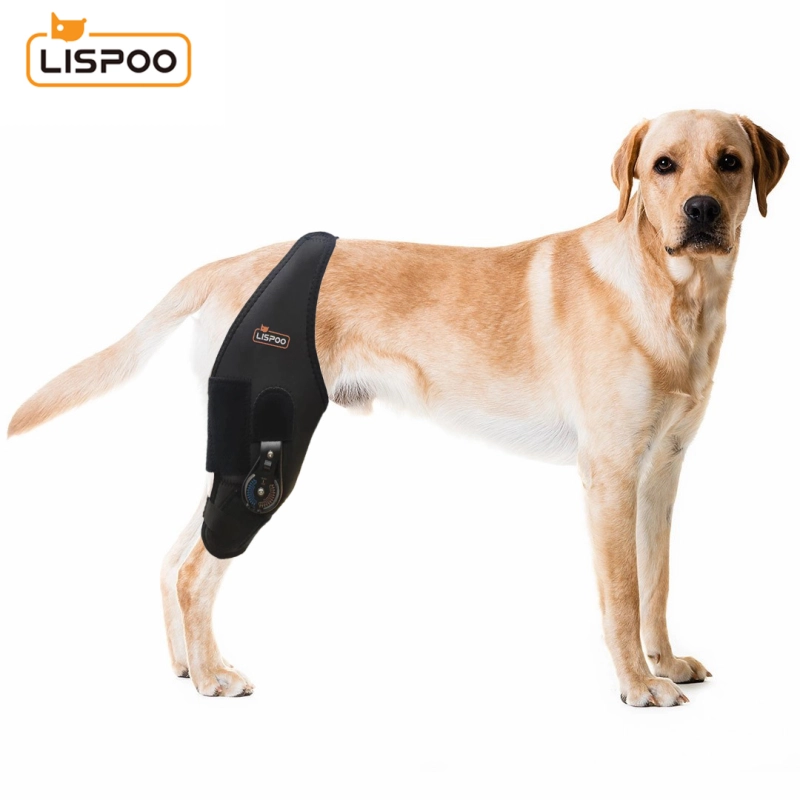
When you hear your dog has a torn ccl, you want to know what works best. Surgery is the most common treatment for a ccl tear, especially in large or active dogs. You can expect high success rates with most surgical options. For example, TPLO surgery has a 95% success rate, making it a top choice for big, energetic dogs. Lateral suture surgery works well for small to medium dogs with low to moderate activity, showing about 85–90% success.
But you should also know about possible risks. Surgery for a torn acl can come with complications. Here are some things you might see:
-
About 30% of dogs have some kind of complication after surgery.
-
Minor issues, like swelling or mild lameness, happen in over half of cases but usually get better with rest.
-
Infections can occur in about 5% of surgeries.
-
Rarely, a dog may need another surgery to remove an implant or fix a major problem.
Most dogs recover well and get back to normal activities after surgery. You can expect your dog to walk, run, and play again, especially if you follow your vet’s advice for rehabilitation and care.
CCL Brace for Dogs: Success and Limitations
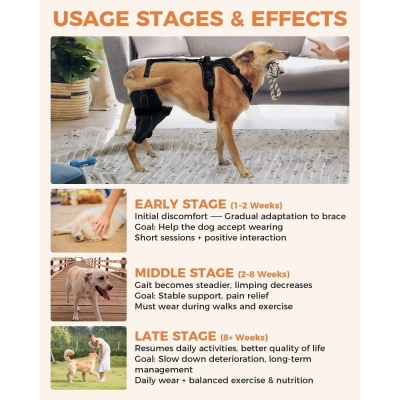
You might wonder if a ccl brace for dogs can help your pet avoid surgery. Many owners choose bracing when their dog is too old for anesthesia, has health problems, or only has a partial ccl tear. A ccl brace for dogs supports the knee and helps reduce dog knee pain. It can also help your dog move better while the ligament heals.
Let’s look at what studies say about ccl brace for dogs:
|
Study |
Findings |
|---|---|
|
Rosen et al. (2022) |
91% of dogs had some complications, but braces still gave functional benefits. |
|
Carr (2016) |
Dogs showed better weight distribution after 90 days of brace use. |
|
Lee et al. (2021) |
Most owners saw improved mobility and less lameness. |
|
Muršec et al. (2025) |
Custom knee braces improved gait and weight balance. |
You can expect these benefits from a ccl brace for dogs:
-
Improved mobility
-
Less lameness
-
Greater comfort for your dog
But bracing has some limits. Without surgery, your dog’s knee may stay unstable. This can lead to arthritis over time. Recovery with a ccl brace for dogs often takes longer than with surgery. Many vets say bracing works best for small dogs, partial ligament tears, or dogs who cannot have surgery. Most experts agree that bracing does not cure the problem but helps manage dog knee pain and support healing.
Veterinary surgeons often remind owners that a ccl brace for dogs is not a cure-all. You should use it with a clear understanding of its benefits and limits. Bracing can be a good choice for some dogs, but it may not give the same long-term results as surgery.
Dog Knee Brace: Recovery and Activity Impact
You want your dog to get back to normal life as soon as possible. Recovery time is a big part of your decision. Here’s how recovery time compares:
|
Treatment Method |
Recovery Time |
|---|---|
|
ACL Brace |
Days to weeks |
|
Surgery |
2-4 months |
With a dog knee brace, your dog may start walking sooner. You still need to limit activity and follow your vet’s plan for rehabilitation. Bracing often means a longer period before your dog can run or jump again. Surgery takes longer for initial healing, but most dogs return to full activity after a few months.
A dog knee brace can help your dog move with less pain. You may see your dog put more weight on the leg and walk better. Studies show that a dog knee brace, especially when custom-fitted, improves mobility and comfort. You get the best results when you combine bracing with rehabilitation, weight control, and regular vet checkups.
Here are some key factors that affect how well a dog knee brace works:
-
Custom fit: A brace made just for your dog’s knee gives better support.
-
Owner compliance: You need to make sure your dog wears the brace as directed.
-
Rehabilitation: Physical therapy and exercises help your dog regain strength.
-
Veterinary oversight: Regular visits help track progress and adjust the brace.
A ccl brace for dogs can be a good option for managing dog knee pain and helping your dog stay active. You should talk with your vet about your dog’s needs, lifestyle, and the best way to support recovery. Whether you choose surgery or bracing, your goal is to give your dog the best chance for a happy, pain-free life.
Factors Affecting Cost and Decision
Dog Size, Breed, and Activity Level
Your dog's size and breed matter a lot when picking treatment. Small dogs often do fine with less invasive choices. Big dogs need stronger support because they weigh more. Their knees get more stress. Here are some things to think about:
-
How big and heavy your dog is
-
How unstable the joint is
-
How active your dog will be
-
How far the disease has gone
-
What your vet prefers and knows best
If your dog is under 30 pounds, lateral suture usually works well. It also costs less. This method helps about 85% of small dogs. Bigger, active dogs may need a more advanced surgery. You want your dog to stay active, so think about how much they run and play. Bracing works best with daily care. Keep your dog at a healthy weight. Use joint supplements. Try low-impact activities like swimming or walking on a leash. Soft beds and floors that don’t slip help too.
Injury Severity and Health Status
How bad your dog's ACL tear is changes your choice. Mild or moderate injuries can often use a brace. Severe tears usually need surgery. Look at this table:
|
Treatment Option |
Severity of Injury |
|---|---|
|
CCL Brace for Dogs |
Good for mild or moderate |
|
Surgery |
Needed for severe |
Your dog's health is important too. Problems like diabetes or immune disorders make healing harder. These issues raise the risk of infection and need extra care. Watch for signs of infection and follow your vet’s advice.
Insurance and Second CCL Tear Risk
Pet insurance can help with costs, but you need to know how it works. Most plans pay you back after you pay the vet. You pay first, then send in a claim. Some policies make you wait before they cover ACL injuries. If your dog gets hurt soon after you buy insurance, you might not get paid back.
|
Aspect |
Description |
|---|---|
|
Payment Model |
You pay upfront, then get reimbursed |
|
Claim Process |
File a claim after treatment |
|
Waiting Period |
Some policies delay coverage for ACL injuries |
You should plan for a second tear risk. Dogs with one ACL rupture have a 40% to 60% chance of tearing the other ligament in a year. If joint effusion is present, the risk goes up to 85% in three years. A second injury means more vet visits, rehab, and maybe another surgery. This can make your costs go up over time.
Tip: Ask your vet about your dog's risk for a second tear. Check your insurance policy for details on coverage and waiting periods.
Practical Tips to Save Money on Dog ACL Tear Treatment
Choosing Between Brace and Surgery
You want your dog’s knee to get better. Bracing and surgery both have good and bad points. Your choice depends on your dog’s age, health, how active they are, and your money. Look at this table to compare the main things:
|
Criteria |
Dog ACL Brace |
Surgery |
|---|---|---|
|
Success Rate |
Lower, changes with each dog |
Higher, more likely to work |
|
Financial Cost |
Usually less, often under $1,000 |
Can be more than $5,000 |
|
Recovery Time |
Takes longer, needs steady care |
Shorter, but needs after-surgery care |
|
Invasiveness |
Not invasive, less risk |
Invasive, needs anesthesia |
|
Long-term Management |
Needs careful attention to avoid problems |
Often fixes the issue |
Bracing is good for mild or partial tears, older dogs, or dogs with health issues. Surgery works better for active dogs and gives better results over time. New braces fit better and support the knee, so bracing can be a smart choice for some families.
Questions to Ask Your Vet About Cost
You need clear answers before you pick a treatment. Ask your vet these questions:
-
What treatments are there for my dog’s knee injury?
-
How much does each treatment cost, including tests and checkups?
-
Will bracing help my dog feel better, or is surgery best?
-
Does my insurance pay for knee surgery or bracing?
-
How long will recovery take for each choice?
-
How will bracing change my dog’s activity and comfort?
-
What happens if I don’t treat the knee injury?
Tip: Talk about long-term plans and insurance with your vet. This helps you know the costs and avoid surprises.
Reducing Expenses Without Sacrificing Care
You can save money and still help your dog. Try these ideas:
-
Keep your dog’s activity low to protect the knee.
-
Help your dog stay at a healthy weight.
-
Use medicine your vet gives to control pain and swelling.
-
Think about joint supplements for knee health.
-
Do rehab therapy to help your dog recover.
-
Use bracing for extra knee support, especially for dogs at risk.
Talk to your vet about your dog’s comfort and long-term health. Check your insurance and ask about what is not covered. Bracing, weight control, and rehab can help your dog heal and cost less. You want your dog to feel good and stay active, so plan ahead and ask questions.
You want to spend less and help your dog get better. Braces cost less at first than surgery.
Studies show dog knee braces are cheaper than surgery for knee injuries. Braces work well for mild or moderate injuries. Surgery costs more and has bigger risks. Braces give good support and help with pain for less money.
Surgery often helps active dogs or bad tears more:
-
Most dogs get all better after surgery. Braces help best for small dogs or mild injuries.
-
Surgery makes the joint stable. Braces help with pain and movement.
Always ask your vet before you pick a treatment. Think about your money, your dog’s health, and what works for you. You know your dog best, so trust yourself to choose what is right.
FAQ
What is the difference between a dog ACL brace and surgery?
A brace supports your dog's knee and helps manage pain. Surgery fixes the ligament and gives your dog a stable joint. You choose based on your dog's size, activity, and health.
Can my dog walk with a brace after an ACL tear?
Yes, your dog can walk with a brace. You need to limit activity and follow your vet’s advice. Braces help your dog move comfortably while healing.
How long does recovery take after ACL surgery?
Most dogs need two to four months to recover after surgery. You help your dog heal faster with rehab, rest, and regular checkups.
Are braces safe for older dogs?
Braces are safe for older dogs. You use them when surgery is risky or your dog has health problems. Braces help manage pain and improve mobility.

0 Comments