
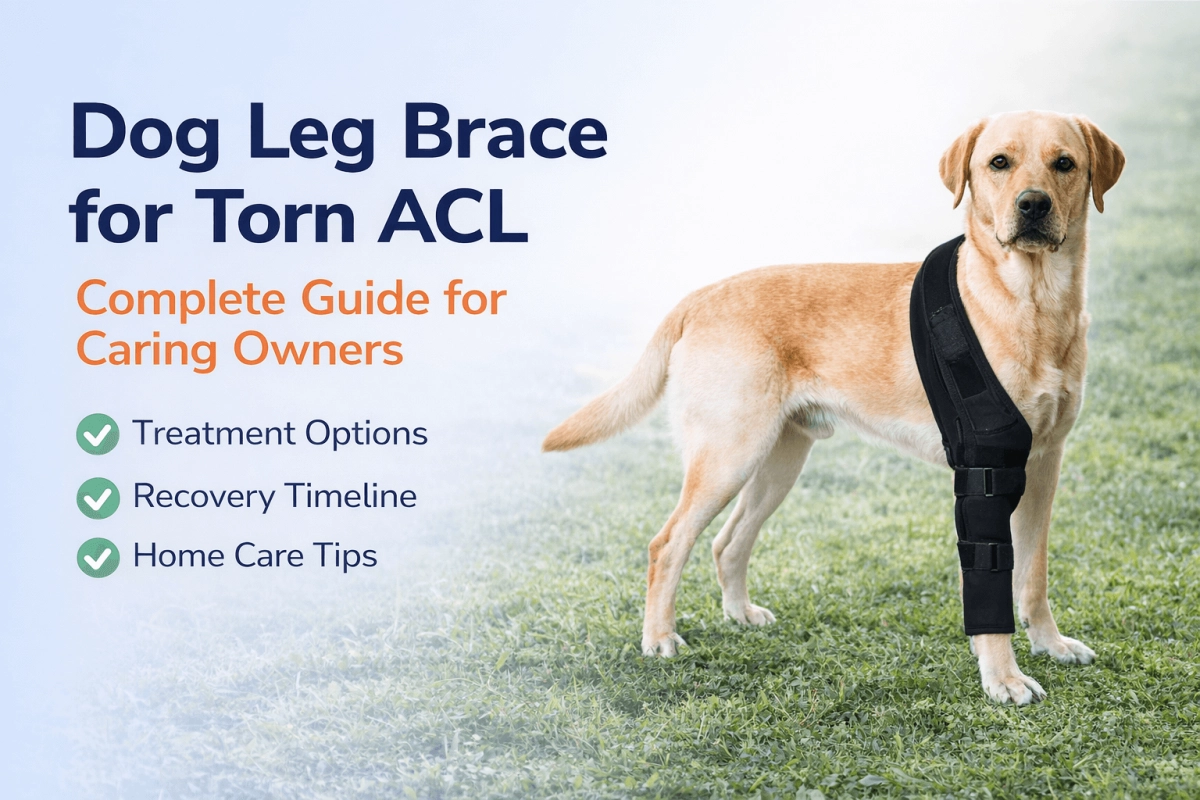
If your dog has a torn ACL, you might ask if a dog leg brace for torn acl can help. Dogs with this injury may limp or have trouble getting up. They might not want to play. Some breeds, like Australian Shepherds, Labrador Retrievers, and Rottweilers, get this problem more often. Other breeds, like Border Collies and Vizslas, do not get it as much.
Treatment has three main options: surgery, conservative management, and bracing for support. Success rates are different. At 24 weeks, surgery helps about 92.6% of dogs. Non-surgical care helps about 33.3%. Braces give support but do not fix the injury. Your effort and correct use are very important.
Always talk to your veterinarian for a diagnosis and a plan for your dog.
Note: This guide is only for learning. It does not replace advice from a veterinarian.
Key Takeaways
-
A dog leg brace helps support a torn ACL, but it will not fix the injury. You should use it with other care steps.
-
Finding a torn ACL early is very important. Go to your veterinarian if your dog limps or acts differently.
-
Surgery is usually best for big or active dogs with a full tear. Bracing can help small dogs or dogs with only a partial tear.
-
Watch your dog’s comfort and skin when using a brace. Change the fit if you see any skin problems.
-
Taking care of your dog, keeping their weight healthy, and giving safe exercise are important for healing and healthy joints.
Understanding torn ACL (CCL) in dogs
Common signs and symptoms
You may notice your dog limping or refusing to play. A torn ACL, called the cranial cruciate ligament (CCL) in dogs, affects the knee joint. This injury often happens over time because the ligament weakens. Dogs do not always hurt their CCL from a single accident. Age, breed, and weight can make the ligament wear down faster.
Here are some signs you might see if your dog has a torn CCL:
|
Symptoms of CCL Rupture in Dogs |
|---|
|
Crepitus (crackling noise) |
|
Decreased range of motion |
|
Hind leg extension while sitting |
|
Pain when the joint is touched |
|
Lack of motivation to exercise |
|
Irritability |
|
Restricted mobility |
|
Stiffness after exercising |
|
Swelling/Inflammation |
|
Thick/firm feel of the joint |
|
Weight shifted to one side |
|
"Pop" sound when walking |
-
Difficulty rising and jumping
-
Hind leg lameness and limping
-
Stiffness after rest or exercise
Dogs with a torn CCL may show less interest in walks or play. You might hear a popping sound when your dog moves. Swelling or pain in the knee can make your dog irritable. Some dogs sit with one leg stretched out. You may see muscle loss in the thigh or notice your dog shifting weight to the other leg.
How CCL injuries affect your dog
A torn CCL causes pain and makes movement hard for your dog. Your dog may struggle to stand up or climb stairs. The knee joint becomes unstable, which leads to lameness and stiffness. Over time, this instability can cause arthritis. Arthritis makes the joint thick and sore. Dogs with CCL disease often lose muscle in the affected leg. If you do not treat the injury, your dog’s quality of life may drop. Early care helps prevent more damage and supports long-term joint health.
Tip: Watch for changes in your dog’s activity and comfort. Early signs can help you get the right care before arthritis sets in.
Diagnosing a torn ACL in dogs
Veterinary exam and tests
Your veterinarian is very important for finding out if your dog has a torn ACL. You might see your dog limping or having trouble walking, but only a vet can be sure. The vet will do a physical exam first. They will check your dog’s knee for pain, swelling, and how it moves. Special tests, like the cranial drawer test and tibial compression test, help the vet see if the knee is loose.
Vets often use X-rays to look at the knee joint. X-rays do not show the ligament, but they can show swelling, fluid, or bone changes that mean a torn ACL. Sometimes, your vet might suggest more advanced tests, like MRI or CT scans. These tests show soft tissues, including the ligament, more clearly. But they are not used as much because they cost more and are not always easy to get.
|
Diagnostic Method |
Description |
|---|---|
|
Physical Examination |
Involves tests like the cranial drawer test and tibial compression test to assess knee stability. |
|
X-rays |
Useful for ruling out other conditions and showing indirect signs of ACL injury, such as joint effusion and bone spurs. |
|
MRI and CT Scans |
Advanced imaging techniques that provide clearer images of soft tissues, including ligaments, but are less commonly used due to cost and availability. |
Tip: Always tell your vet about any changes in your dog’s movement or behavior. This helps them pick the best tests.
Why accurate diagnosis matters
Getting the right diagnosis for your dog’s knee is very important. If a torn ACL is missed, your dog’s knee can get worse. Your dog may put more weight on other legs, which can hurt them too. An unstable knee can get arthritis faster, making it harder for your dog to move and have fun. If the injury is not found early, you may not have as many ways to treat it. Early and correct diagnosis gives your dog the best chance to heal and helps stop long-term problems.
-
If the vet does not find the problem early, the knee joint can get more damage. Dogs with untreated CCL tears use their other legs more, which can hurt those legs too.
-
A knee that is not stable from a missed CCL tear can get arthritis faster. This makes treatment harder and your dog may not move as well.
-
If the vet finds the injury late, there are fewer ways to help. Fresh injuries heal better, and missing the problem can make it harder for your dog to get better.
Note: If you think your dog has a knee injury, do not wait. Make a vet appointment soon to keep your dog healthy.
Treatment options for torn ACL
If your dog has a torn ACL, you have three main choices for treatment. Each choice has good points and hard parts. Your veterinarian will help you pick the best plan for your dog. They will look at your dog’s size, age, how active they are, and their health.
Surgical stabilization
Surgery is usually picked first for medium or big dogs. It is also used for very active dogs or dogs with a full ligament tear. The goal of surgery is to make the knee stable again. This helps your dog get back to normal activities. There are different types of surgery. The most common ones are in the table below:
|
Surgical Procedure |
Description |
Success Rate |
|---|---|---|
|
Extra-capsular stabilizing suture |
Mimics CCL function with a suture across the stifle joint. Best for dogs under 30-40 lbs. |
Good outcomes for small dogs, less predictable for larger dogs. |
|
TPLO (Tibial Plateau Leveling Osteotomy) |
Alters stifle joint mechanics to prevent femur sliding. |
Most successful for dogs of any size, especially large dogs. |
|
TTA (Tibial Tuberosity Advancement) |
Changes joint mechanics with a less invasive approach. |
Comparable to TPLO, but lacks long-term studies. |
Most dogs do well after surgery. TPLO and similar surgeries work for more than 90% of dogs after one year. Surgery gives the best chance for a strong and steady knee. It also helps stop more joint damage. Your dog will need rest and a special rehab plan after surgery.
Note: Surgery is not the best choice for every dog. Some dogs are too old or have other health problems. They may need a different plan.
Conservative management
Conservative management means treating the injury without surgery. This works best for small dogs or dogs with only a partial tear. It is also used if a dog cannot have surgery because of health or money reasons. You must follow a strict plan to help your dog heal.
Some things help decide if this is right for your dog:
-
Your dog’s health and age
-
If the tear is partial or full
-
If the meniscus is hurt
-
How the other knee is doing
-
Your dog’s lifestyle and how active they are
-
Body weight and how bad the disease is
-
How much the knee moves in a wrong way
-
If your dog has other health problems
You will need to keep your dog calm and limit activity at first. Short leash walks and slow exercise help build muscle. Keeping your dog at a healthy weight is very important. Your vet may give pain medicine or anti-inflammatory drugs. Physical therapy can also help your dog get stronger and feel better.
Conservative management does not always bring the knee back to normal. Big or very active dogs may not do as well with this plan. Some dogs may still get arthritis or need surgery later.
Where dog leg braces fit in
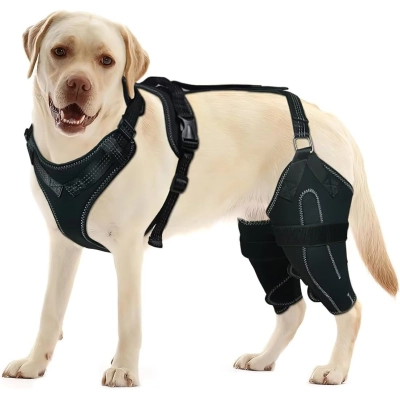
A dog leg brace for torn acl can give extra support to your dog’s knee. Braces do not fix the injury, but they can help with pain. They also help your dog feel better when walking. You can use a brace as part of conservative management. You can also use it while waiting for surgery or during rehab after surgery if your vet says it is okay.
Vets say braces work best in some cases:
-
When surgery is not possible because of health or cost
-
For dogs with a partial tear or mild knee problems
-
As a short-term help while waiting for surgery
-
For older dogs or dogs with other health risks
Braces can help your dog walk better and may slow down joint damage. But they do not take the place of surgery for dogs with bad injuries or dogs who are very active. Most experts say surgery is best for long-term knee health. Braces are helpful, but they should be part of a full care plan.
Tip: Always talk to your vet before using a brace. The right fit and using it the right way are very important for your dog’s safety and comfort.
You should have real expectations for each treatment. Surgery gives the best chance for full healing, especially for big or active dogs. Conservative management and bracing can help some dogs, but results are different for each dog. How much you care for your dog and follow your vet’s advice will help your dog recover the most.
Dog leg brace for torn ACL: How it works
Function and benefits
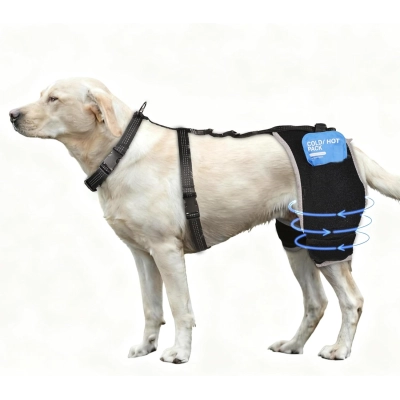
A best dog leg brace for torn ACL helps support your dog's knee. The brace goes around the joint and acts like a stabilizer. When the CCL is hurt, the knee gets wobbly. This makes the lower leg slide forward in a wrong way. Your dog feels pain and the joint wears out faster. The brace helps stop too much movement. It keeps the knee steadier but lets your dog walk and move. This support lowers stress on the ligament and nearby tissues. It helps your dog heal.
You may see many good things when you use a dog brace for torn ACL:
-
Your dog might have less pain and swelling.
-
The brace can help your dog feel brave enough to walk or play.
-
Many vets suggest braces for dogs who cannot get surgery. Braces give stability and make life better.
-
Custom plastic braces often give stronger support for a torn ACL. They fit your dog's leg and help stop bad movements.
-
Dogs with braces may do things they liked before getting hurt.
Tip: If your dog does not want to walk or play, a brace may help them feel safe and happy.
Limitations and evidence
A dog leg brace for torn ACL gives support but does not fix the ligament. Braces work best for some dogs. Small dogs, older dogs, or dogs with mild knee problems may do well. Big dogs with bad knee problems may need more help or surgery. Your dog may need time to get used to the brace. Some dogs take weeks to feel okay with it.
Studies show custom plastic braces support the knee better than fabric ones. Fabric braces can stretch and may not stop wrong movement. You should pick a brace that fits your dog's leg well and stays on during play.
Good fit and following the plan are very important for success. The table below shows what matters most for a brace to work:
|
Factor |
Importance |
|---|---|
|
Custom Fit |
Makes sure pressure is even and the knee is lined up right. |
|
Owner Compliance |
Wearing the brace every day and checking it is needed. |
|
Veterinary Oversight |
Regular vet visits for fit and changes help stop problems. |
|
Integration with Rehabilitation |
Controlled exercise and weight checks help your dog heal better. |
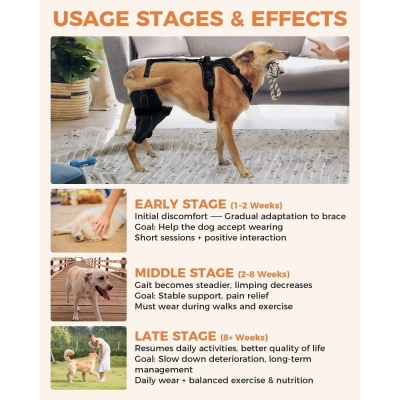
Start with short times wearing the brace. Slowly let your dog wear it longer as they get used to it. Always look at your dog's skin for red spots or sores after using the brace. Go to the vet often to check the fit and stop problems.
-
Braces do not fix the ligament. They only help the joint.
-
Dogs may need time to get used to the brace.
-
Braces may not help big dogs with bad knee problems.
Note: Problems often happen in the first weeks. Careful fitting and regular vet visits help keep your dog safe and comfy.
Choosing the right dog leg brace
Types of braces
There are two main types of braces for your dog’s knee. Hinged braces give strong support and help control how the knee moves. They stop the knee from bending too much. They also help with side and twisting movements. Non-hinged braces give gentle pressure and warmth. These work best for small injuries. They do not stop big knee movements.
Here is a table to help you compare:
|
Type of Brace |
Effectiveness for Torn ACL (CCL) |
Features |
|---|---|---|
|
Hinged Brace |
More effective for serious injuries |
Gives strong support, controls movement, helps with side and twist, stops too much bending. Good for partial or full tears and after surgery. |
|
Non-Hinged Brace |
Less effective for severe injuries |
Does not give strong support for bad injuries, better for small injuries. |
You also need to pick between custom braces and ready-made ones. Custom braces fit your dog’s leg shape better. They help dogs with special leg shapes or bad injuries. Ready-made braces are easy to buy and cost less. But they may not fit as well or give enough support.
-
Custom braces fit better and give more support.
-
Ready-made braces are easier to get and cost less.
-
Custom braces are best for long-term problems or dogs with sensitive skin.
Key features and sizing
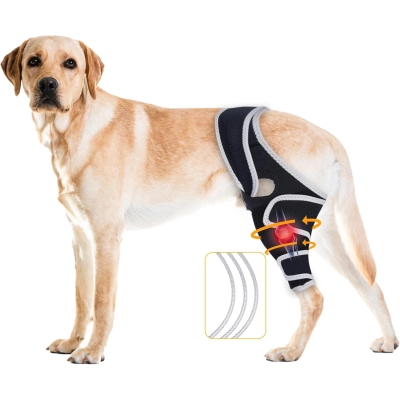
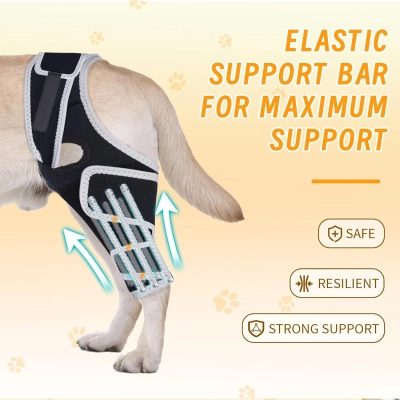
When picking a dog acl support brace, look for things that keep your dog safe and comfy. Adjustable straps help you get the right fit. Breathable fabric keeps your dog’s skin cool and dry. Soft edges stop rubbing and sore spots. Springs and mesh lining make the brace stronger and softer. A good brace should be simple to put on and take off.
-
A good fit keeps the brace in place and stops sores.
-
Comfort helps your dog wear the brace longer.
-
Strong braces last through daily use.
-
Custom plastic braces often work better than fabric ones.
Measure your dog’s leg carefully before you buy a brace. Use the size chart and follow the steps. If you are not sure, ask your vet for help. A brace that fits well helps your dog heal and move better.
Tip: Always check your dog’s skin after using the brace. Look for red spots or missing hair. Change the fit if needed so your dog stays happy.
Fitting and using a dog leg brace
Step-by-step fitting
Fitting a dog leg brace for torn acl takes care and attention. You want your dog to feel safe and comfortable. Follow these steps to help your dog get the best support:
-
Get veterinary approval. Always ask your vet before using a brace. Your vet will check if your dog is ready and help you choose the right type.
-
Choose a custom-made brace. Custom braces fit your dog’s leg better than one-size-fits-all options. They give more support and comfort, which helps your dog heal.
-
Check the brace material. Plastic braces offer stronger support and last longer than fabric ones.
-
Measure your dog’s leg carefully. Use a tape measure and follow the sizing guide. A perfect fit keeps the brace from slipping or causing sores.
-
Start with a break-in schedule. Let your dog wear the brace for short periods at first. Slowly increase the time as your dog gets used to it.
-
Inspect your dog’s skin after each use. Look for redness, swelling, or hair loss. If you see any problems, adjust the fit or talk to your vet.
-
Use the brace during controlled activities. Put the brace on for leash walks, rehab exercises, or when your dog is active. Take it off during rest or sleep.
Comfort and safety tips
You want your dog to stay happy and safe while using a brace. Here are some tips:
-
Keep the fur clean and dry under the brace. Moisture can cause irritation.
-
Check the straps often. Make sure they are snug but not too tight.
-
Watch your dog’s movement. If your dog limps more or seems uncomfortable, stop using the brace and call your vet.
-
Never let your dog run or jump freely while wearing the brace.
Combining bracing with weight management and exercise can help your dog recover faster. Bracing gives stability and reduces pain. Weight control takes pressure off the knee. Gentle exercise builds muscle and supports healing.
Bracing limits too much movement but lets your dog move safely. A weight-loss plan can also help if your dog is overweight. Less weight means less strain on the knees.
A dog leg brace for torn acl works best when you use it as part of a full care plan. Always follow your vet’s advice for pain management, exercise, and weight control.
Home care and recovery
Daily routines and restrictions
You play a key role in your dog’s recovery at home. Start by introducing the leg brace slowly. Let your dog wear it for half an hour on the first day. Add half an hour each day until your dog feels comfortable. Always check the brace and your dog’s skin after every use. Look for any redness or irritation.
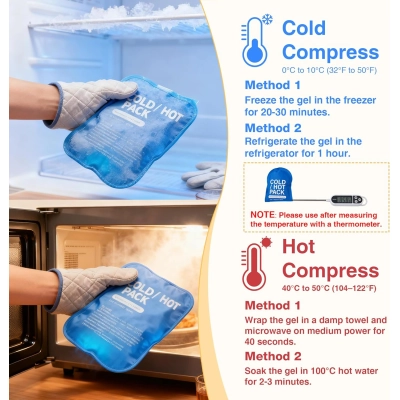
Keep your dog’s movement limited. Use leash walks only. Do not allow running, jumping, or climbing stairs. Set up a safe space with non-slip flooring. Give your dog cold compresses wrapped in cloth for 10–15 minutes a few times a day to help with swelling. Never try home fixes or tape the leg without your vet’s advice. Only give pain medicine prescribed by your veterinarian.
Tip: Consistent routines and gentle care help your dog heal faster.
Monitoring progress
Watch your dog closely during recovery. Make sure your dog stays in a small, comfortable area. Only allow movement for bathroom breaks. Follow your vet’s instructions for pain medication. Give medicine on schedule, even if your dog seems fine.
Check for changes in appetite or behavior. Look for swelling, bleeding, or signs of discomfort. Keep the brace and any surgical site clean and dry. If you notice limping getting worse or your dog stops using the leg, contact your vet.
-
Pain management is important. Stick to the plan.
-
Limit movement to prevent strain.
-
Monitor for complications daily.
When to see the vet
Some warning signs mean you should call your veterinarian right away. Use the table below to help you spot urgent problems:
|
Warning Sign |
What You Might Notice |
|---|---|
|
Sudden lameness |
Your dog cries out and refuses to use the leg |
|
Persistent toe-touching |
Your dog keeps touching the toe to the ground |
|
Knee swelling or warmth |
The knee looks bigger or feels hot |
|
Changes in sitting position |
Your dog sits with the leg extended sideways |
|
Crying when leg is touched |
Your dog yelps or pulls away |
|
Sudden stop in leg use |
Your dog stops using the leg altogether |
If you see any of these signs, call your vet as soon as possible.
Dogs that injure one knee have a 40–60% chance of hurting the other knee within a year. Long-term joint care, rehab, and conditioning can help protect both knees and delay arthritis.
Recovery timeline and outcomes
What to expect with a brace
When you use a dog brace for acl tear, you help your dog feel more stable. Most dogs need a few days to adjust to wearing the brace. You may notice your dog walks with more confidence after the first week. The brace supports the knee and limits harmful movement. This support can help your dog put more weight on the injured leg. You should use the brace during walks and controlled activities. Over time, your dog may show less pain and more willingness to move. Healing takes patience. Many dogs need several weeks to months for muscle strength to return. Consistent use and gentle exercise help your dog recover.
Tip: Always follow your veterinarian’s advice for brace use and activity levels.
Signs of improvement
You want to see your dog get better each week. Look for these positive changes:
-
Your dog seems happier and more active.
-
The knee feels more stable when your dog stands or walks.
-
Pain and swelling decrease.
-
Your dog starts to use the injured leg more often.
-
Your dog enjoys short walks or gentle play again.
-
The risk of further knee damage goes down.
These signs show the brace is helping your dog heal. Keep checking your dog’s comfort and skin under the brace.
When surgery may be needed
Sometimes, a brace alone does not give enough support. You may need to consider surgery if:
-
Your dog has a full ACL tear and cannot walk well.
-
The knee stays unstable after several weeks of bracing.
-
Your dog’s pain does not improve.
-
The tear covers more than half of the ligament.
-
Your dog loses muscle or stops using the leg.
Surgery helps stabilize the knee and restore function. Always talk to your veterinarian if you see these signs. Early action gives your dog the best chance for a healthy, active life.
A dog leg brace for a torn ACL gives your dog support and helps with movement. You may notice these benefits:
-
Supports and stabilizes the knee
-
Makes walking more comfortable
-
Reduces the risk of more injury
You should remember these limits:
-
The brace does not cure the injury.
-
Your dog needs time to adjust.
-
A poor fit can cause problems.
Ongoing care from your veterinarian helps your dog get the best results. Stay patient and follow your vet’s advice. Your care and attention make a real difference in your dog’s recovery.
FAQ
How long should my dog wear a leg brace each day?
Start with short sessions, about 30 minutes. Add time each day as your dog gets comfortable. Most dogs wear the brace during walks or active times. Always check your dog’s skin after each use.
Can a brace replace surgery for a torn ACL?
A brace supports your dog’s knee but does not cure the injury. Surgery gives the best results for most large or active dogs. Use a brace if surgery is not possible or as part of a full care plan.
How do I know if the brace fits correctly?
Check for snug straps and no slipping. The brace should not cause redness, swelling, or hair loss. Your dog should walk comfortably. Ask your veterinarian to check the fit if you see any problems.
What activities are safe for my dog while using a brace?
Leash walks and gentle rehab exercises are safe. Avoid running, jumping, or climbing stairs. Controlled movement helps your dog heal and prevents more injury.
Will my dog need a brace forever?
Most dogs use a brace during recovery or for support with arthritis. Your veterinarian will tell you when to stop using it. Some dogs with long-term joint problems may need ongoing support.
0 Comments