

You might notice your dog resists dog braces for arthritis at first. That’s normal—new gear can feel strange or even scary. Many owners find that patience and gentle encouragement make a world of difference. If you start with tiny wear times, reward your dog right after, and slowly increase the sessions, you’ll build trust and comfort. Always listen to your vet and show lots of empathy. If you want more tips, check out guides on how to choose the right brace or manage arthritis for your pup.
Key Takeaways
-
Begin training your dog to wear an arthritis brace with short sessions. Slowly make the sessions longer as your dog gets used to it.
-
Give your dog treats and praise to encourage them. This helps your dog think the brace is a good thing.
-
Watch your dog closely for comfort. Look at their skin for any irritation. Change the brace fit if needed.
-
Add the brace to your dog's daily routines. Use it during walks and playtime. This helps your dog see the brace as normal.
-
Talk to your vet often for advice. Your vet can check the brace fit and watch your dog's progress.
Preparation and Essentials
Items Needed for Dog Braces for Arthritis
Before you start training, gather everything you need. A little preparation makes the process smoother for both you and your dog. Here’s a quick checklist:
-
Braces for dogs with arthritis that fit your dog’s size and needs
-
High-value treats like cheese or chicken
-
A calm, quiet space with few distractions
-
A soft towel for gentle cleaning or drying
-
A leg support brace if your vet recommends extra stability
-
A notebook or phone to track your dog’s progress
You want your dog to feel safe and relaxed. Try to set up your training area in a spot where your dog already feels comfortable. Keep treats handy so you can reward your dog right away when they interact with the new leg brace.
Pre-Training Steps and Vet Consultation
Before you put on dog braces for arthritis, talk to your vet. Your vet will help you choose the right brace and make sure it fits well. They can also give you a plan for how long your dog should wear the brace each day.
Here’s what most vets suggest before you begin:
-
Check the fit of dog braces for arthritis every day, especially after any adjustments.
-
Start with short sessions—about 10 to 15 minutes per walk in the first week.
-
Inspect your dog’s skin before and after each session. Look for redness, chafing, or swelling near the brace.
-
Watch for signs your dog feels uncomfortable, like licking, chewing, or limping.
-
If your dog’s skin looks healthy, slowly add about 10 minutes to each walk every week.
Tip: Work closely with your vet during this process. Regular check-ins help you catch any problems early and keep your dog safe and happy.
Dog braces for arthritis work best when you follow a gradual plan. With patience and the right steps, your dog will get used to wearing the brace and feel more comfortable moving around.
Phase 1: Pre-Fitting Acclimation
Introduce the Brace and Accept Wearing a Brace
You want your dog to accept wearing a dog brace, but you know it can feel strange at first. Start slow. Place the arthritis brace in your dog's favorite spot. Let your dog sniff and check it out. Dogs use their noses to explore, so this step helps them feel safe. You can sit nearby and talk to your dog in a calm voice. If your dog seems nervous, give them space and try again later.
Early introduction makes a big difference. When you start using a dog knee brace early, your dog gets more comfortable and moves better. You help your dog feel less pain and more support. Regular checks on your dog's walking and weight-bearing help you spot any issues. This careful approach leads to better long-term acceptance of the brace.
"A properly fitted knee brace redistributes mechanical forces and can greatly reduce pain and inflammation. In some dogs, it can even delay or prevent the need for surgical intervention." Early intervention with a brace can lead to improved long-term outcomes for dogs suffering from arthritis.
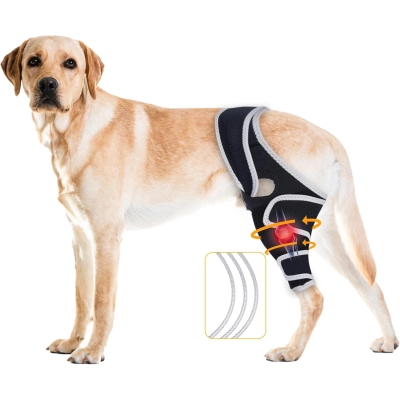
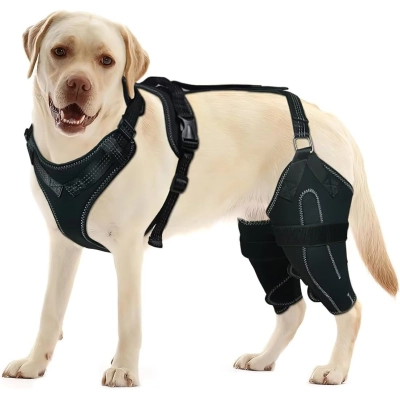
If you are introducing a new brace for hind leg support, choose one that feels secure without being overly restrictive. For example, the Lispoo Dog Knee Brace for Torn ACL Hind Leg is often considered by pet owners who want a brace that supports the knee area while still allowing gradual adaptation during daily training.
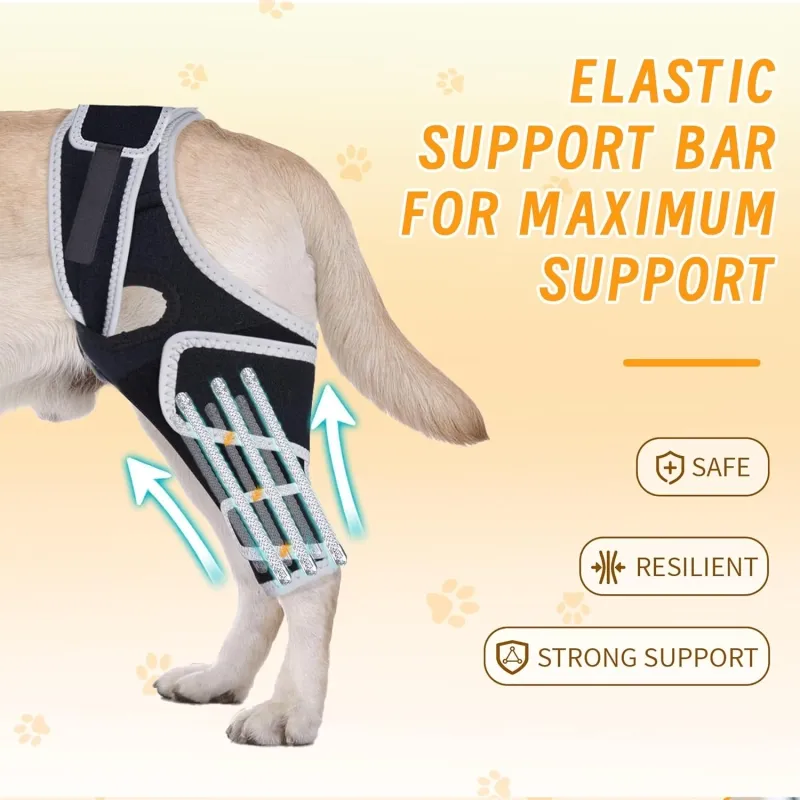
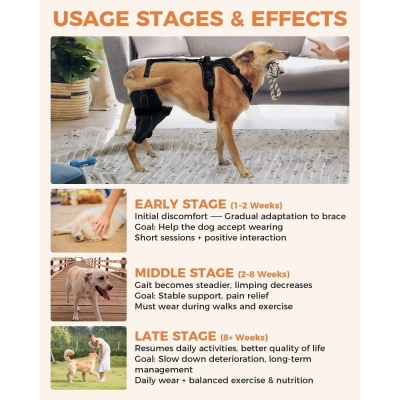
You want your dog to accept wearing a brace as part of their daily routine. If you make the brace feel normal, your dog will start to see it as just another part of life. Keep sessions short at first. Try five minutes, then ten. Watch your dog's body language. If your dog relaxes, you can slowly increase the time.
Positive Reinforcement Techniques
You can use positive reinforcement to help your dog accept wearing a brace. This means you reward your dog for calm behavior around the brace. Place treats on or near the brace. When your dog sniffs or touches the brace, give them a treat right away. You can also praise your dog or pet them gently.
Here are some proven methods that help dogs feel good about new medical devices:
-
Counterconditioning: Pair the brace with tasty treats. Your dog learns that the brace brings good things.
-
Desensitization: Start with short, easy sessions. Slowly increase the time and intensity. Your dog gets used to the brace without stress.
-
Teaching Calm Alternative Behaviors: Ask your dog to sit or lie down near the brace. Reward calm actions. This builds confidence and reduces fear.
You want your dog to accept wearing a brace, so keep training sessions positive and fun. If your dog tries to avoid the brace, do not force it. Instead, use treats and praise to encourage your dog. Over time, your dog will accept wearing a brace for longer periods.
You can train your dog to accept wearing a brace by making each step rewarding. If your dog feels safe and happy, they will adjust faster. Positive reinforcement works best when you stay patient and consistent. You help your dog feel comfortable and confident every day.
Phase 2: Initial Introduction and Short Wear
Adjust to Wearing a Brace with Short Sessions
Now that your dog feels comfortable around the brace, you can start short wearing sessions. Begin with just 5 to 10 minutes at a time. This helps your dog adjust to wearing a brace without feeling overwhelmed. You want these first sessions to be calm and positive. Give your dog a treat or some gentle praise as soon as you put the brace on. Stay close and watch how your dog reacts.
You can slowly increase the time as your dog gets used to the feeling. Try adding a few minutes each day. Most dogs do well if you work up to 20 or 30 minutes per session. Some veterinary guidelines suggest starting with 30–60 minutes, two to five times a day, and then adding more time as your dog becomes comfortable. Always remove the brace at night or when your dog is resting, unless your vet says otherwise.
Here’s a simple plan to help you train your dog during this phase:
-
Let your dog sniff the brace before each session.
-
Start with short periods of wear, just a few minutes at first.
-
Gradually increase the duration each day.
-
Use treats and praise to reward calm behavior.
-
Remove the brace during naps or bedtime.
Tip: Keep sessions fun and relaxed. If your dog seems stressed, end the session early and try again later.
Monitoring Comfort and Skin Checks
You want your dog to feel good while wearing a brace. After each session, check your dog’s skin under the brace. Look for redness, swelling, or any open sores. Daily skin checks are important, especially during the first weeks. If you see any irritation, take the brace off and let your dog rest.
Watch for signs that the brace might not fit right or that your dog feels uncomfortable. Here are some things to look for:
-
Redness, rashes, or pressure sores on the skin
-
Weakness in the leg or wrist after removing the brace
-
Stiffness in the morning, even with the brace on
-
Anxiety or restlessness when the brace is off
-
Trouble moving or doing simple tasks without the brace
-
Less range of motion over time
If you notice any of these signs, talk to your vet before you continue. Your vet can help you adjust the fit or change the wearing schedule. Remember, you want your dog to adjust to wearing a brace at their own pace.
Note: Skin checks should happen every day, especially in the first two weeks. If you spot any problems, give your dog a break and call your vet for advice.
By taking it slow and watching for any issues, you help your dog feel safe and supported. This careful approach makes it easier for your dog to accept wearing a brace and enjoy better movement.
Phase 3: Building Tolerance and Activity
Gradually Increase Wear Time
Now that your dog feels more comfortable with the brace, you can start to extend the time they wear it. Most dogs do best when you add time slowly. Start with short daily sessions and add a little more each day. This helps your dog adjust without feeling stressed. You want to avoid any sudden jumps in wear time.
Here’s a simple table to guide you:
|
Day |
Wear Time |
|---|---|
|
1 |
30 minutes |
|
2 |
1 hour |
|
3 |
1 hour 30 mins |
|
... |
... |
Most complications show up in the first few weeks, so keep checking the fit and your dog’s skin. A well-fitted brace, made from a custom cast or 3D scan, helps spread out pressure and keeps your dog safe. If you notice any redness or swelling, take a break and talk to your vet.
Gentle Movement and Leash Walks
Once your dog can wear the brace for longer periods, you can add gentle daily exercise. Calm leash walks help a dog with arthritis build strength and confidence. Try these steps to make walks safe and enjoyable:
-
Follow your vet’s advice for how long to walk.
-
Keep walks short and steady. Quality matters more than distance.
-
Stop before your dog gets tired or starts limping.
-
Walk at the same time each day to build a routine.
-
Use a soft, encouraging voice to help your dog focus.
-
After the walk, check your dog’s leg and skin for any problems.
You can also use simple massage techniques to help your dog relax. Create a calm space with a soft bed. Use gentle strokes along your dog’s back and legs. Try small circles on the big muscles, but avoid pressing on the joints. If your dog feels comfortable, you can gently move their leg to help with learning to use their injured leg again. A warm towel on stiff hips before a walk can make movement easier.
With patience and these steps, your dog will get stronger and more confident each day.
Phase 4: Full Integration and Routine
Incorporate Wearing a Brace into Daily Life
You are now in the last phase. Your goal is to help your dog wear a mobility aid every day. Use the brace during normal things like walks or gentle play. Always follow your vet’s advice. Dogs do best with routines, so keep a steady schedule. Make the brace feel normal by using it at meal times or during play.
Here are some tips from veterinary experts:
-
Make sure the brace fits your dog well. Custom casts or 3D scans spread out pressure.
-
Start slow and let your dog get used to the brace. Add more time as your dog adjusts.
-
Check the brace often for skin problems or slipping.
-
Use the brace as part of a full rehab plan. Include exercise, hydrotherapy, and weight control.
-
Stay involved and talk to your vet often.
You may have some problems as you add the brace to daily life. Look at this table to see what other owners have noticed:
|
Challenge |
Description |
|---|---|
|
Custom Fit |
Good casting or 3D scanning is very important. |
|
Owner Compliance |
Daily use and checking are needed. |
|
Integration with Therapy |
Physiotherapy and weight control are important. |
|
Veterinary Oversight |
Regular checks and changes are needed. |
Help a Dog with Arthritis Maintain Comfort
Your dog’s comfort is most important. Check their skin two times each day. Take off the brace when your dog rests or sleeps. Soft bedding helps your dog relax and stops pressure sores.
Skin checks and care are very important. Look under the brace every day for redness, chafing, or sores.
You will know your dog is used to the brace when you see these signs:
-
Your dog moves better, like walking or playing more.
-
Your dog feels less pain, with less whining or limping.
-
Your dog seems happier, with more energy and interest.
If you want more advice on arthritis, look for guides about exercise, food, and home changes. These steps help your dog feel better and enjoy life more.
Troubleshooting and Pro Tips for Dog Braces for Arthritis
Handling Resistance and Removal Attempts
Sometimes your dog might try to shake off the brace. They may not want to move much at first. This is normal when dogs get new gear. Dogs need time to get used to it. If your dog resists, start with short sessions. Try 10 or 15 minutes at a time. Add more time as your dog gets used to the brace. Always give treats and praise when your dog wears the brace calmly. Rewards help your dog think the brace is a good thing.
Watch your dog closely for any problems. If you see licking, chewing, or limping, check the fit right away. The brace might need a small change. Measure your dog’s leg and use sizing charts. A good fit stops pain and helps your dog accept the brace.
Tip: Wash the brace often with mild soap and water. A clean brace feels better and keeps your dog’s skin healthy.
Here’s a simple checklist to help you solve problems:
-
Begin with short sessions and add time slowly.
-
Give treats and praise for calm behavior.
-
Look for redness or chafing after each session.
-
Change the fit if your dog seems uncomfortable.
-
Clean the brace often and check for damage.
Expert Advice for Persistent Challenges
Sometimes, problems do not go away easily. Your dog might keep trying to take off the brace. You may see red spots or sore skin. When this happens, ask a professional for help. Vets say you should check in often and watch your dog closely. They can help you pick the right brace and work with brace experts for a good fit.
Here’s a table with expert tips:
|
Pro Tip |
Why It Matters |
|---|---|
|
Proper fitting |
Even pressure and correct alignment |
|
Gradual adaptation |
Reduces stress and builds tolerance |
|
Daily skin checks |
Prevents sores and discomfort |
|
Veterinary supervision |
Monitors progress and adjusts plan |
|
Cleaning and maintenance |
Keeps brace fresh and skin healthy |
Always watch how your dog acts and feels. If you see problems, call your vet right away. A brace works best with other arthritis care. Use weight control, medicine, and gentle walks for the best results.
Note: Your vet can show you how to spot early signs of pain. They can help you change the routine if needed. You are not alone—experts want to help your dog feel better.
Helping your dog get used to an arthritis brace takes time and a good attitude. Begin with short sessions. Add more time as your dog gets comfortable. You will see big changes:
-
Braces keep joints steady and lower swelling, so your dog feels better.
-
Good balance and support help your dog walk and play again.
-
Many dogs have more energy and feel braver in a few weeks.
|
Vet Tips |
Why They Matter |
|---|---|
|
Regular check-ins |
Watch progress and change the plan if needed |
|
Gradual introduction |
Helps your dog get used to the brace without stress |
|
Full management plan |
Uses braces, exercise, and pain relief together |
Celebrate every small success. Keep talking to your vet. You can help your dog move well and enjoy life again! 🐾
FAQ
How long does it take for my dog to get used to an arthritis brace?
Most dogs need two to three weeks to adjust. You should start with short sessions and slowly increase the time. Stay patient and reward your dog for calm behavior.
Can my dog wear the brace all day?
No, your dog should not wear the brace all day. Remove it during rest or sleep. Always follow your vet’s advice for the best schedule.
What signs show my dog feels uncomfortable in the brace?
Look for redness, chafing, licking, or limping. If you see these signs, take off the brace and check the fit. Ask your vet for help if problems continue.
How do I clean the arthritis brace?
Use mild soap and water. Dry the brace with a soft towel. Clean it often to keep your dog’s skin healthy and prevent irritation.
Should I use treats every time I put the brace on?
Yes! Treats help your dog feel good about the brace. You can use high-value snacks like cheese or chicken. Praise your dog for calm behavior.

0 Comments