
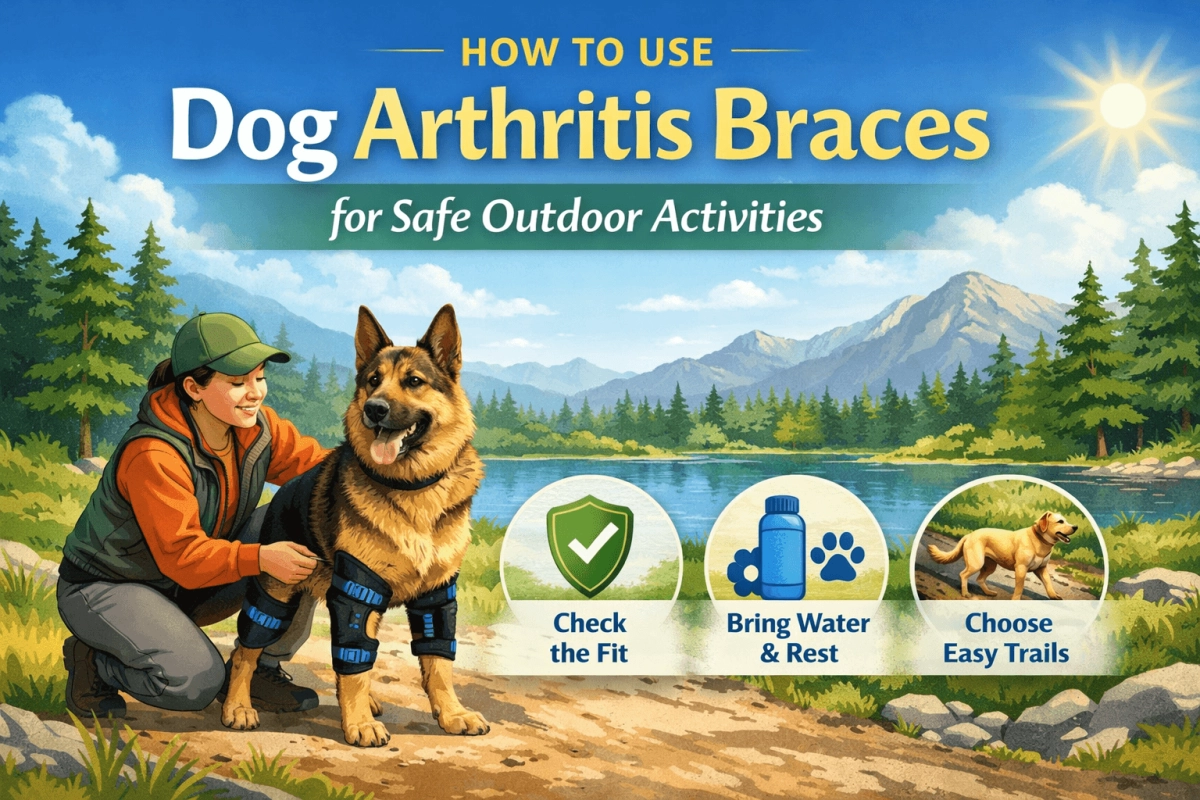
Dog braces for arthritis help your dog walk better outside. They make your dog's steps steady and help lower pain. You can pick the best braces to support your dog's joints. This helps your dog live well. Always ask your veterinarian about safe ways to play.
Your dog should have fun but stay safe and happy.
Key Takeaways
-
Dog braces lower pain and help your dog move better. They let your dog play outside in a safe way.
-
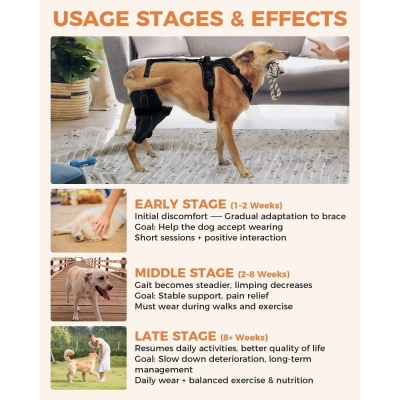
Begin with short times when your dog wears the brace. Slowly make the time longer so your dog feels good and gets support.
-
Talk to your veterinarian for advice that fits your dog. Your veterinarian can help you pick the right brace and activities. This keeps your dog healthy and happy.
Arthritis and Outdoor Activity Challenges
Impact of Arthritis on Mobility
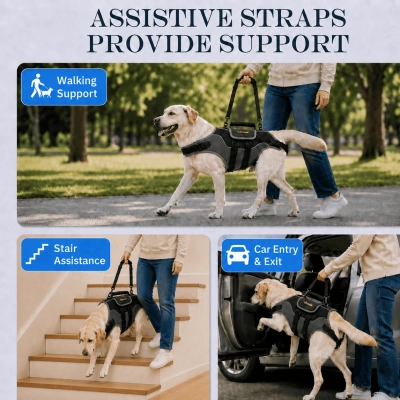
When your dog has arthritis, outdoor adventures can feel tough. You might notice your dog moves slower or stops more often during walks. Many dogs with arthritis struggle with simple things like going up stairs or jumping into the car. In fact, more than 40% of dogs deal with arthritis at some point. As dogs get older, the chances go up—about 90% of dogs over five years old in the U.S. have osteoarthritis.
Here are some common mobility challenges you might see:
-
Difficulty with movement, especially after resting
-
Reluctance to exercise or play outside
-
Trouble with stairs or jumping on and off furniture
You want your dog to enjoy the outdoors, but these challenges can make even short walks hard. Braces can help by giving extra support and making each step more stable.
Signs of Discomfort During Activities
It’s important to watch for signs that your dog feels uncomfortable during outdoor activities. Some signs are easy to spot, while others are more subtle. Check out this table to help you know what to look for:
|
Observable Sign |
Description |
|---|---|
|
Limping |
Your dog avoids putting weight on one leg. |
|
Difficulty standing, sitting, or lying down |
Your dog struggles to change positions and may seem restless. |
|
Trouble with stairs or elevated surfaces |
Your dog hesitates or refuses to climb or jump. |
|
Licking or chewing at joints |
Your dog may lick or chew sore spots to soothe pain. |
|
Behavior changes |
Your dog may act withdrawn or even grumpy. |
|
Vocalization |
Whining or groaning when touched or moving. |
|
Exercise intolerance |
Your dog tires quickly or wants to stop early. |
Tip: If you notice any of these signs, take a break and check your dog’s comfort. Always talk to your vet if you see new or worsening symptoms.
Dog Braces for Arthritis: Types and Support
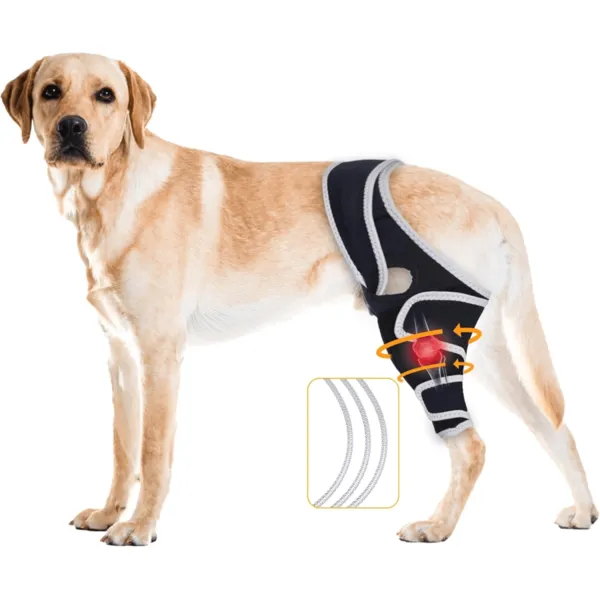
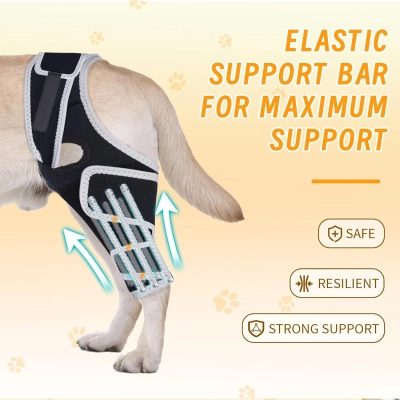
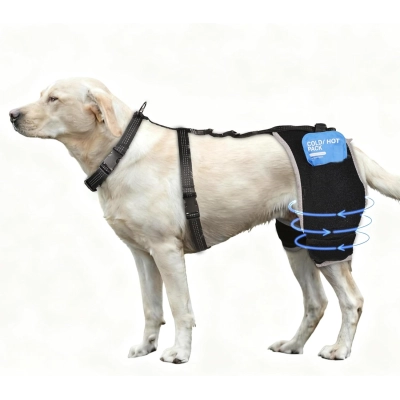
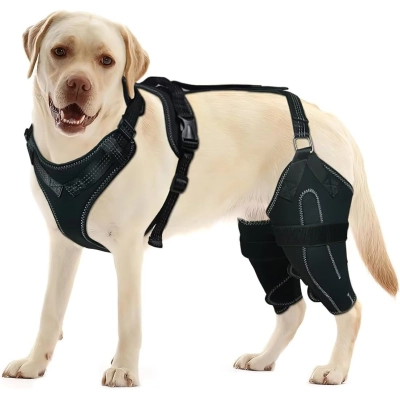
Universal Four-Leg Knee Brace for Dogs
Custom vs. Adjustable Braces
You can pick custom or adjustable braces for your dog. Custom braces are made just for your dog. Adjustable braces fit most dogs and are easy to use. Look at this table to see how they are different:
|
Feature |
Custom Dog Braces |
Adjustable Dog Braces |
|---|---|---|
|
Fit |
Tailored to your dog’s exact measurements |
One-size or size-range with adjustments |
|
Support |
Maximum, precise support |
Moderate to good support |
|
Best For |
Severe injuries, post-surgery, chronic issues |
Mild to moderate conditions, prevention |
|
Comfort |
Highly comfortable due to exact fit |
Comfortable, but less precise |
|
Ease of Use |
May require guidance to use properly |
Easy to put on and adjust daily |
|
Adjustability |
Limited after production |
Highly adjustable with straps/Velcro |
|
Production Time |
Longer (custom-made) |
Ready to use / fast shipping |
|
Long-Term Use |
Ideal for long-term treatment |
Suitable for short to medium-term use |
|
Price |
Higher cost |
More affordable |
Custom braces fit tightly and give great support. Adjustable braces are cheaper and you can get them fast. Custom braces help your dog walk and heal better. Adjustable braces are good for mild arthritis or short use.
Features for Outdoor Use
Outdoor braces should stay on and feel nice. They need to be strong, last long, and help your dog walk. Look for these things:
-
Straps you can change to fit well
-
Materials that keep water out
-
Pads that stop slipping on dirt or smooth ground
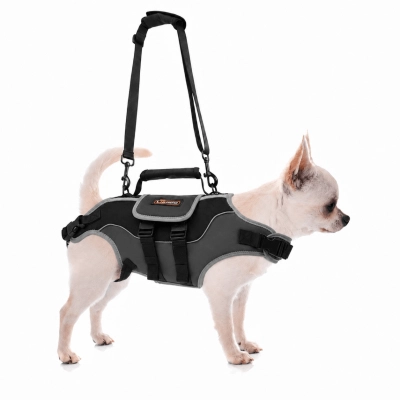
Mobility vests and sleeves help active dogs move easily. These braces support your dog and let them play. Outdoor braces should not slip off or hurt your dog. Your dog should feel safe and happy outside.
Tip: Check the brace before you go out. Make sure it fits and helps your dog have fun outside.
Using Dog Braces for Arthritis Outdoors
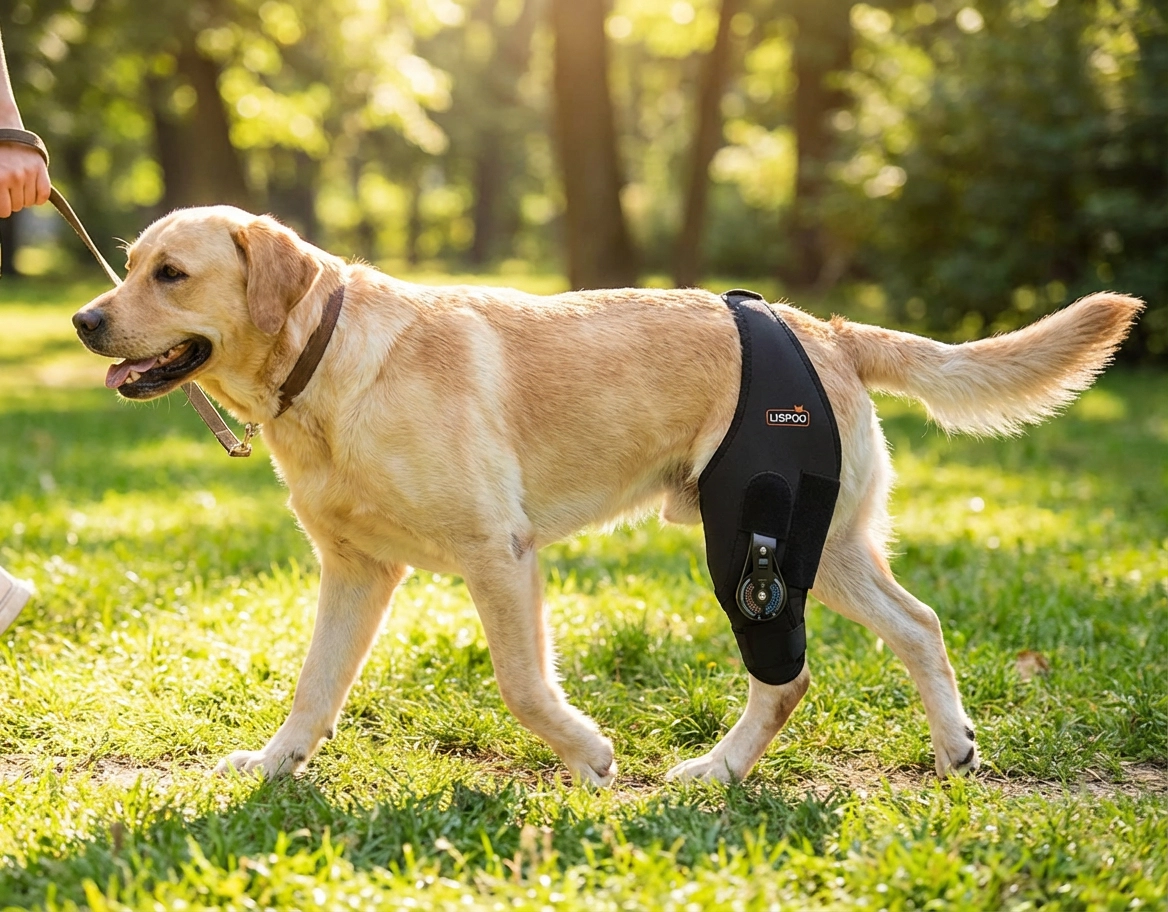
Acclimating Your Dog to the Brace
Getting your dog used to dog braces for arthritis takes patience. You want your dog to feel comfortable and confident before heading outside. Start indoors with short sessions. Try these steps:
-
Begin with 30 minutes of brace wear each day.
-
Increase the time by 30 minutes daily.
-
Aim for a maximum of 12 hours of wear.
-
Always check your dog's skin after each session.
-
Ask your veterinarian for advice if your dog seems uncomfortable.
Here’s a simple table to help you track your progress:
|
Day |
Duration |
Notes |
|---|---|---|
|
1 |
30 mins |
Initial wear |
|
2 |
1 hour |
Gradual increase |
|
3 |
1.5 hours |
Continue increasing |
|
4-7 |
45-60 mins |
Supervised sessions indoors |
You should supervise your dog during these sessions. Watch for signs of irritation or discomfort. If your dog seems happy and moves well, you can try short walks outside.
Fitting and Pre-Activity Checks
Before you head outdoors, make sure the braces fit perfectly. A good fit gives your dog the support needed for safe activity. Follow these steps:
-
Measure your dog's leg to choose the right size.
-
Try on the brace and follow the instructions from the manufacturer.
-
Check for rubbing or chafing. Adjust straps if needed.
-
Use a breathable liner under the brace to protect the skin.
-
Inspect the brace for wear and tear.
-
Make sure the brace is snug but not too tight.
Tip: Stick to smooth paths and avoid muddy or rocky areas. This helps your dog keep stable steps and protects the brace.
Monitoring During Activity
You need to watch your dog closely during outdoor activity. The 20-minute rule works well for new activities. Start with short sessions and increase time only if your dog stays comfortable. Look for these signs:
-
Stiffness, limping, or favoring one leg
-
Trouble standing up or lying down
-
Odd posture or accidents when going potty
-
Less activity or not wanting to play
-
Changes in mood, like irritability or shyness
-
Licking, chewing, or biting at paws or joints
If you notice any of these signs, stop the activity and check the braces. Your dog should feel supported and happy. You want to build confidence on the trail, not push too hard.
Post-Activity Care
After each outdoor session, take care of your dog and the braces. This keeps your dog comfortable and helps the braces last longer. Here’s a table with easy steps:
|
Care Step |
Description |
|---|---|
|
Introduce gradually |
Start with 15–30 minutes; build to longer sessions as your dog adapts. |
|
Protect the skin |
Check contact areas daily; trim long hair under straps if needed. |
|
Keep it clean |
Hand-wash braces in cool water; air-dry flat to keep them strong. |
|
Pair smartly |
Combine braces with traction aids, low-impact walks, and your vet’s plan. |
You should always inspect your dog's skin for redness, hair loss, or chafing after removing the brace. Clean and dry the area before putting the brace back on. If you see any irritation, let your dog rest for a day. Adjust the fit as needed. Regular visits to your veterinarian help you keep your dog safe and supported.
Note: Post-activity care is just as important as the activity itself. Your dog deserves stable steps outdoors and adventure within limits.
Matching Activities to Arthritis Support
Low-Impact Activities
You want your dog to have fun outside and stay safe. Low-impact activities are best for dogs with arthritis. These activities help your dog move and get stronger. They also make life better for your dog. Braces give extra help during each activity. Here are some good choices:
-
Walks on a leash on trails or sidewalks
-
Swimming with help getting in and out
-
Special exercise like walking on an underwater treadmill
-
Games that use your dog’s nose to find things
-
Trips to stores or coffee shops
-
Dancing with your dog
Swimming is one of the best low-impact activities. Water holds up your dog’s body and takes stress off joints. Short walks done often also help your dog stay strong and flexible. You can use braces to help your dog during these activities. This can make your dog’s life better.
Moderate Activities with Vet Approval
Some dogs do well with braces and can try more activity. Gentle hikes on smooth trails are okay if your vet says yes. Always check the brace fit before each activity. Do not go up steep hills, turn quickly, or jump. Start with short times and watch your dog closely. Braces help your dog feel steady and safe during these activities.
|
Activity |
Conditions for Safety |
|---|---|
|
Gentle hiking |
Vet approval, perfect brace fit |
|
Longer walks |
Gradual increase, monitor support |
Activities to Avoid
Some activities are not safe for your dog, even with braces. Hard exercise can hurt your dog’s joints and make life worse. You should not do these things:
-
Run or jog with your dog
-
Flyball
-
Agility
-
Frisbee or disc dog games
-
Jumping to catch a ball
-
Jumping from high places
These activities can cause injury and make arthritis worse. Braces cannot fully protect your dog during hard exercise. Stick to easy activities to help your dog feel good.
Comfort and Safety Tips for Outdoor Use
Ensuring Proper Support
You want your dog to feel safe and comfortable every time you head outside. The right braces make all the difference. Always check the fit before and after each walk. A snug fit gives the best support and helps your dog move with confidence on the trail. Here are some best practices:
-
Look for even pressure from the braces, not too tight or too loose.
-
Use a breathable liner under the braces to protect your dog’s skin.
-
Choose braces made for outdoor use, with water-resistant materials and non-slip pads.
-
Change your walking route if you see rough or slippery ground. This helps prevent extra stress on your dog’s joints.
Monitoring for Signs of Discomfort
Keep an eye on your dog during every outing. Braces should never cause pain. Watch for these signs that something might be wrong:
-
Licking or chewing at the braces
-
Refusing to walk or slowing down
-
Redness, swelling, or sores near the braces
-
Any new limping or odd movement
If you spot any of these, stop and check the braces right away. Remove them if needed and let your dog rest. Good skin care keeps your dog happy and avoids problems.
Professional Guidance
You do not have to figure this out alone. Your veterinarian or rehab therapist can help you choose the best braces and activity plan. They know what works for dogs with arthritis. Regular check-ins help you adjust the fit and make sure the braces give the right support. With expert advice, you and your dog can enjoy stable steps outdoors and adventure within limits.
-
Braces for dogs with arthritis let dogs enjoy outdoor adventures with less pain.
-
You should start slow, pick safe activities, and check comfort often.
-
Work with your vet for the best plan.
Adventure within limits gives your dog confidence and stable steps outside.
FAQ
How long should my dog wear an arthritis brace outside?
You should start with 20 minutes. Watch your dog for signs of discomfort. Increase time slowly if your dog stays happy and active.
Can dogs swim while wearing arthritis braces?
Yes, many braces work in water. Swimming helps joint mobility and supports pain management. Always check the brace after swimming for wear or damage.
What signs show my dog needs a break during exercise?
-
Limping
-
Slowing down
-
Licking or chewing at the brace
If you see these signs, stop and let your dog rest.

0 Comments